DINDU
TYPE : COASTAL FORT
DISTRICT : VALSAD
HEIGHT : 100 FEET
GRADE : EASY
Because of Mumbai, the Konkan region is divided into two parts: North Konkan and South Konkan. The stretch from Vasai to Daman is known as North Konkan, while the stretch from Alibag to Karwar is called South Konkan.
Since the Portuguese ruled North Konkan for a considerable time, many small and large forts built by them can be seen along the coastal stretch from Vasai to Daman. Most of these forts are in ruins today, with only small remnants surviving. One such fort of Portuguese origin is Dindugad, located near the border of Daman.
Although this region was once part of Swarajya (the Maratha kingdom), it was incorporated into the state of Gujarat due to language-based reorganization and other reasons. Since this fort was once under Swarajya, I have included it in this section on forts of Maharashtra.
...
Chintaman Gangadhar Gogte mentioned this fort in his 1896 book Maharashtra Deshache Kille (Forts of Maharashtra). Also, Captain Naravane referred to this fort in his English book The Maritime and Coastal Forts of India, although the only detail was that it was near the village of Phanse, with no other references available.
Our friend, who is passionate about forts, Mr. Jagdish Dhanmeher, found the exact location of this fort based solely on this limited reference—he deserves heartfelt congratulations! Thanks to the information he provided, we were able to visit this fort.
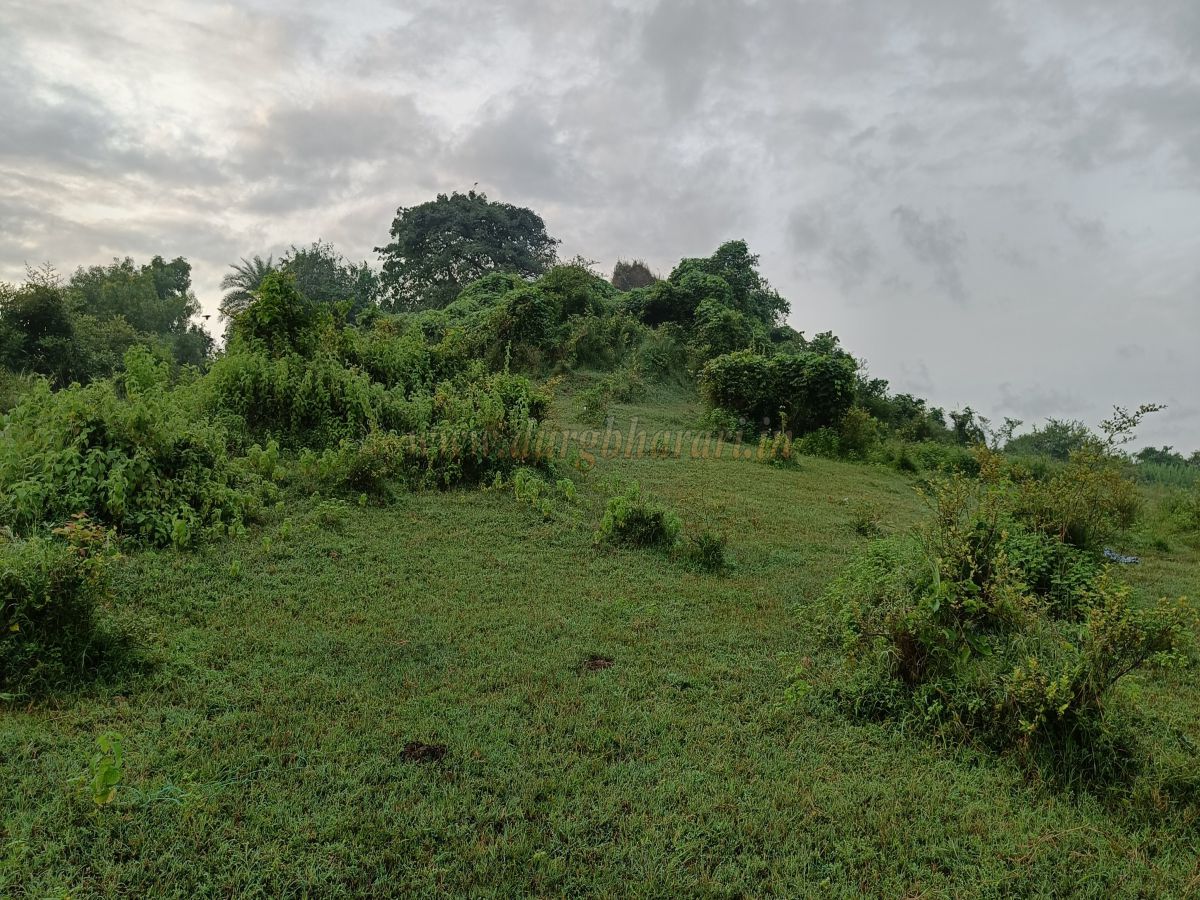
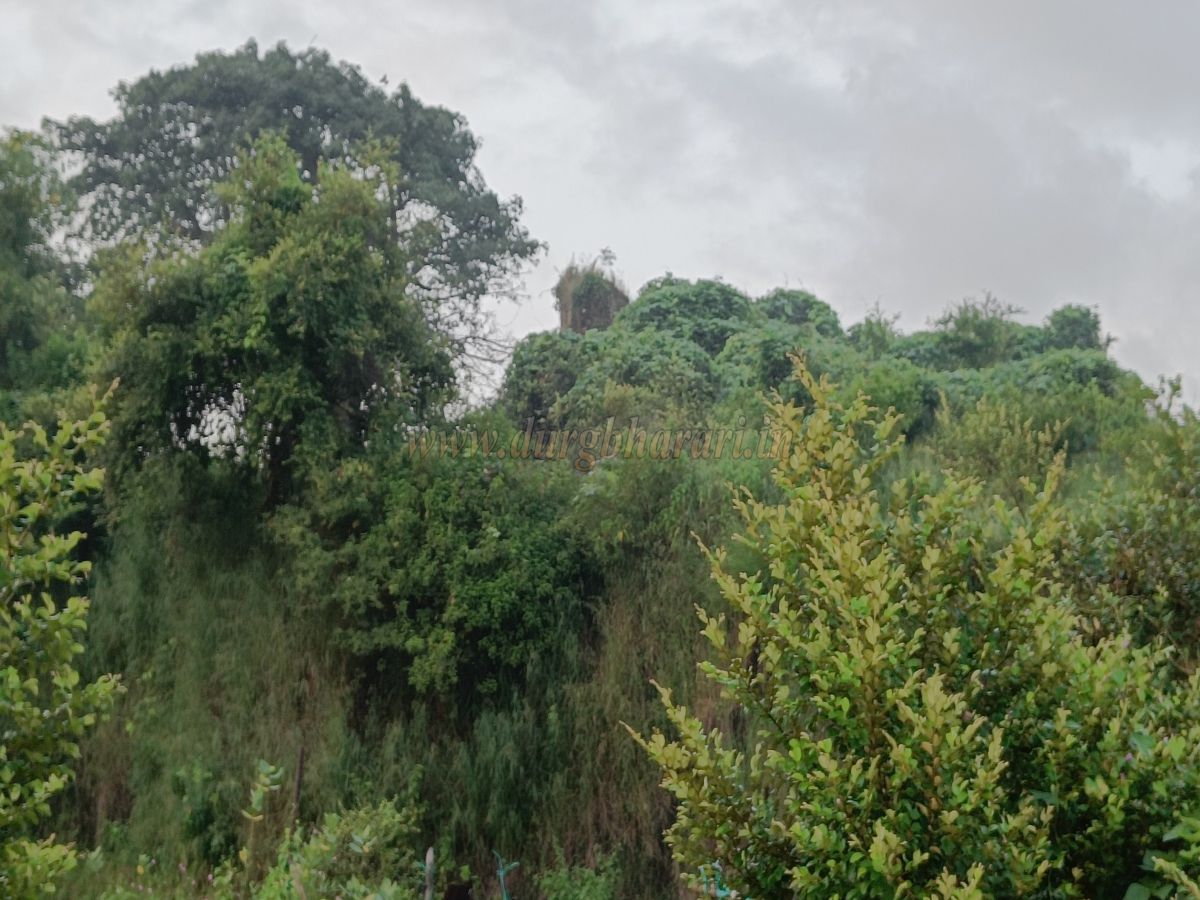
Over time, the Marathi name Phanse for the village has become Fansa in Gujarati. The fort’s ruins stand, weathering time, on a small hill about 100 feet high behind the B.F.B.M. School in Fansa village.
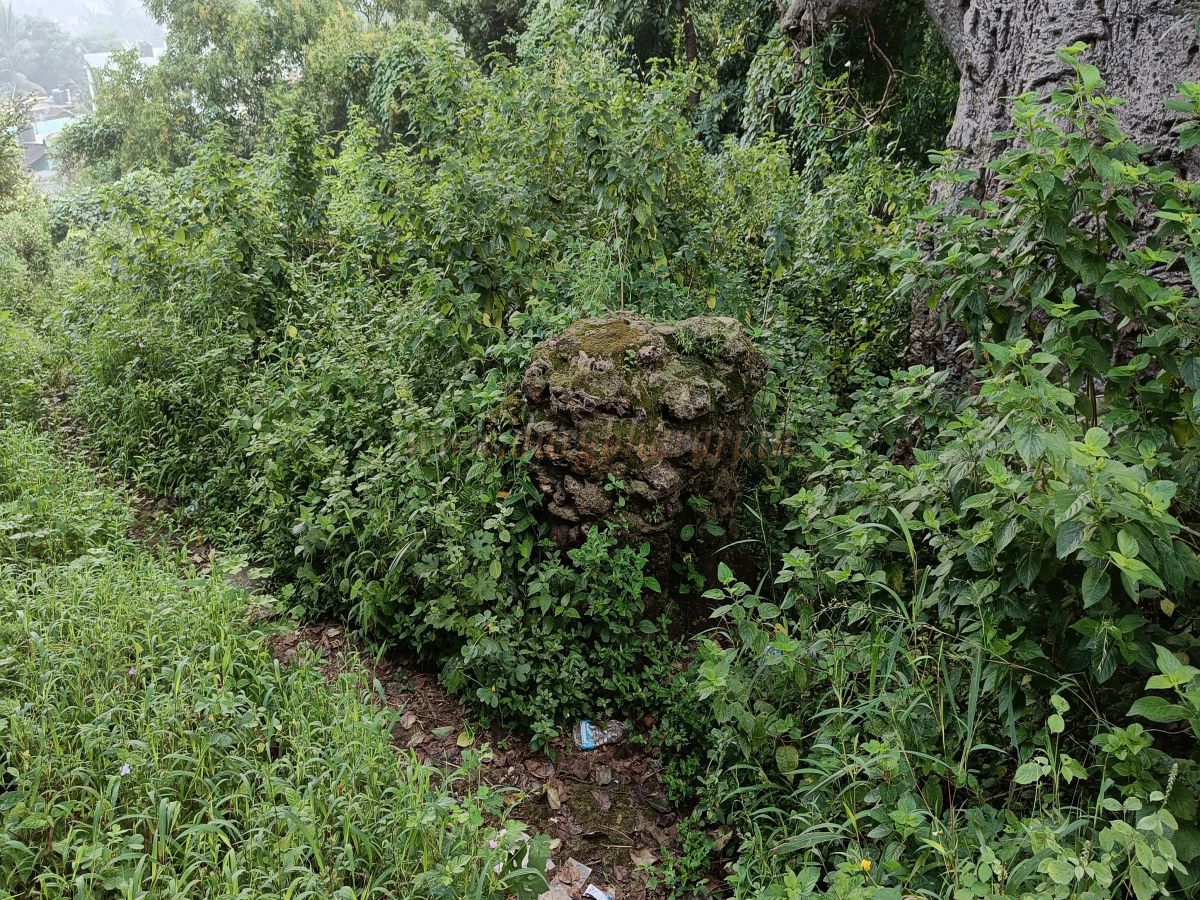
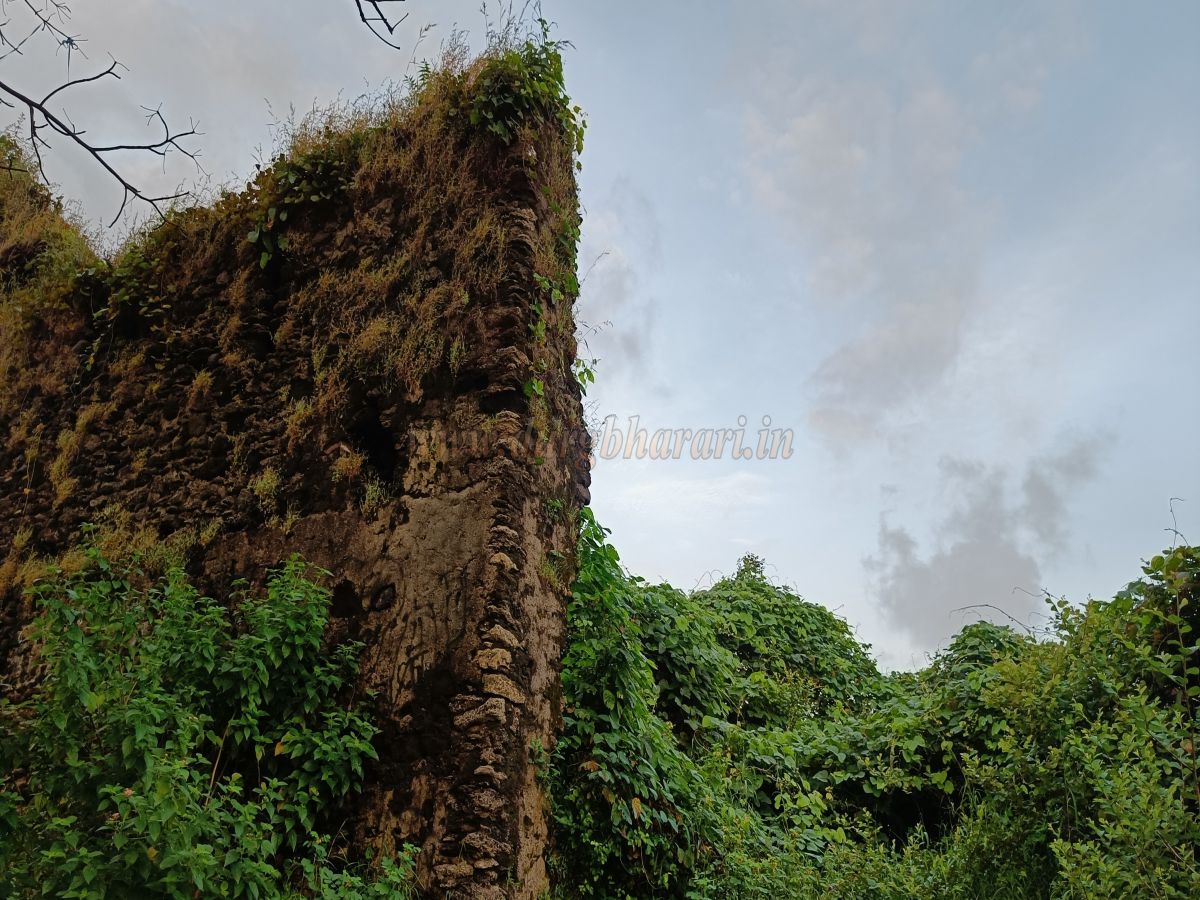
The nearest railway station to Fansa is Bhilad, about 13 km away. Buses and rickshaws are available from the station to reach the village. Upon reaching the village, asking for the address of B.F.B.M. Wadiya School will easily guide you to the foot of the fort’s hill. It takes about 5 minutes to climb up to the fort from the school. Much of the fort is in ruins, and aside from a two-story building on the highest part, no other remains are visible. Looking at the gun slits in the walls of this building, one realizes it was a fort. Inside the building, niches for beams supporting the upper floor can be seen. The construction uses roughly hewn stones, with lime plaster applied inside.
Locals call this fort “Madi” because of the two-story structure. Judging by the shape and location of the hill, other parts of the fort likely existed but are now completely destroyed. Since no other remains exist, a tour of the fort takes only about five minutes.
From the hill, one can see the vast ocean stretching far and the Indragad Fort in the distance. Although locals do not realize this building as a fort, they know the place as Madi.
The Portuguese were a maritime people. To maintain direct sea routes with Portugal, they built most forts along the coastline. The forts in the Vasai to Daman area are arranged roughly in a line parallel to the sea.
These Portuguese forts, mostly built in the 16th century, were primarily watch posts protecting sea routes and supplying logistics to smaller forts in the region. Using these small forts, watch towers, and long-range cannons, the Portuguese established their empire over the North Konkan maritime routes.
During the Vasai campaign from 1737 to 1739, this fort came under Maratha control, and the Portuguese were expelled from this region.
According to the Parsi text Zend Avesta, during the time of Nana Saheb Peshwa in 1757, the Marathas repaired this fort to protect the coastal region from invaders.
Today, the fort is in a very poor condition, and about 10 minutes is enough to see the entire site. Visitors coming to see the fort might be disappointed, but those interested in ancient maritime trade routes, Portuguese watch posts, and the fort’s geographical importance should definitely visit this place.
Avoid visiting during the monsoon season as tall grass grows over the fort, making access difficult.
© Suresh Nimbalkar
GALLERY