DHOTRI
TYPE : GADHI
DISTRICT : SOLAPUR
HEIGHT : 0
GRADE : EASY
Dhotri Fort is located in Dhotri village, about 24 km from Solapur city. This medieval fort is a Bhuikot type (fort built on flat ground), though its detailed history is not well known. Approaching Dhotri village from Solapur, the fort’s defensive walls and bastions catch the eye from a distance. The fort gate is visible from the road, making entry easy.
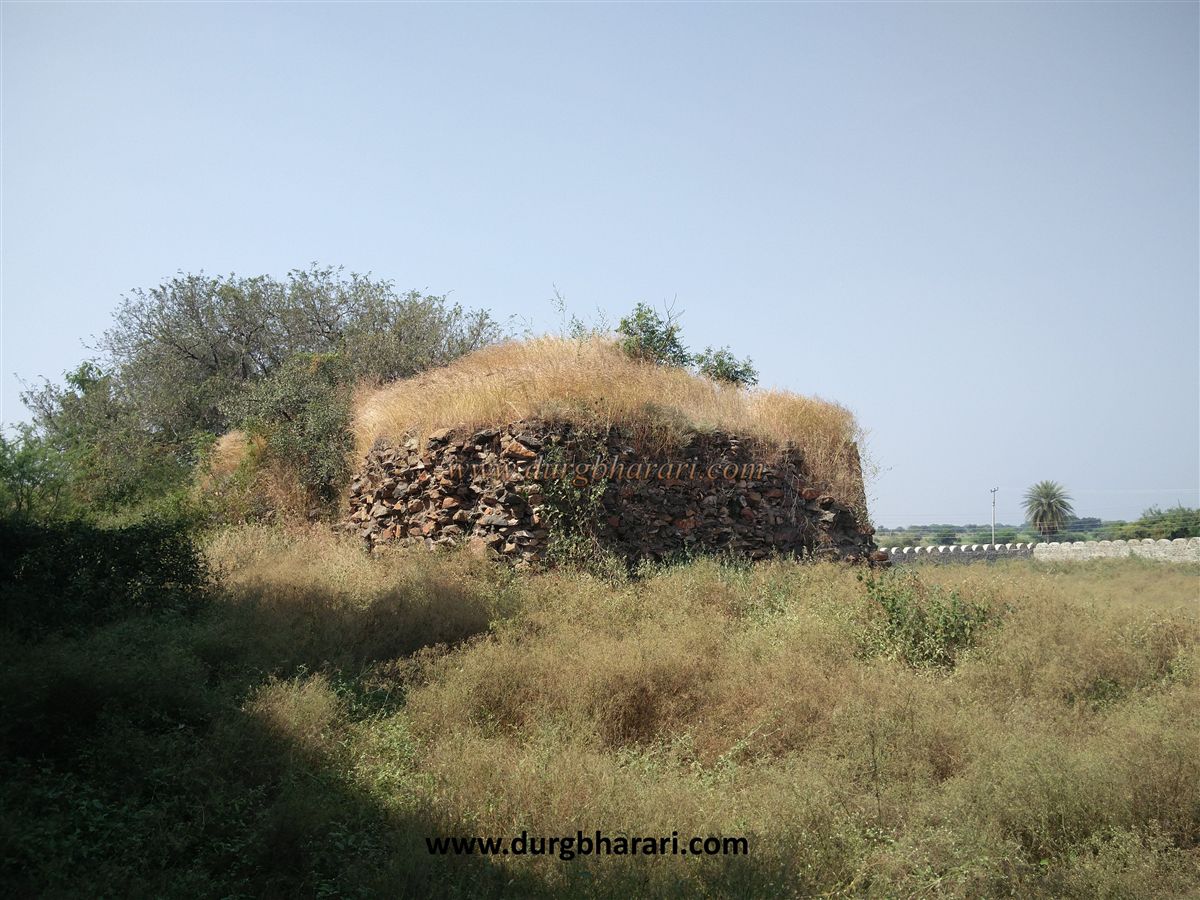
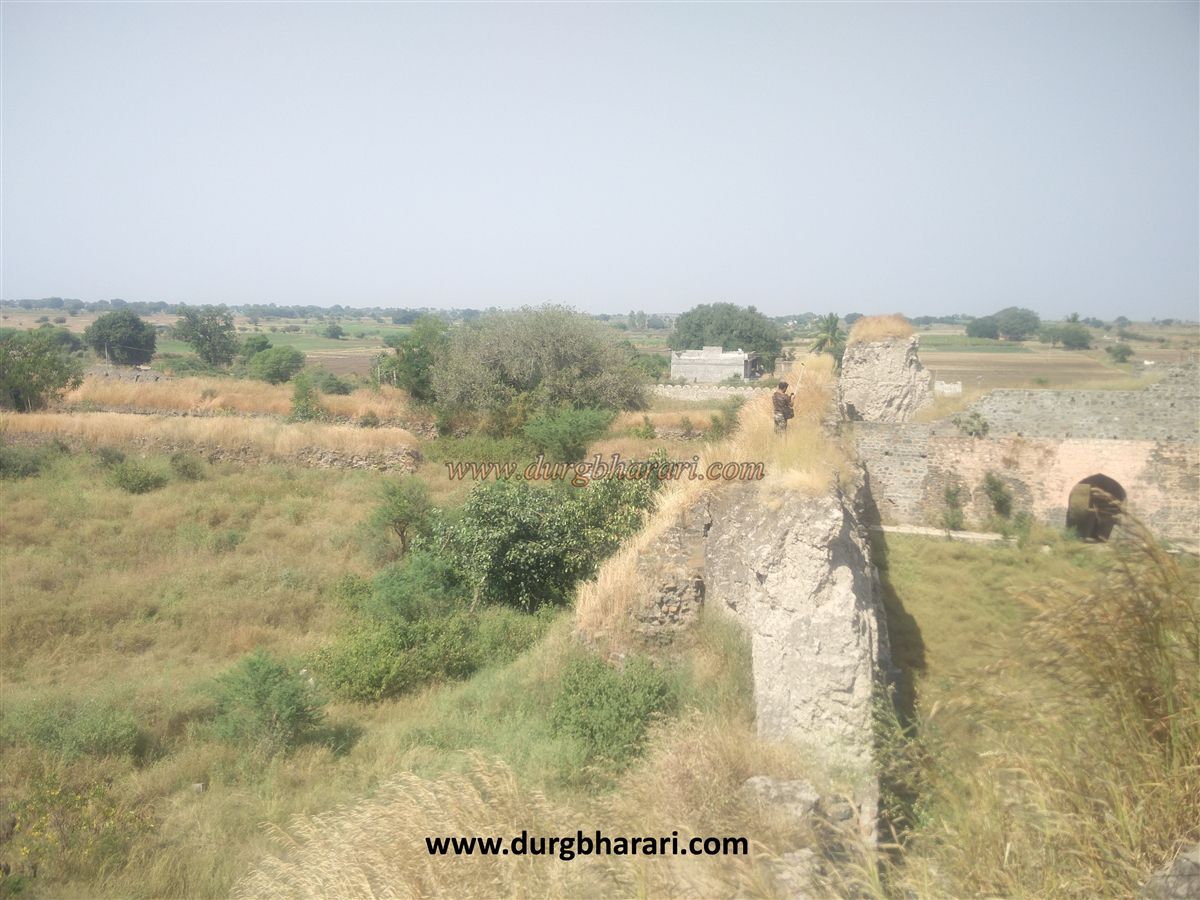
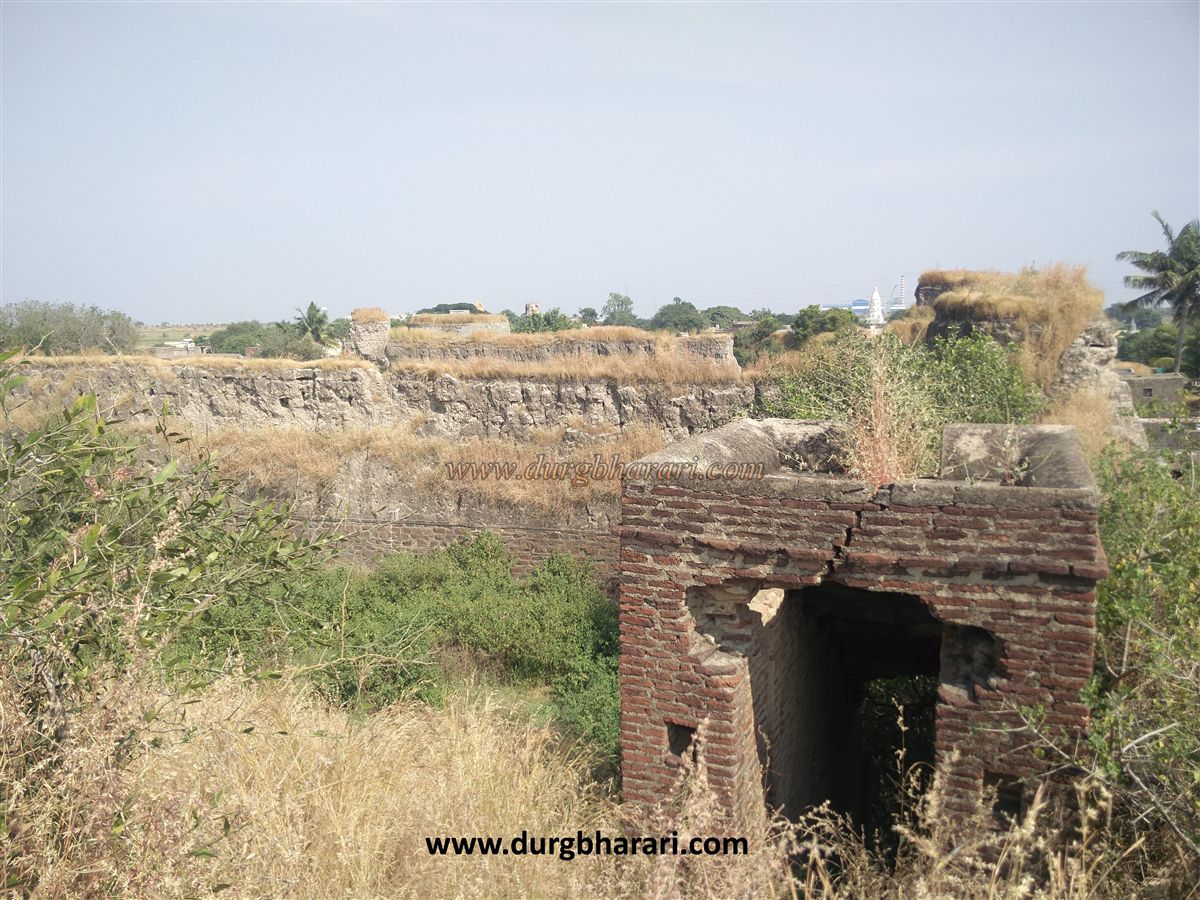
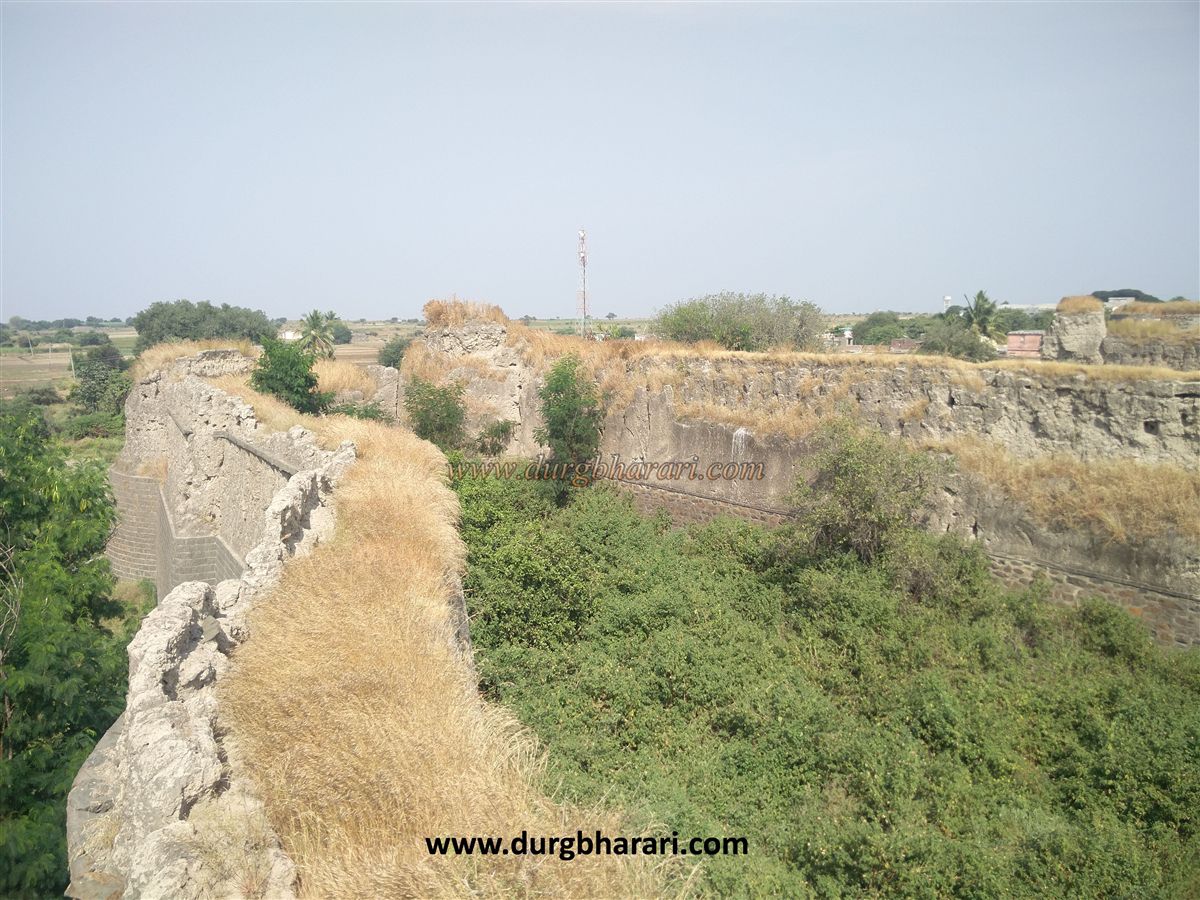
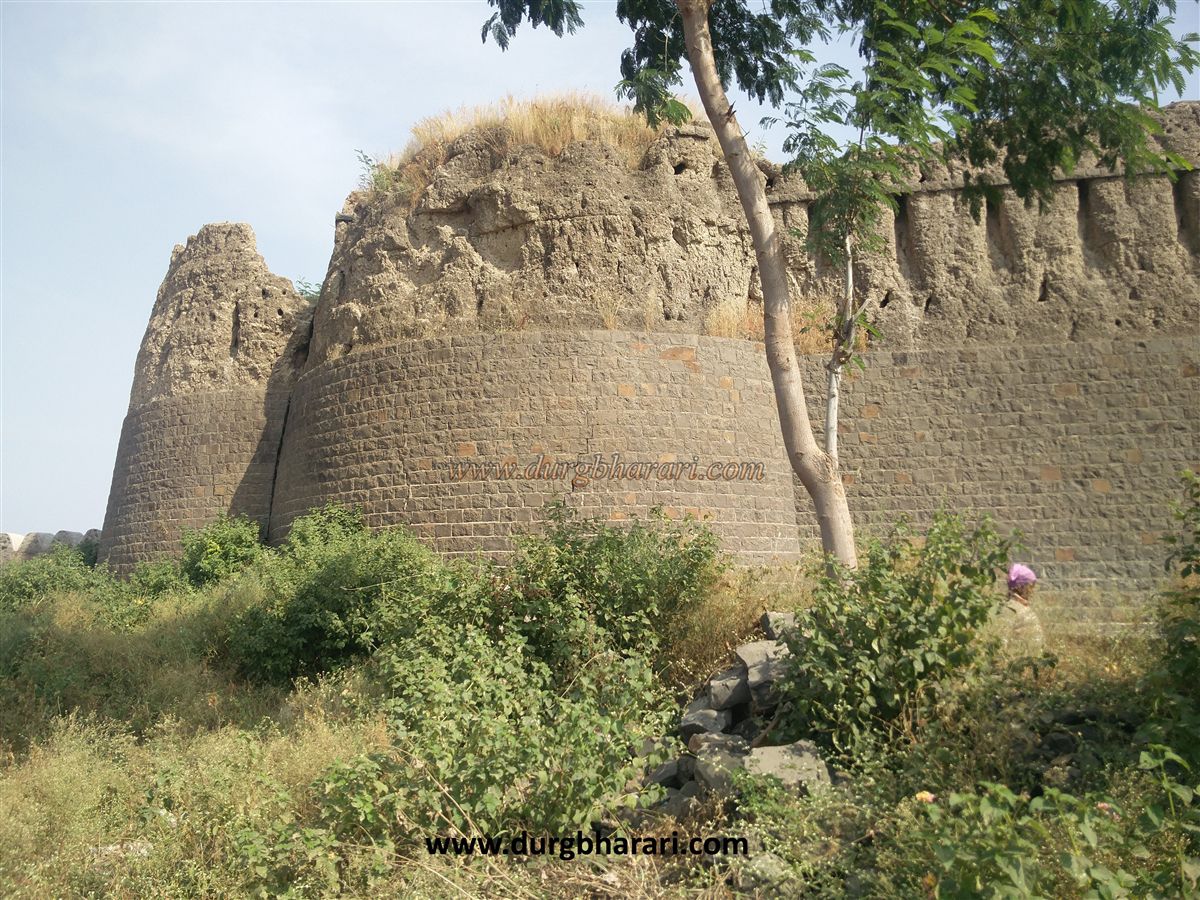
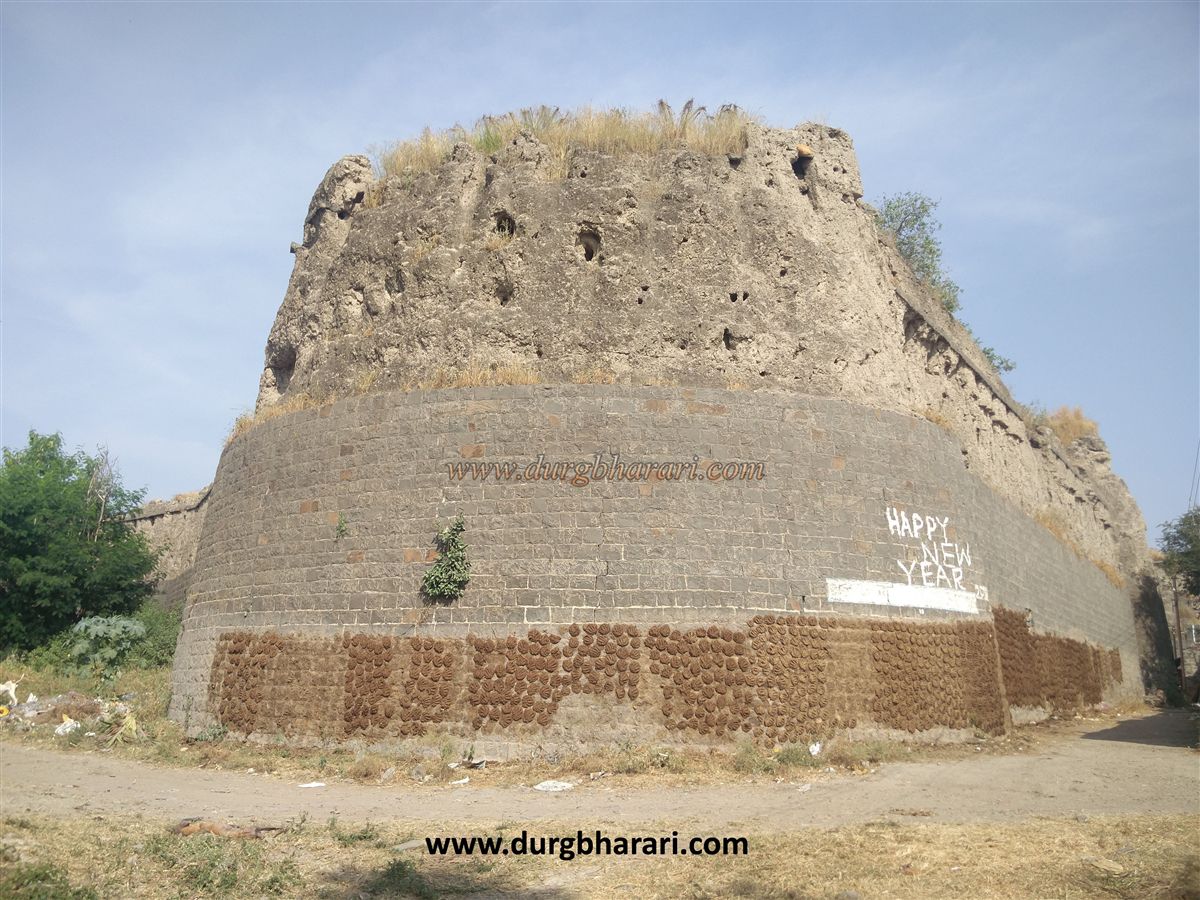
The fort is roughly rectangular, spreading east-west, covering about two acres. The fortification has a total of ten bastions; four large bastions at the corners and six medium-sized bastions along the walls. The two bastions at the southern corner are connected.
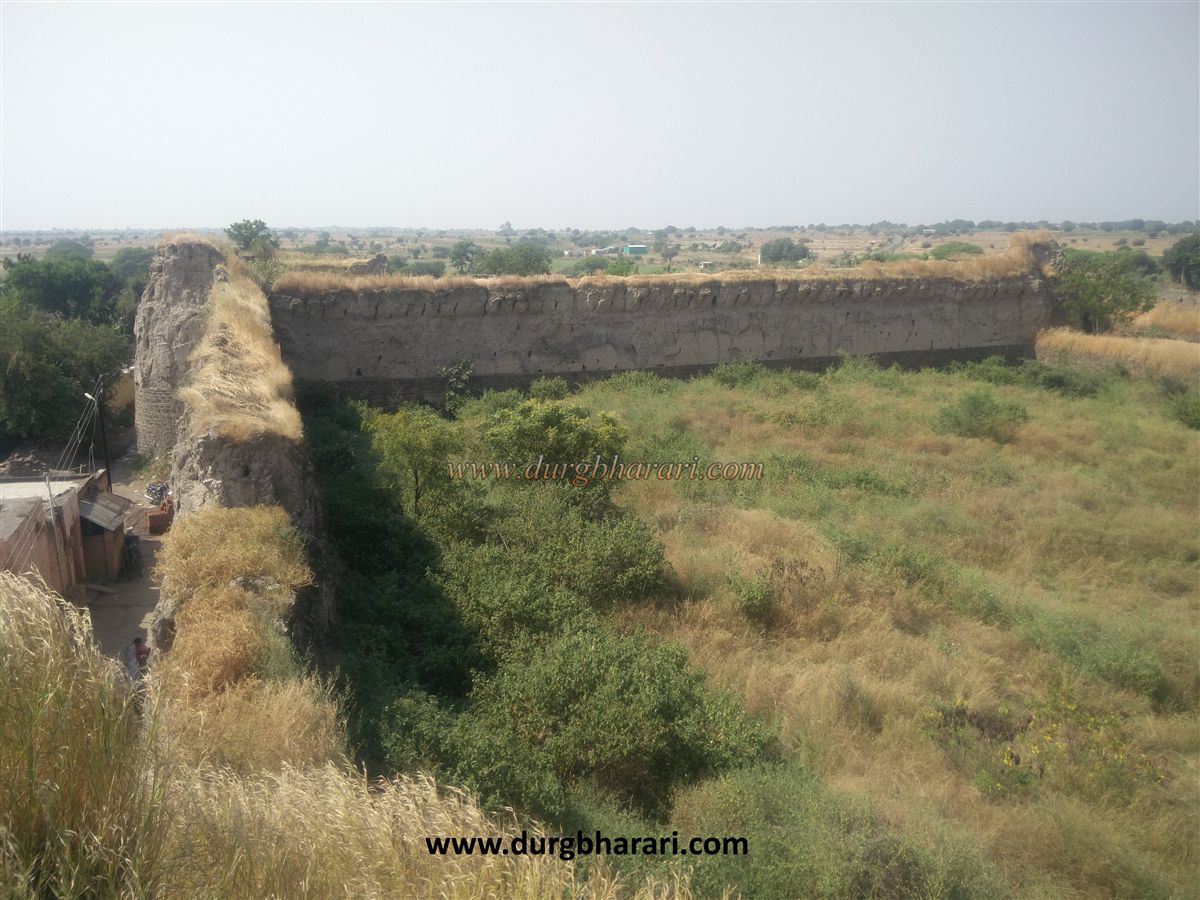
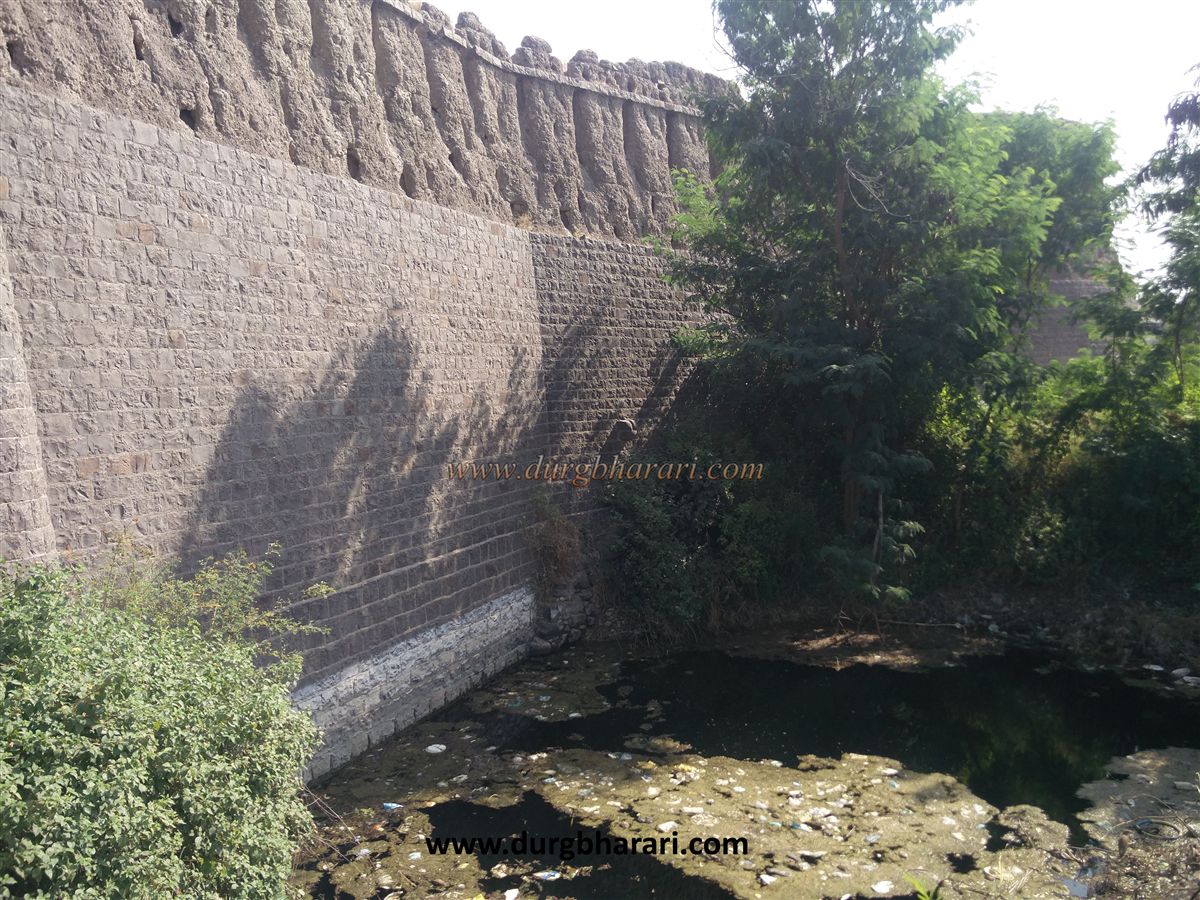
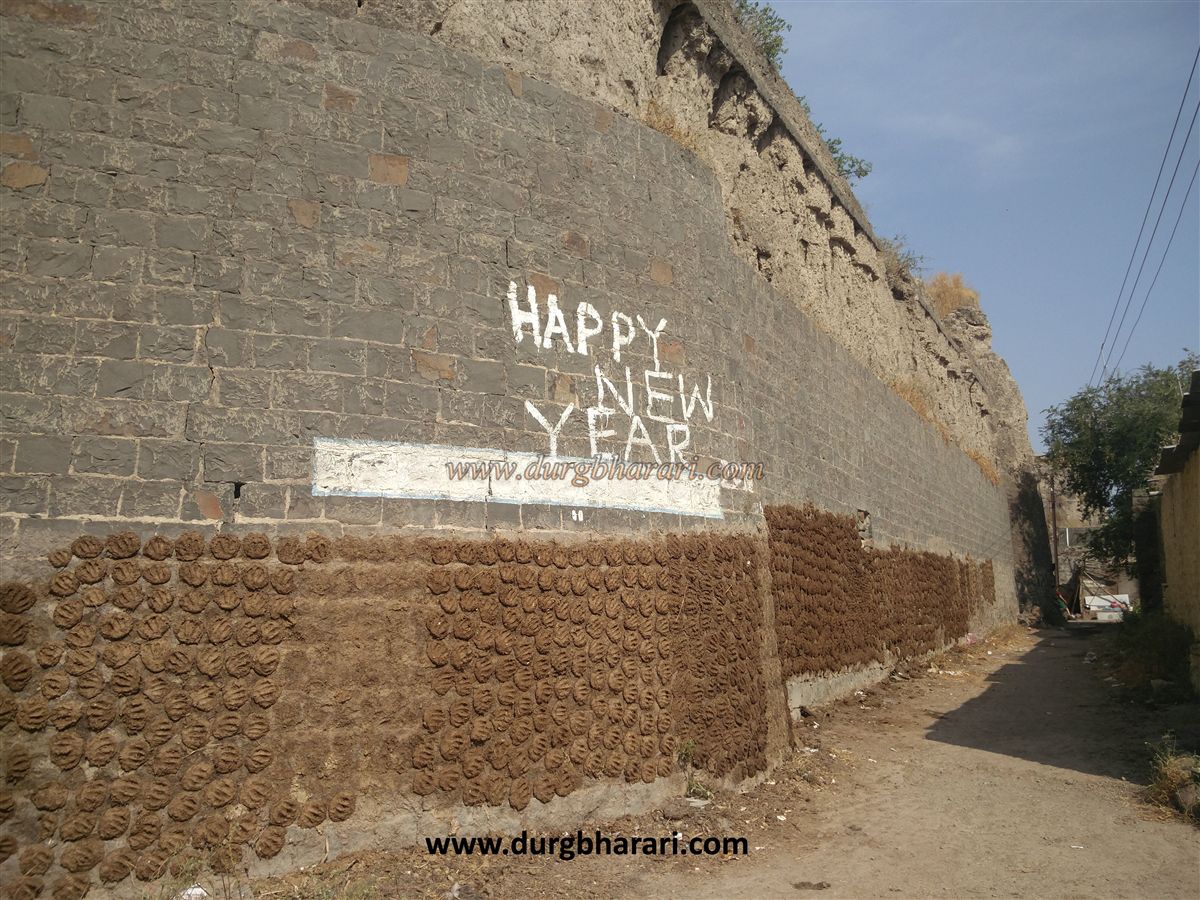
The fort walls and bastions are made of white sticky clay, strengthened inside and outside at the base with stone masonry, and bricks are used above. There are embrasures (small openings for shooting) at various places on the walls and bastions.
...
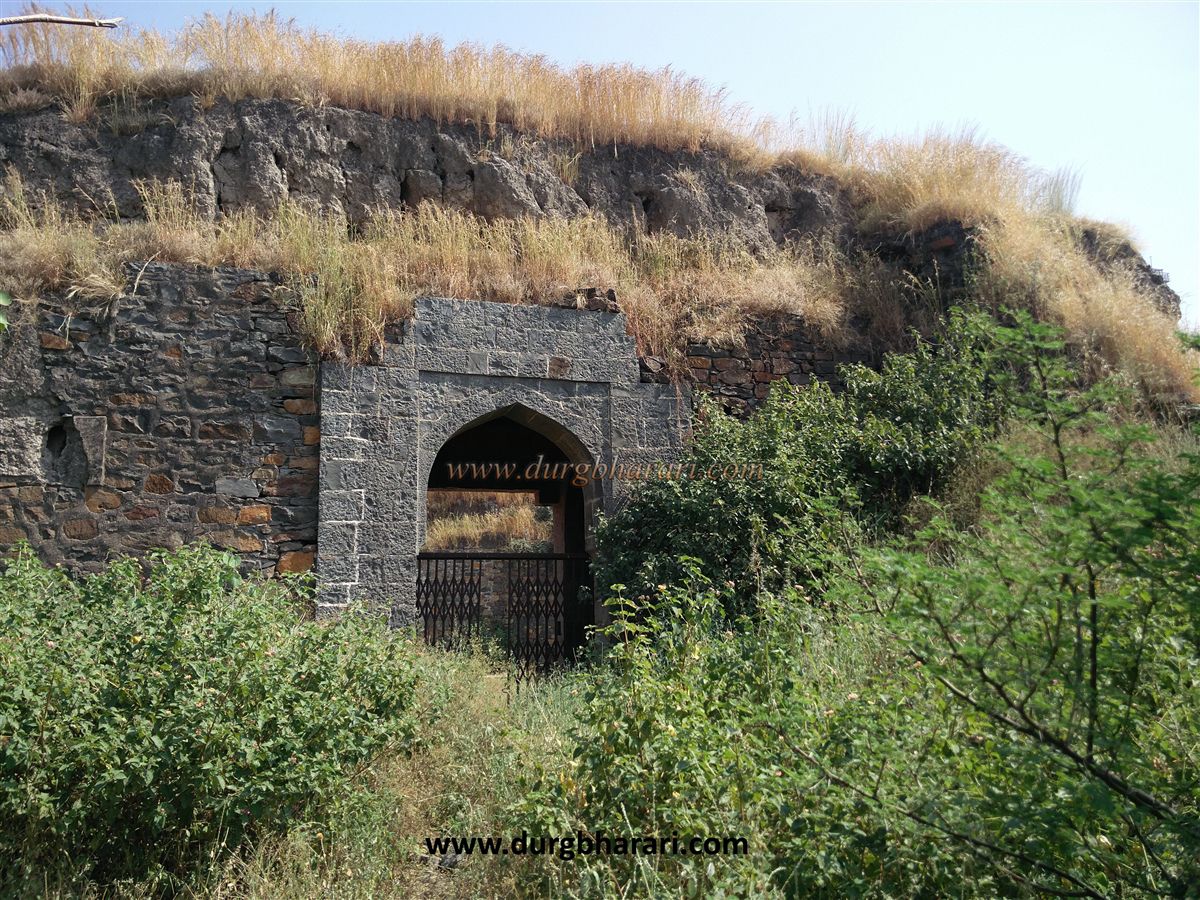
The central citadel (balekilla) is protected by an additional outer wall, forming a double fortification, dividing the fort into three parts. Upon entering through the outer battleground (ranmandal), before reaching the main gate, one can roam the area between the two outer walls. This area is heavily overgrown with vegetation and is not easily passable. This forms the fort’s first section. The entrance gate to this outer wall is destroyed.
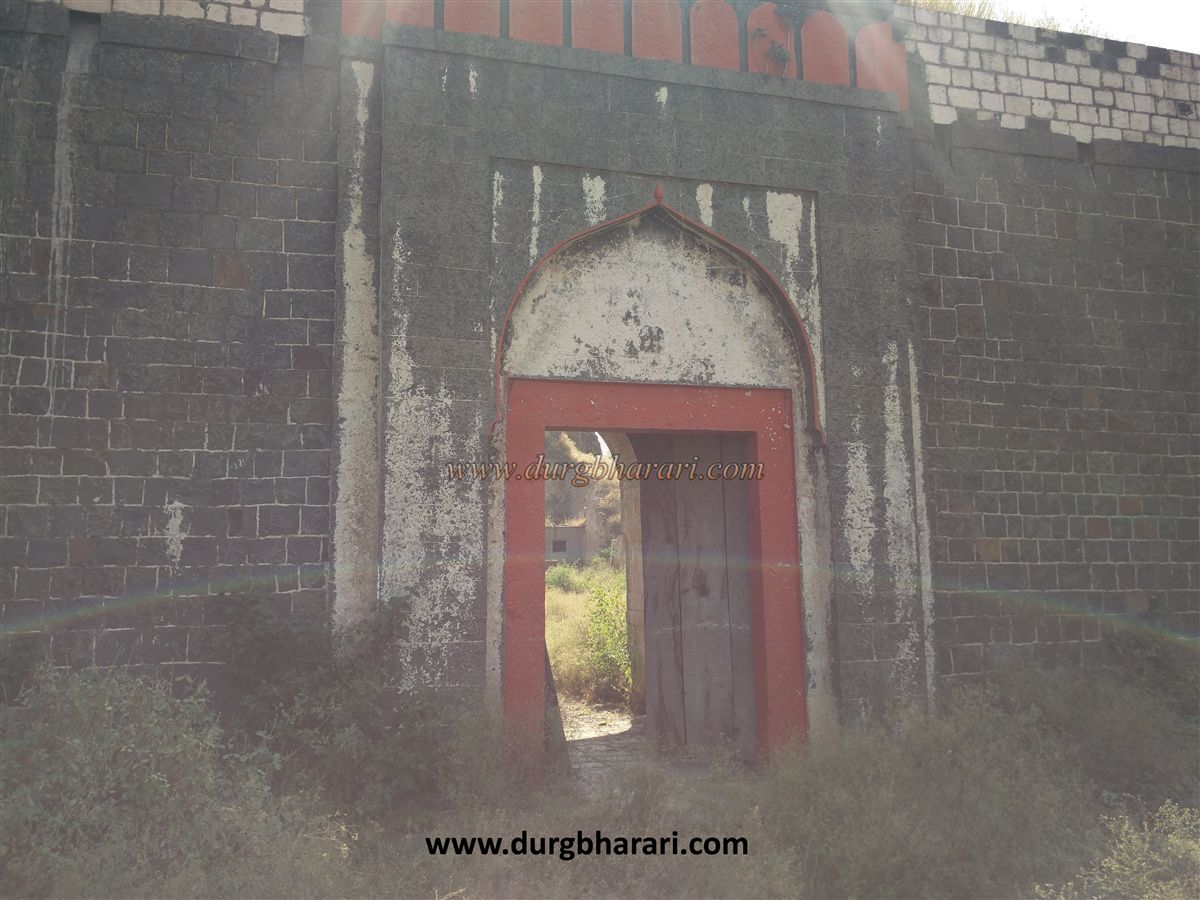
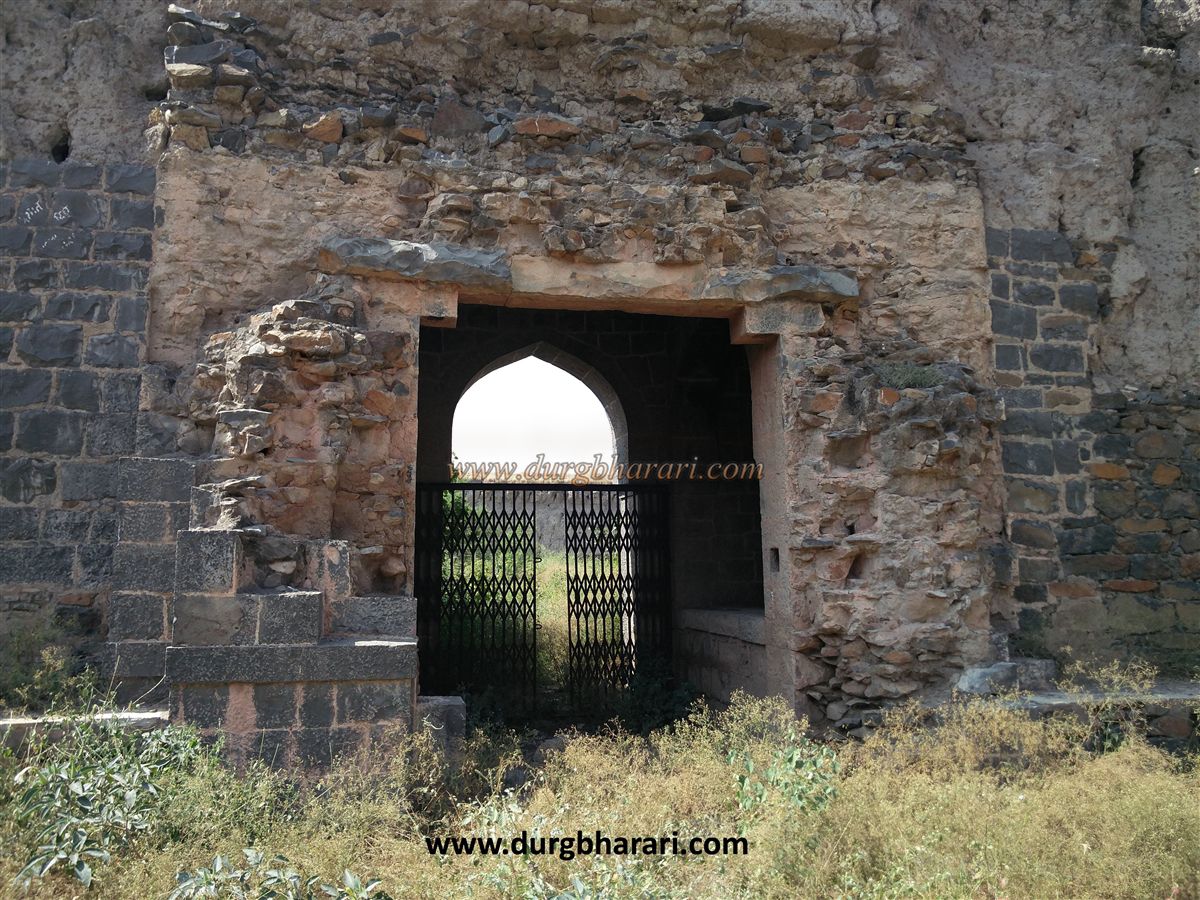
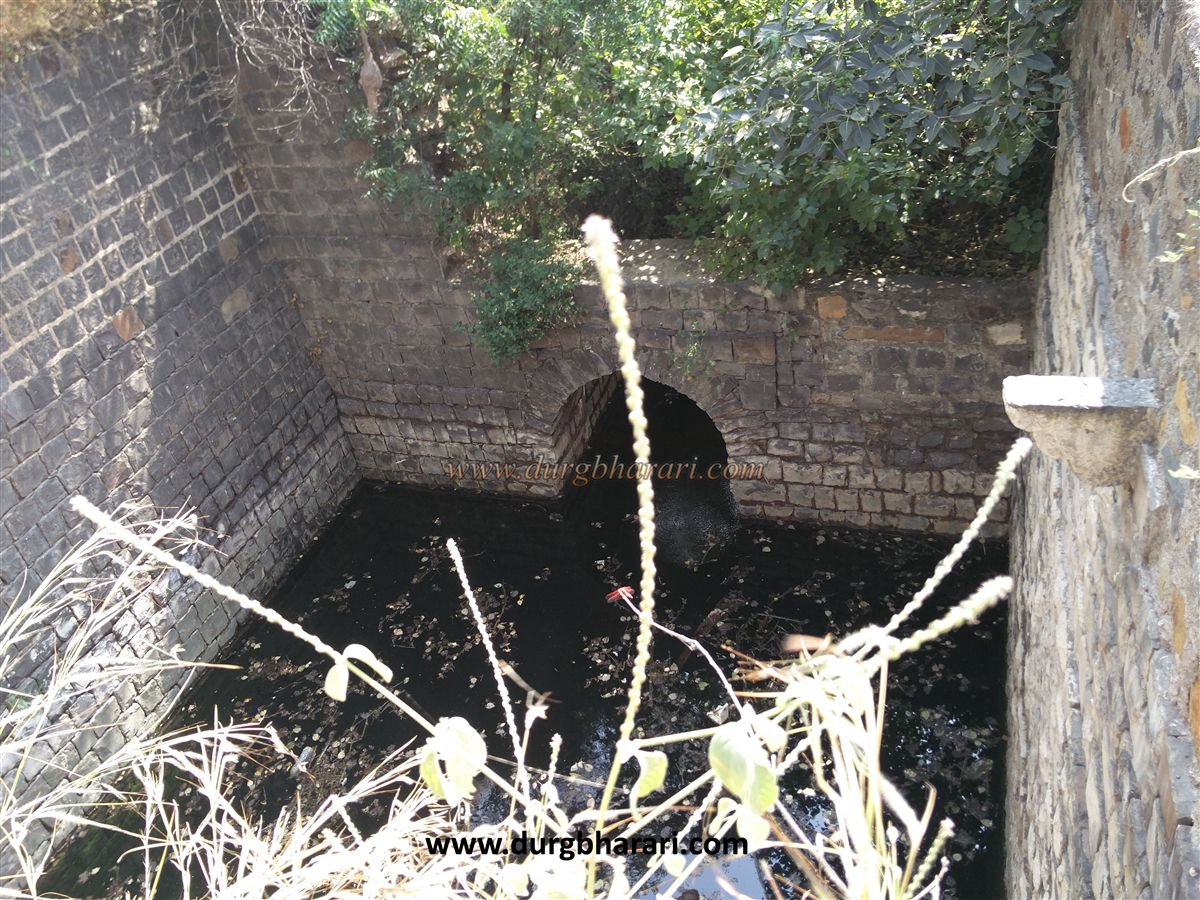
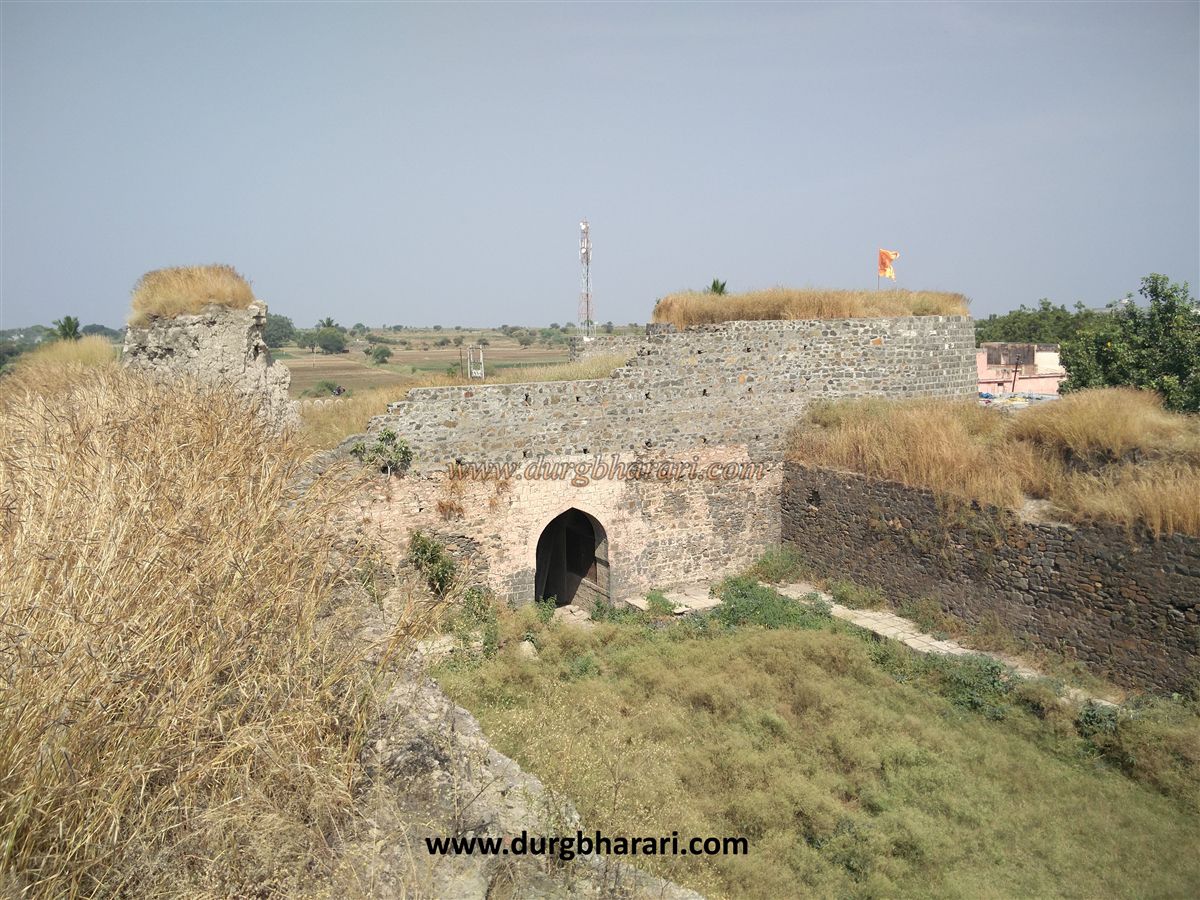
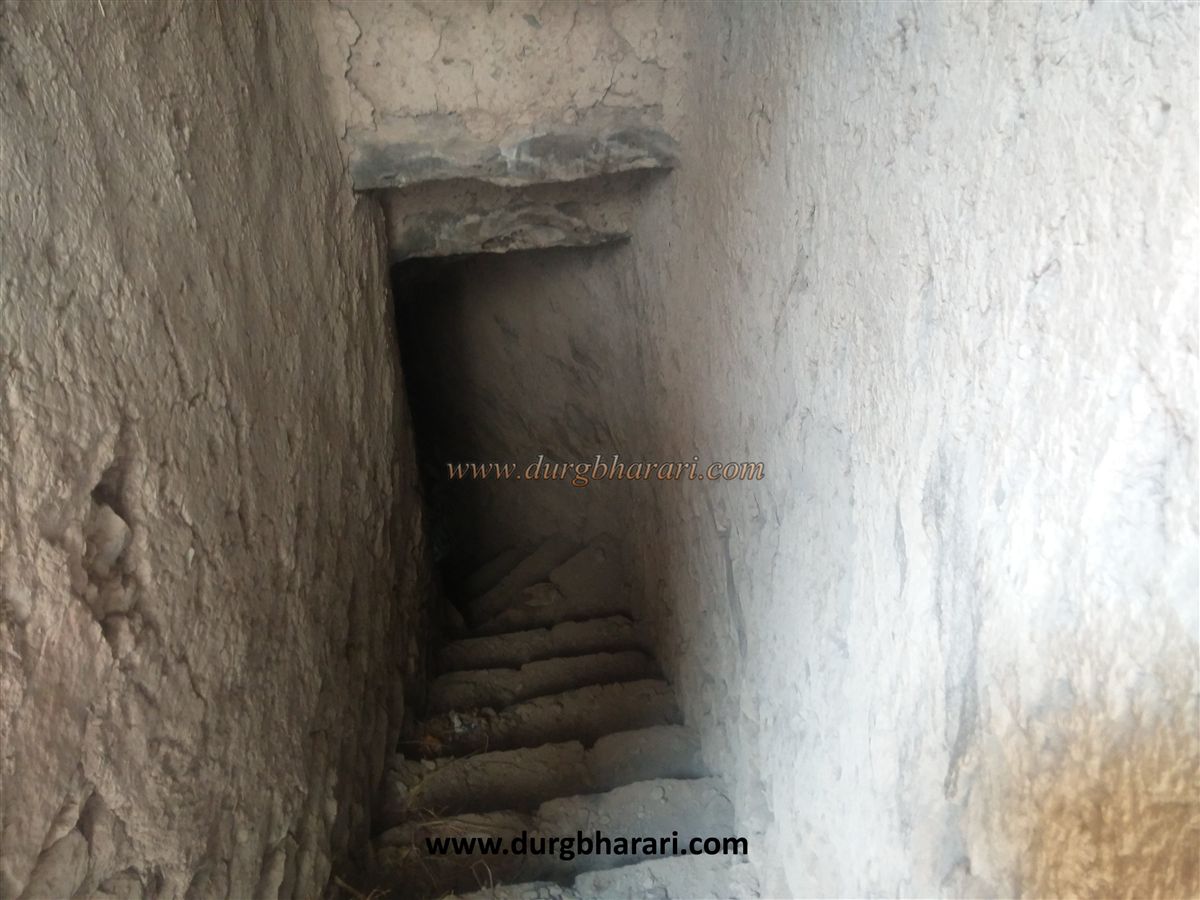
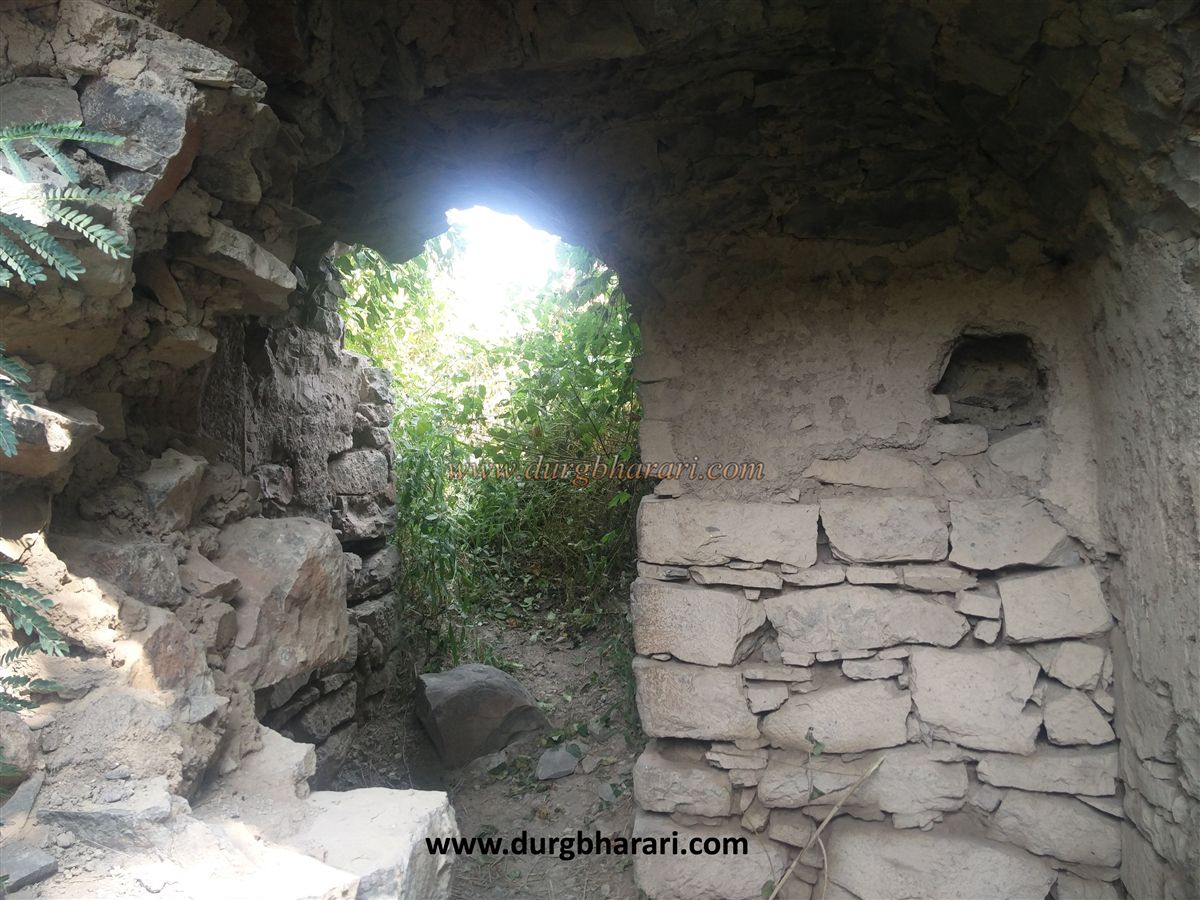
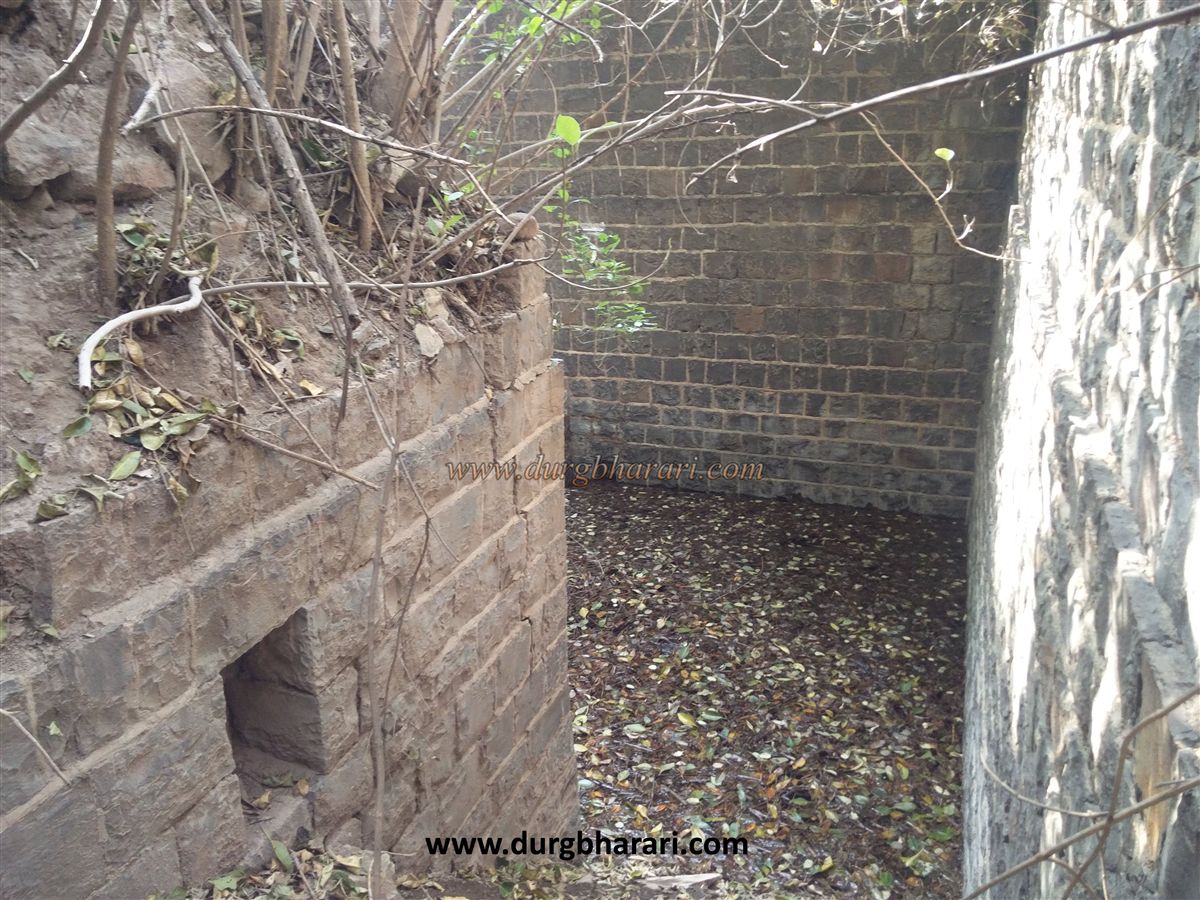
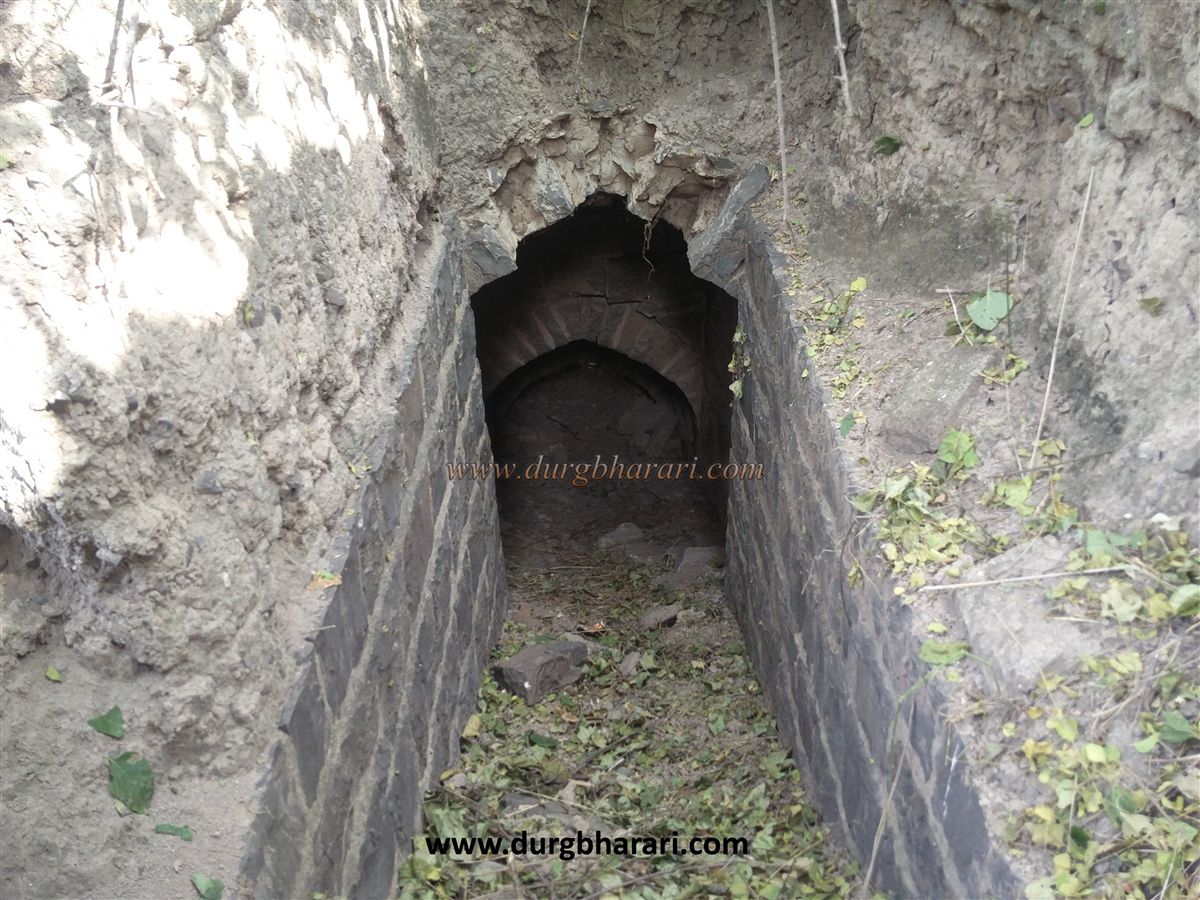
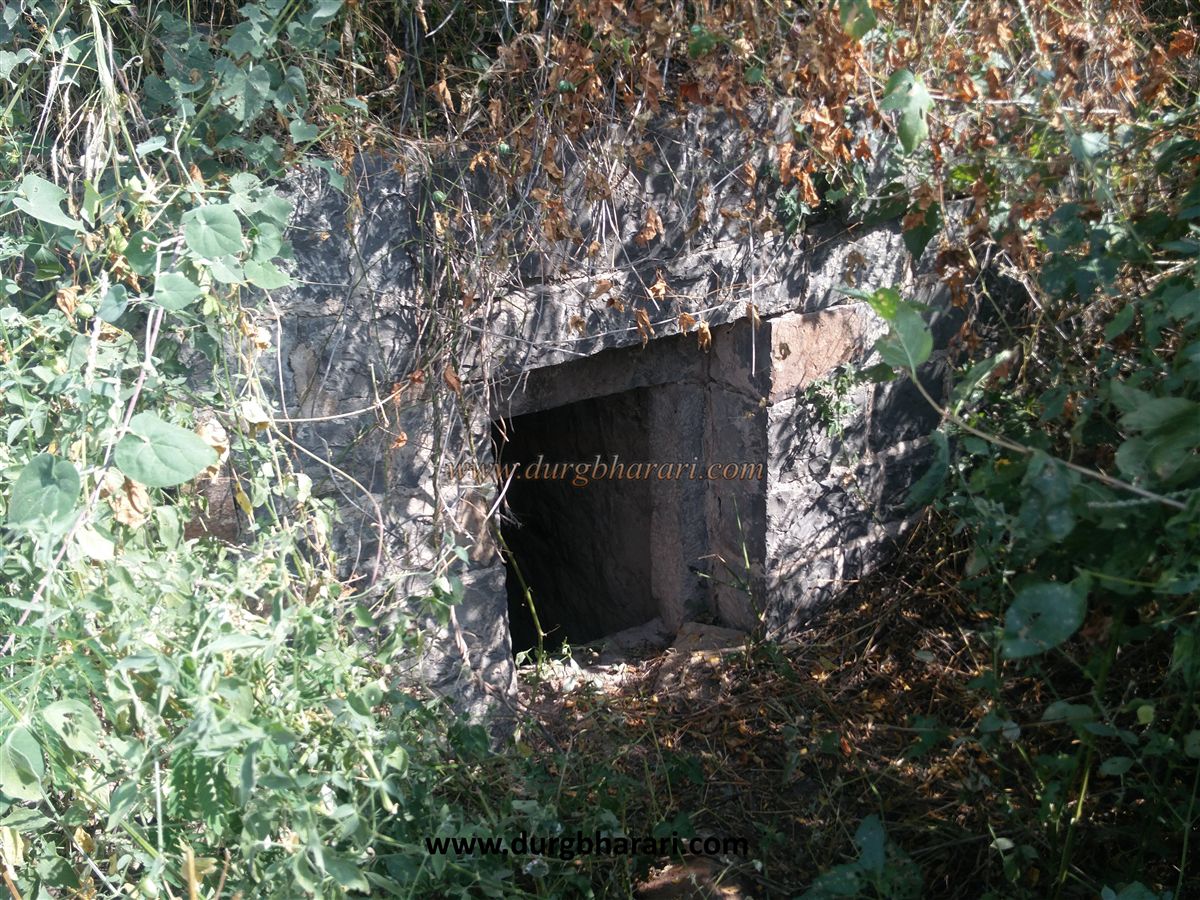
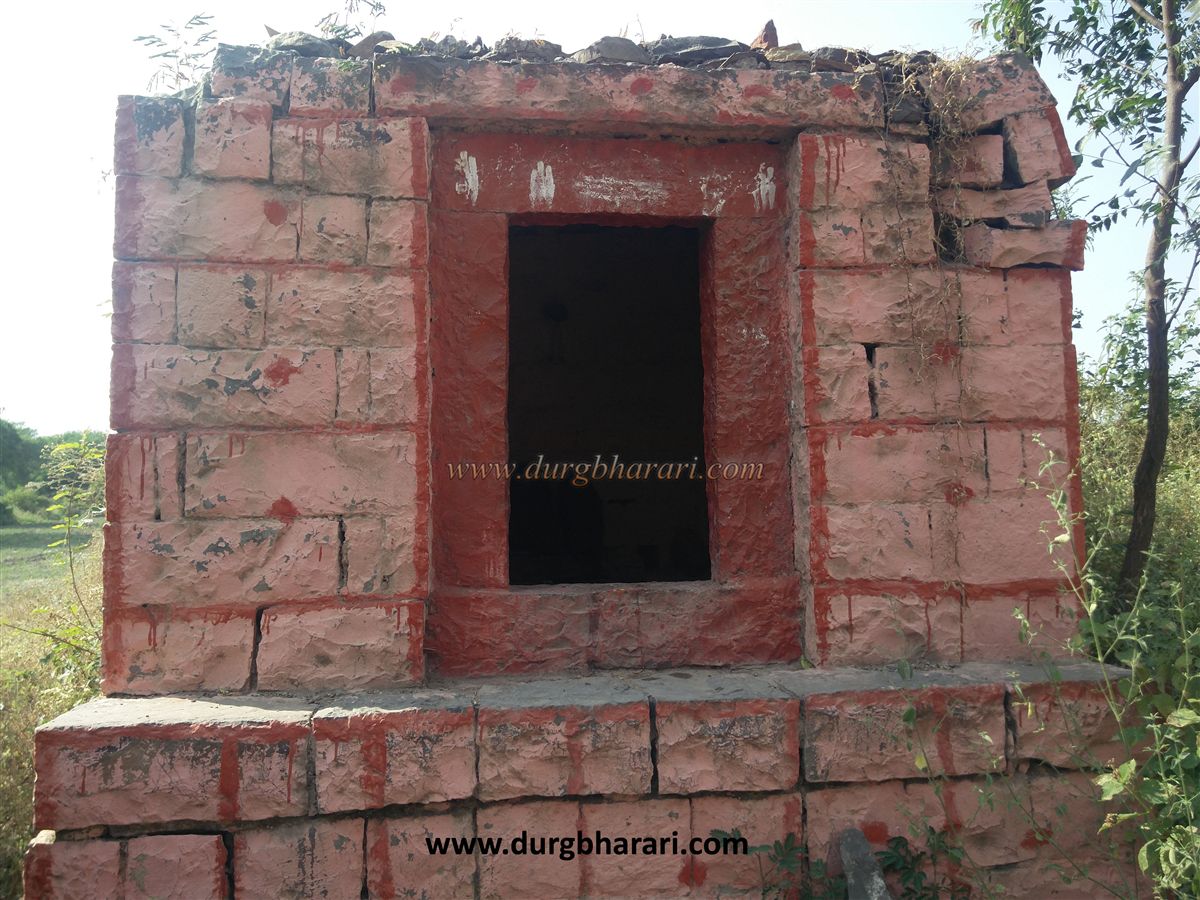
The main gate faces north. The defensive structure in front of it has collapsed completely. Nearby, a wall is intact and recently a wooden door has been fitted here. The main gate is about 12 feet tall, with guard rooms (devdya) on both sides. One of these rooms has stairs leading up to the battlements and bastions. Entering the gate leads to an open courtyard, at the far end of which lie ruins of buildings. In the left corner bastion of the wall is a granary, marking the fort’s second section. The eastern gate of the balekilla is also within this wall section. This gate has guard rooms on both sides. Upon entering, on the right side are stairs leading to a square well with an arched roof. The well has water that is potable. At the left corner bastion near the gate stands the largest and tallest bastion of the fort. It has a spiral staircase inside leading to the top. From here, the entire fort can be seen and its layout understood. Descending from this bastion is a semi-circular vaulted room adjacent to the walls. The internal ruins are largely collapsed and overgrown, requiring effort to explore. Near the bastion are steps descending underground to a cellar (15 x 20 feet). In front of this cellar is the door to another building with two halls. Stairs lead down to the first hall, but the second hall is inaccessible due to dense banyan tree roots. This section contains many ruined structures and forms the third part of the fort. On the western wall is a small, shrub-covered door leading back to the first part of the fort. Near this door is a second large square well, which is silted and has non-potable water. Opposite the well is a rectangular courtyard enclosed on all sides by walls. Two bastions stand at the corners of this enclosure. A bricked, barred, arched passage leads to the left bastion, but the path is difficult. The door above this passage is buried in earth, with only the arch visible. Crawling through this arch is required to enter, but the effort is worthwhile. From this bastion too, the entire fort can be seen clearly. Outside this outer wall is a pond with a small temple on its bank, marking the end of the fort tour. Walking around the entire fort takes about one and a half hours.
© Suresh Nimbalkar
GALLERY