DEVLANE-SHIVMANDIR
TYPE : ANCIENT SHIVMANDIR
DISTRICT : NASHIK
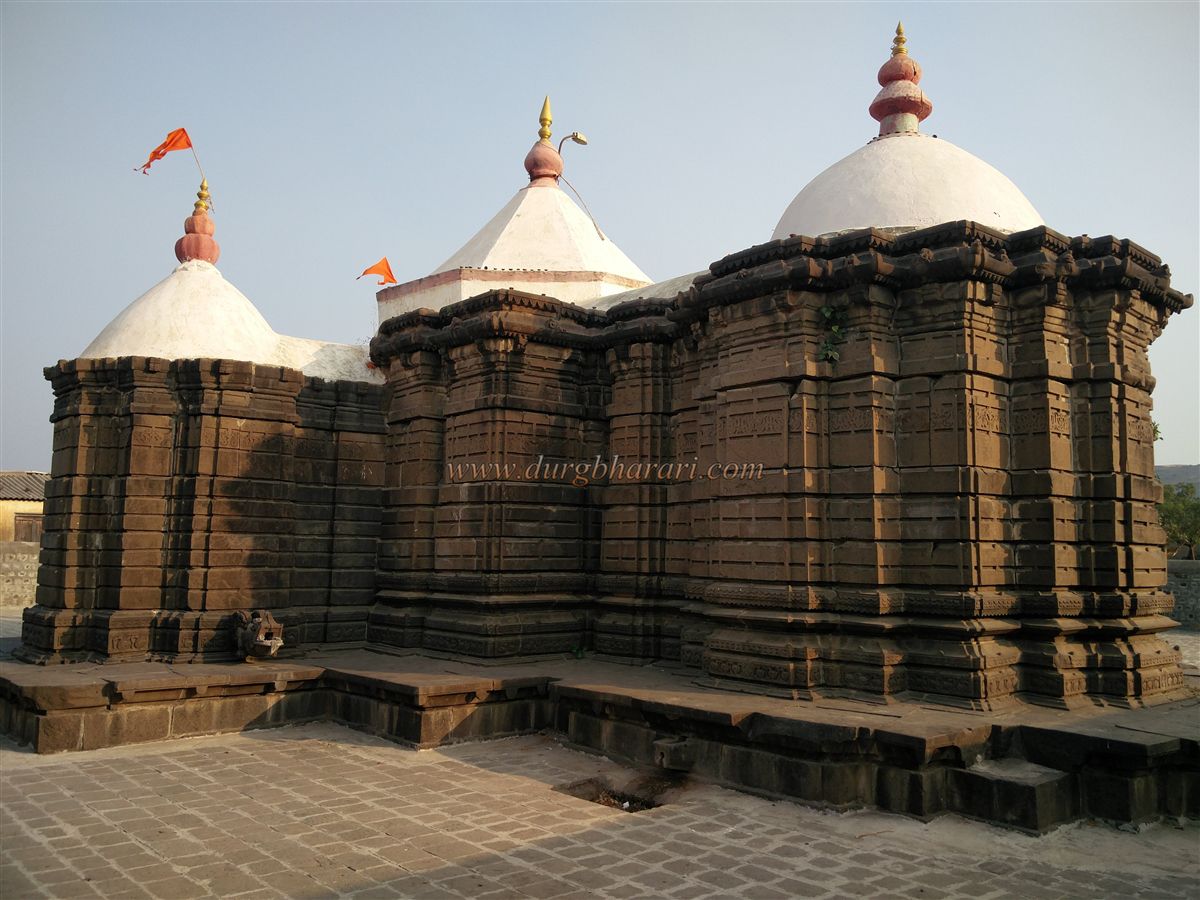
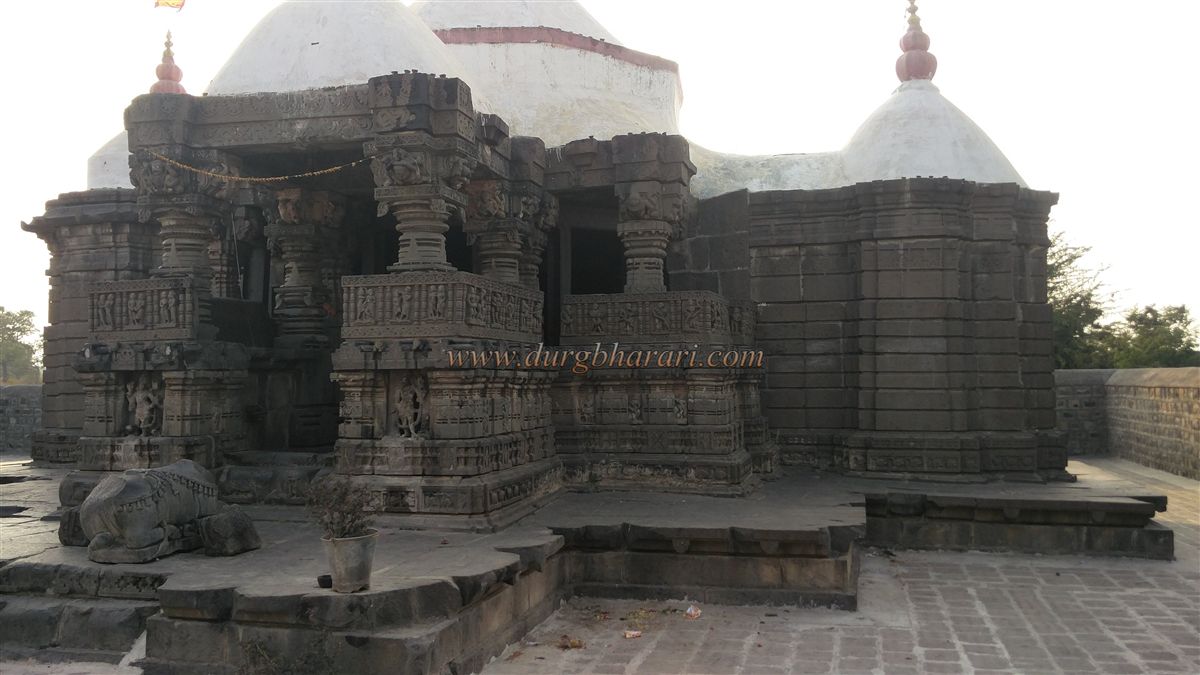
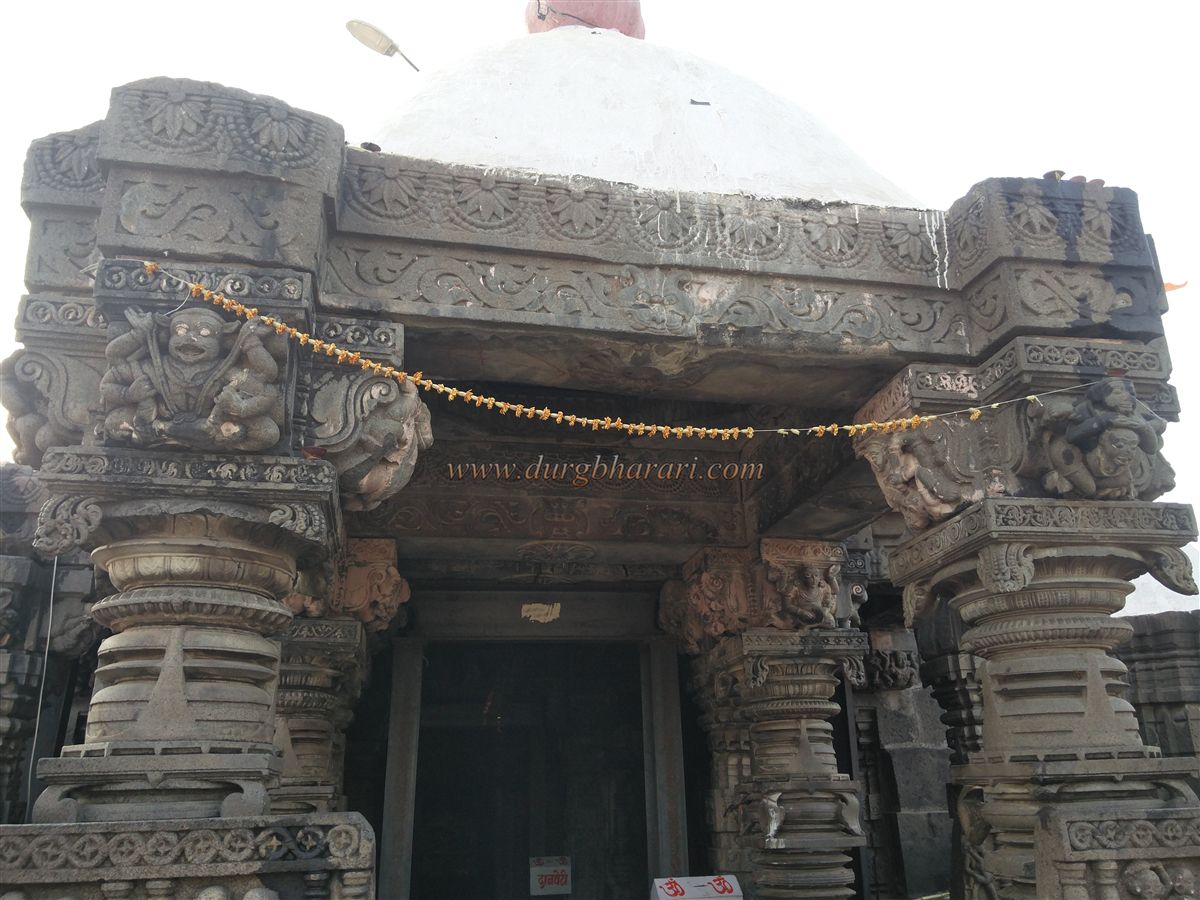
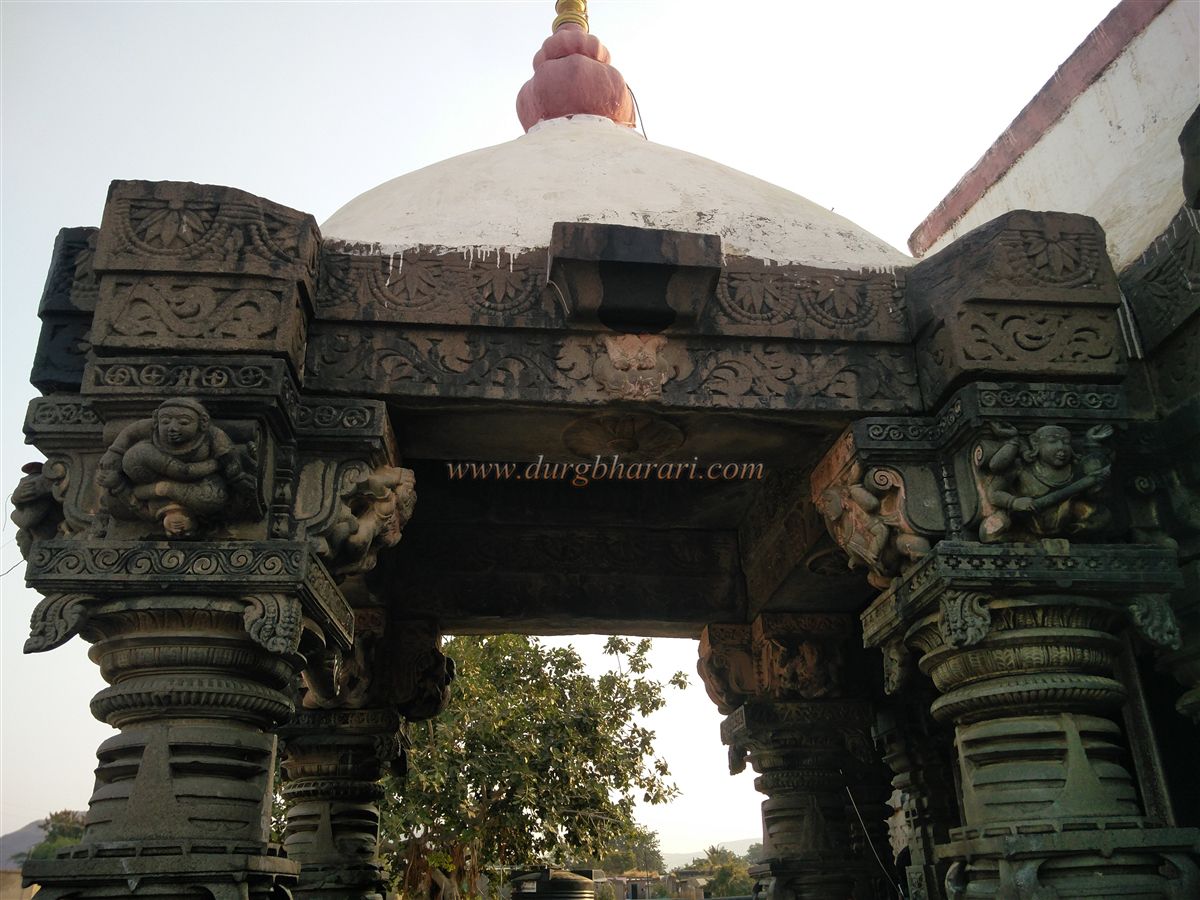
Baglan is a region in Nashik district known for its orchards and scattered mountain passes. In this Baglan taluka, the village of Deolane is located 16 km from Satana. In this village of Khandesh stands a beautiful 12th-century temple. Between 785 and 810 CE, the Jogeshwar Kamdev temple was built here. Like the erotic sculptures of Khajuraho, similar sculptures can be found here. This east-facing temple of Lord Shankar, built in the Hemandpanti style, is known as the Jogeshwar Kamdev Temple. It is situated at the confluence of the Dodyad River and a stream coming from Dodeshwar. At first glance, the cement coating on the spire of the mandapa is somewhat displeasing.
The temple’s structure consists of a sanctum (Garbhagriha), an antechamber (antaral), a Sabhamandap (assembly hall), and a mukha-mandapa (entrance hall).
...
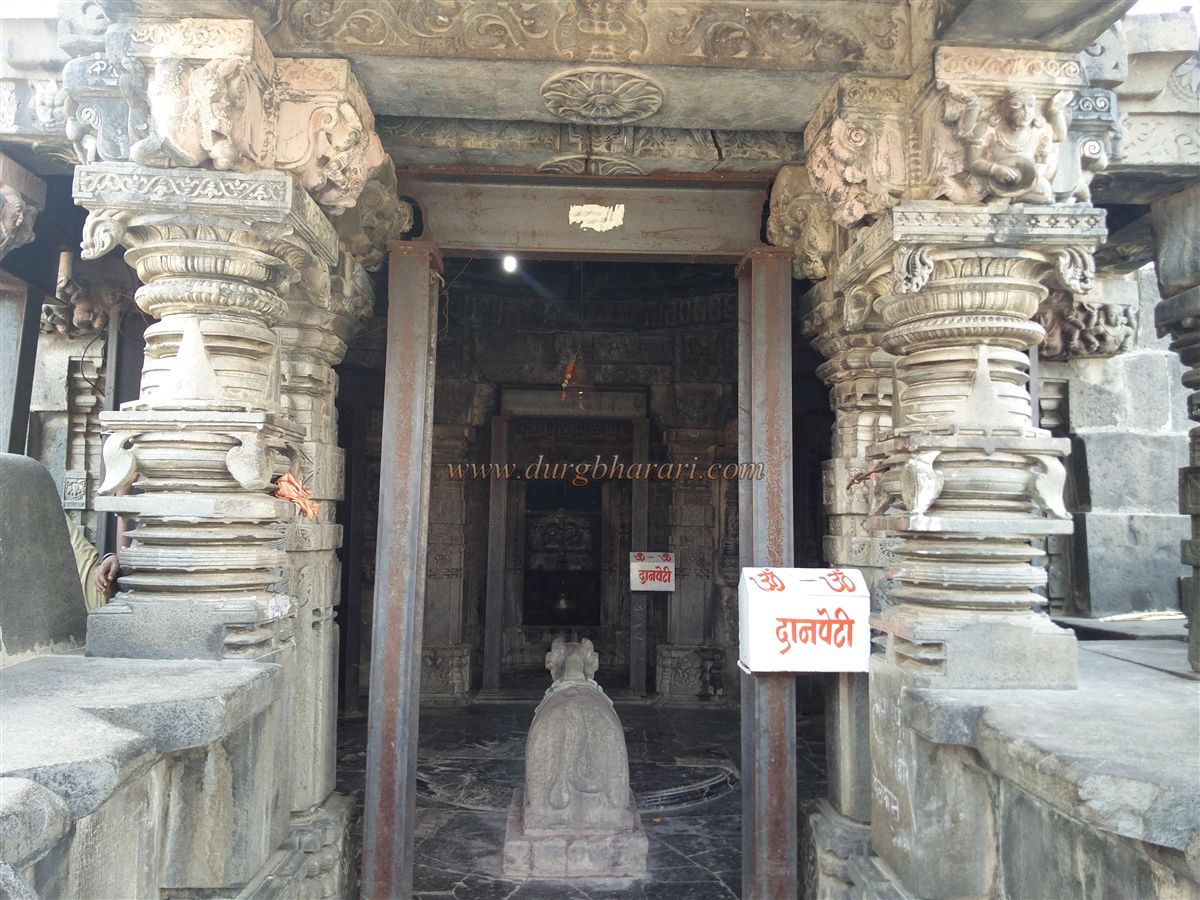
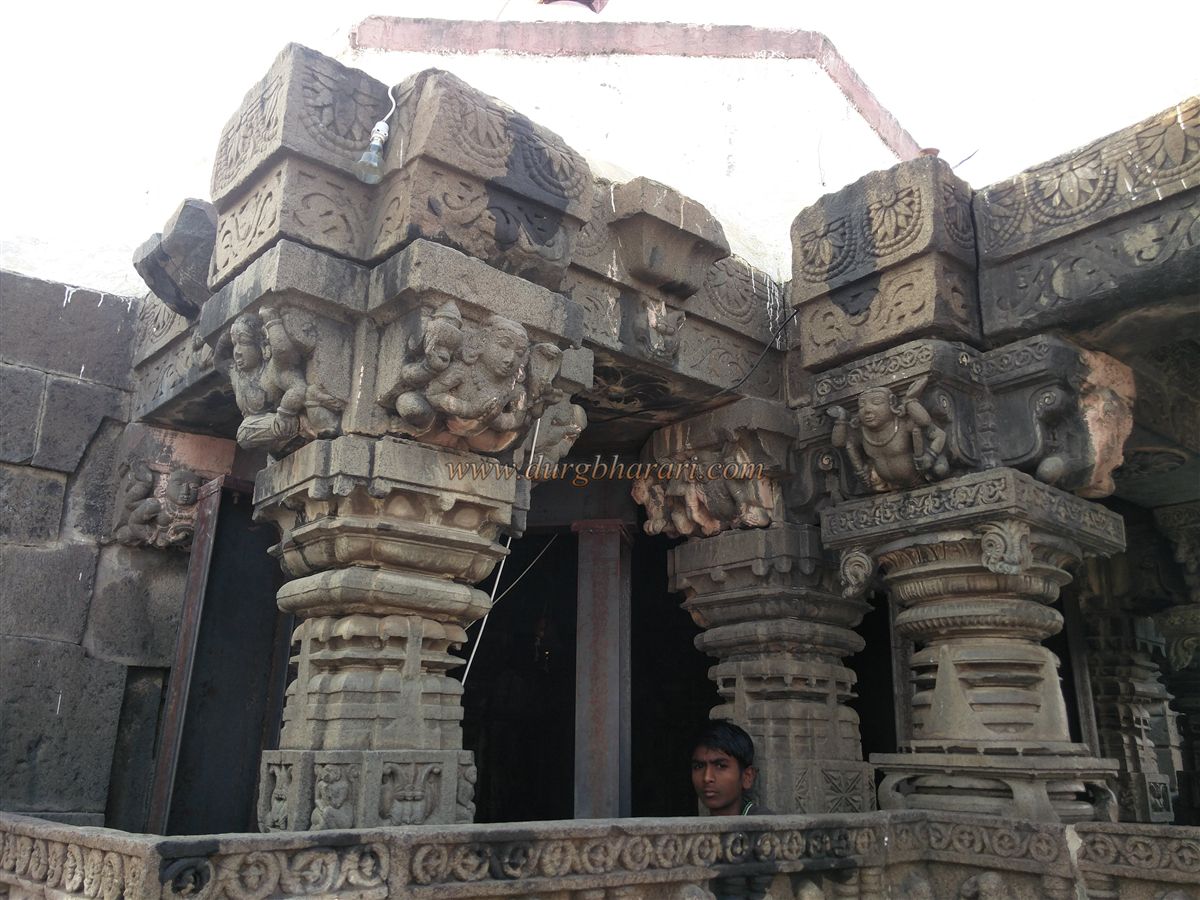
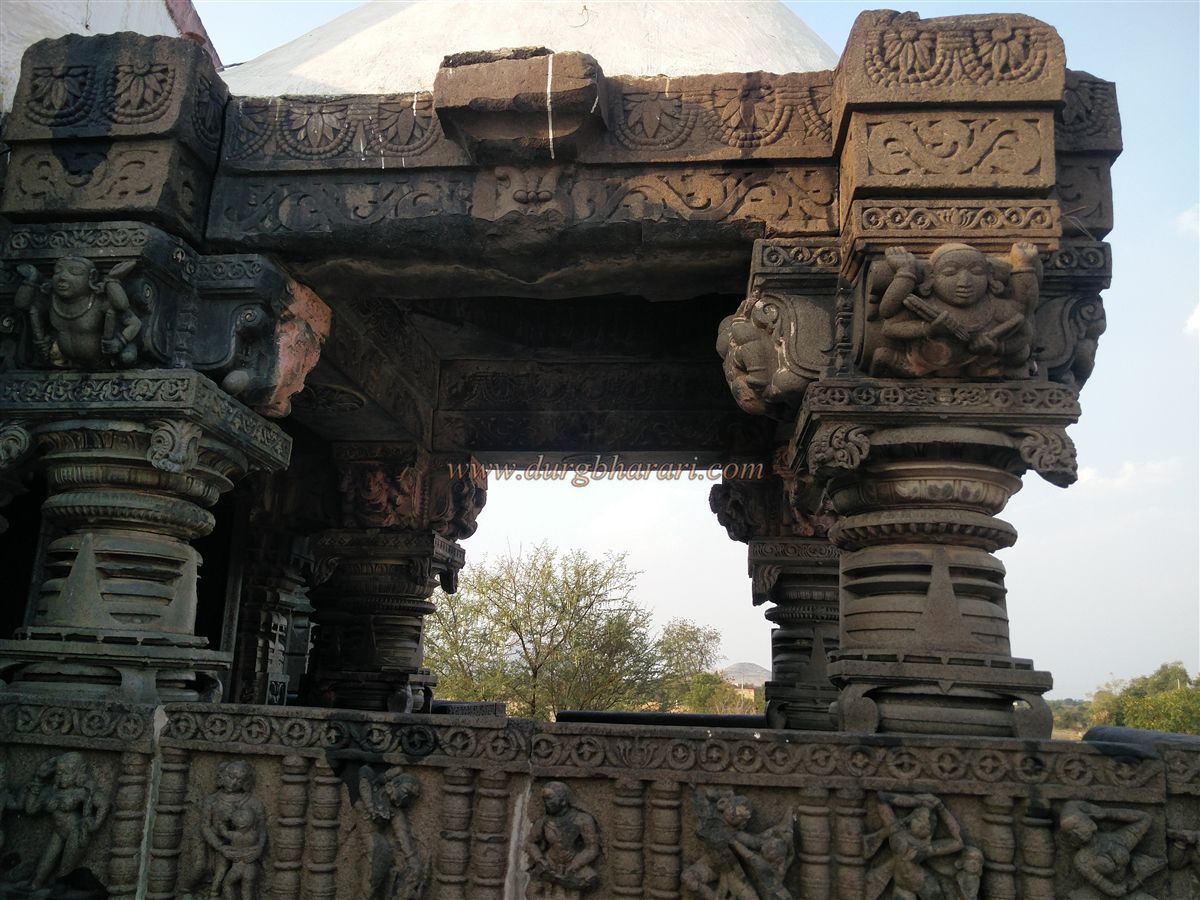
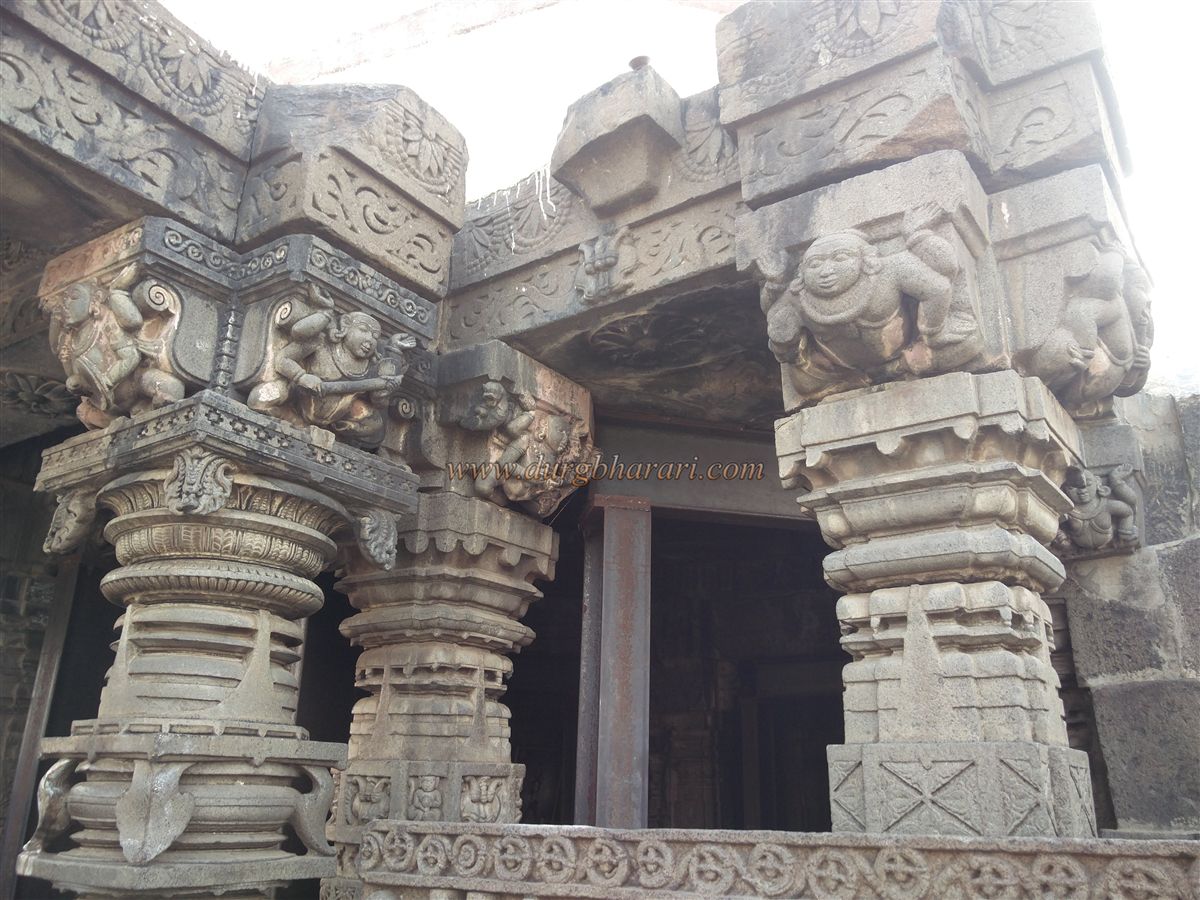
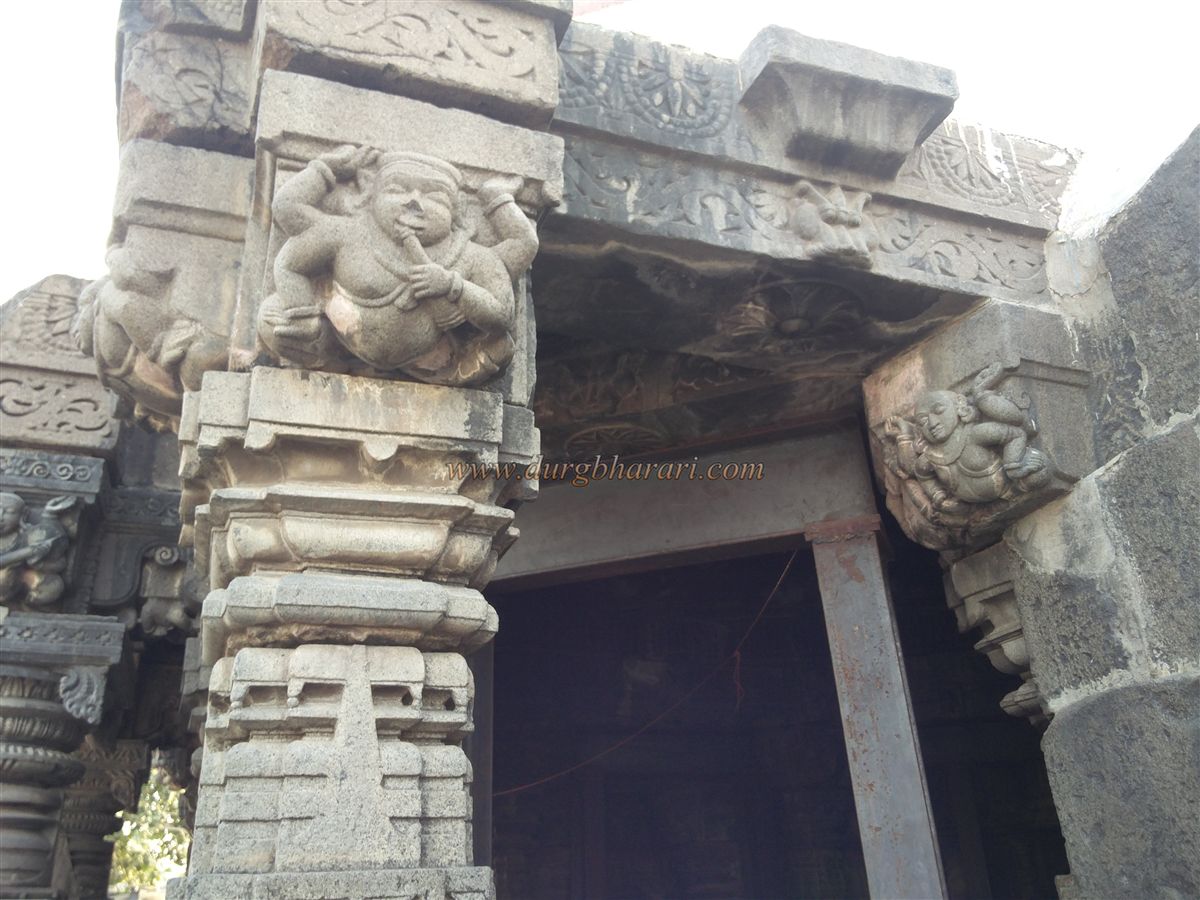
It is beautifully built on an octagonal stone platform shaped like a moon. In front of the mukha-mandapa, the head of the original large Nandi idol is broken, but the broad body is adorned with beautiful ornaments and clothing carvings. The mukha-mandapa is supported by four intricately carved sculptural pillars. The pillars are arranged in two tiers, with distinct sculptural connections between them. In this small mukha-mandapa, two horizontal stone slabs are placed opposite each other for seating. In the center of the circular dome-shaped ceiling is a sculpture of Krishna engrossed in playing the flute, surrounded by eight Gopis dancing in a circle and playing musical instruments.
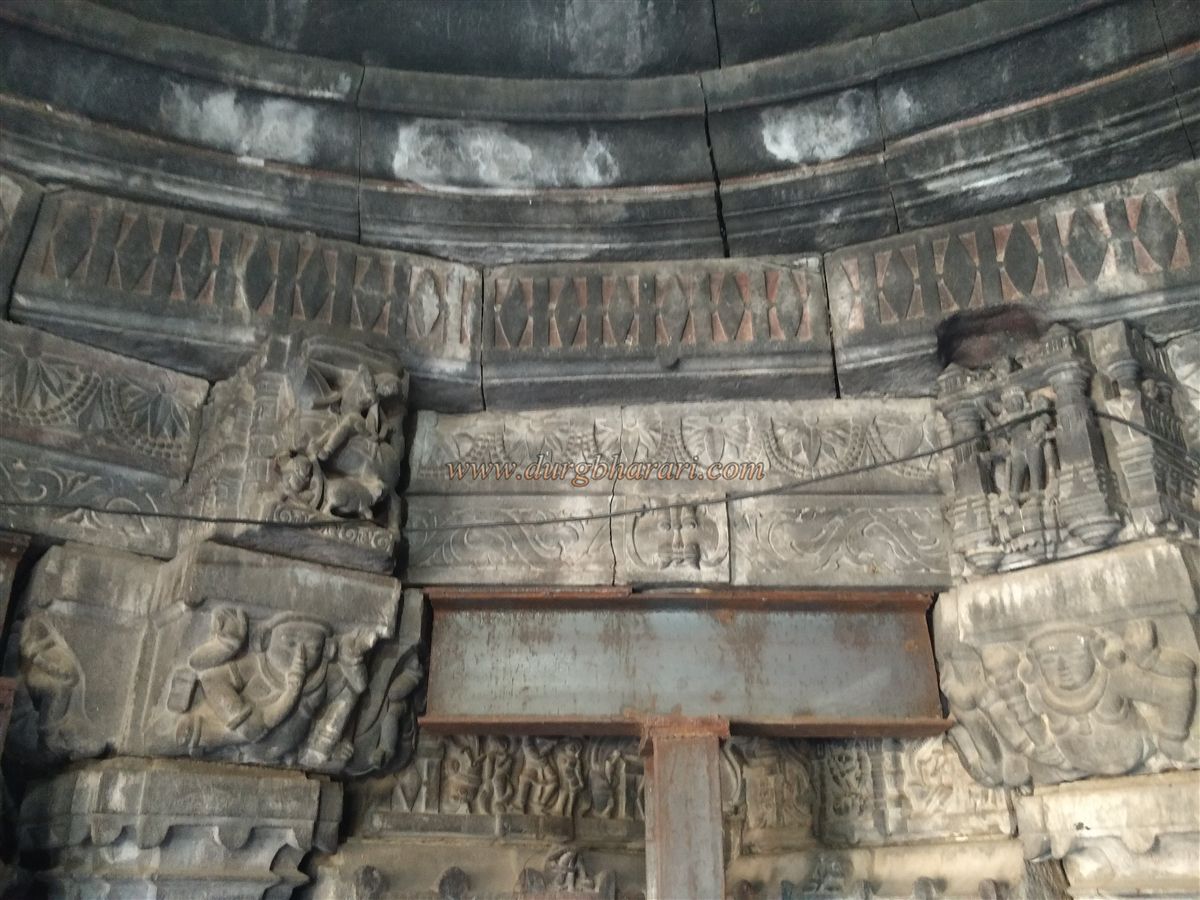
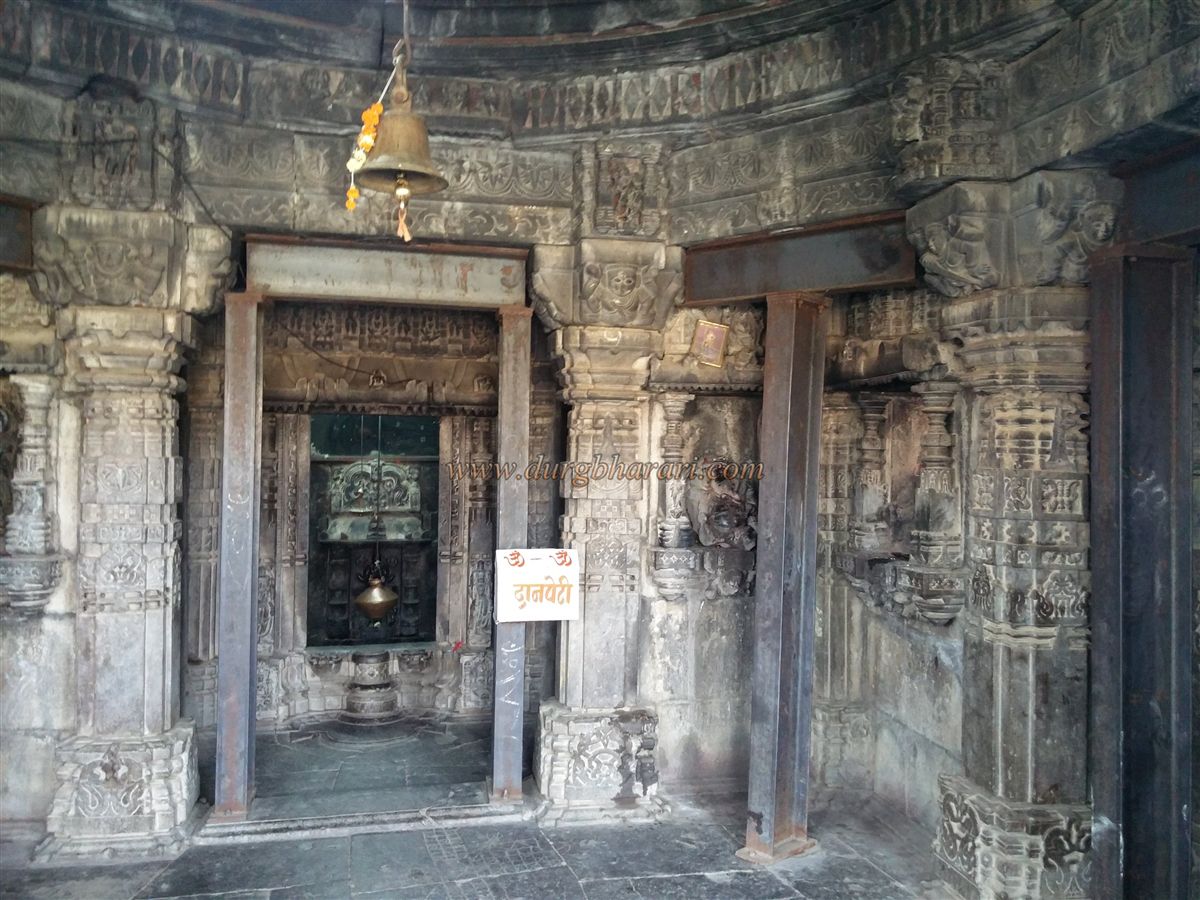
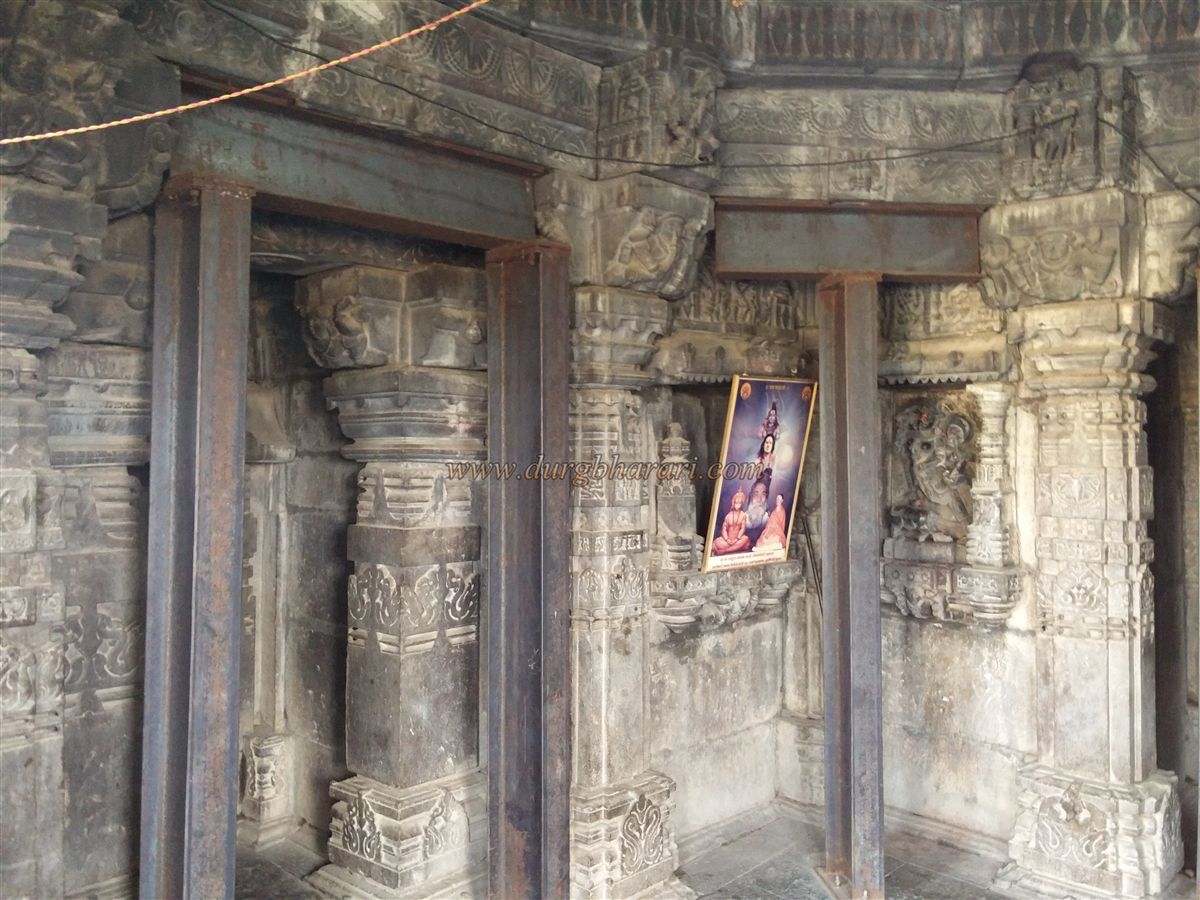
The Sabhamandap beyond the mukha-mandapa is supported by twelve half-pillars, each delicately carved. This hall seems to have been designed for religious rituals. There are small rooms on either side: the left chamber houses a sculpture of Mahishasura Mardini, and the right chamber contains idols of Ganesha and Riddhi-Siddhi. In the center of the Sabhamandap floor is a large circular carving of a tortoise. The ceiling has numerous sculptural figures, with a lotus design in the middle. At the top of each pillar are yakshas with four arms—two supporting the ceiling and two playing musical instruments, some blowing conch shells.
Some ceiling panels depict battle scenes, with warriors fighting on camels, elephants, and horses. Elsewhere, there are wrestling pairs, intertwined snakes, foliage, and geometric patterns. Each corner of the hall has different types of kirtimukhas. On the southern side of the ceiling is Vishnu seated on Garuda, surrounded by a circular snake design. Carvings of swans, couples, garlands, and other decorative work on the half-pillars are worth close observation.
Near the entrance to the main sanctum, the torana wall of a small shrine features a panel of the five mother goddesses (Panchamatrikas), each seated on a different mount: swan, Airavata elephant, bull, boar, and human. Above the main entrance to the sanctum are carvings of men and women dancing and playing conch shells and cymbals, along with intricate designs. The stone threshold has a beautifully carved crescent stone (Chandrashila). To enter the sanctum from the Sabhamandap, one descends four or five steps. In the center is a north-facing five-faced Shiva lingam.
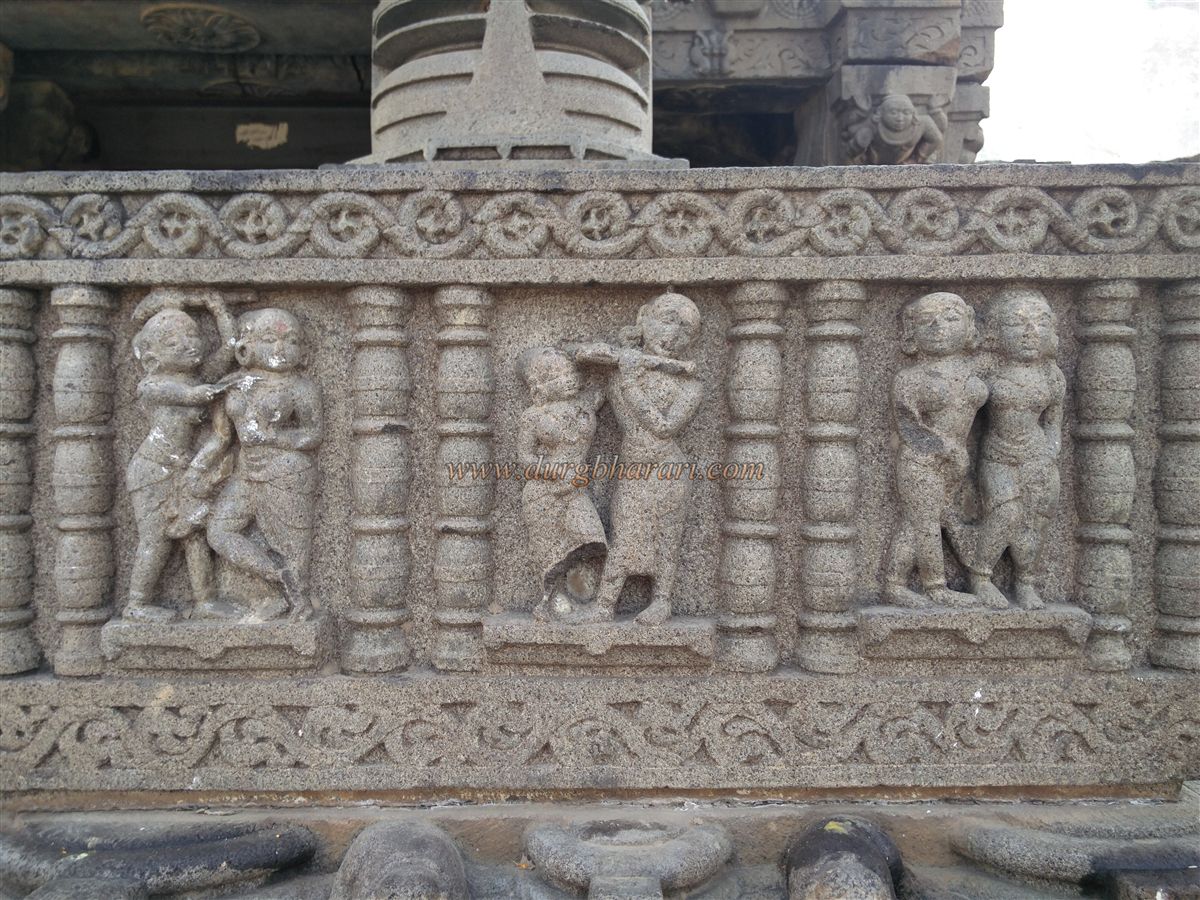
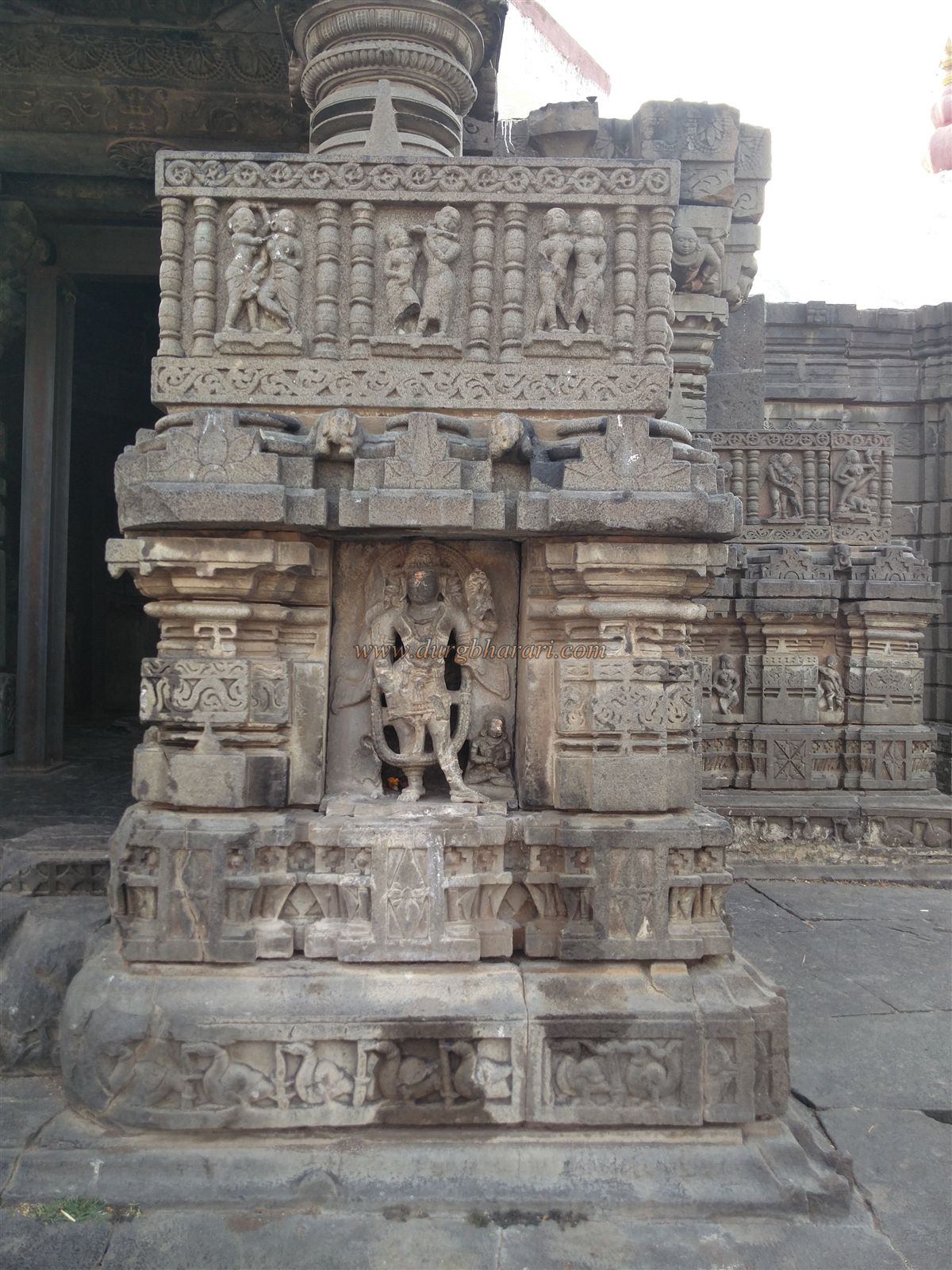
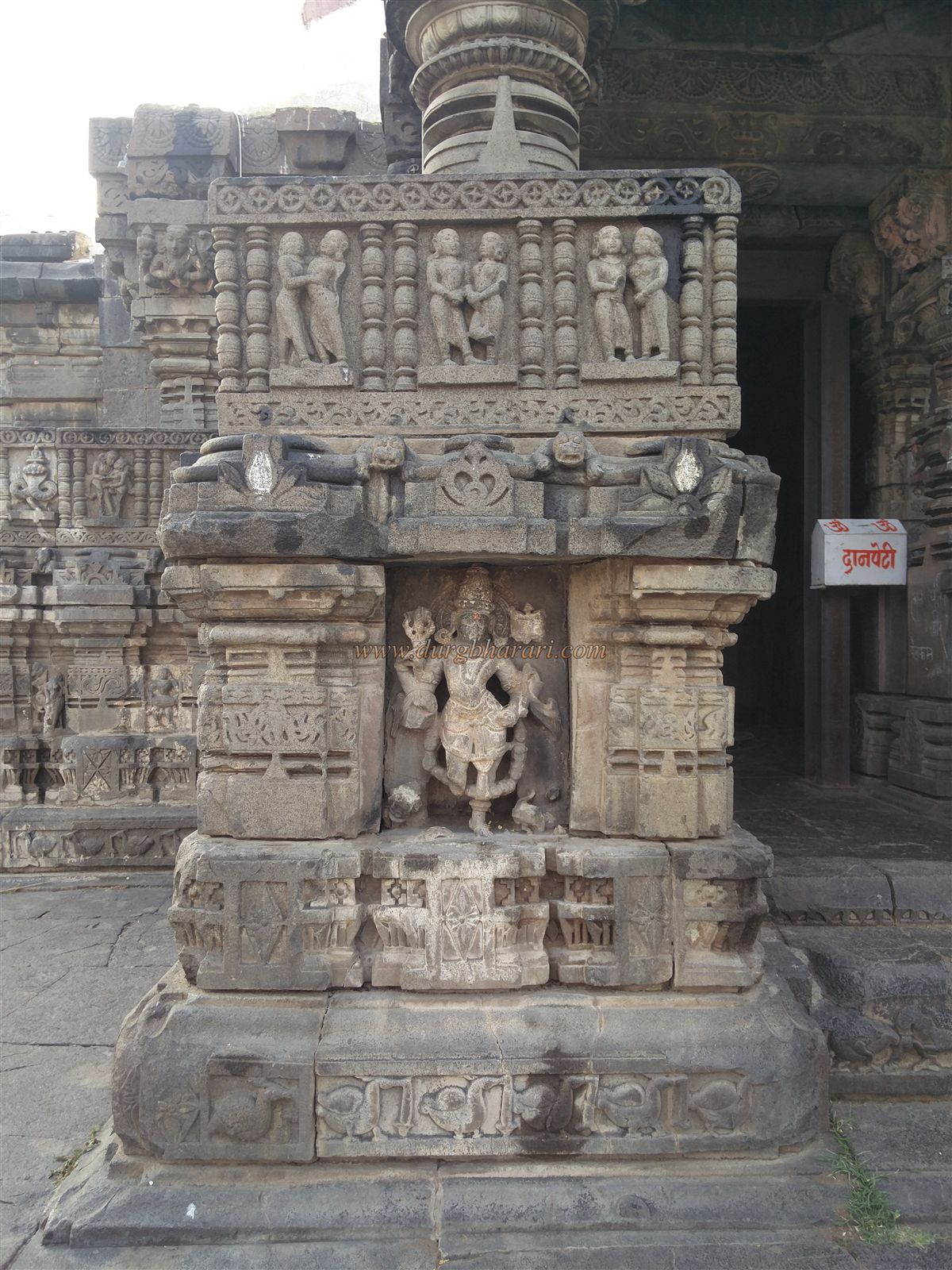
In the sub-sanctum on the northern side is a very fine sculpture of Lord Shiva with Goddess Parvati seated on his lap. Behind, in the main eastern niche, is a one-meter-tall idol of Goddess Parvati with four arms, though all arms are broken from the elbows. The ceiling here has a blooming lotus design. Inside the sanctum, at the upper end, are ancient carvings of Shiva, a five-headed serpent, and the serpent deity. Long niches in the side walls are provided for storing worship materials. The octagonal platform allows for a more decorative and engaging circumambulation path, lined with numerous small and large carvings on the outer walls.
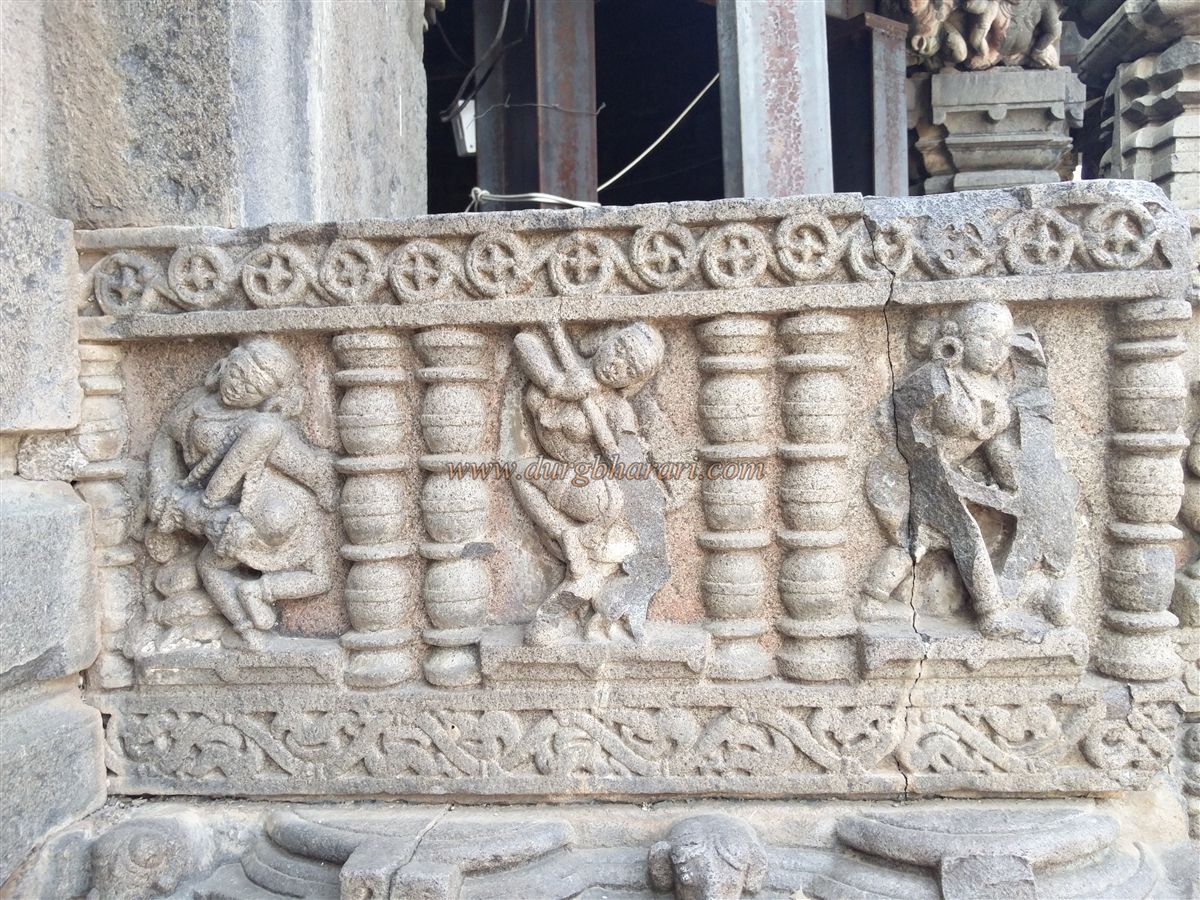
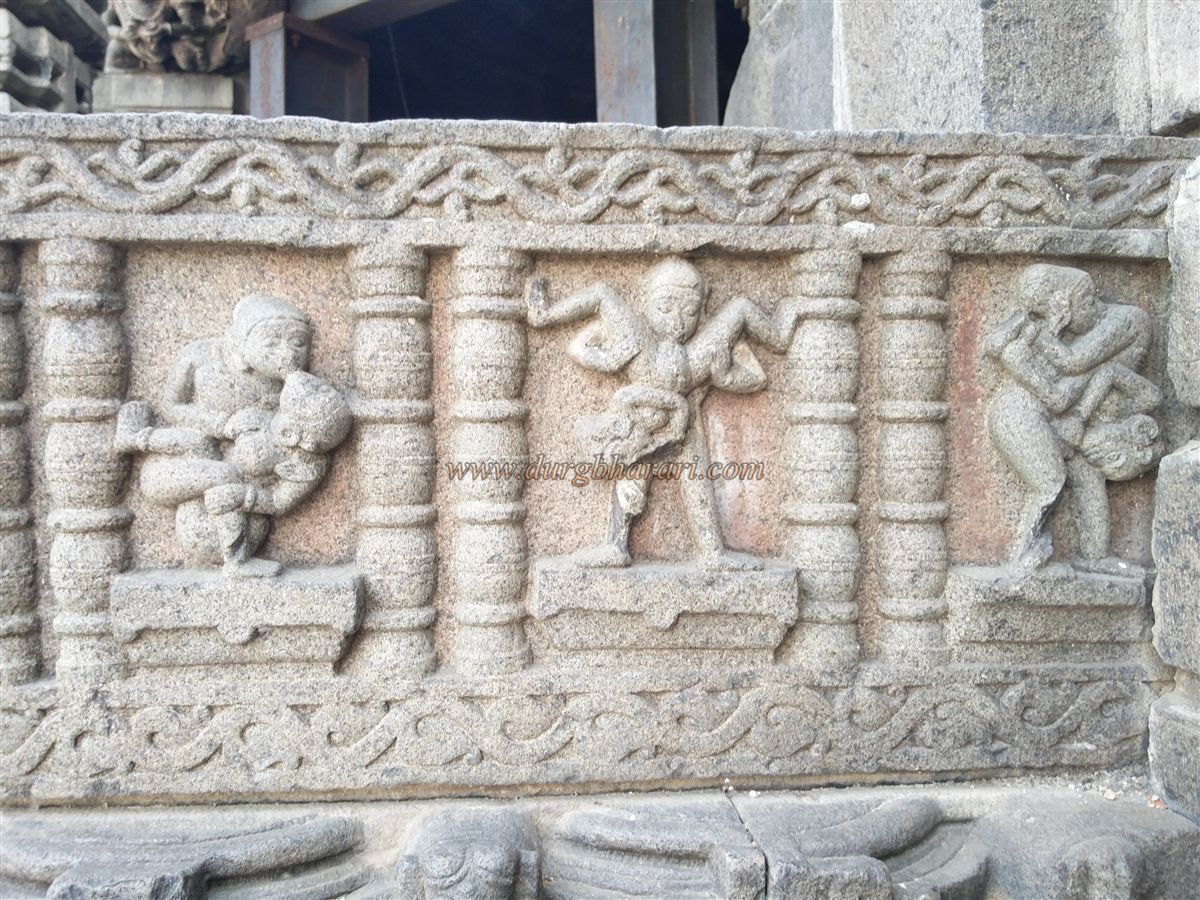
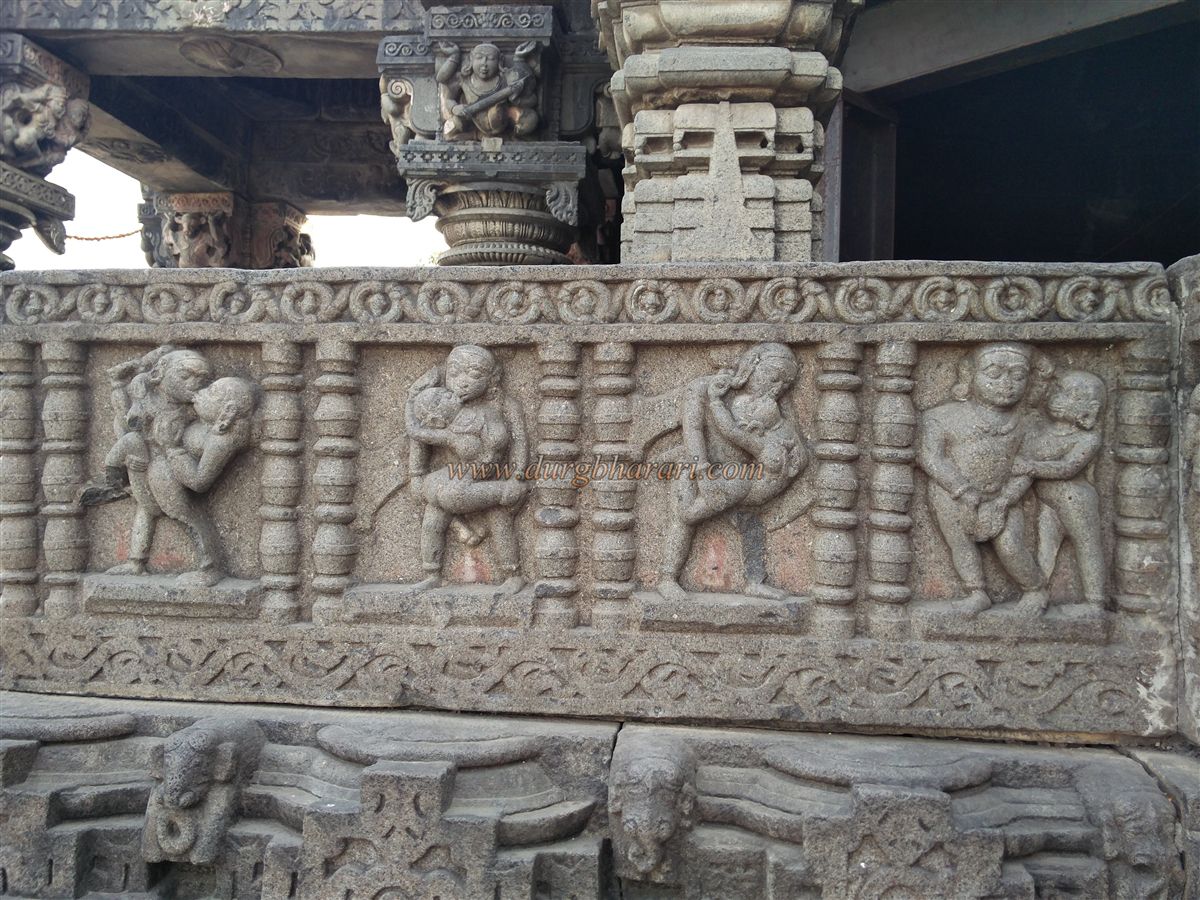
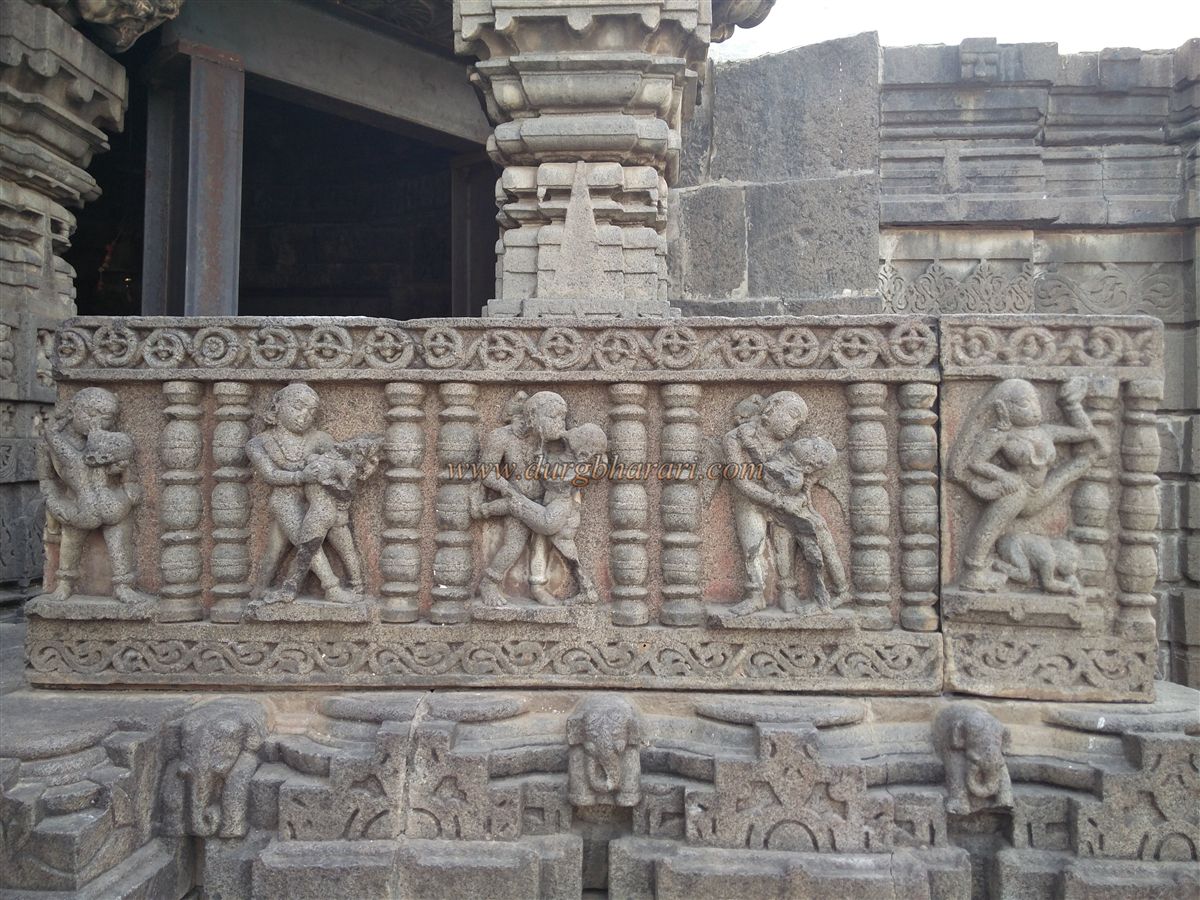
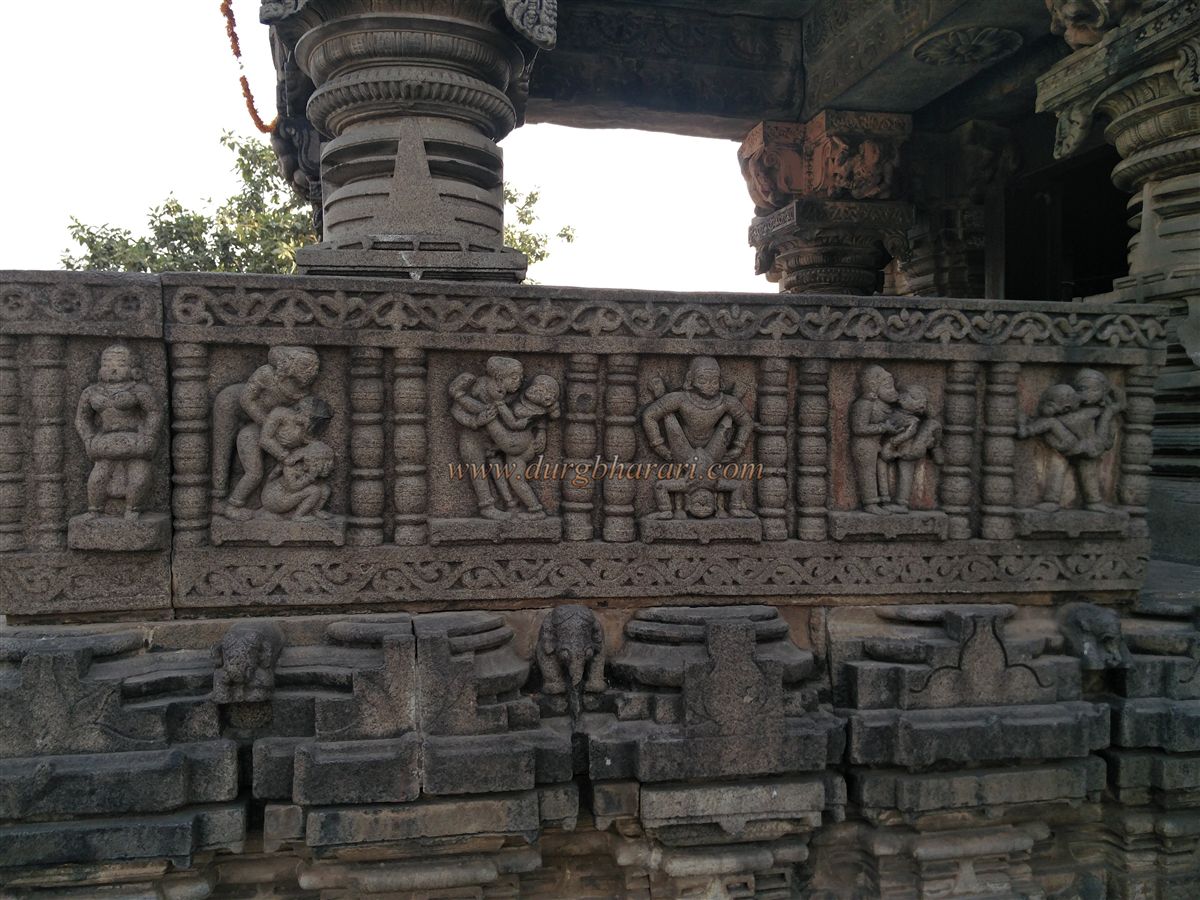
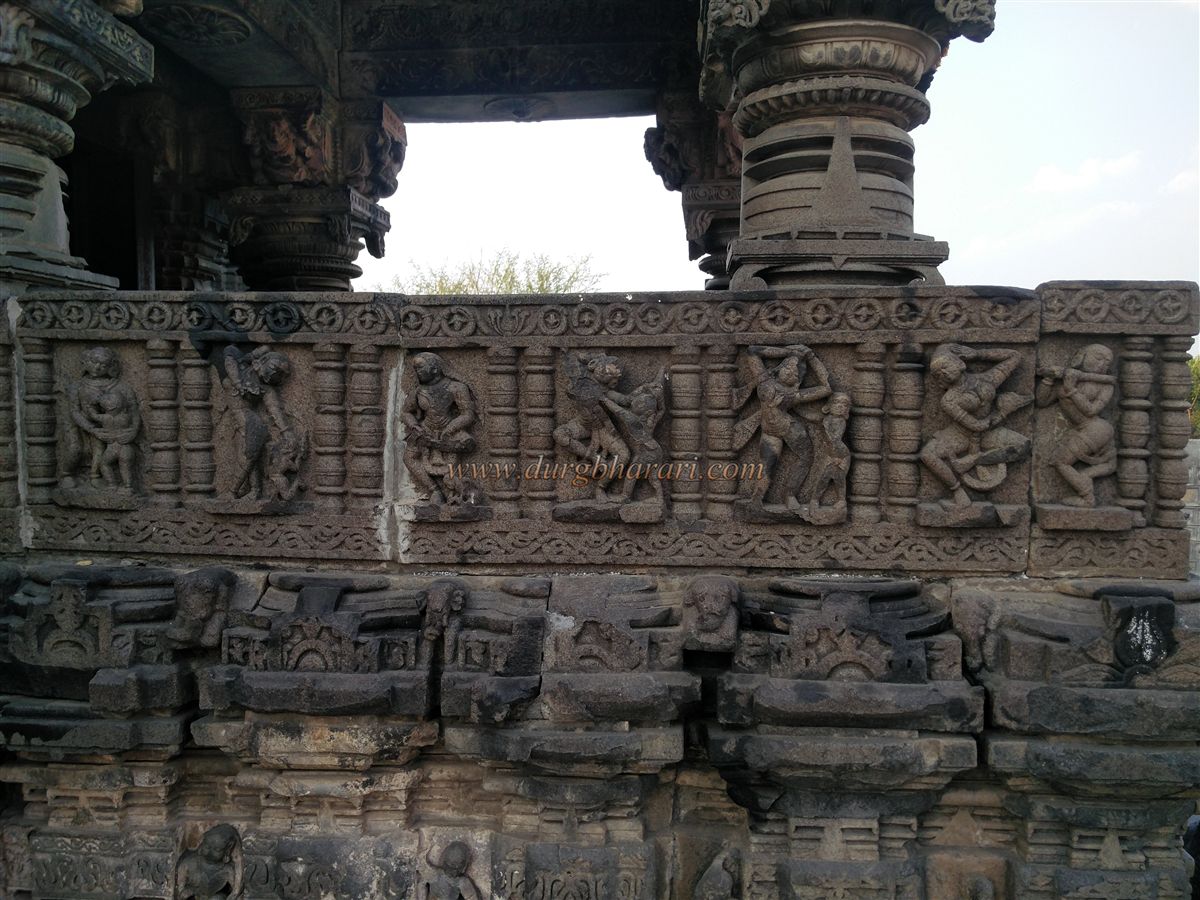
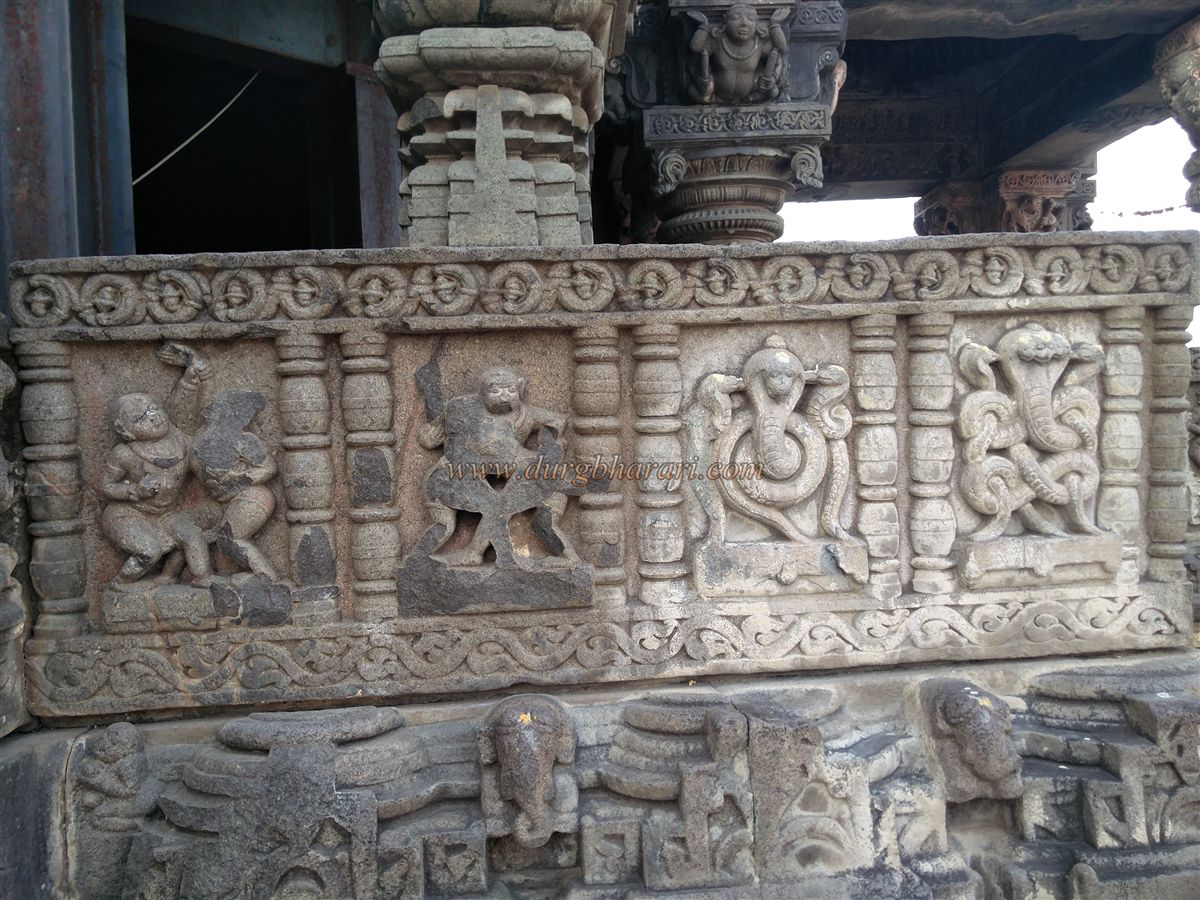
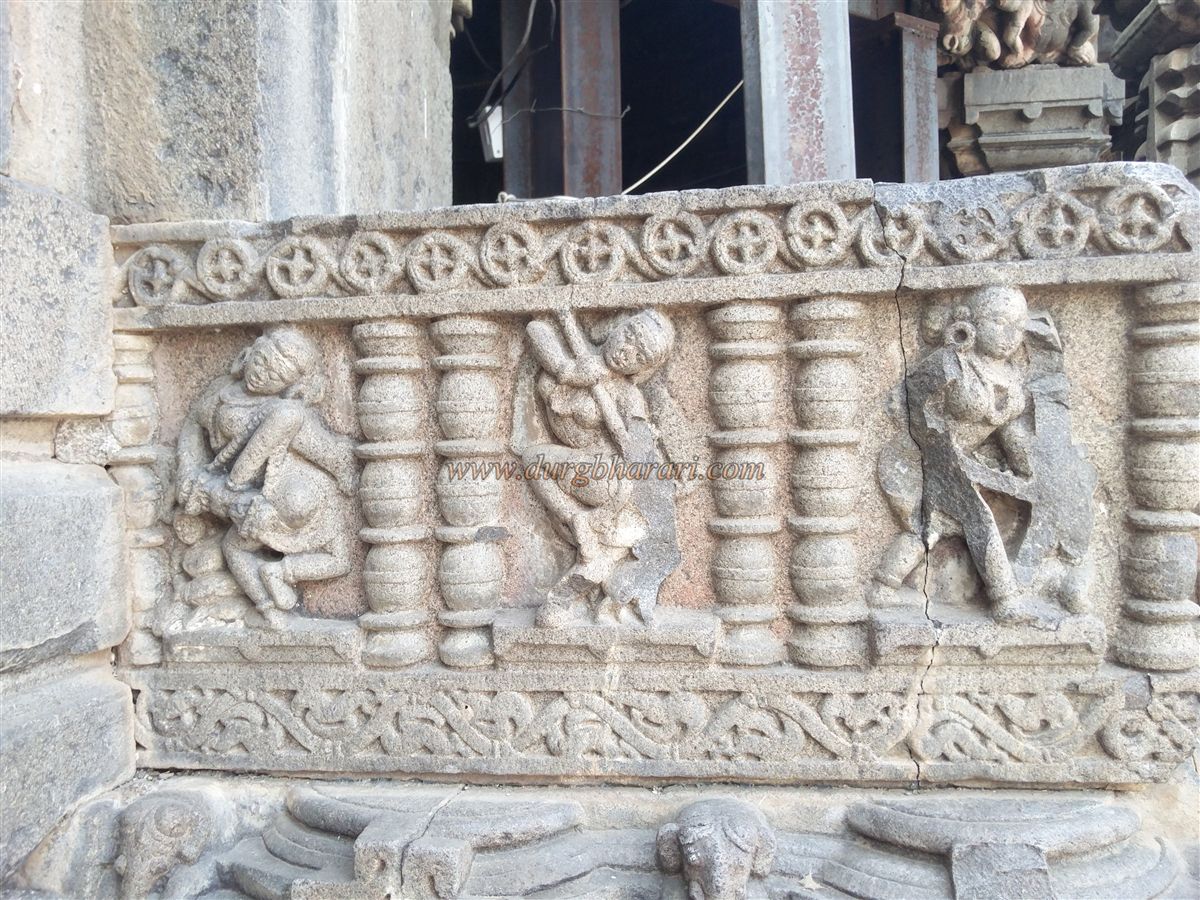
A notable feature of the Deolane temple is the erotic sculptures on the outer north and south walls, similar to those of Khajuraho, showing couples in various amorous poses. These small sculptures were first carved separately on long slabs and then fitted into place. Among them, the intertwined serpent couple sculpture is particularly unique—at first glance, it appears to depict Lord Ganesha, but closer inspection shows a serpent entwined by two female serpents. The craftsmanship and proportions of these sculptures are of the highest quality.
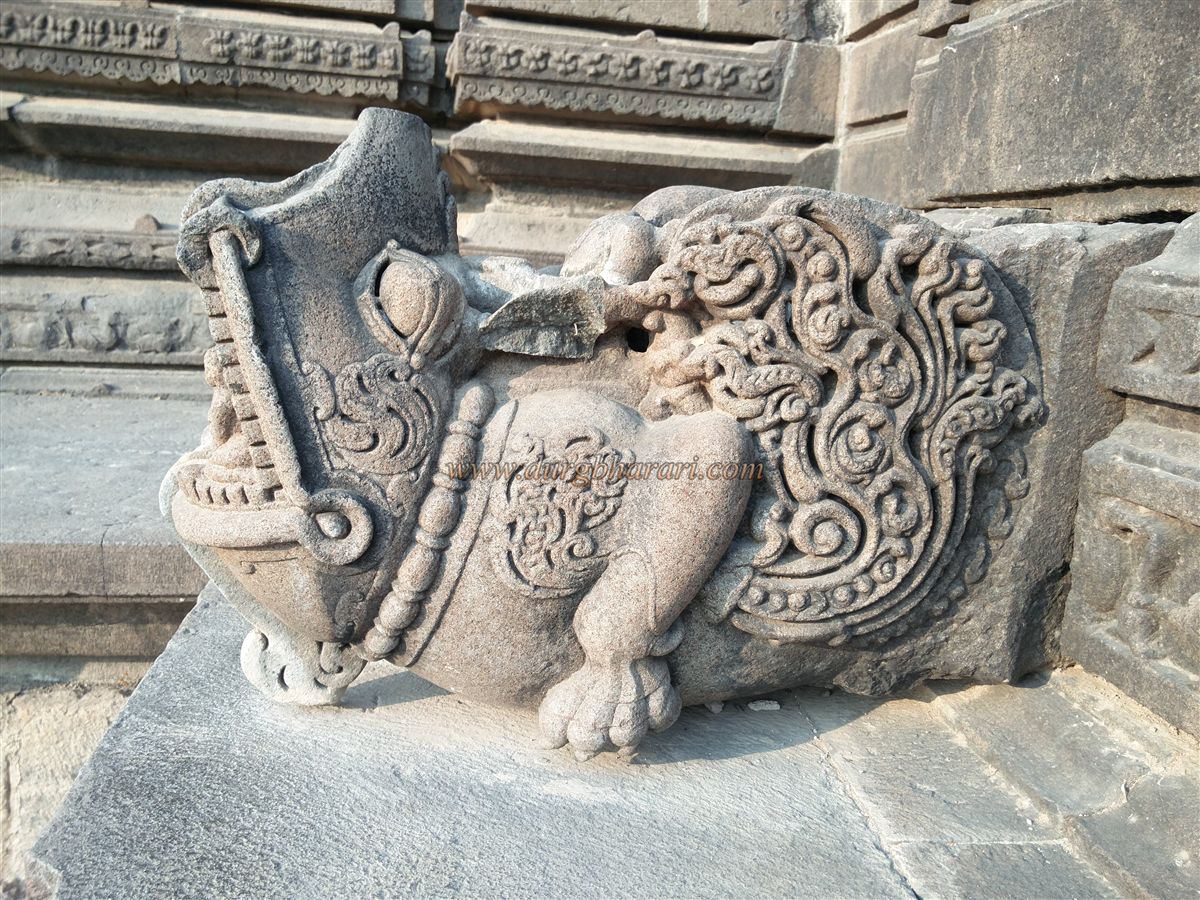
On the path where the ablution water from the Shiva lingam flows out, there are two excellent makara (mythical crocodile) sculptures, from whose mouths the water emerges. Such large, finely detailed makara carvings are rare—their sharp jaws, pointed teeth, protruding tongue, and lifelike body proportions make them appear almost alive.
There are various theories about the temple’s original spire, but experts believe it would have resembled the one at Zodge temple. The temple stone closely matches that found at Dhunde nearby. According to the British Gazette of Deolane, this Hemandpanti-style Jogeshwar Shiva temple was built by Hemadri, the minister of Yadav king Ramdevray in the 9th century. Silver coins from the British period were found in the temple complex, dating to the reign of Krishnaraja of the Kalchuri dynasty (425–430 CE). These coins resemble those from the Gupta period, suggesting that the Kalchuri may have once ruled this area.
To view this temple in detail, one should ideally set aside at least two hours.
© Suresh Nimbalkar
GALLERY