DEULWADA
TYPE : HILL FORT
DISTRICT : CHANDRAPUR
HEIGHT : 820 FEET
GRADE : EASY
While touring forts in Chandrapur district, one encounters impressive forts built by the Gond kings such as Chandrapur, Ballarpur, Manikgad, and Bhadrawati. Though these main forts showcase great strength, many smaller forts around them remain lesser-known. One such fort is Deurwada Fort, located very close to Bhadrawati but still largely unknown not only to fort enthusiasts but also to the local people.
Deurwada Fort lies in Bhadrawati taluka, about 35 km from Chandrapur town and just 7 km from Bhadrawati Fort. The distance from the ancient Buddhist rock-cut caves of Bijasan to Deurwada Fort is only about 5 km. Despite its proximity to these significant sites, Deurwada remains relatively unexplored.
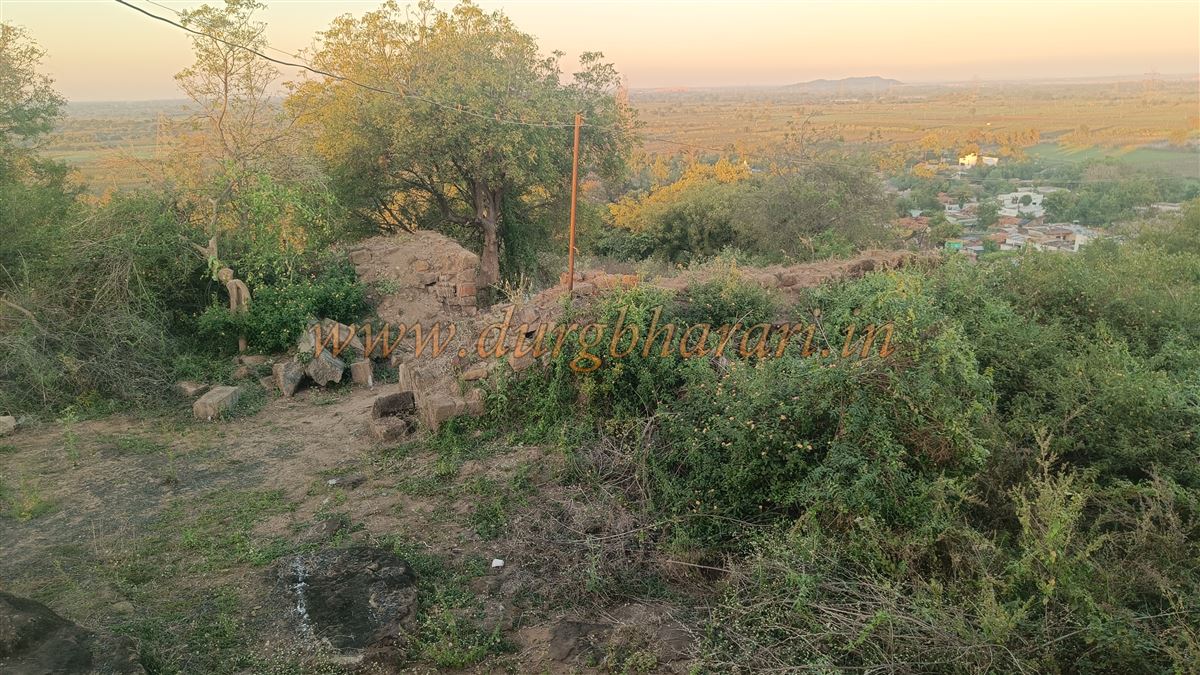
The fort, situated on a 200-foot-high hillock and spreading over approximately 2.5 acres, is small in size but well-structured. It has a double fortification, dividing it into two parts: the machi (lower fort) and the Balekilla (citadel).
...
Each part has its own separate entrance—one on the northern fortification and another on the western fortification facing east.
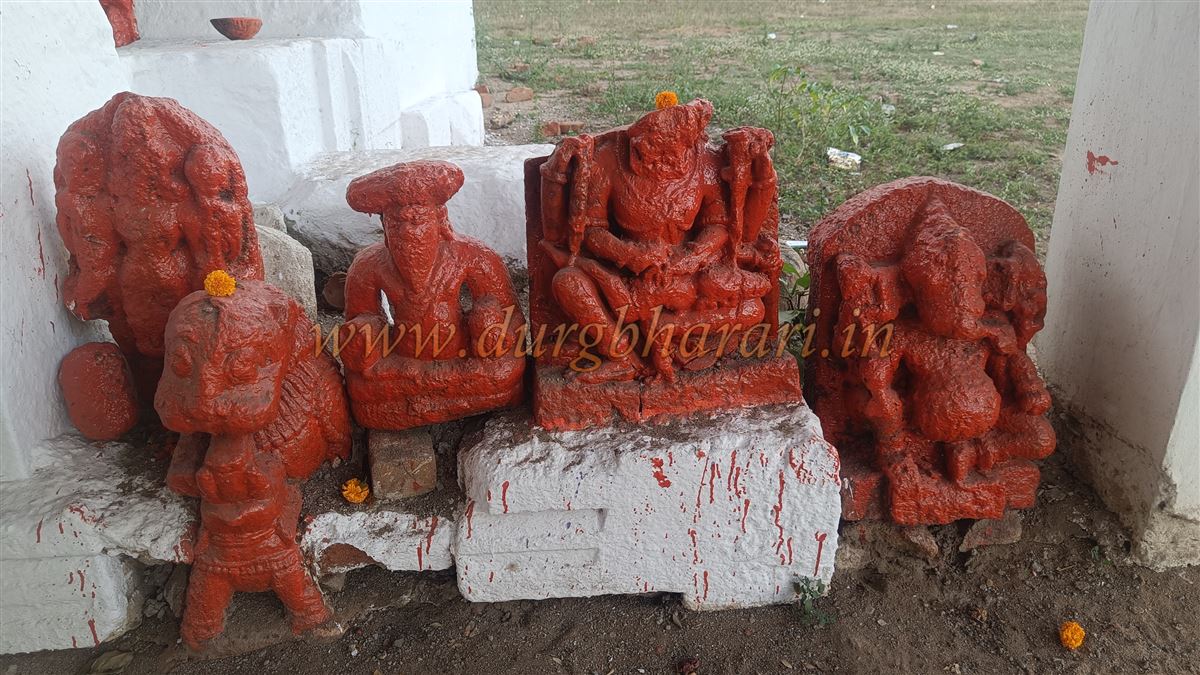
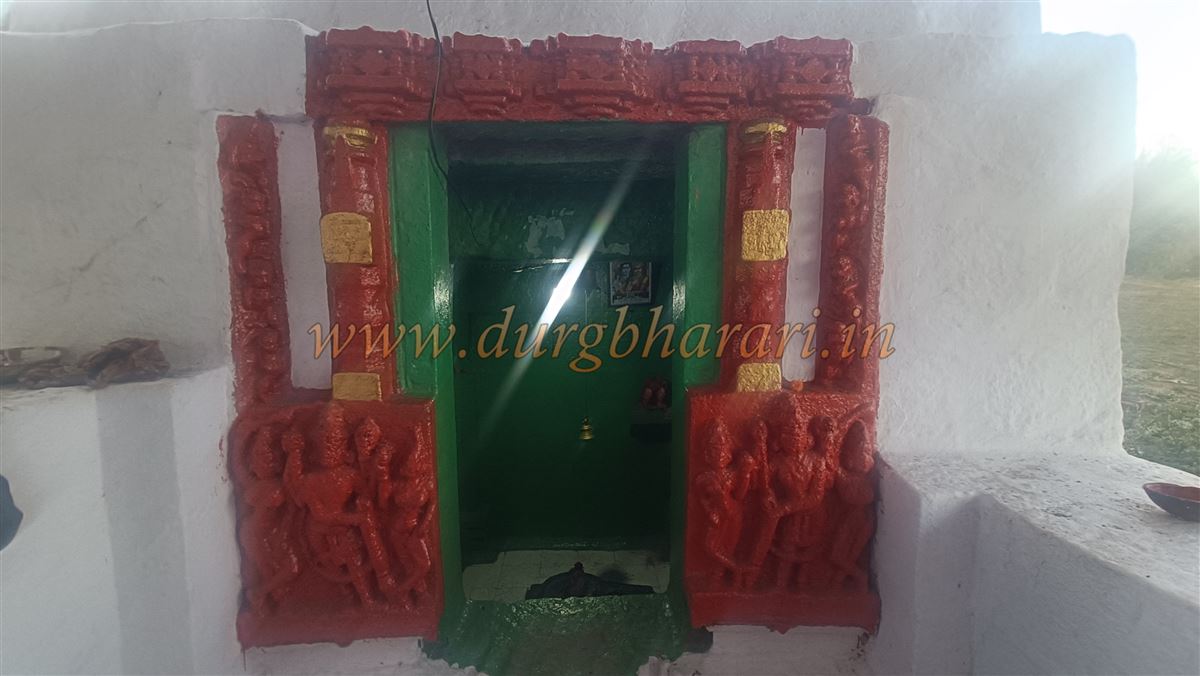
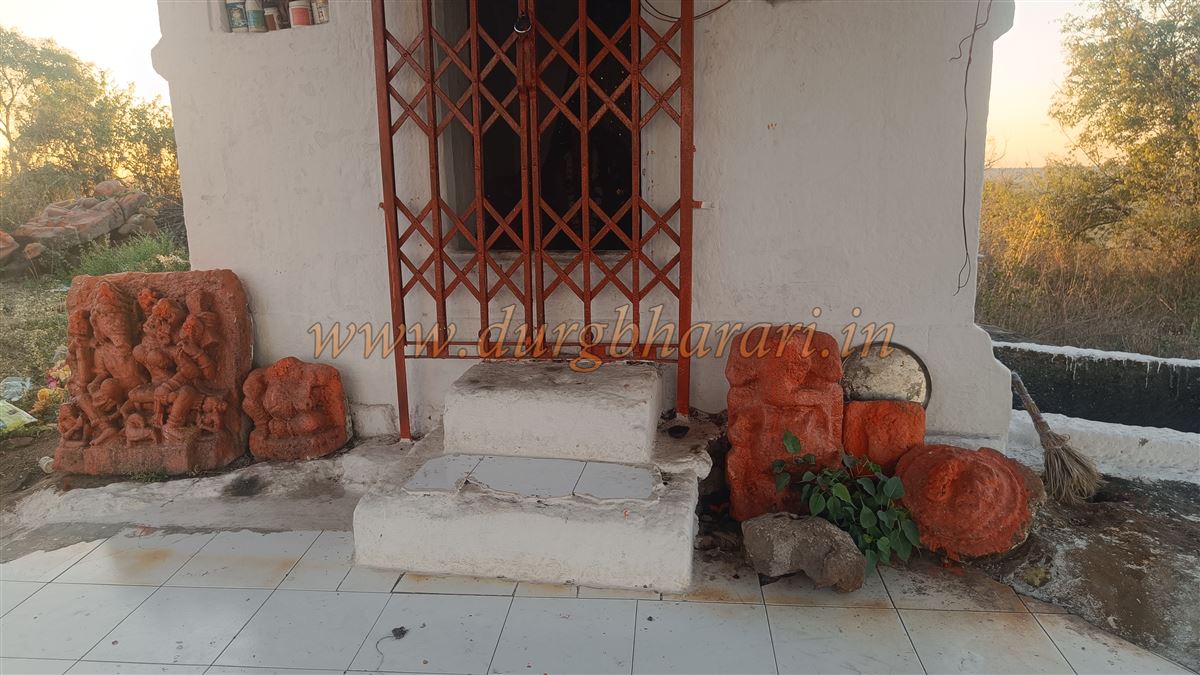
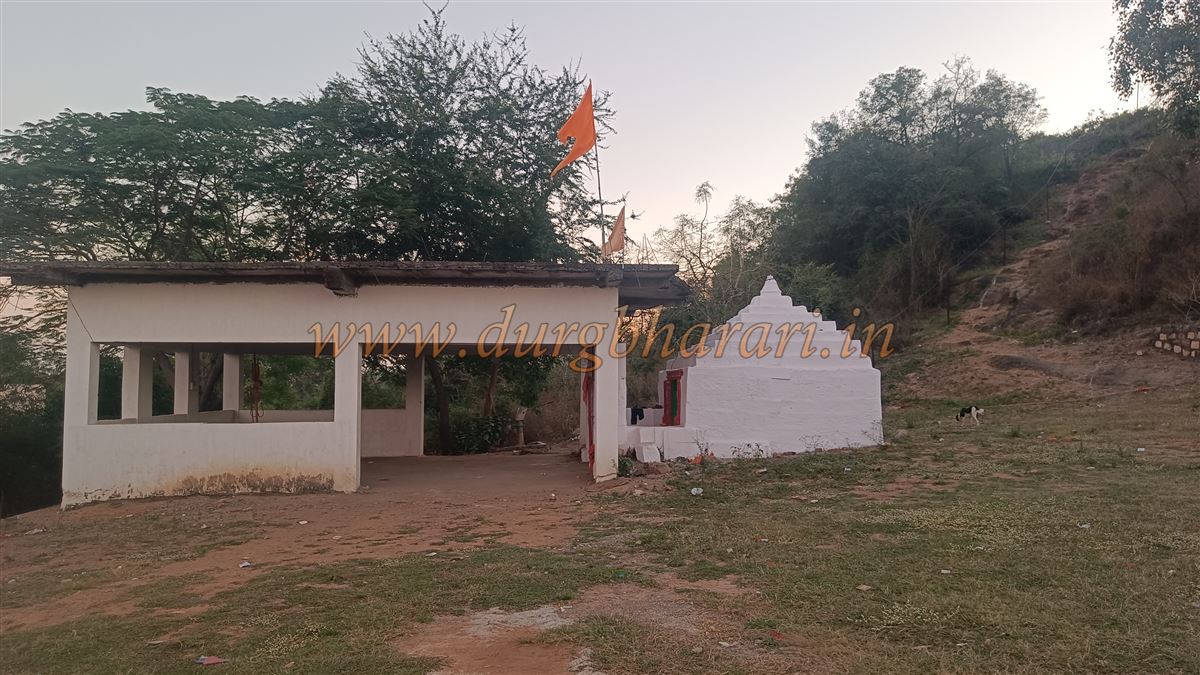
Starting the ascent from the west side of the village, you first reach an ancient Shiva temple near the hill’s base. Although the temple’s stone construction links it to the medieval period, unfortunately, it has been poorly maintained, with layers of oil paint spoiling the original sculptures. The Shiva lingam inside the sanctum is still intact. Outside, statues of Ganapati, Narasimha, and Vishnu can be seen.
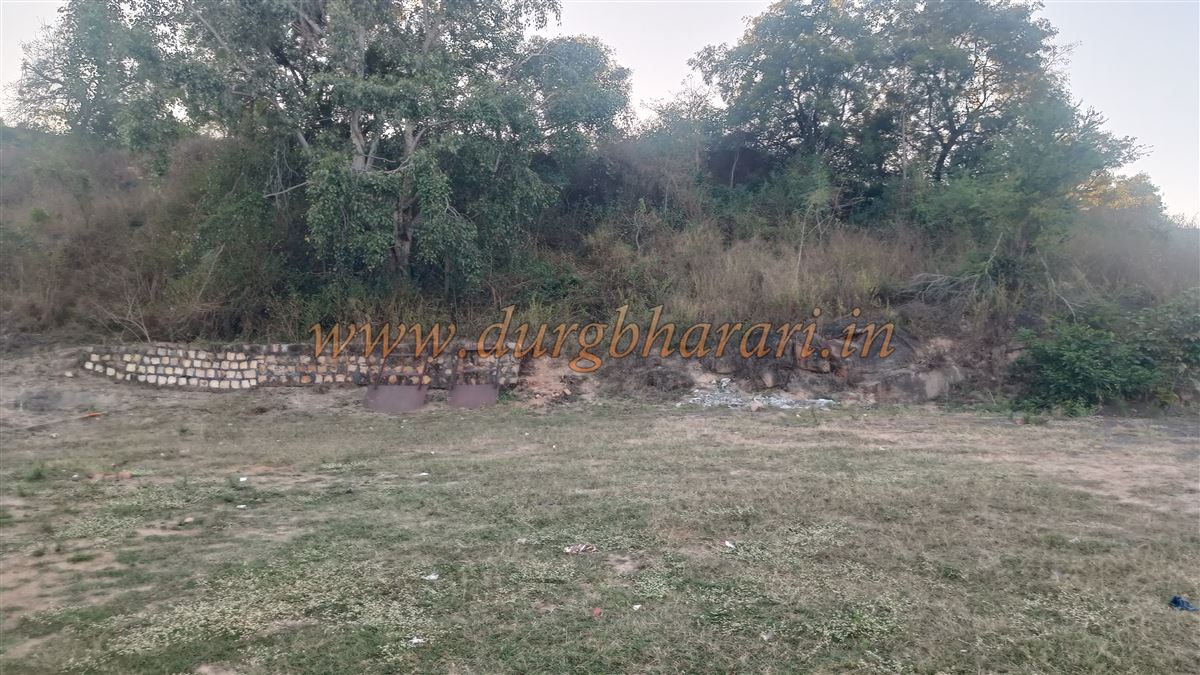
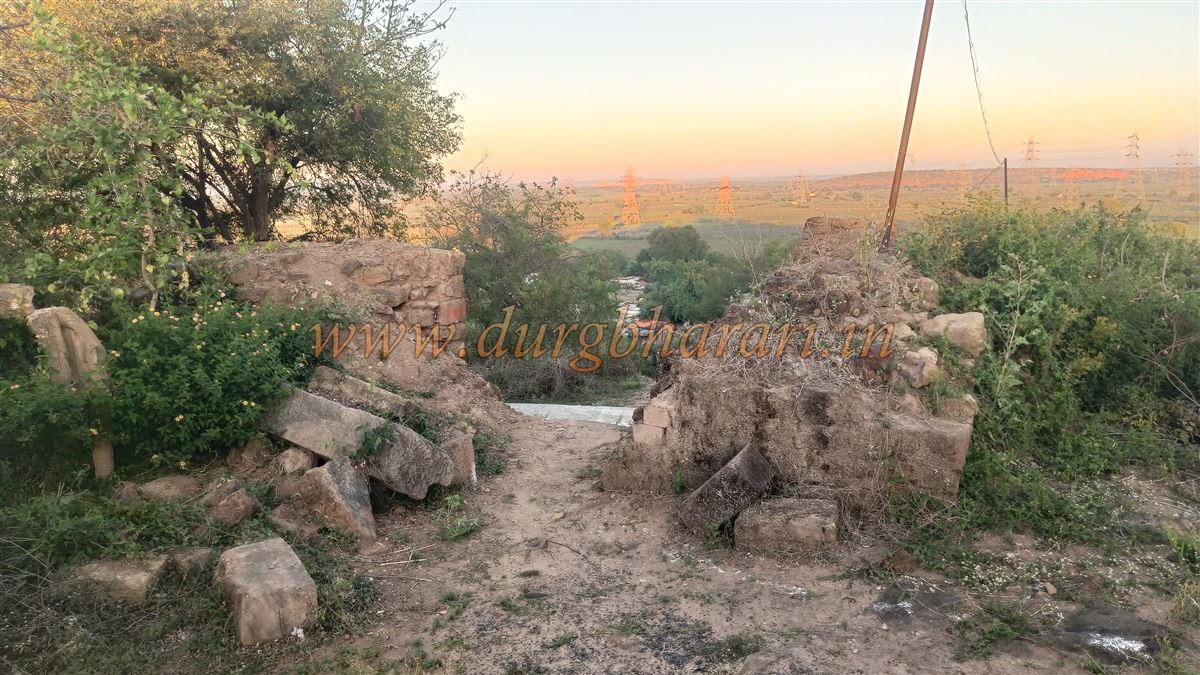
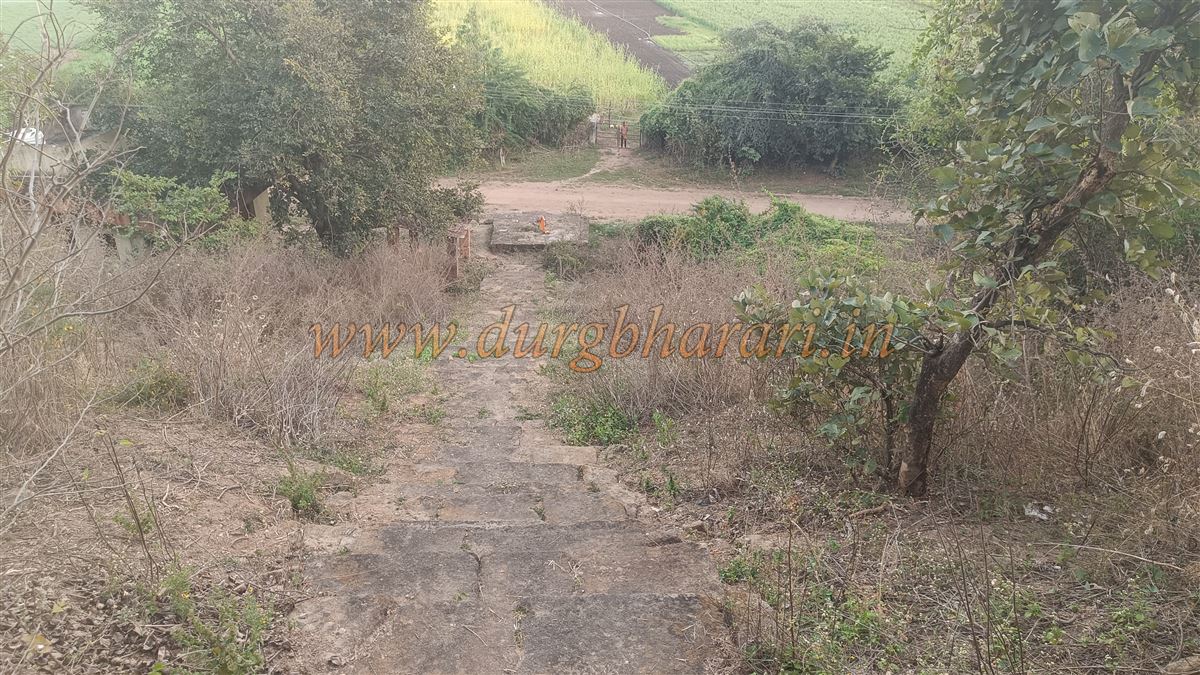
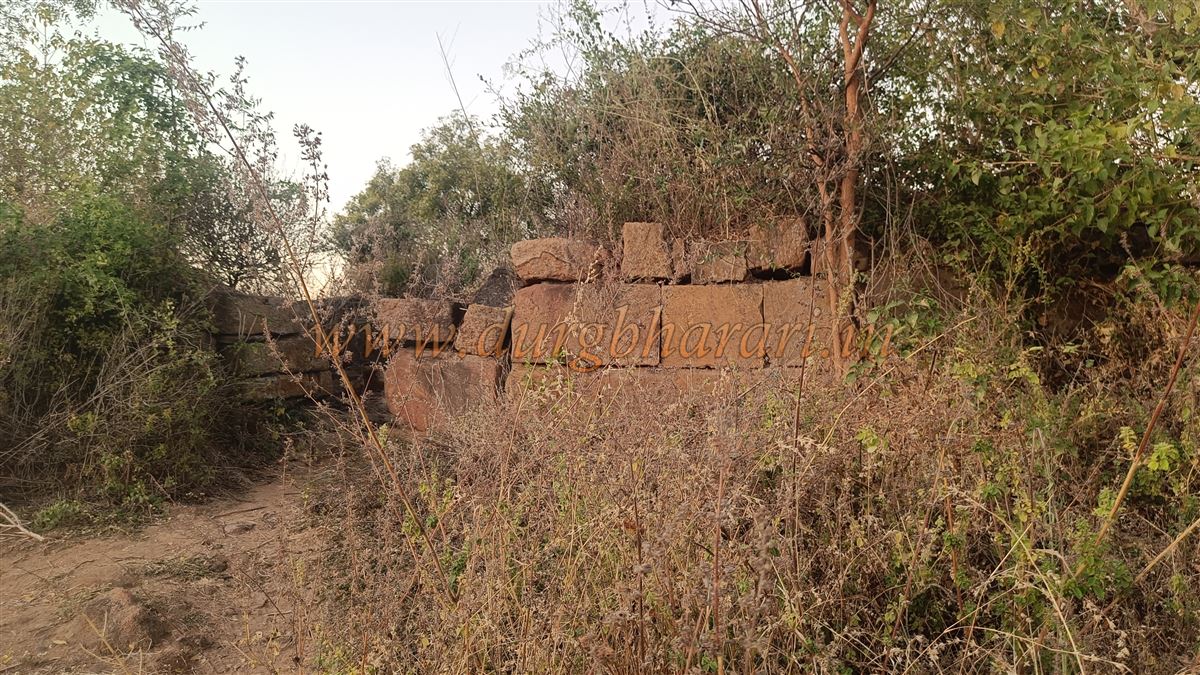
Behind the temple, a footpath climbs steeply to the fort’s gate. Though the fortification walls largely remain, the arch of the gate has collapsed, with stones from the arch lying near the walls. A sculpture of Ganapati is carved on one of the stones in the fortification. This gate provides direct access to the Balekilla.
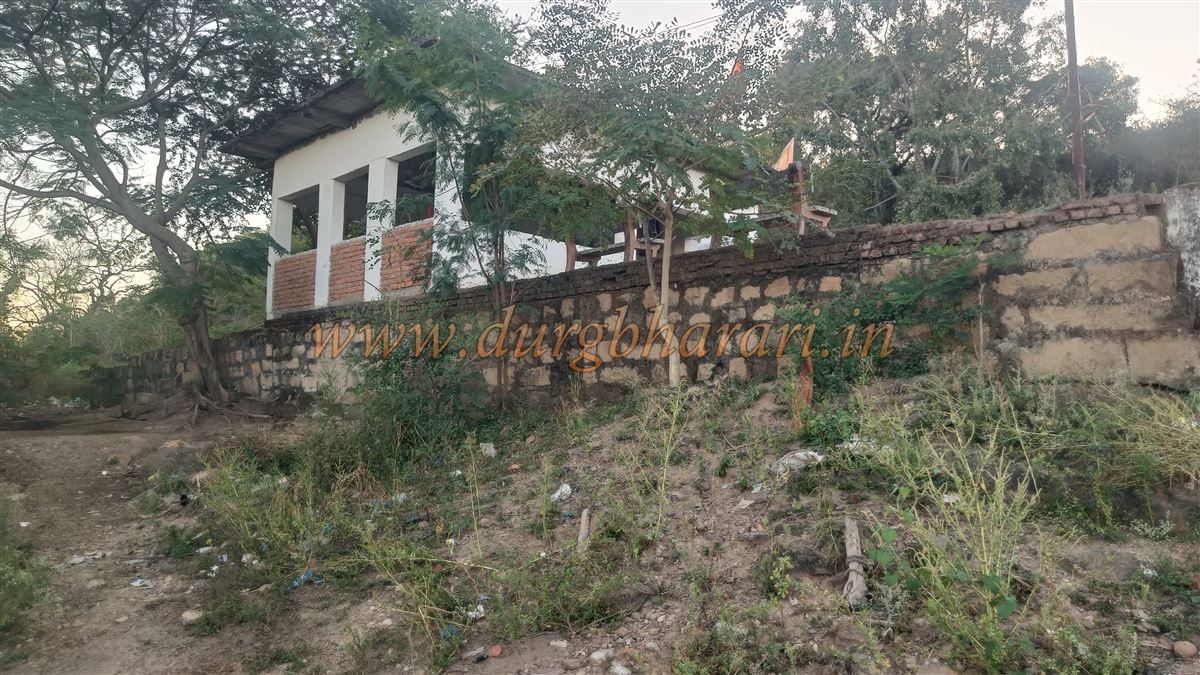
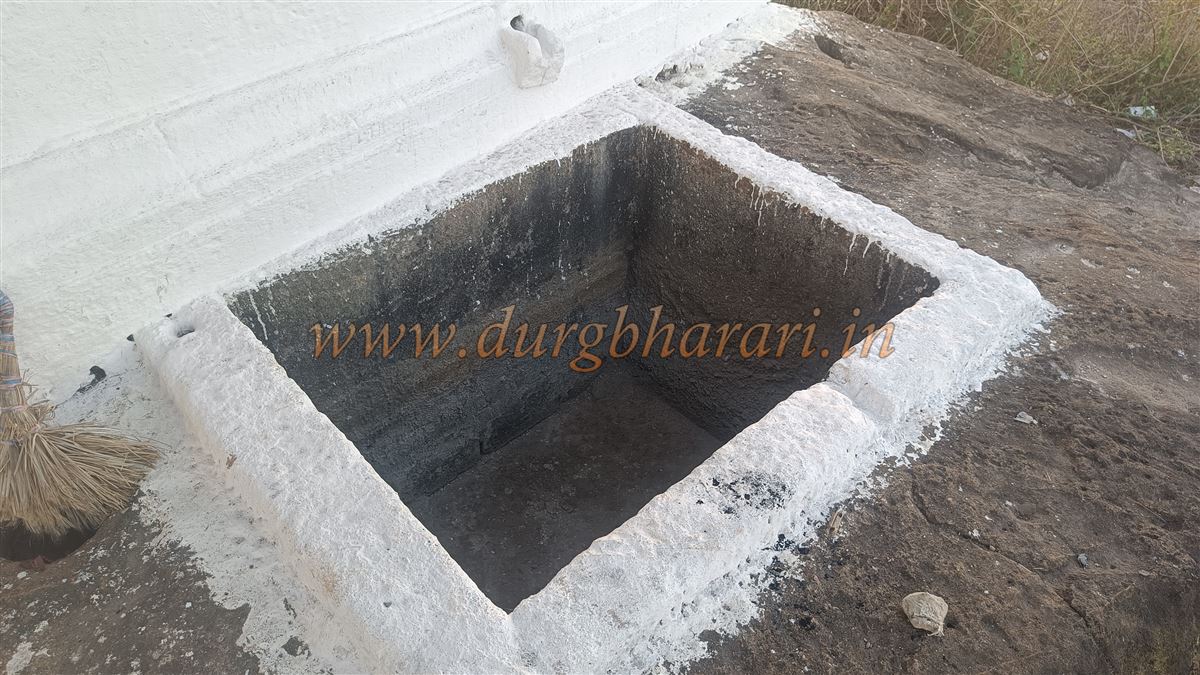
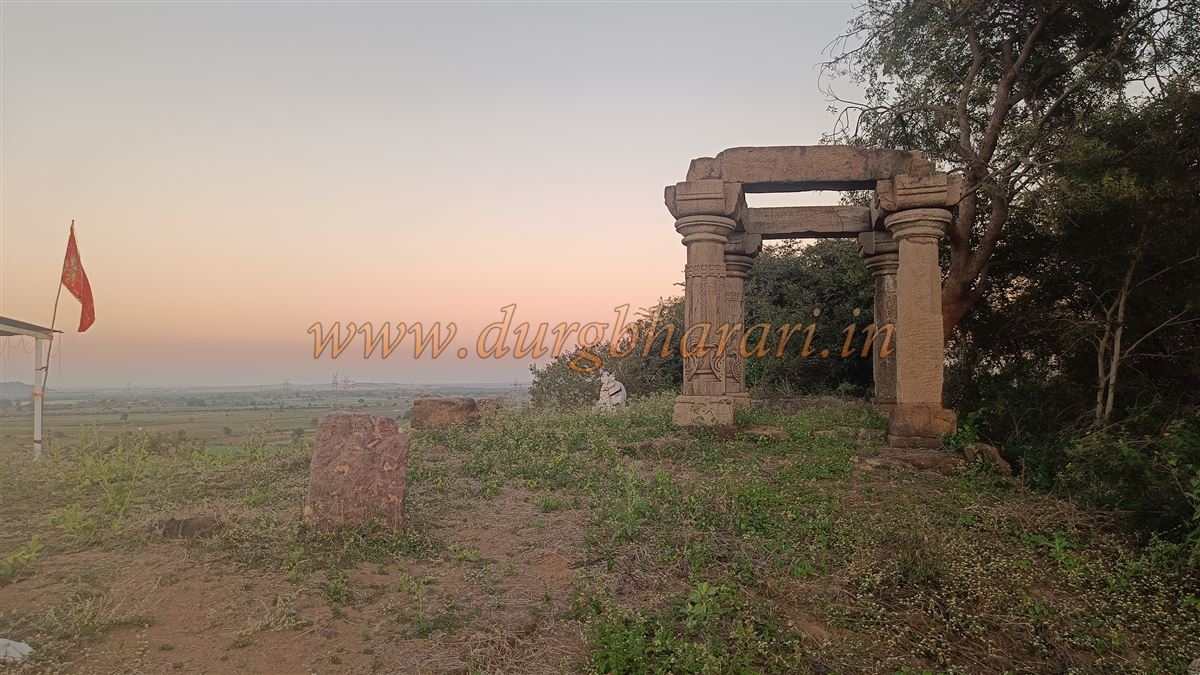
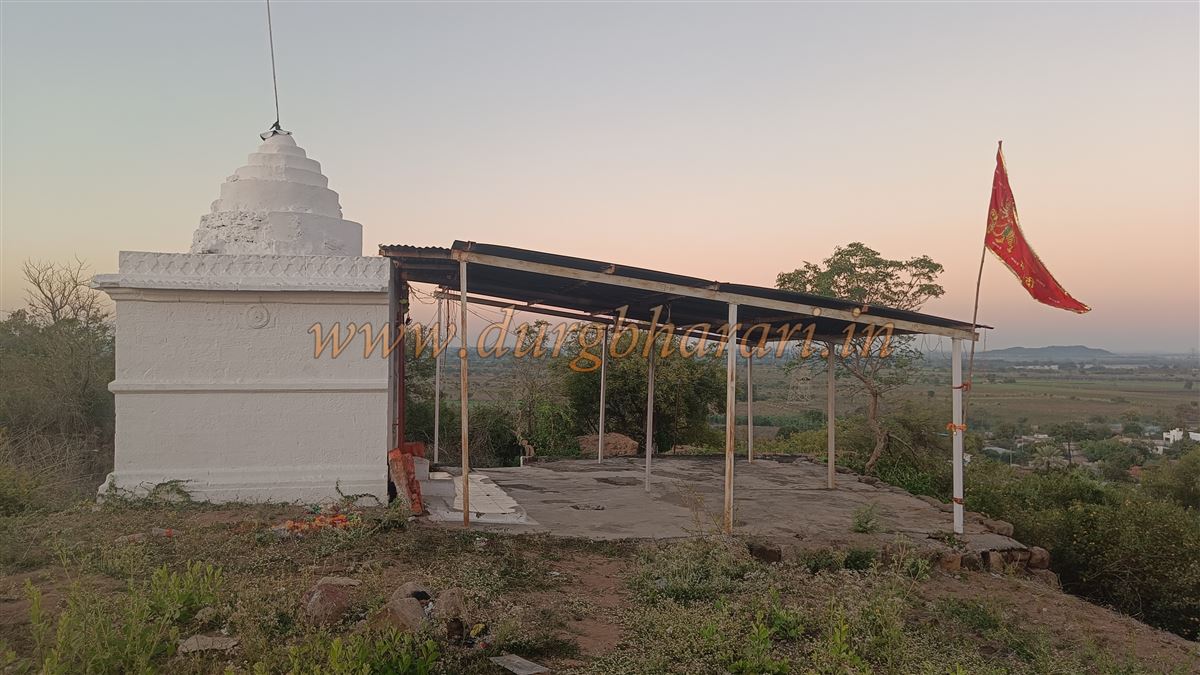
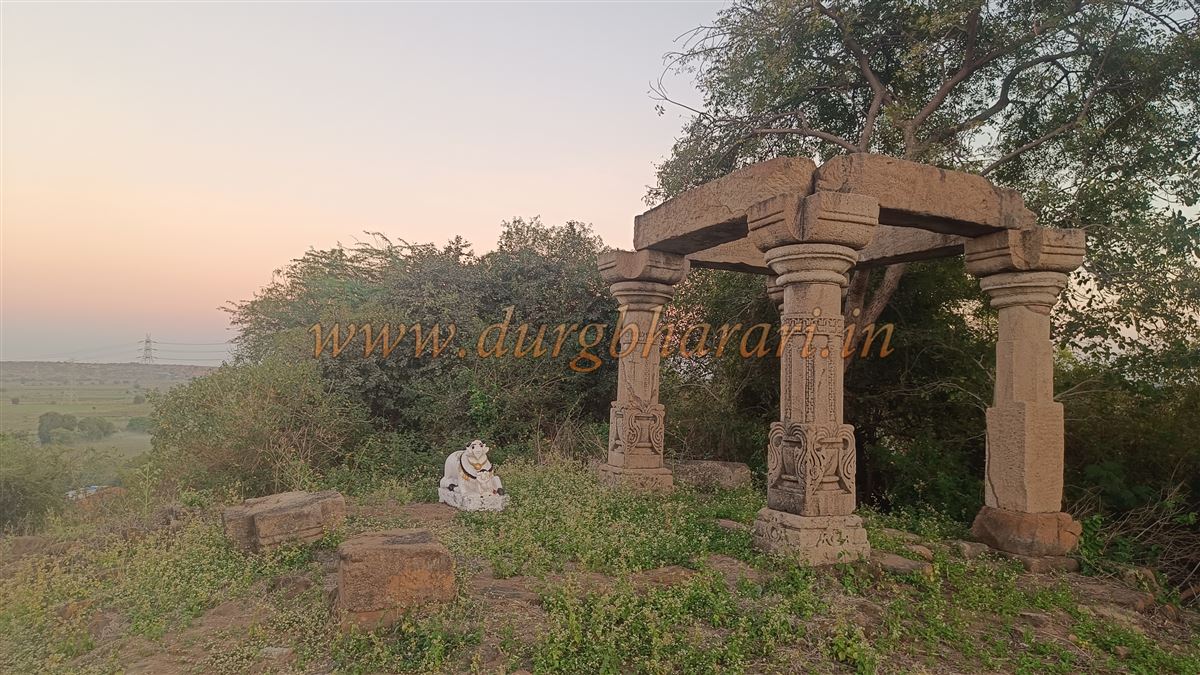
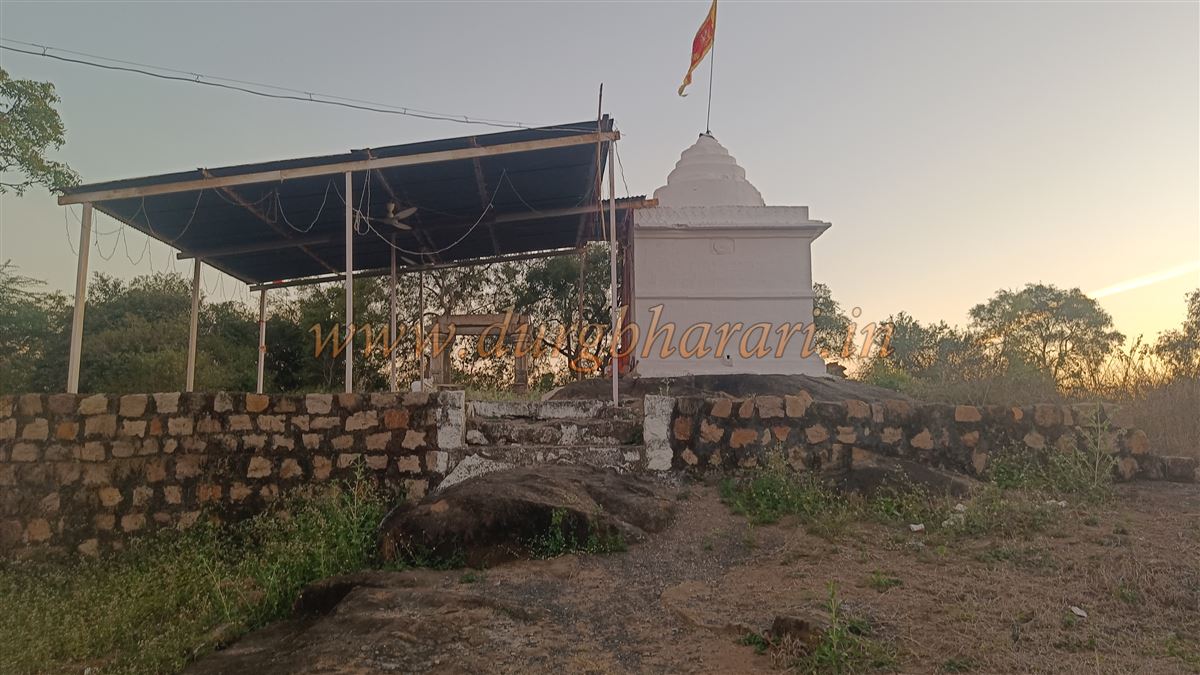
Next to the gate is a square-shaped bastion in a ruined state. On the Balekilla stands a stone-built Bhavani temple with a carved water tank beside it. Bhavani Devi is likely the presiding deity of the fort. Near the temple is a beautifully carved stone Mandap (pavilion) supported on four pillars, richly decorated with carvings—possibly the temple’s assembly hall. Adjacent to it are remnants of other partially carved stone pillars.
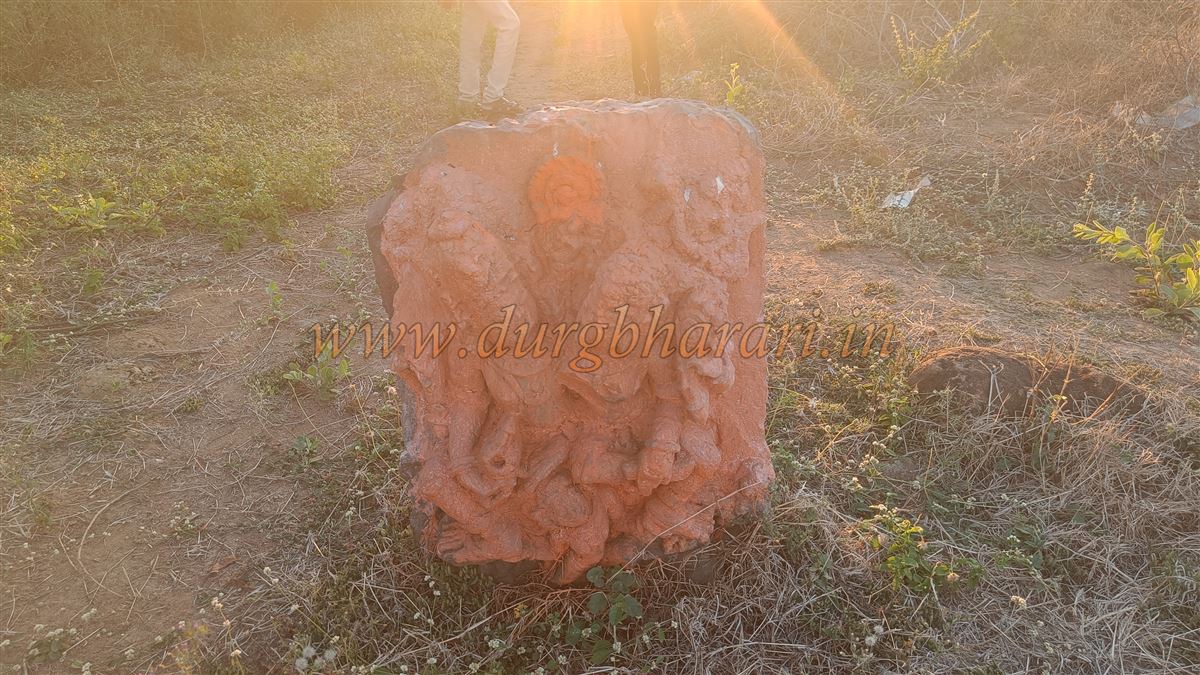
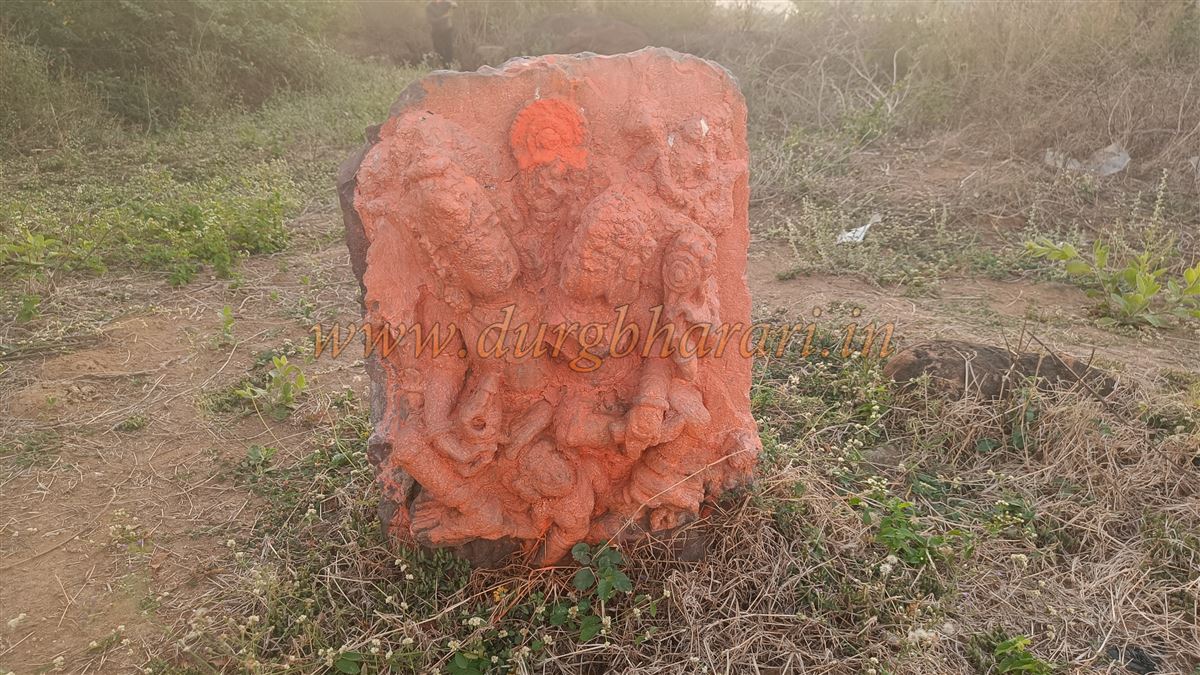
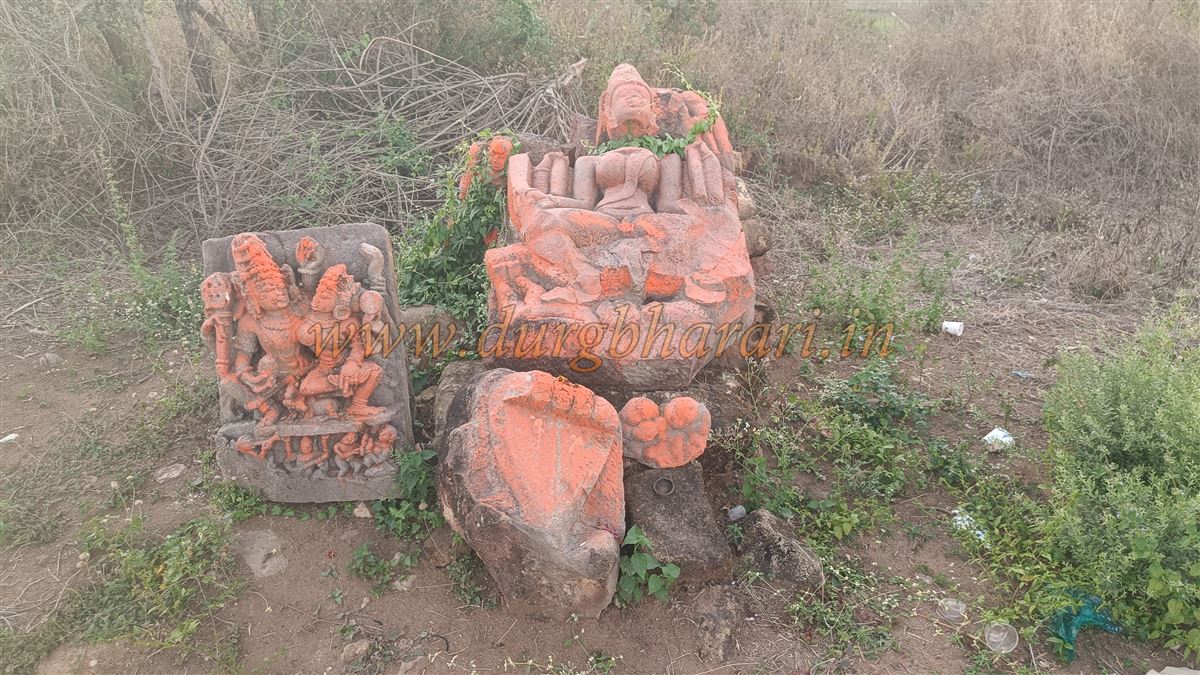
Scattered throughout the fort are various sculptures, mainly of deities such as Lajjagauri, Brahmasavtri, Uma Maheshwar, and Vishnulaxmi. Behind the Balekilla is a gate leading to the fort’s second section.
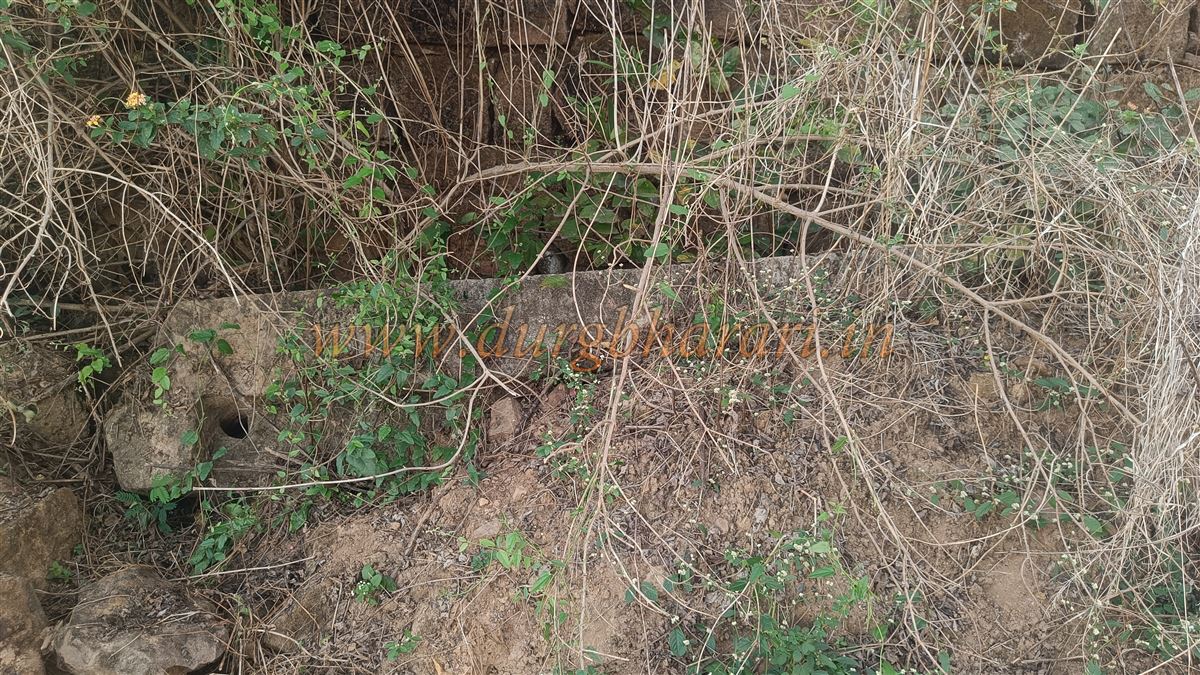
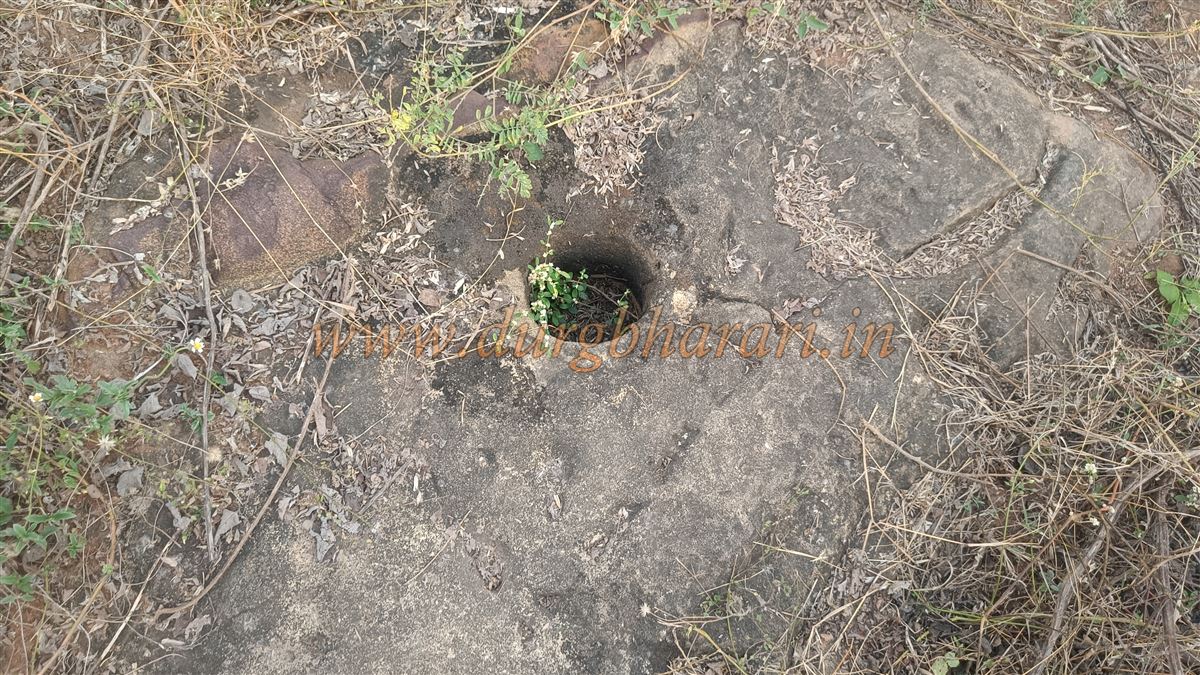
This part of the fort is overgrown with vegetation but contains visible foundations and remains of buildings. Just outside this gate, on the right slope, is a guard post carved into rock. Further ahead are dry water tanks known locally as "Sita Take."
Additionally, this area houses a ruined cave with only a small entrance remaining visible. Descending the path further leads to the fort’s second gate, near which a small cave with a narrow descending path is inside. At the end of this path is a water tank—the only source of water on the fort, still used by locals. Since the ascetic Narhar Sadhu Maharaj once stayed here, locals call this the Narhar Cave.
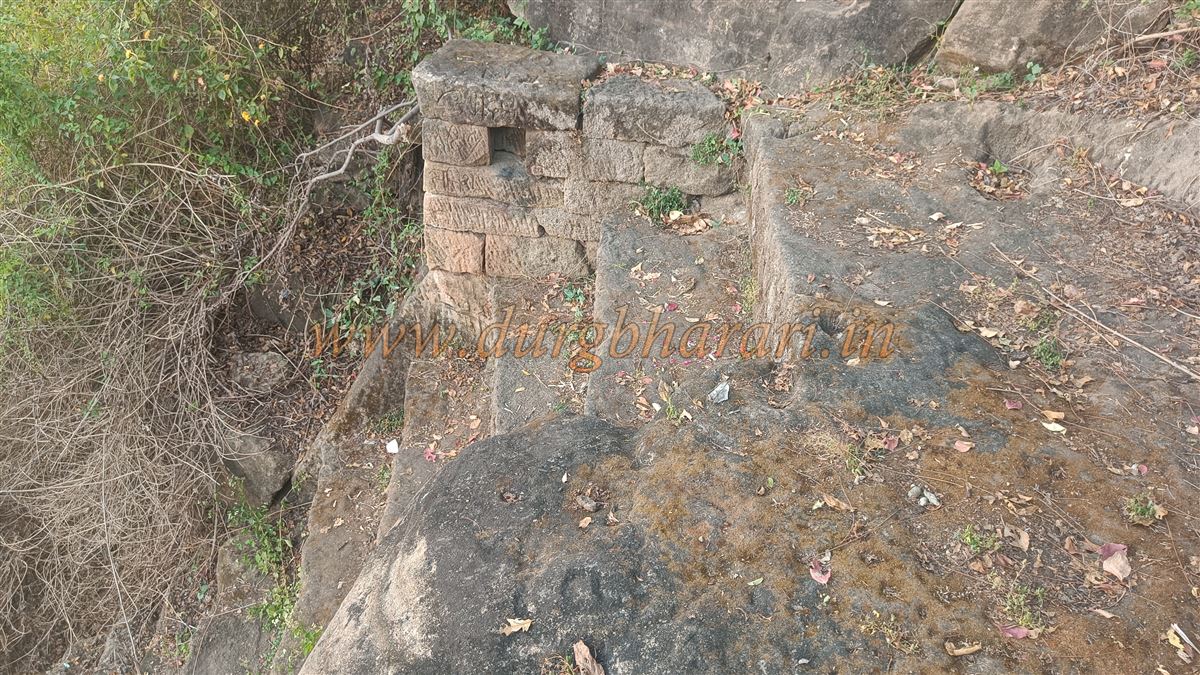
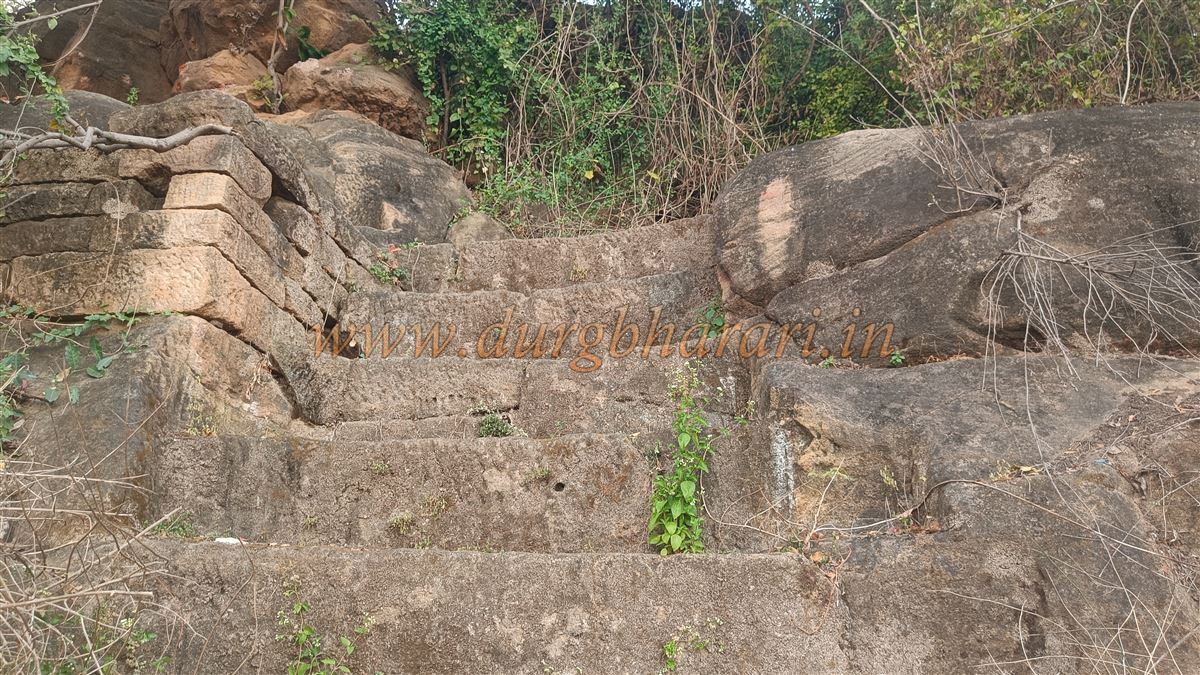
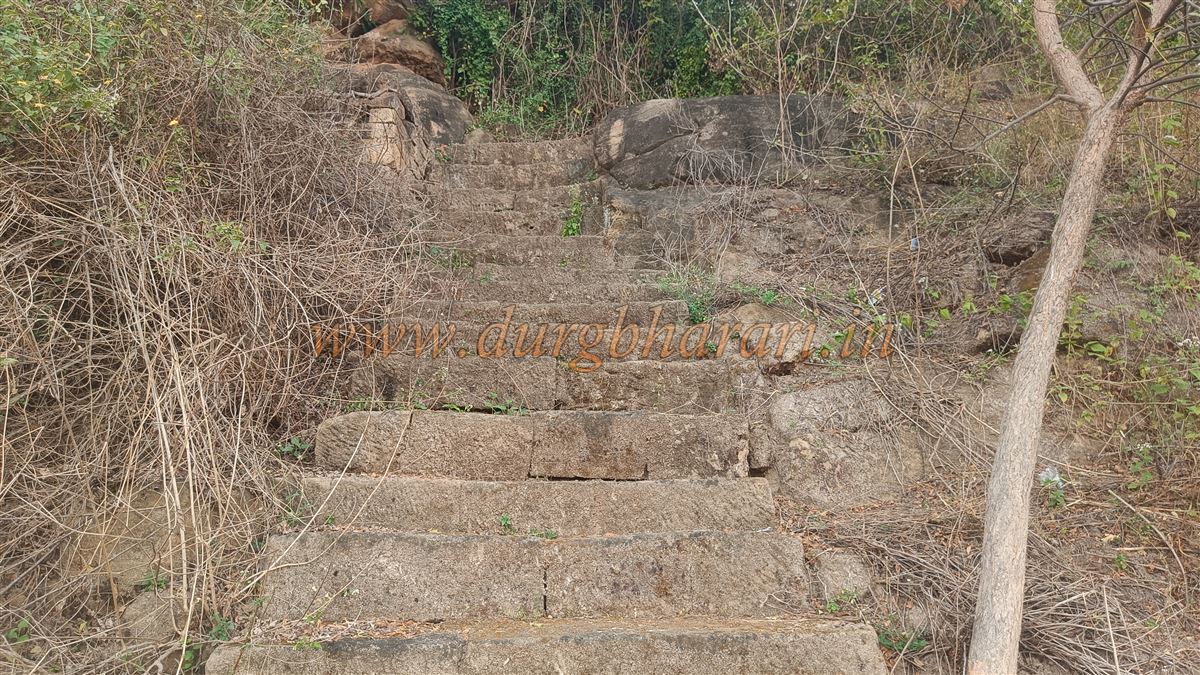
There used to be a second gate for entering the fort along this path, but only traces of it remain today. This gate was built adjoining a cliff with 10–12 steps carved vertically and more steps forming a constructed stairway below. Descending these steps completes the fort visit. Exploring the entire fort takes about an hour. Along with Bhadrapur Fort, visitors can also see Deurwada Fort and the nearby Bijasan hill, home to Buddhist caves. The proximity of Deurwada to Bhadrapur town indicates its history likely extends back more than 2,000 years.
Different dynasties have ruled Vidarbha over time, building forts accordingly. The Buddhist caves on the western side of Bhadrawati hill belong to the Hinayana tradition, later augmented by Mahayana sculptures of Buddha, linking the city’s history back to the Satavahana period.
After the Satavahana, in the 12th century, the Nagavanshi rulers of the Mana caste established their power in Vidarbha, constructing forts such as Vairagad, Manikgad, and Surjagad. Bhankasingh Nagavanshi is believed to have founded Bhadrawati town. Nag sculptures on these forts support this history.
In the 13th century, Gond rulers rose to power in Vidarbha, governing this region for nearly 400 years, with their cultural influence evident in the fort architecture. Except for their early period, the Gonds later accepted Muslim over lordship and avoided many battles.
By the early 18th century, internal conflicts weakened Gond rule, allowing the Bhonsles of Nagpur to dominate Vidarbha. They rebuilt important forts like Nagardhan, Pawni, Ramtek, and Gavilgad but neglected many smaller forts in the defensive chain.
Descending the hill to the road and walking along the slope to the right, you find two small rock-cut caves. There is no prominent path to them, so one must climb the slope carefully. These two caves share a single interior and likely served as a watch post. Nearby, two more caves exist—one containing a ruined water tank, and the other a small cave sheltering two people.
Visiting Deurwada Fort and the caves below takes about two hours.
© Suresh Nimbalkar
GALLERY