DEULGAONRAJA
TYPE : NAGARKOT
DISTRICT : BULDHANA
HEIGHT : 0
GRADE : EASY
Deulgav Raja is the taluka headquarters town in Buldhana district of Vidarbha. It was an important village within the jagir of Raje Lakhujirao Jadhav, the grandfather of Shivaji Maharaj, the founder of the Maratha Swarajya. The village has a strong historical connection through the fort-like gadhi (small fort) of the Jadhavs and the remains of the Kot (fortified settlement), which still stand proudly, preserving some of their old structures.
Deulgav Raja town lies about 78 km from Buldhana city and just 15 km from Sindkhed Raja town. In the older area of Deulgav Raja, one can see the ruins of the Kot and the Gadhi.
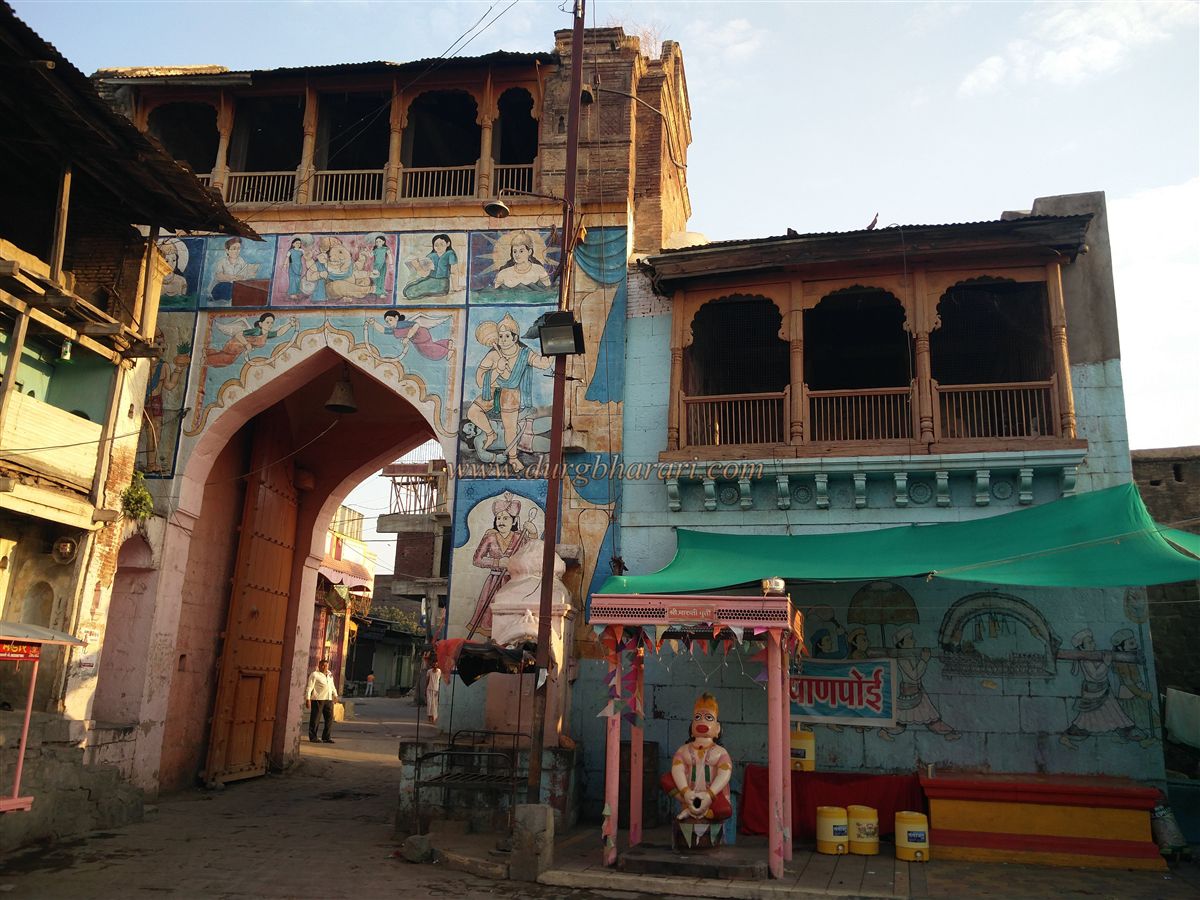
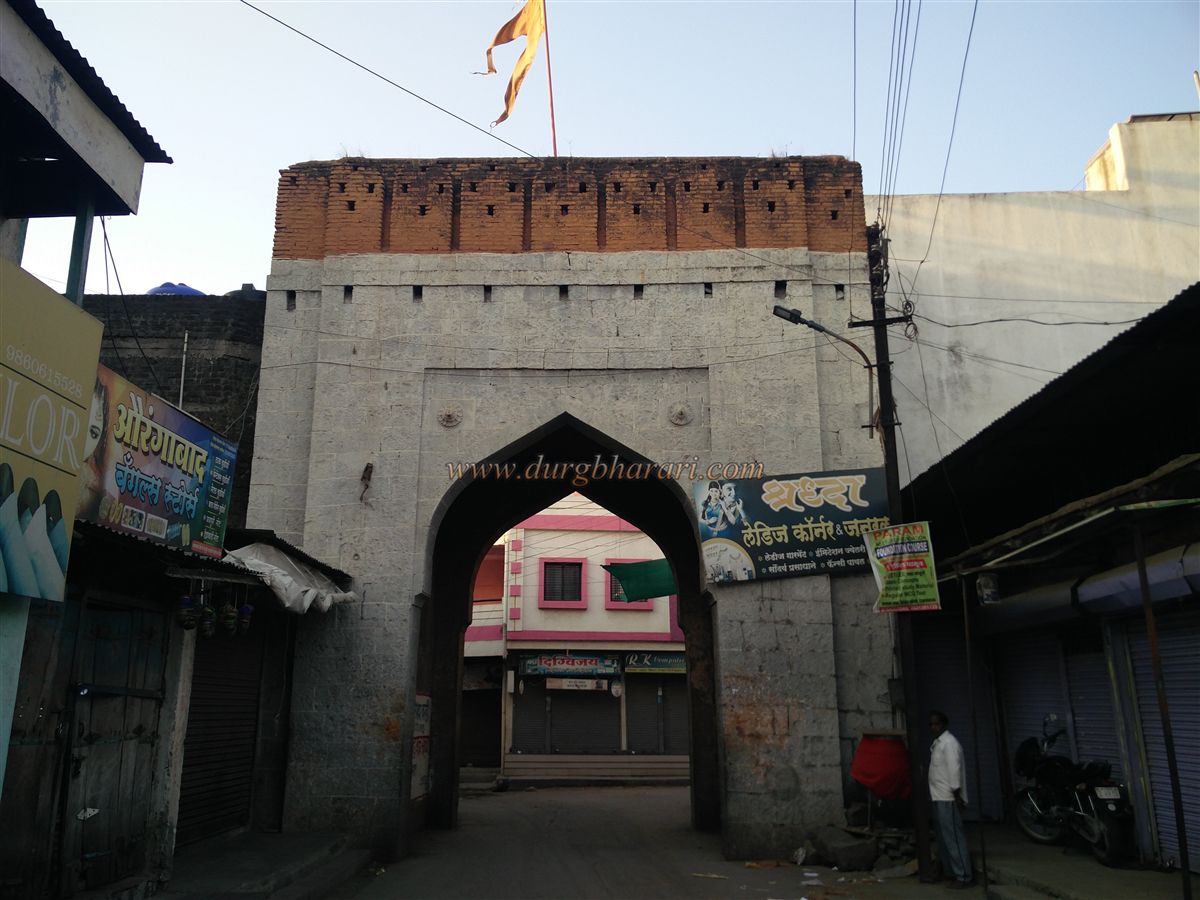
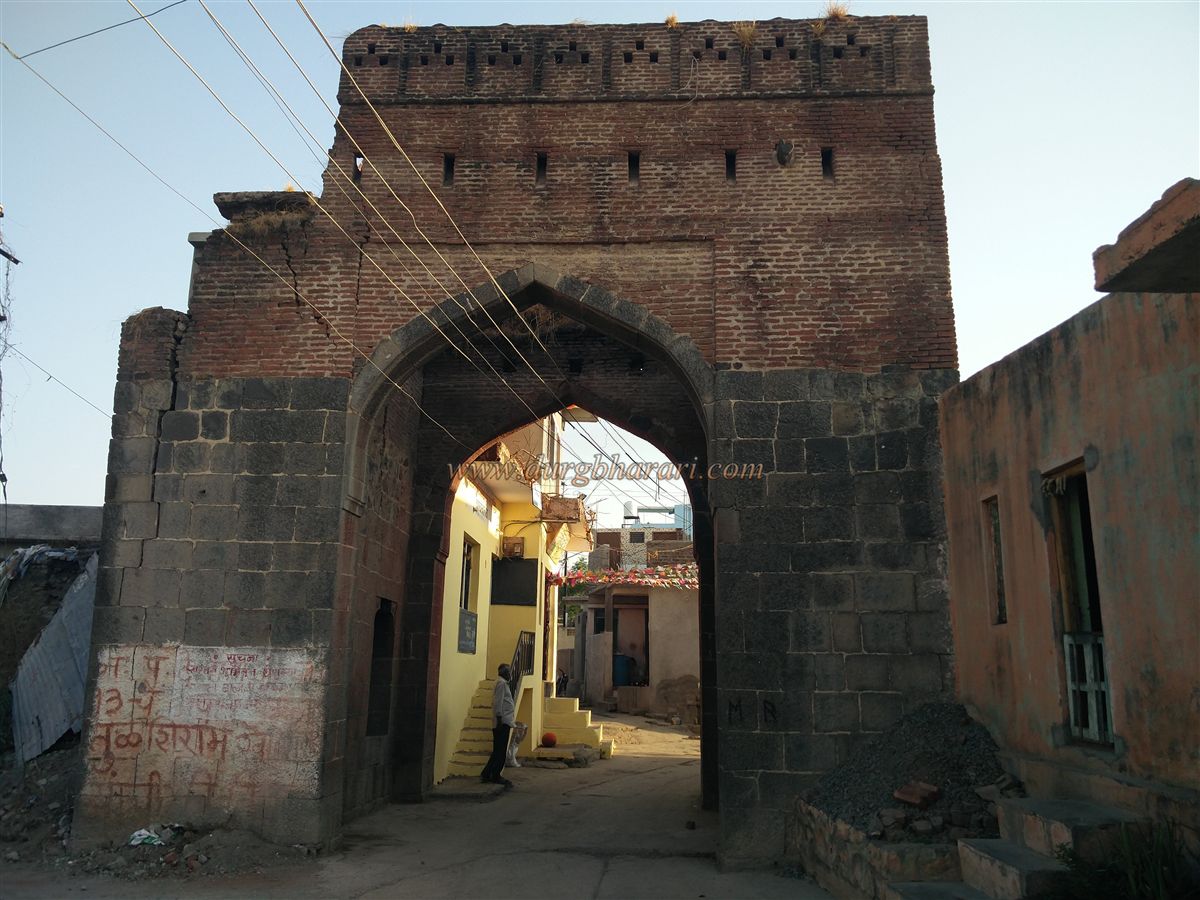
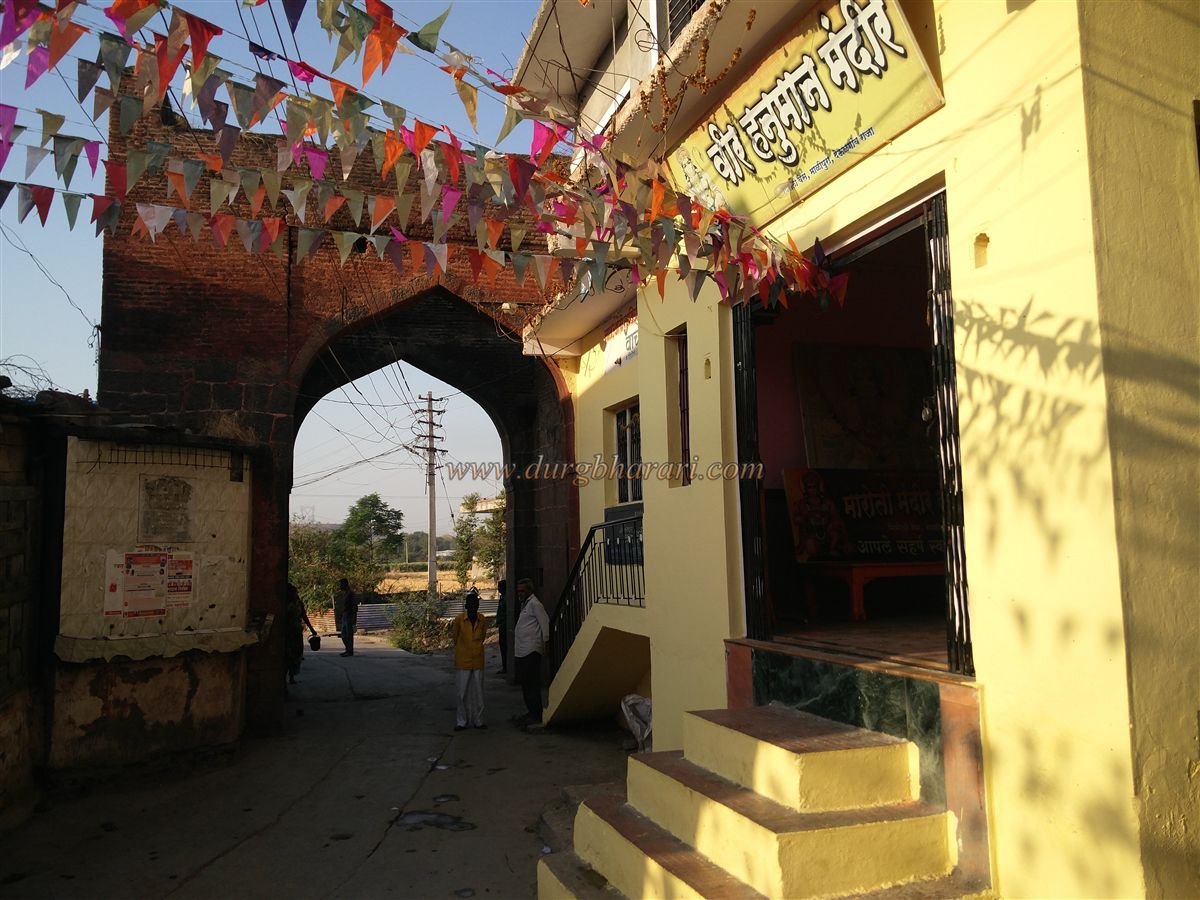
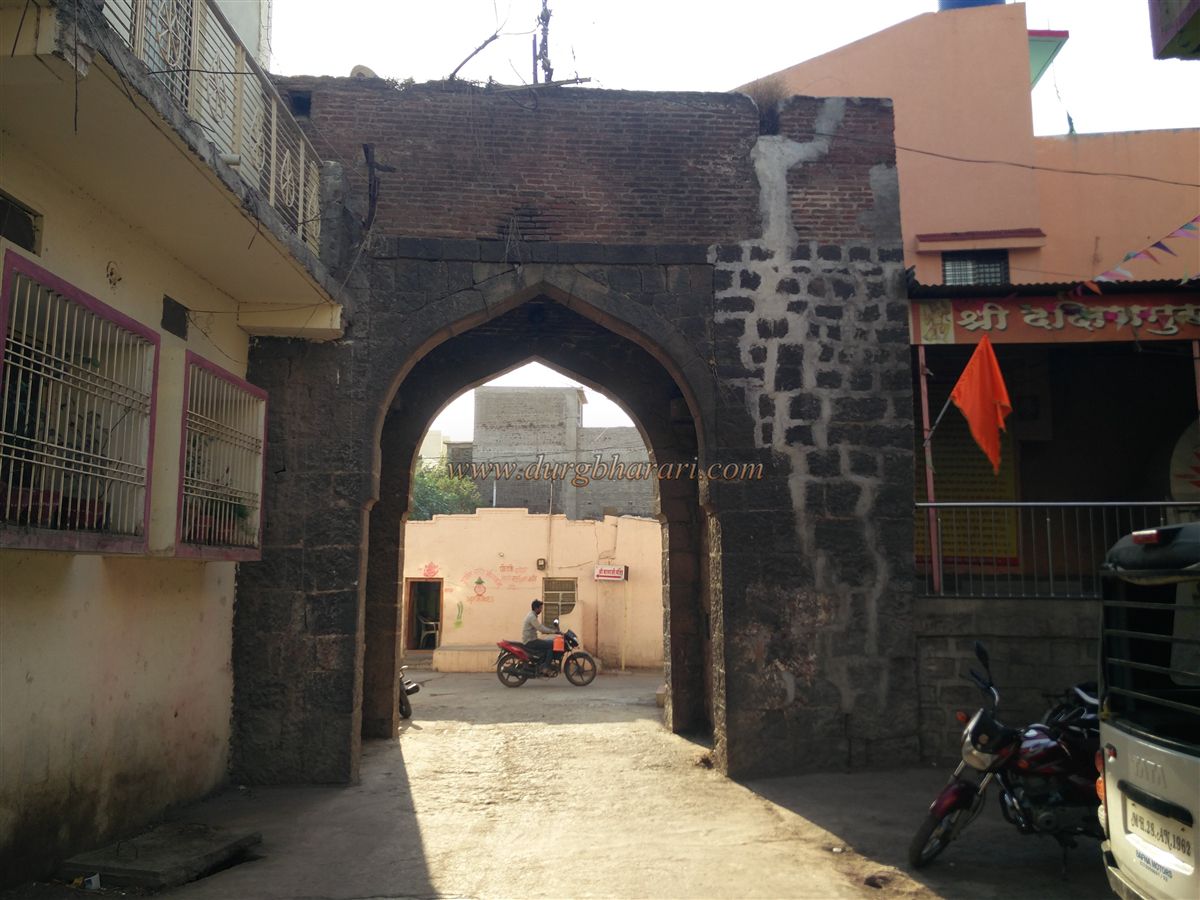
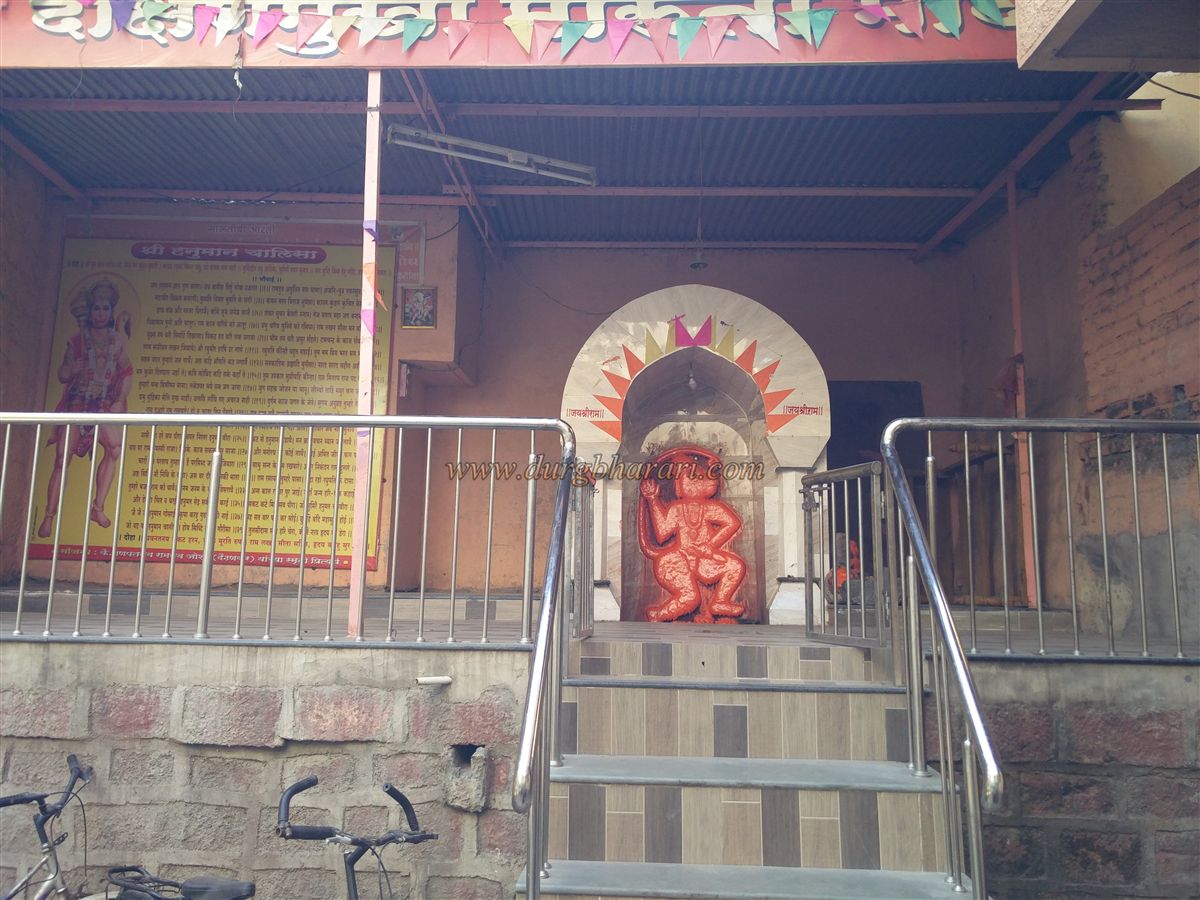
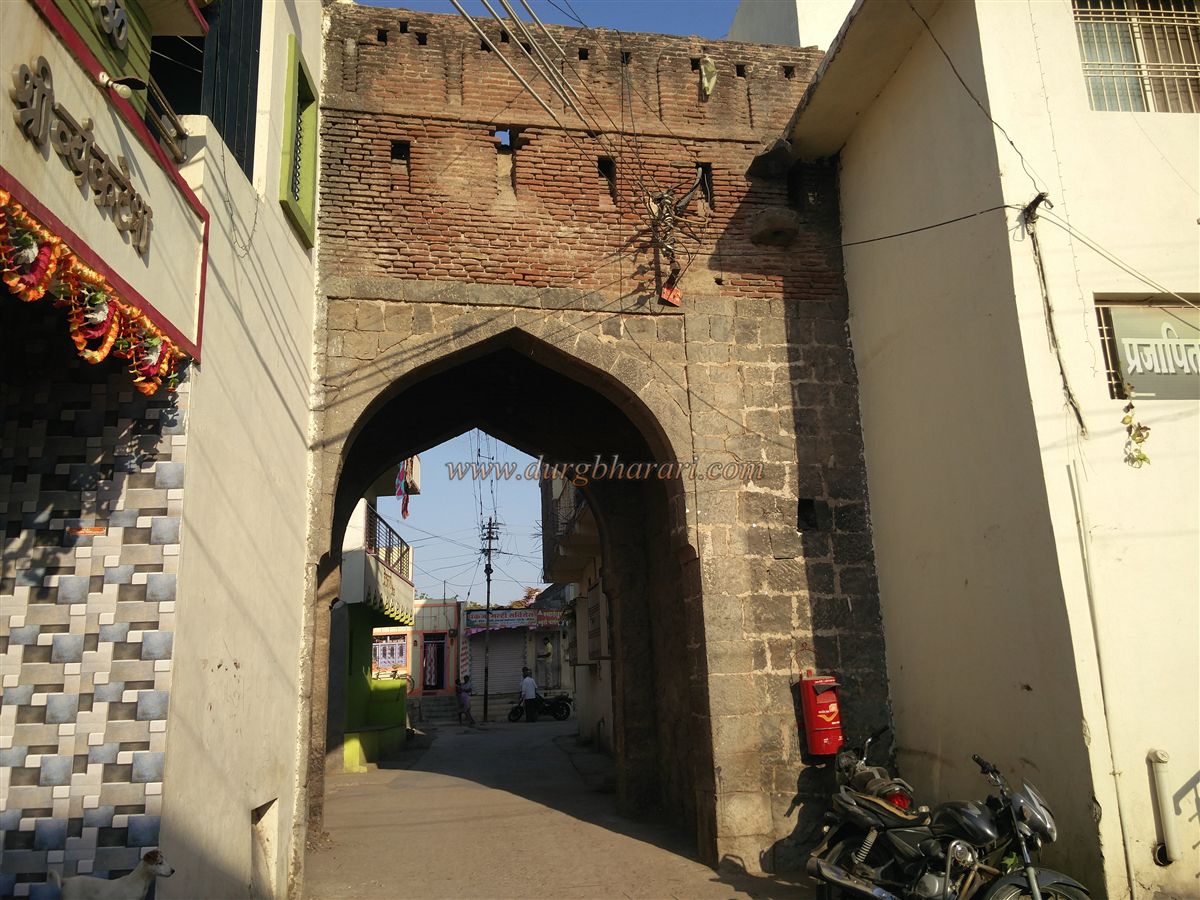
The remains of Deulgav Raja Kot mainly include two gateways in the fortification walls. One gateway is located at the southern edge of the village, and inside it stands a temple of Veer Hanuman. The other gateway lies near the Saraf Bazaar on the north side of the village.
...
The lower parts of both gates are built with dressed stones, while the upper parts are made of bricks. These gates have loopholes (jaggies) for firing guns. The arches of both gates remain, but the wooden doors have been lost.
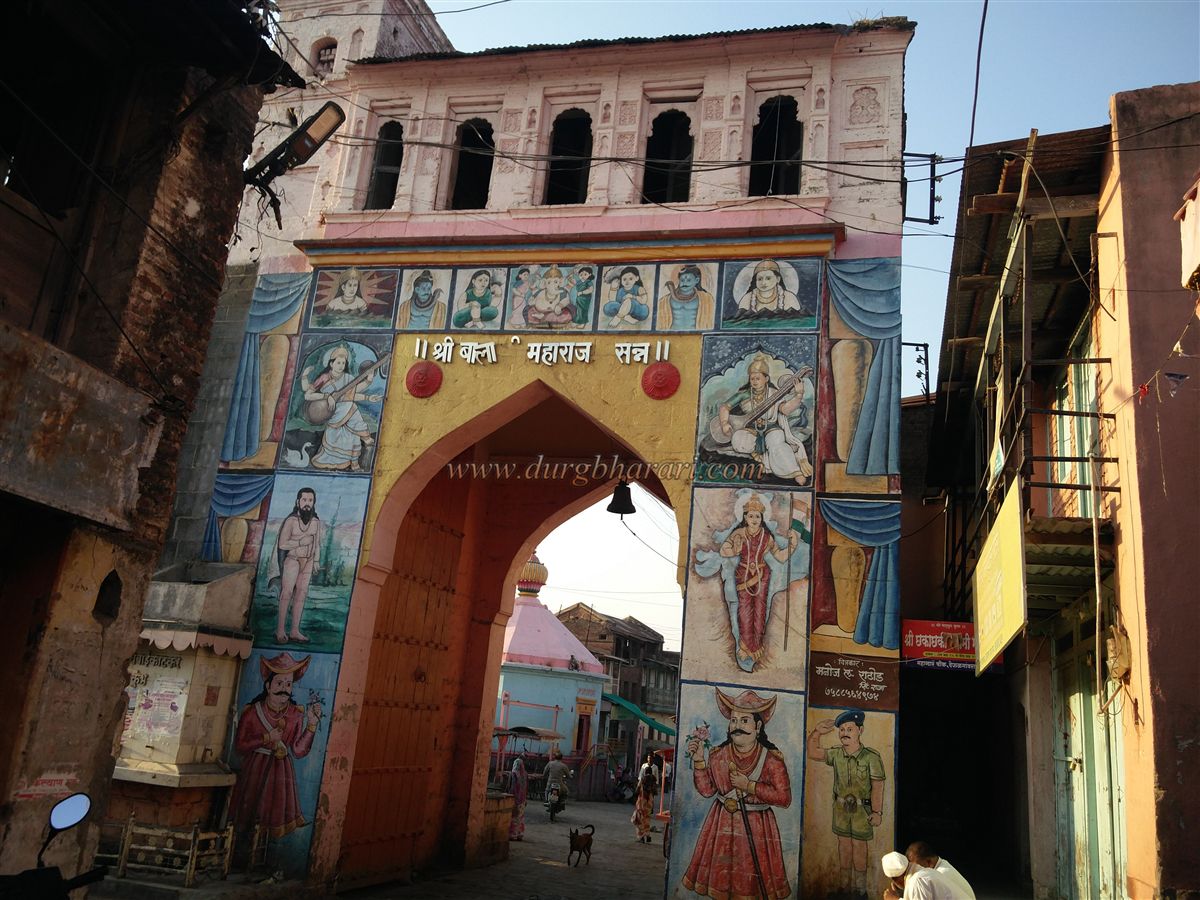
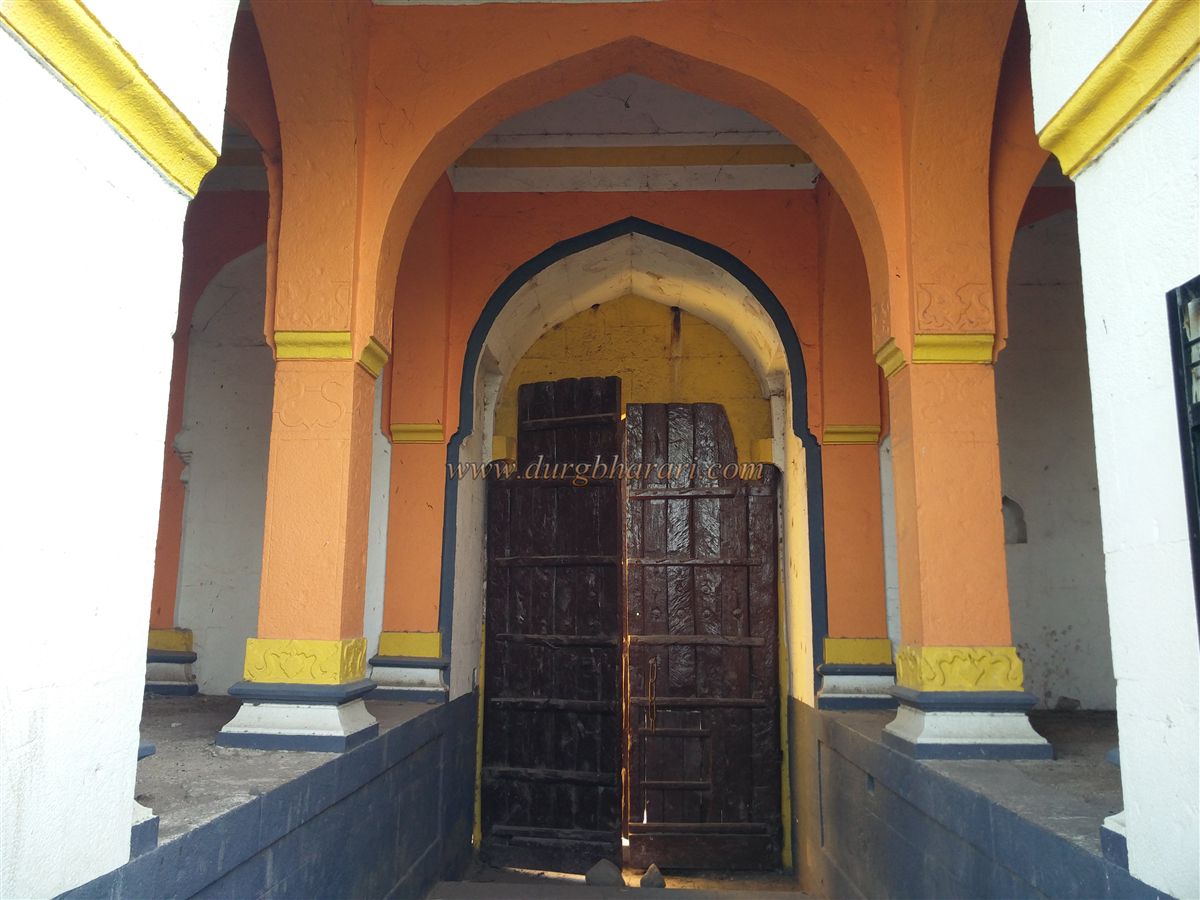
A third gate is found near the Balaji temple complex. This gate is built with dressed stones and has a carved Nagarkhana (drum house) on the upper portion. Unlike the other gates, this gate still has its wooden doors, including a smaller wicket gate (dindi). However, no visible defensive arrangements remain here.
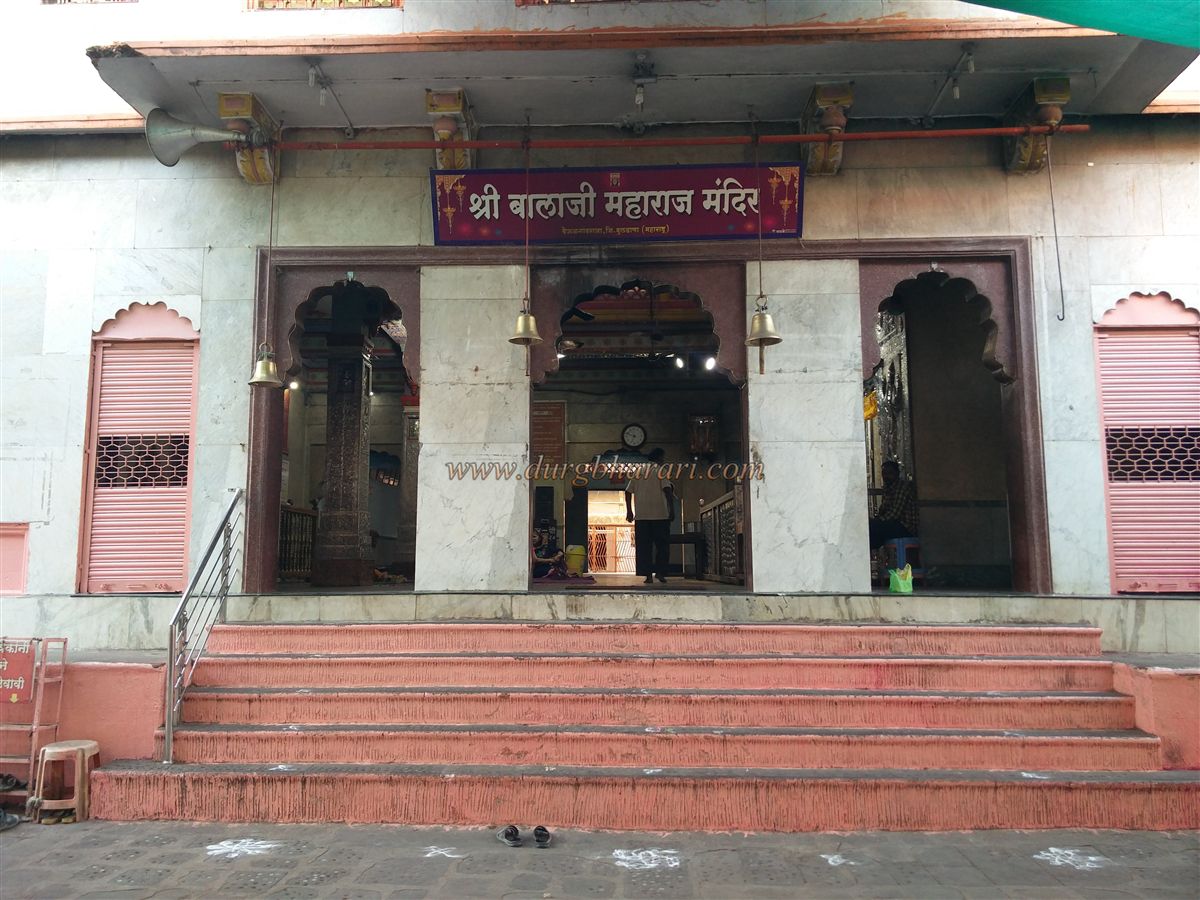
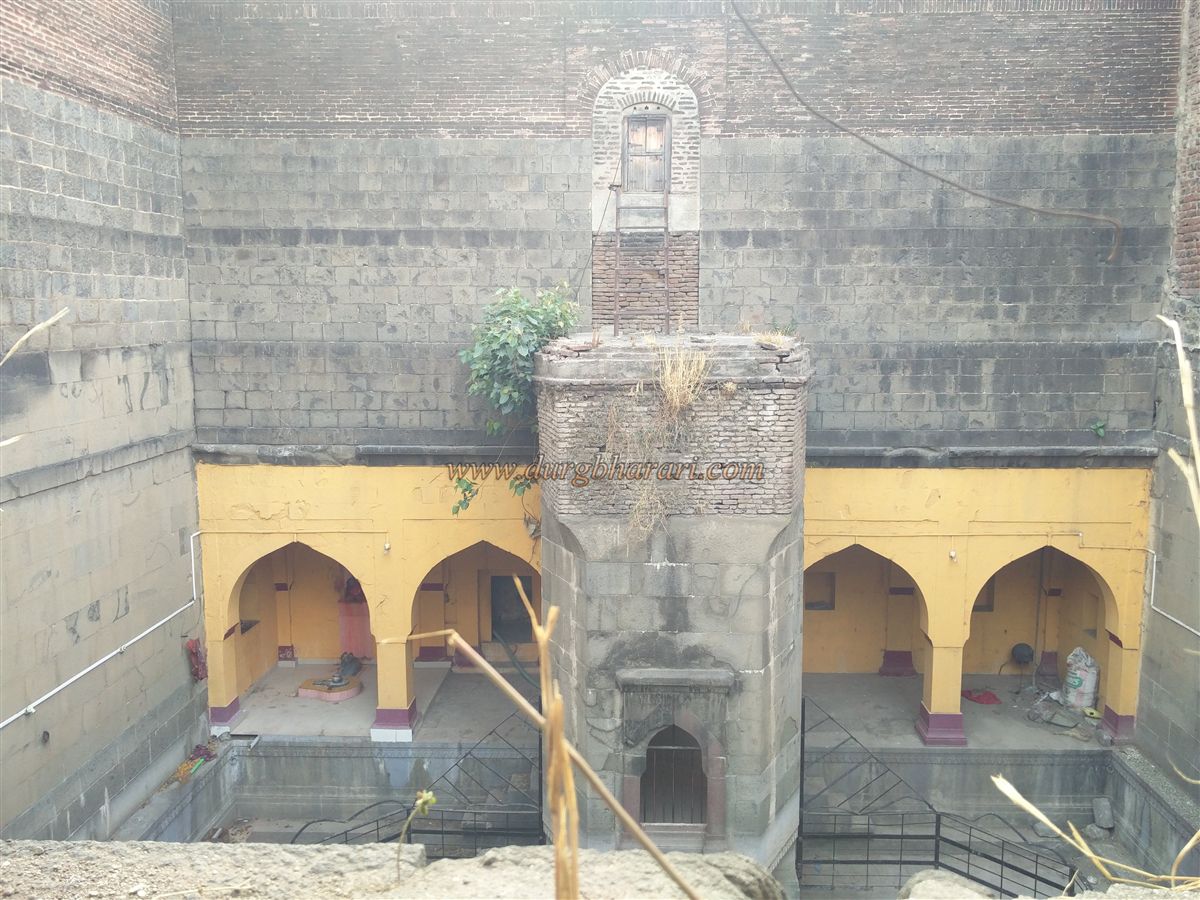
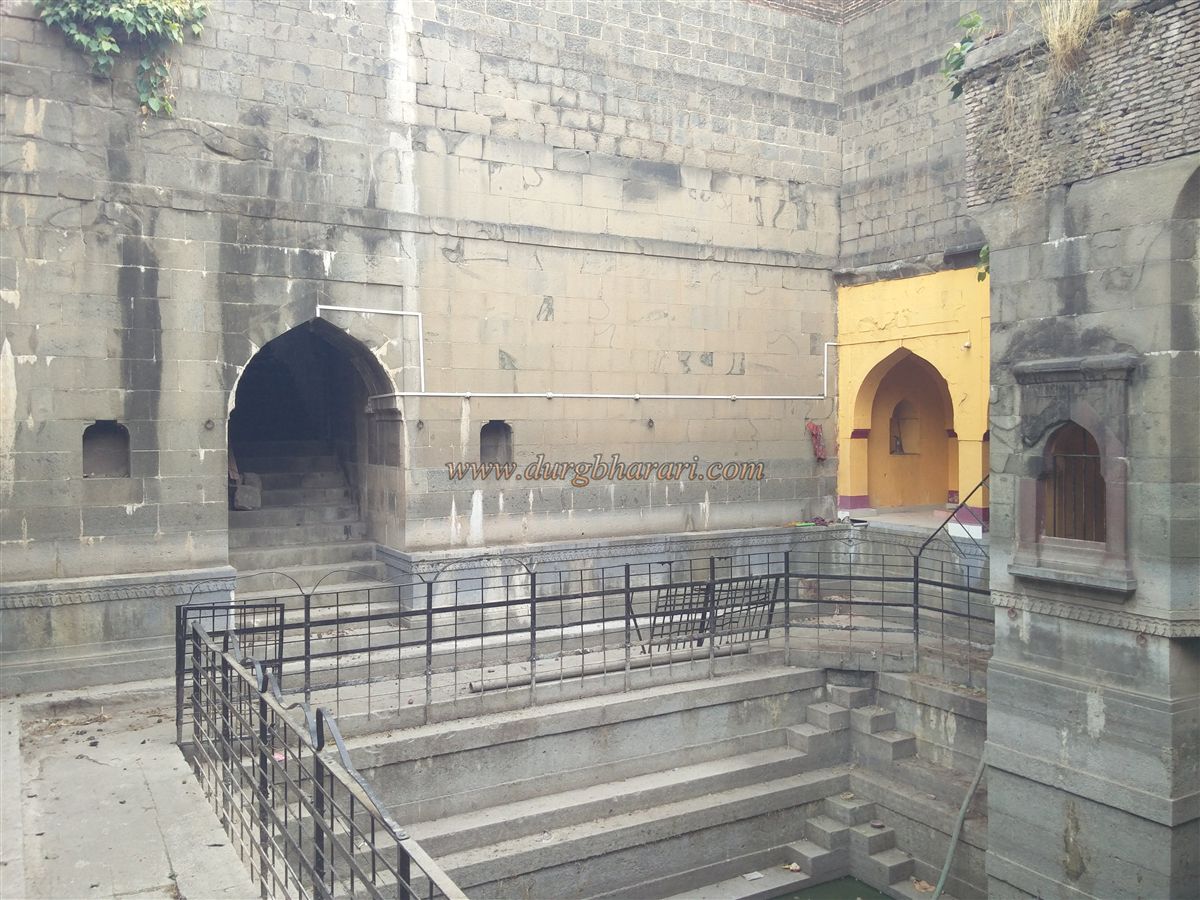
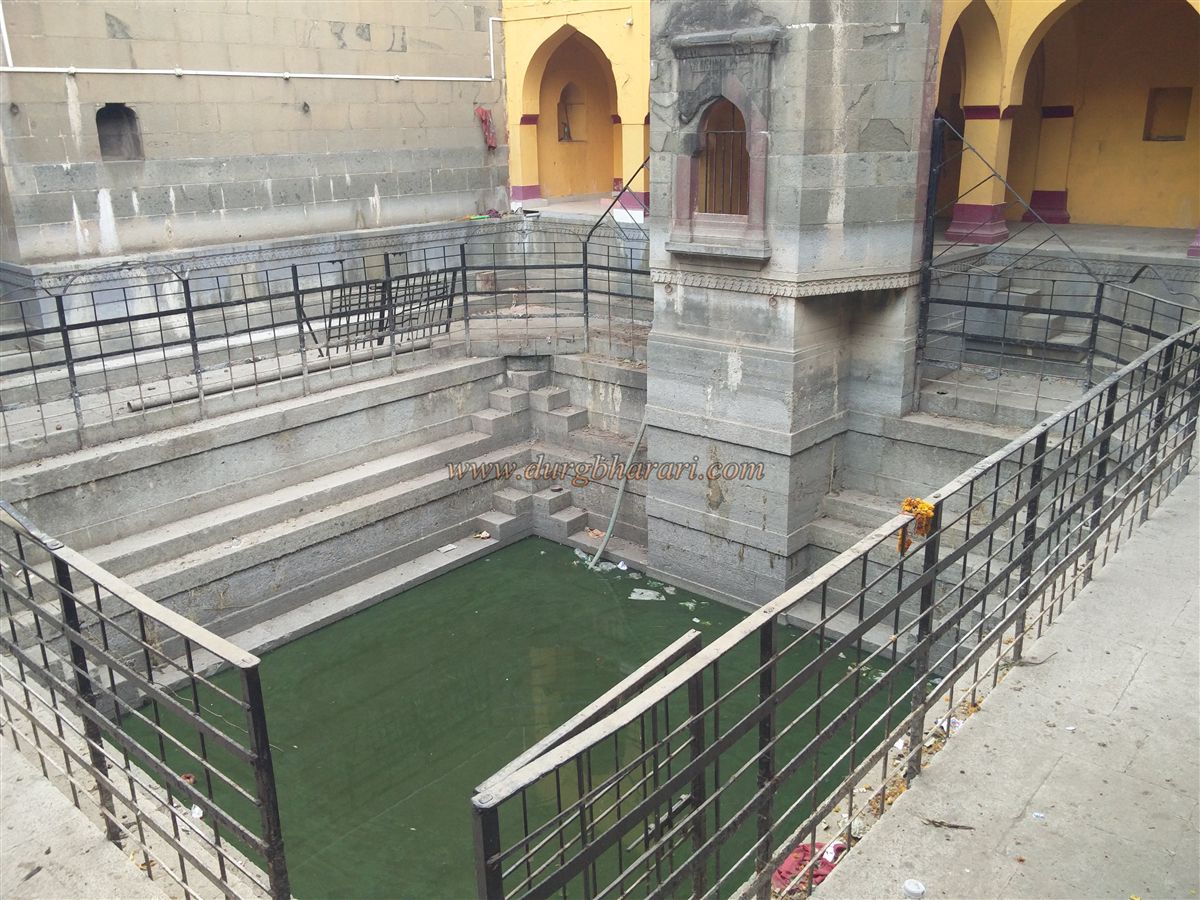
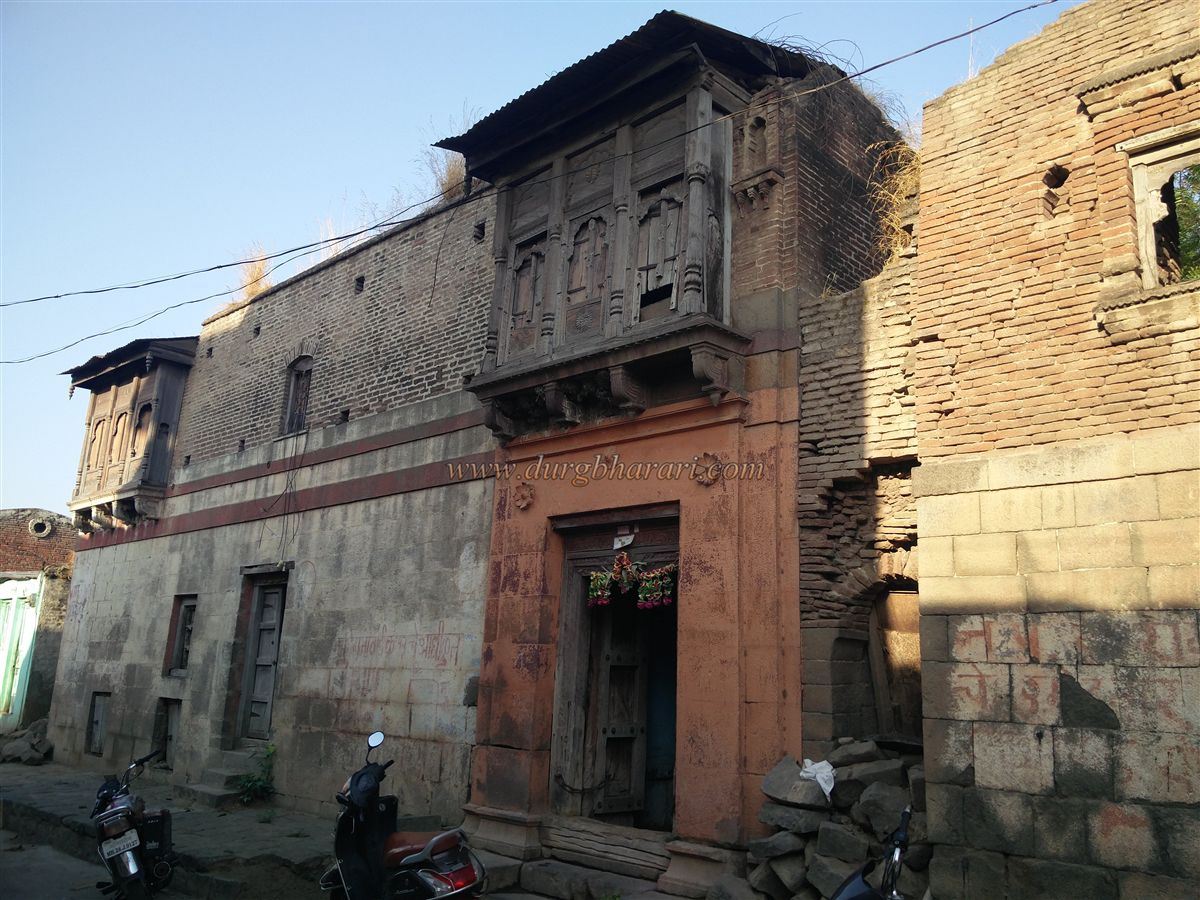
The Balaji temple area also has very beautiful old wada (traditional mansion) buildings. Next to the temple is a separate but beautifully constructed stepwell (pushkarni). This stepwell, built with dressed stones, is enclosed on all four sides and has steps on two sides for descending. The stepwell is about 40 feet deep, with niches on one side about 30 feet down. This stepwell is quite unique and worth visiting due to its distinct construction from typical stepwell.
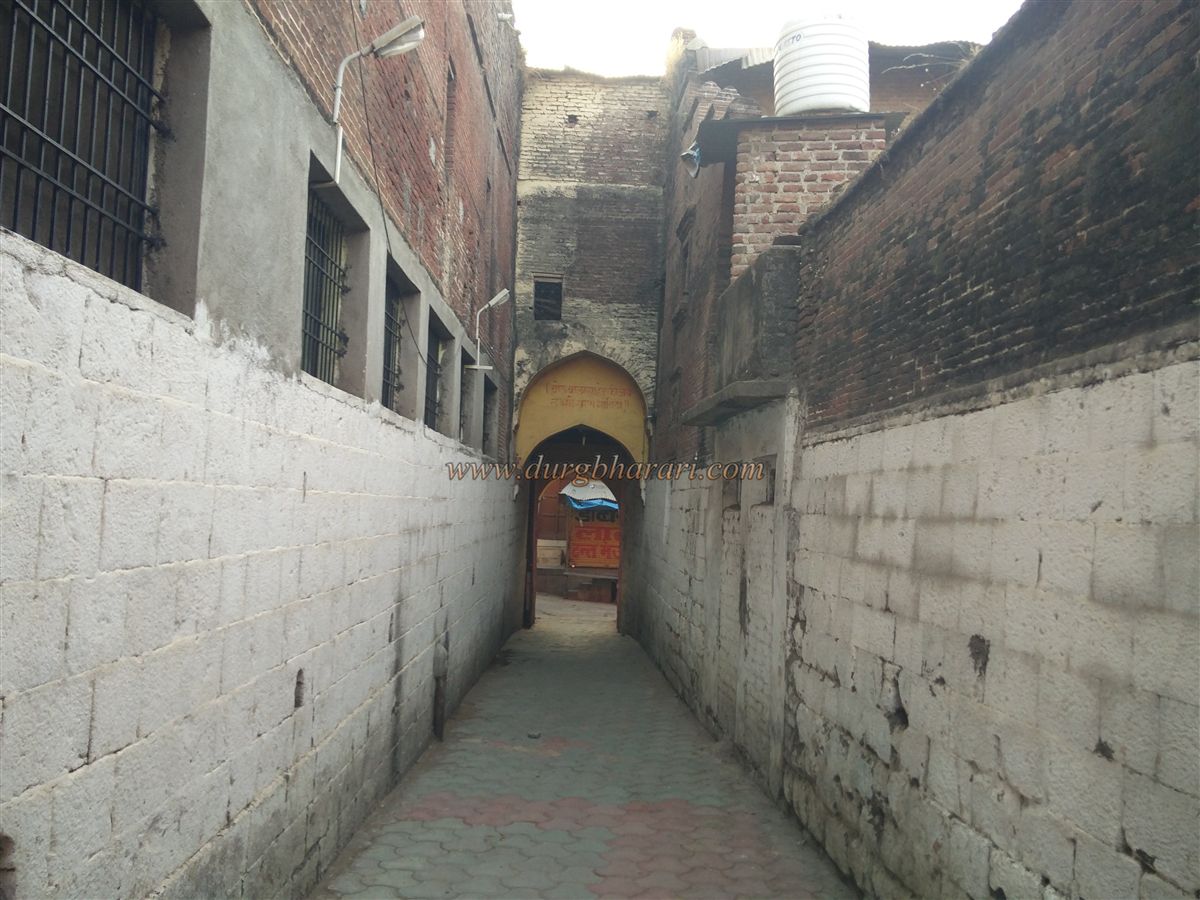
After visiting the stepwell, if one walks straight along the road towards the southern gateway of the Nagarkot fortification at about 500 feet, a medium-sized arched gate appears on the right. This arch likely belongs to the fort’s perimeter walls. Just inside this arch is a south-facing Hanuman temple.
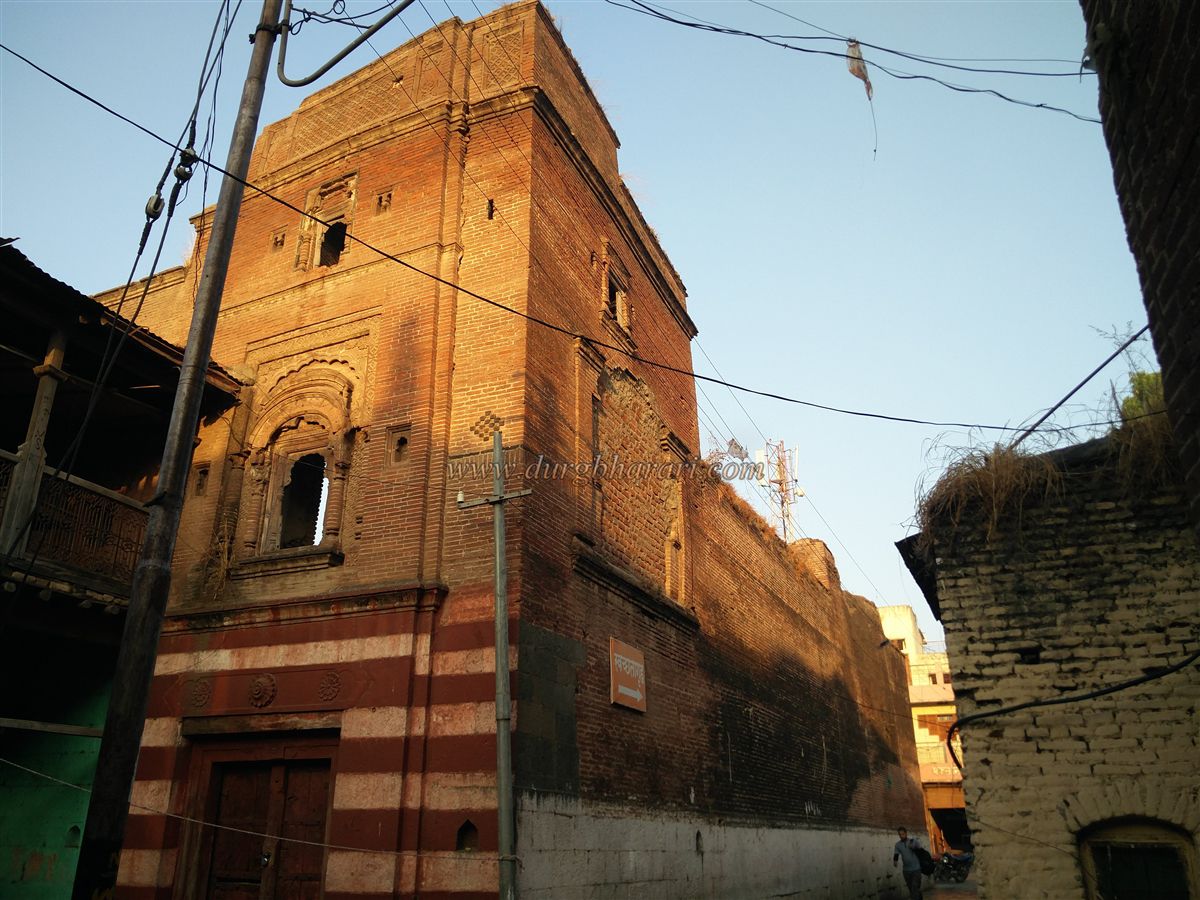
Near this gate was once the Jadhav family’s Gadhi (fortified residence), built by Raje Rajagdevrao Jadhavrao. This square-shaped Garhi spread over about 1.5 acres. The western fortification wall with two bastions and the main gate of the Gadhi still survive. The foundations of the bastions and fortifications at the base are built from dressed stones, with upper parts in brickwork.
Inside the gate is a square courtyard with arched construction and watchman’s chambers on both sides. Stairs inside lead to the upper parts of the gate. The exterior of the gate remains intact in its original form and is decorated with carvings.
Inside the Gadhi is the Deulgav Raja Education Society’s school. To build the school building, some of the remaining fort walls, bastions, and inner structures were dismantled. It takes about two hours to explore the Nagarkot area of Deulgav Raja. The Sindkhed Jadhav family of Buldhana district is ancient. During the Nizamshahi and Adilshahi periods, some Maratha families rose in prominence due to their valour and governance; the Sindkhedkar Jadhavrao were one such notable family.
In the 16th century, Sindkhed was under the control of the Deshmukh family. A local named Ravirao Dhone rebelled and massacred the Deshmukh family. Among them, Yamuna Bai, a pregnant woman, survived and fled to Daulatabad to seek refuge with Lakhuji Jadhav, a Nizamshahi commander. At that time, the Sindkhed Pargana was under Lakhuji Jadhav’s control.
Lakhuji Jadhav suppressed Ravirao’s rebellion. Since the Deshmukh family had no suitable heir, in 1576 Lakhuji Jadhav became the Deshmukh of Sindkhed, marking the beginning of Sindkhed prosperity.
Jijabai, the mother of Shivaji Maharaj, was Lakhuji Jadhav’s daughter.
On 25 July 1629, Lakhuji Jadhav, along with his two sons Achaloji and Raghoji, and grandson Yashwant Rao, were murdered at the court of the Nizamshahi ruler in Daulatabad.
Their samadhi (memorials) can be seen at Sindkhed Raja.
The descendants of Lakhuji Jadhav spread over their jagirs including Sindkhed Raja, Deulgav Raja, Adgav Raja, Kingav Raja, Mehun Raja, Umrad, and Javalkhed.
Around 1690, Raje Rajagdevrao Jadhavrao shifted his administration from Sindkhed Raja to Deulgav Raja, which increased the latter’s importance.
He established the statue of Lord Venkateshwar and built the temple in Deulgav Raja in 1692.
Since then, the Jadhav descendants of Sindkhed, Deulgav, Adgav, Mehun, Kingav, Umrad, and Javalkhed have had the exclusive privilege of holding weddings in the sanctum sanctorum of the Balaji temple.
The Kala Kot (Black Fort) at Sindkhed began construction during Raje Rajagdevrao’s time but was left incomplete as the Adilshah forbade its completion.
© Suresh Nimbalkar
GALLERY