DAWADI
TYPE : FORTRESS/ CITY FORT
DISTRICT : PUNE
HEIGHT : 0
During the Peshwa era, as the Maratha campaigns expanded northwards, many Maratha families rose to prominence. Among these were valiant and strategic men who left a strong mark on politics. One such family that gained recognition during this period was the Gaikwad family of Dawadi.
The village known as Nimgaon Dawadi still has the ruins of the Gaikwad fort. Nimgaon Dawadi is located about 12 km from Rajgurunagar, the main town of Khed taluka in Pune district. Rajgurunagar being a town is well connected by vehicles from Mumbai and Pune, but beyond that, private transport is necessary.
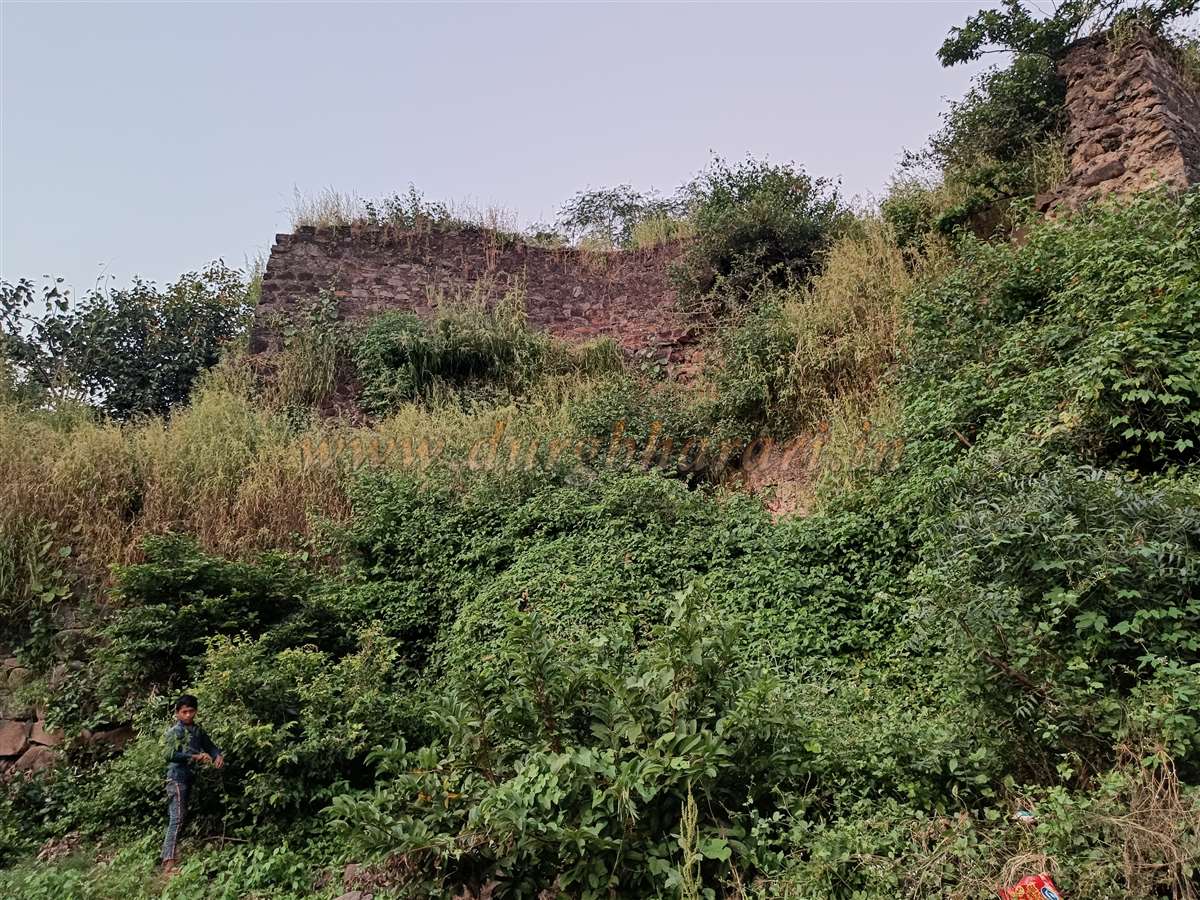
Even today, some villages in Maharashtra are surrounded by fortifications, and Dawadi is one such fortified village. From afar, the village’s fort walls and bastions are clearly visible.
...
Although increasing population has led the village to expand beyond the fort walls, the original fortifications and the surrounding moat (Khandak) still remain largely intact.
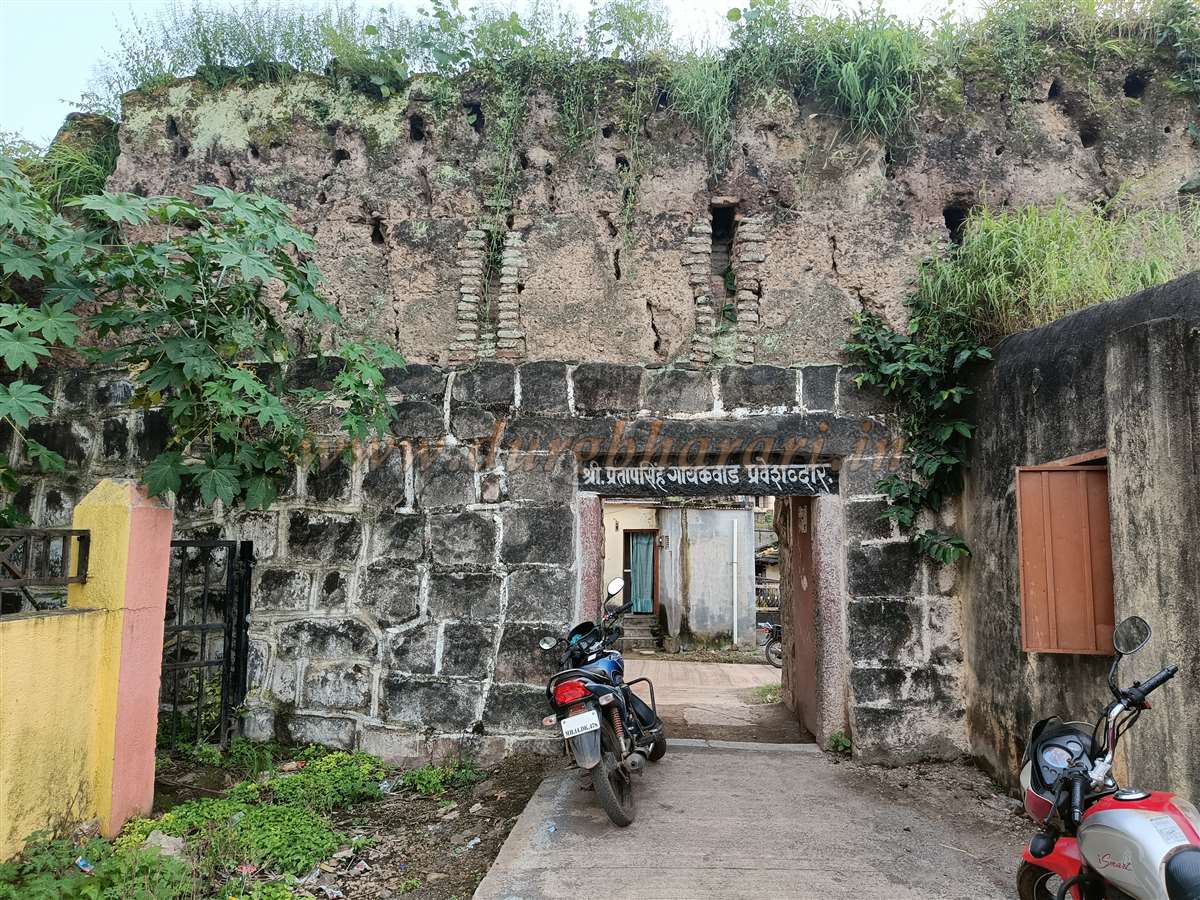
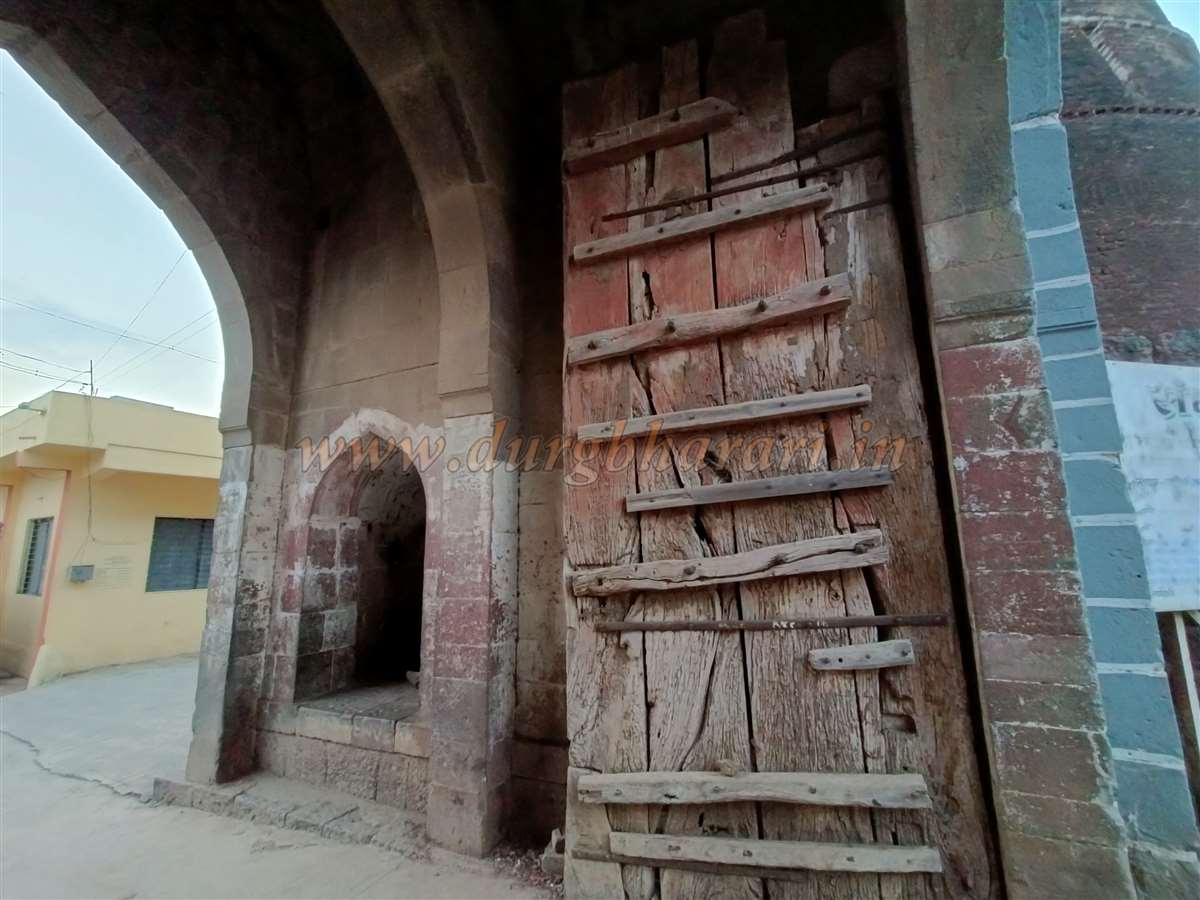
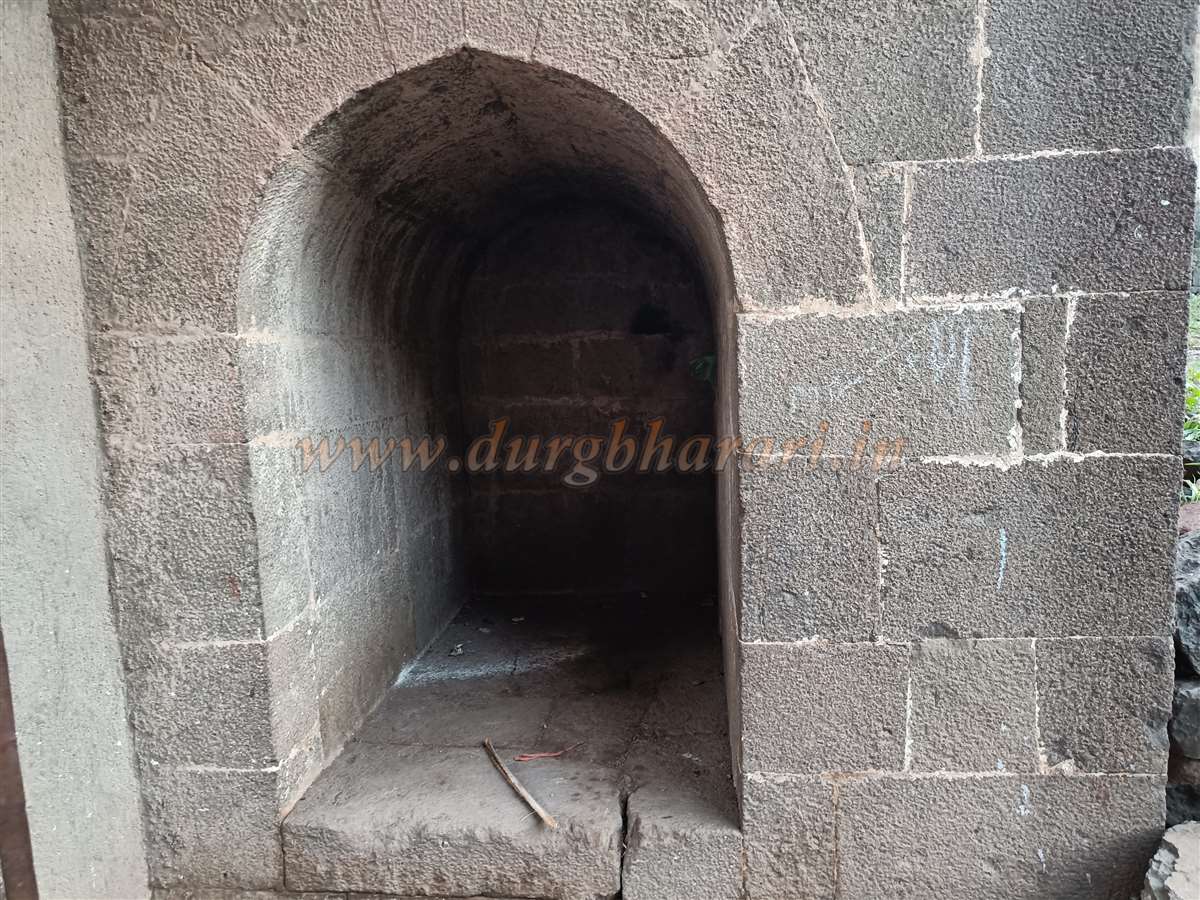
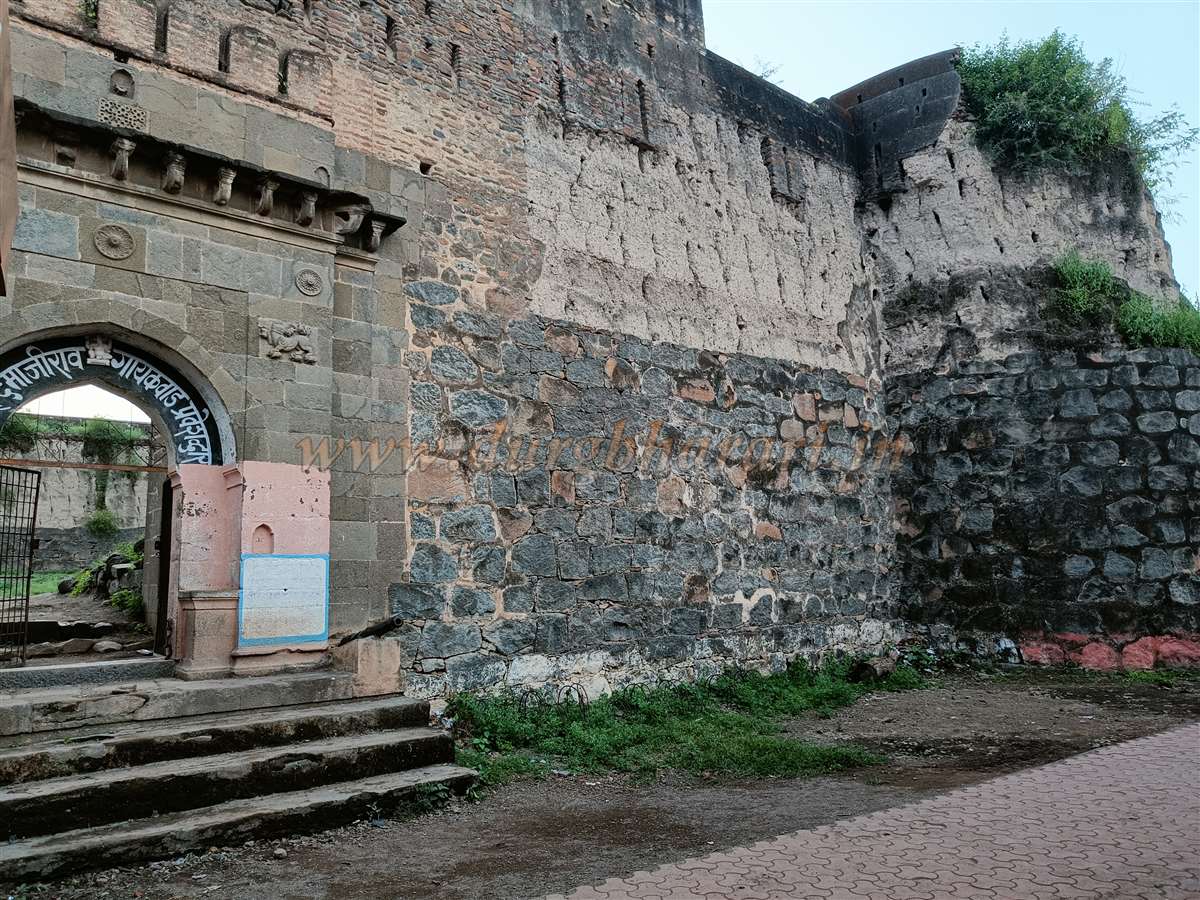
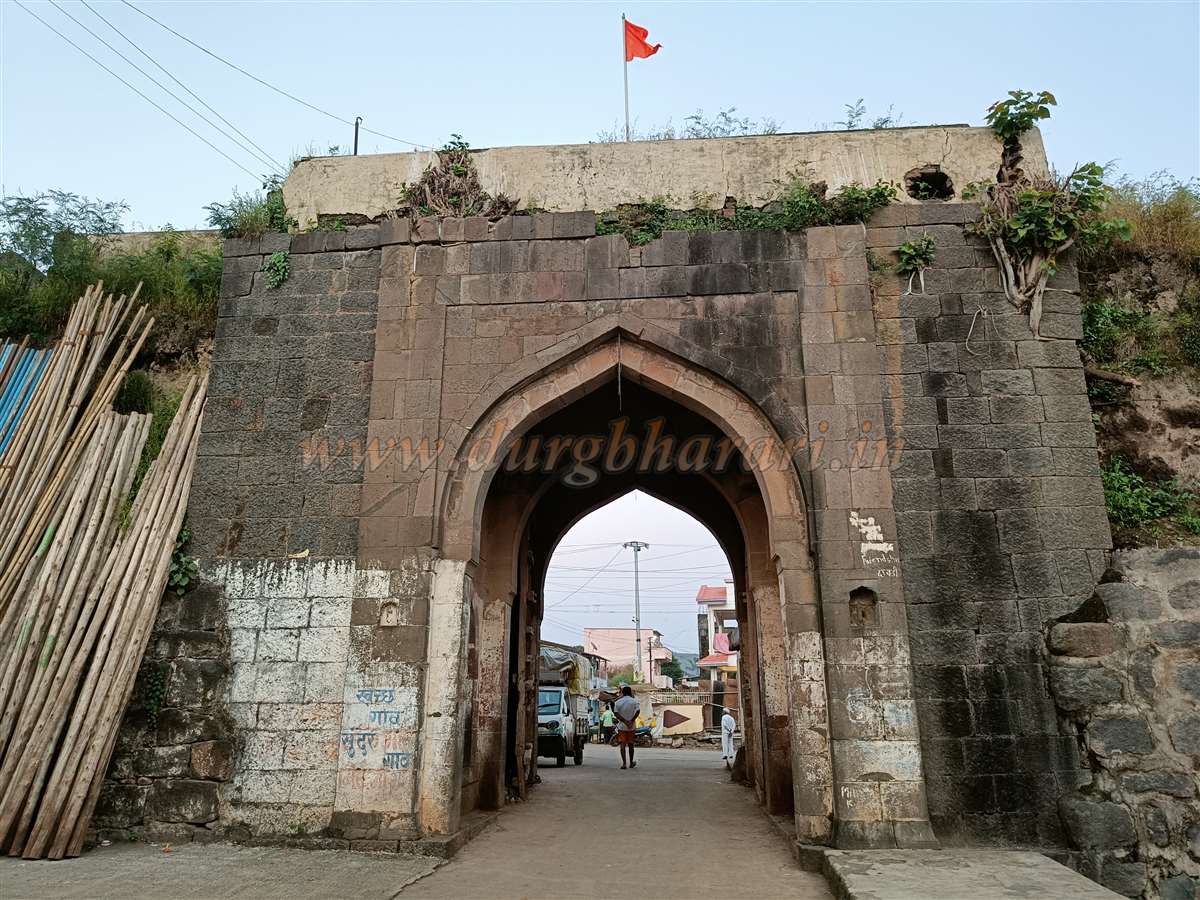
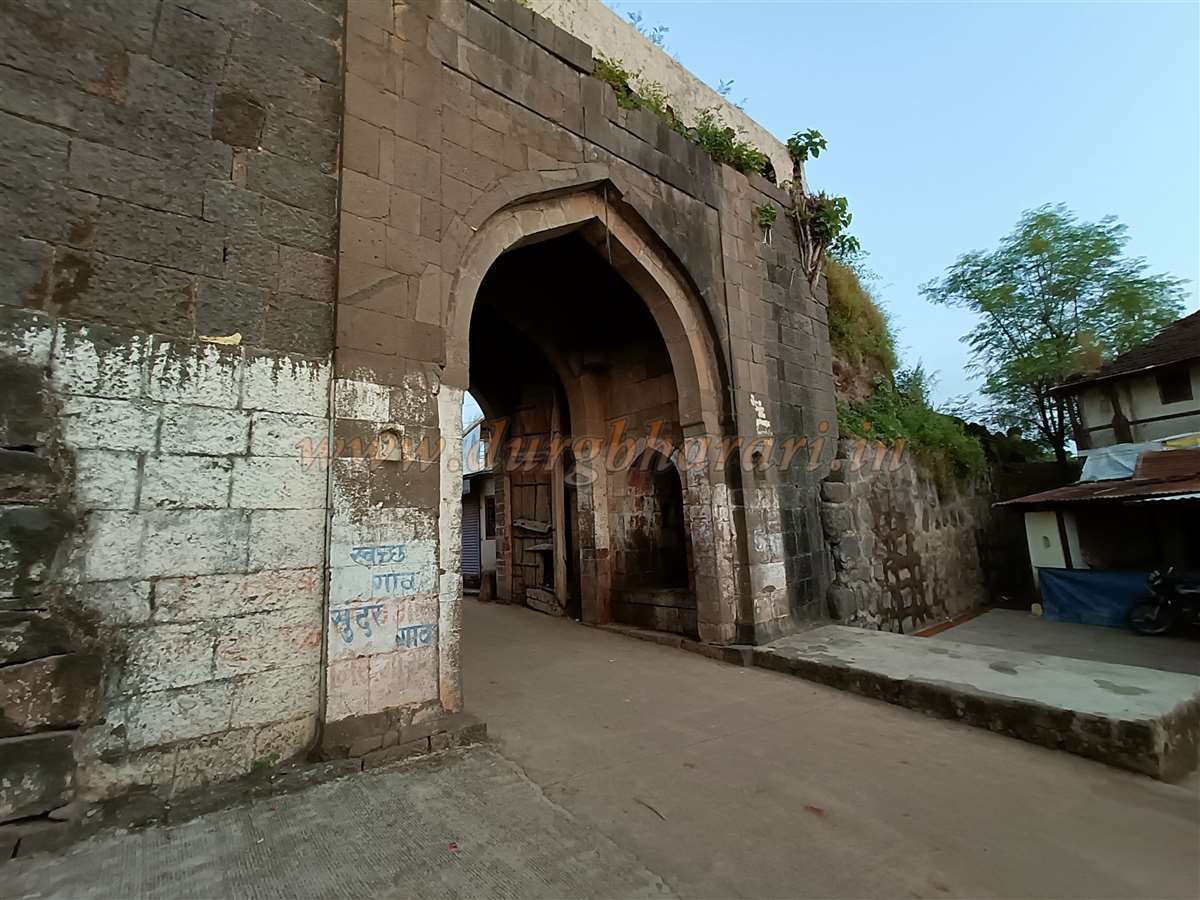
The entire village spreads over approximately twelve acres and has eight bastions of various sizes along the fortification. The fortification has two main gates — a north-facing main entrance built between two bastions and a smaller gate on the west side. Both gates and all bastions have gun slits (jangya) for shooting from outside. The wooden doors of the gates are still intact, and inside the gates on both sides are guard posts (devdya).
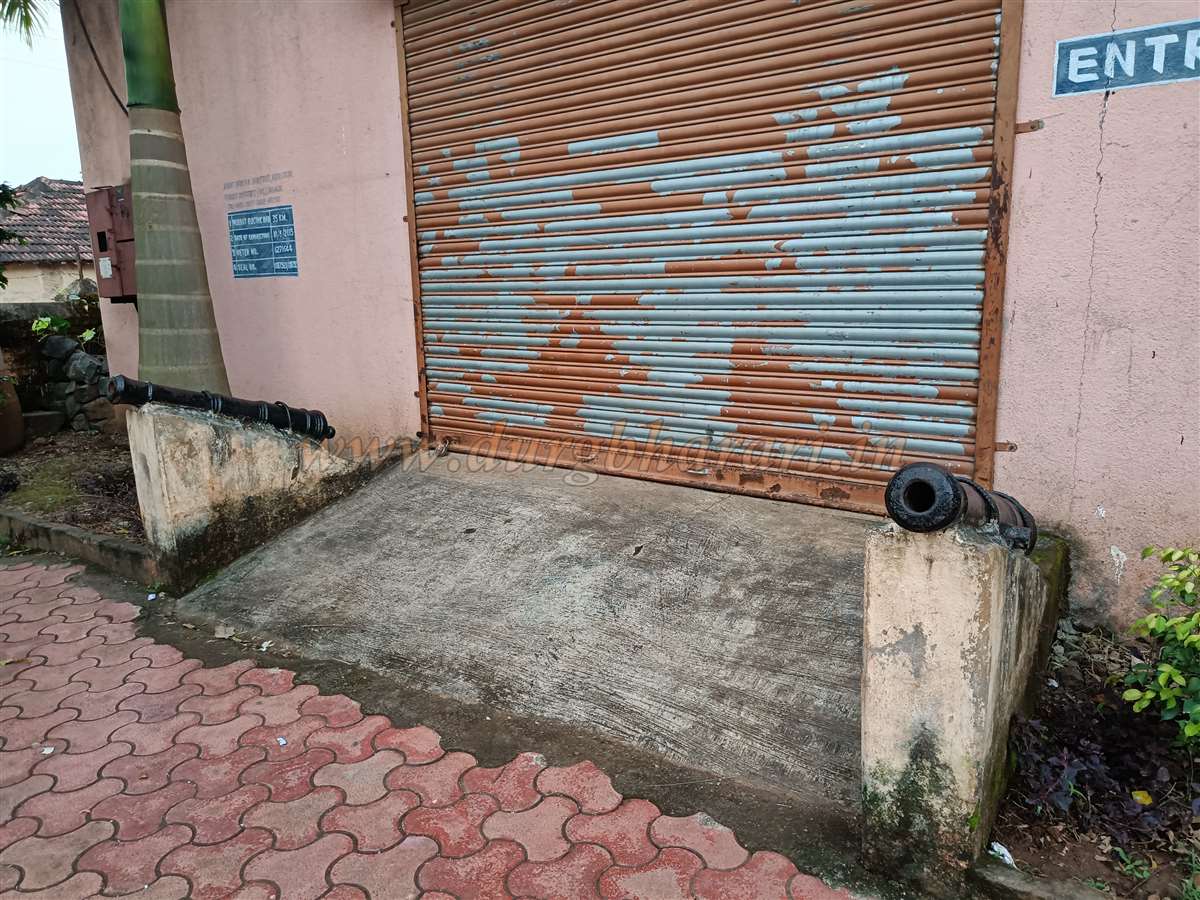
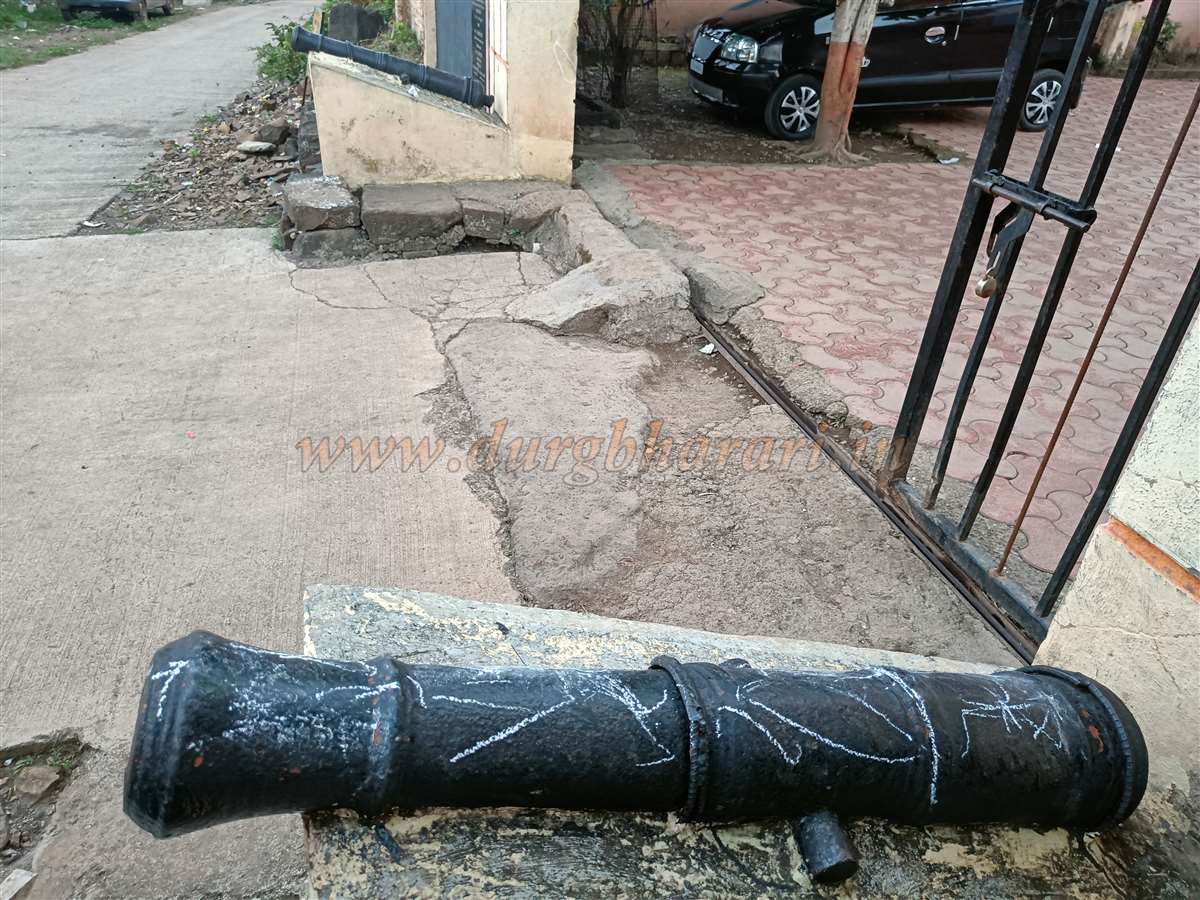
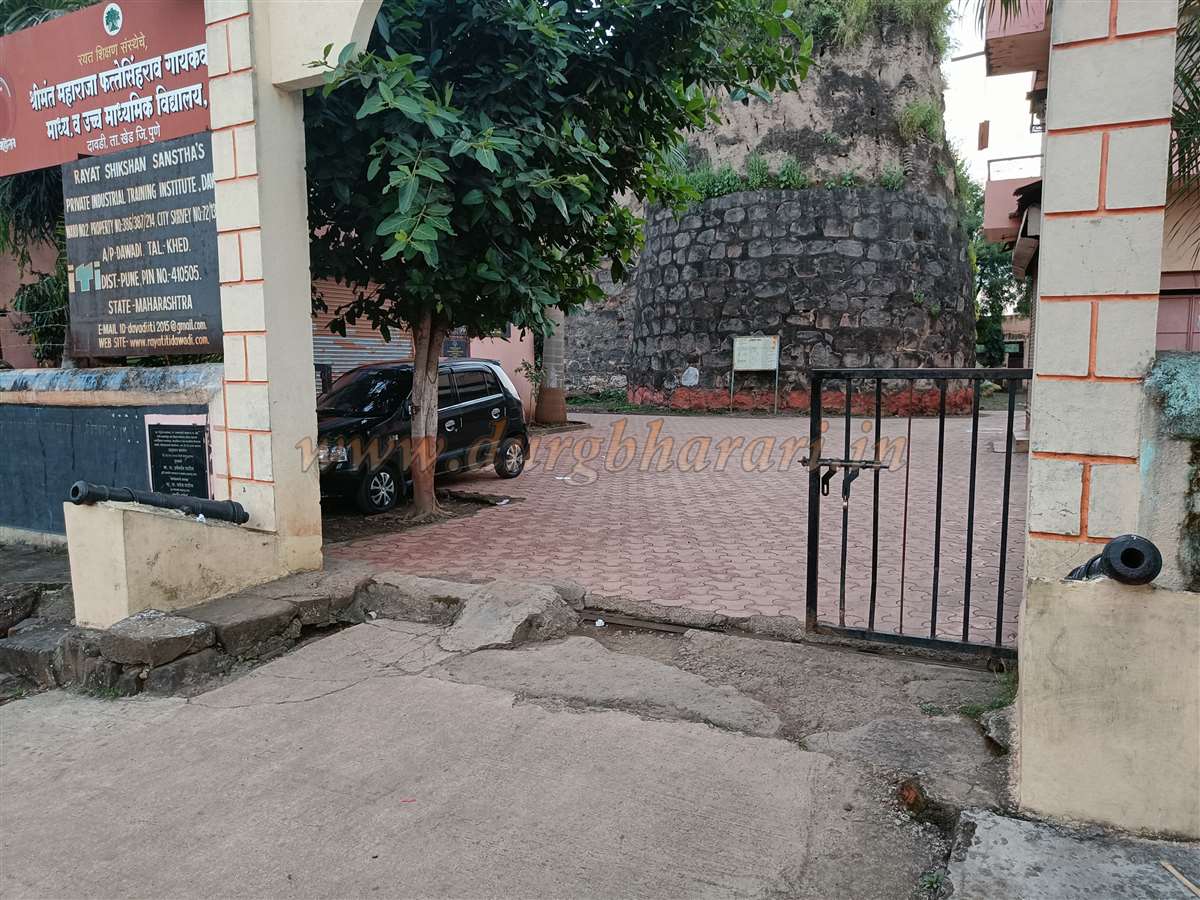
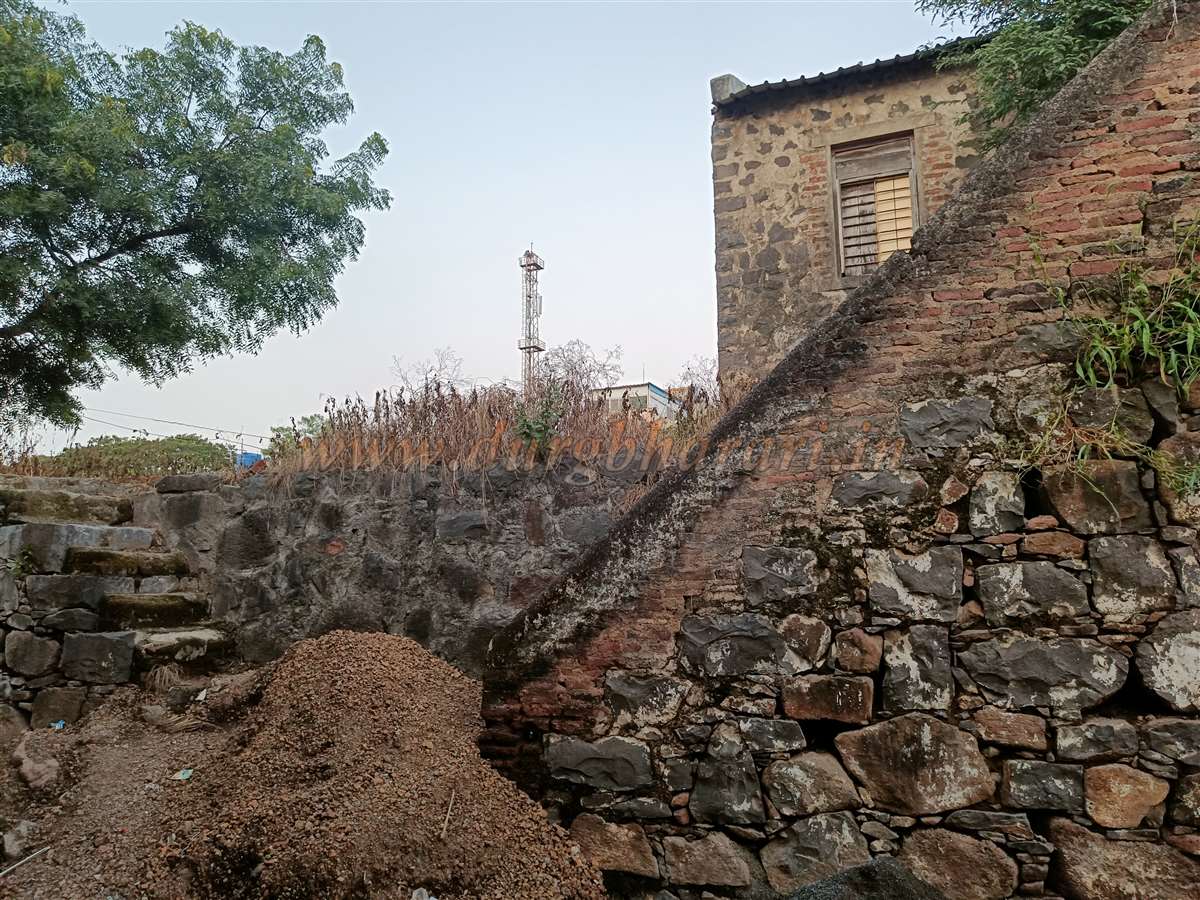
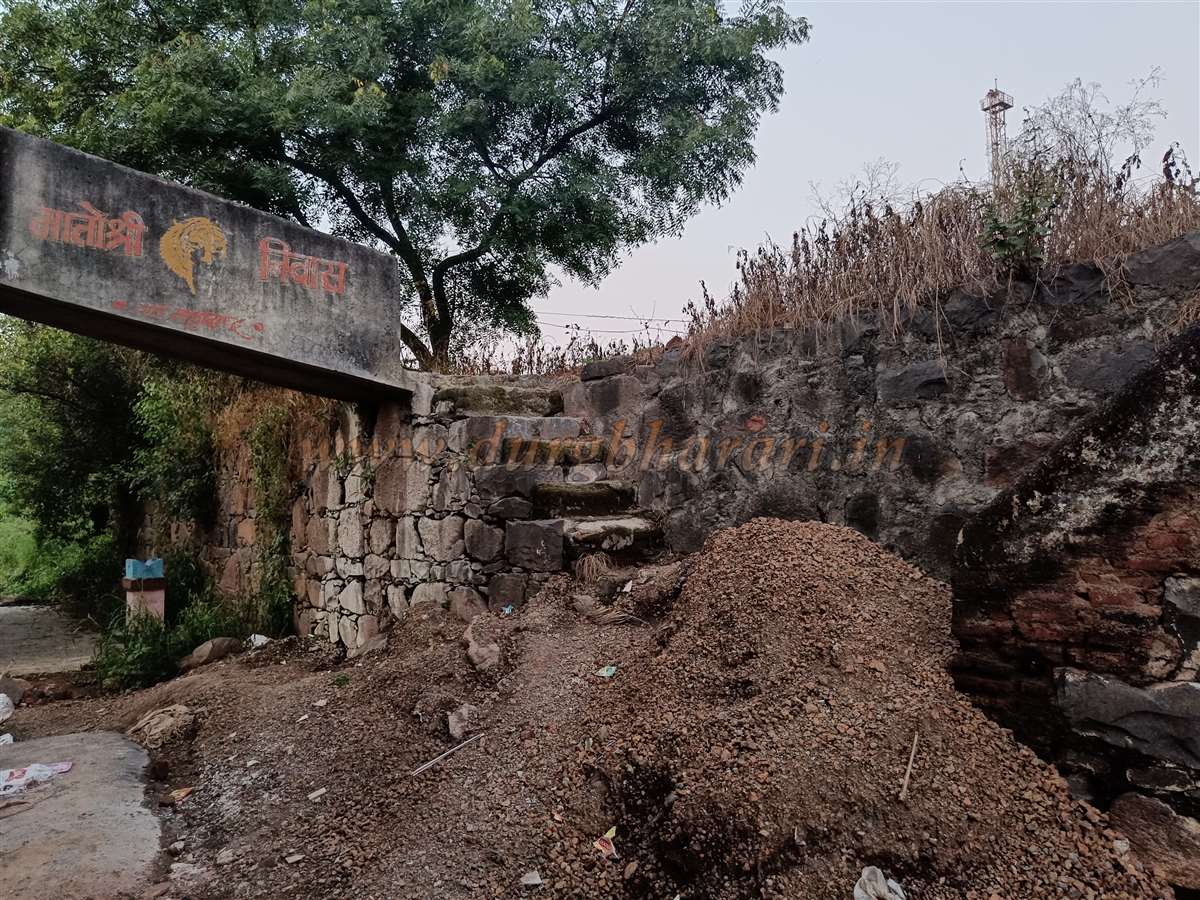
While circling around the fort walls (Nagarkot), steps leading up to the fort are visible at some points. After entering the main gate, going straight leads to the fort (gad). Before entering the fort, there are six cannons — four on the outside and two facing the gate.
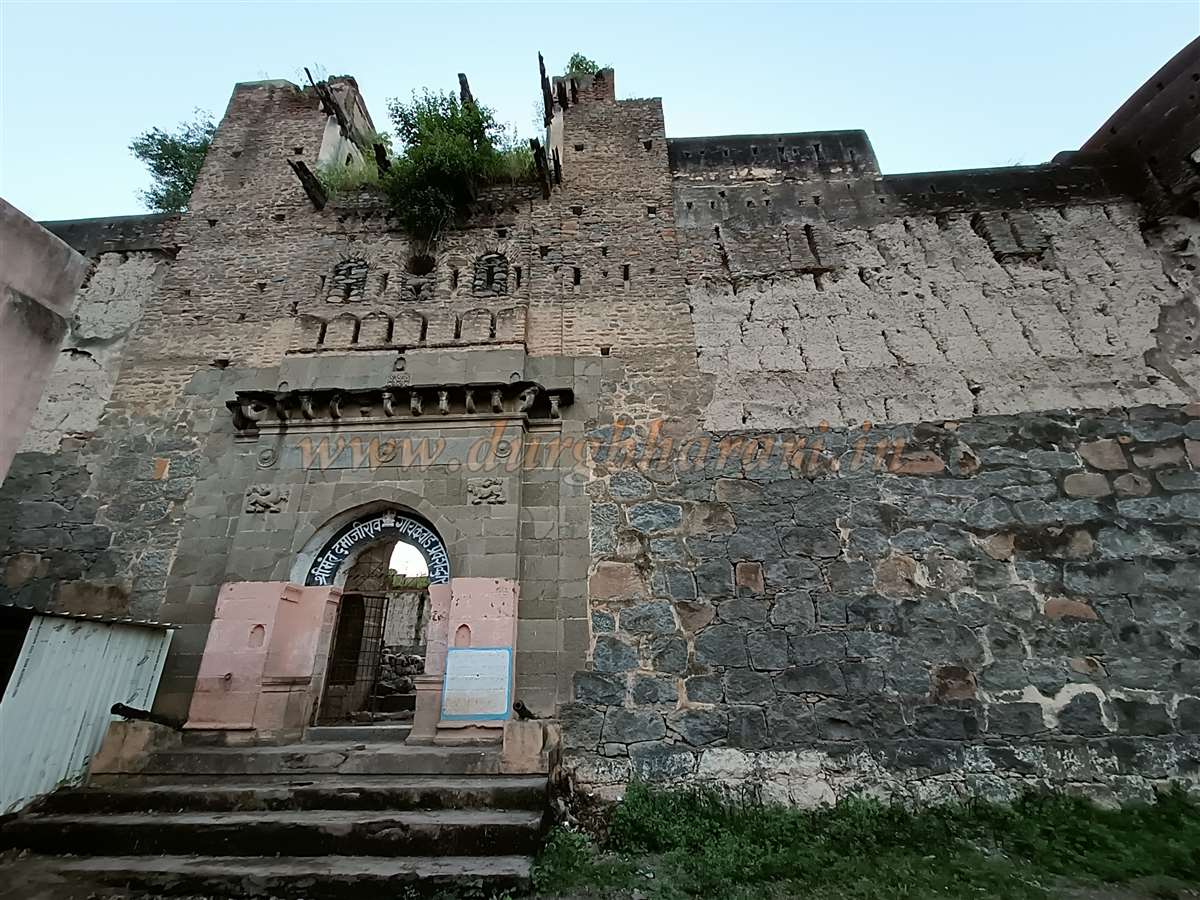
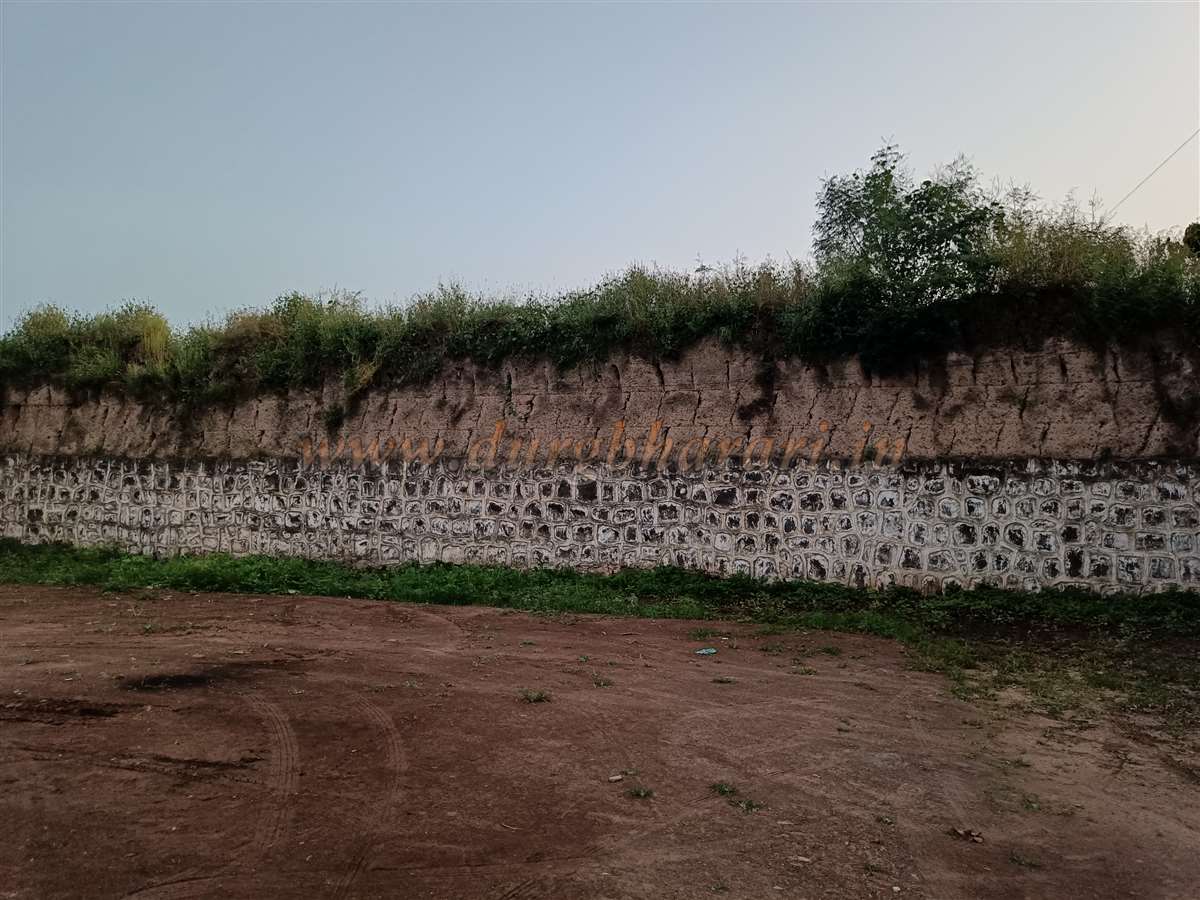
The central part of the fort is square-shaped, covering roughly half an acre, with bastions at each of the four corners. The fort walls are about 25 feet high, with the lower 10 feet constructed from stone and the upper portions made from mud bricks. The fort gate faces east and is decorated on the outside with carvings of lotus flowers, two Sharabh (mythical beasts) holding elephants’ feet, and Ganapati carved on an arch.
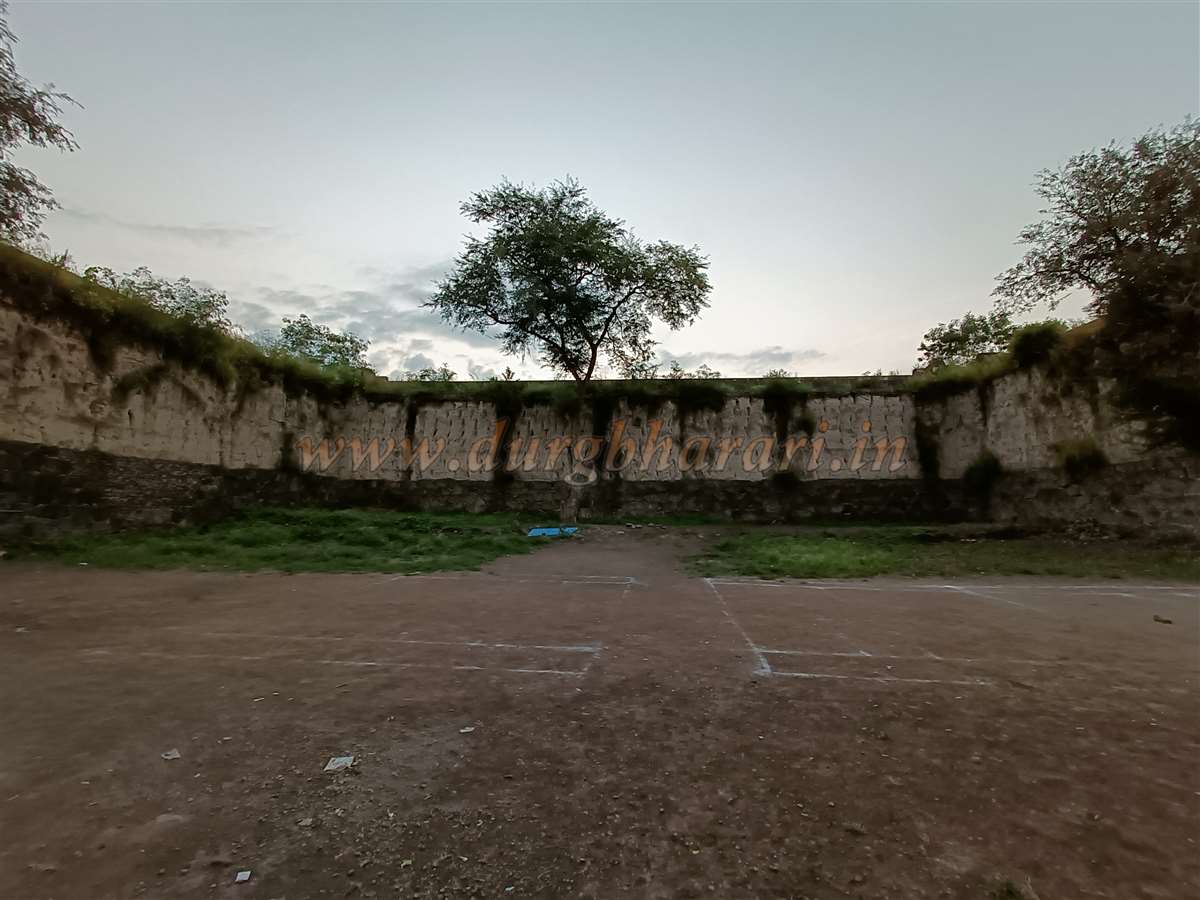
The wooden gate doors have deteriorated over time, and a ruined drum house (Nagarkhana) is present on top. Inside the fort, steps lead up from the wall near the gate. The inner buildings of the fort have been completely flattened, and now the area serves as a playground. On the west side near the fort walls, a narrow underground passage is shown on the map, but it is not actually a tunnel. However, carefully descending along this path reveals three small underground chambers.
It takes about 10 minutes to explore the fort. Nearby, there is a Shriram temple and the Gaikwad’s Kacheri wada (office residence). Another wada (mansion) nearby has plaques in English and Marathi stating that Subhedar Pilajirao Zhungojirao Gaikwad built it in 1729–30 and Sayajirao Gaikwad III repaired it in 1933.
In the school compound near the fort, there are water tanks from the Peshwa period. These tanks were filled by water brought from a nearby spring (pushkarni) outside the fort via an earthen pipe (Khapri nala).
Approximately one hour is sufficient to visit the fort and the Nagarkot. The Gaikwad family, who famously said “My throne is the horse’s back, this is my home,” are linked to this fort and Nagarkot in Dawadi and certainly deserve to be explored.
Close to Dawadi, in Nimgaon village, there is a Khandoba temple with an inscription on the lamp tower related to Sayajirao Maharaj. The inscription reads as follows:
"Shri Martande | Tatpar | Gaikwad | Sarkar | Sayajirao Maharaj Shak 18-01 (5) Subhanu | Naam | S. Magha Shukla 11"
The descendants of Damajirao Gaikwad from the Gaikwad family built the Nagarkot and fort in Dawadi. The Gaikwad originally had the surname “Matre,” but it is said that Nandaji from the family earned the name “Gaikwad” because he saved a cow from a tiger’s attack and kept it safely near the house’s shed. Nandaji was a farmer whose native village was Bhare in Mulshi taluka.
In 1716, when Khanderao Dabhade was appointed commander by Shahu Maharaj, Damaji, one of Nandaji’s four sons, joined Khanderao Dabhade’s army. In 1719, during the battle against the Nizam at Balapur, Damaji Gaikwad displayed great valor, and Shahu Maharaj awarded him the title “Samshershah Bahaddar” along with the village of Dawadi as a gift. Damaji died in 1720.
As Damaji had no children, he adopted the son of his brother Zhungojirao, named Pilajirao, as his own. Pilajirao Gaikwad established his authority in Gujarat along with Trimbakrao Dabhade. In 1727, Pilajirao captured the cities of Dabhoi and Baroda.
For his valour in the battle of Dabhoi alongside Bajirao Peshwa, Pilajirao was made the commander of the Maratha army in Gujarat. However, the Subhedar of Ahmedabad later ambushed and killed him.
Later, Pilajirao son, Damaji II, participated in the Third Battle of Panipat. During this battle, much of Damaji’s army was killed, and his brother Prataprao was captured.
In 1762, during the campaign against Rakshas Bhuvan by the elder Madhavrao Peshwa, Damaji II performed well and was awarded the title “Senakhasakhel” by the Dabhade. He gained complete control over Gujarat. Damaji is credited with expanding Maratha rule in Gujarat. Later, he left Madhavrao faction and joined the party of Raghobadada. In the battle at Dhodap fort near Chandwad, Raghobadada and Damaji were defeated. This defeat was a severe blow to Damaji, and he died soon after.
Subsequently, Baroda emerged as an independent state. Sayajirao was the first ruler, followed by Fattesinhrao, Govindrao, Anandrao, Sayajirao II, and Ganpatrao. After Khanderao came to the throne, his wife Jamanbaisaheb managed the state affairs. As there was no heir, she adopted Gopal, son of Kashirao Gaikwad from Kalvan, and named him Sayajirao. Sayajirao became known as an exemplary ruler and earned a reputation as an ideal statesman.
© Suresh Nimbalkar
GALLERY