CHACHADI
TYPE : GADHI
DISTRICT : BELGAON
HEIGHT : 0
GRADE : EASY
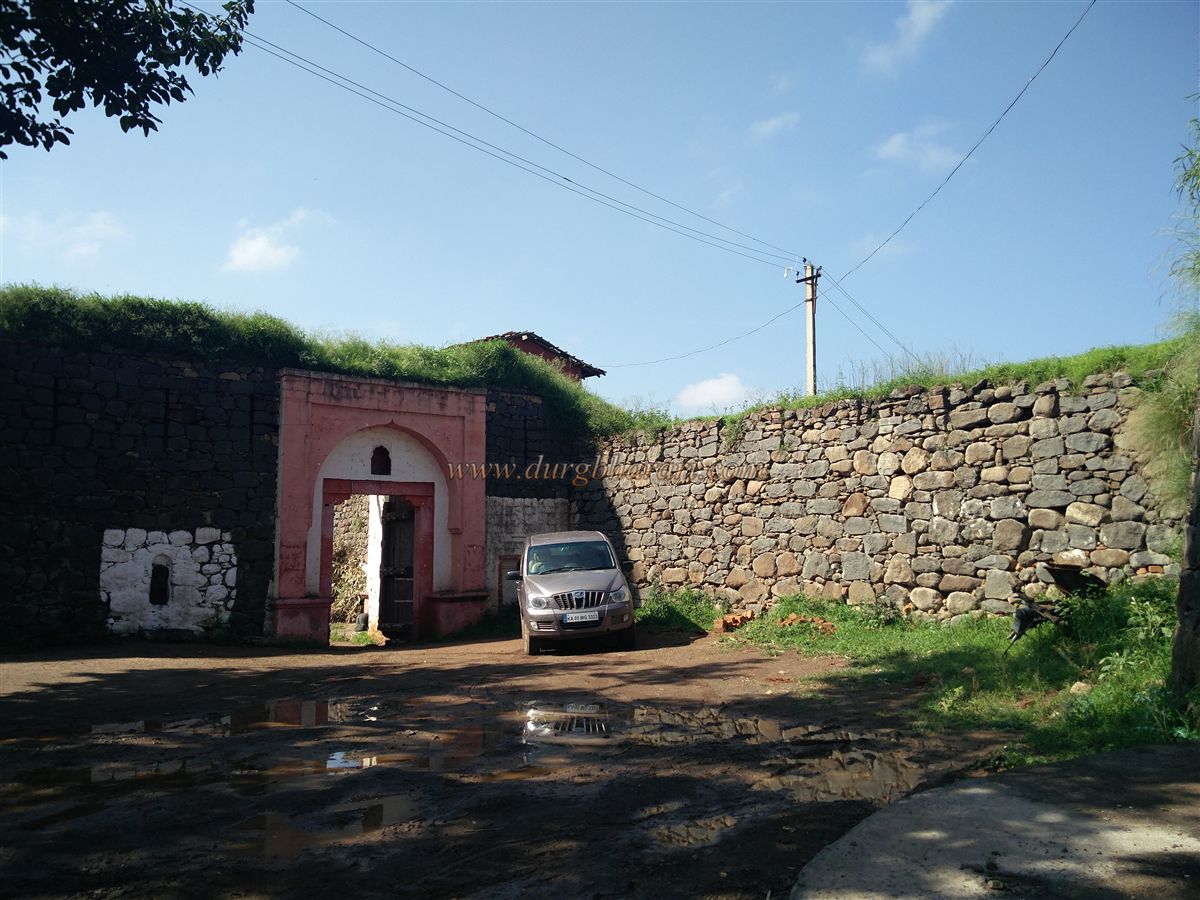
This fort is the oldest among all the forts in Belgaum district, with a history of 800 years, having been built in the 12th century. The village of Chachadi is located 45 km from Belgaum city and 52 km from Parasgad taluka headquarters. Once you reach Chachadi village and ask for the Desai Wada, you arrive directly in front of the fort. The 24th generation of the Desai family still resides in this fort today. The fort’s owner, Nagaraj Desai, passionately guides visitors through the fort and shares its history.
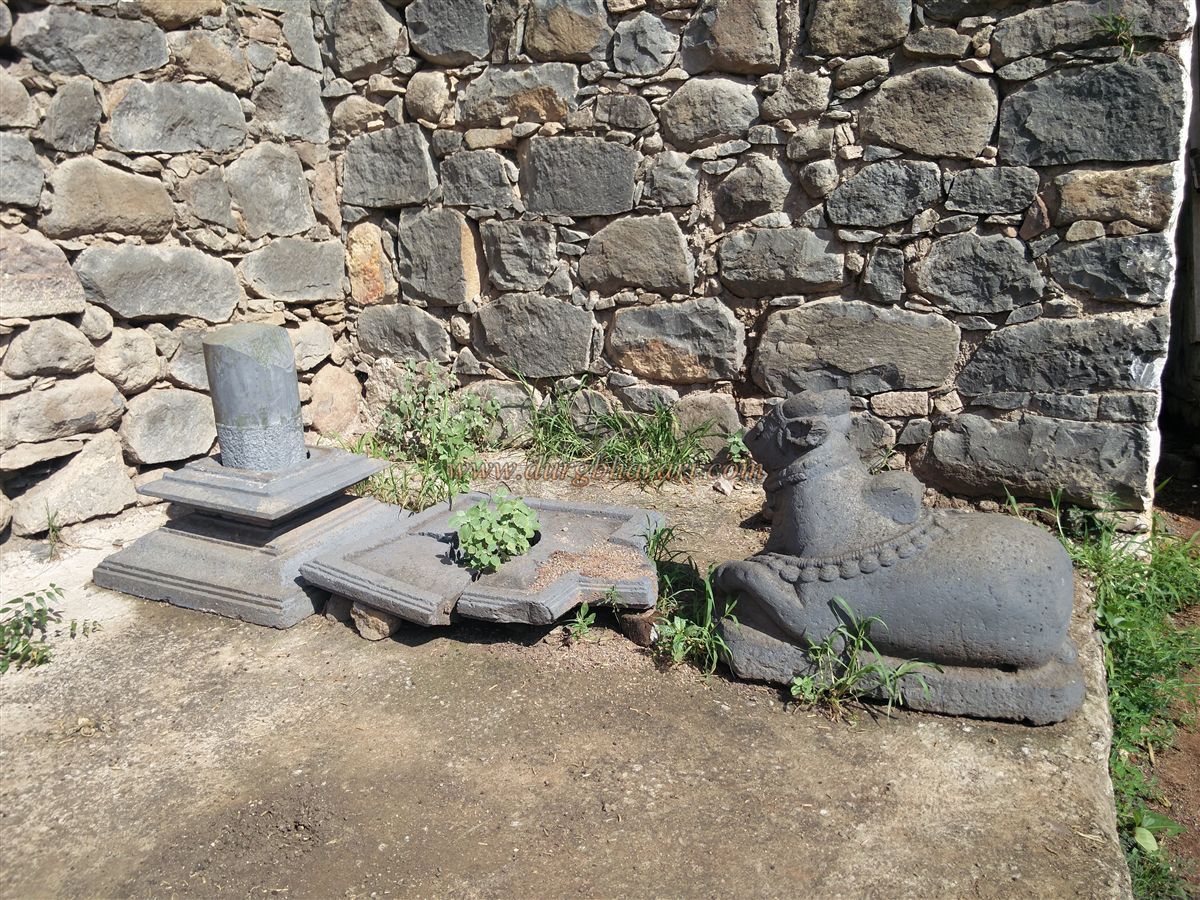
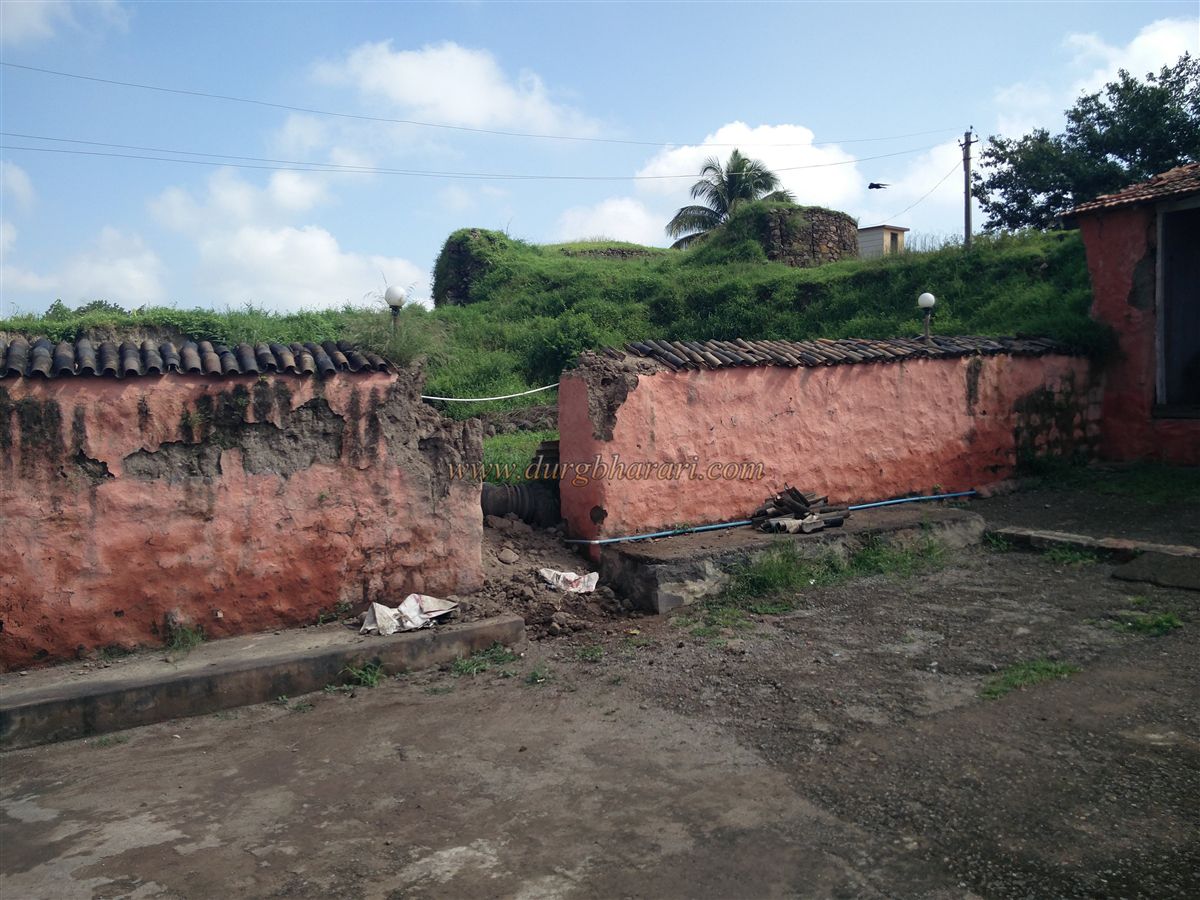
This rectangular fort is built in an east-west direction, with four bastions at the four corners of the rampart. The fort premises cover approximately two acres. One of the bastions houses a large Shiva temple, with a Shivalinga in the sanctum and two large idols on either side. Before entering the fort, it is customary to visit this temple first.
...
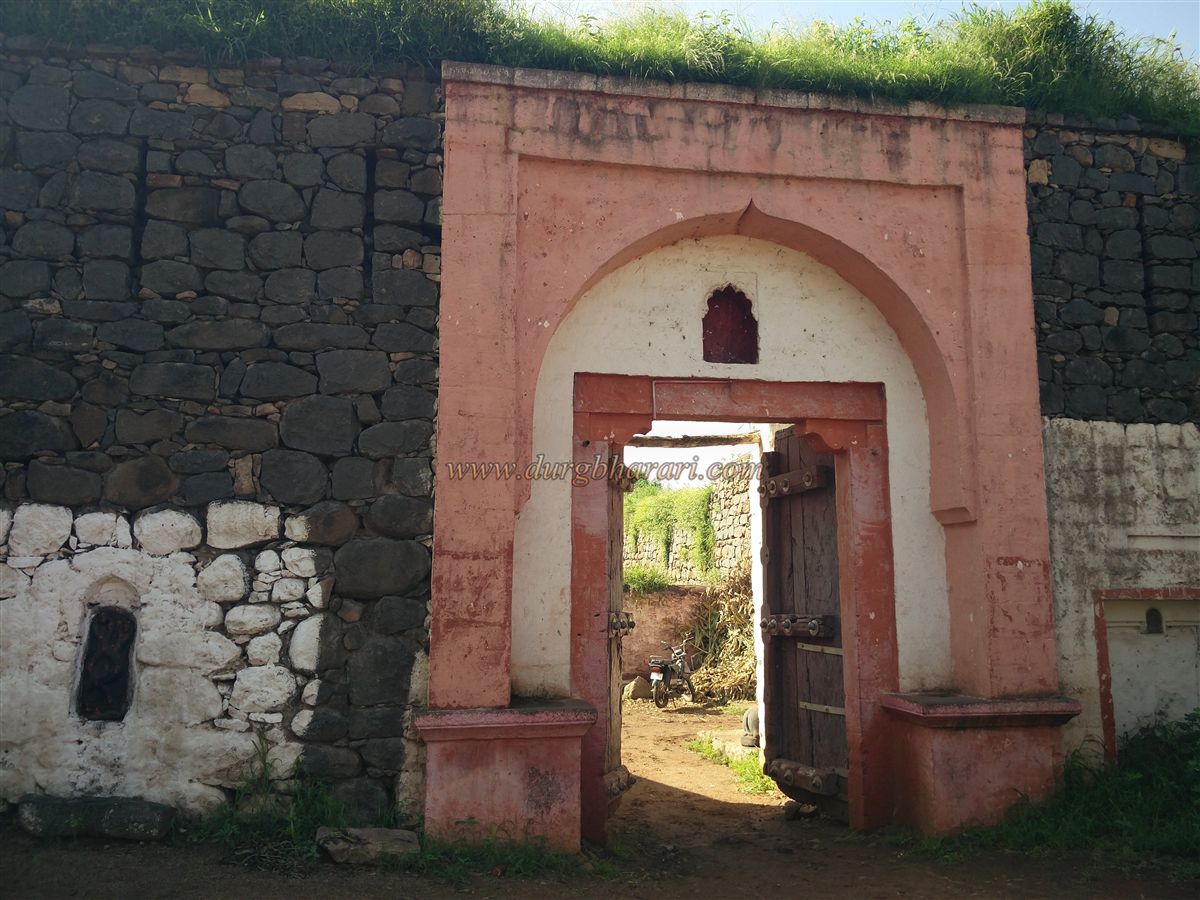
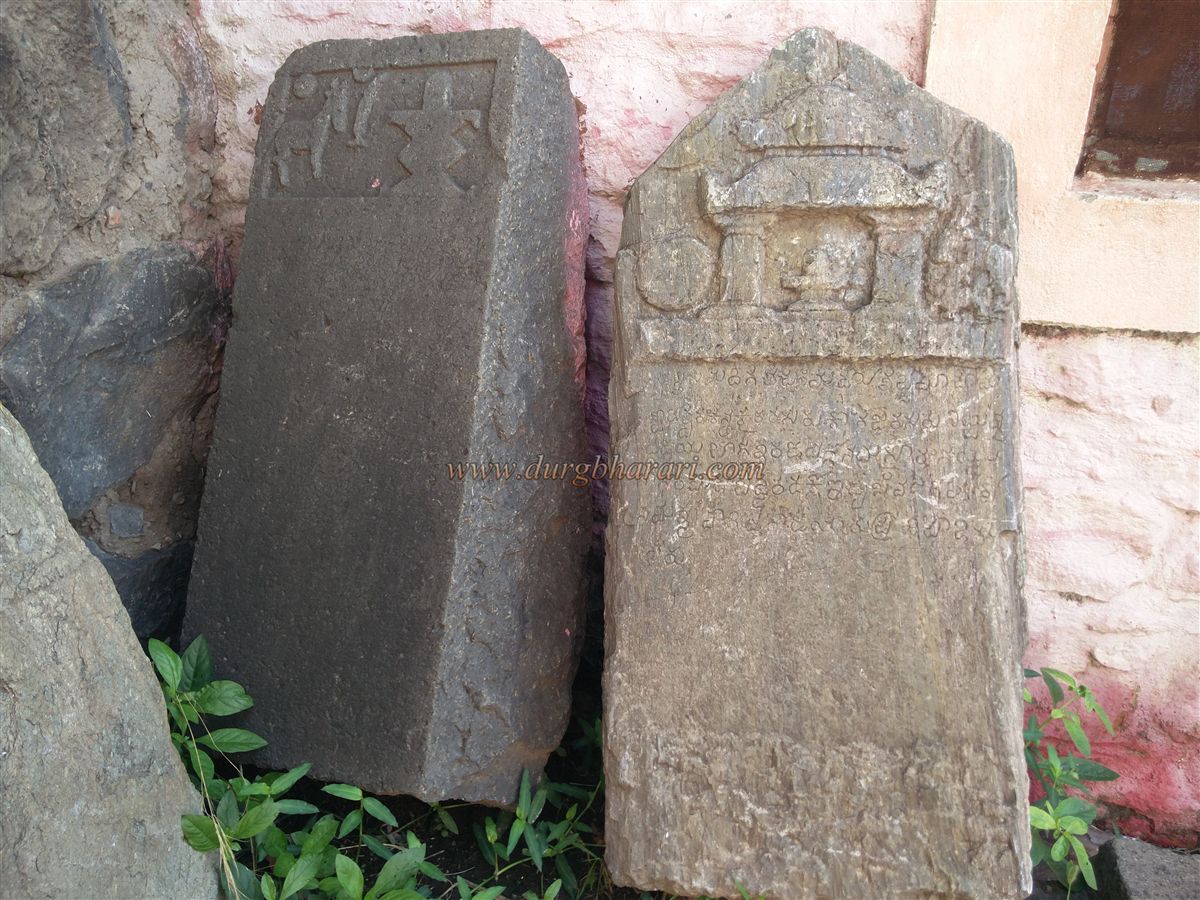
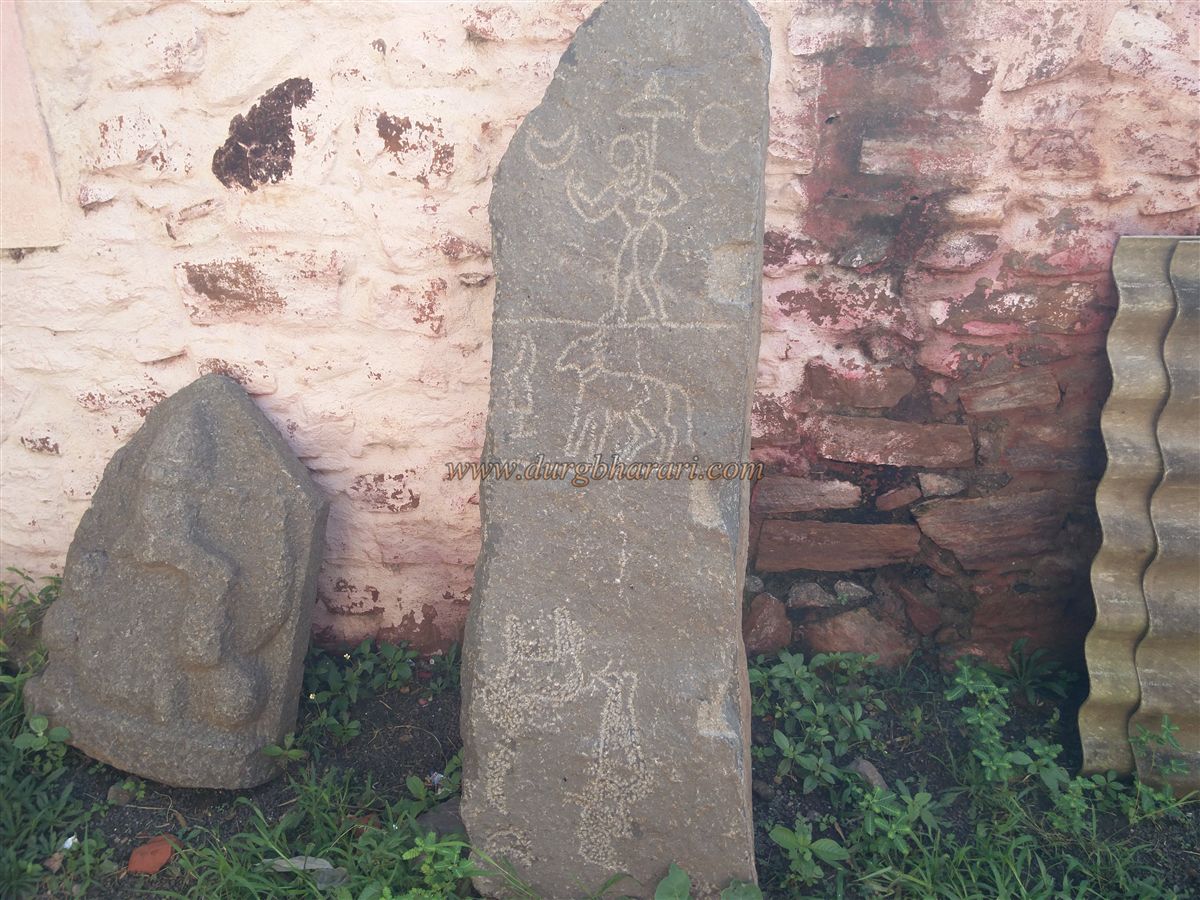
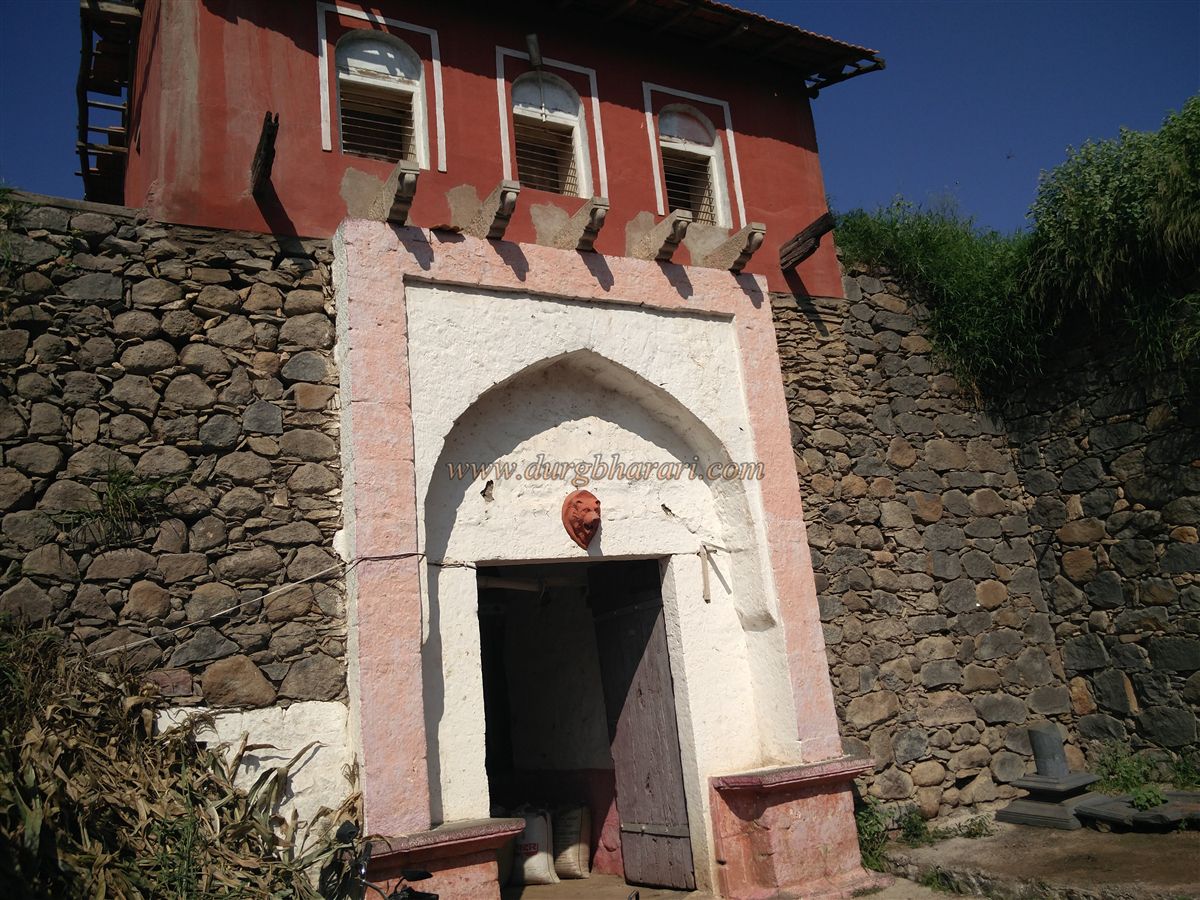
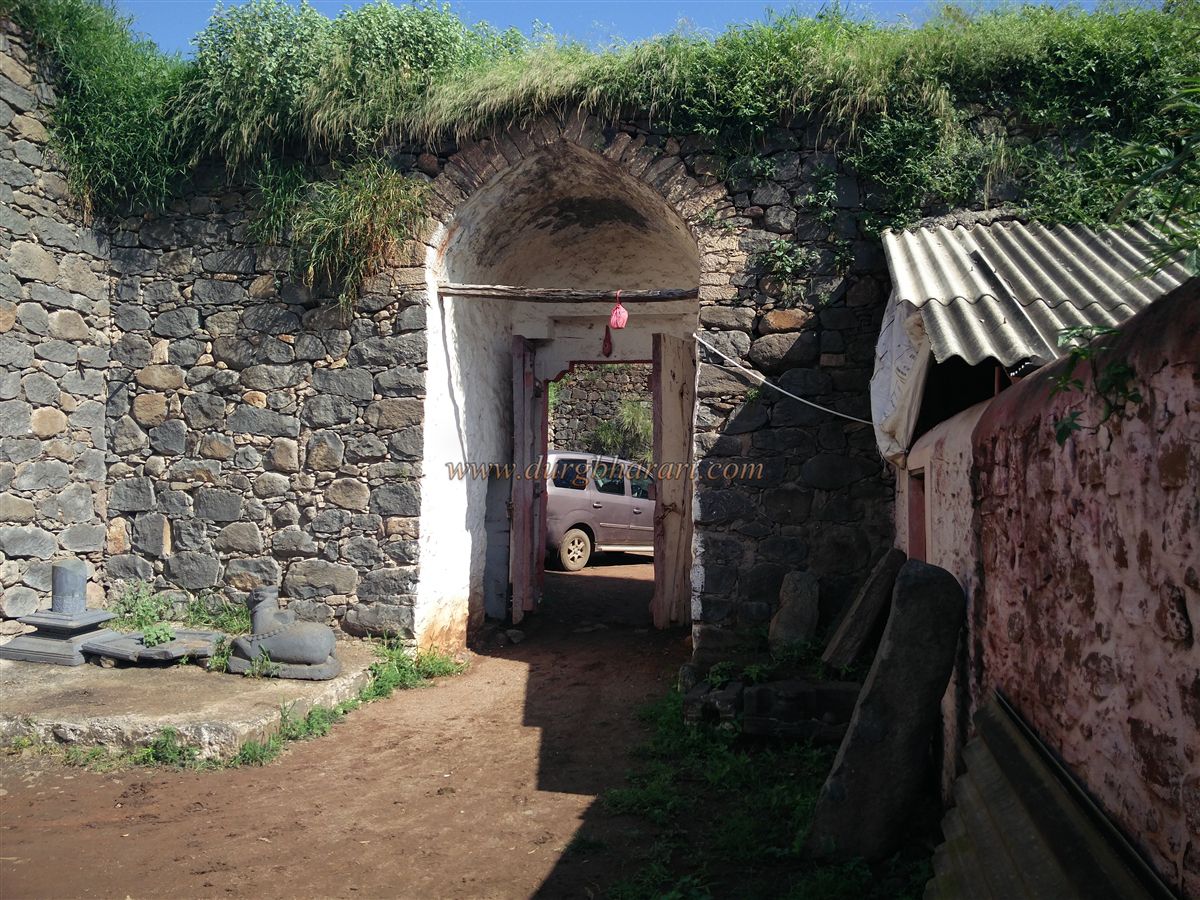
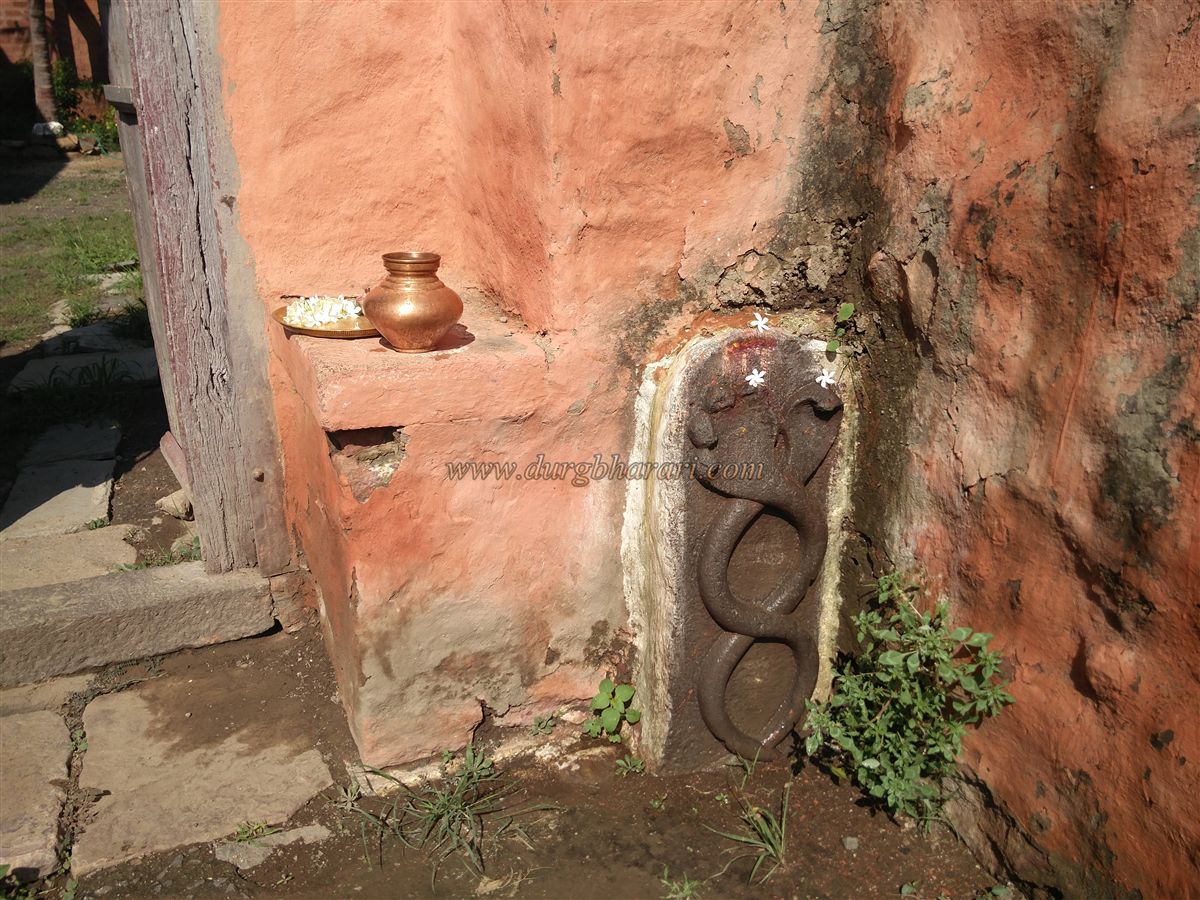
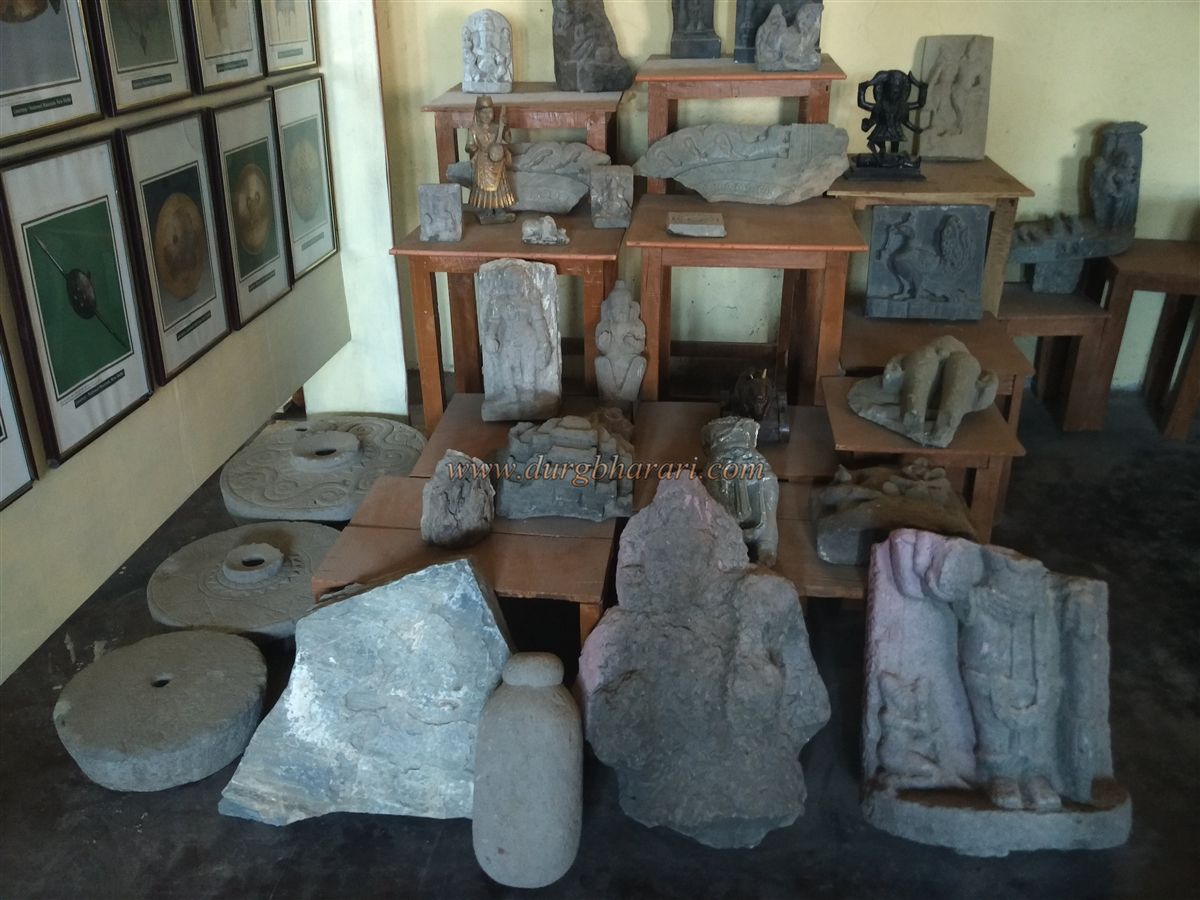
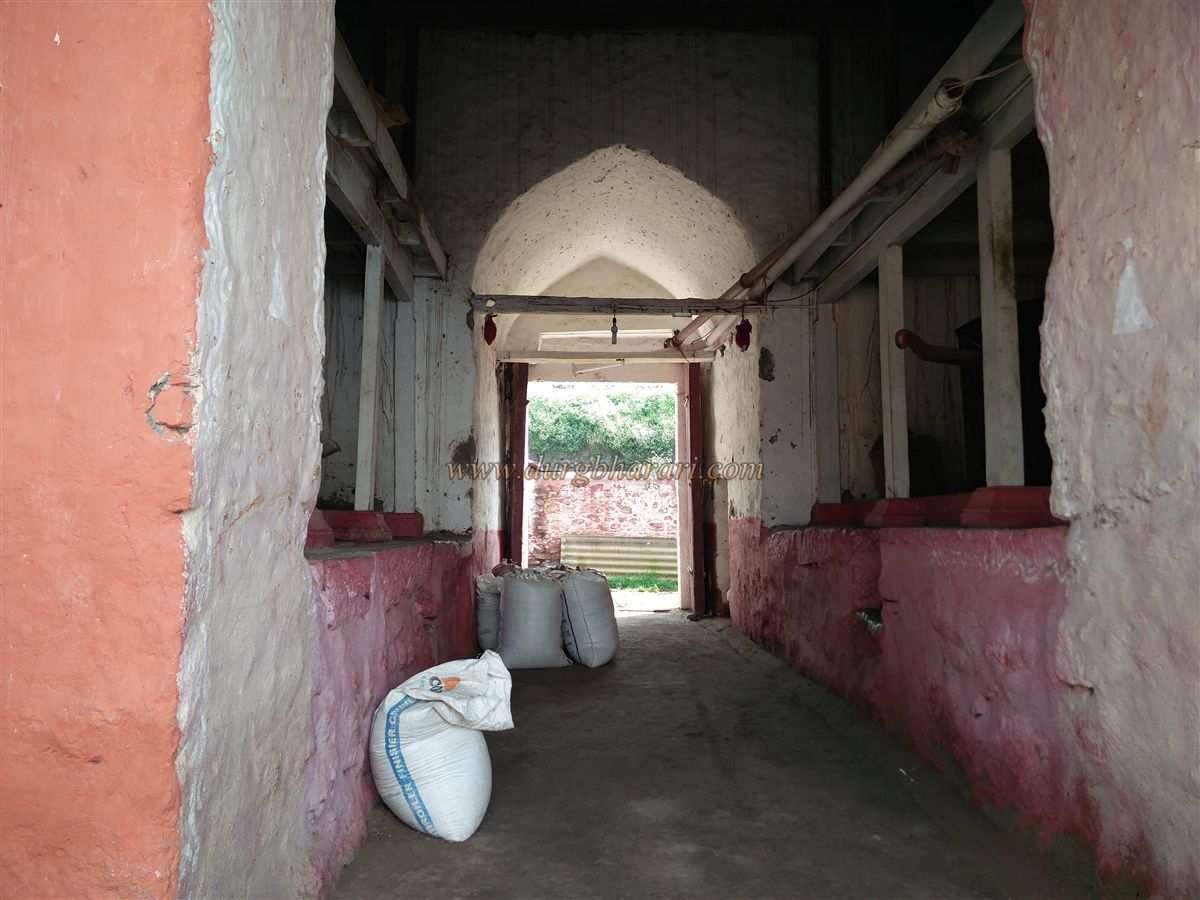
The design of the fort is similar to a warrior-style land fort, with loopholes in the walls and bastions for firing guns. On the exterior left side of the main entrance is a sculpture of a serpent. Inside the first gate, a second gate has been constructed at a right angle, above which is a Nagarkhana (drum house). Next to this gate is a small side entrance (dindi Darwaja) for access. The courtyard between both gates is walled off and enclosed. Presently, this area contains inscriptions and ancient remnants discovered in the village.
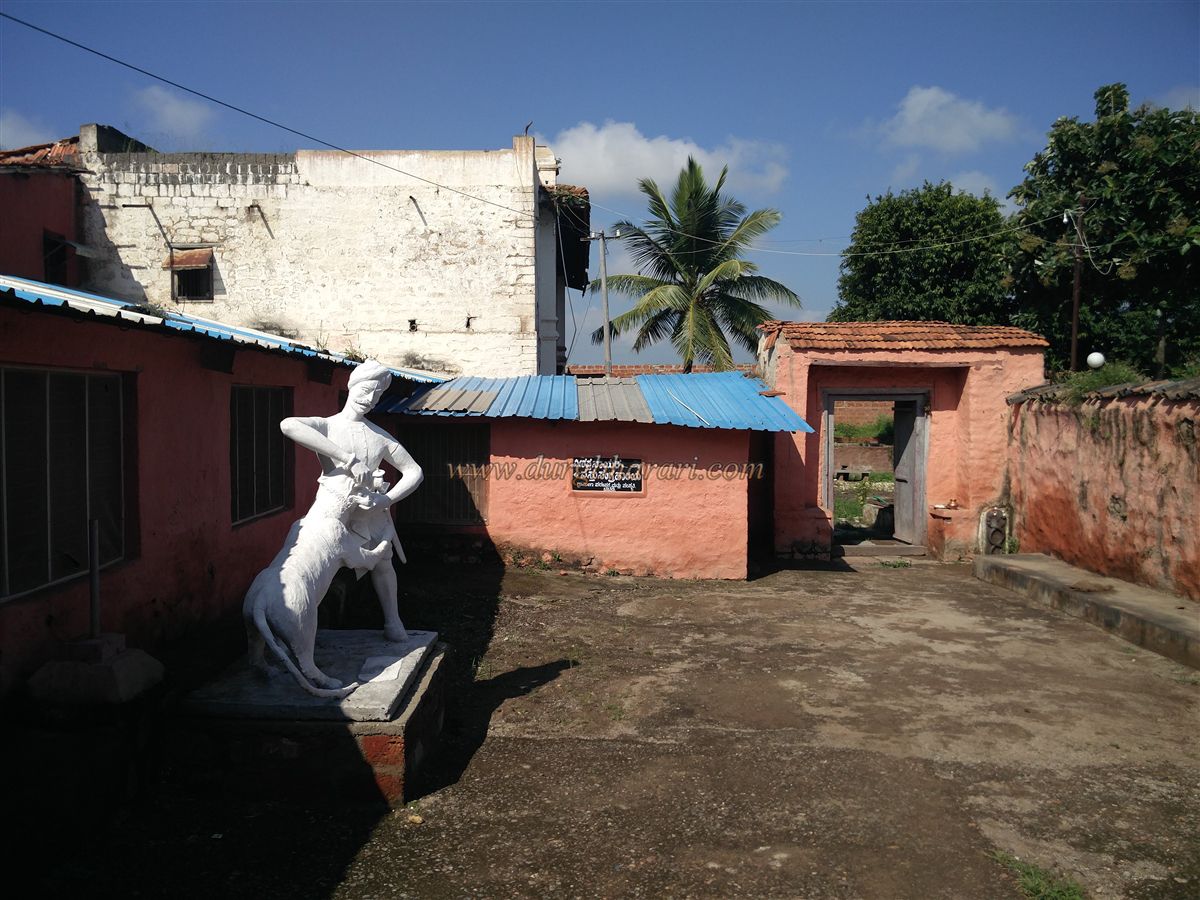
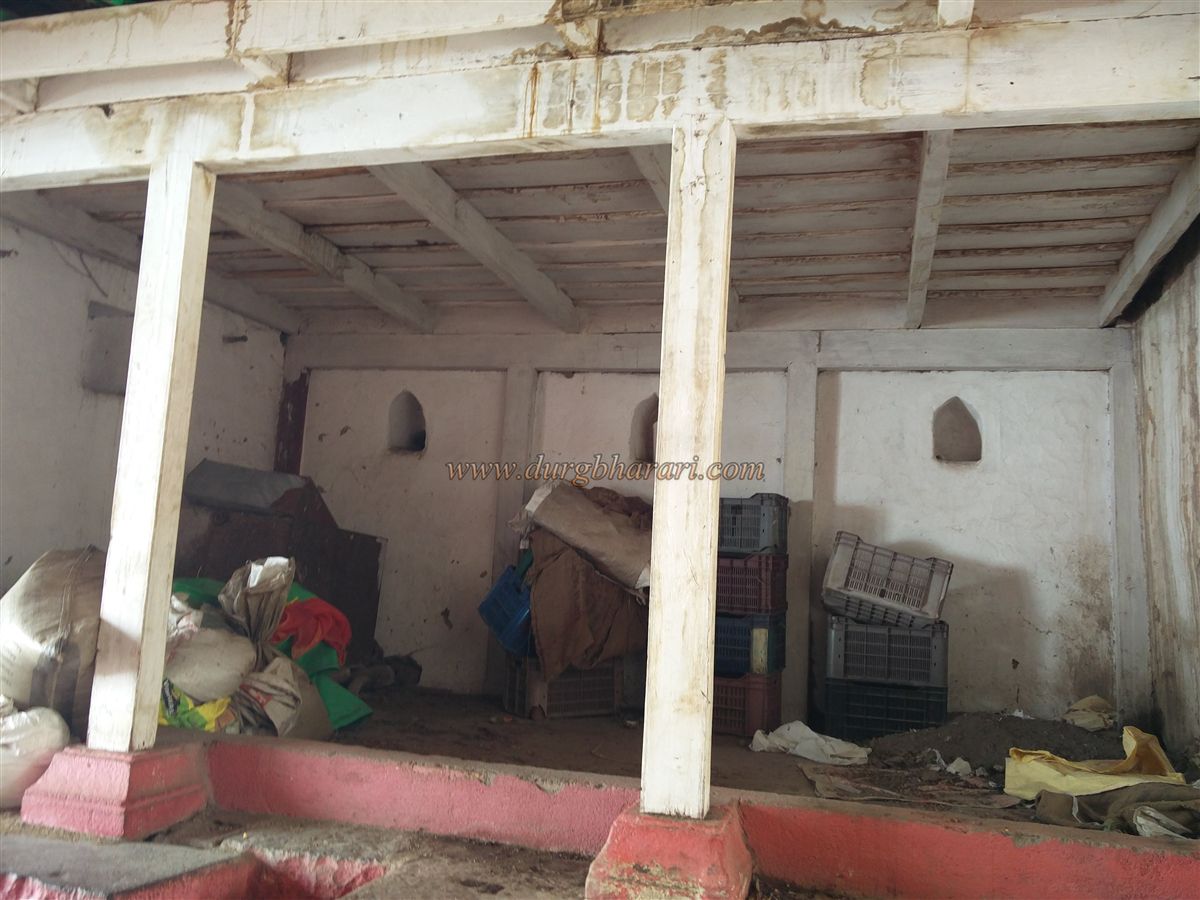
On one of the walls, there is a sculpture of a Jain monk, and it is said that the fort was built by Jain architects. Upon entering through the inner gate, there are large administrative halls (devdis) on either side, where the administrative work of the region was conducted. Common people were not allowed entry beyond this point. Currently, a historical palanquin is kept here. Going further inside, there is an open courtyard. To the left, an old building has been converted into a museum, and to the right is a wall with a doorway. This doorway has some carved pillars, but the structure inside has collapsed.
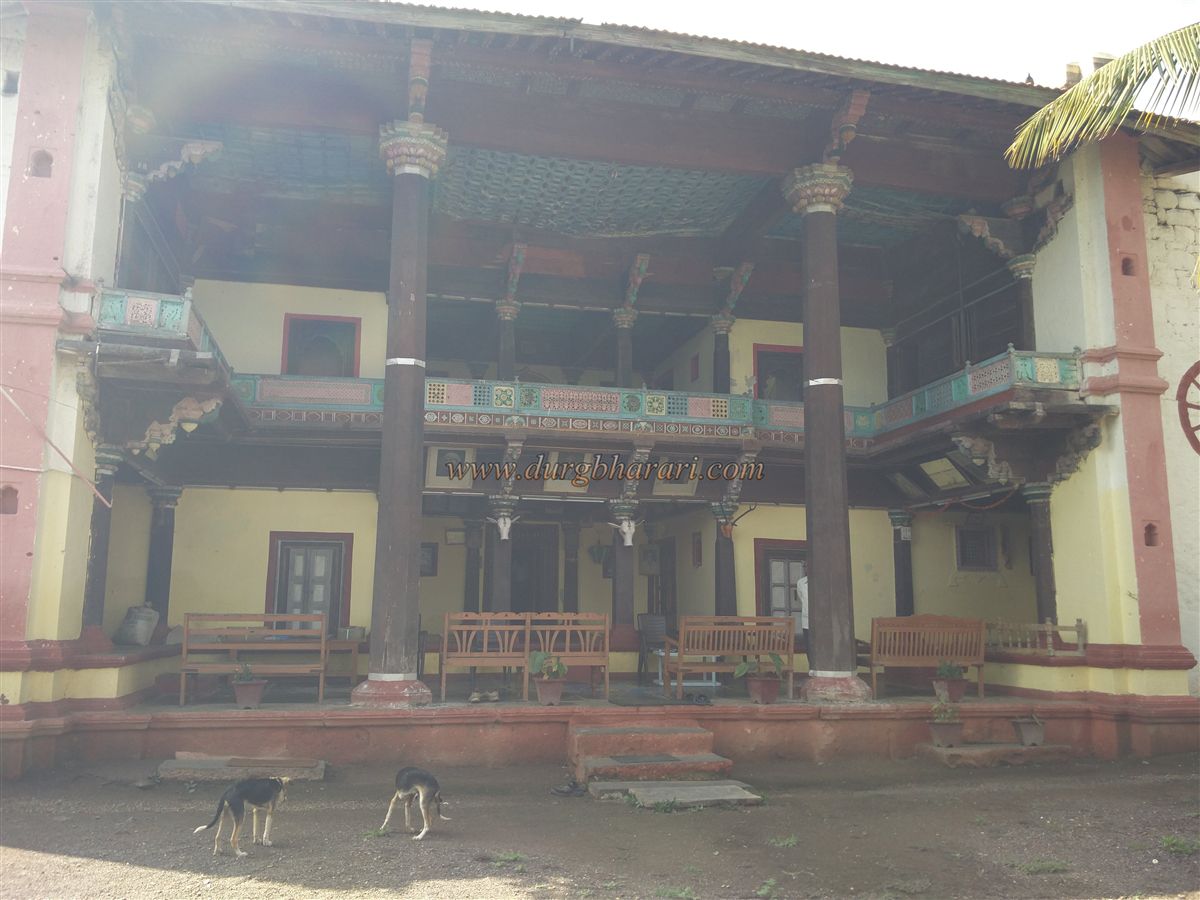
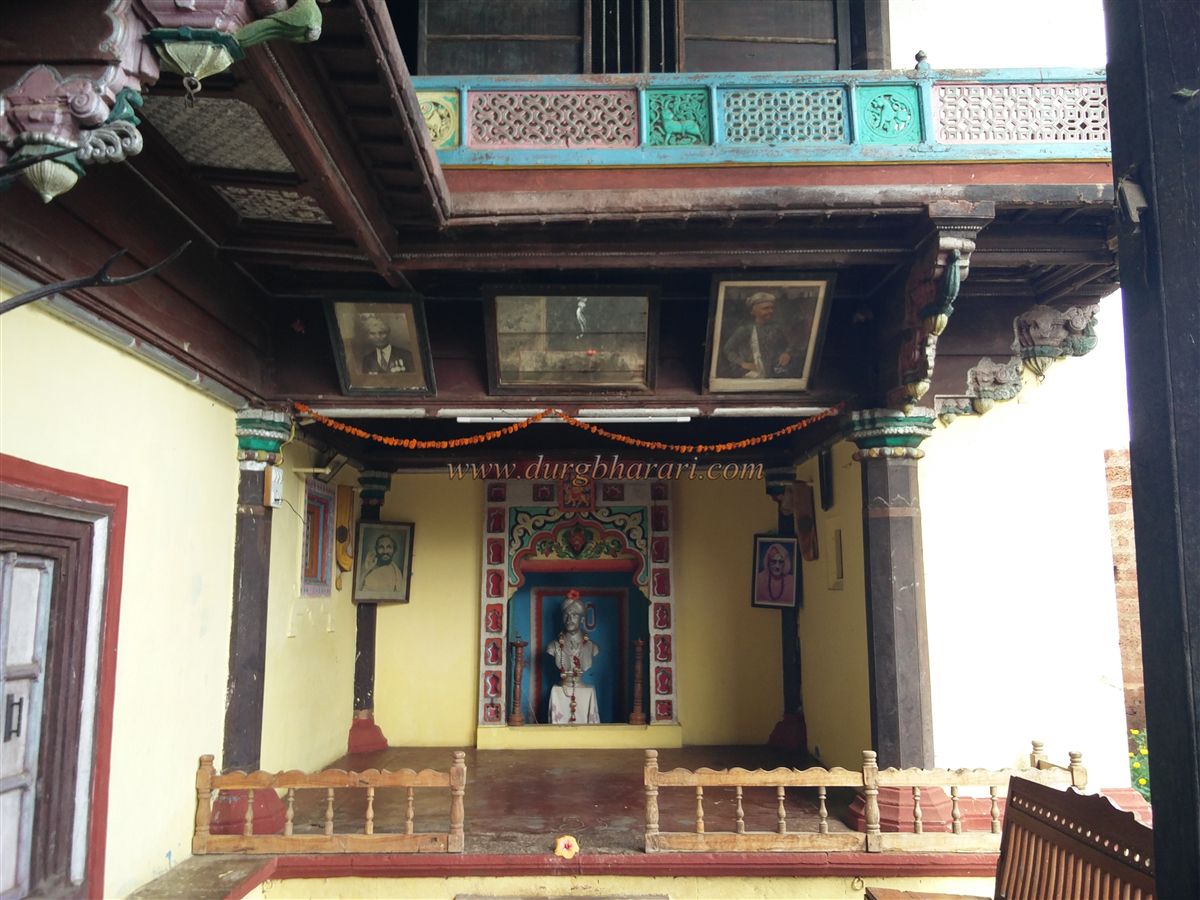
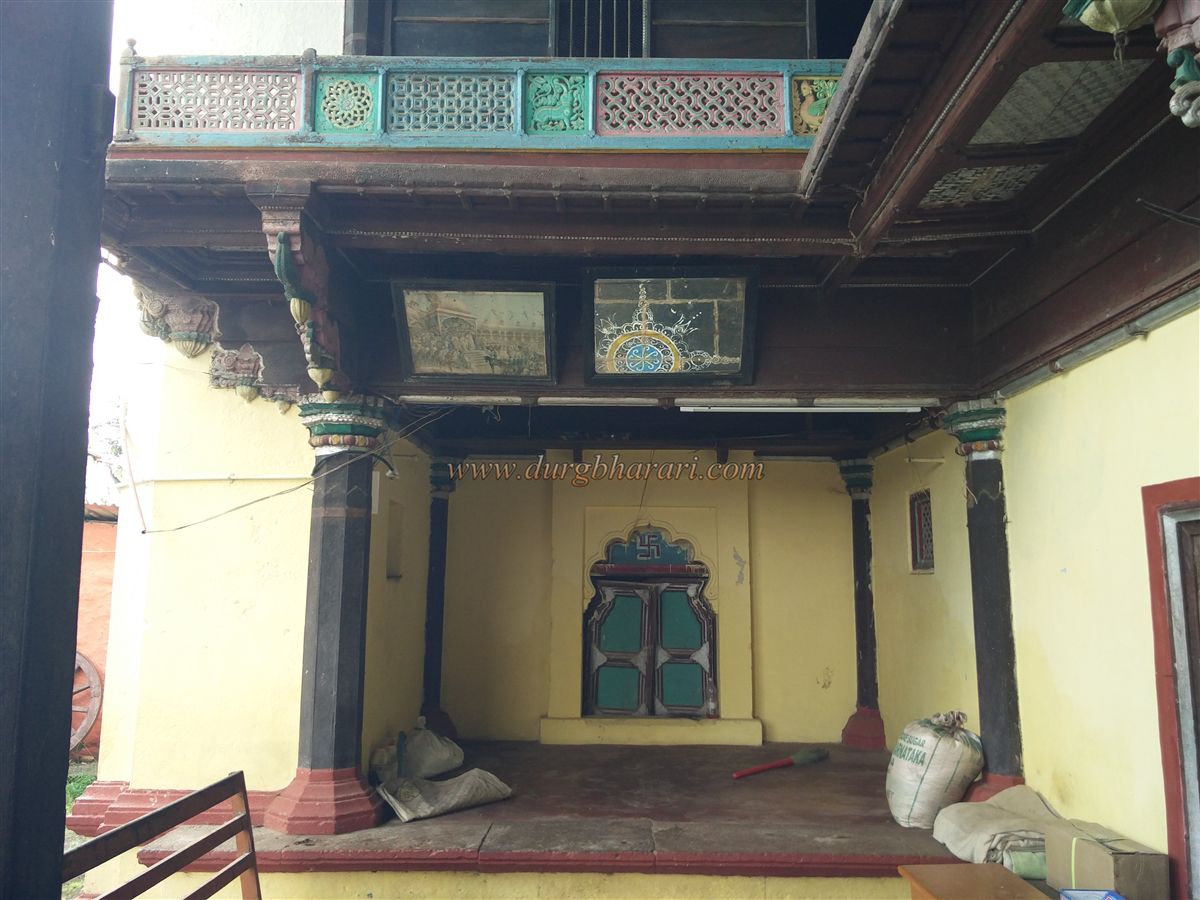
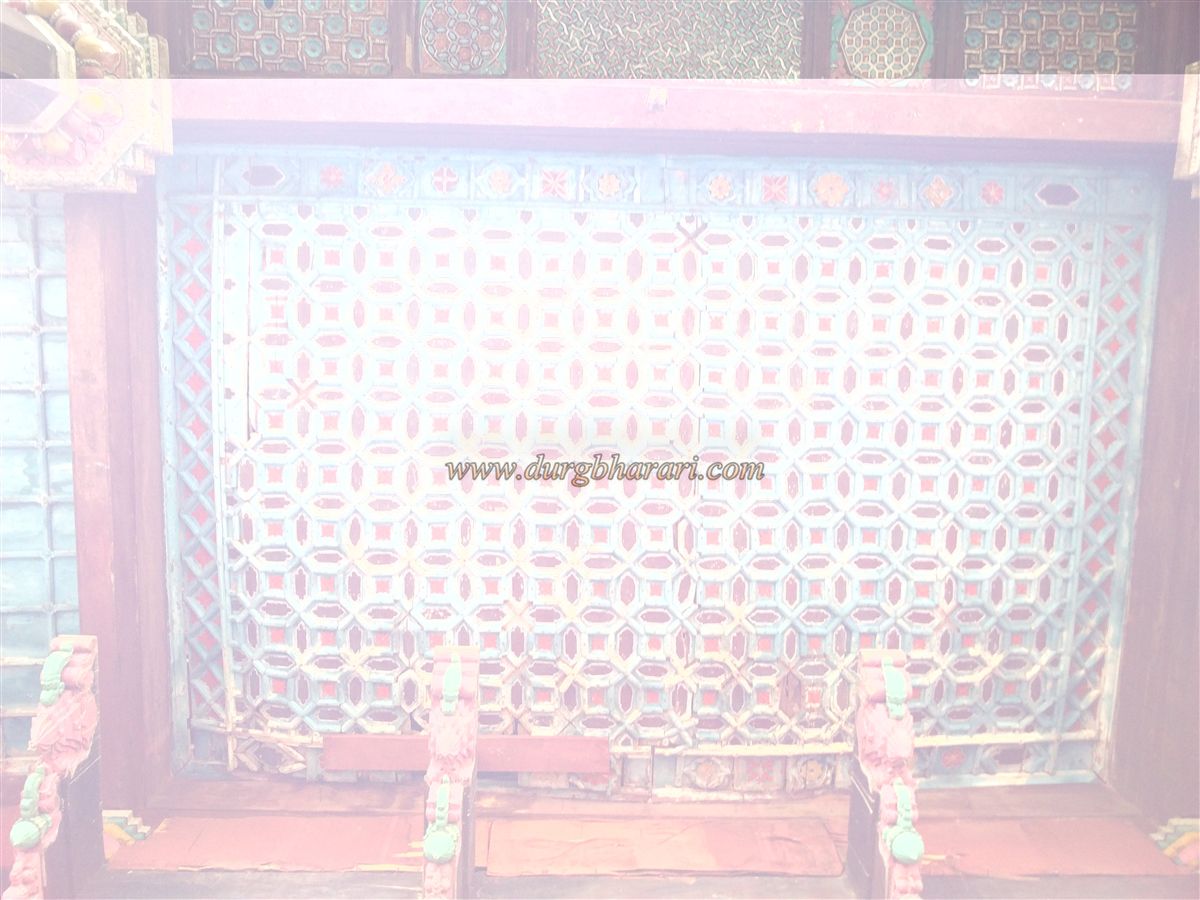
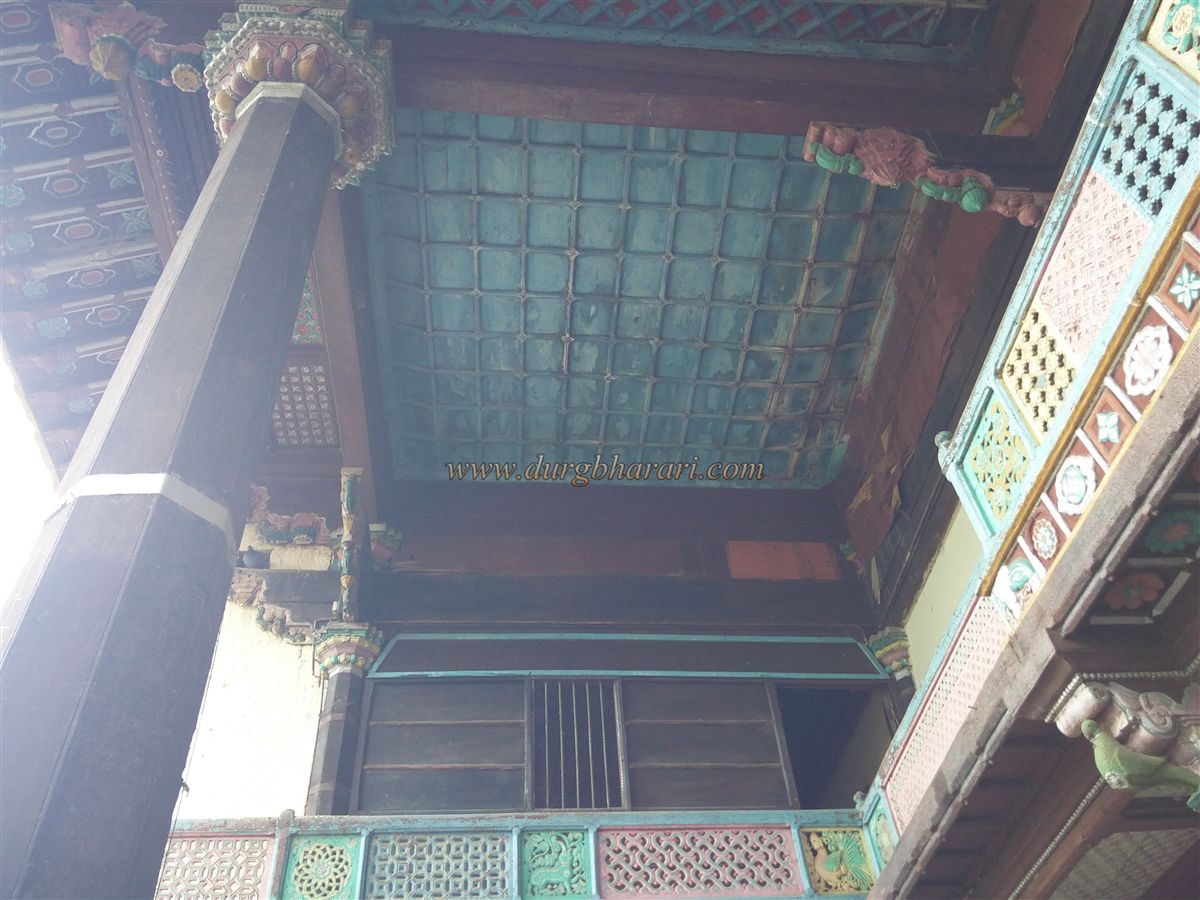
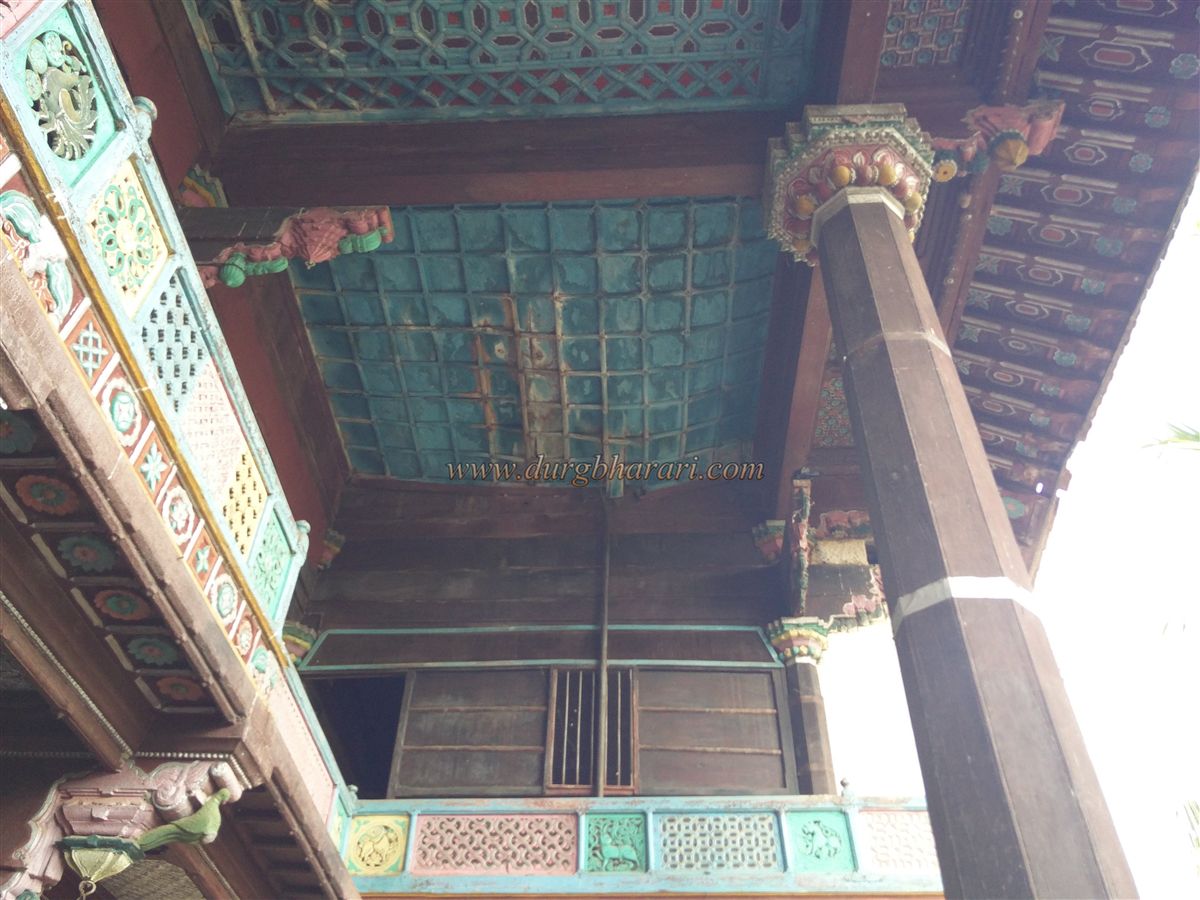
The museum showcases artefacts used in daily life from the 12th century to the present day, including weapons used in warfare. After visiting the museum, one can go to the Desai residence through the third door. Outside this third gate is another serpent sculpture. The double-storeyed wada (residence), entirely adorned with intricate wooden carvings, is the main attraction of the fort. Inside the wada, there are many old manuscripts and photographs on display. It takes about an hour to explore the entire fort.
During the Adilshahi period, villages like Gijganhalli, Sampgaon, Bidi, and Parasgad were part of the deshmukhi watan (land rights) of the Lingayat brothers Hirmallappa and Chikkmallappa. This family held the honorary title "Sarja." From the Adilshahi period to the end of the Maratha rule, roughly 239 years, twelve Desai came from this family. This is the same Desai family that erected the statue of Chhatrapati Shivaji Maharaj at Belvadi. While building the fort of Subapur, the Marathas were assisted from this very fort of Chachadi.
When this region was under the control of the Savanur Nawab, he summoned the local Desai to demonstrate his strength. It is said that the Desai killed a black tiger (cheetah) with his bare hands, earning the title "Karehuli Bhaleraya" (slayer of the black tiger). This story was shared by Nagaraj Desai while explaining the fort’s history.
In 1756, the Marathas took over this territory from the Nawab of Savanur but allowed the original Desai family to retain control over the villages of Kittur and Gokak. In 1785, Tipu Sultan captured Kittur, but in 1792 he was defeated by the Marathas, and under the Treaty of Srirangapatna, the region returned to Maratha control. Around 1800, for a brief period, this region was under the control of Dhondya Wagh of Kolhapur.
During the time of Kittur's ruler Mall raja Desai, the Desai of Chachadi established an independent principality. Veerappa Nayak was the founding ruler of this state. The fifteenth Jagirdar of the Desai family, Sardar Veerabhadrappa Gunappa, revitalized the state amidst changing circumstances. During British rule, the Chachadi estate comprised 33 villages. Veerabhadrappa Gunappa Nayak Desai made significant contributions in the fields of education, literature, history, culture, and agriculture. The British government honoured him with the titles "Rao Bahadur" and "Sardar."
© Suresh Nimbalkar
GALLERY