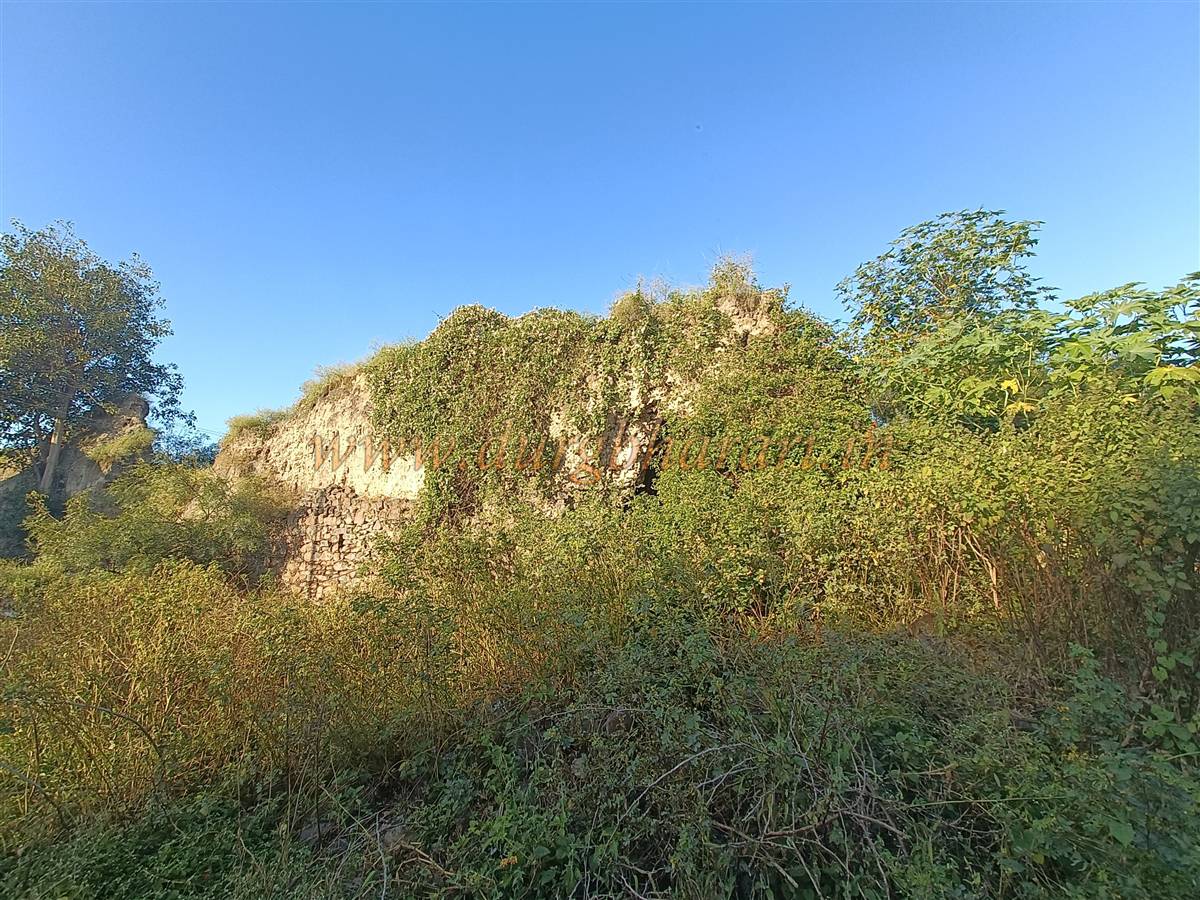
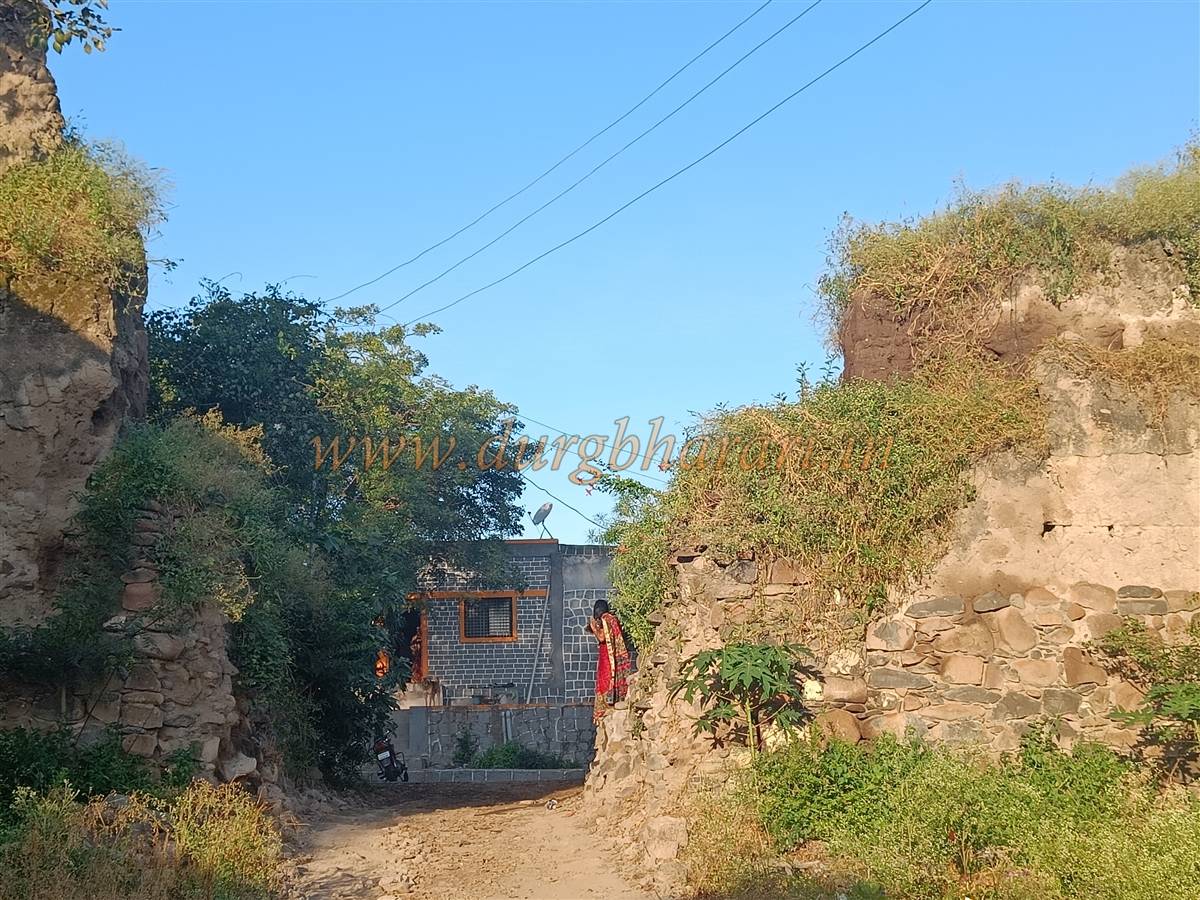
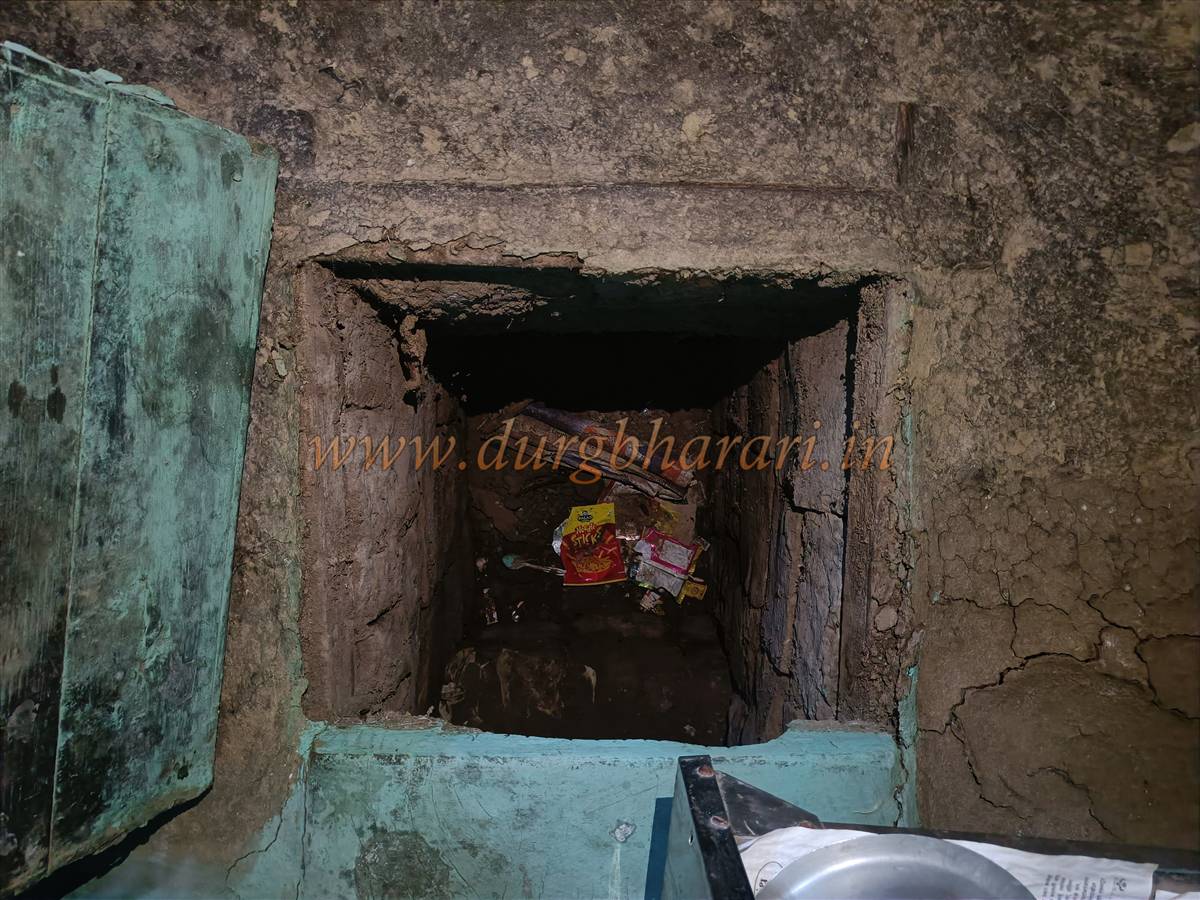
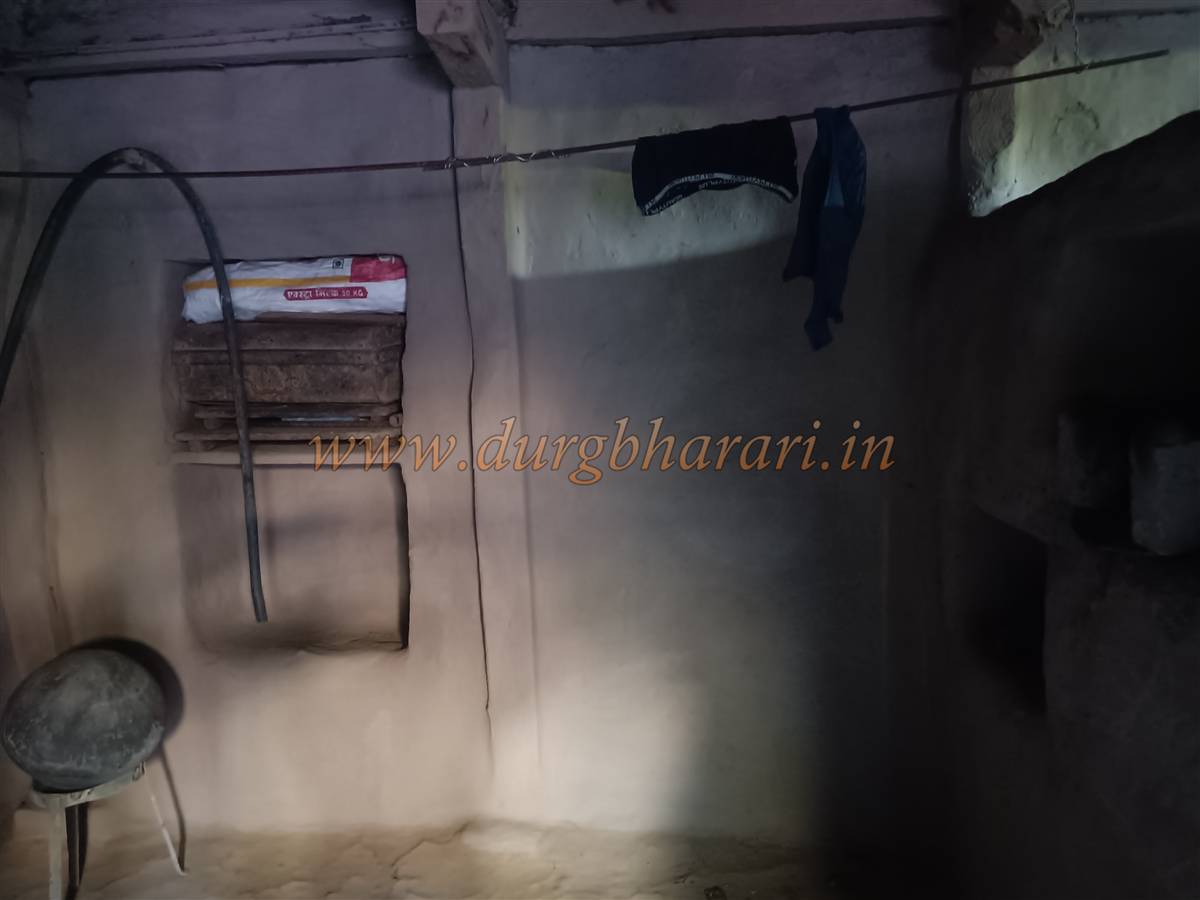
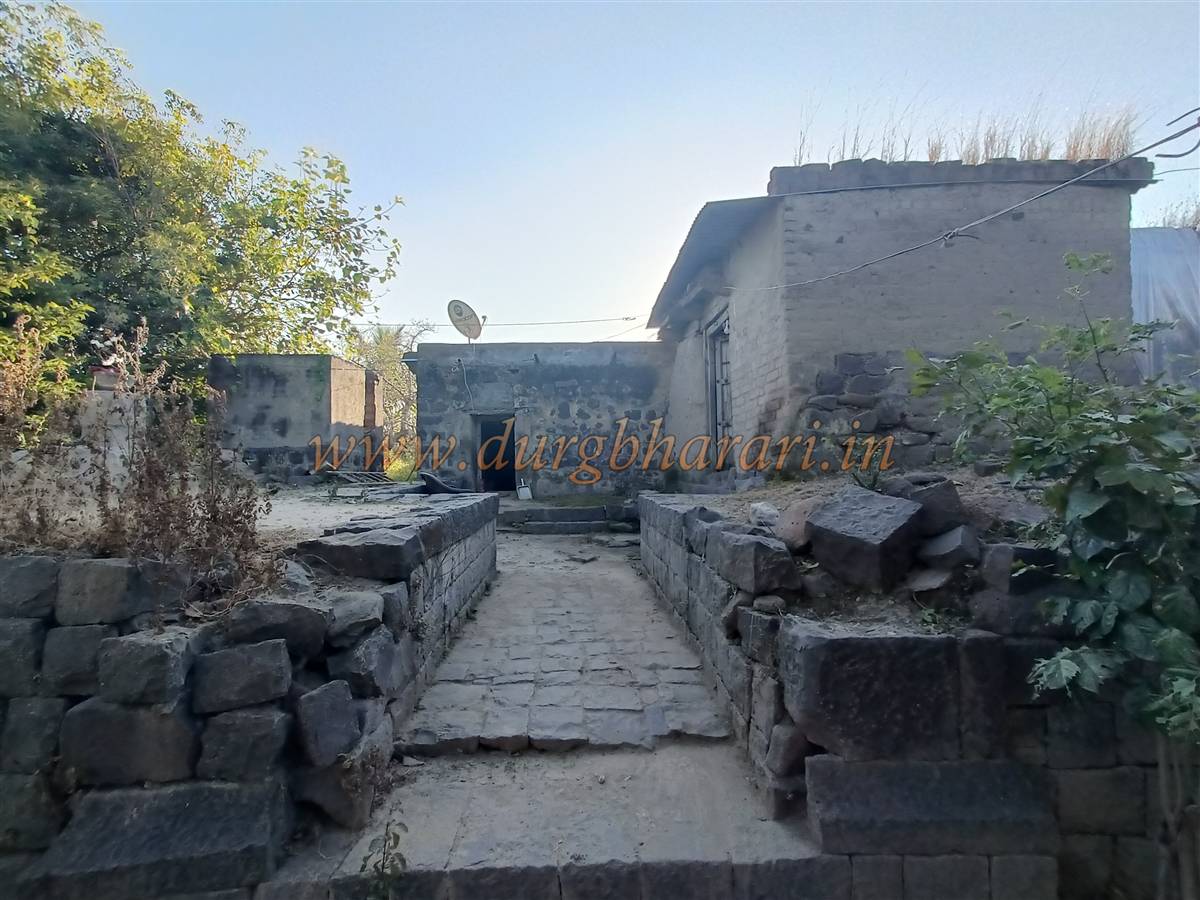
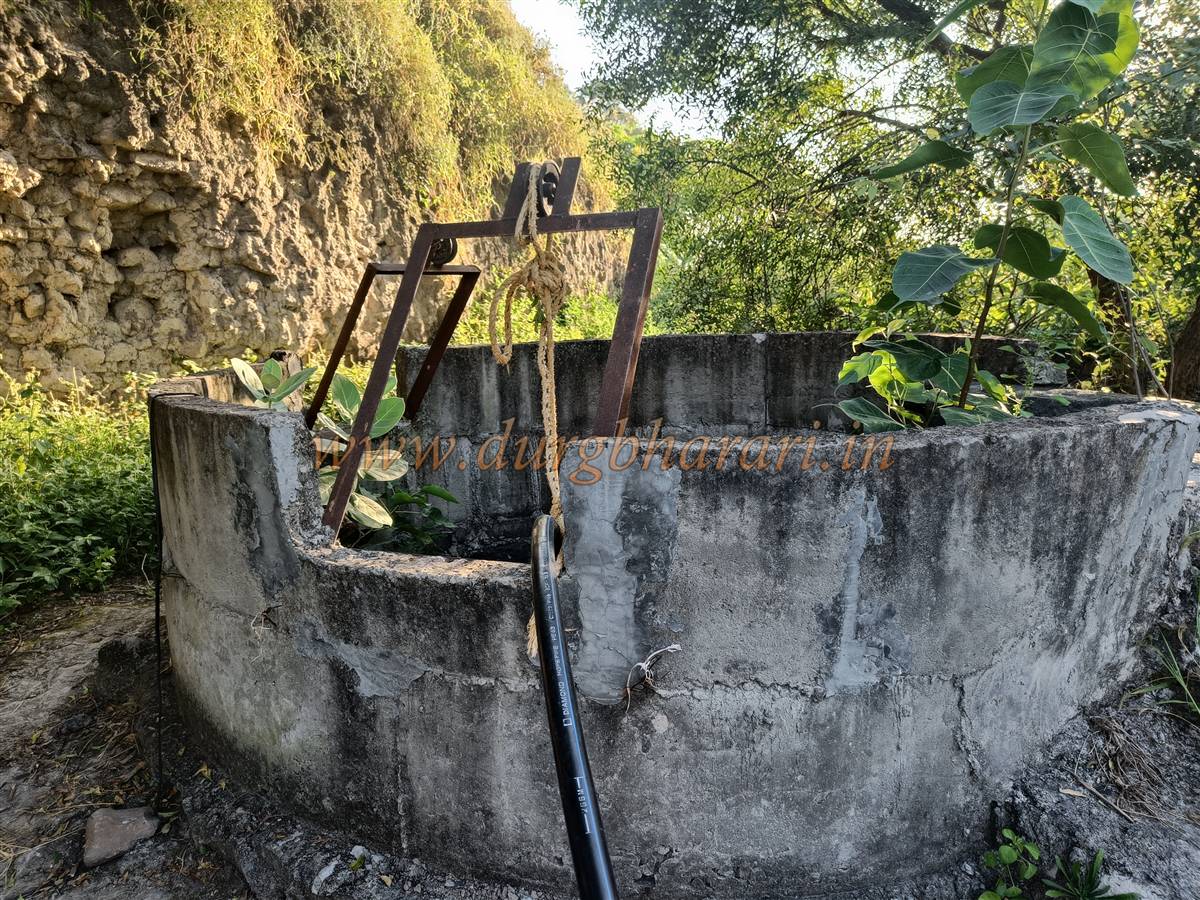
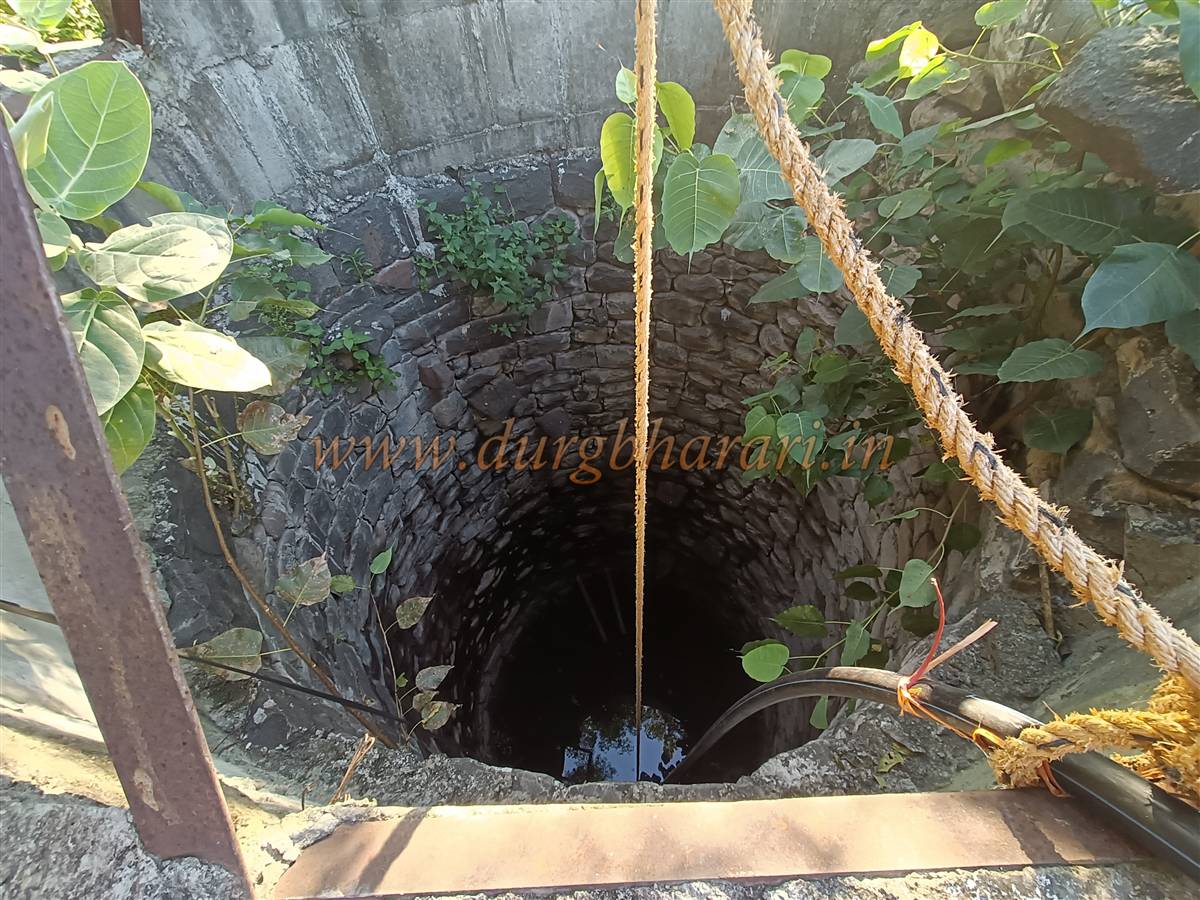
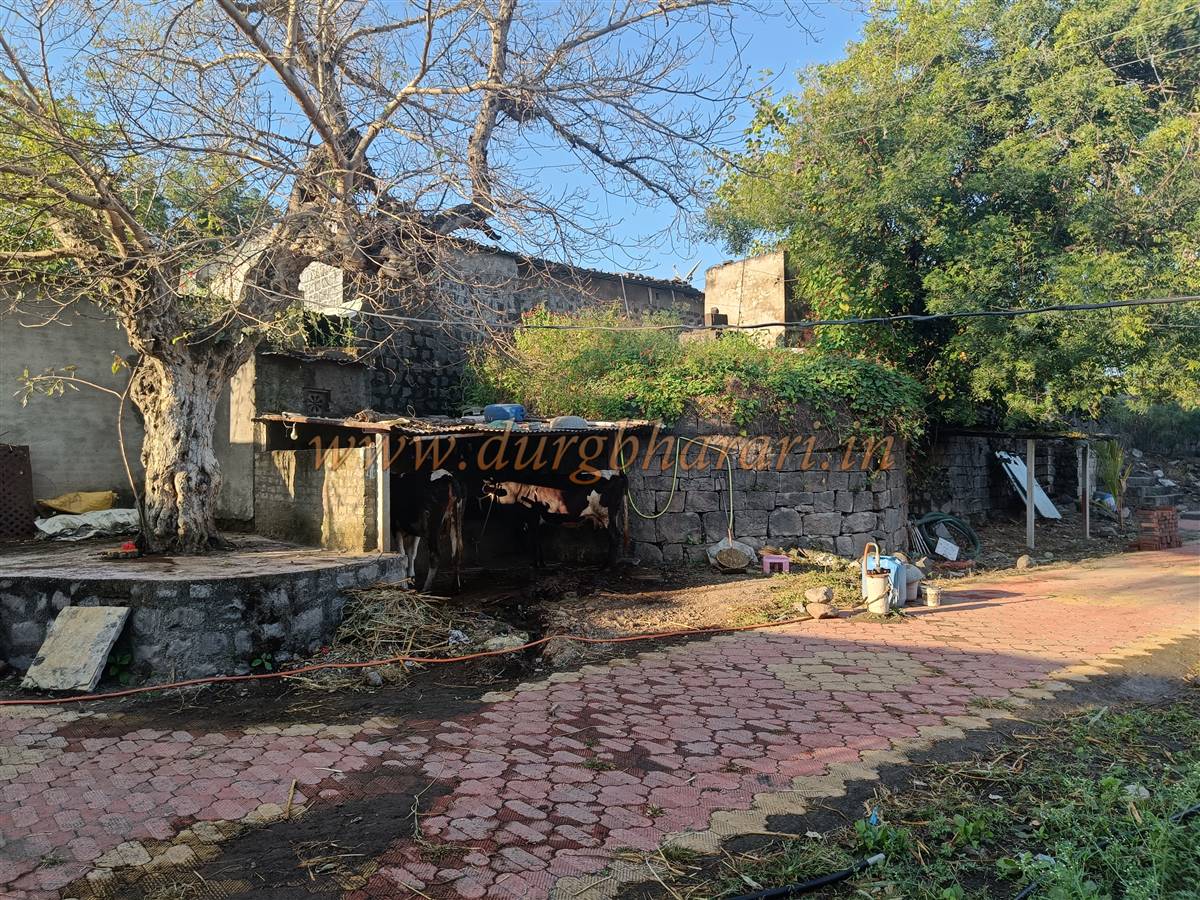
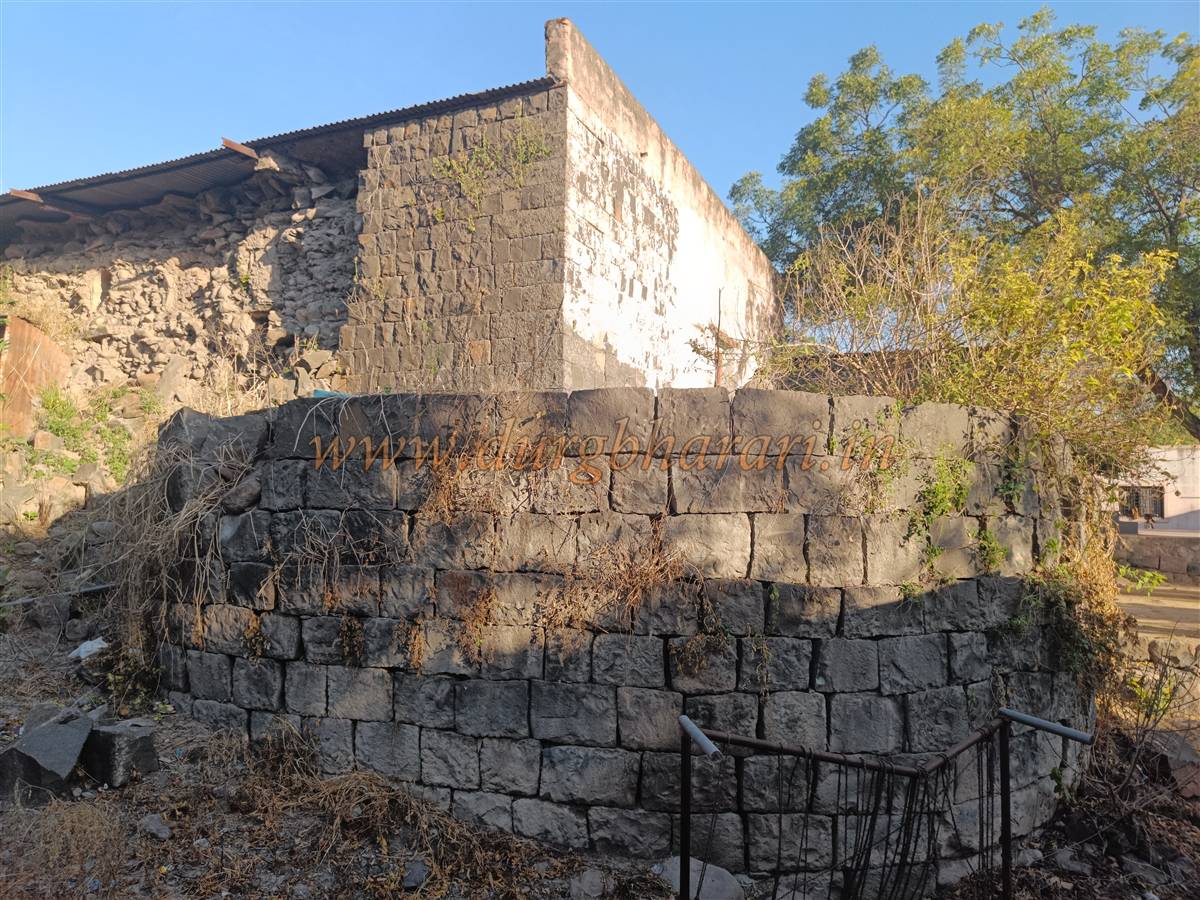
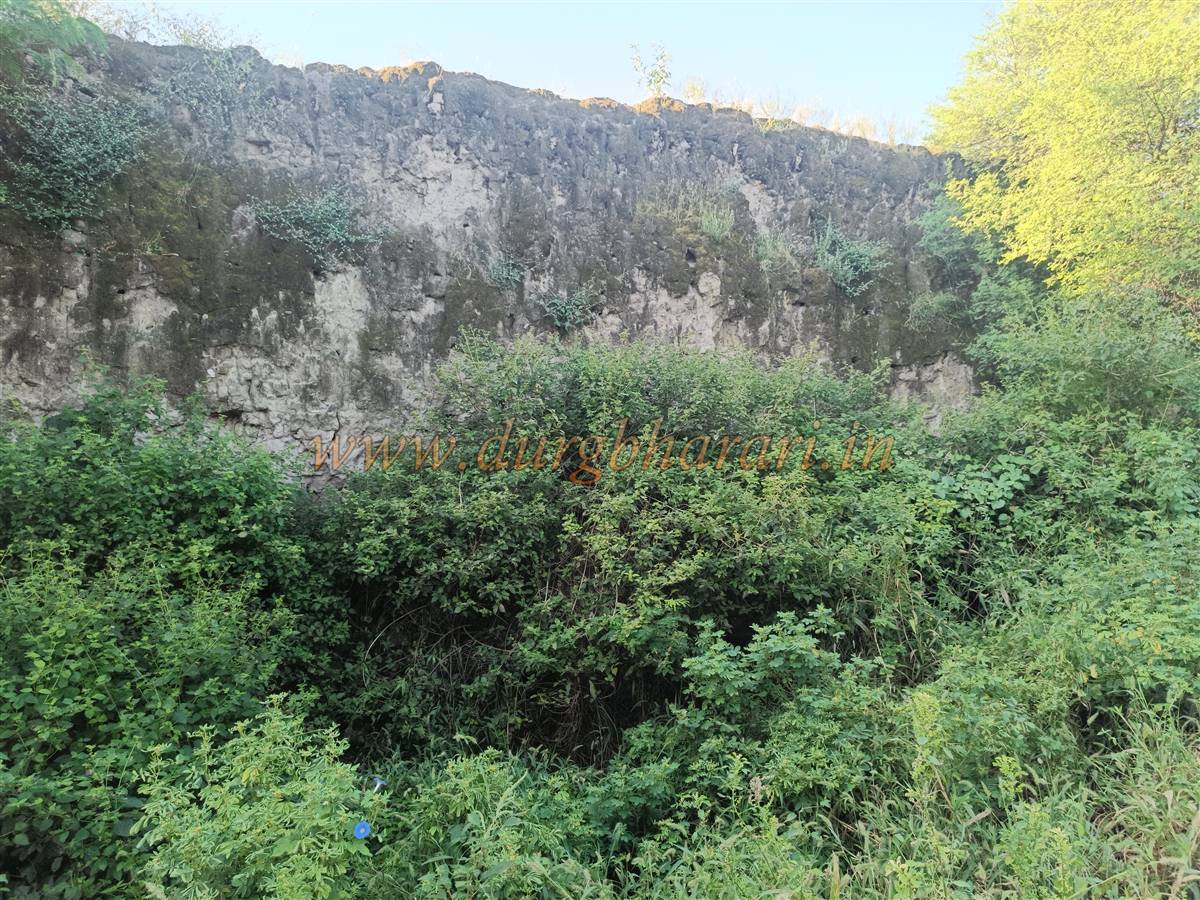
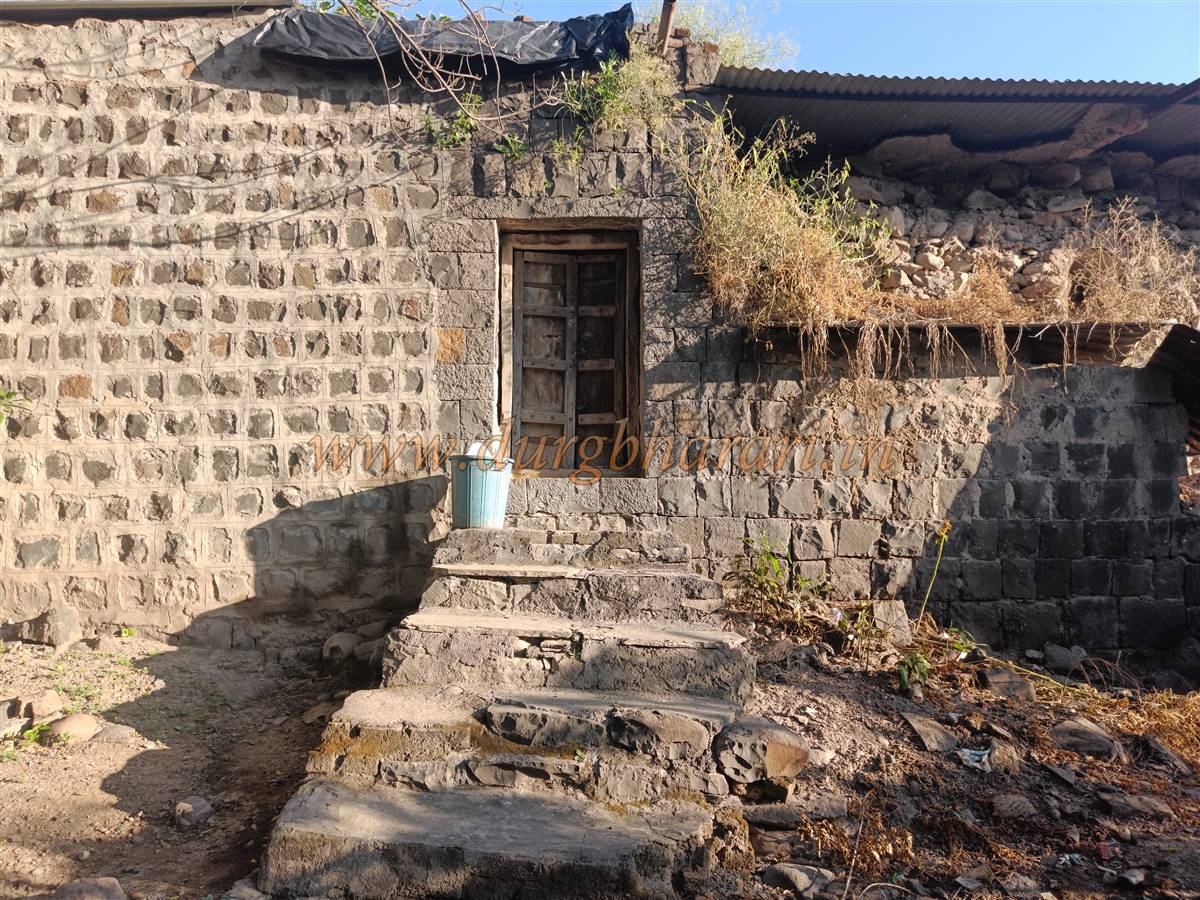
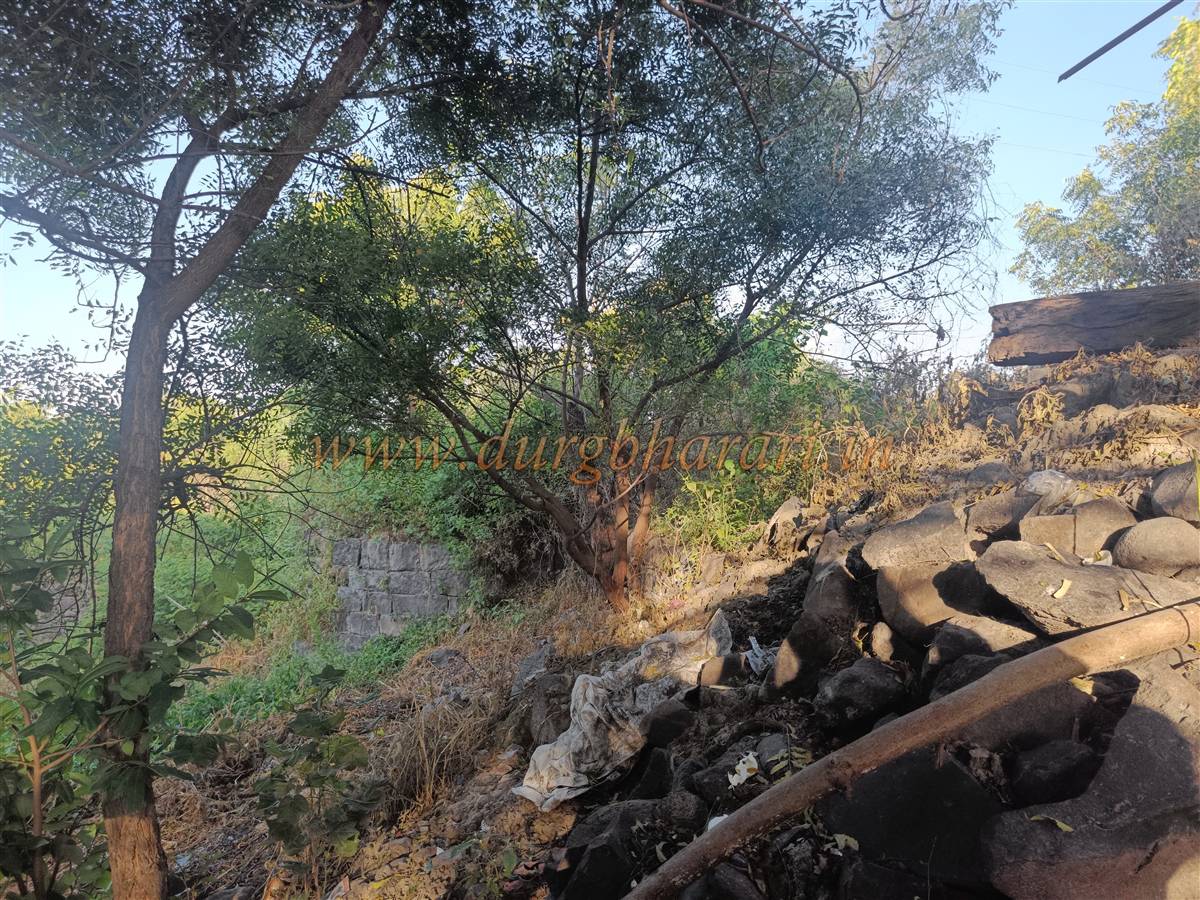
BRAMHAGAON TYPE : FORTRESS DISTRICT : BEED HEIGHT : 0 While exploring the Ahmednagar and Beed districts, one can come across many small and lesser-known gadhis (fortified mansions). One such gadhi, known as the "Raje Nimbalkar Gadhi," is located in the village of Brahmgaon in Ashti taluka of Beed district. Although it is recognized as the gadhi of the Raje Nimbalkar, it remains completely silent about its own history. Situated just 8 km from Ashti, the taluka headquarters, this gadhi is close to another Nimbalkar gadhi at Bhalwani, which lies only 4 km away. Both gadhis can be visited easily in a single day trip from Ahmednagar. While the gadhi at Bhalwani is in relatively good condition, the one at Brahmgaon has suffered extensive damage over time. ... This square-shaped gadhi spans approximately one and a half acres. Descendants of the Nimbalkar family still reside within its inner area. Though the original arched main gate has been lost to time, a 20-foot-high fort wall adjacent to it still survives. The lower part of the wall is built from uneven stones, while the upper section is constructed using a white clay mixture. The fortification walls on all four sides are partially intact. However, due to overgrowth, it is not possible to walk along the top of the walls. On the original plinths of the old structures inside the gadhi, new houses have been built. One old house still stands, and inside it, a basement room used for storage—called bald—can be seen. Although most of the original structures have disappeared, the layout of the underlying plinths suggests that there was once a spacious, quadrangular wada (mansion with internal courtyards). While exploring the gadhi, two remaining bastions can still be seen on the inner side of the fort walls. Additionally, a stone-built well, which supplied water to the gadhi, still exists inside. Since the gadhi is currently privately occupied, a quick tour lasting about 15 minutes is sufficient. Even the descendants of the Nimbalkar family living here are unaware of the full history of this gadhi. © Suresh Nimbalkar Read more... WATCH VIDEO GALLERY Post Views: 360