BIBI
TYPE : GADHI
DISTRICT : SATARA
HEIGHT : 0
GRADE : EASY
There are two villages named Bibi in Maharashtra—one in Buldhana district and the other in Satara district. Interestingly, both villages contain four-towered forts (Chauburji Kot), but the key difference is that the descendants of the fort owners in Buldhana are aware of their history, while those residing in the Satara fort seem to have no knowledge of their ancestors’ valour.
During the post-Maratha era, many local chieftains constructed ground-level forts (Bhuikot gadhis) in their regions. Most of these were privately owned and served purposes such as tax collection and self-defence. Since these forts were seldom used and with the rise of British power in India, not much history was created around them. Many of these private forts and residences are now in ruins and on the verge of being lost to time. One such structure that still maintains its presence is the gadhi at Bibi in Satara.
...
After the abolition of vatan (hereditary land grants), maintenance of such private properties became difficult for their owners, leading to their decay. The indifference of local communities has also contributed to the deterioration of these forts. Since no information is available online or elsewhere, this is a humble effort to introduce this gadhi.
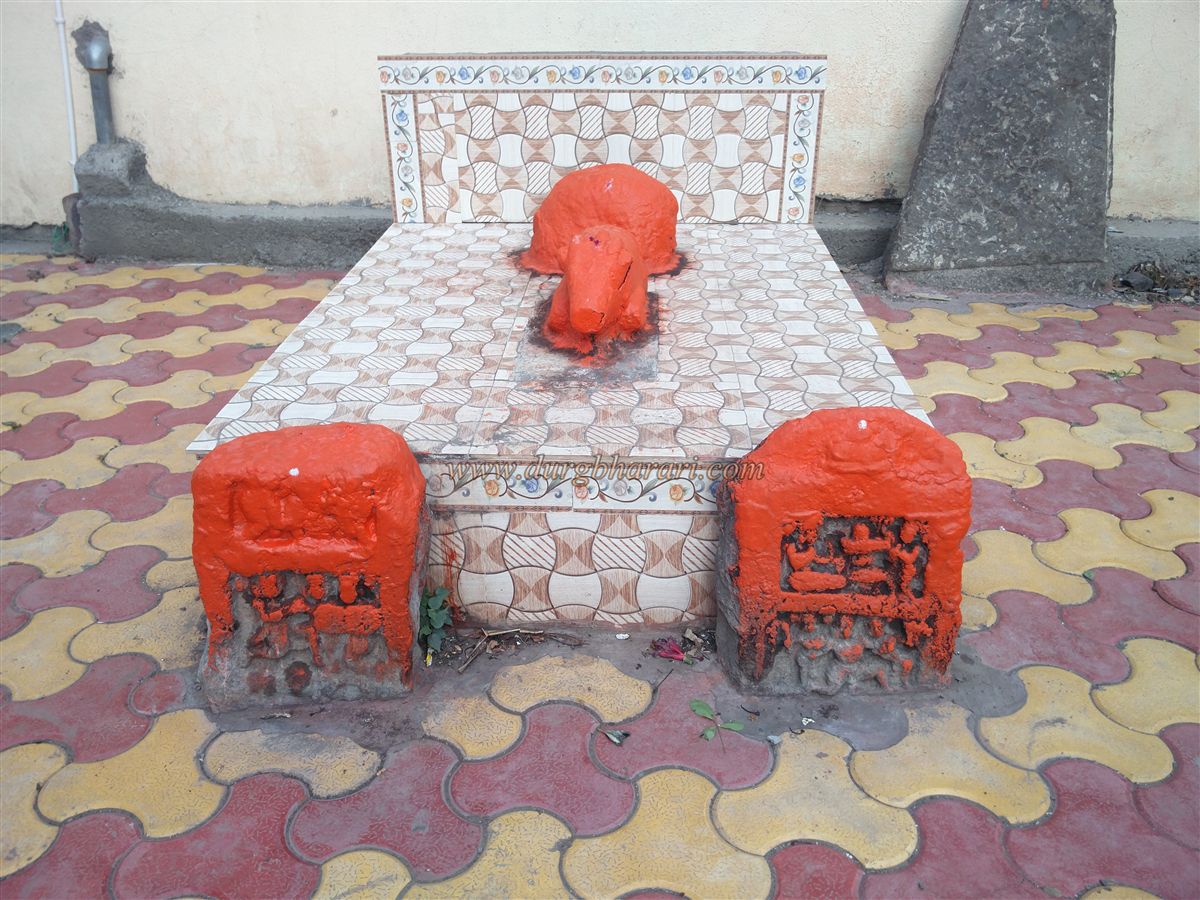
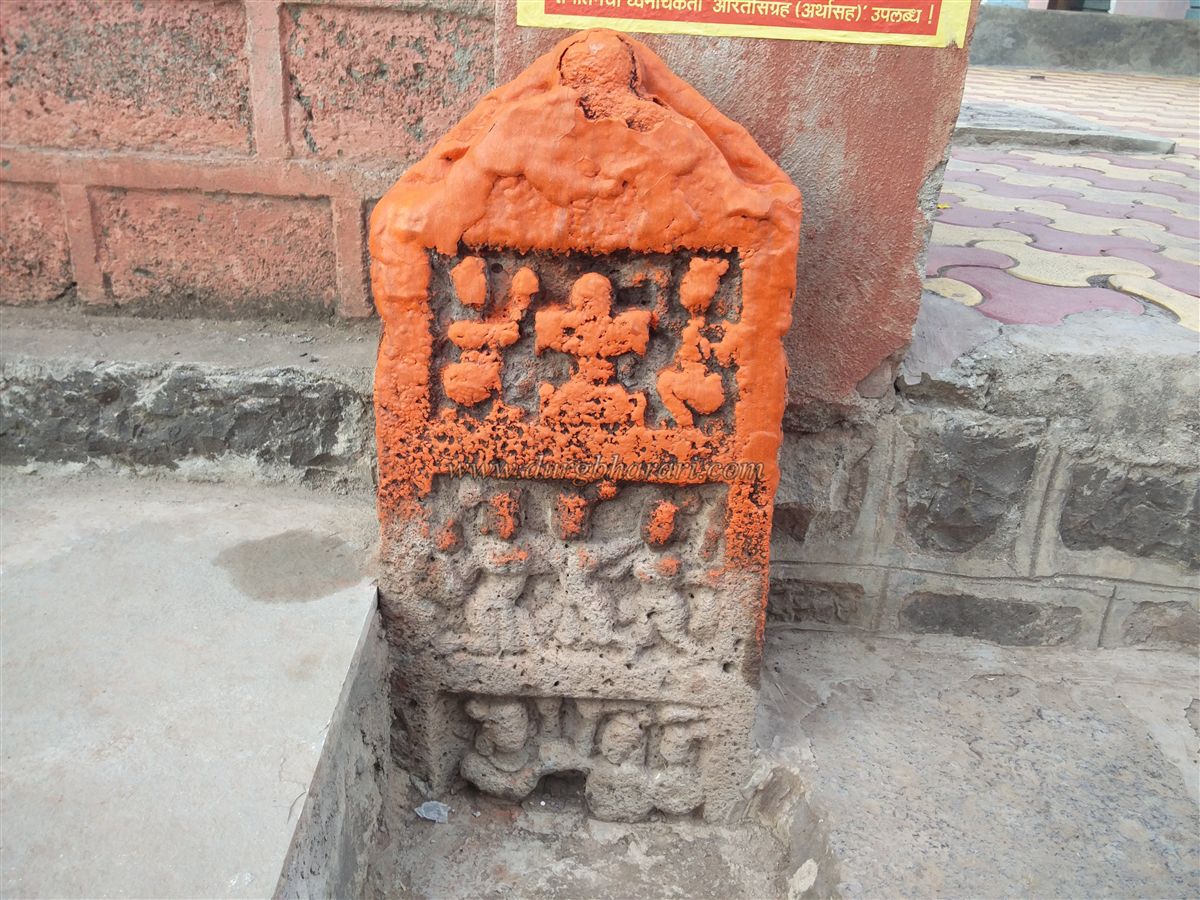
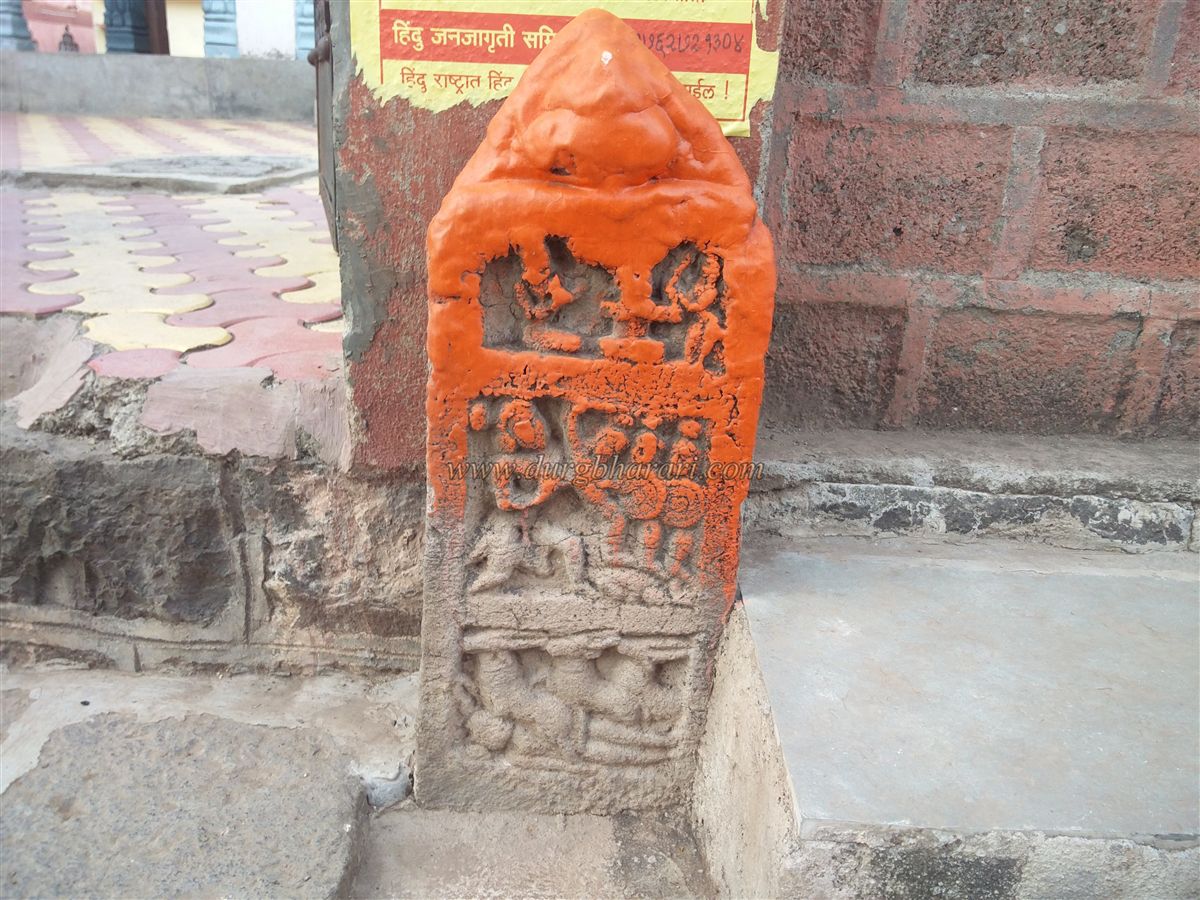
During our fort-exploration trip in Satara, my fort-enthusiast friend Balraj Mudliyar told us about the gadhi at Bibi, prompting us to head there. This village in Phaltan taluka of Satara district is located around 20 km from Phaltan, Lonand, and Wathar. On entering the village, a temple along the path has a large number of virgal (hero stones) and Dhenugal (cow memorial stones), but the local Shiva devotees—many with long beards and mustaches—cannot speak a word about them.
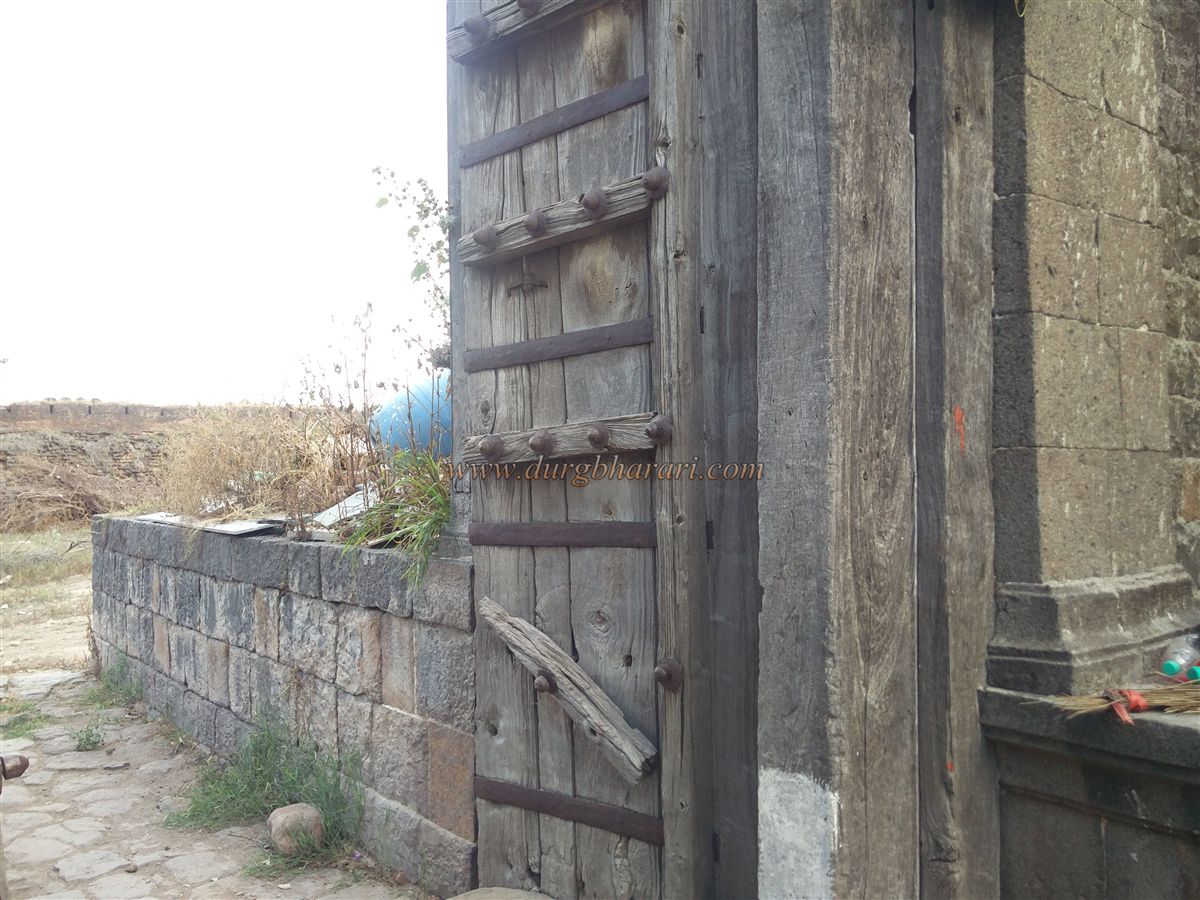
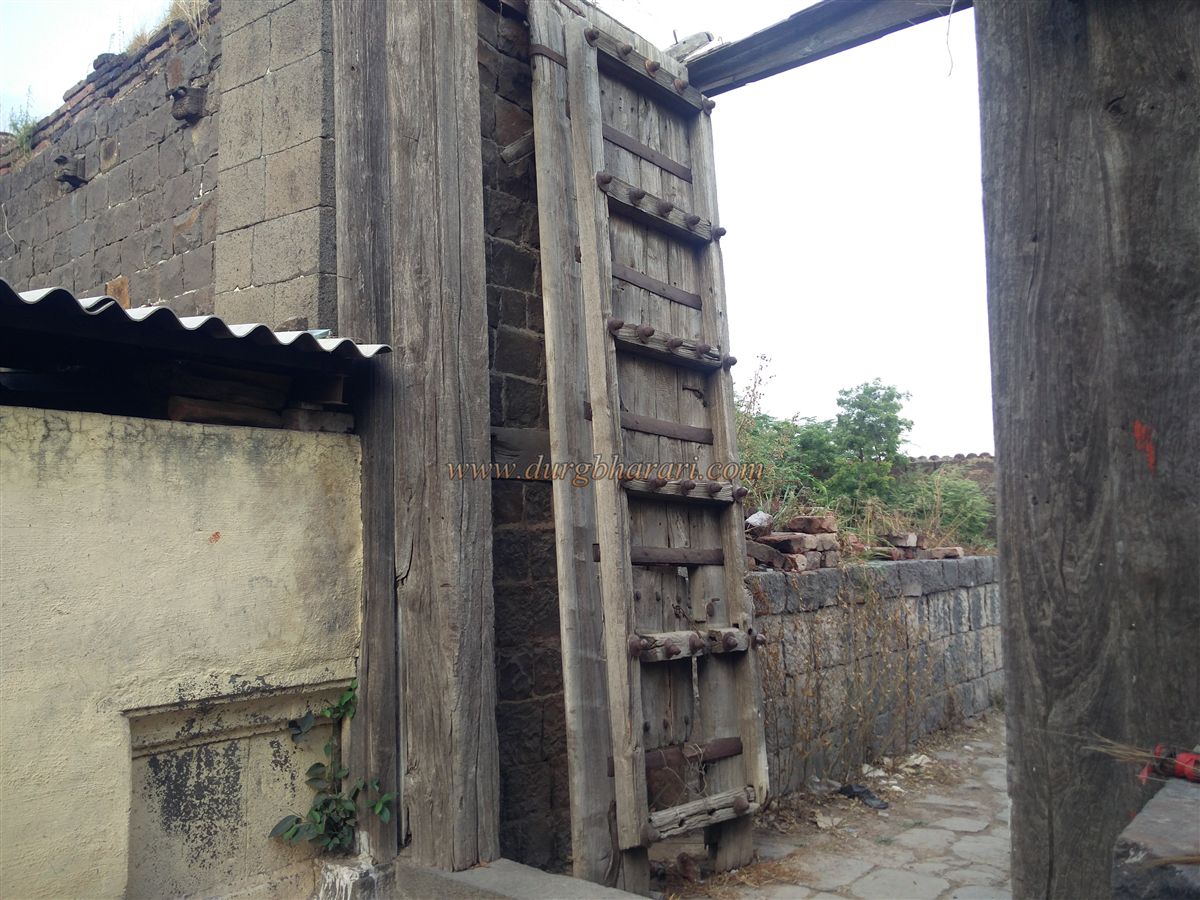
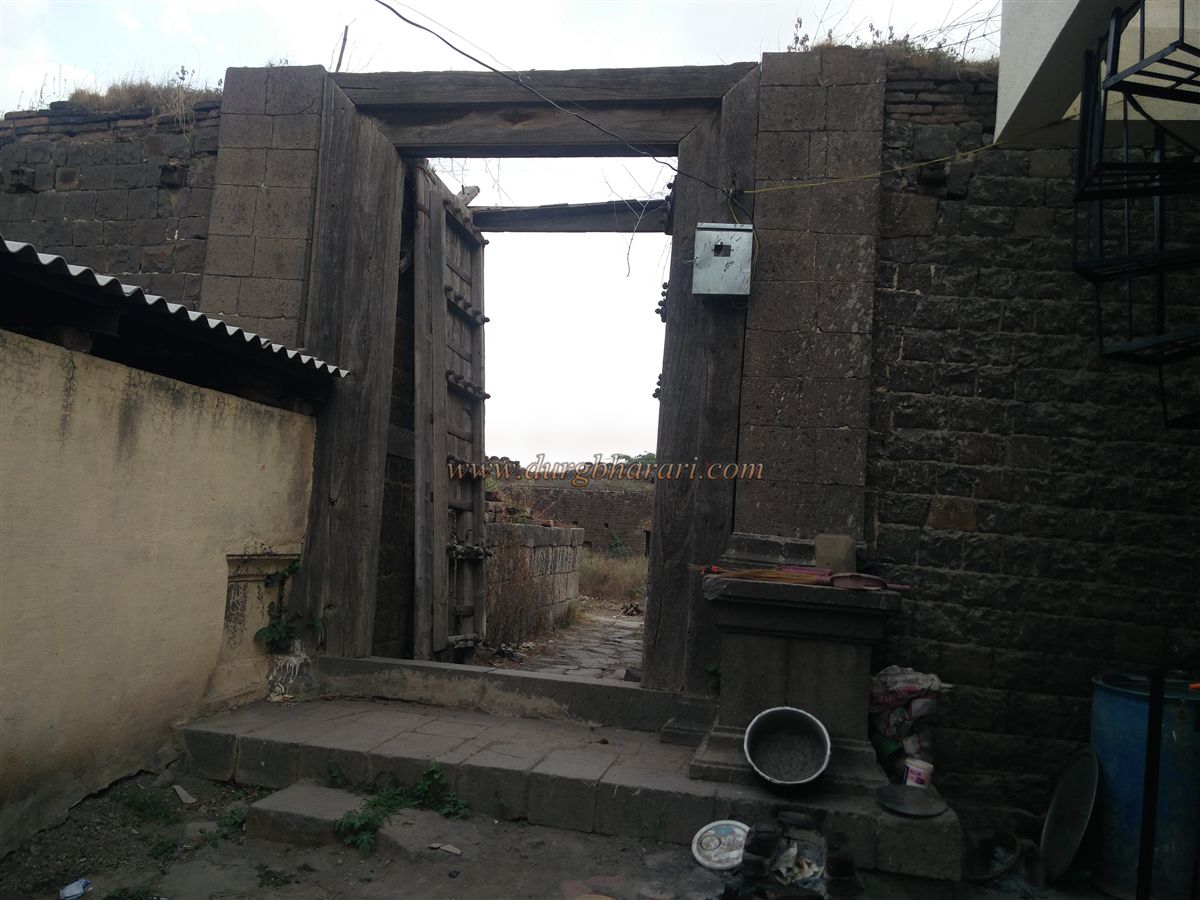
The story of the gadhi is not much different. Situated in the middle of the village, the gadhi is now surrounded by houses, and one must navigate through them to reach it. The west-facing entrance of the gadhi—with its wooden arch and gate—still stands in good condition, although the upper portion above the entrance has completely collapsed. On entering, large platforms are seen on both sides.
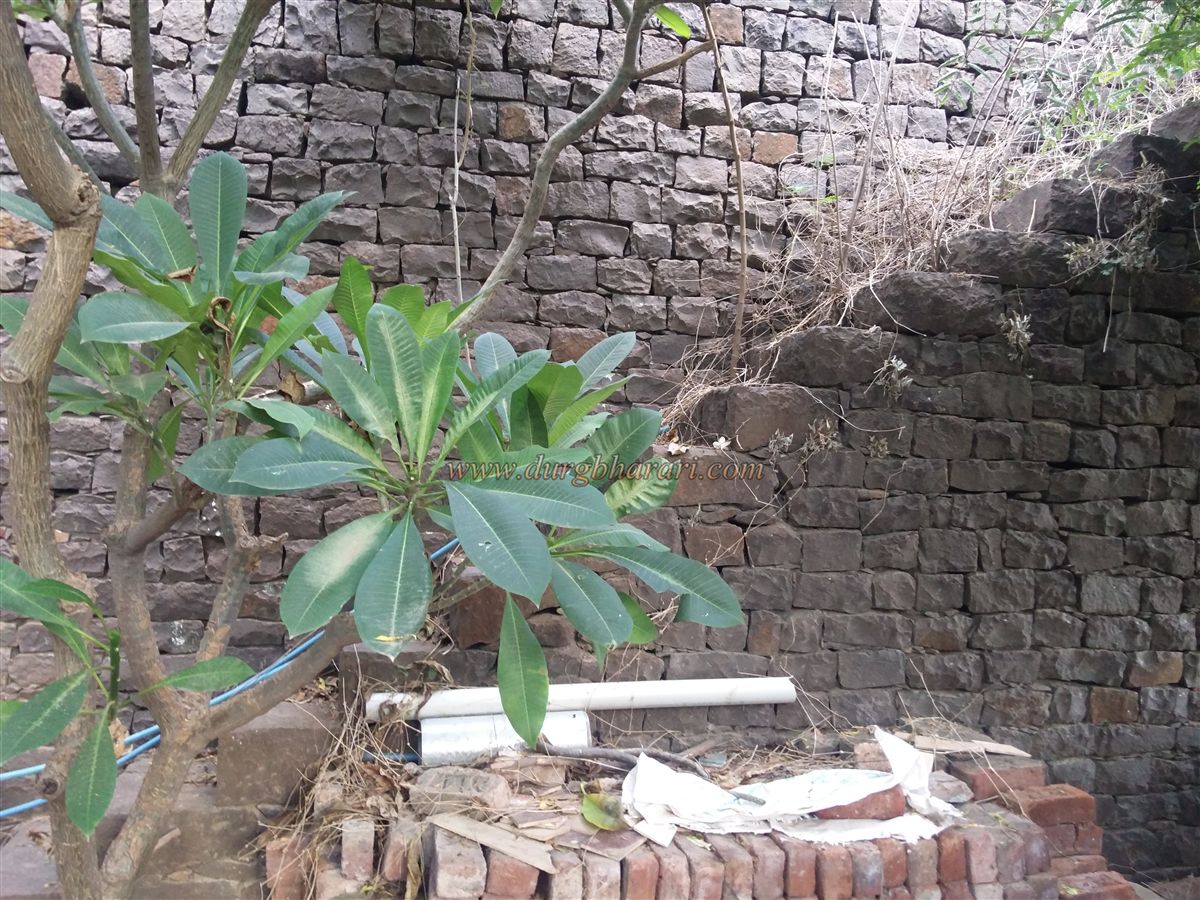
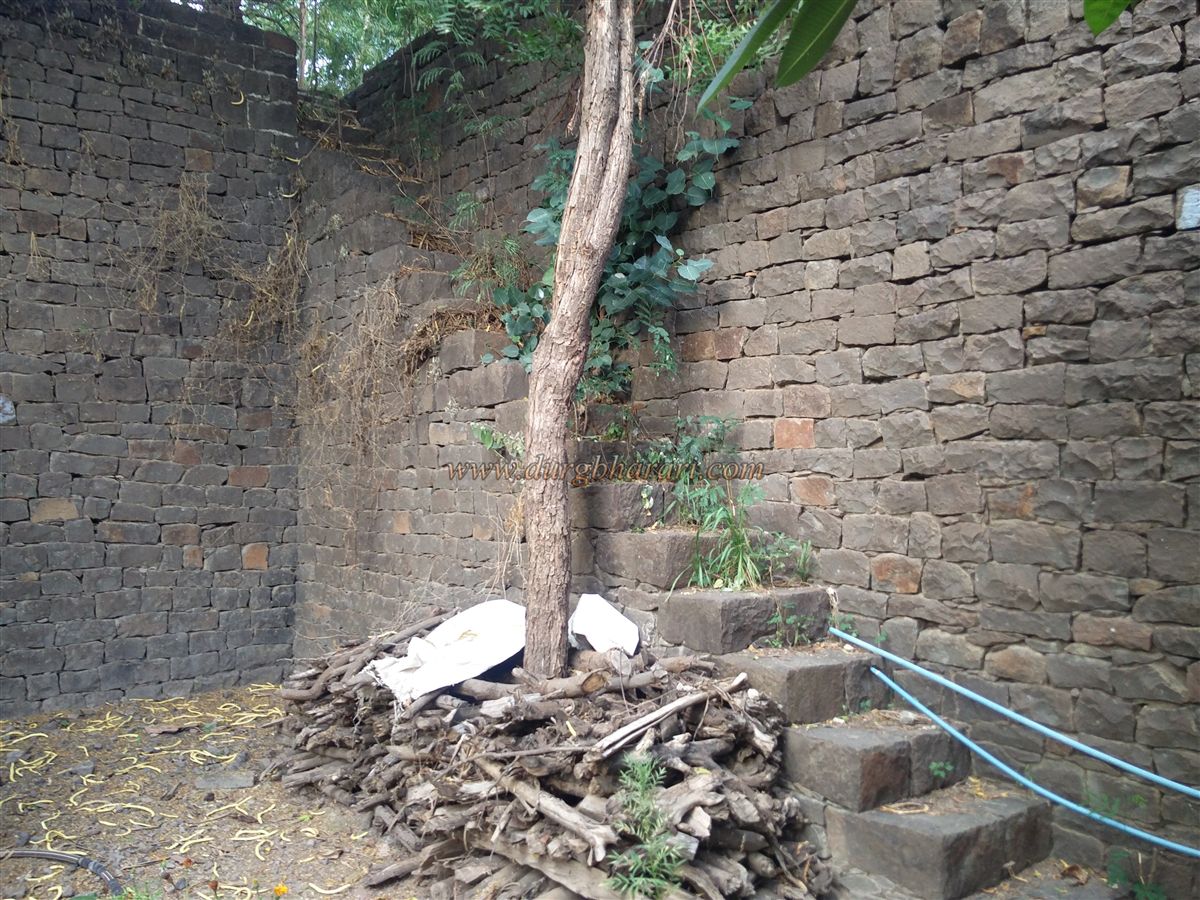
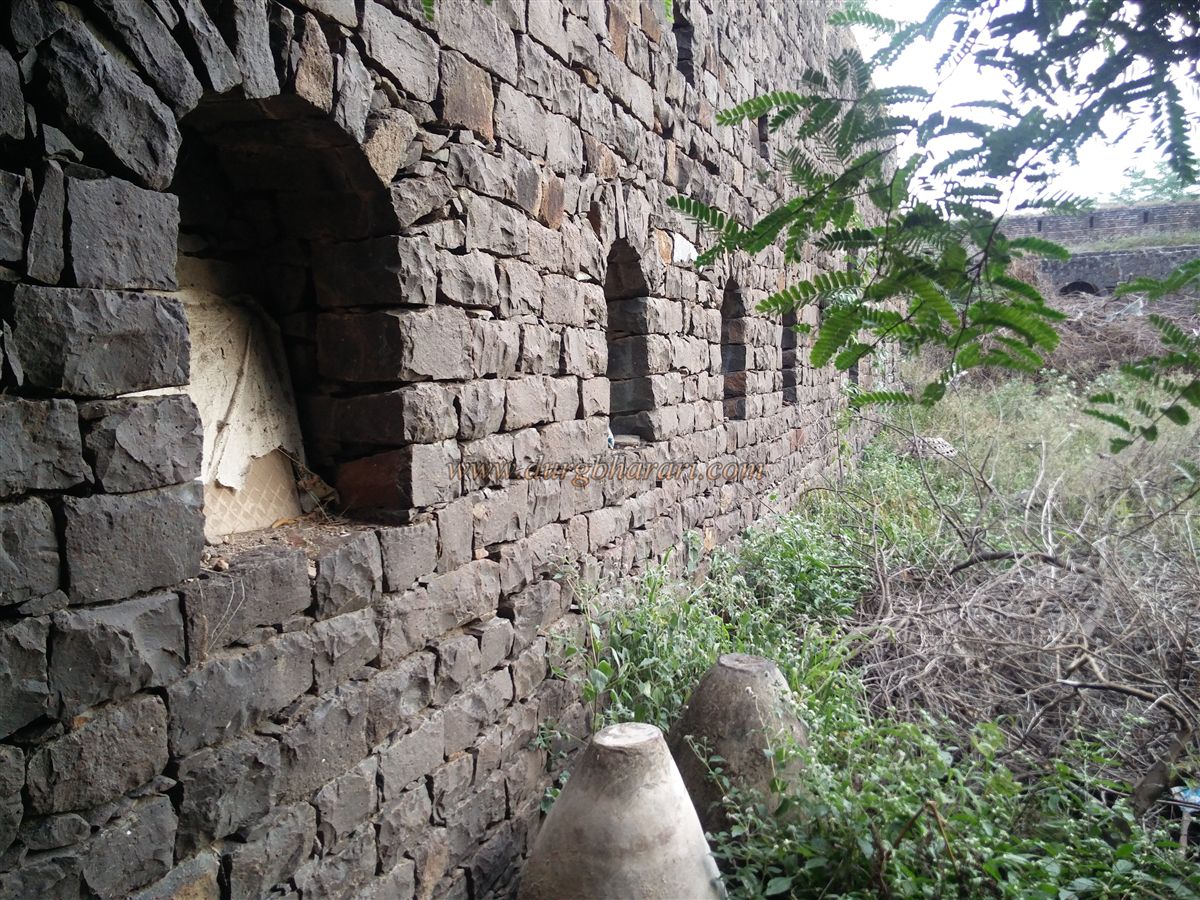
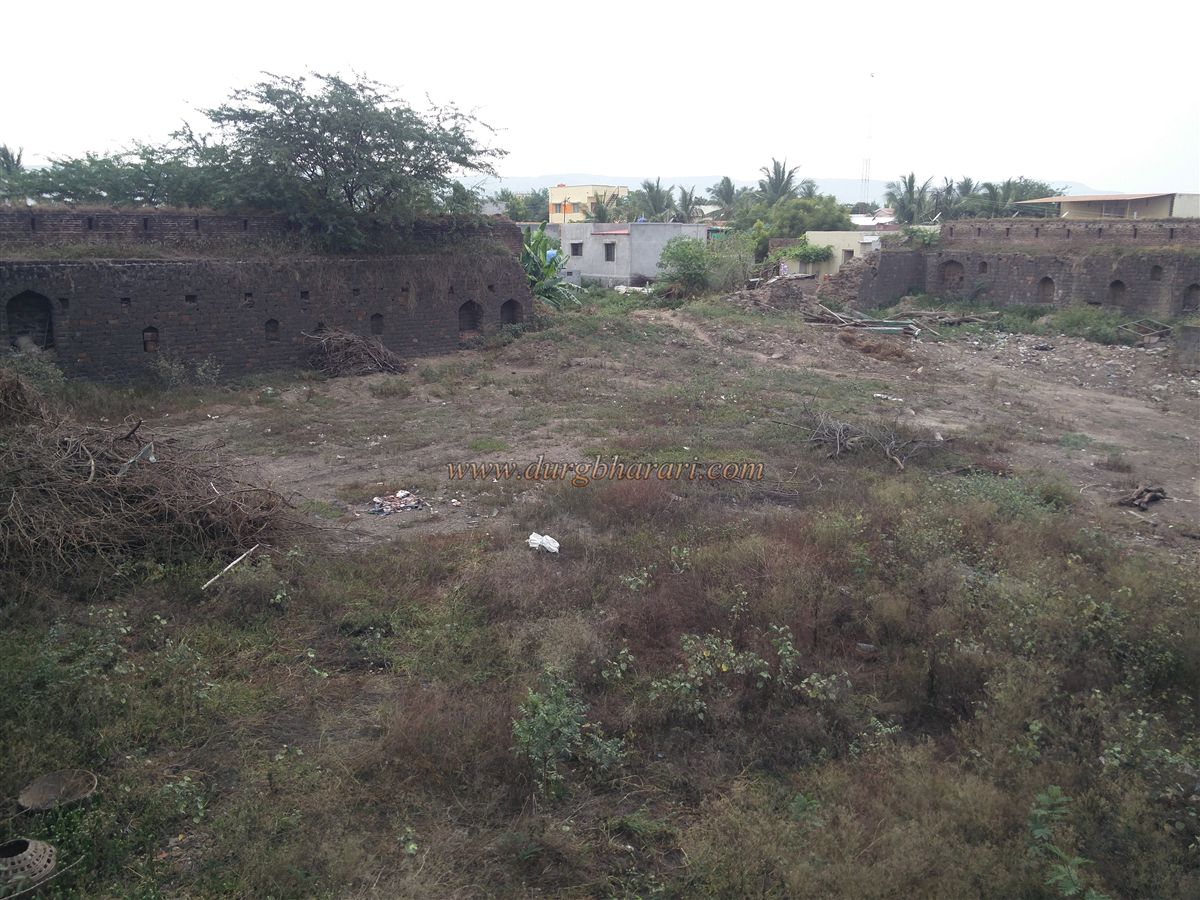
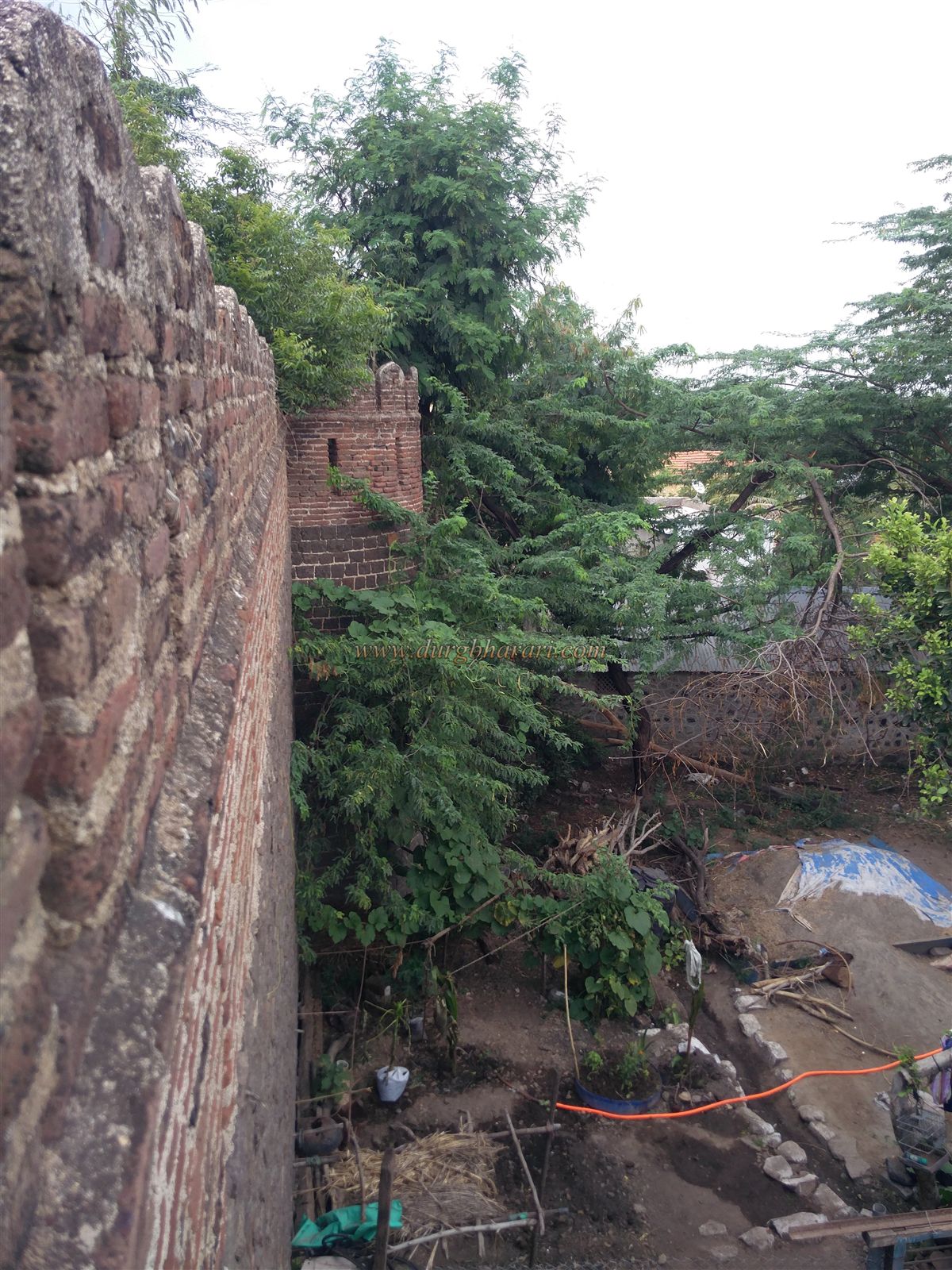
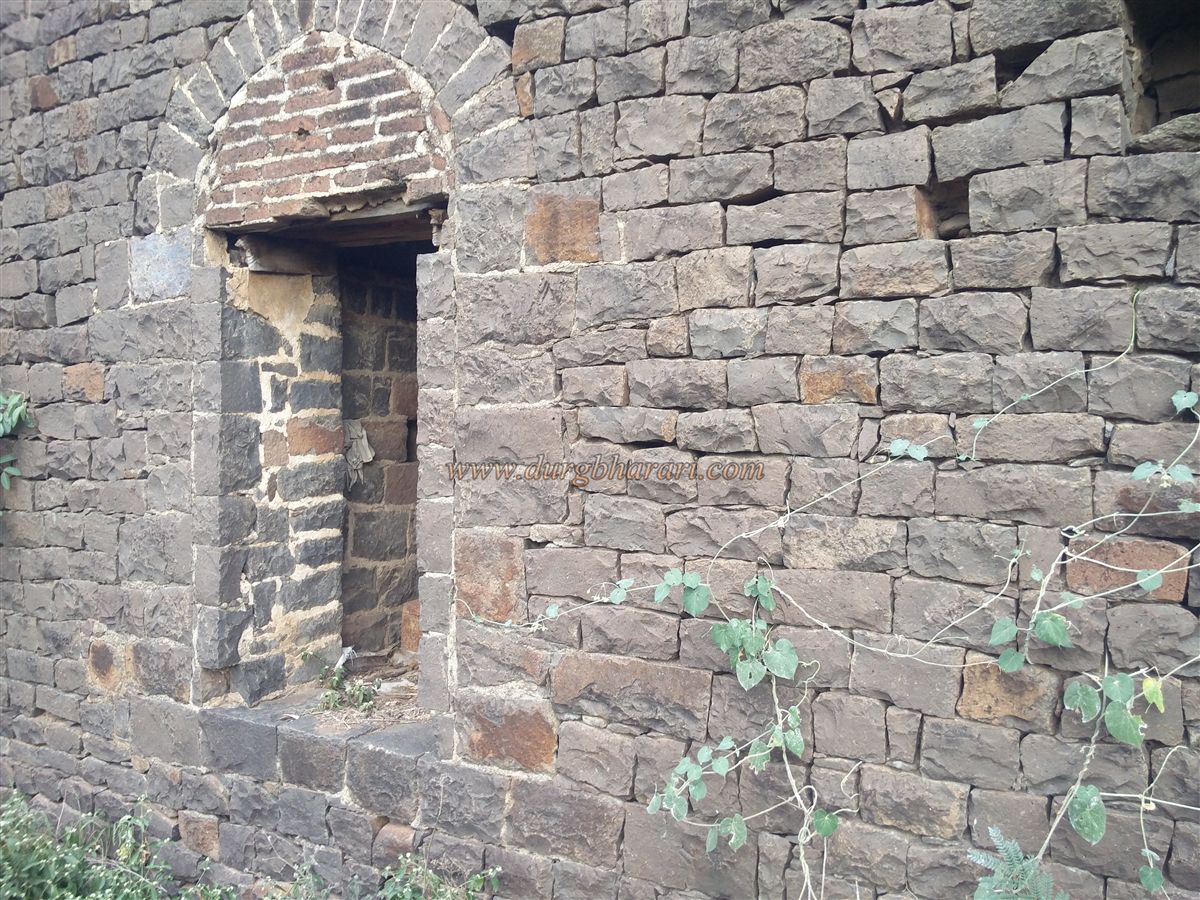
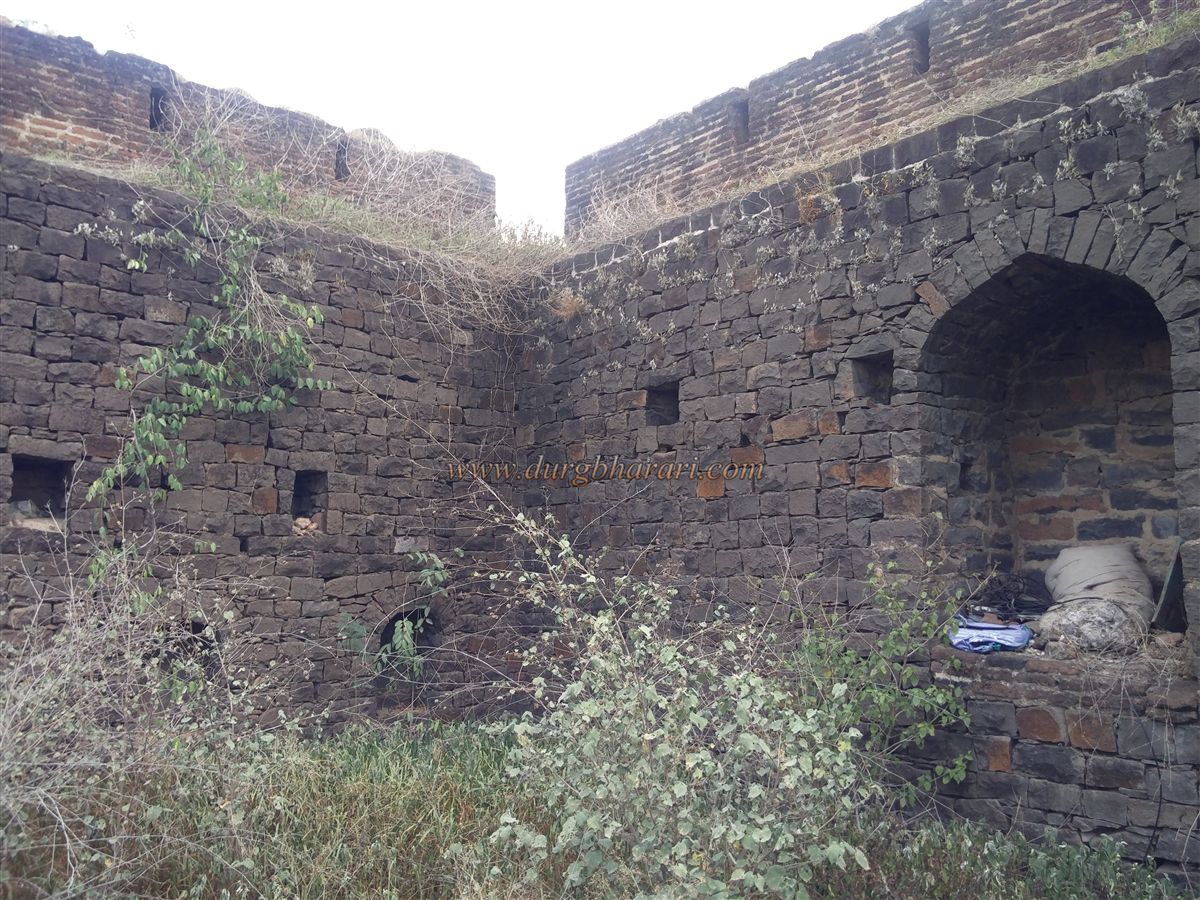
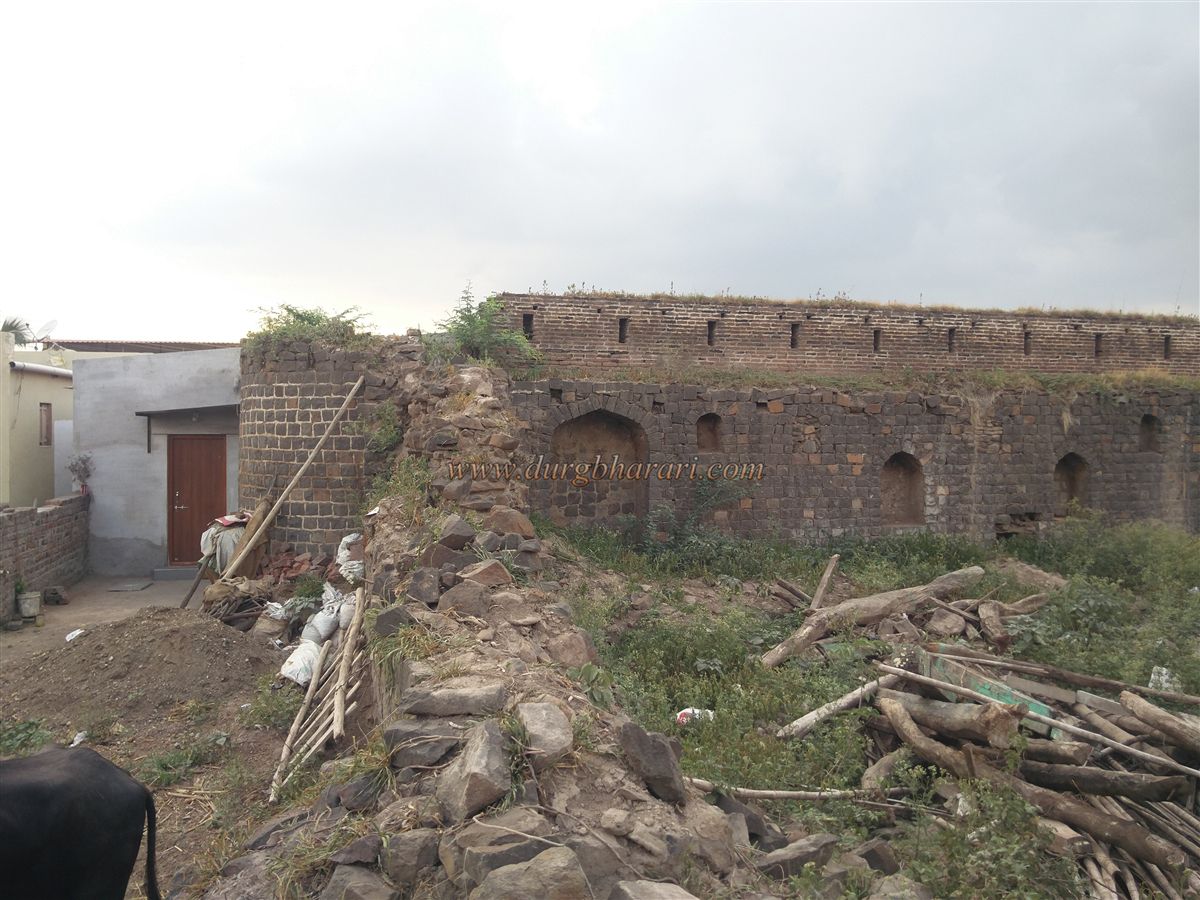
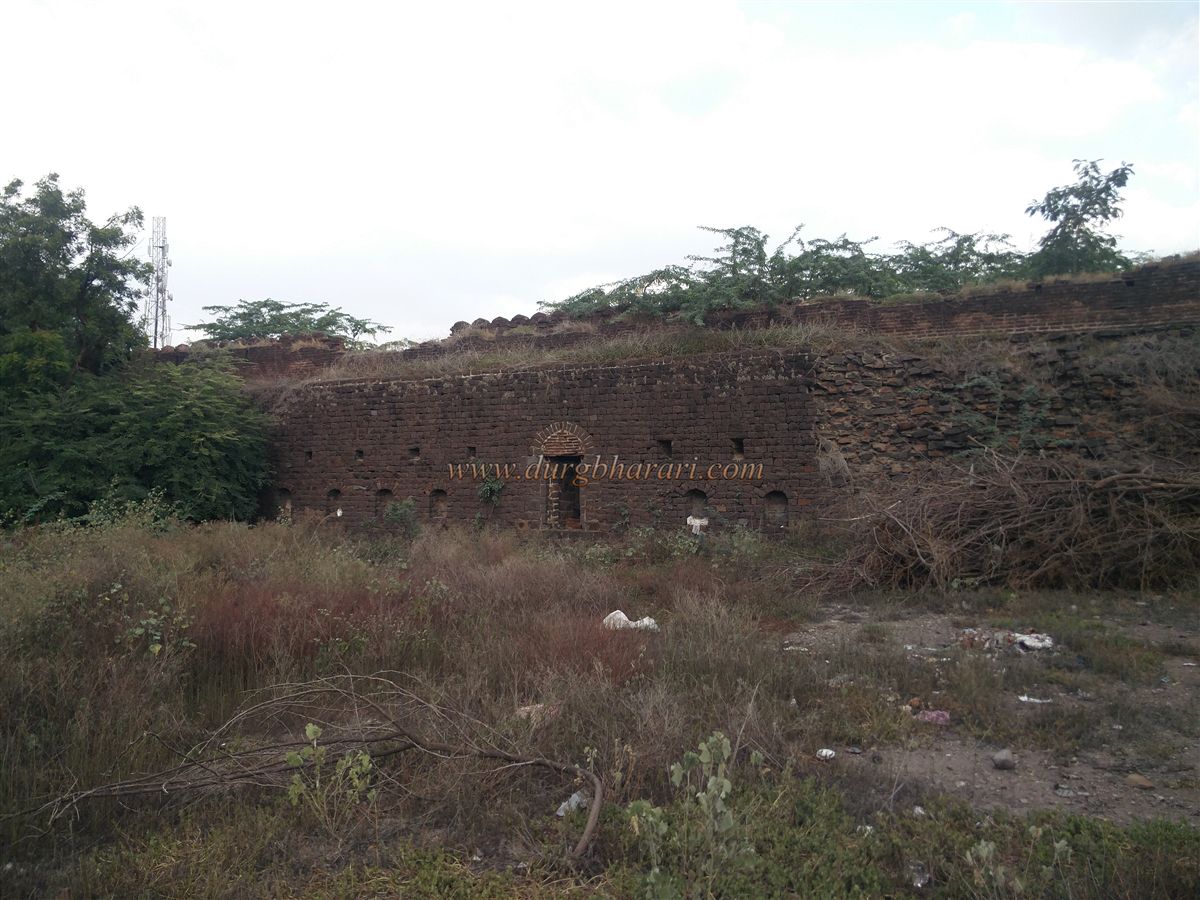
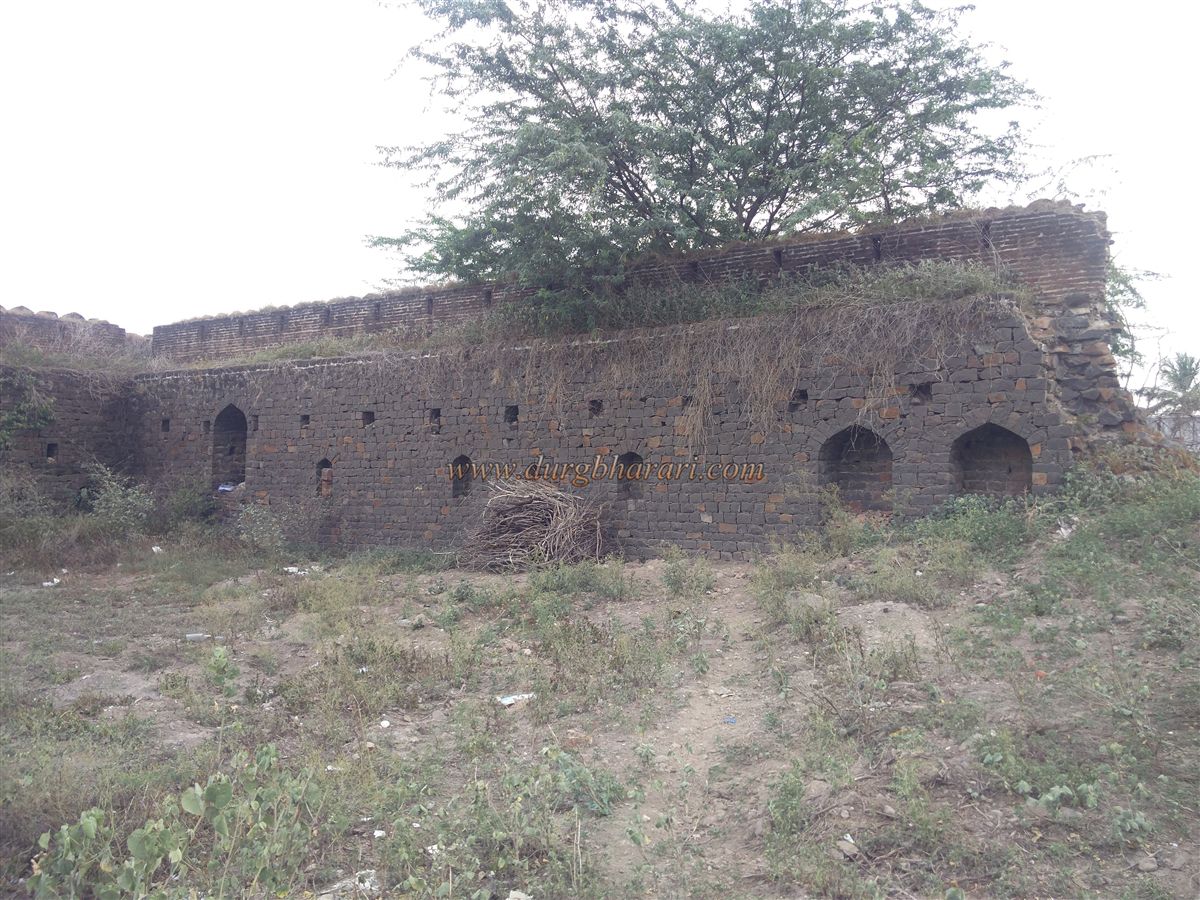
The gadhi, built in a square layout, covers around half an acre and features four round bastions at each corner. The lower portion of the outer walls is made of dressed stone, while the upper portion is brickwork, with openings (jangya) for firing guns. Inside the gadhi, there are several archways and corridors. Three staircases lead to the ramparts, but due to the collapse of two sections and overgrowth, it is not possible to circle the entire fort wall.
The southern wall has suffered the most damage. Inside, much of the ground has been levelled, leaving no significant architectural remains. In one corner of the gadhi is a newly built house belonging to the descendant Bobade Patil, who has little knowledge about his ancestors or the history of the fort.
It takes around half an hour to explore the gadhi and its surviving walls. While no specific historical information is known about this gadhi, the style of construction suggests it was built after the era of Shivaji Maharaj.
© Suresh Nimbalkar
GALLERY