BIBI KA MAQBARA
TYPE : TOMB / MONUMENTS
DISTRICT : AURANGABAD
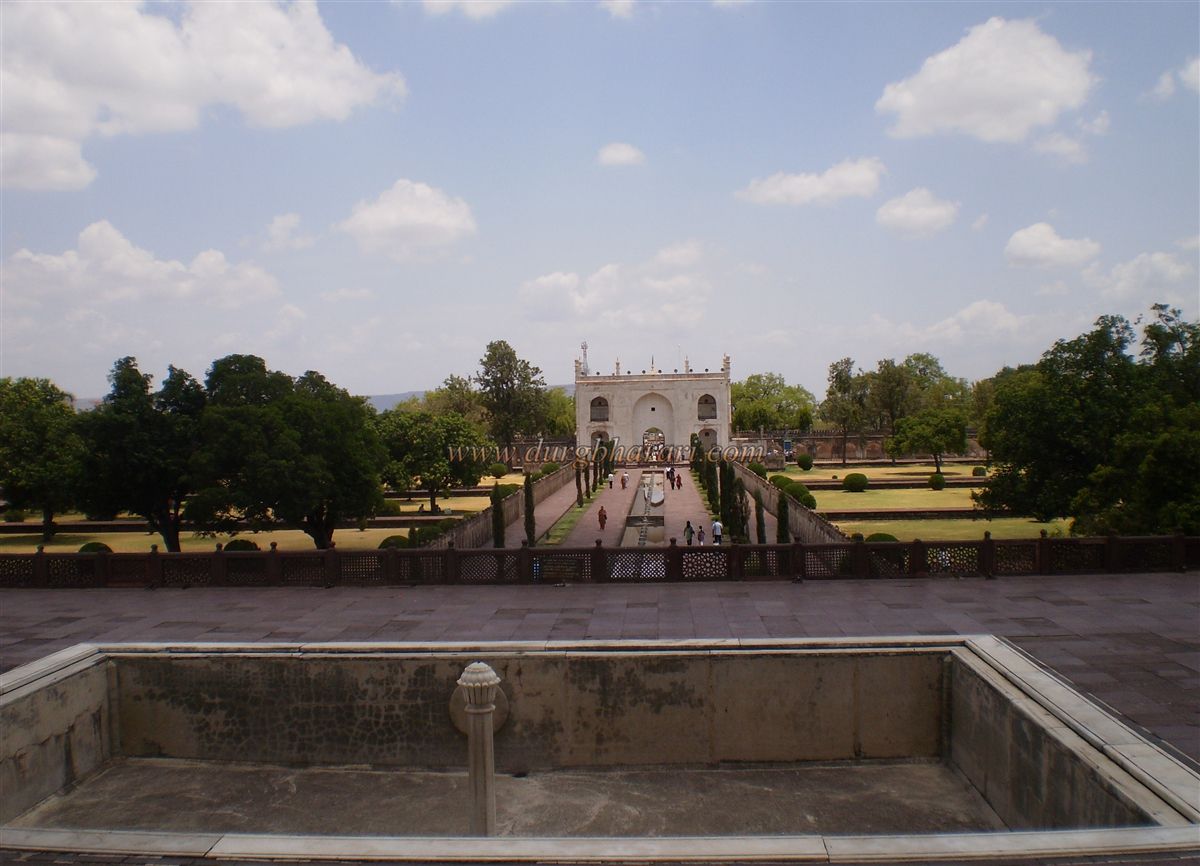
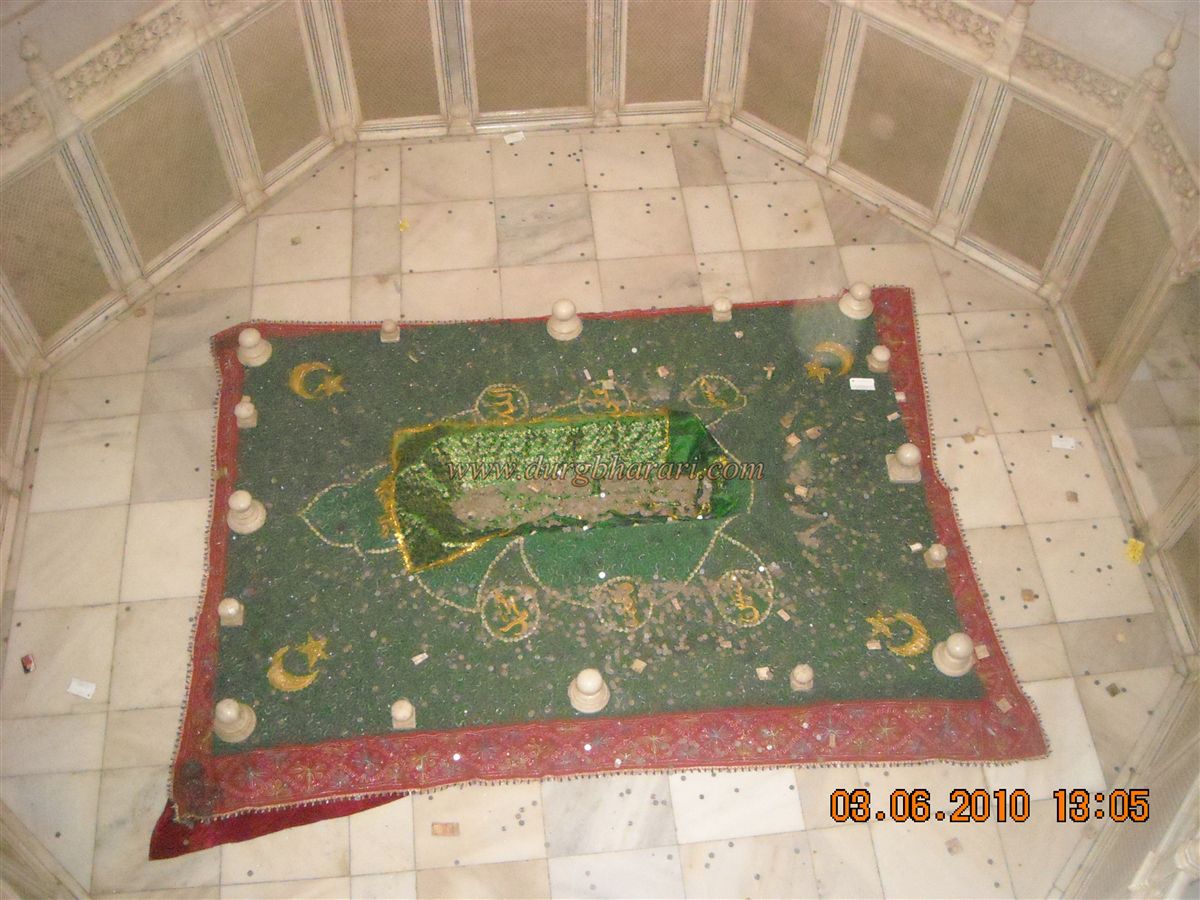
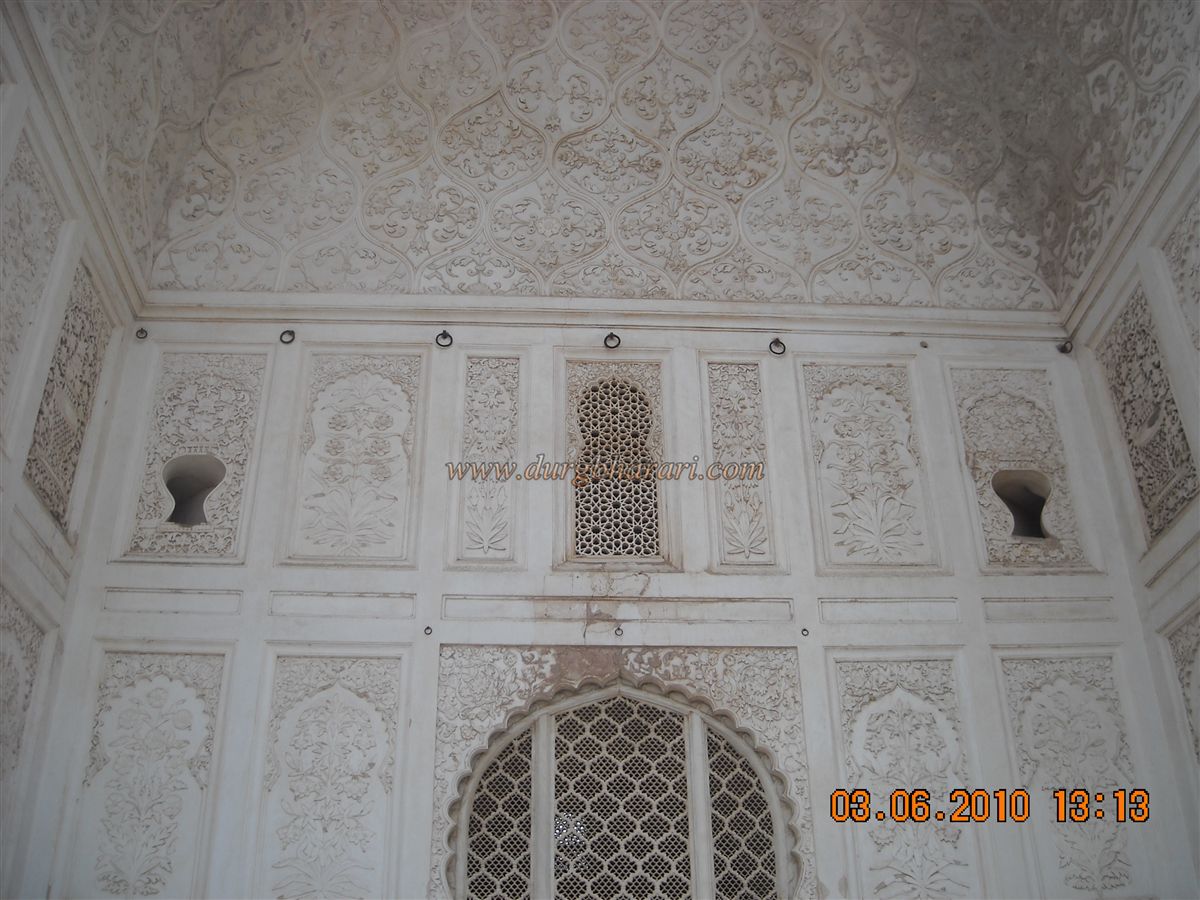
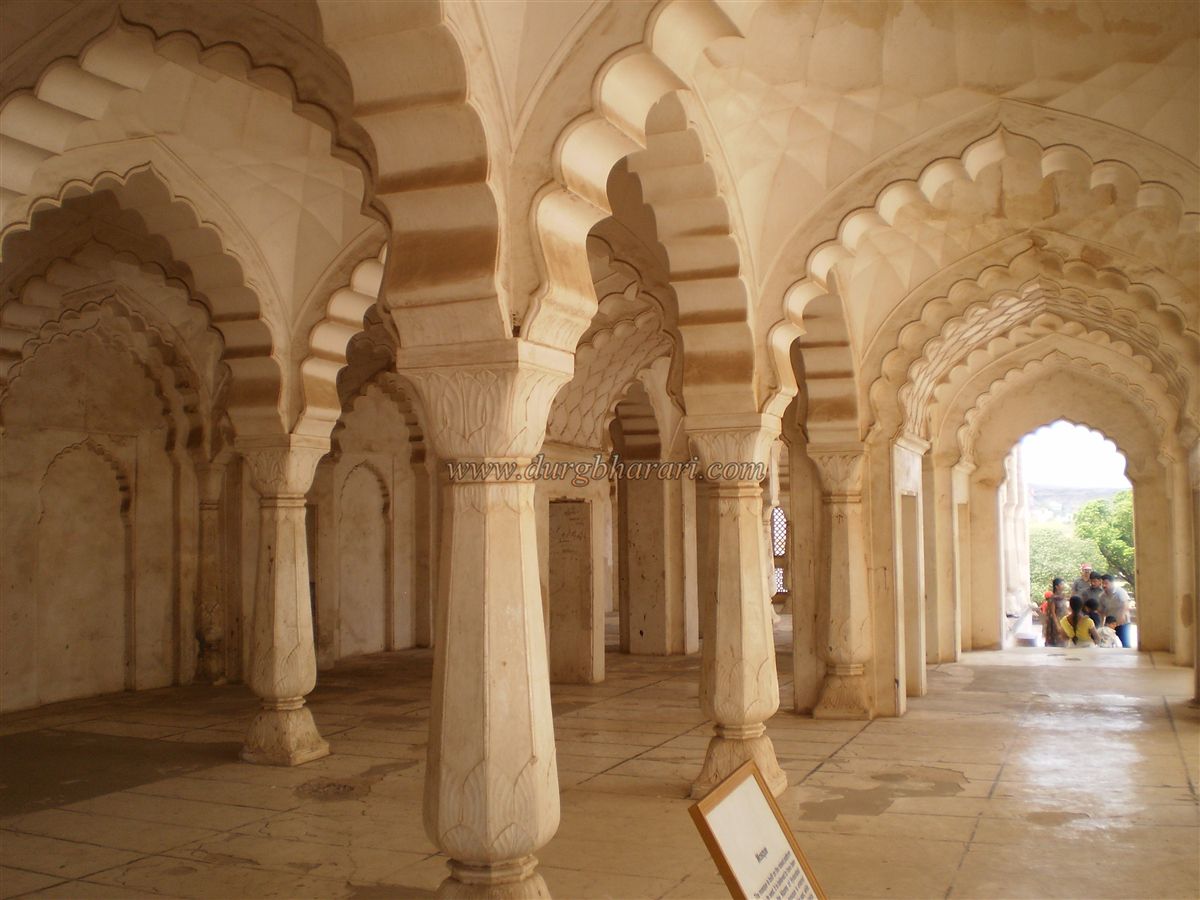
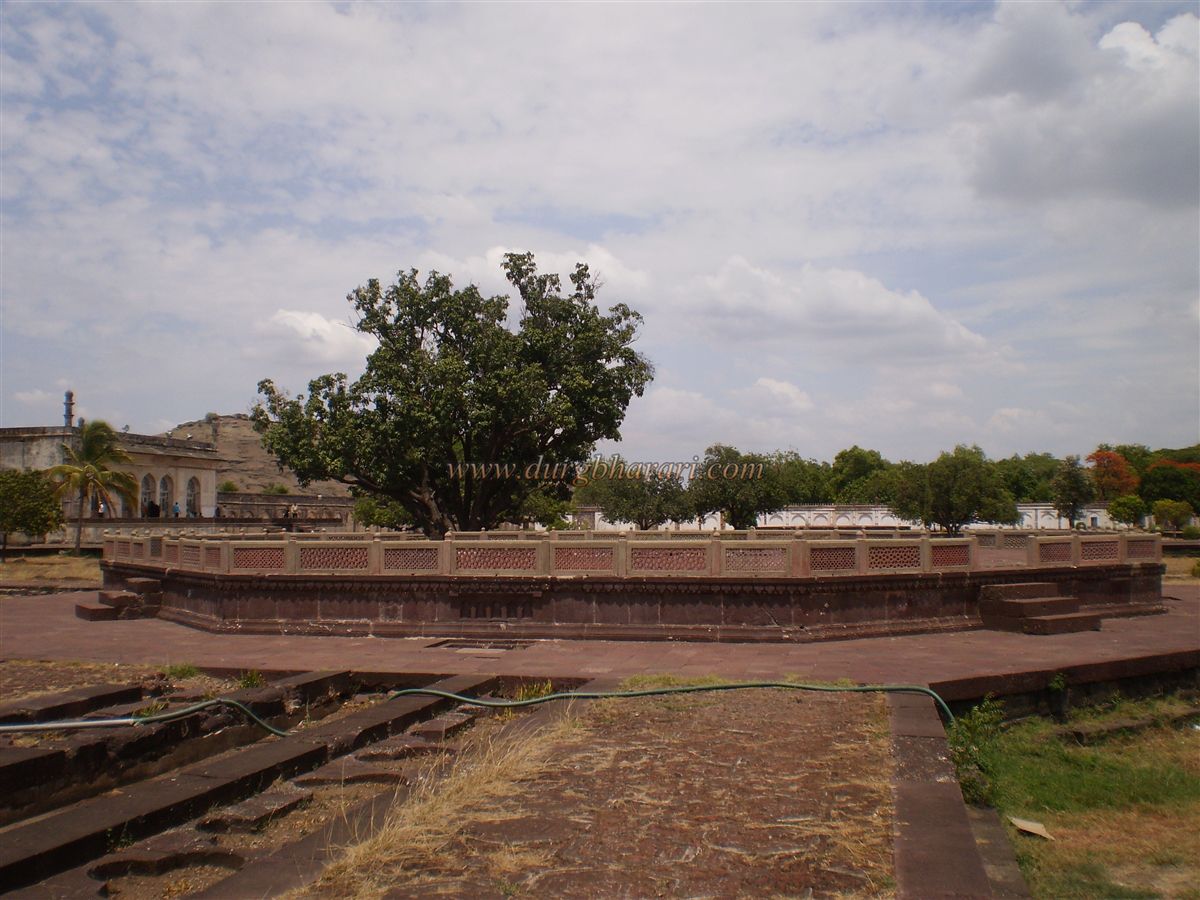
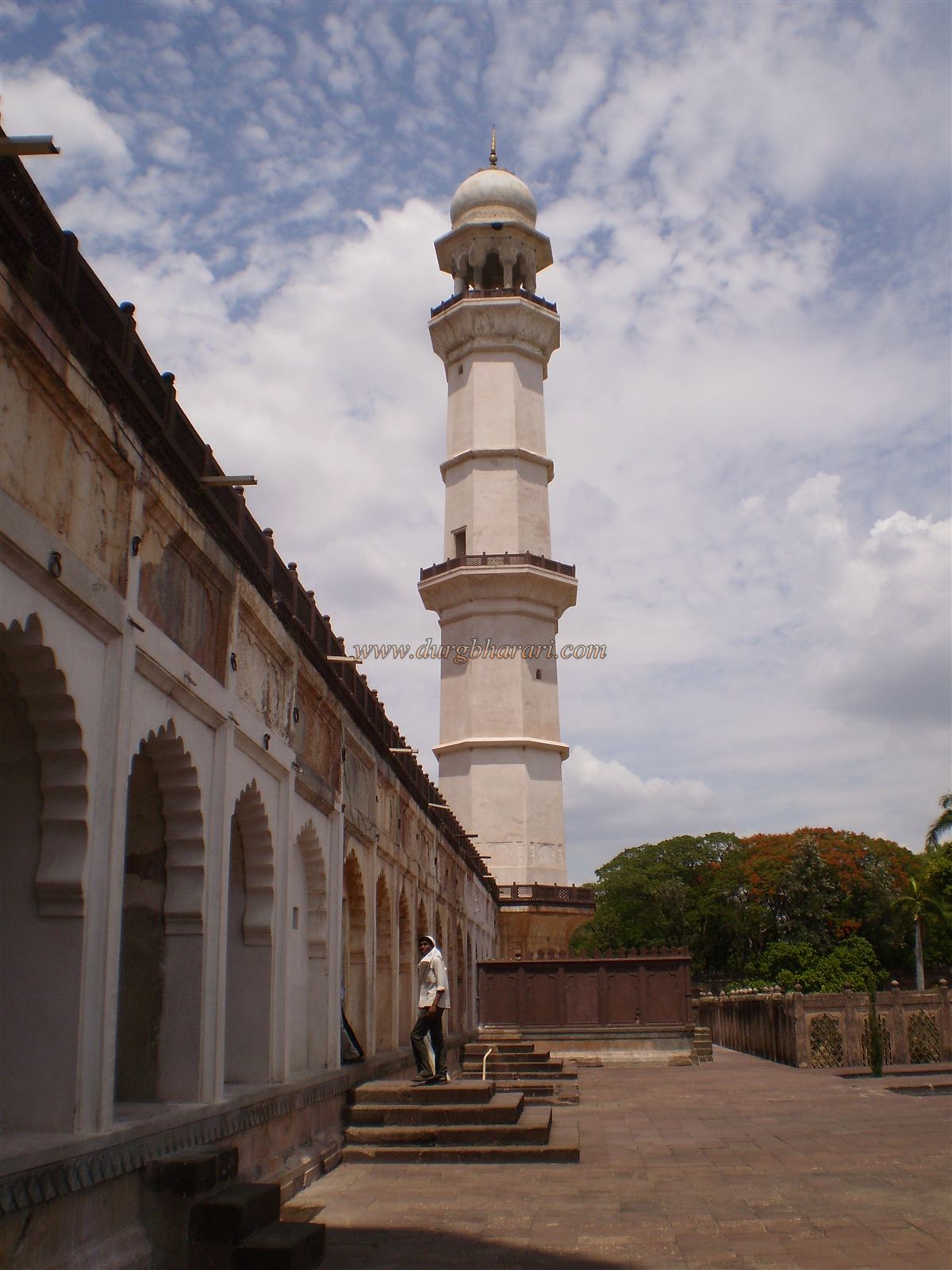
The Bibi Ka Maqbara, a Mughal-era monument, is one of the finest structures in the Deccan region. After the construction of the Taj Mahal in Agra, the Bibi Ka Maqbara was built in the Deccan in a similar style. It is located at the foot of the Sihanchal mountain range on the western side of the city. The intricate carvings on the structure enchant every visitor, and marble has been used in some parts of its construction. Built in the Charbagh layout, the Maqbara is protected by strong fortification walls, with octagonal bastions at all four corners.
In the Mughal era, water was given special importance, which is why most monuments were constructed along rivers. Just as the Taj Mahal was built on the banks of the Yamuna, the Bibi Ka Maqbara was constructed on the banks of the Kham River.
...
There are many differing opinions regarding who built the Bibi Ka Maqbara. According to the inscription outside the structure placed by the Archaeological Department, it was built by Azam Shah, son of Aurangzeb, in memory of his mother Dilras Bano Begum. This claim is also supported by the government gazetteer of Aurangabad and by the writer Campbell Cloud in his 1898 book Glimpses of Nizam’s Dominion.
However, historian Jadunath Sarkar, who wrote extensively on Mughal emperors, states that Azam Shah was born in 1653. Moreover, in Jean Tavernier’s Travels in India, it is mentioned that in 1653, 300 bullock carts carrying marble were seen heading toward Aurangabad for the construction of the monument. If construction began in 1653 and Azam Shah was born the same year, how could he have commissioned it?
According to historians, Aurangzeb first came to the Deccan as Subhedar between 1636 and 1644. He married Dilras Bano Begum in 1637, and was later sent to Kabul and Kandahar in 1644. In 1652, he returned to Agra with his wife. Around that time, the Taj Mahal had just been completed. Dilras Bano Begum was so impressed by its beauty that she insisted on building a replica in the Deccan. When Aurangzeb was again appointed Subhedar of the Deccan in 1653, he sought permission from Shahjehan to construct Bibi Ka Maqbara and began work on it. The monument was completed in 1660.
Details of the Structure (in square feet):
• 500 x 300 – total area of the monument
• 18 x 28 – size of the first tank upon entry
• 72 x 72 – area of the platform of the tomb
• 72 ft. – height of the minarets
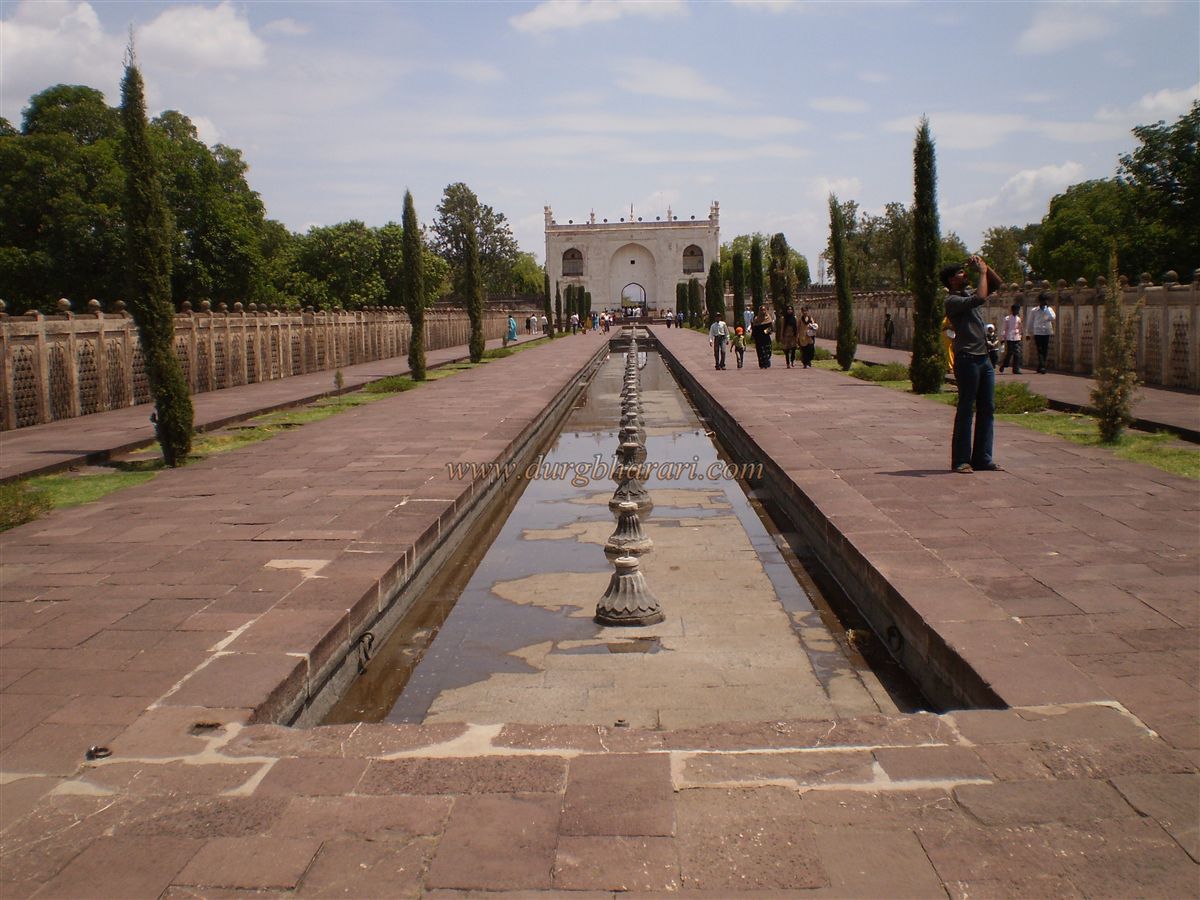
• 61 – number of fountains in the long water tank
• 488 x 9 x 3 ft – length x width x depth of the water tank
Additional Facts:
• The word Maqbara is Arabic and means tomb.
• The architect was Ataullah Khan, son of Ustad Ahmad Lahori (architect of the Taj Mahal).
• The engineer in charge was Hanspat Rai.
• Construction cost: ₹6, 68,203 and 7 annas.
• After Shalimar Gardens in Kashmir, Bibi Ka Maqbara has the longest water tanks.
• Dilras Bano Begum was also known as Rabia-ud-Daurani.
• The gardens of the Maqbara were irrigated using water from Nahar-e-Ambari, Thatte Haud, and Hathi Kuwa.
© Suresh Nimbalkar
GALLERY