BIBI
TYPE : GADHI
DISTRICT : BULDHANA
HEIGHT : 0
GRADE : EASY
There are two villages named Bibi in Maharashtra—one in Satara district and the other in Buldhana district. Interestingly, both villages feature privately-owned gadhis (fortified residences). The only difference is that the gadhi in Satara is fully constructed, whereas the one in Buldhana remains incomplete.
During the late Maratha period, many nobles and some merchants built small, ground-level gadhis in their regions. Most of these were private properties used for tax collection and self-defence. The incomplete gadhi in Bibi village, Buldhana, likely belongs to the same category. It is currently inhabited by the descendants of Sardar Malharrao Atole.
There is little to no information available online or in reference books about this gadhi, so this is a small attempt to introduce it.
...
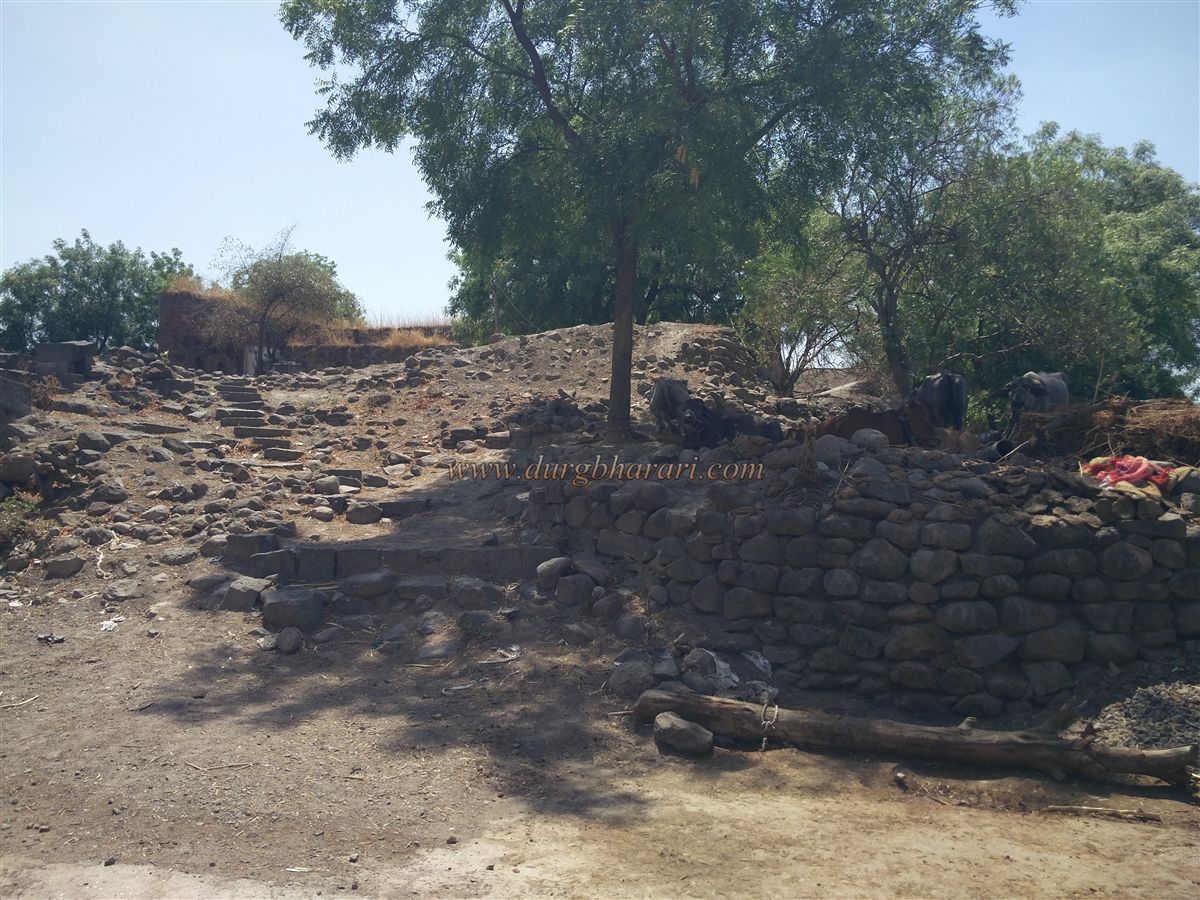
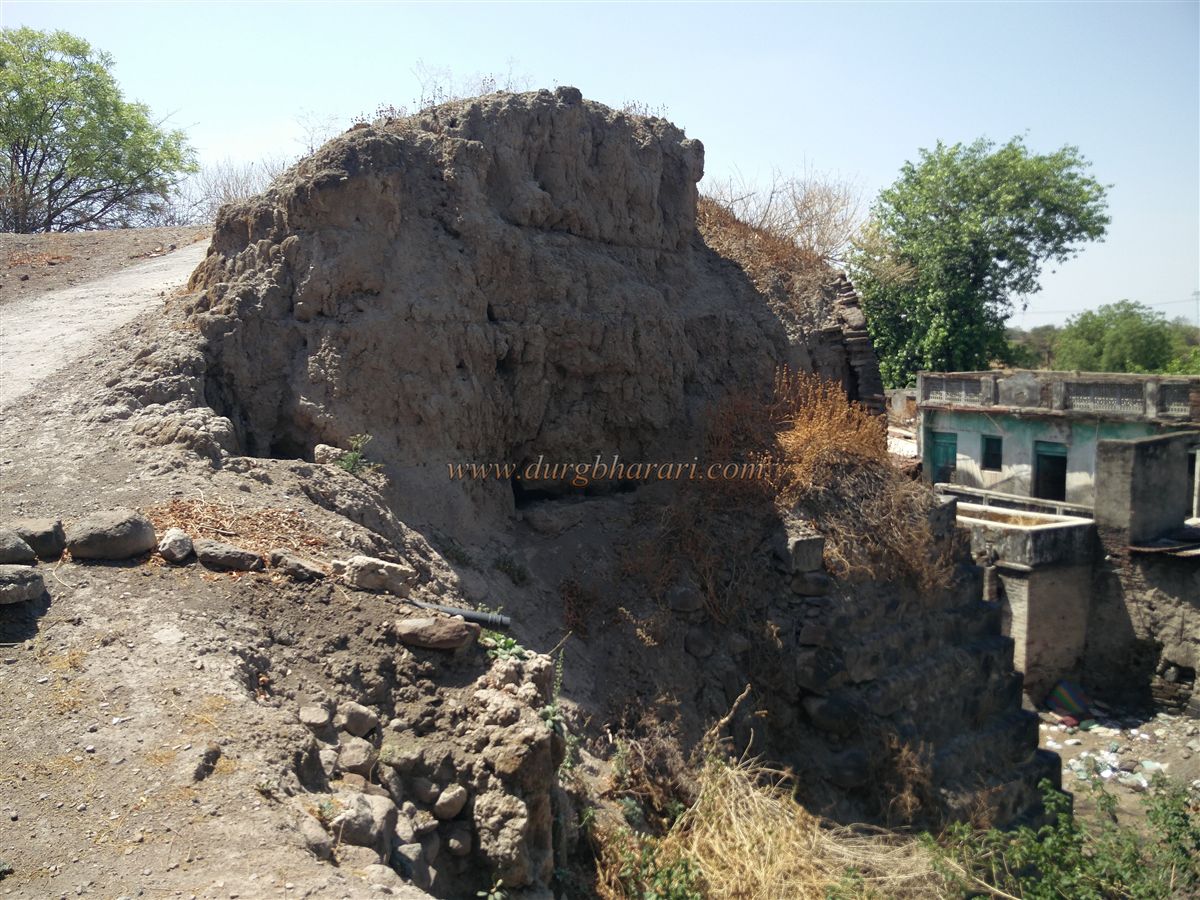
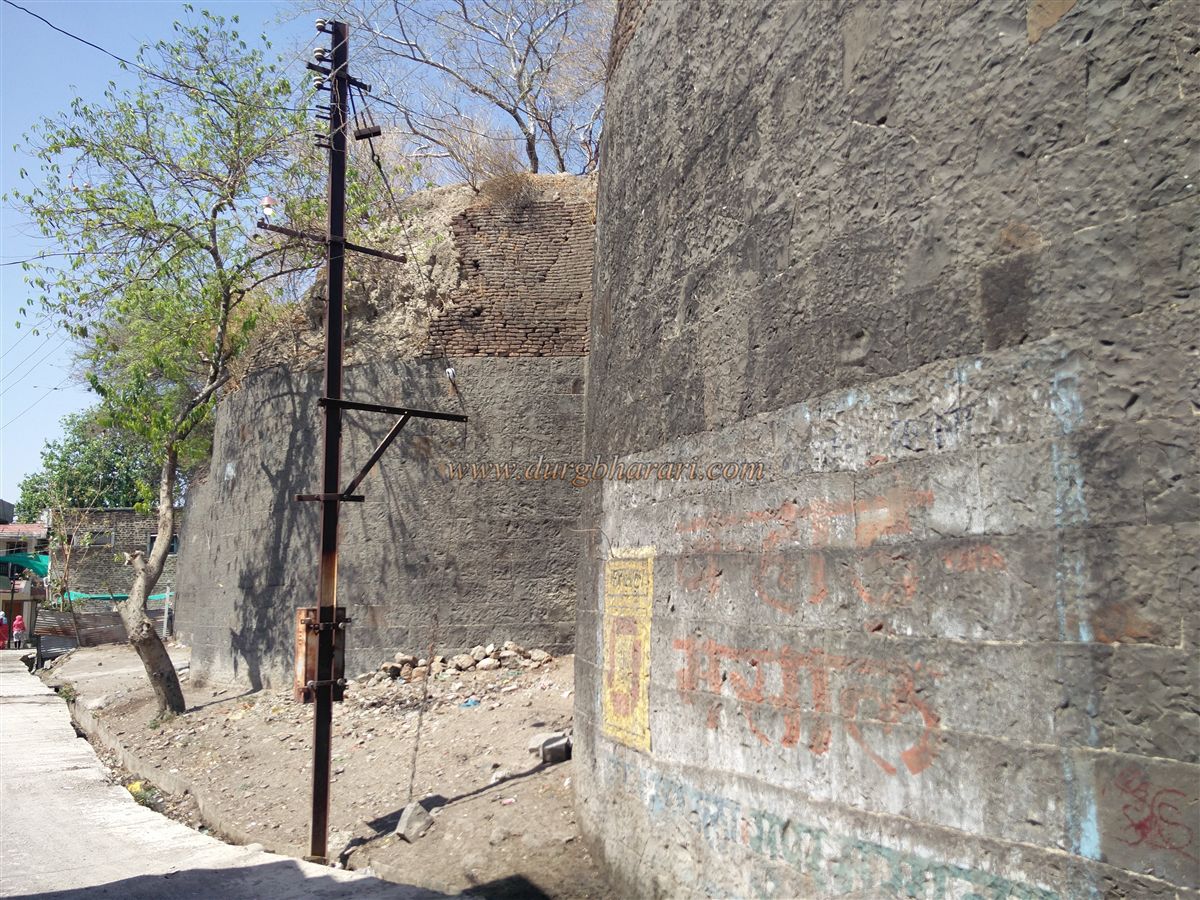
The village is located 60 km from Jalna city and 28 km from the taluka headquarters at Sindkhed Raja. The gadhi is situated in the centre of the village and is now surrounded by houses. Only the three bastions on the western side of the gadhi remain; no significant construction is seen on the other sides.
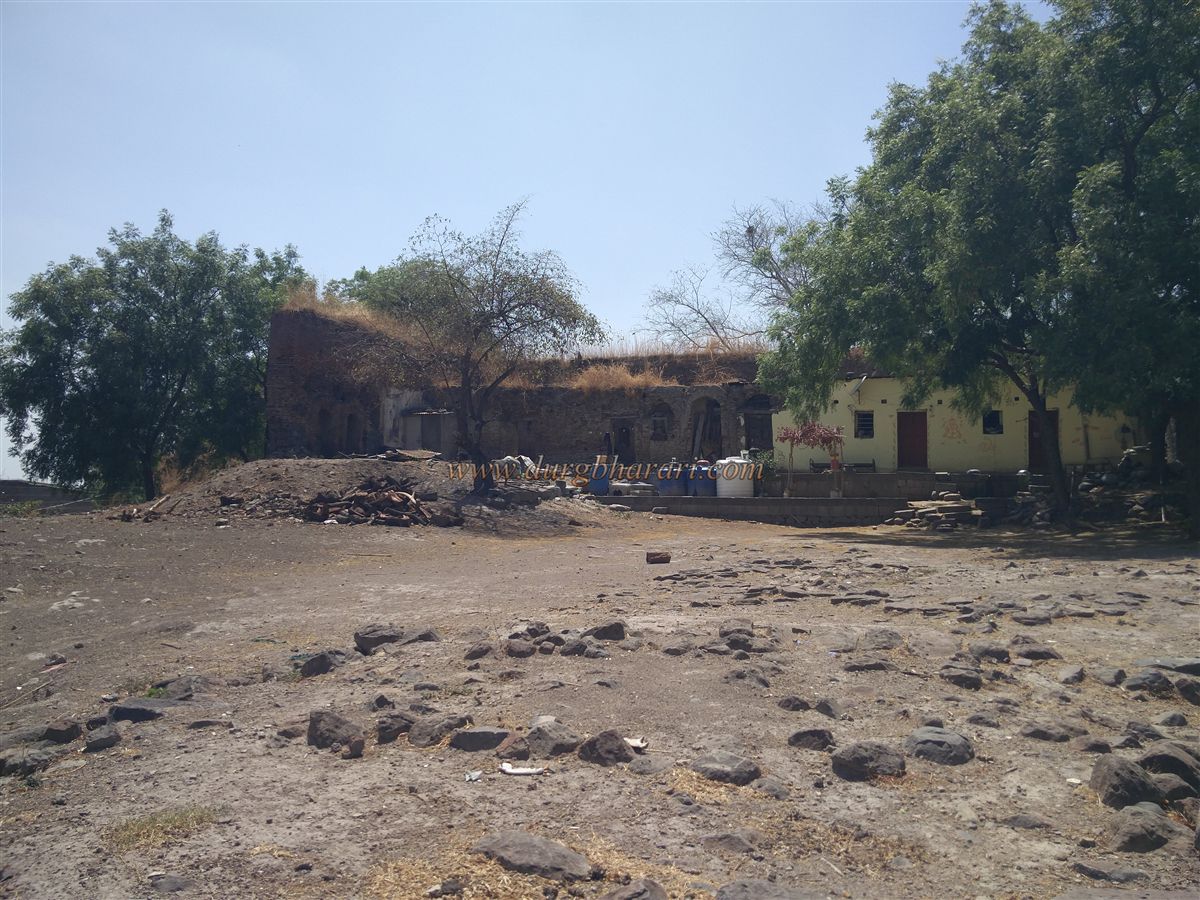
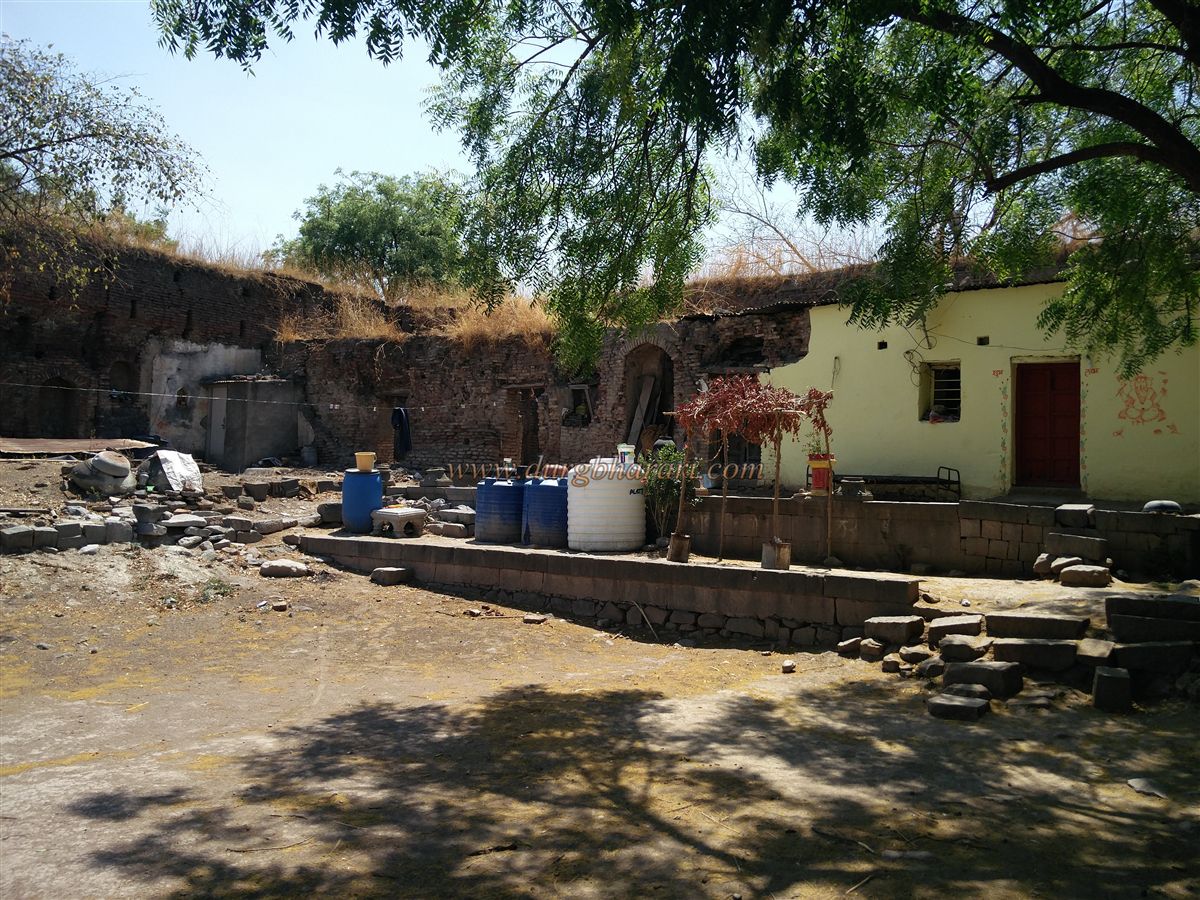
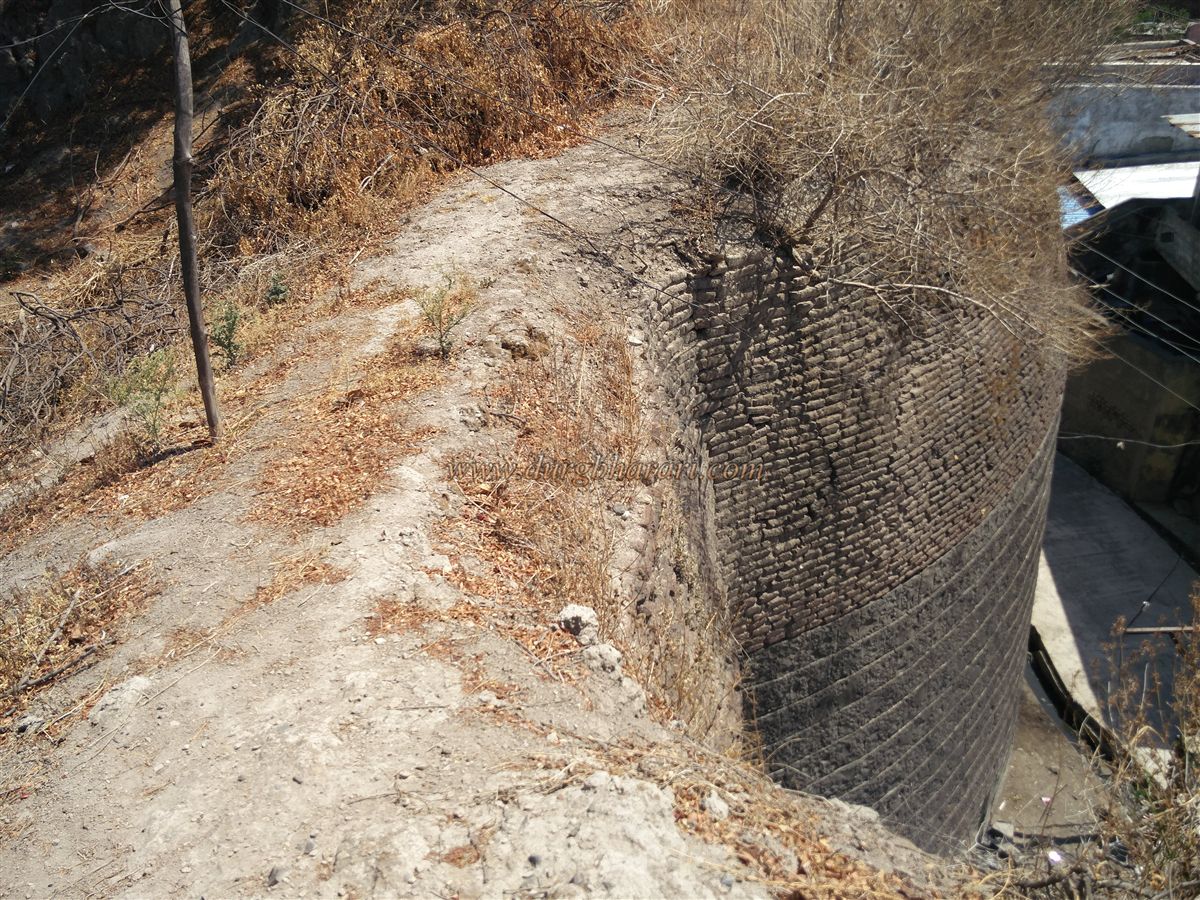
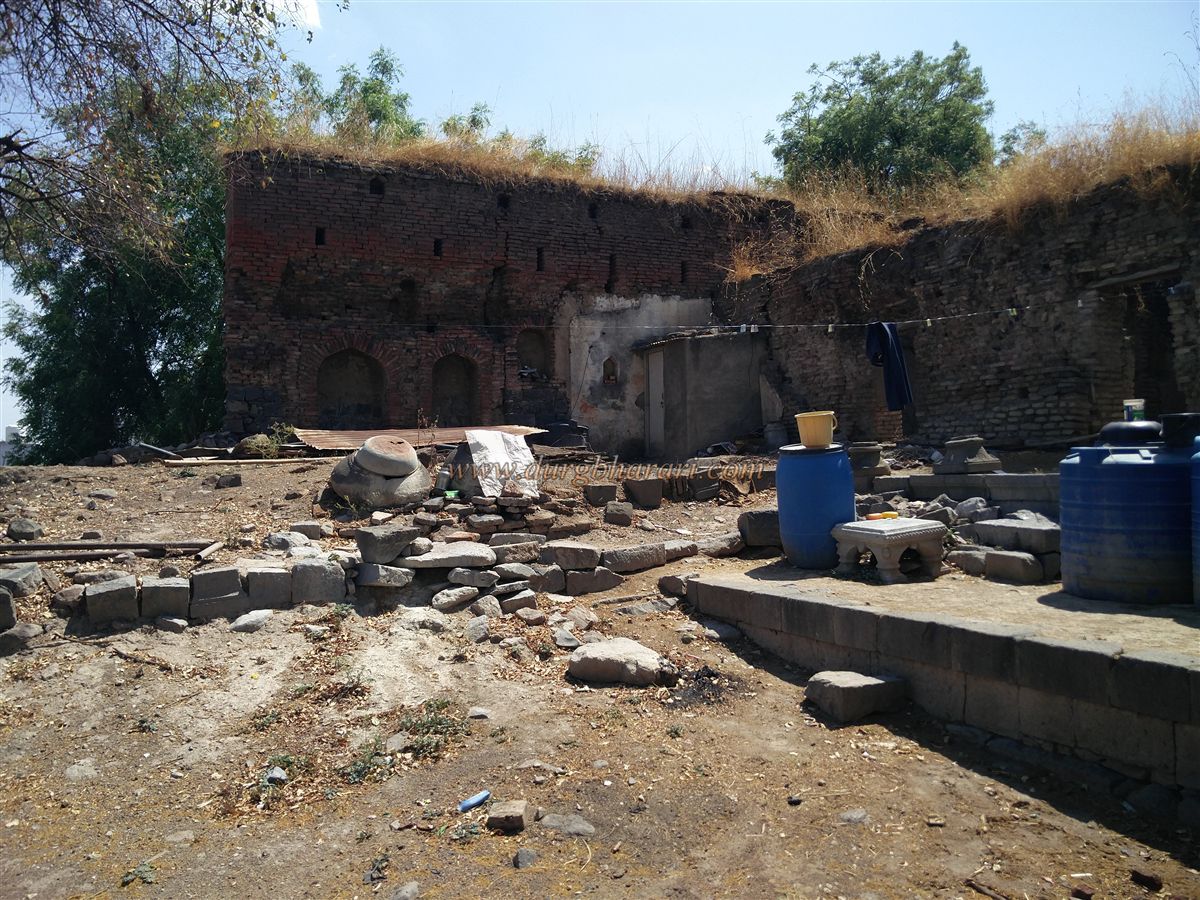
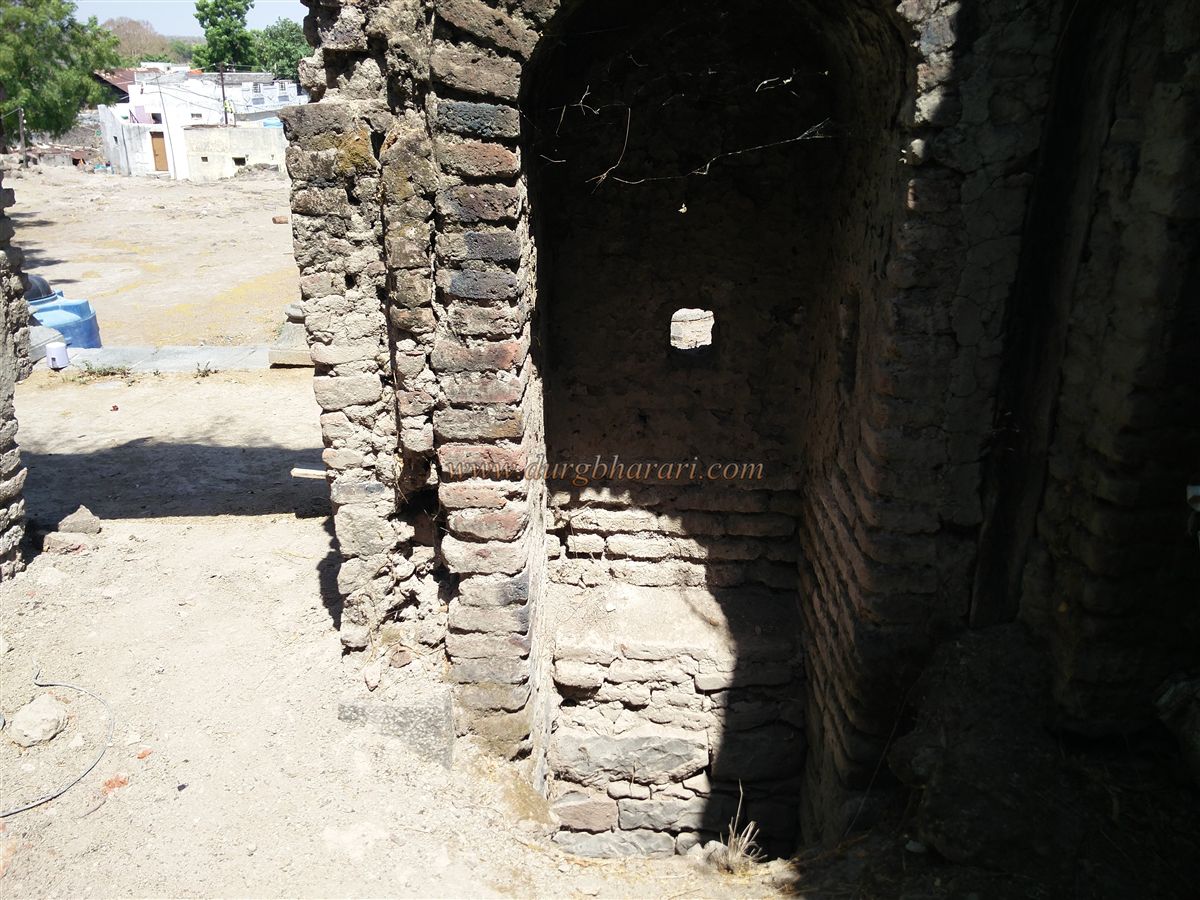
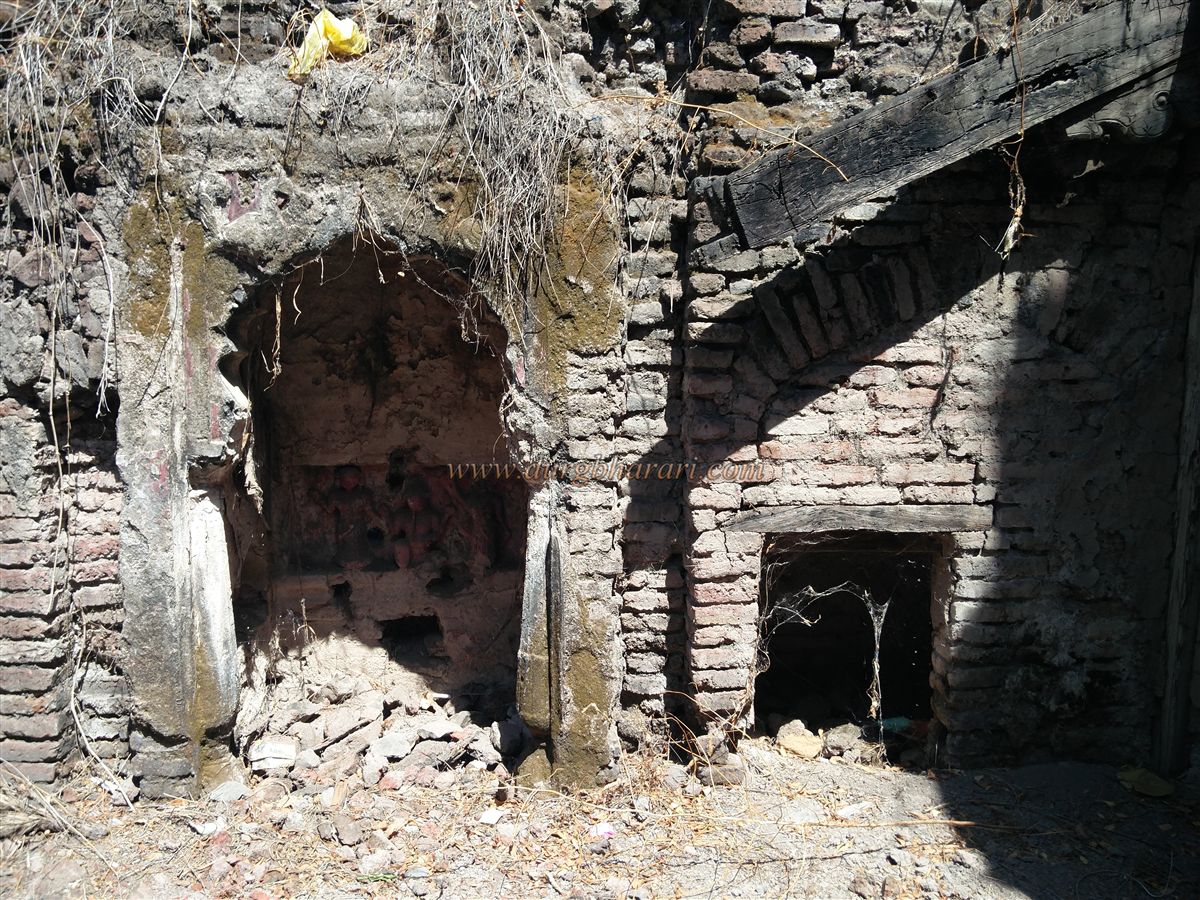
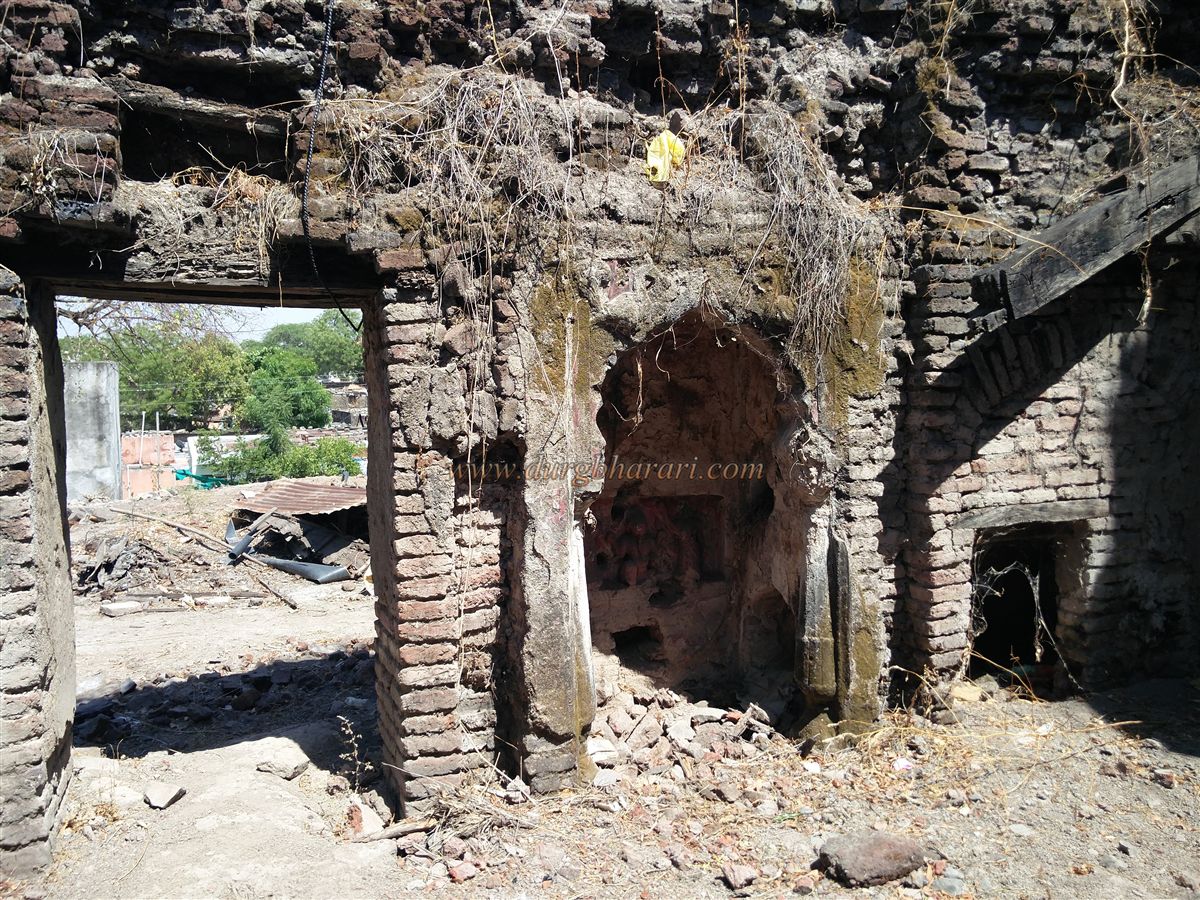
The base of the bastions is made of neatly carved stone, while the upper portion is built using bricks. The gadhi covers approximately half an acre, and on a raised platform inside, one can see remnants of a large mansion, with a base built in dressed stone and ruined walls. Next to the ruins, the descendants of the Atole have built two new houses.
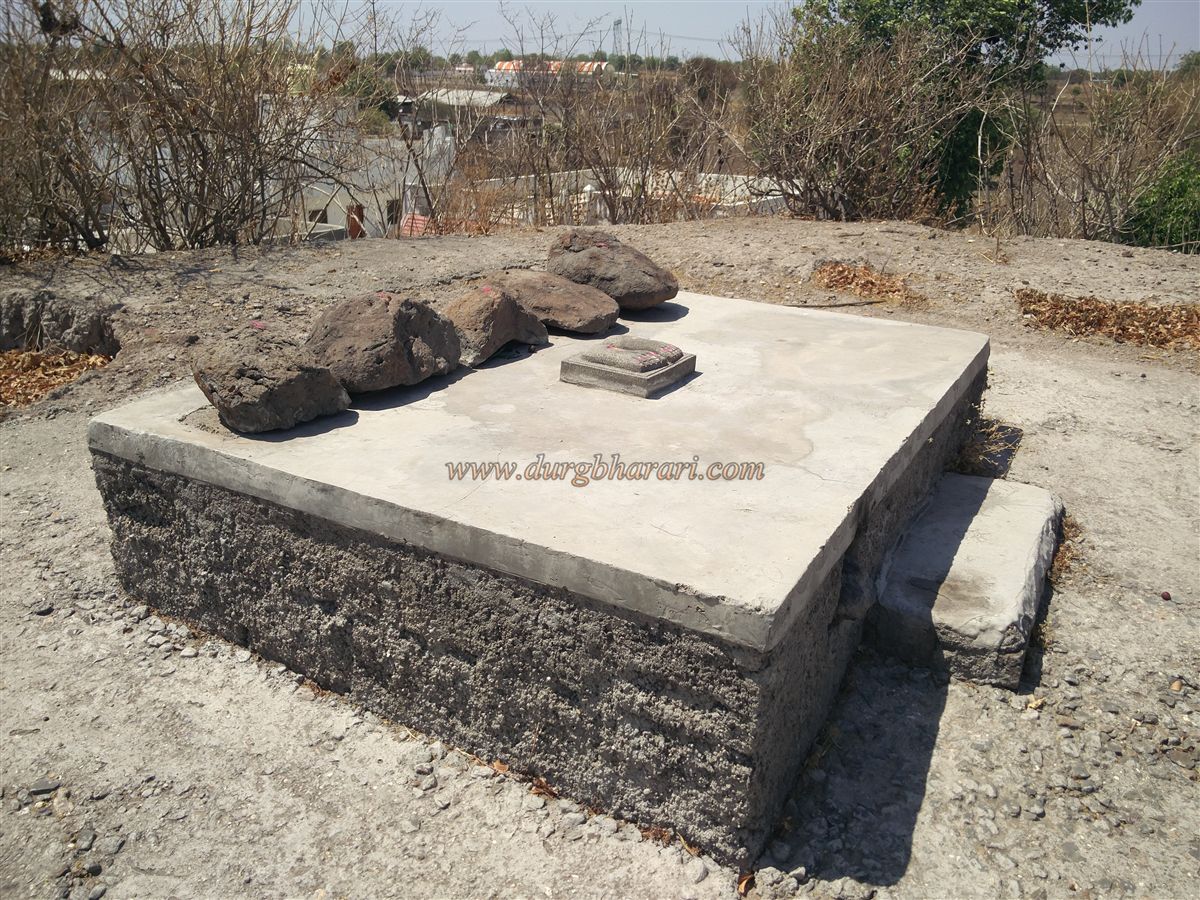
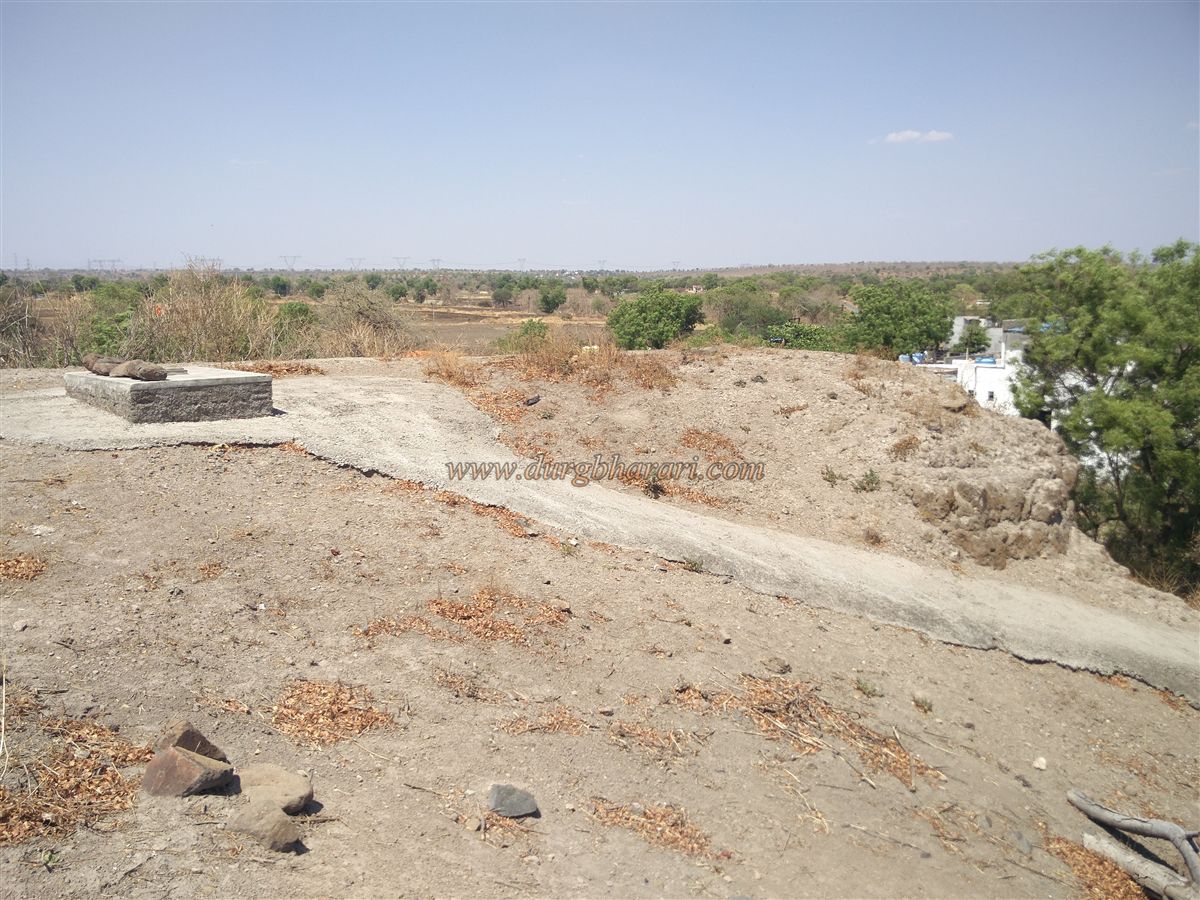
On the northwest bastion, newly installed sacred footprints (paduka) can be seen. The ruined structure of the mansion was once two stories tall and includes a basement and a shrine with idols still intact. It takes about half an hour to explore the gadhi.
According to the descendants, in 1396 CE, Malharrao Atole held a jagir of seven villages under the Gwalior lineage, including Bibi, Tambola, Dhaiphale, Anjani, Sura, Saramba, and Digras. Malharrao was involved in the trade of gold, silver, and pearls between Bibi, Phaltan, and Gwalior. As he was often away traveling, the management of the jagir was handled by his wife, Shivaidevi. She is described as a bold and powerful woman, and it is said that the village was named “Bibi” in her honour. The word Bibi is of Persian origin and means “a brave or noble woman.”
However, this account seems somewhat incomplete. From 1347 to 1518 CE, this region was under the rule of the Bahamani Sultanate. There is little clarity about the supposed Gwalior connection. Moreover, judging by the size and shaping of the stone used in the bastions and the structure of the mansion walls, it is evident that the gadhi was constructed sometime after the Shivaji era.
© Suresh Nimbalkar
GALLERY