bhovaragad
TYPE : HILL FORT
DISTRICT : GADCHIROLI
HEIGHT : 1160 FEET
GRADE : MEDIUM
There are several forts in Gadchiroli district, which itself bears "gad" (fort) in its name. However, apart from a few forts like Surjagad and Vairagad, most others are completely unknown to the general public. While the region’s prolonged history of Naxalism and the use of these forts as hideouts by Naxalites could partly explain this obscurity, the real cause lies in the government's lack of documentation and the overall apathy at every level toward these forts. As a result, these forts have been forgotten, with no researchers or trekkers ever venturing into the area once labelled as Naxal-affected.
Though the Naxalites presence has now reduced considerably, fort enthusiasts are still rarely seen exploring this region.
...
Due to sparse population, even private transport is hard to come by, making personal vehicles essential when undertaking any fort exploration here. Without one, seeing even a single fort in a day becomes difficult, both logistically and from a safety standpoint.
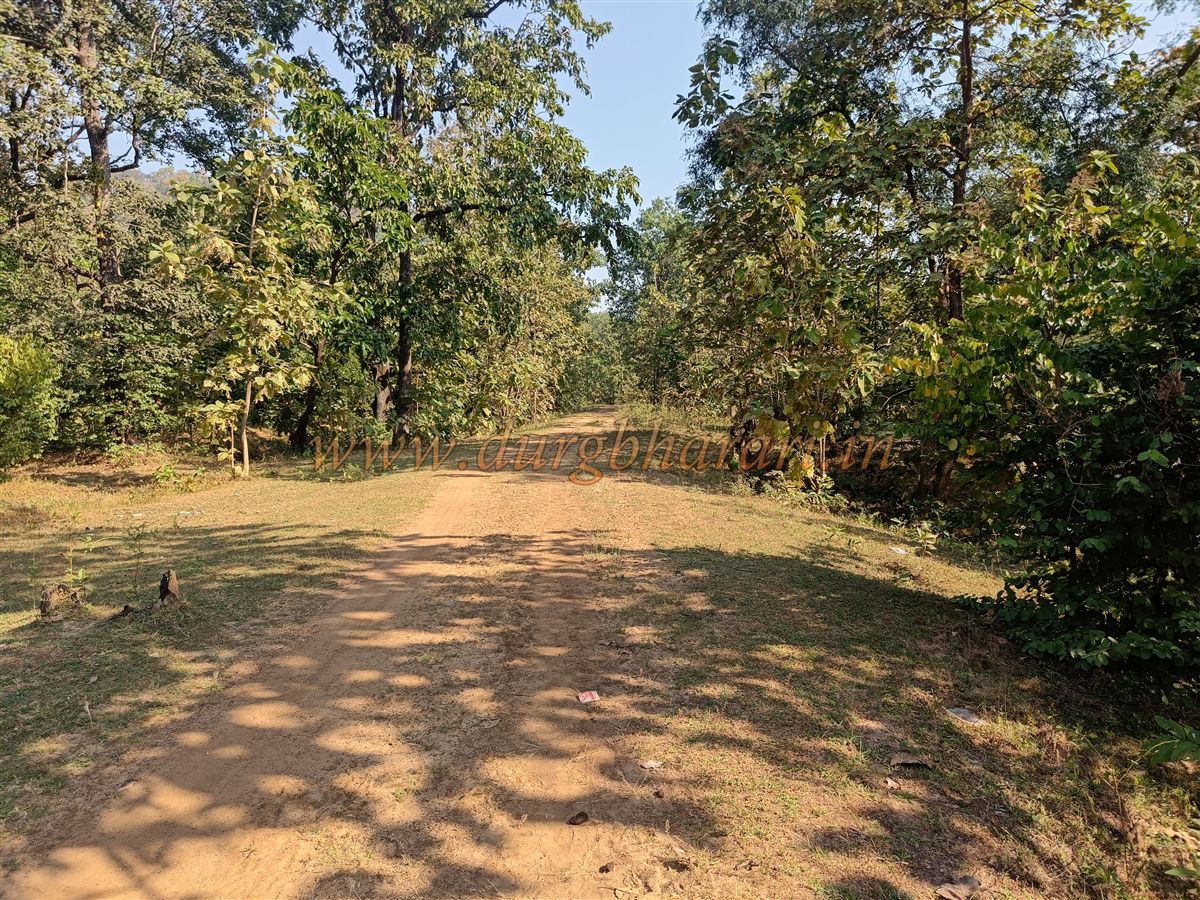
During one such exploration of forts in Gadchiroli, we decided to visit a fort named Bhovargad near Dhanora taluka. Dhanora is about 36 km from Gadchiroli town, and from there, a diversion leads to Sode village. On the way, around 3 km before Sode, there is a government-run residential school for girls. A dirt road begins from this school leading toward Bhovargad. Another longer route starts from Lekhamendha village to Rajoli and then along another rough path to the base of Bhovargad. Both routes eventually merge into the same trail.
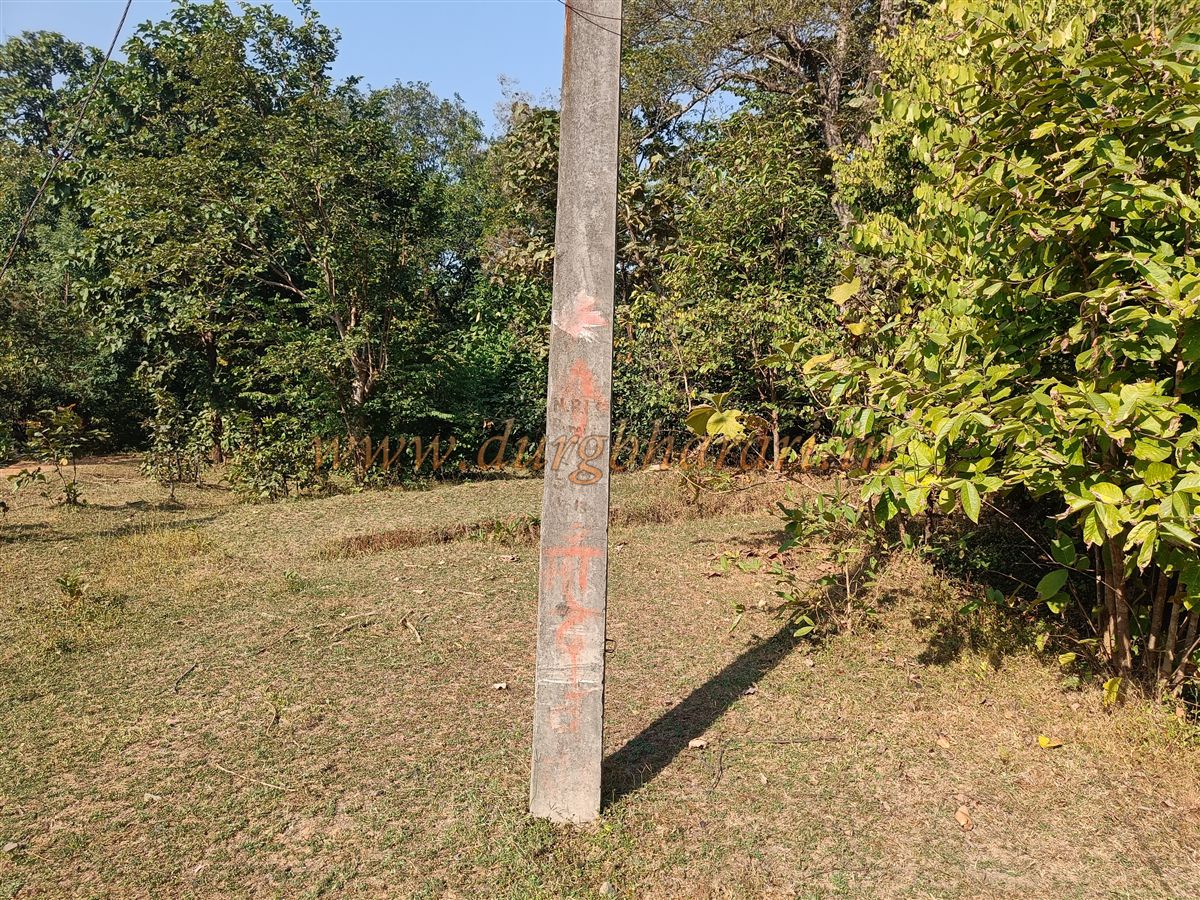
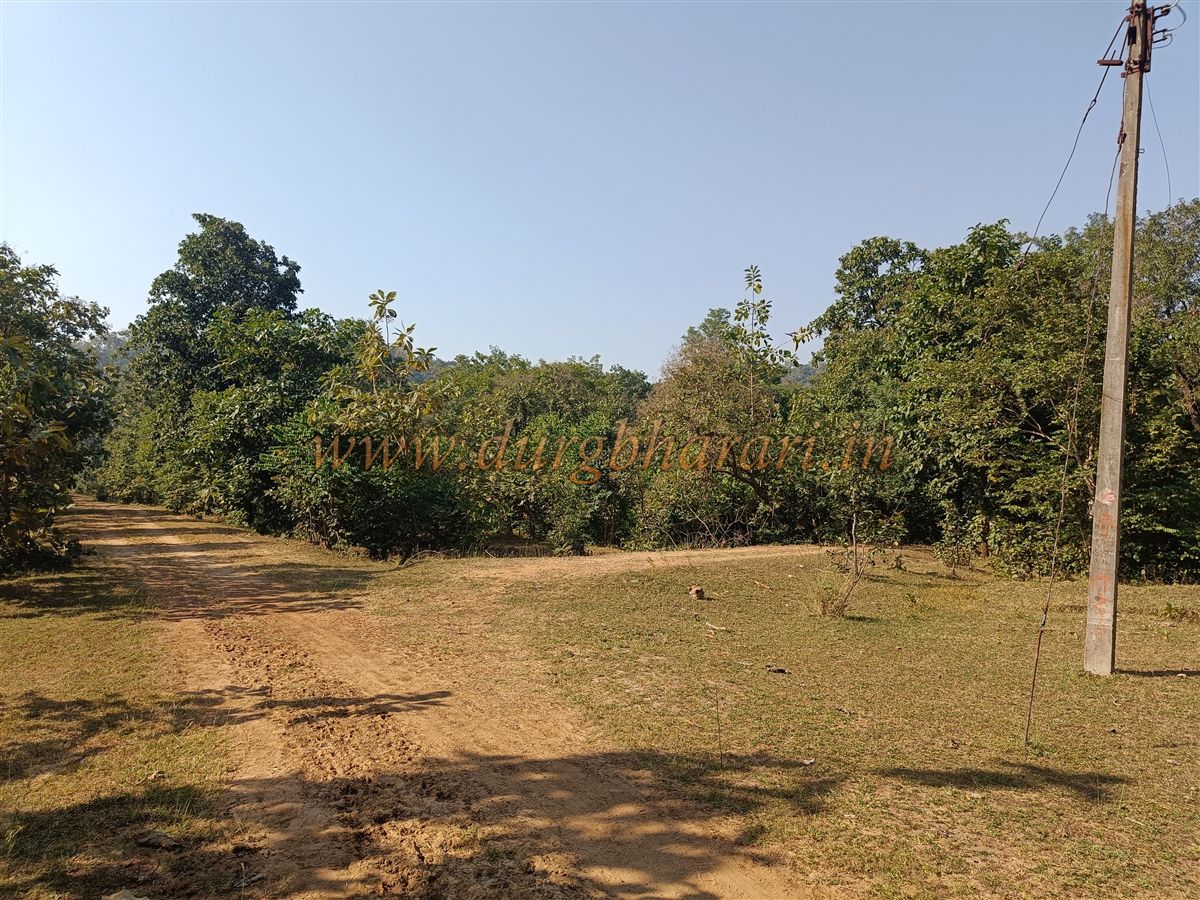
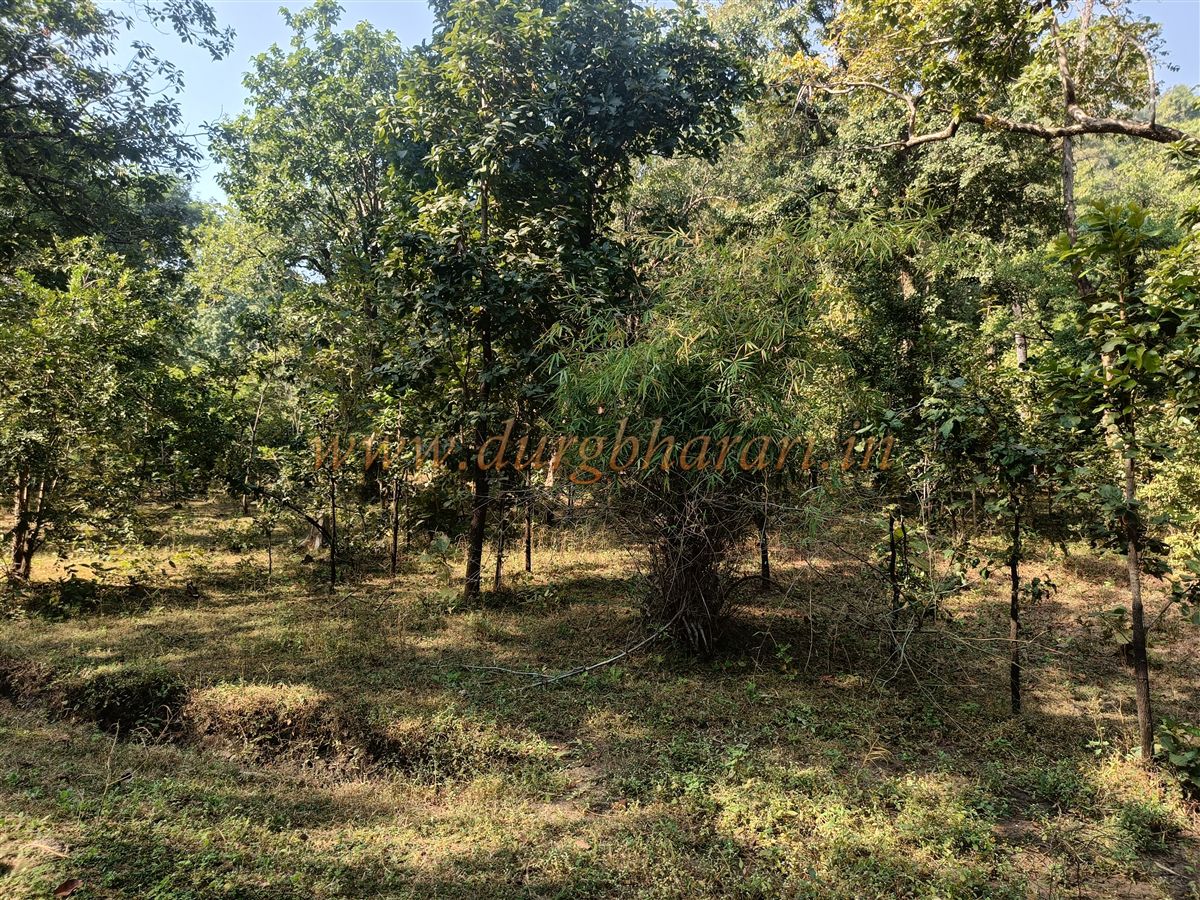
A small turning from this trail leads to a Shiva temple at the base of the fort. The only sign showing the way to this temple is a direction arrow painted on an electric pole. Locally, Bhovargad is known for this Shiva temple at its base. Though the fort is visible from afar, there are no settlements around it, and the rough track cuts through dense forest. Therefore, it is advisable to take a local guide from nearby villages. From the diversion, it takes about 30 minutes to reach the base of Bhovargad.
Due to the annual fair held here on Mahashivratri, the site is equipped with a hand pump for drinking water and a few basic structures. From here, cement steps lead up to the Shiva temple. The climb takes around 30 minutes. We had read that the trail to the fort summit begins from this temple. However, the area around the temple was so overgrown that we couldn’t find any sign of a path.
We had come directly from Dhanora without taking a guide—a major mistake. After visiting the temple, we had no choice but to turn back. Because of this incomplete visit, we couldn't confirm whether Bhovargad is truly a fort. Yet, among locals, it is recognized and referred to as a "Killa" (fort).
Like many other forest forts in Gadchiroli, there are no references or records about Bhovargad being a fort. It remains unknown in historical texts, but considering the region’s connection with the Gond dynasty, it’s likely the fort was built by Gond rulers. Locals say this fort was among the many captured by Gond kings when they entered the Gondwana region of Vidarbha via Devgad. They also mentioned that the trail to the top starts near the temple, but only the temple priest visits the summit—no one else does.
Although the name Bhovargad is absent in historical records, some documents mention a fort at Rajori. Since Bhovargad is near Rajoli village, and another fort—Lekhamendha—is also close by, it’s difficult to definitively identify which one is the actual "Rajori fort."
© Suresh Nimbalkar
GALLERY