BHIWAPUR
TYPE : GADHI
DISTRICT : NAGPUR
HEIGHT : 0
GRADE : EASY
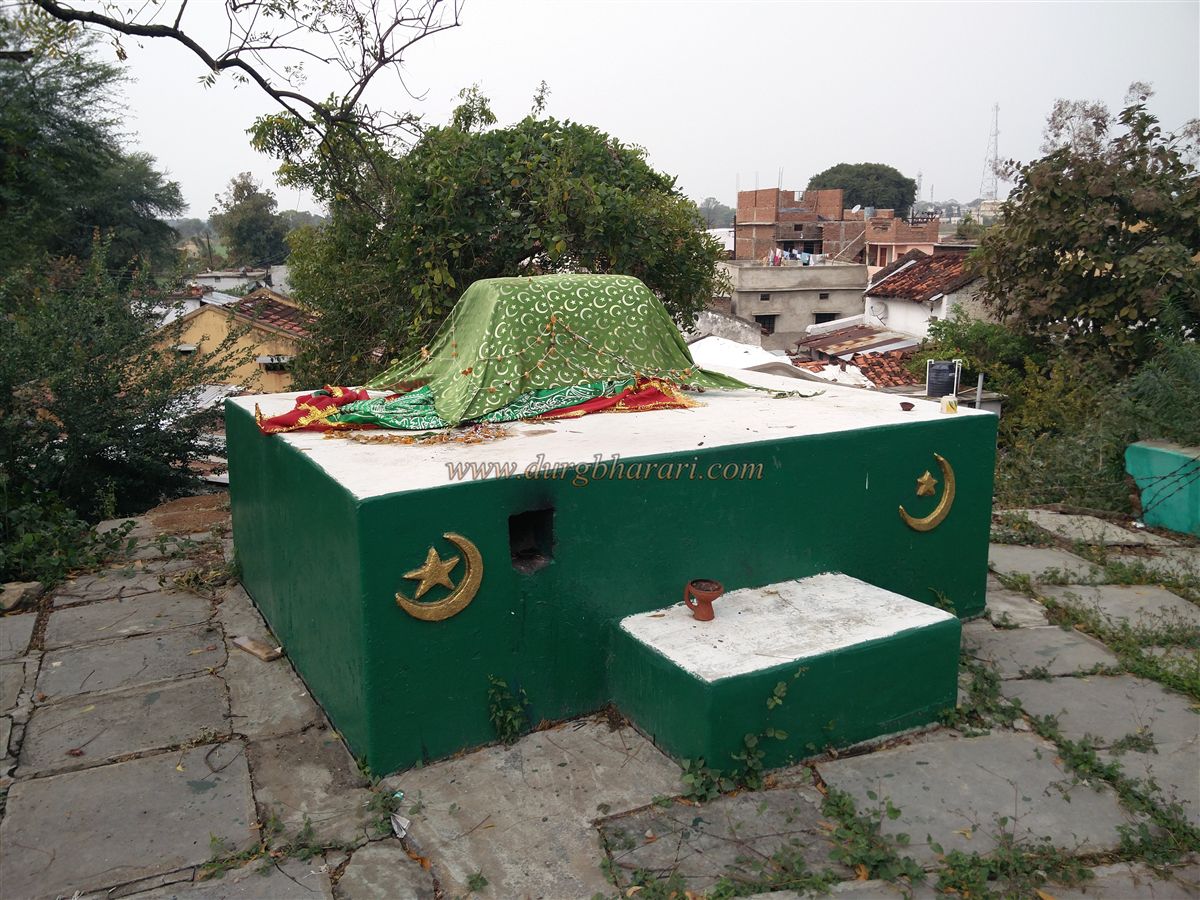
In Nagpur district, in the town of Bhiwapur, there exists a ground fort known by the town’s name. The distance between Nagpur–Umred–Bhiwapur is 68 km, and Umred to Bhiwapur is 22 km. Since it is a taluka headquarters, there is good transportation available to reach the location. This fort is situated at the edge of Bhiwapur town and spreads over approximately one acre, now counting its final days. No one in the village seems to know much about this place, and a tomb located on one of the bastions of the fort is locally recognized only as a dargah. On arriving in the village, one needs to inquire extensively to find the fort. A vehicle can go directly up to the fort’s gate, located on the edge of the village.
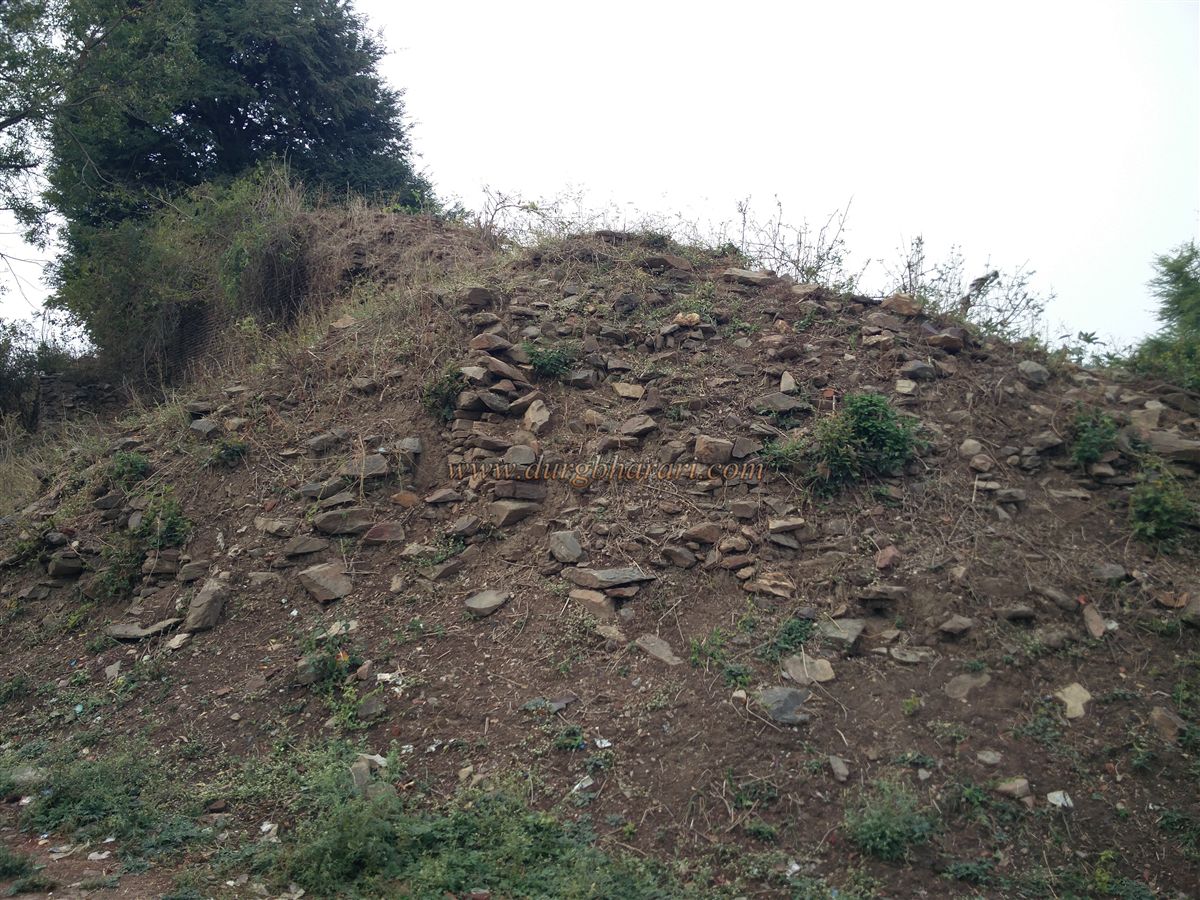
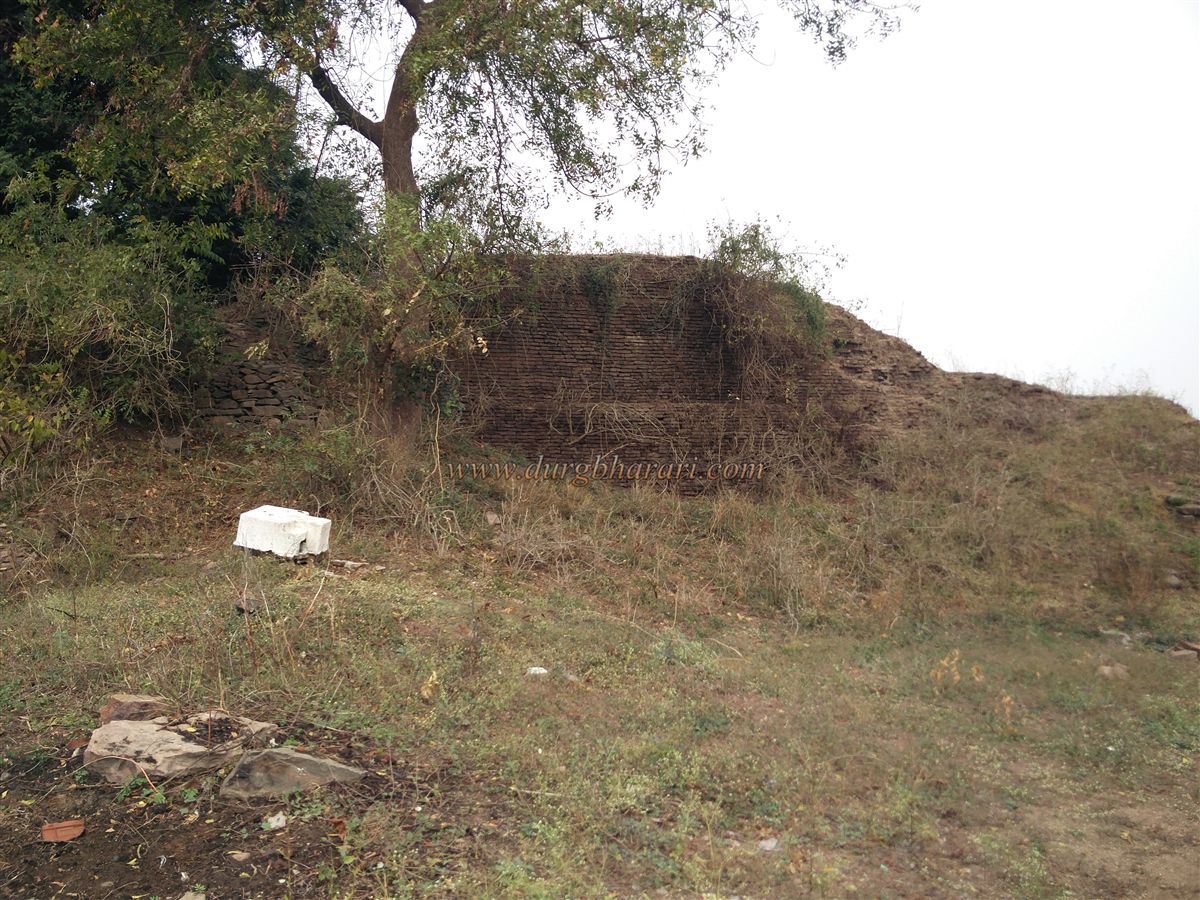
The north-facing entrance gate of the fort is completely destroyed, and much of the fortification wall has also collapsed.
...
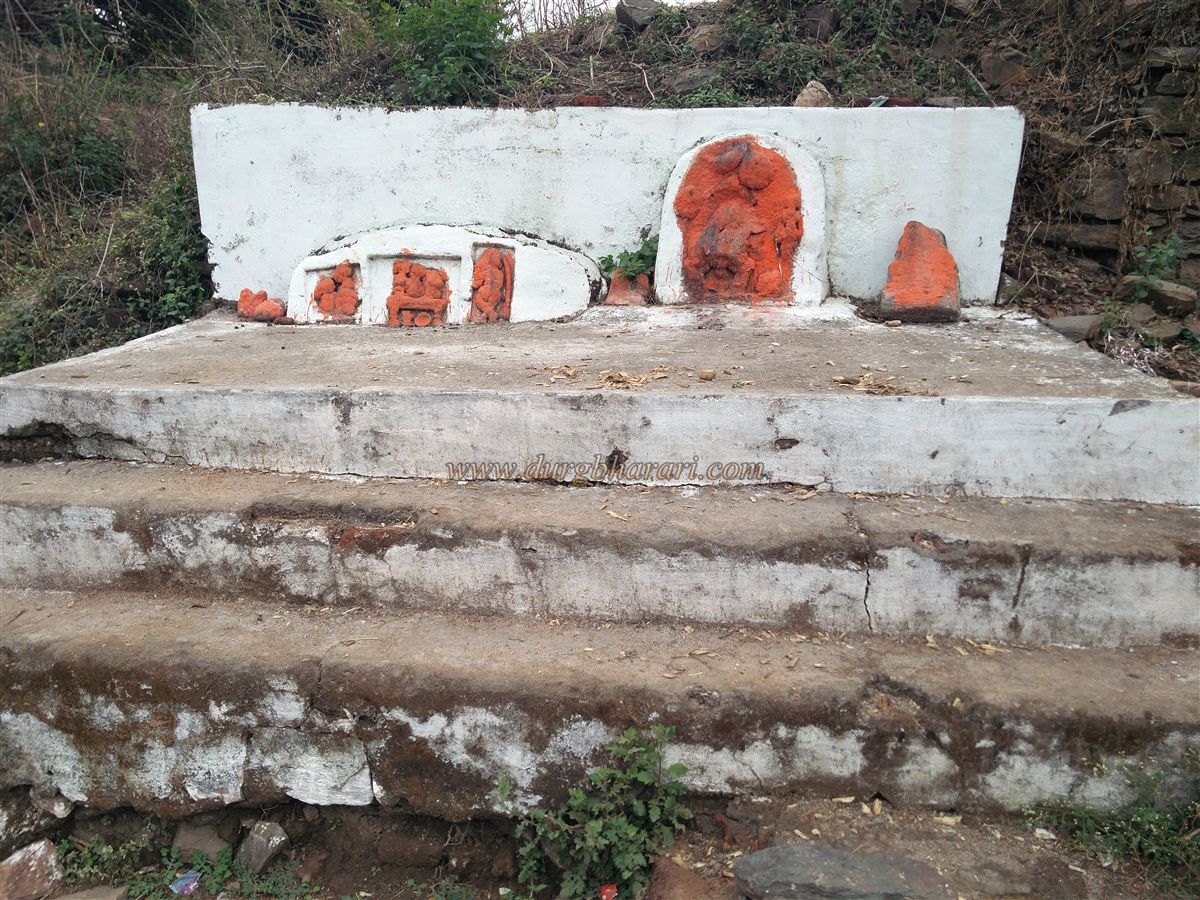
In front of the fort gate, some worn-down idols are placed on a platform. Observing the structure of the fort wall near the entrance, it appears that this area was once used as a battlefield layout. Inside the fort, the descendants of the fort keeper still reside, and apart from the main entrance, there is another small entrance to the fort. One bastion of the fort, still in good condition, holds a tomb and is the only remaining structure in a relatively well-preserved state.
Due to heavy vegetation within the rest of the fort, one has to make a path through the bushes to explore it. During this exploration, one can see a deep well that is gradually getting buried. There are a total of five bastions in the fort, but apart from three, the remaining two have completely collapsed. Fifteen minutes is enough to see the entire fort.
The town of Bhiwapur is situated on the banks of the Maru River, and it is said that the name Bhiwapur derives from Gond king Bhimshah. Before the Gond rulers, the Gavli kings had control over this region. Bhimshah, the son of Gond king Chatra Shah, defeated the Gavli rulers of Bhiwapur and established his rule there. The fort is believed to have been built during Bhimshah reign.
After the death of Bakht Buland Shah, Bhiwapur was administered independently by Bhimshah and his son Hirshah. Later, Govindshah took over the independent administration. In 1865, the British government appointed a person named Christen to oversee the administration of Bhiwapur under Hirshah and Govindshah.
Later, when the daughter of the second Raghuji, Banubai, was married into the Gujar family, Bhiwapur and surrounding villages were given as dowry. From that time onward, the Gujar family held the rights to revenue collection in Bhiwapur. Even today, Govindshah descendant Masaram Shah resides in the fort at Bhiwapur.
© Suresh Nimbalkar
GALLERY