BHIWANDI
TYPE : COASTAL FORT
DISTRICT : THANE
HEIGHT : 0
GRADE : EASY
During the medieval period, Bhiwandi was a flourishing port city with direct access to the sea via waterways. Ships would navigate from Bhiwandi to Vasai through the Kamwari River, a tributary of the Ulhas River. Given the strategic importance of the port, it is natural that a fort was constructed to protect the city. However, over time, this fort vanished completely, and for many years, it was believed that no remains had survived, making it difficult to identify its original location.
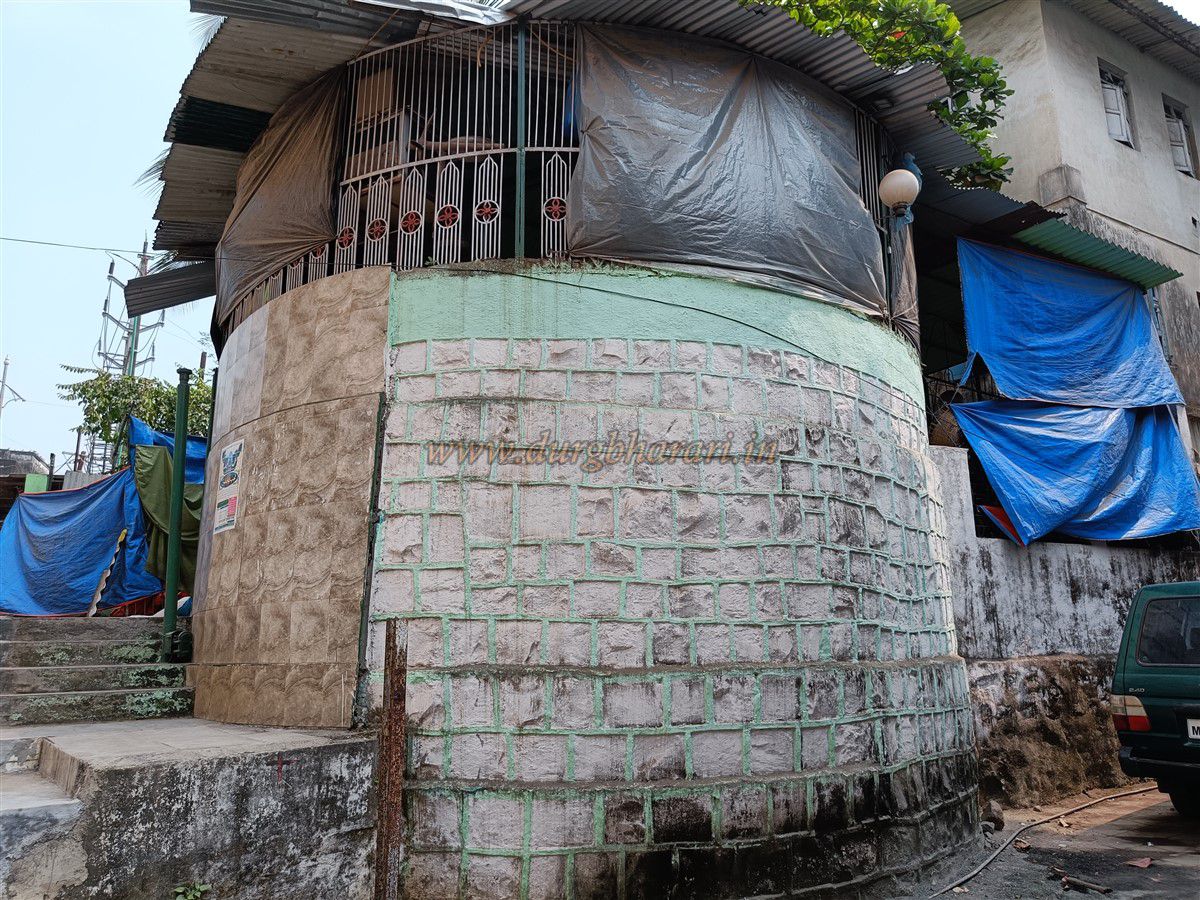
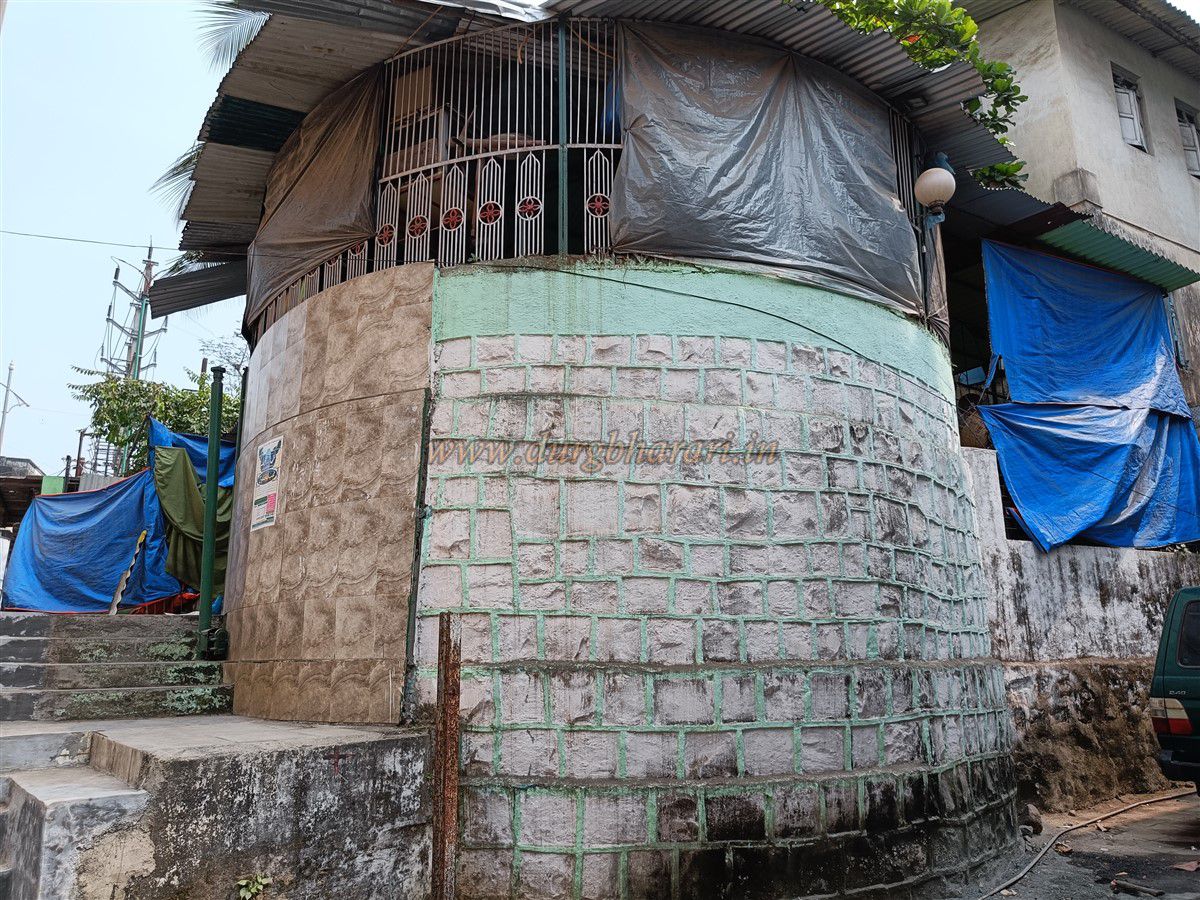
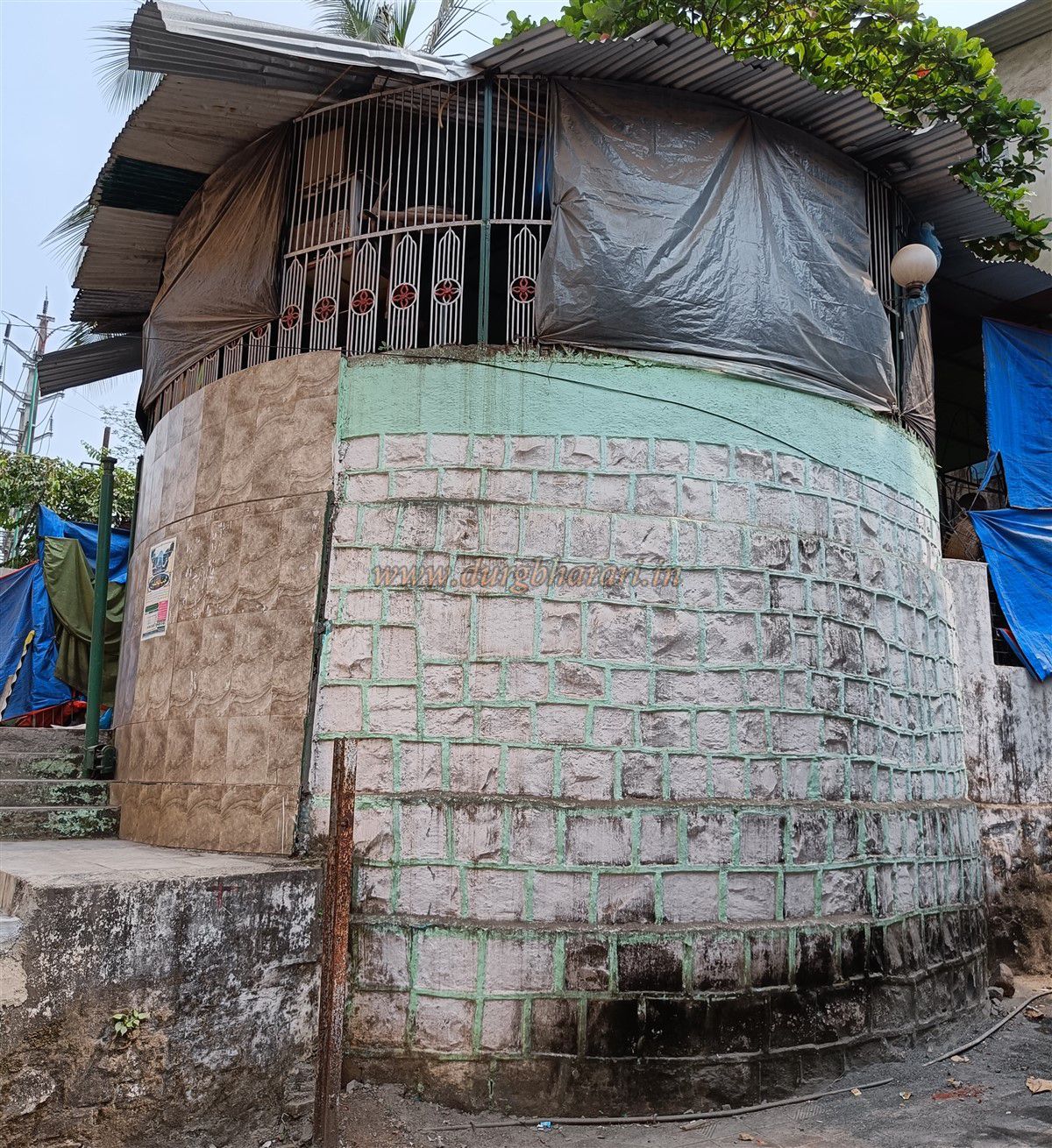
It was only upon reading “Durgasampada Thanechi” by Shri Sadashiv Tetwilkar that the site of the Bhiwandi fort became clear. Today, a solitary bastion is all that remains of this fort, and it is now popularly known as the Ghodebaba Shah Dargah.
...
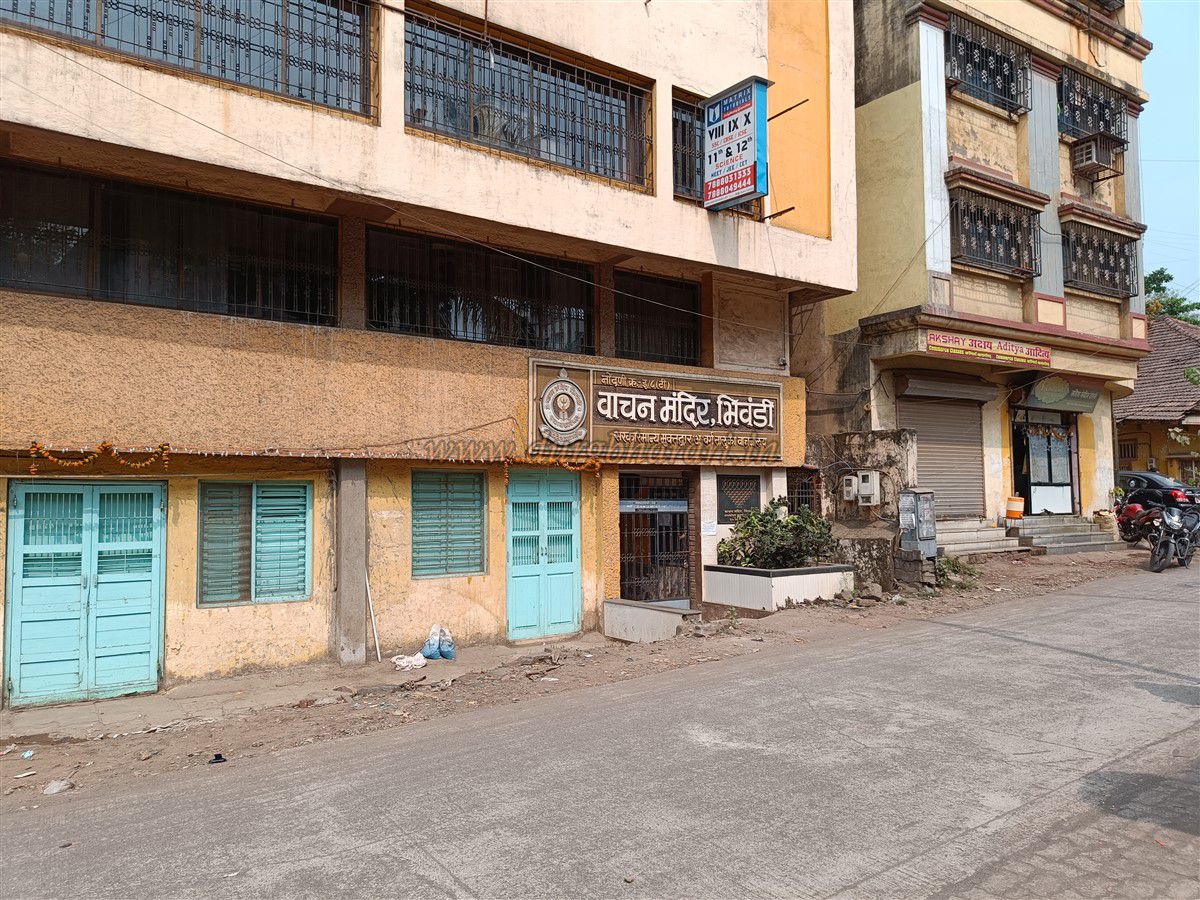
This surviving bastion is located on Tilak Mandir Road, in Vani Ali area of Bhiwandi. Opposite the bastion, across the road, stands the Bhiwandi Reading Library. The circular bastion, currently about 15 feet high, has a dargah built on top of it. Cement steps have recently been constructed to access the dargah from the roadside. Judging by the finely dressed stone masonry of the bastion, it is likely that the entire fort’s walls were originally built in the same manner.
Nearby is a temple of Kalbhairav, which could potentially have been a part of the original fort complex. Unfortunately, the expansion of the modern city has consumed any remaining traces of the fort. The Kamwari creek lies just 600 feet away, indicating that in earlier times, it may have flowed directly alongside the fort, adding a natural defence line.
Today, a short 15-minute walk through this area, observing the bastion and nearby structures, is all that remains of the once-important stronghold.
Historical records trace the history of Bhiwandi as far back as the 8th century CE. The city rose to prominence during the reign of King Bheemdev, and the ancient name Bhimdi gradually evolved into Bhiwandi. During Muslim rule, some records refer to the town as Islampur.
The Bimba dynasty, having entered from the north, first captured Bhiwandi before conquering Thane. It is said that since Bhiwandi was the first place they seized, it was called “Bimbasthan,” which later morphed into Bhiwandi.
In the 15th century, the Portuguese briefly held control over the city. During the medieval period, Bhiwandi and Kalyan formed a single administrative unit (Pargana), so Bhiwandi doesn’t appear often as a distinct entity in historical documents.
In 1657 CE, under the leadership of Abaji Mahadev, Krishna Lohkare captured Bhiwandi Fort, marking the first arrival of Chhatrapati Shivaji Maharaj’s forces in the region. However, in 1689 CE, the city and fort fell into Mughal hands. It wasn’t until 1720 CE, during the reign of Peshwa Bajirao I, that Bhiwandi once again became part of Swaraj.
© Suresh Nimbalkar
GALLERY