BHATALA
TYPE : ANCIENT SHIV TEMPLE/ BHAVANI TEMPLE
DISTRICT : CHANDRAPUR
Many ancient structures in Chandrapur district still stand today as testimony to the Gond Empire. Even before the establishment of the Gond dynasty’s rule, this region had a rich history spanning several centuries. The Maurya, Satavahana, Vakatakas, Gupta, Paramaras, Chalukya, and the Naga—many dynasties once flourished on the land of Chandrapur. These rulers constructed various structures and temples during their reigns. While many of these buildings have vanished over time, a few still stand to narrate their golden past. In such a district lies a village that is a treasure trove of sculptures. In fact, considering its artistic wealth, the village should have been named Shilpagram—but its actual name is Bhatala.
Located in Warora Taluka of Chandrapur district, Bhatala is 12 kilometers from the taluka headquarters and about one and a half kilometers from Salori village on the Warora-Chimur road.
...
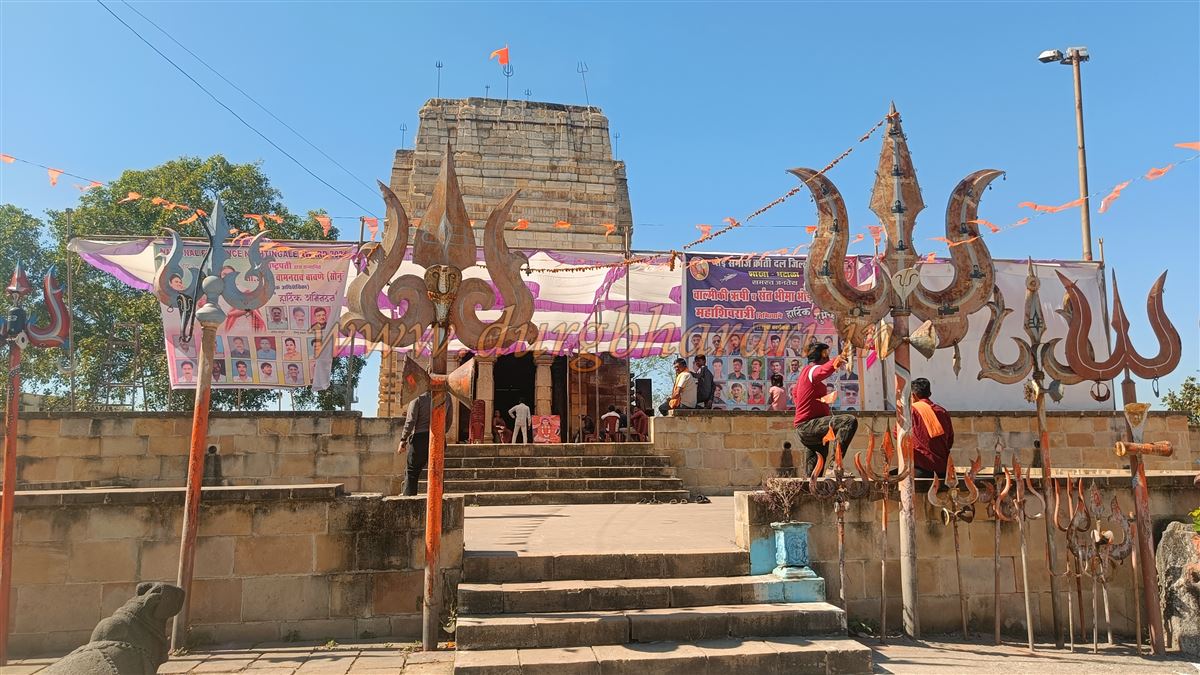
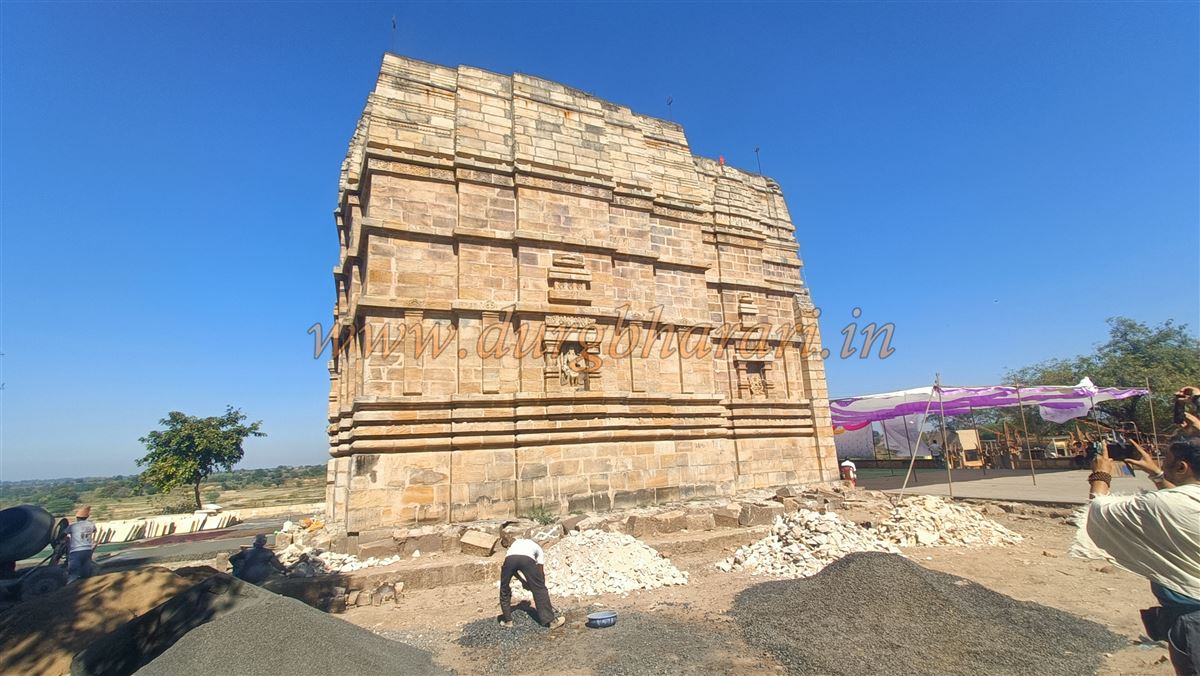
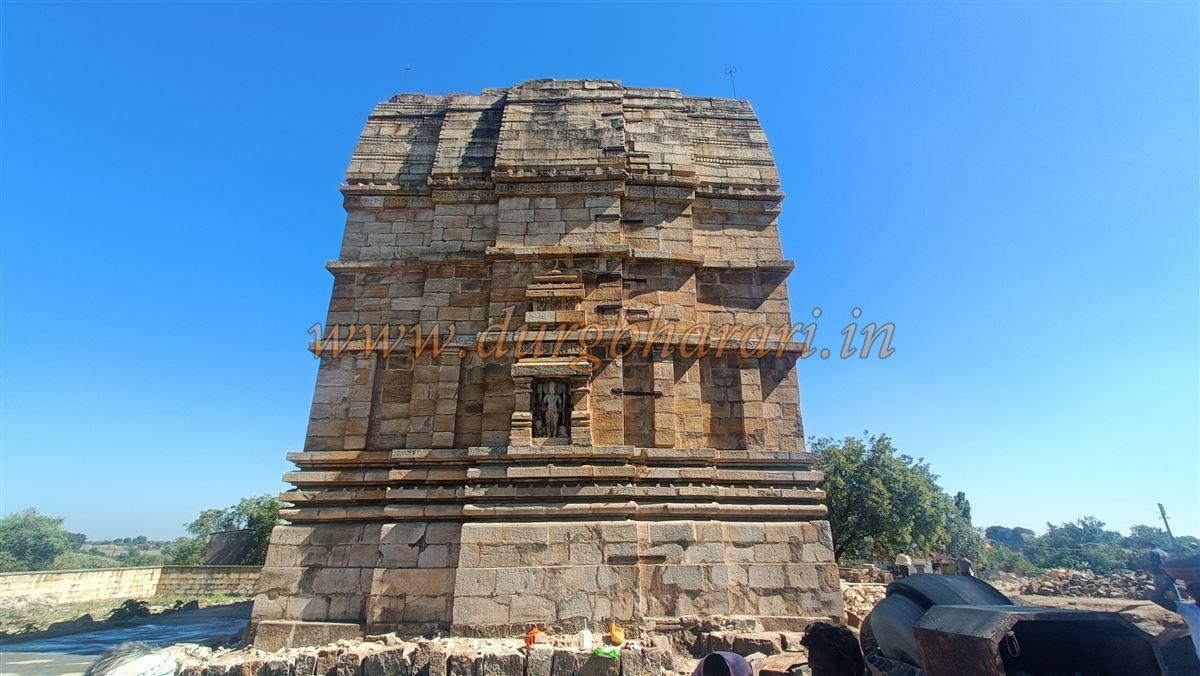
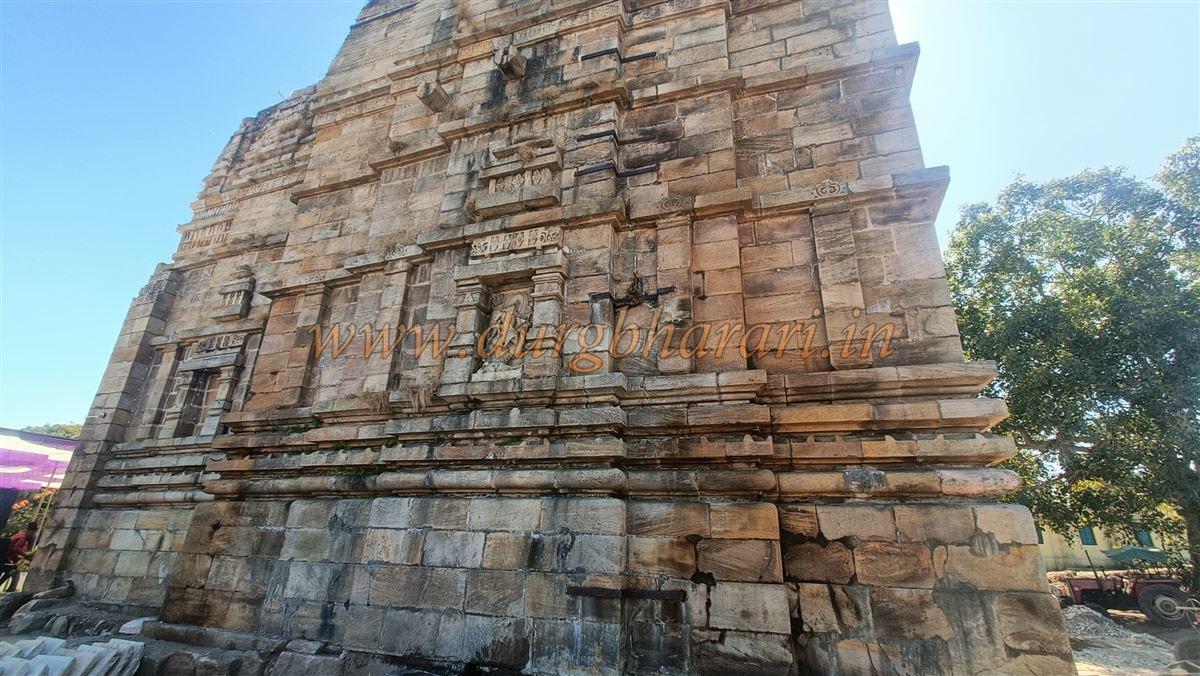
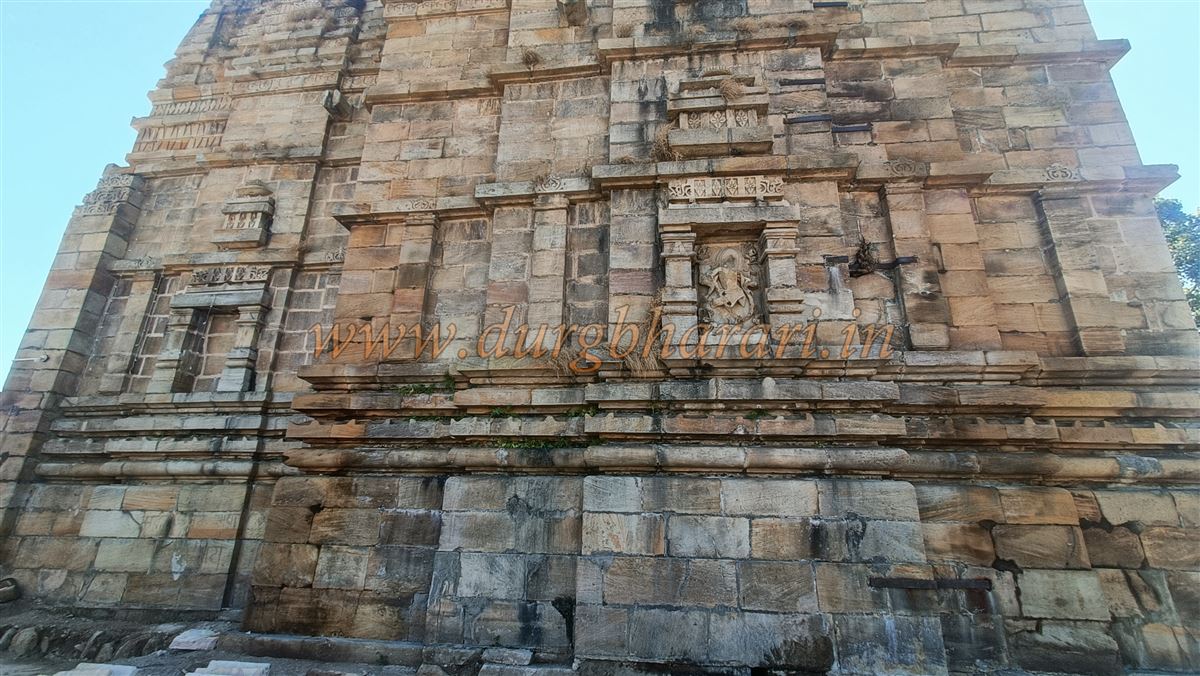
Although there are many ancient relics in Bhatala, two sites not to be missed are the Mahadev Temple and the Bhavani Temple. The Mahadev Temple lacks a spire (shikhara) and pinnacle, which is why it is known as “Bhonda Mahadev.” Once, lightning struck the spire of this ancient temple, damaging both the spire and the amalaka (stone disc atop the spire). During its restoration, the reconstruction was done without restoring the spire. Because of the absence of the spire and amalaka, the temple came to be known as “Bhonda Mahadev.”
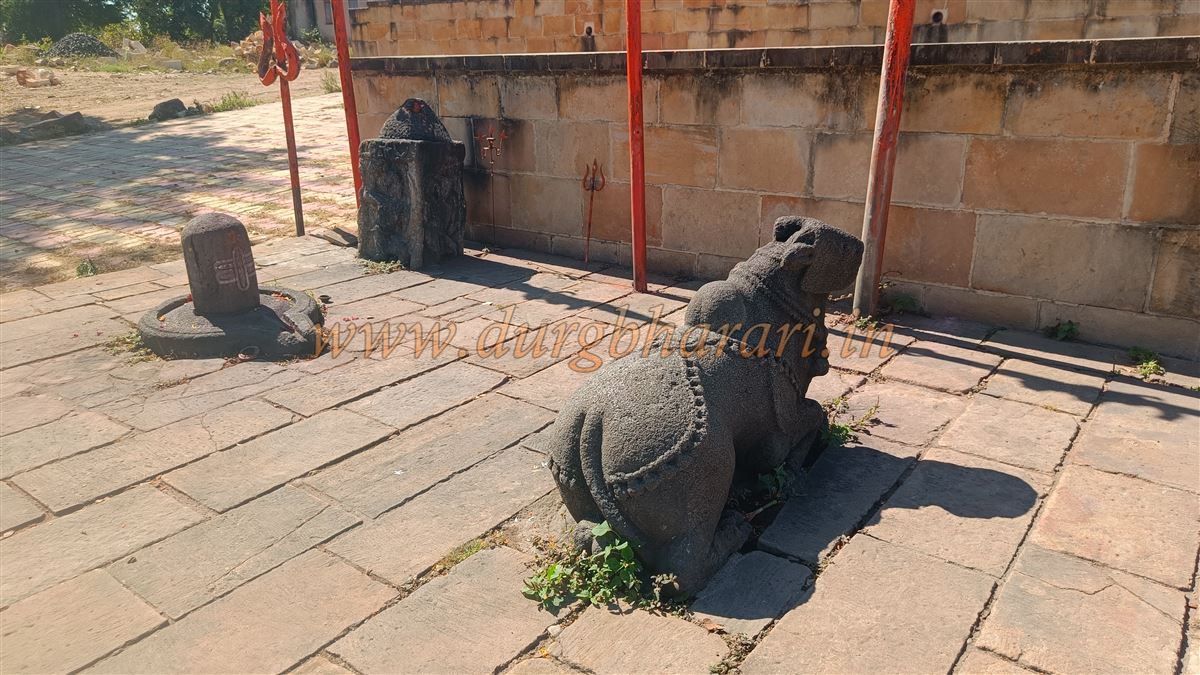
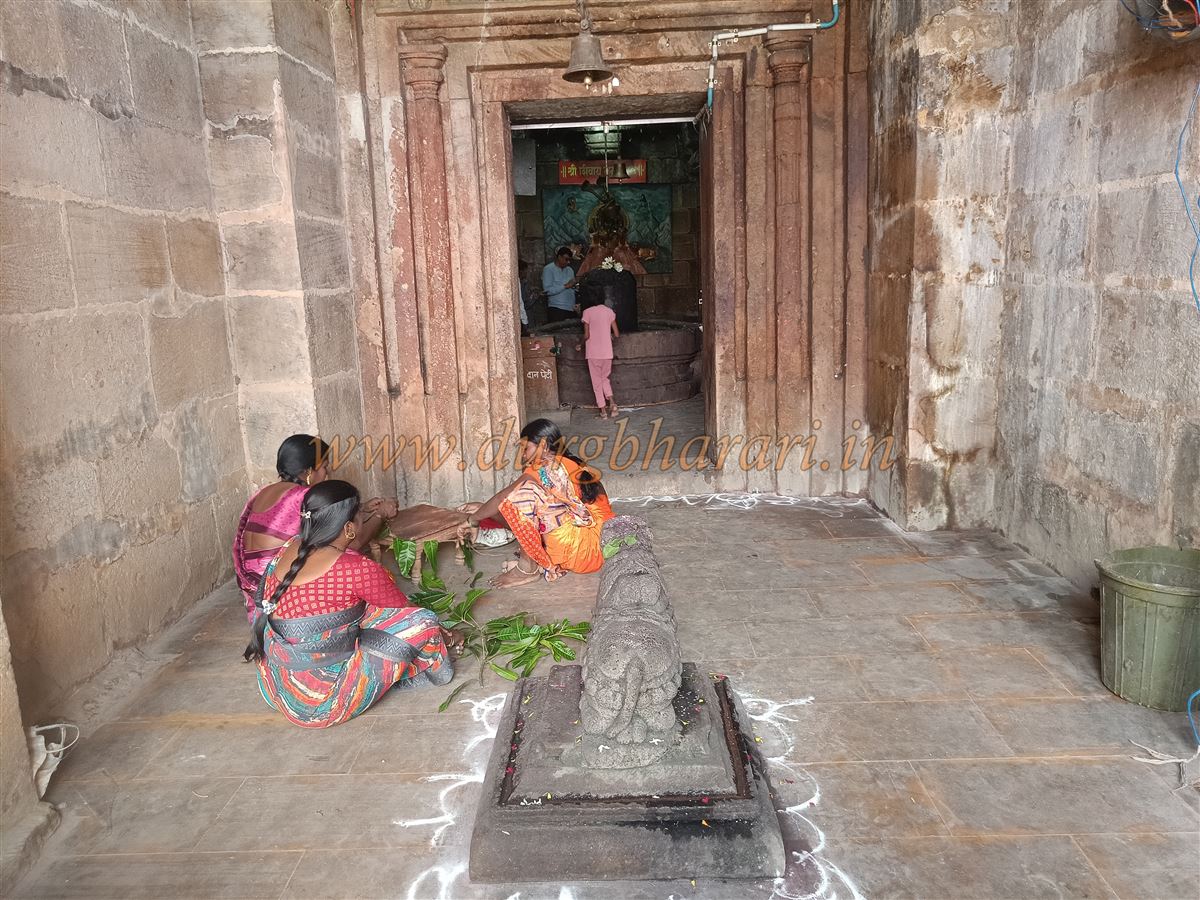
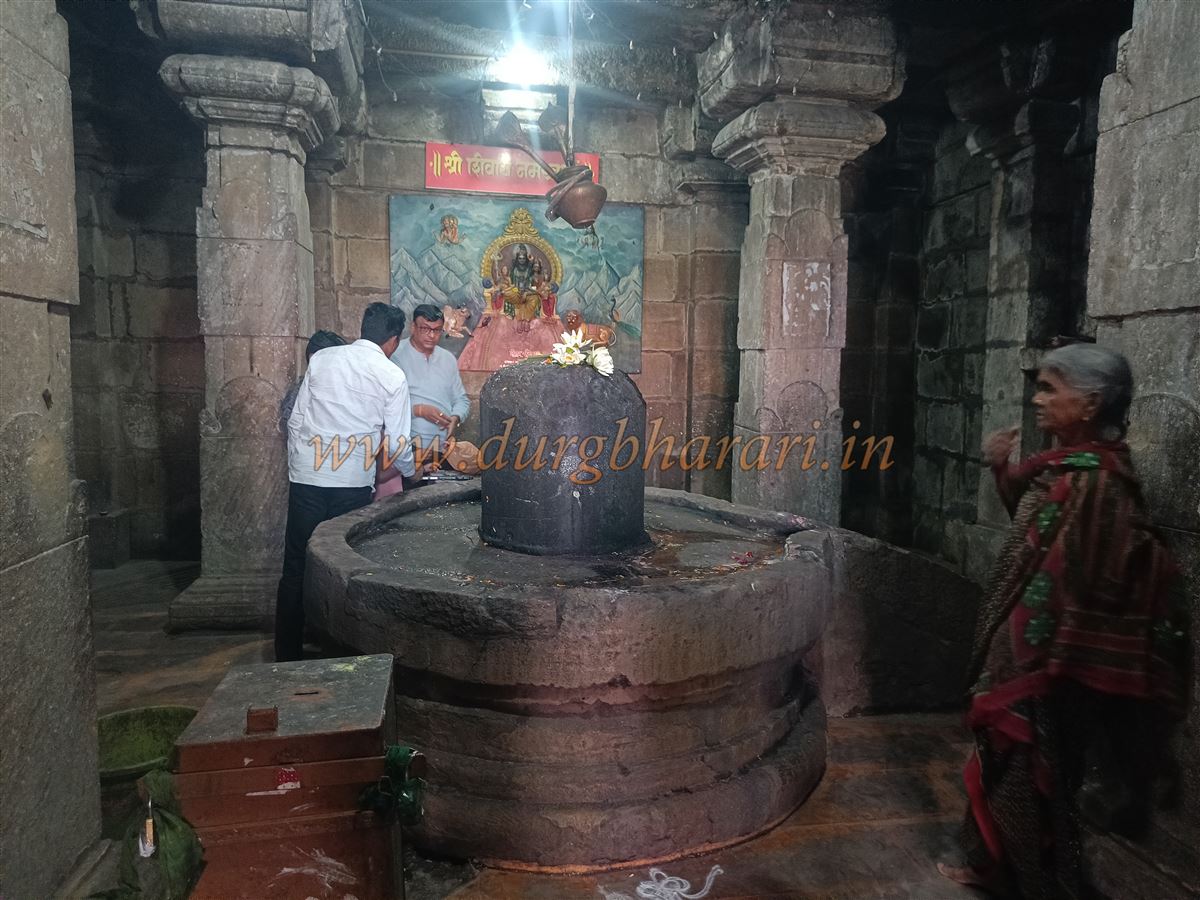
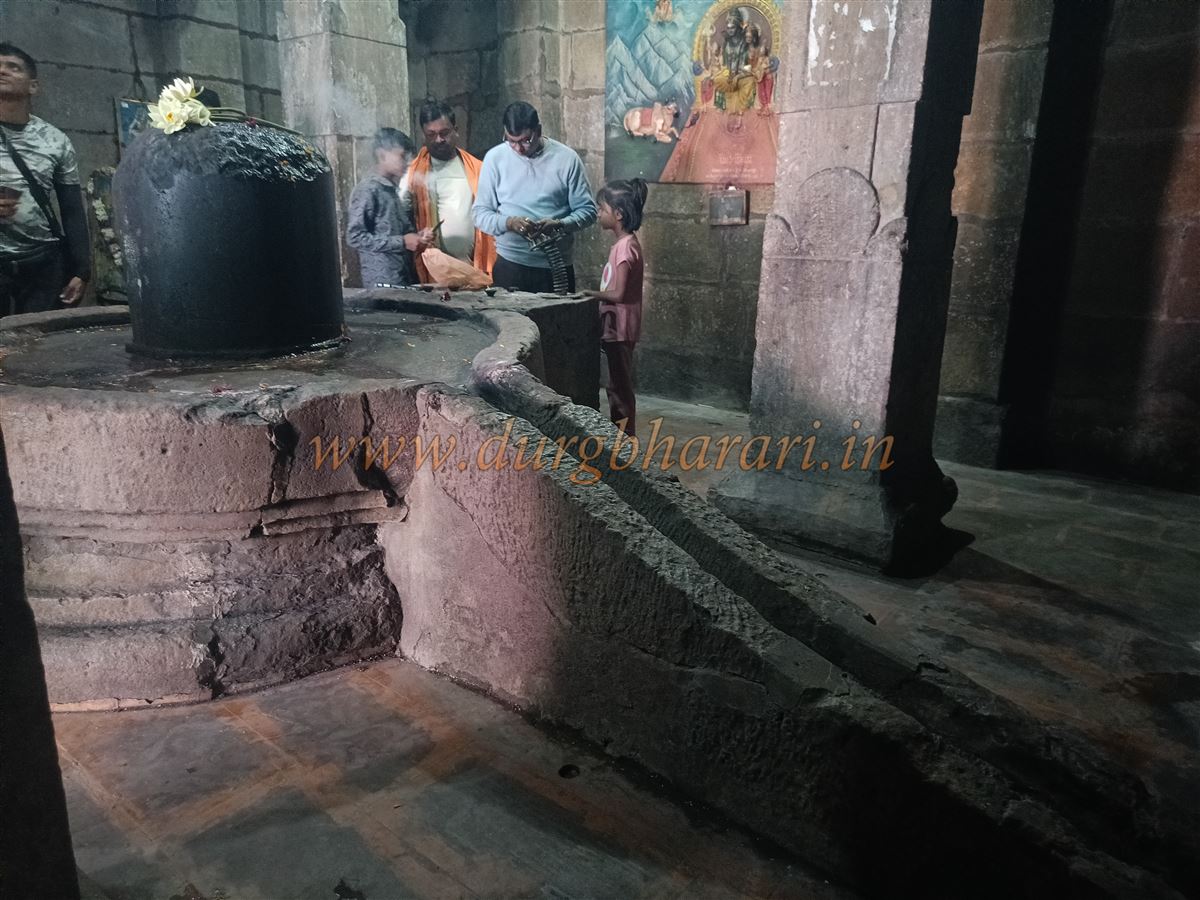
Located to the west of the village and facing east, this massive Shiva temple is built from sandstone and is a prime example of excellent stone sculpture. According to scholars, it was constructed during the reign of the Rashtrakut in the 8th–9th century. The temple, spread 5 feet east to west and 35 feet north to south, is divided into two parts: the sanctum (Garbhagriha) and the antechamber (antaral). Inside the temple stands a grand Shiva Linga approximately 5 feet in height, considered the largest Shiva Linga in Vidarbha. Within the 20 by 20-foot sanctum, there is a 6-foot diameter black stone base (pind), upon which stands the 5-foot tall Shiva Linga.
A unique feature of this temple is that the circumambulatory path (parikrama) is directly attached to the wall, thus preventing devotees from performing pradakshina (circumambulation). The temple’s antechamber and sanctum are crowned by another story, making the overall height quite striking. As this upper floor serves no ritual purpose, it was likely designed for meditation or architectural purposes. The sanctum’s base layout is panchratha-style, with deity niches on its exterior housing idols of Kartikeya in the south, Shiva in the west, and Chamunda in the north.
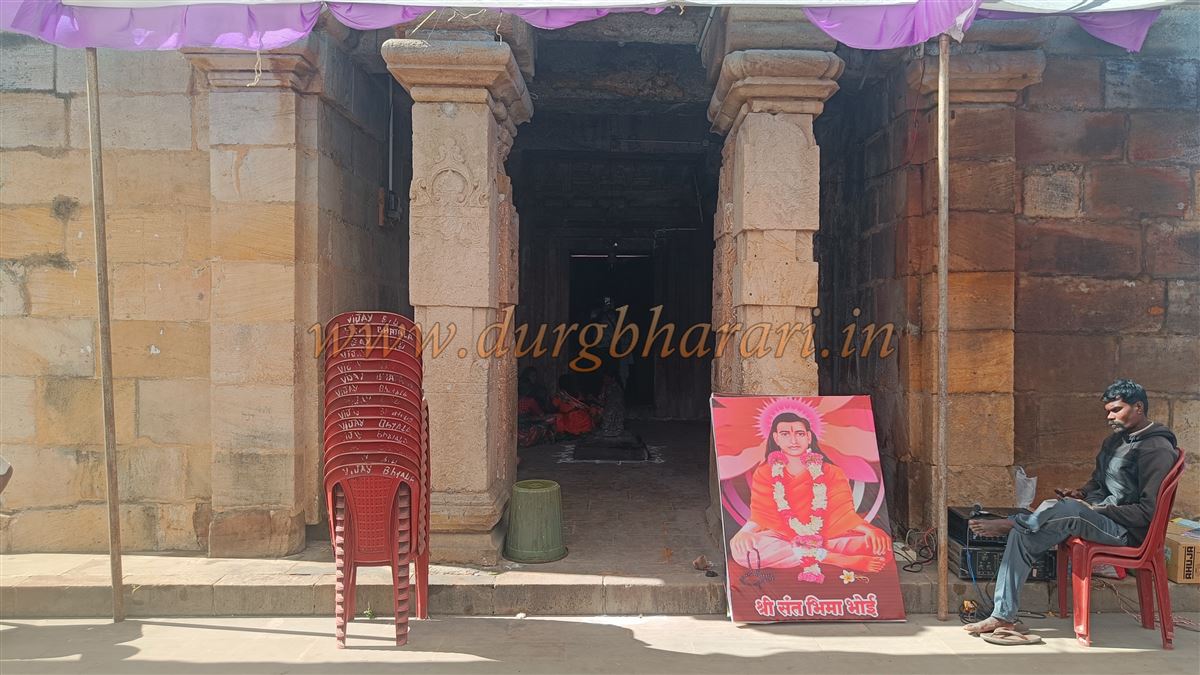
Another notable feature is the mandapa (hall) inside the sanctum, supported by four square pillars. The ceiling above this mandapa consists of four beams intersecting each level. On the middle portion of each pillar are carved motifs of kalash and gavaksha typical of the Rashtrakut period. The temple door has five intricately carved vertical bands, with the central one being a column band. The northern façade features five shikharas (temple towers) in Nagara style, and besides one, the remaining two are in Dravidian style.
Since the main shikhara no longer exists, many perceive the temple as a flat-roofed rectangular structure. However, if one looks at the “Teli ka Mandir” at Gwalior Fort, a clear resemblance is found. Imagining the original spire of Bhatala’s Shiva temple becomes easier when comparing it to the spire of the Teli ka Mandir. An hour and a half is sufficient to study this entire temple.
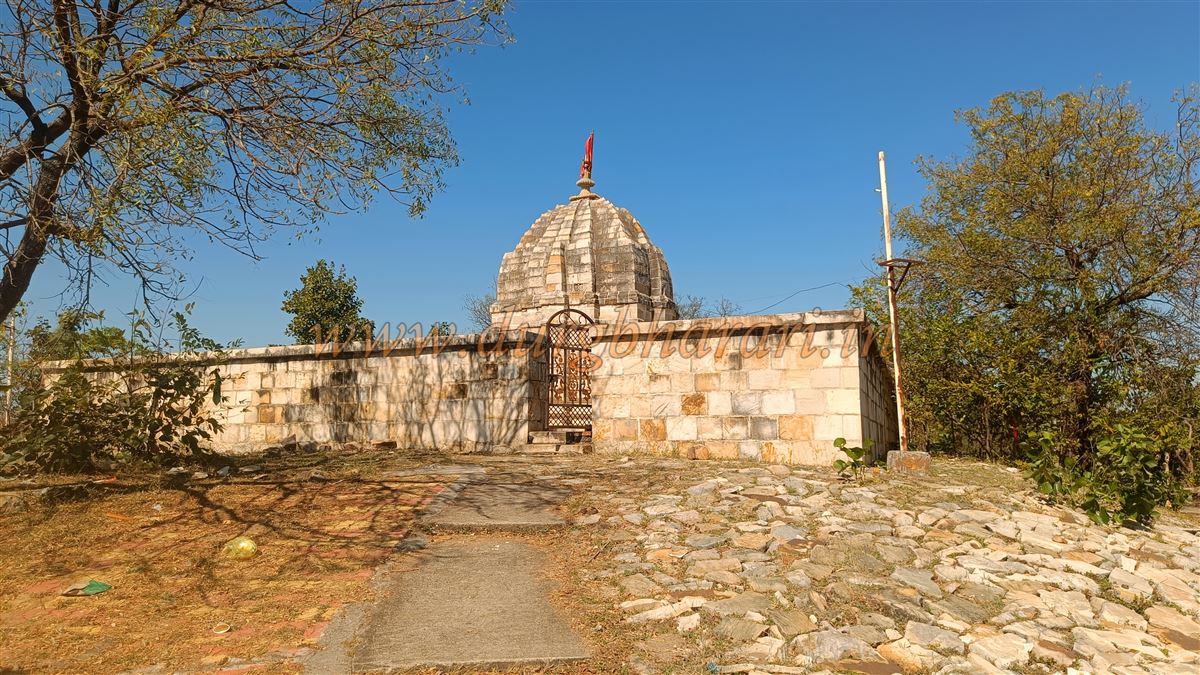
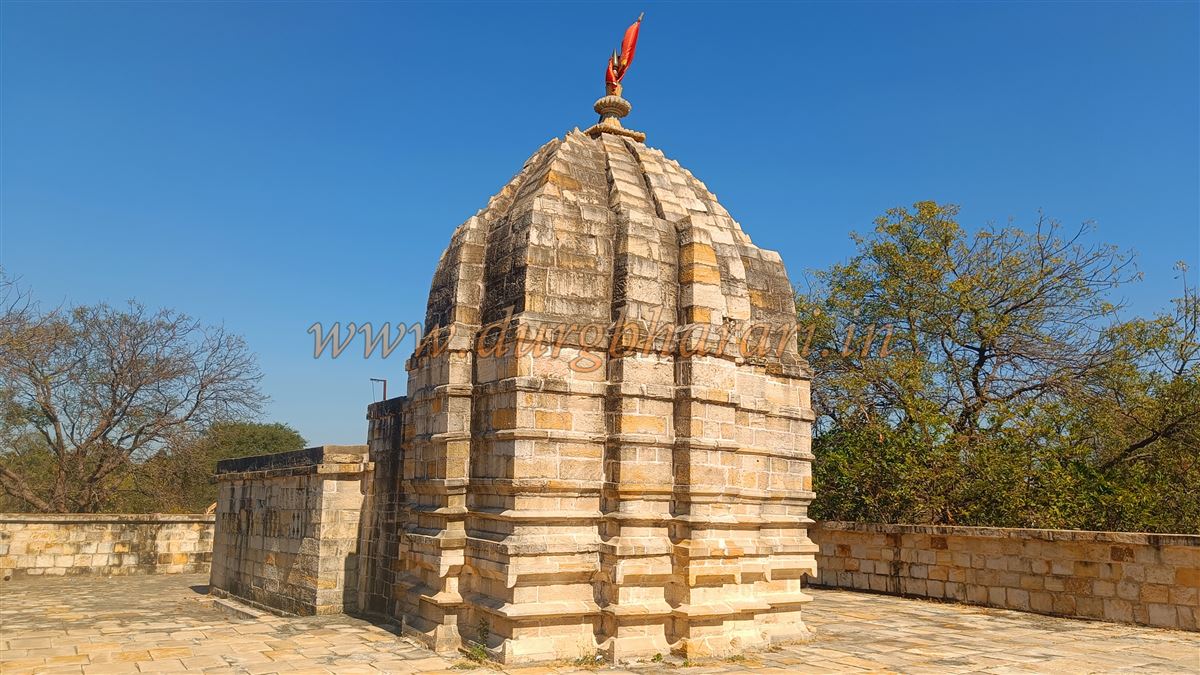
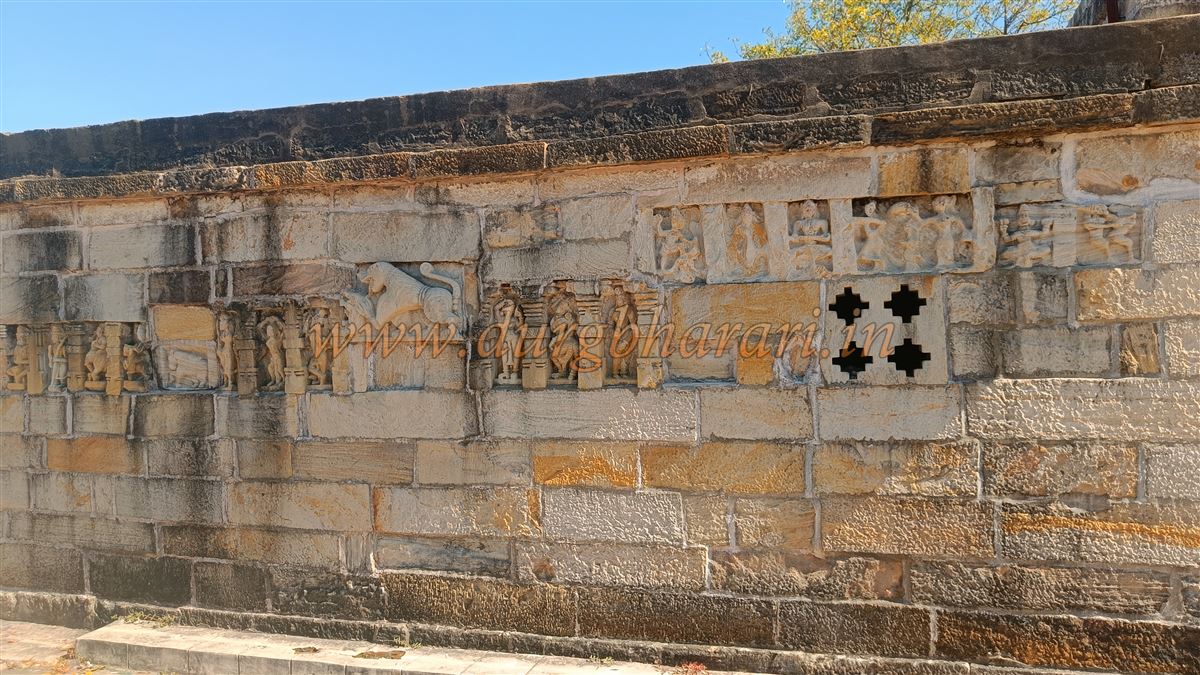
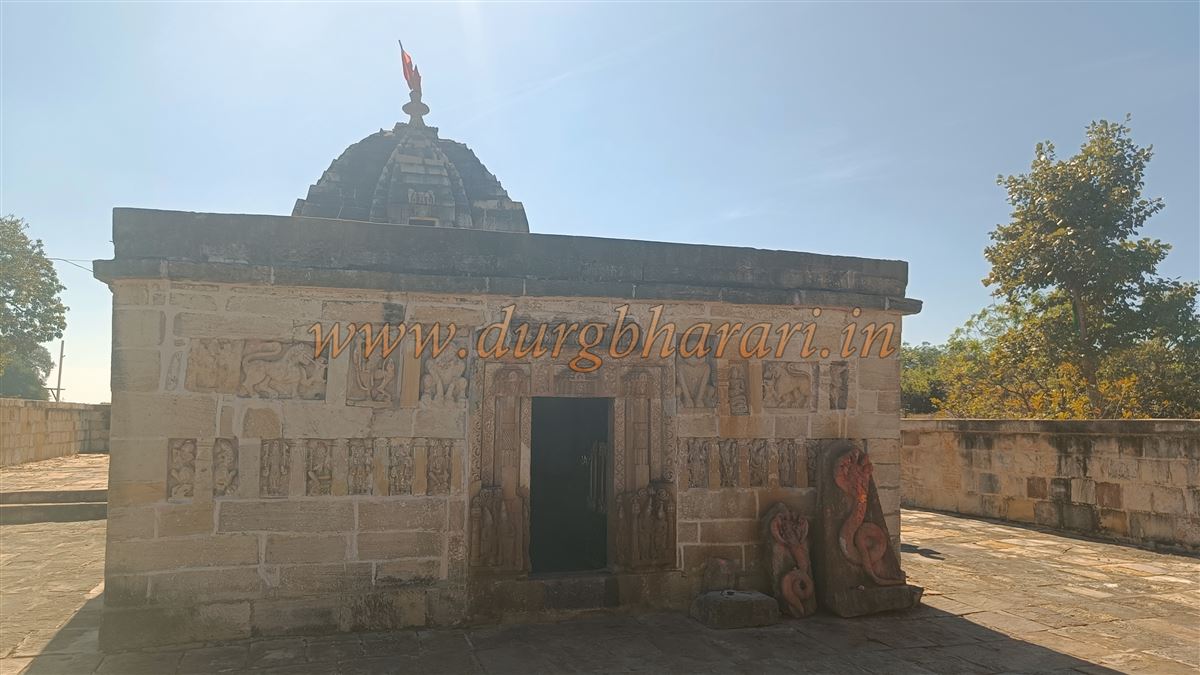
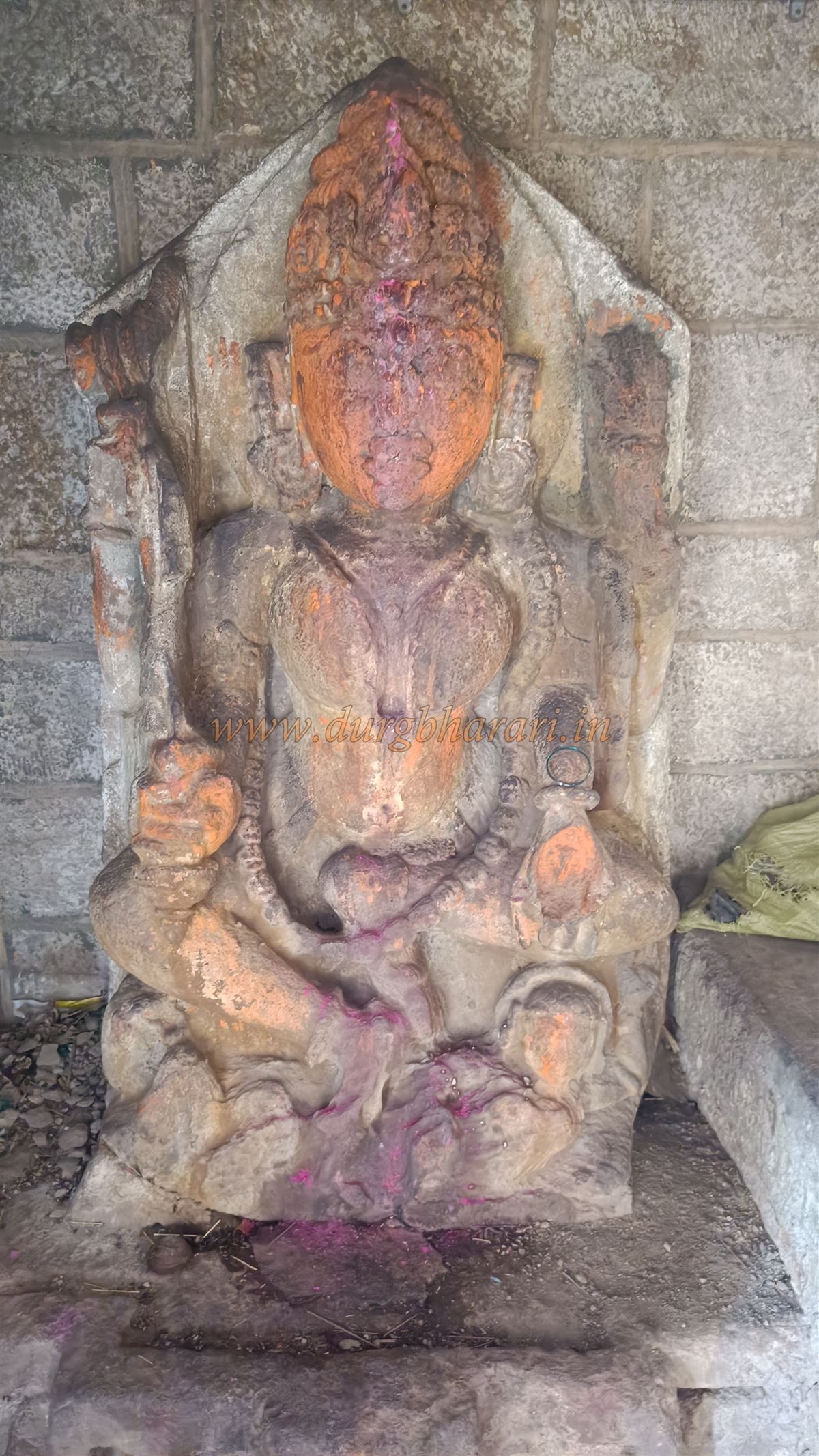
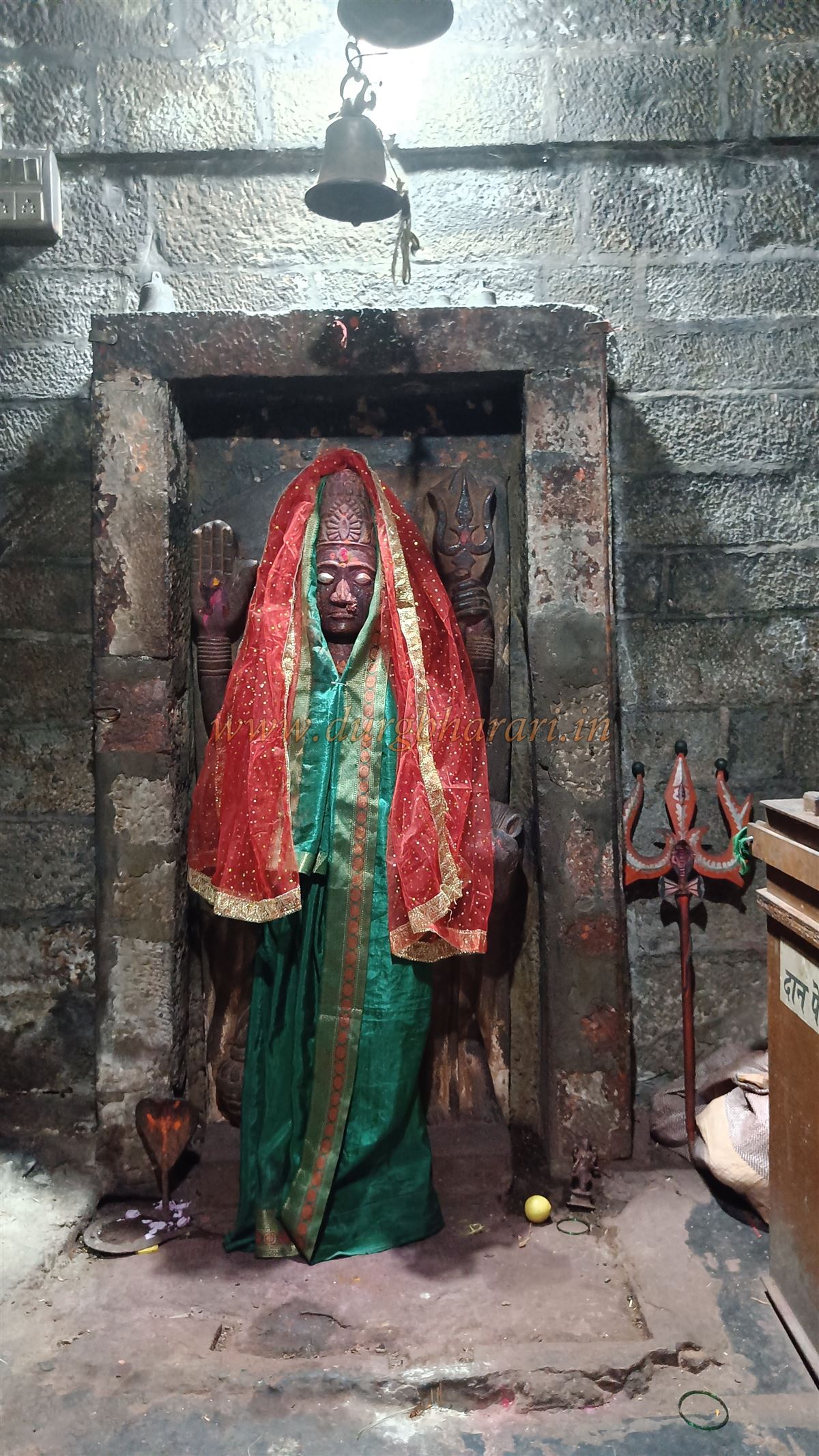
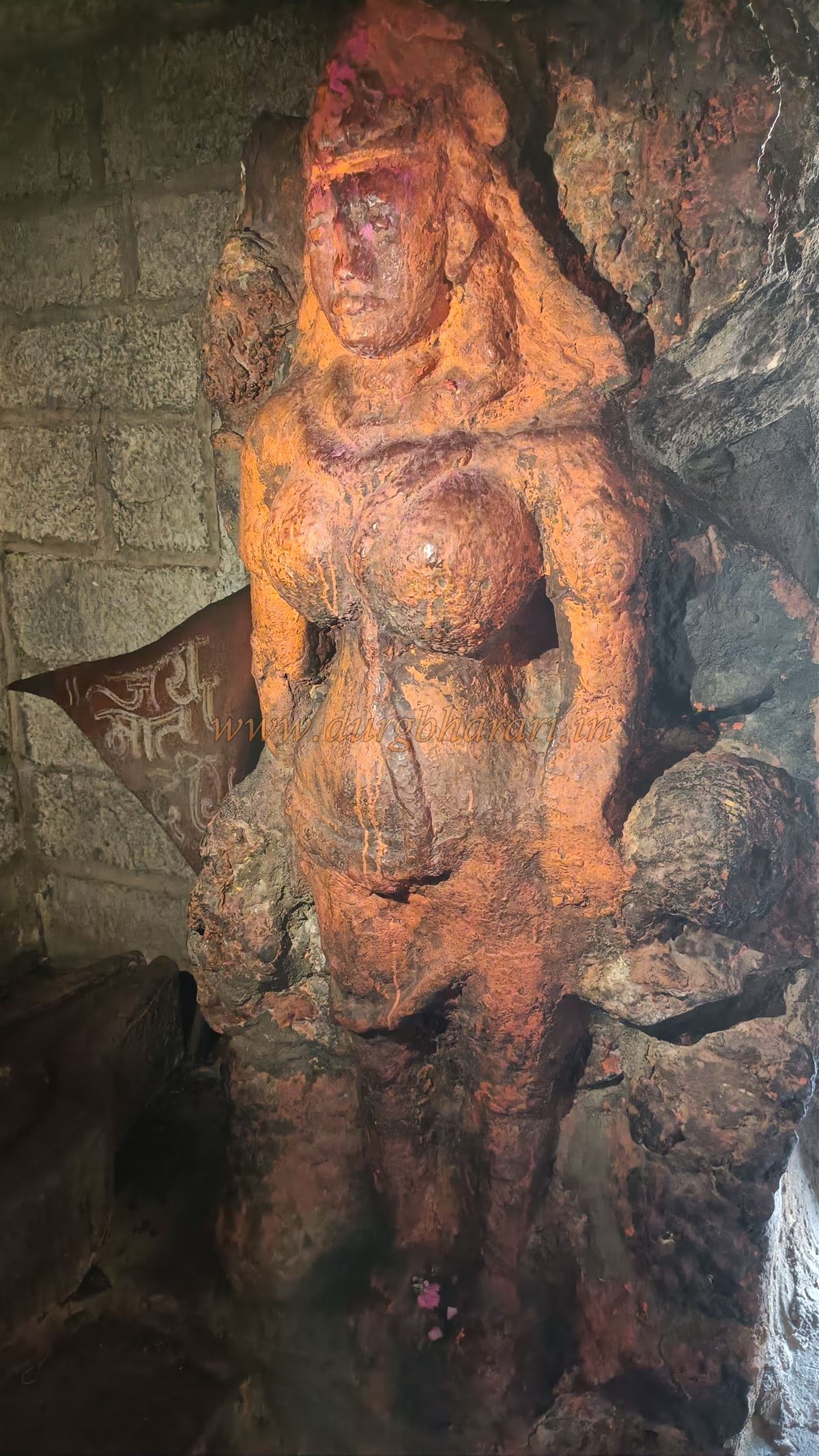
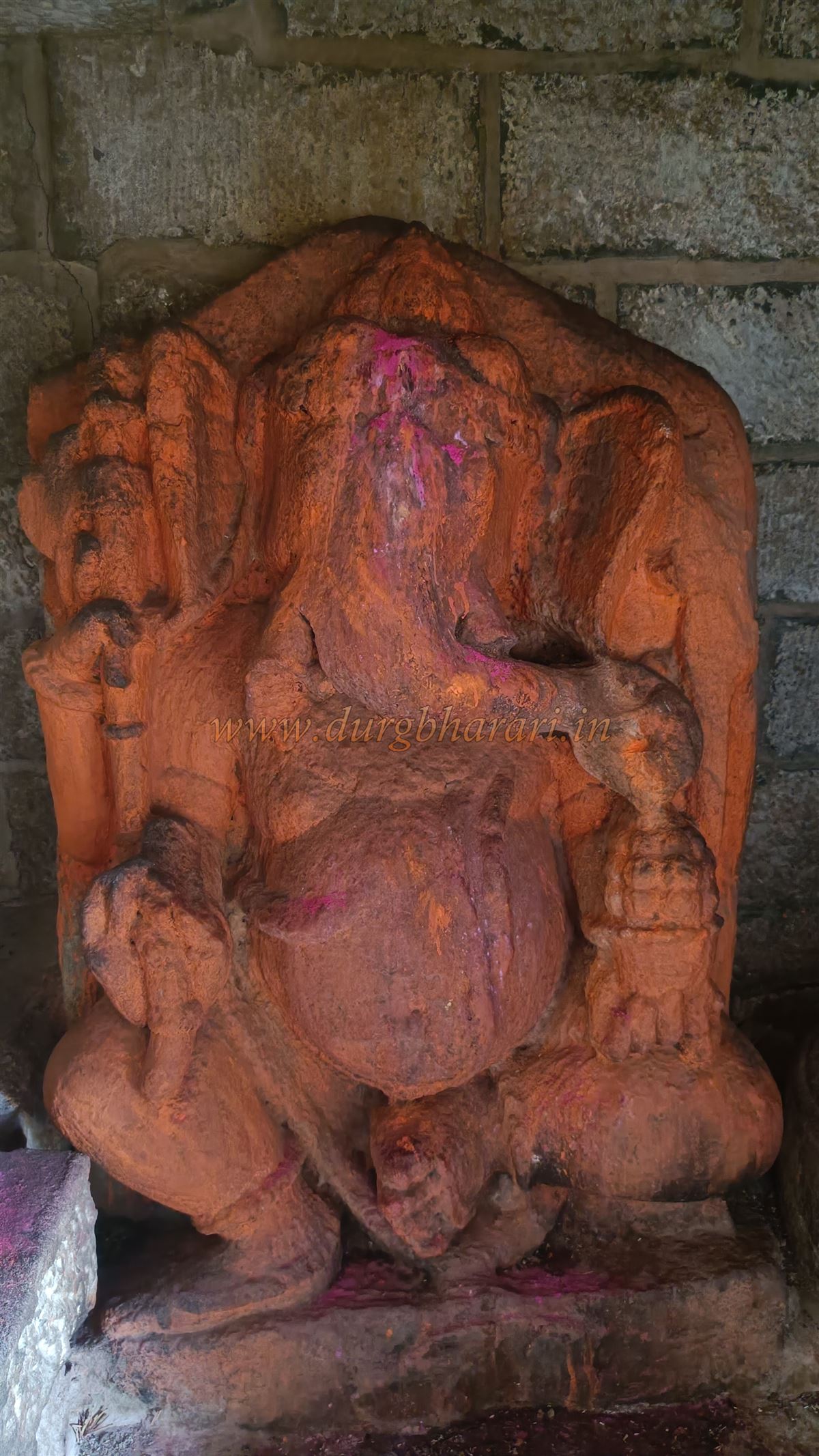
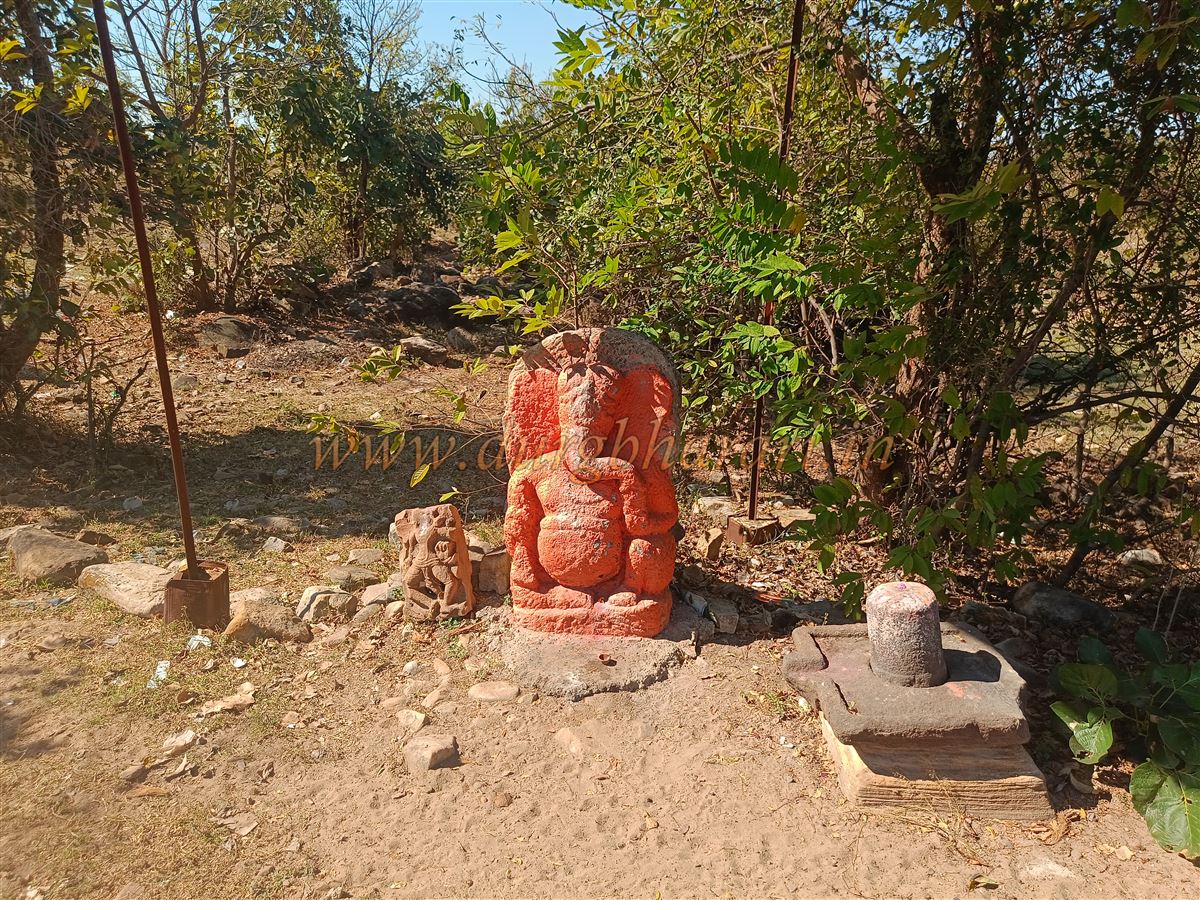
Additionally, there is a Vakataka-era temple of a goddess on the outskirts of the village, known as the Bhavani Temple. This temple is still in good condition. The mandapa (hall) of the temple is large and has seating arrangements on both sides. The sanctum is octagonal in the lower portion, with a circular Kumbh (dome) above. The idol of Bhavani Devi inside is a newly carved image, while the original broken idol is kept in the mandapa. Another sculpture of Ganesha is also placed in the mandapa.
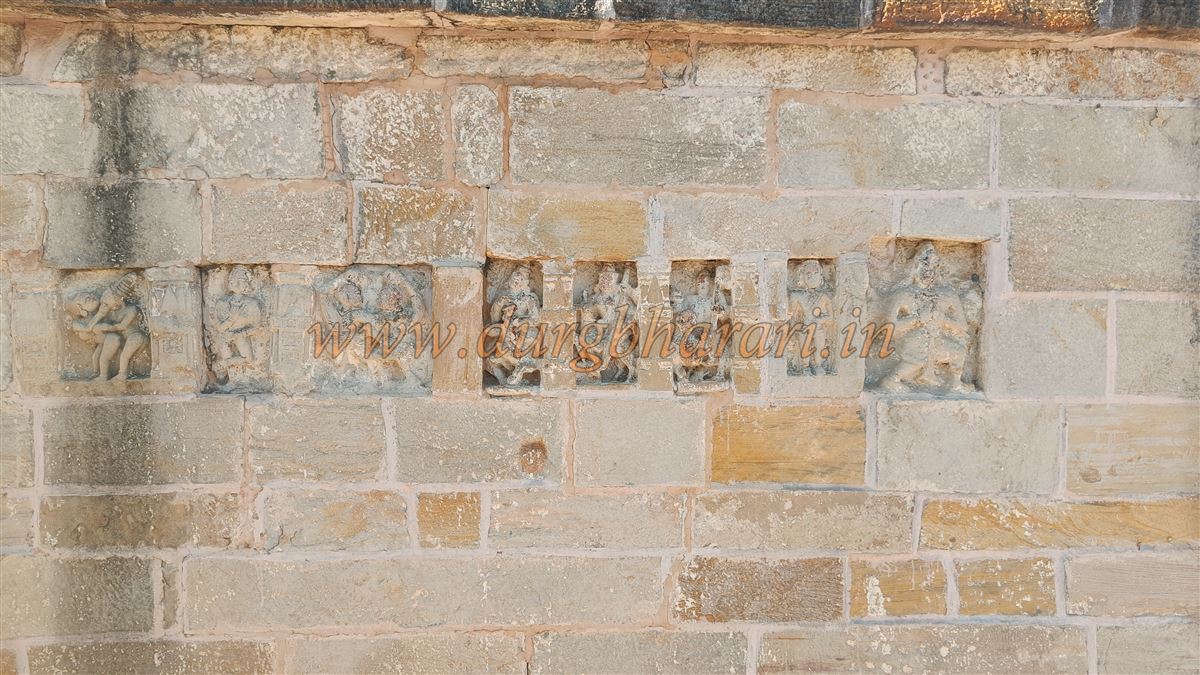
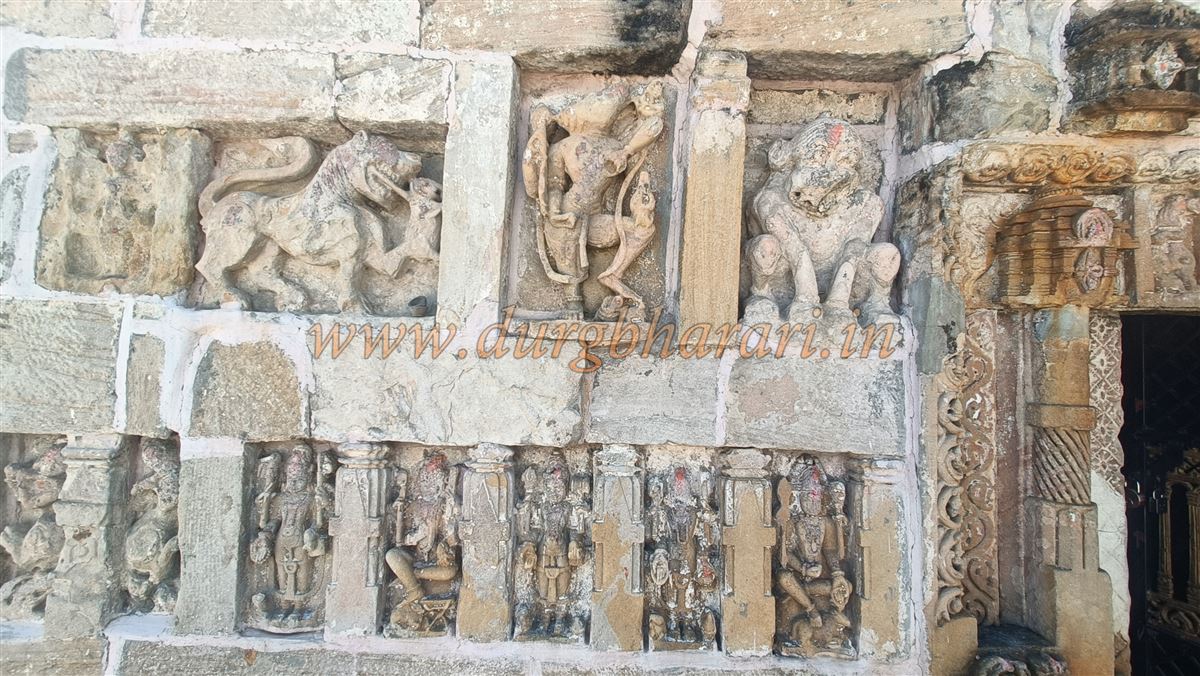
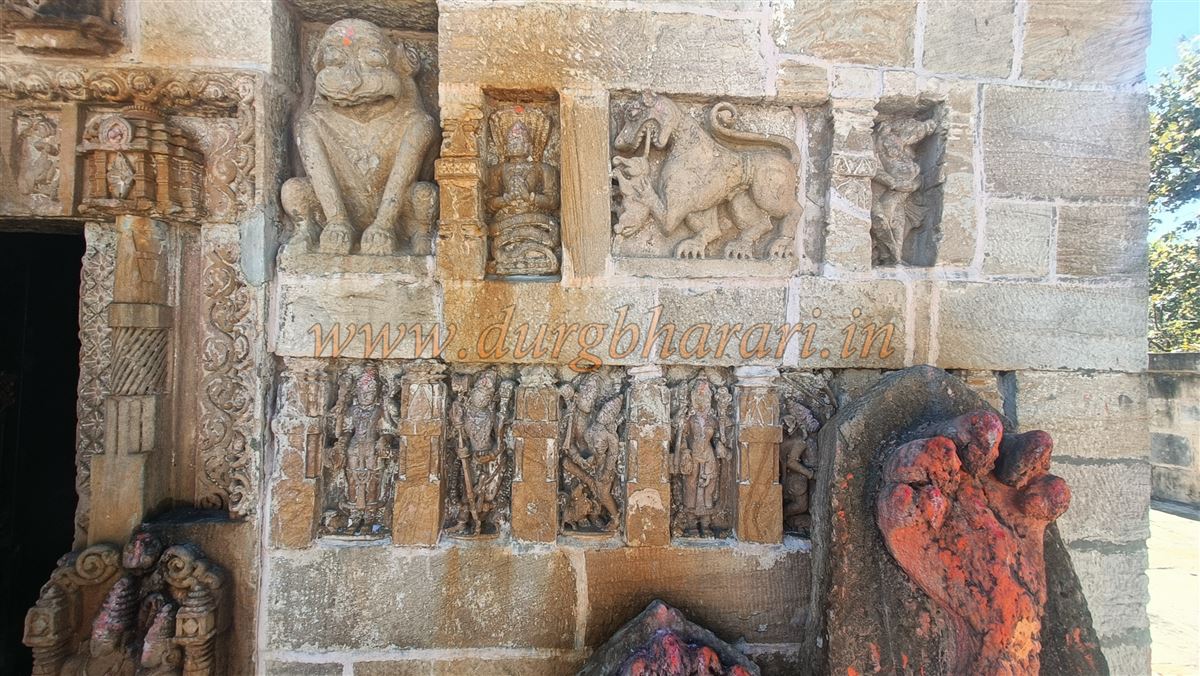
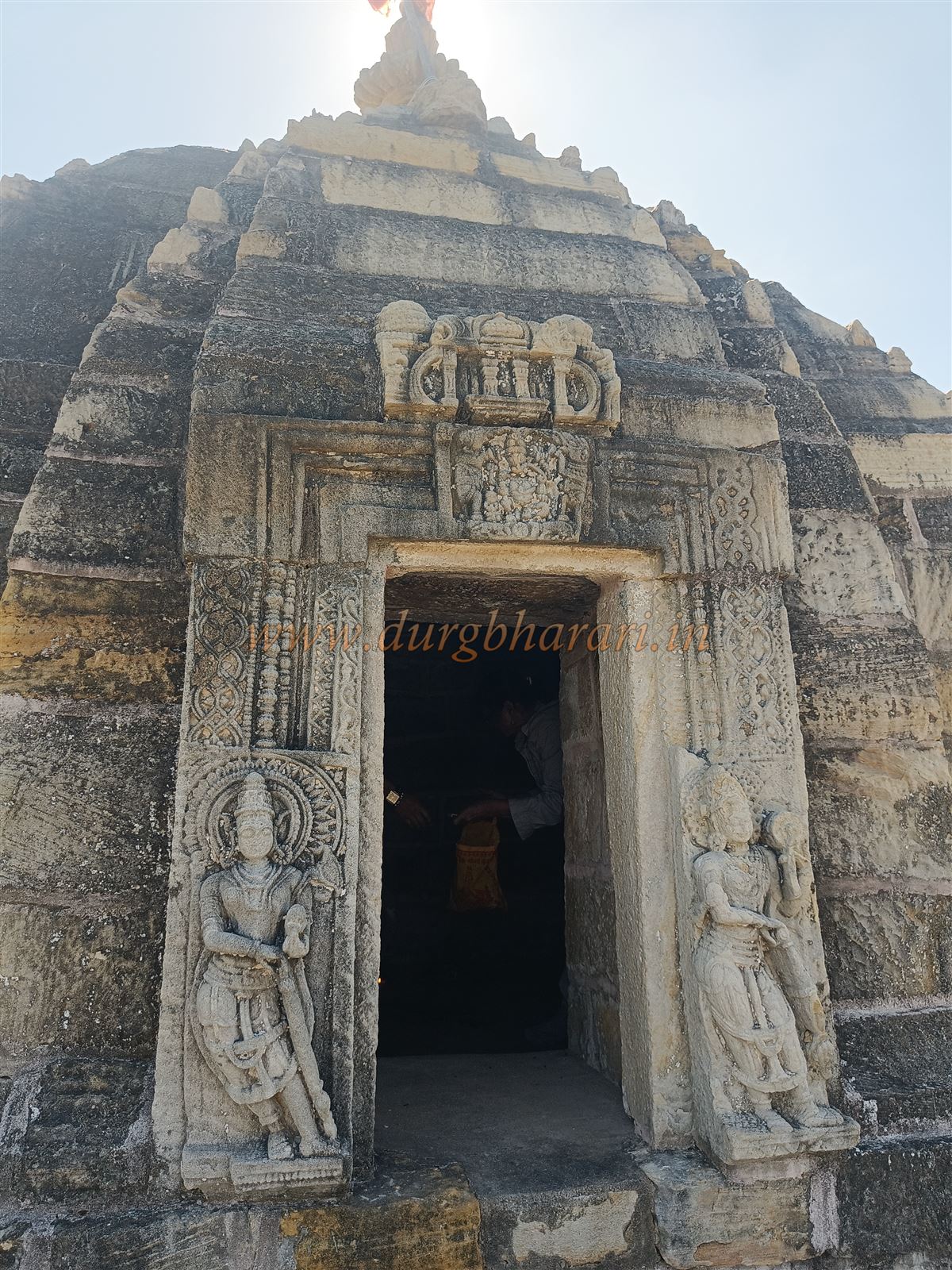
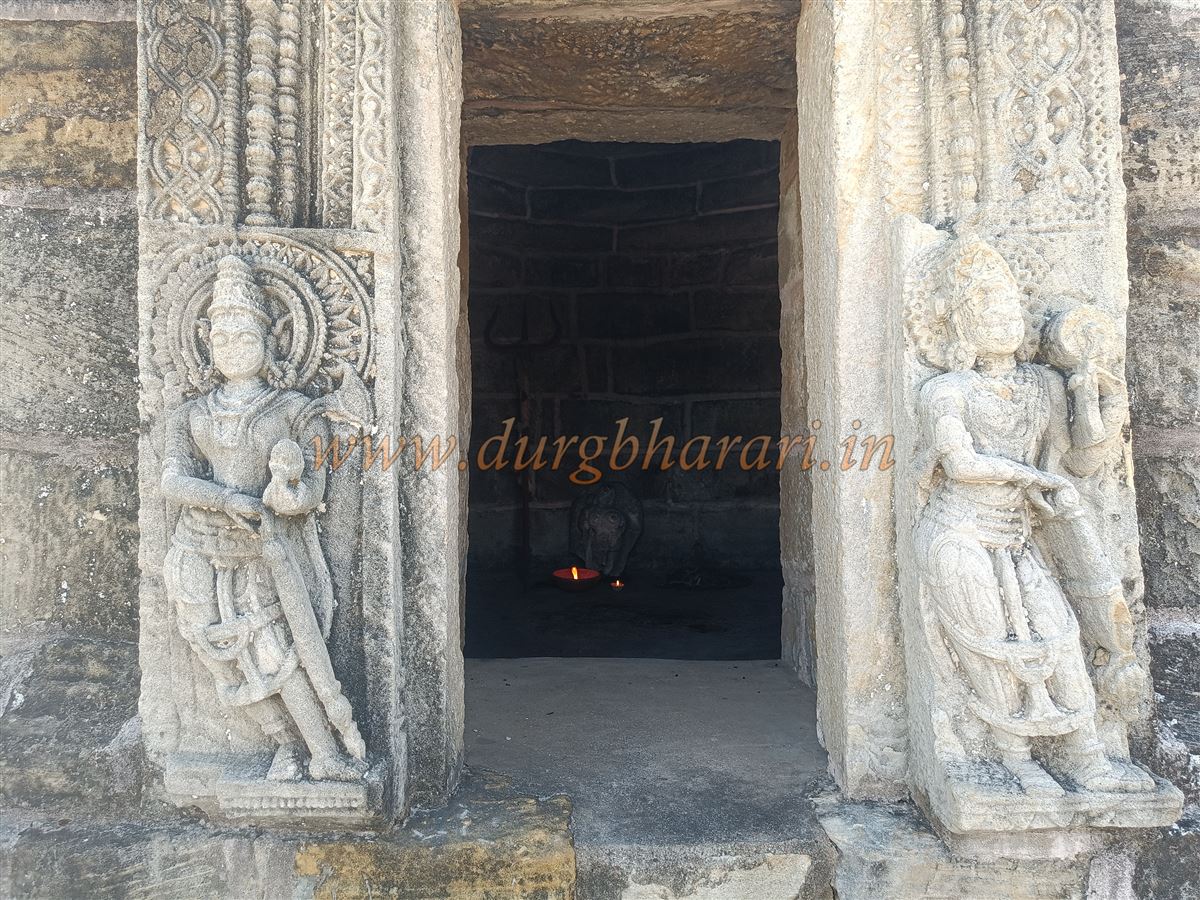
A small chamber has been built within the temple’s shikhara where a Shiva Linga is installed. The temple’s spire follows the Nagara style and is adorned with an amalaka and pinnacle. The sanctum is situated in the south, with the main entrance facing north. There is a secondary entrance to the east. The outer walls of the temple are richly decorated with numerous sculptures of various deities. According to scholars, this temple dates back to the 11th–12th century and was likely carved during the Vakataka period. One hour is sufficient to explore the entire temple.
Half a day is sufficient to visit both the Bhavani and Mahadev temples. Apart from these, the village also has caves, a ruined fort, and several other temples worth seeing.
© Suresh Nimbalkar
GALLERY