BHATALA
TYPE : GROUND FORT
DISTRICT : CHANDRAPUR
HEIGHT : 0
GRADE : EASY
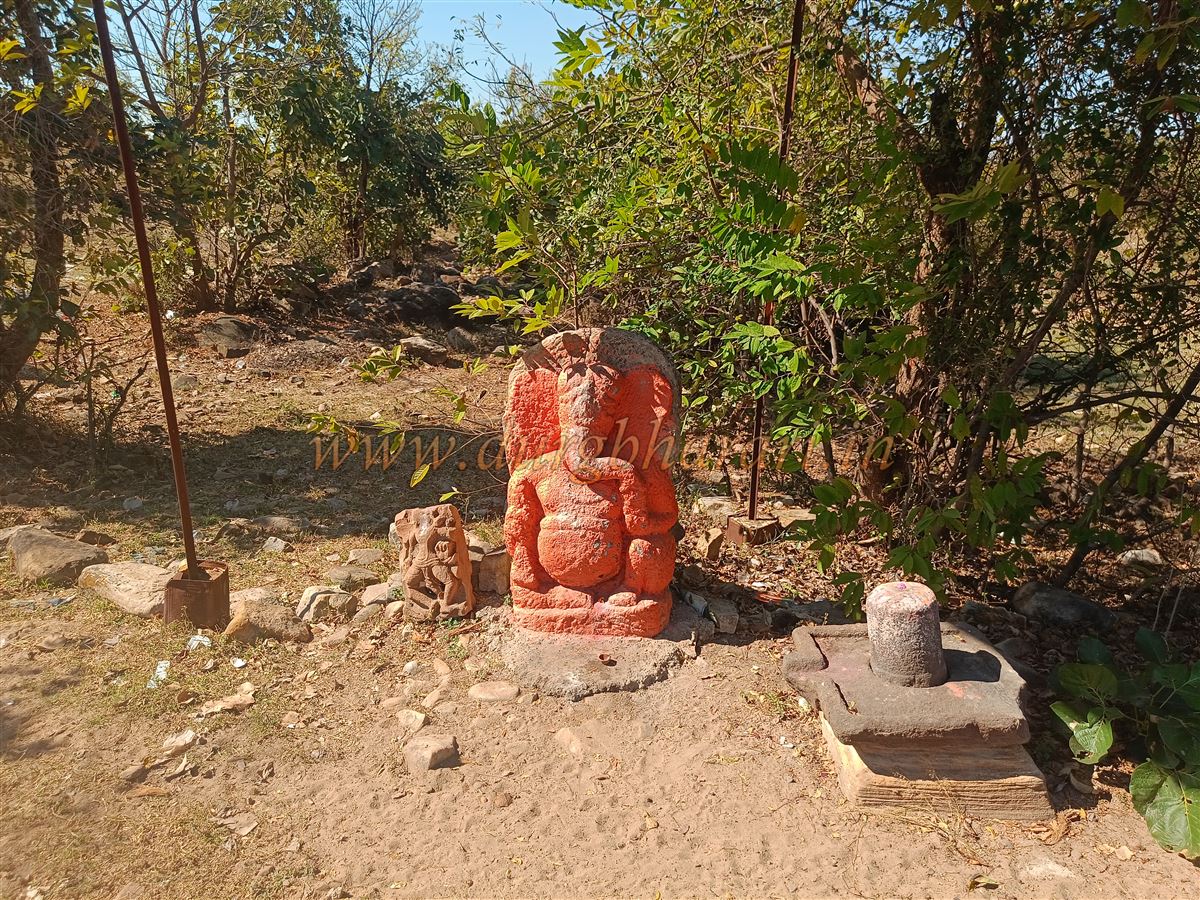
There is a village in Chandrapur district that holds a treasure of sculptures. In fact, considering the abundance of sculptures, the village should have been named "Shilpagram", but its name is Bhatala! Although our main subject is forts, while exploring this village, one encounters so many archaeological remains at every turn that it's difficult to move forward without observing them. During our exploration of forts in Chandrapur district, our historian friend from Vidarbha, Mr. Ganesh Bansod, informed us that there were remnants of a fort in one of the two villages—Khemjai or Bhatala. Thus, we planned a fort exploration to both villages. In the records of the Bhosale office in Nagpur, both villages are referred to together as "Khemjai-Bhatala", but now they are separate villages, making it unclear which one has the fort.
...
We first visited Khemjai village thoroughly. There we saw a beautiful stepwell (Bawdi), a samadhi of a warrior from the Bhosale family, and the remains of an ancient broken Shiva temple near a small pond in the open fields. Our exploration of Khemjai ended there, as we found no traces of a fort. However, a shopkeeper in the village gave us the contact number of Dr. Pallavi Tajne, and that made our fort exploration much easier. Dr. Pallavi Tajne not only provided us with information about Bhatala village but also shared the Google Maps location of the fort. We are sincerely thankful to her on behalf of the Durgbharari group.
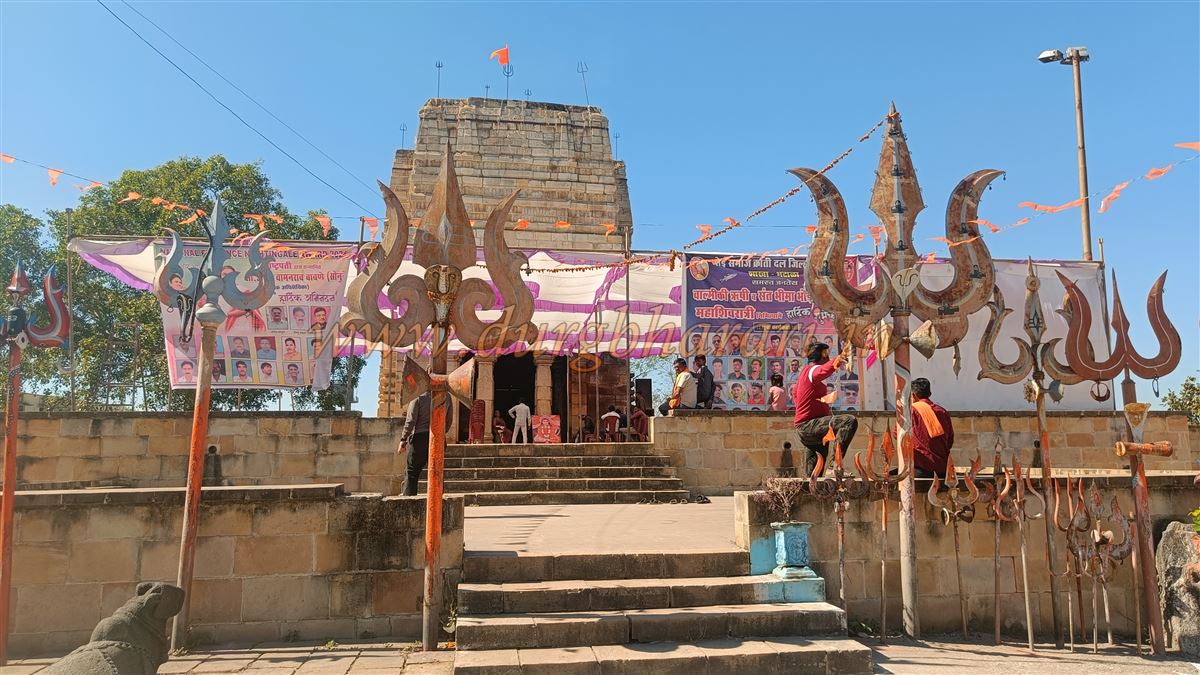
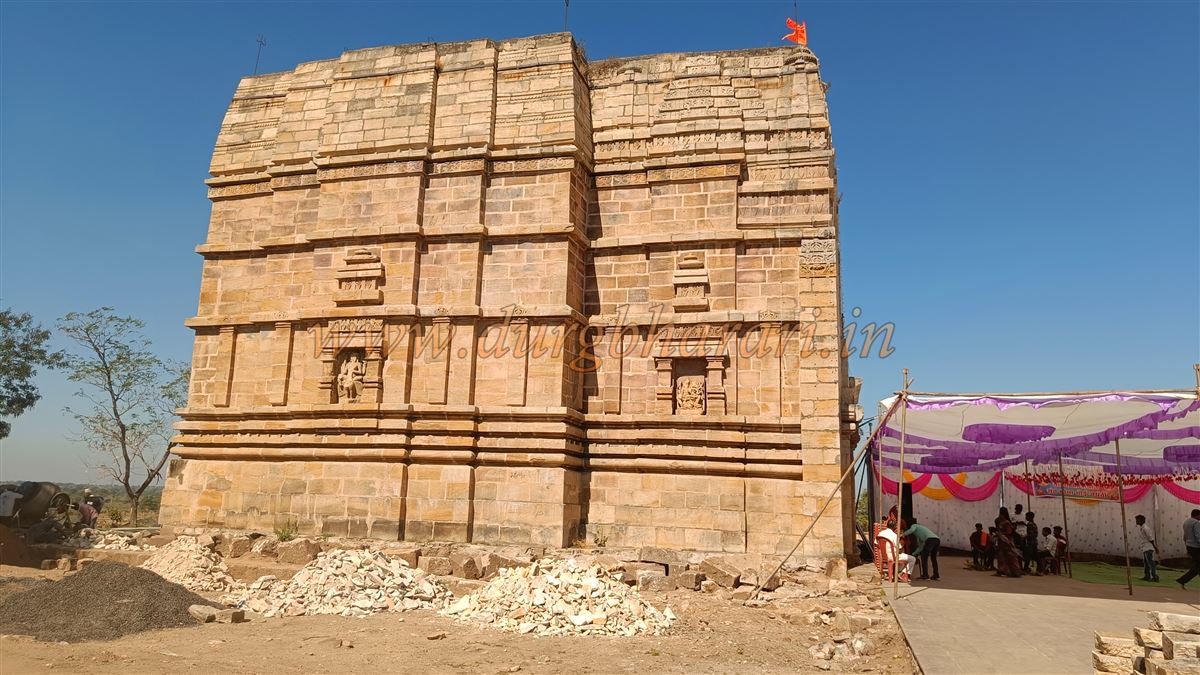
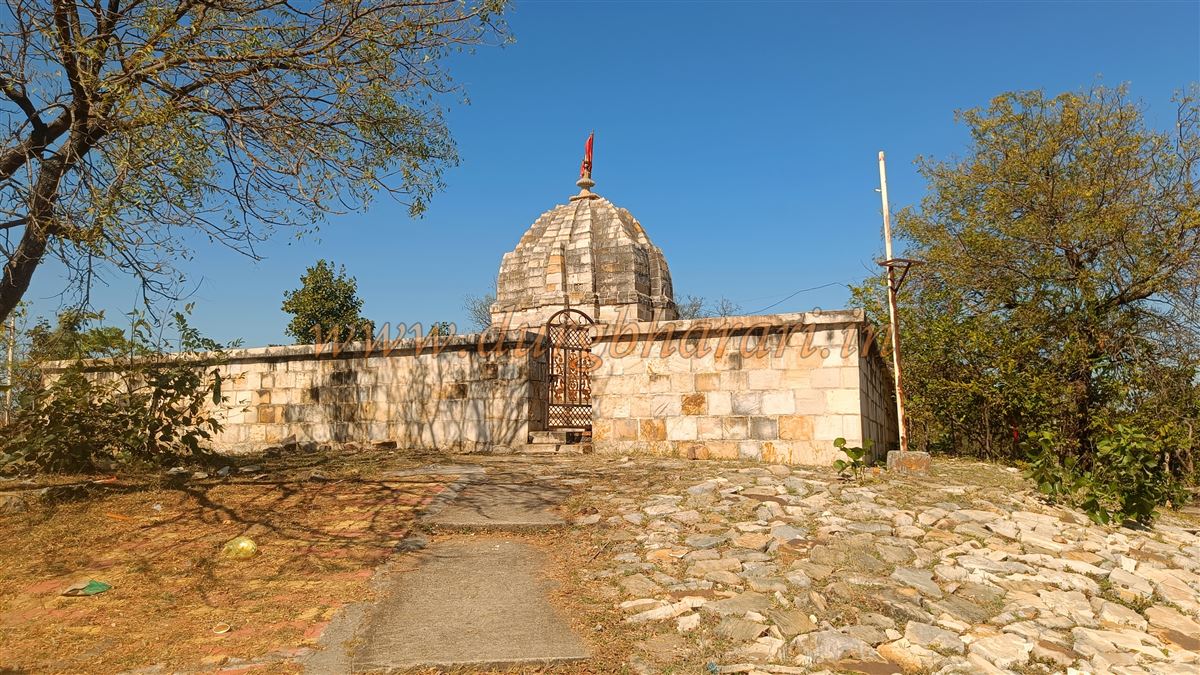
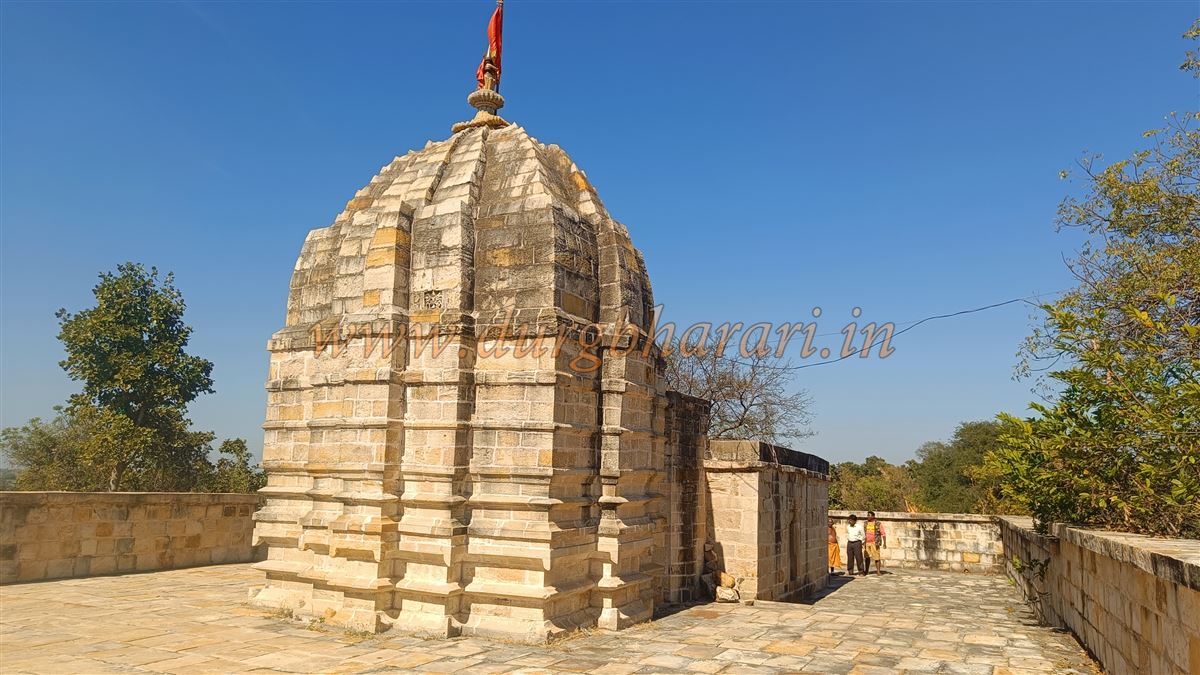
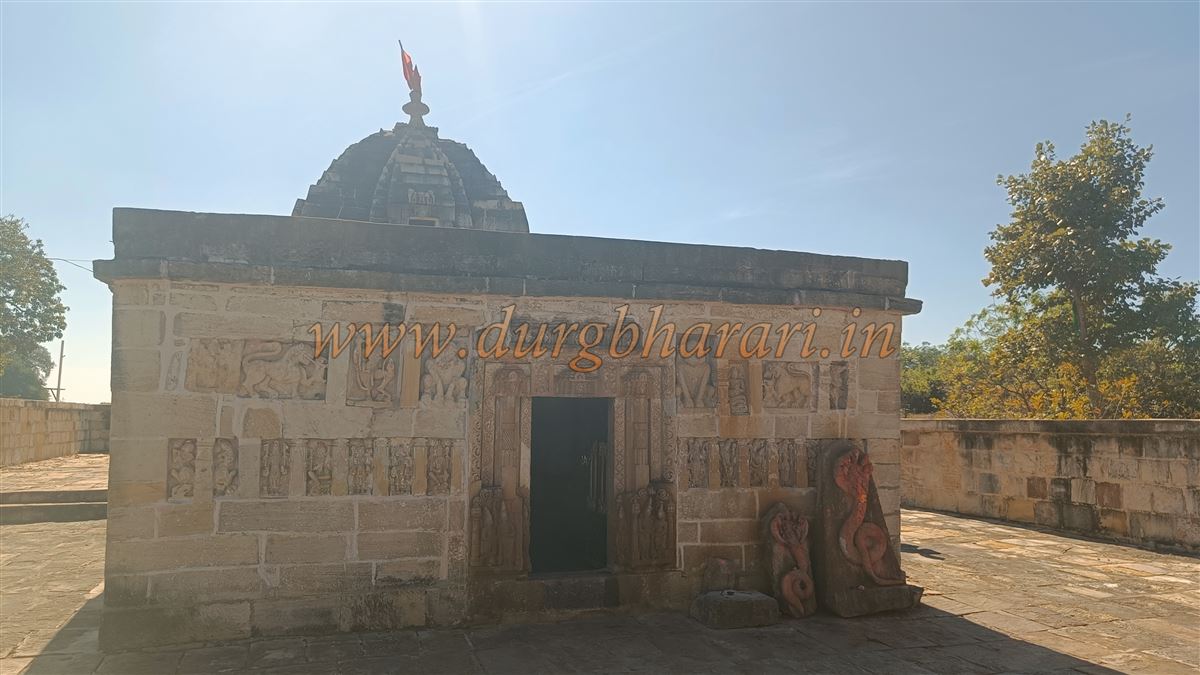
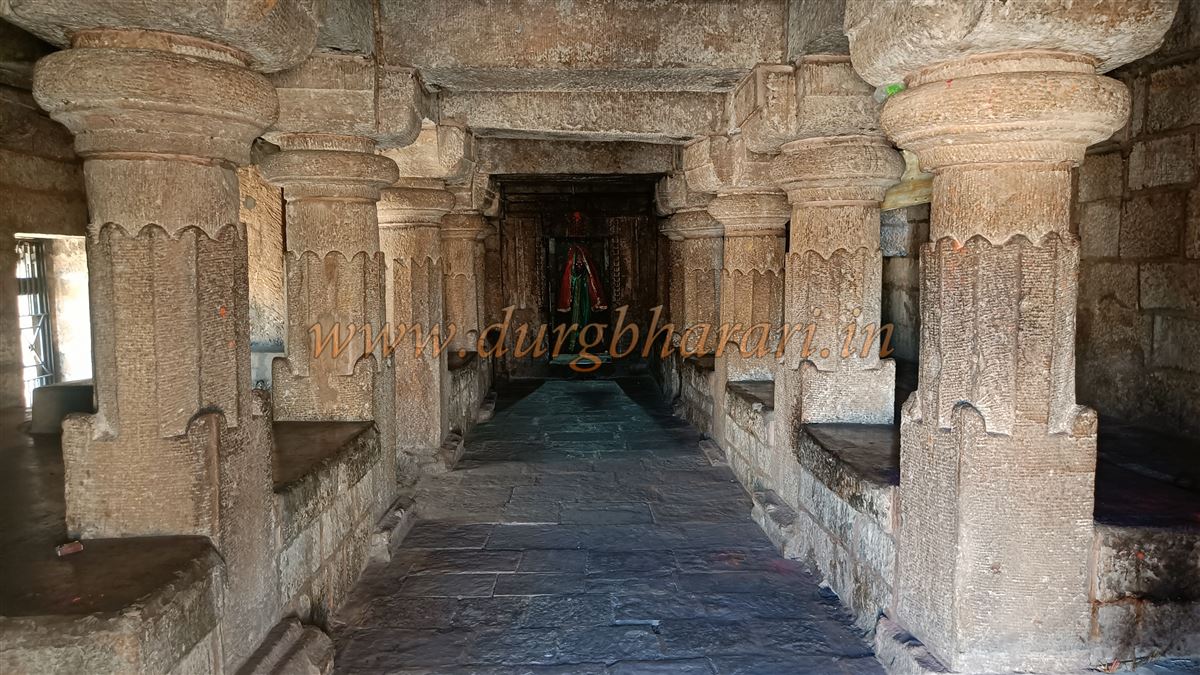
Khemjai and Bhatala are adjacent villages located in Warora taluka of Chandrapur district. Bhatala is about 12 km from the taluka center, Warora. While Bhatala has many ancient remnants, two sites not to be missed are the Mahadev temple and the Bhavani temple. As details about both these temples have already been given in the "Temples" section of our website, I will now turn to the main topic—forts.
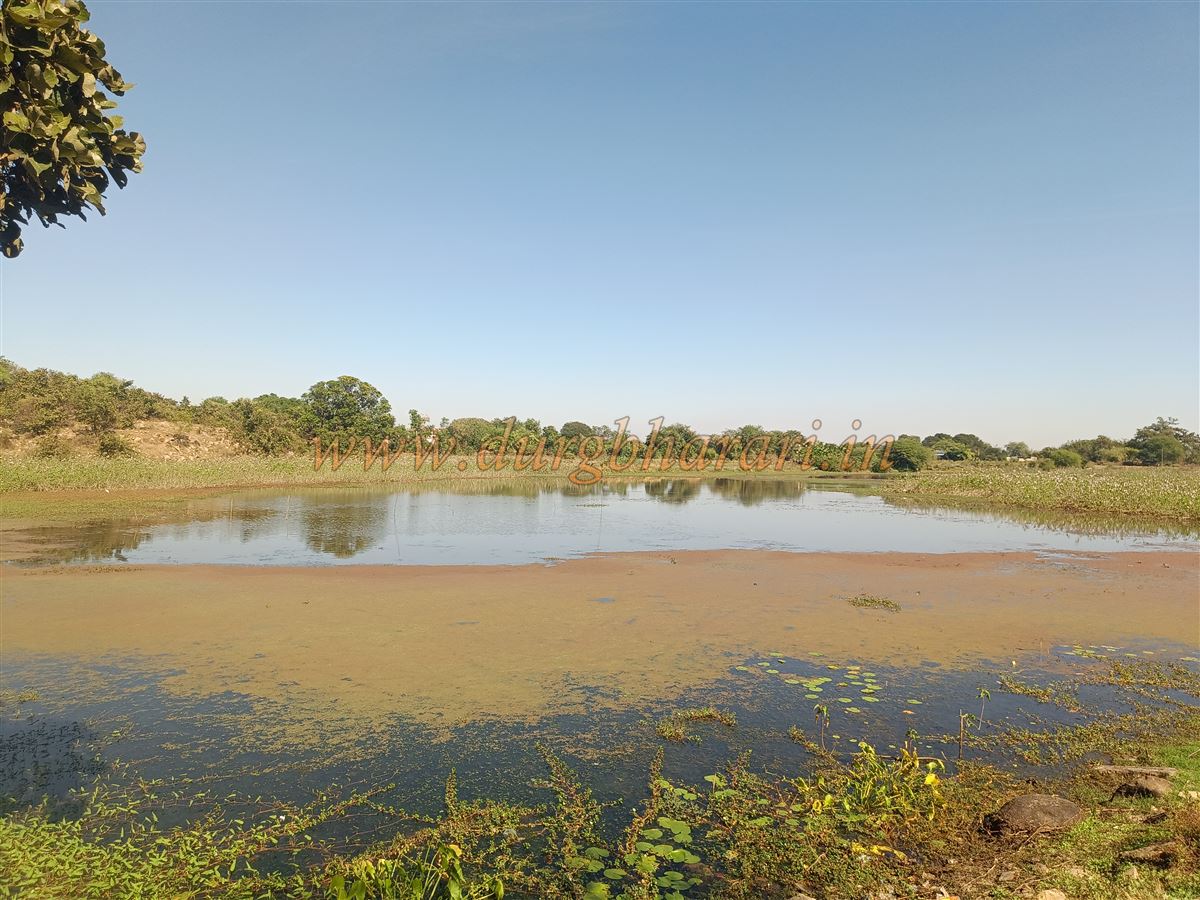
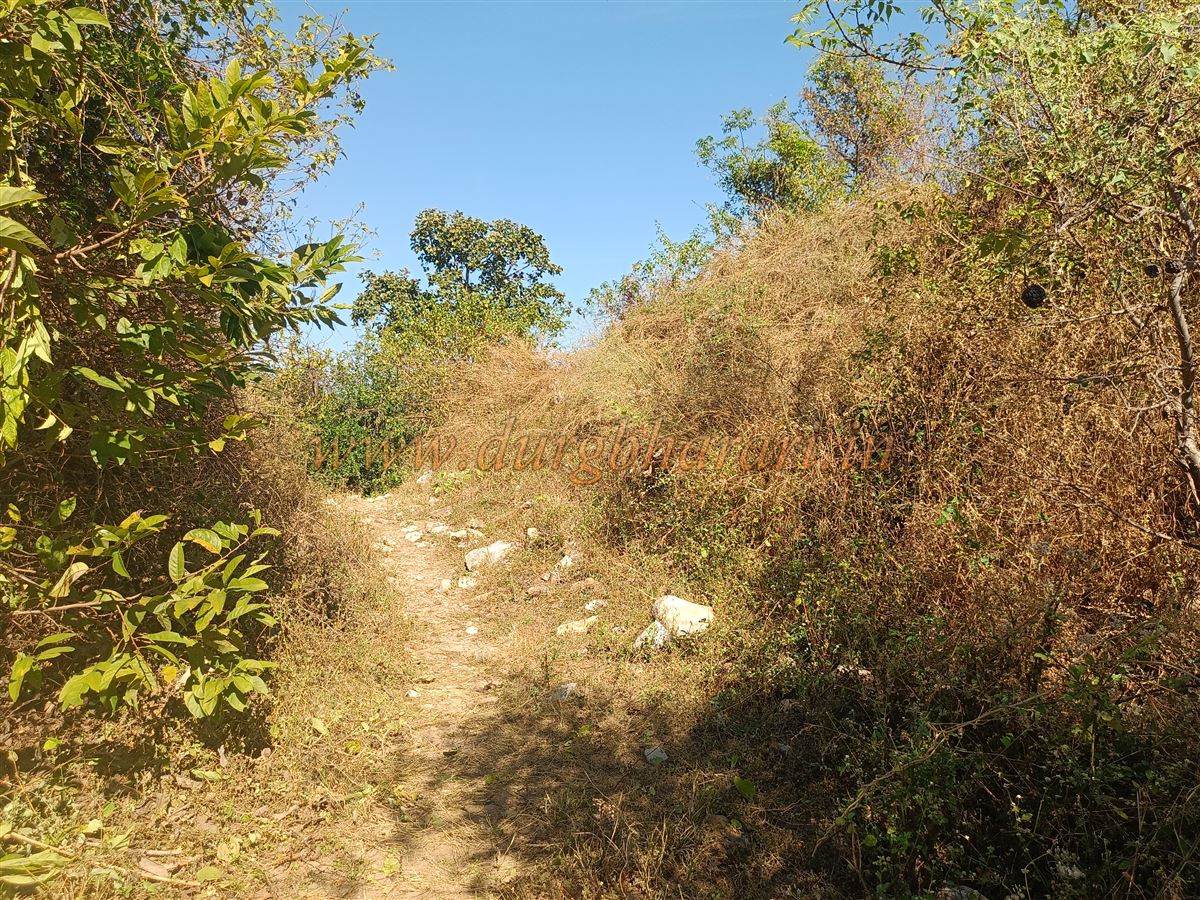
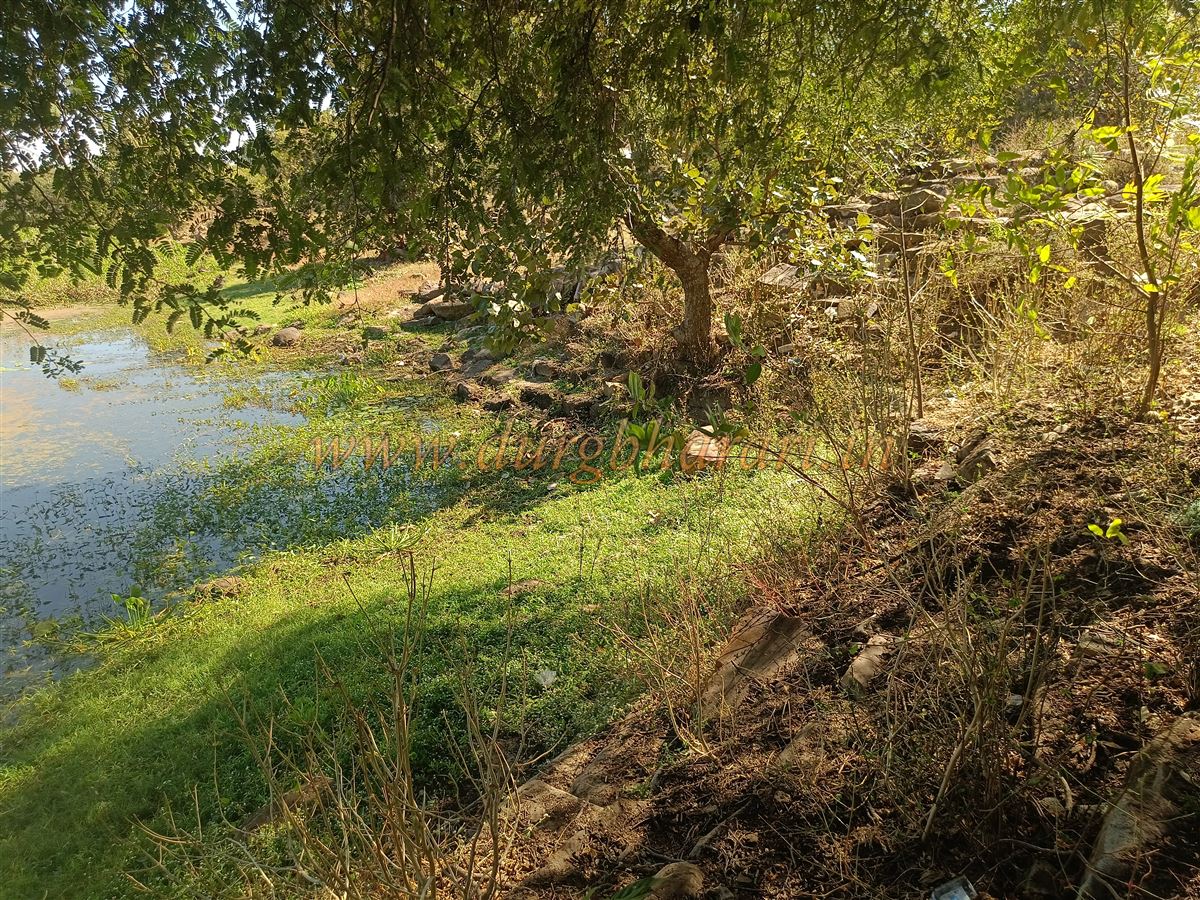
Upon entering Bhatala village, there are two ways to reach the fort. The first path goes behind the Mahadev temple and leads toward the Bhavani temple, from where the fort can be accessed. The second route allows you to reach the Bhavani temple by vehicle, and from there, one can proceed to the fort on foot. After visiting the Bhavani temple, a pond can be seen in front of it. Locals refer to it as the Rishi pond. A path from the wall of this pond leads up the hill, where the remains of Bhatala Fort are found.
The Rishi pond is also ancient and appears to have served both as a water source and as part of the fort’s defense system. During the monsoon, when the pond water becomes muddy, it was redirected to a small tank where the sediment would settle, allowing clean drinking water to be obtained—a feature that reflects thoughtful ancient planning.
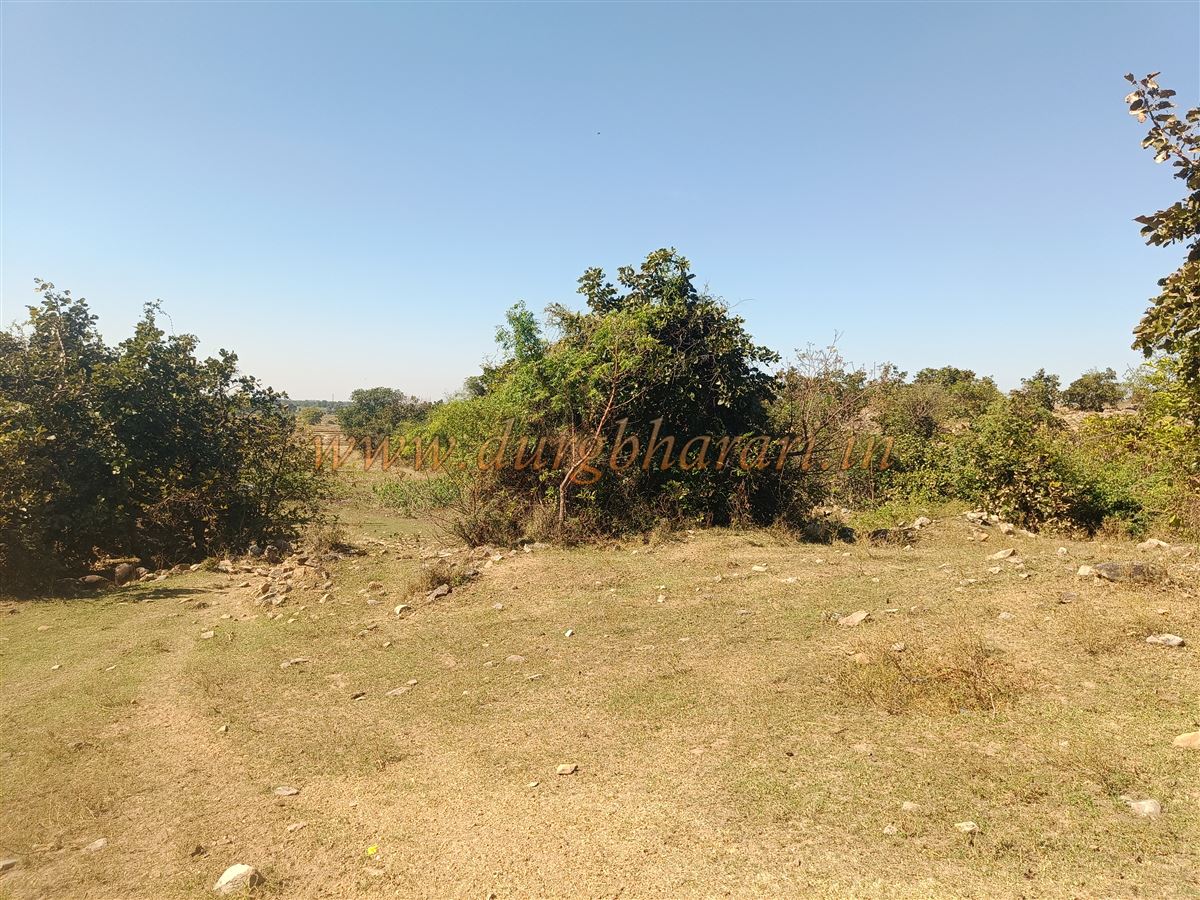
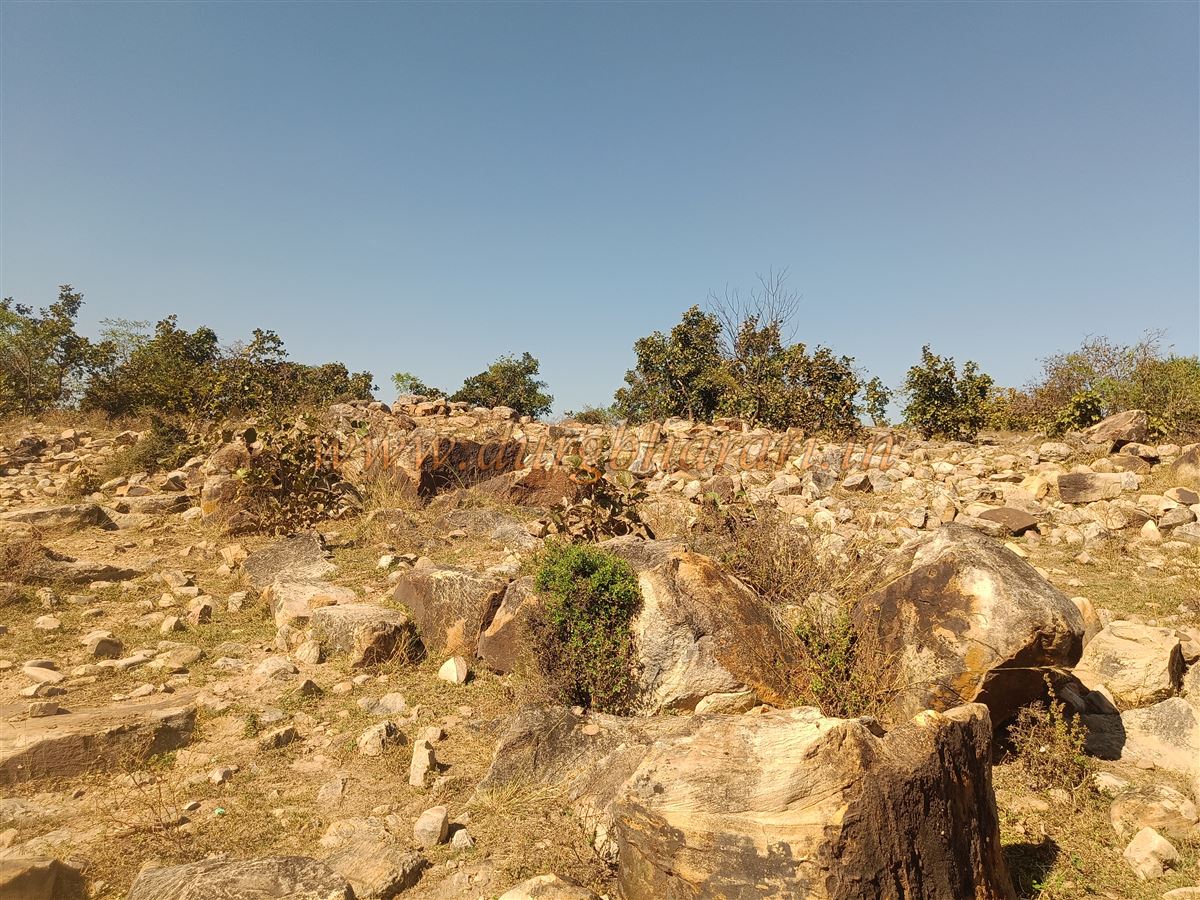
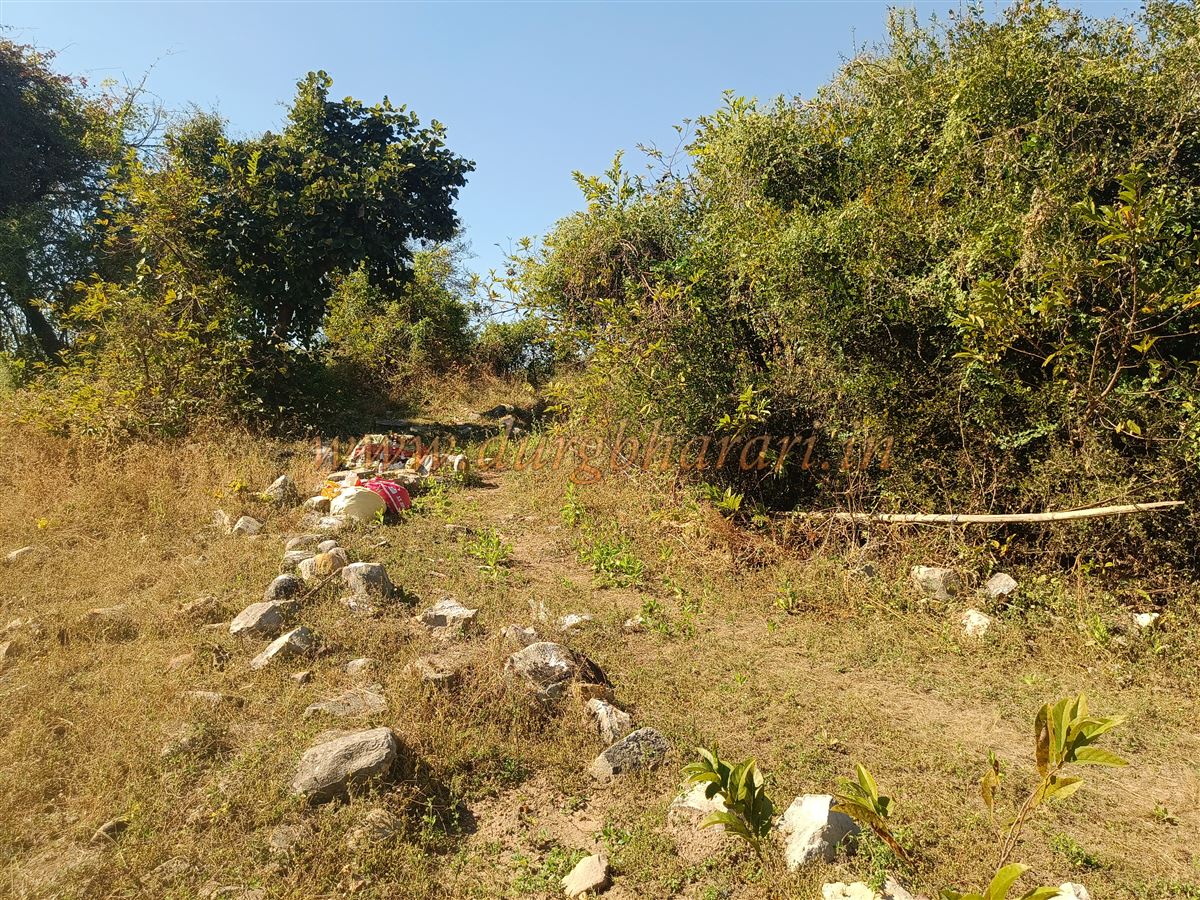
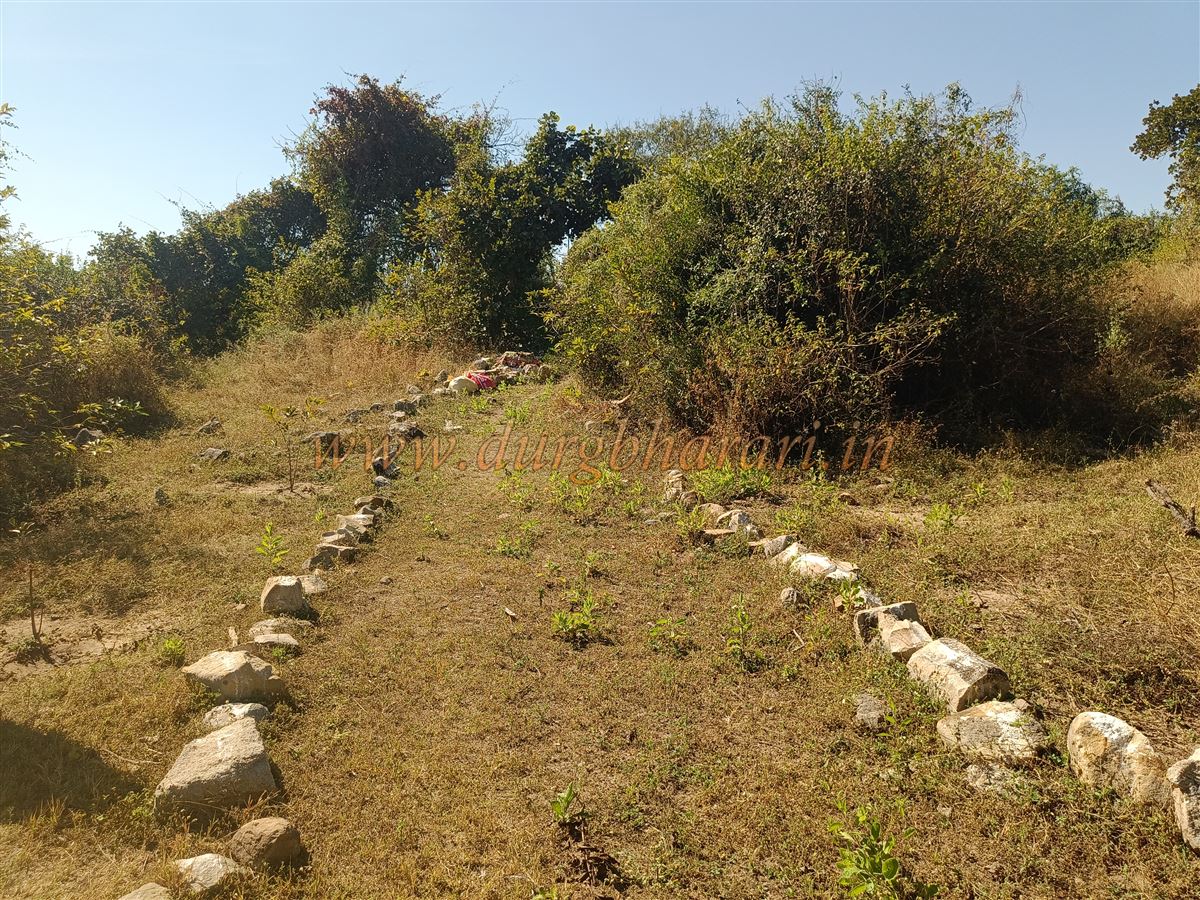
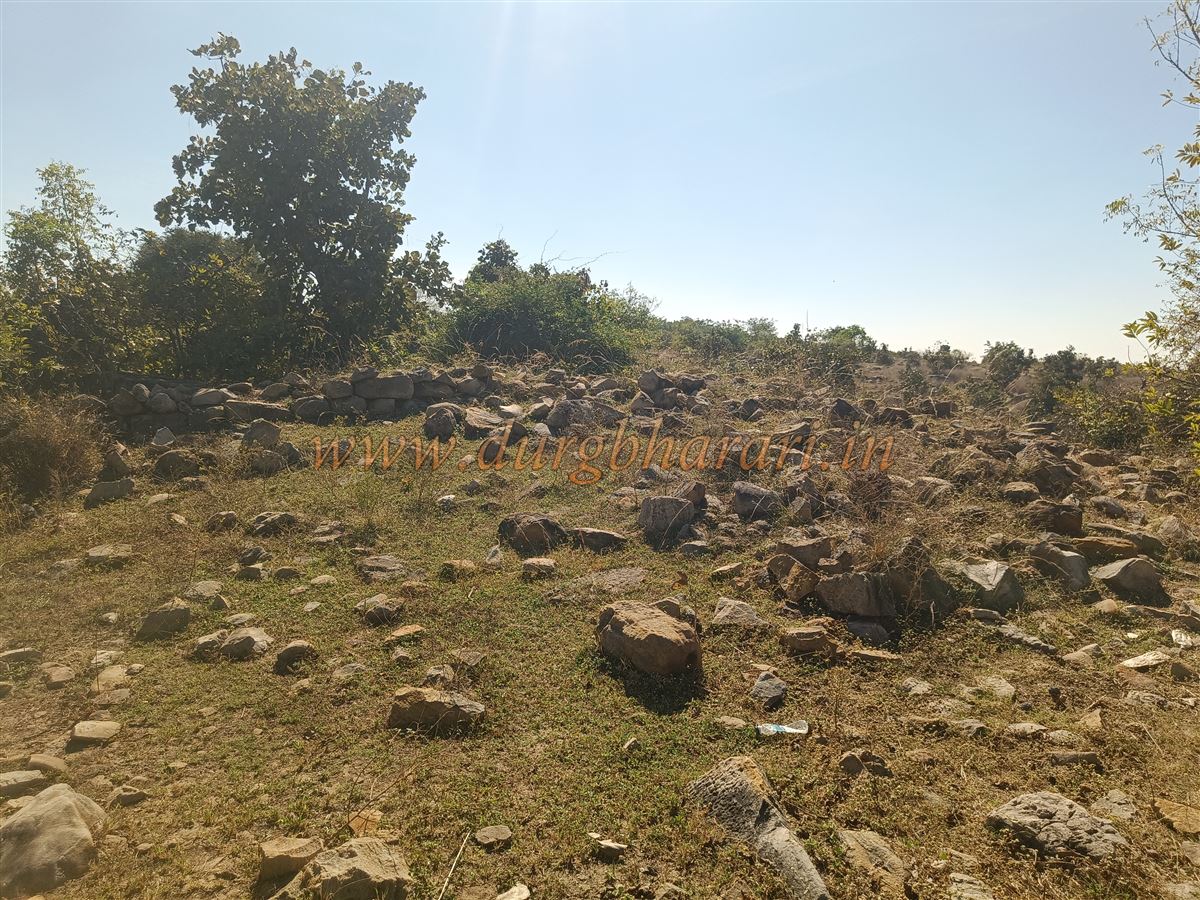
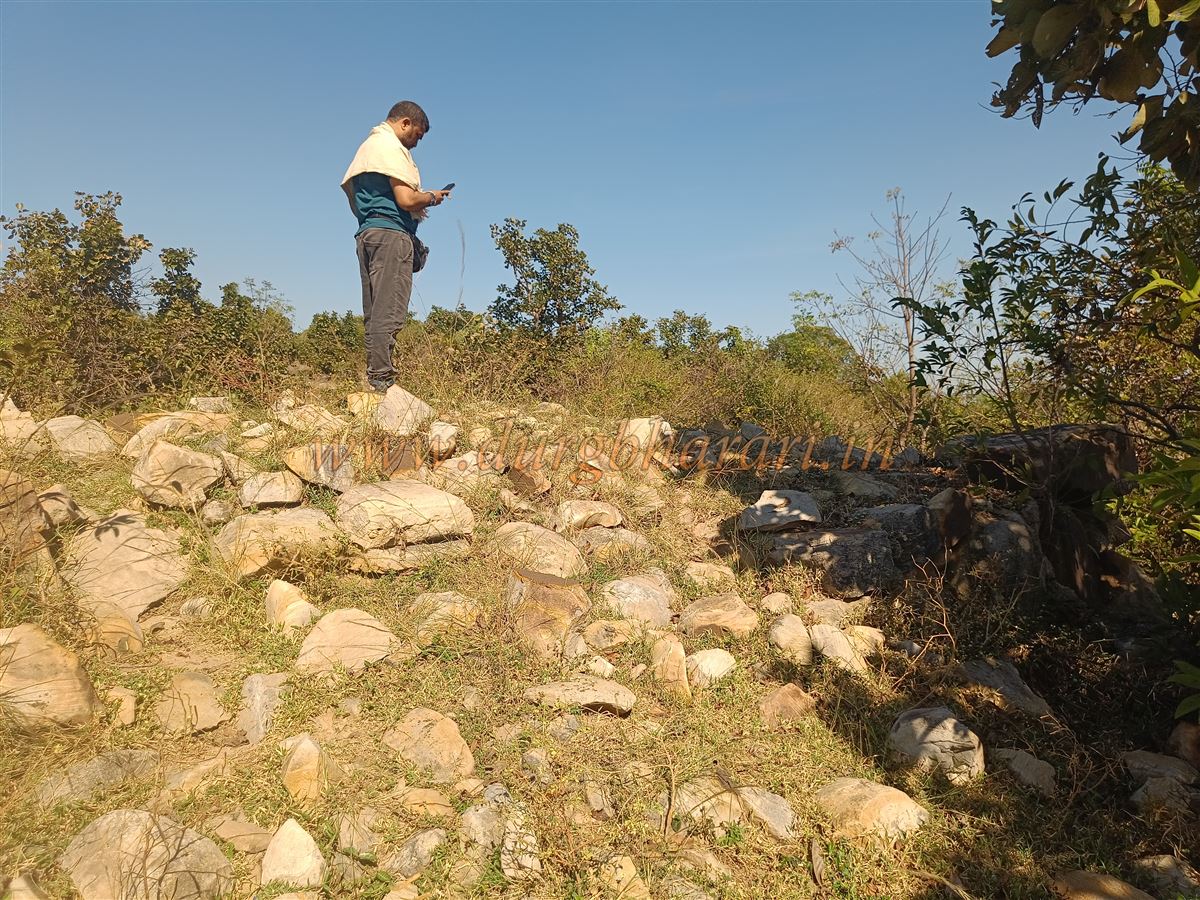
As you cross the pond's wall and start ascending the hill, remnants of a constructed wall appear. In one place, remains of a broken arched entrance are visible, but it’s hard to say definitively if these belong to the fortifications because some of the stones show carvings. A little further up, the path turns right and passes beside a ruined bastion, through which one enters the fort. Due to the overgrowth of grass and shrubs in this area, it's difficult to tell whether one is entering through a broken gate or a damaged fort wall.
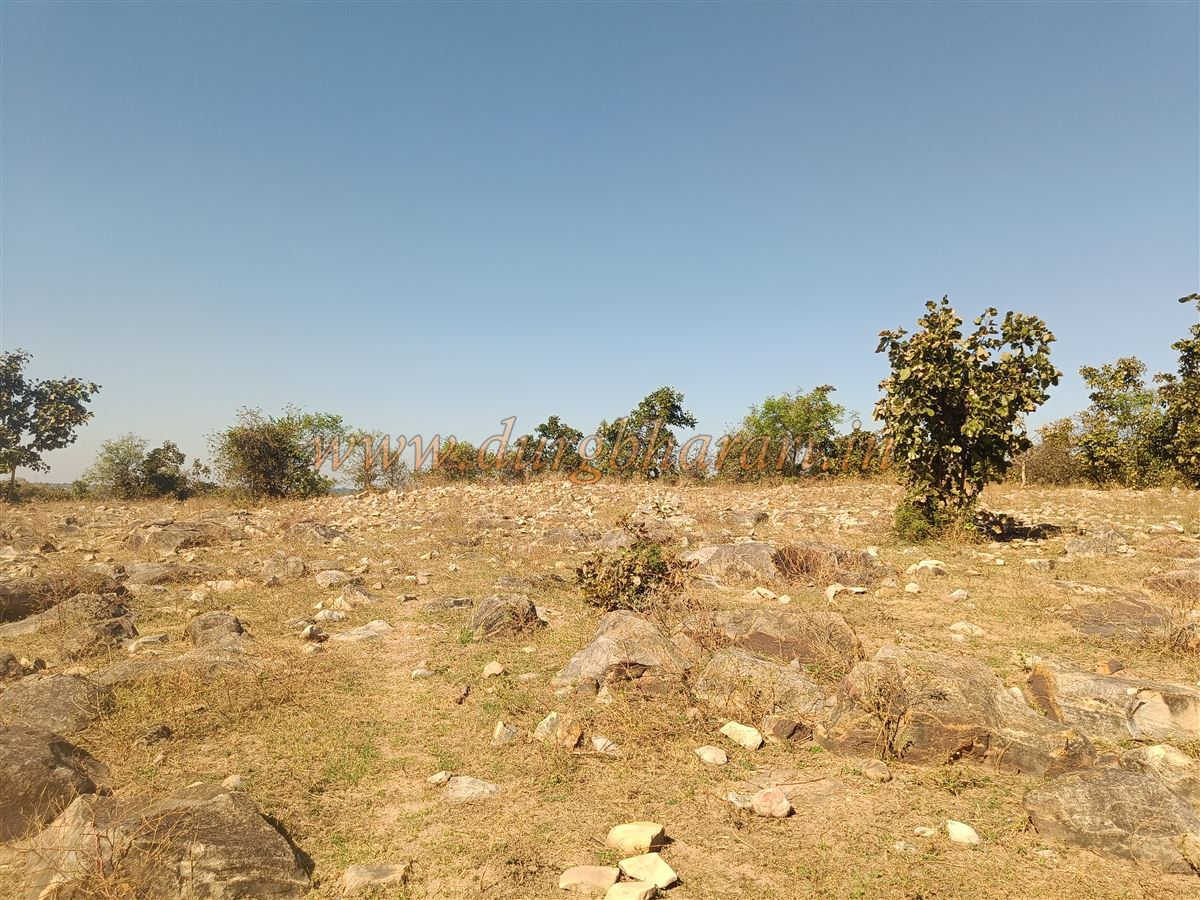
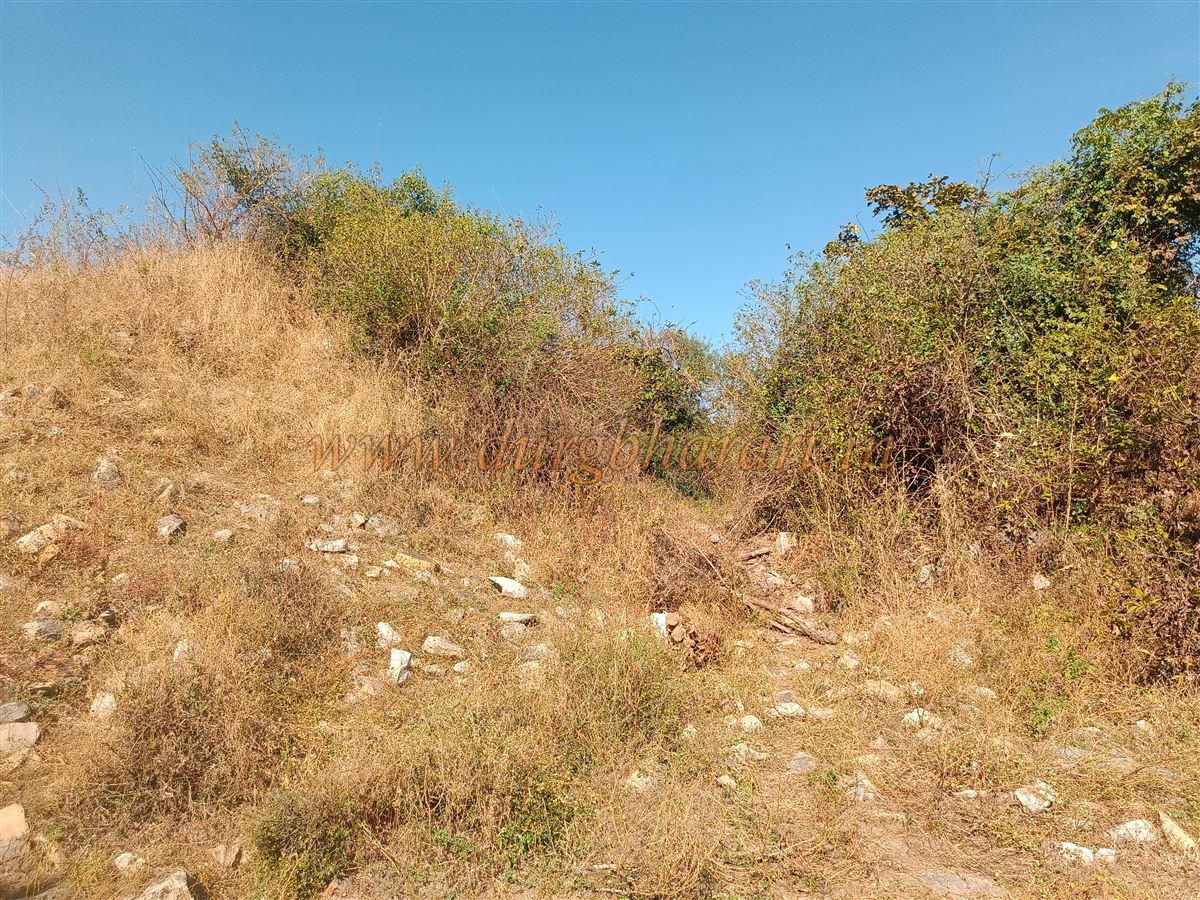
If the wall at the base of the hill is considered part of the fort, the fort can be said to have two sections—a machi (lower plateau) and a Balekilla (citadel). The upper part of the fort is roughly square in shape and spread over approximately one acre. Each of its four corners has a bastion. However, due to dense grass and shrubbery growing inside and along the broken walls, the remains of the fort are not prominently visible.
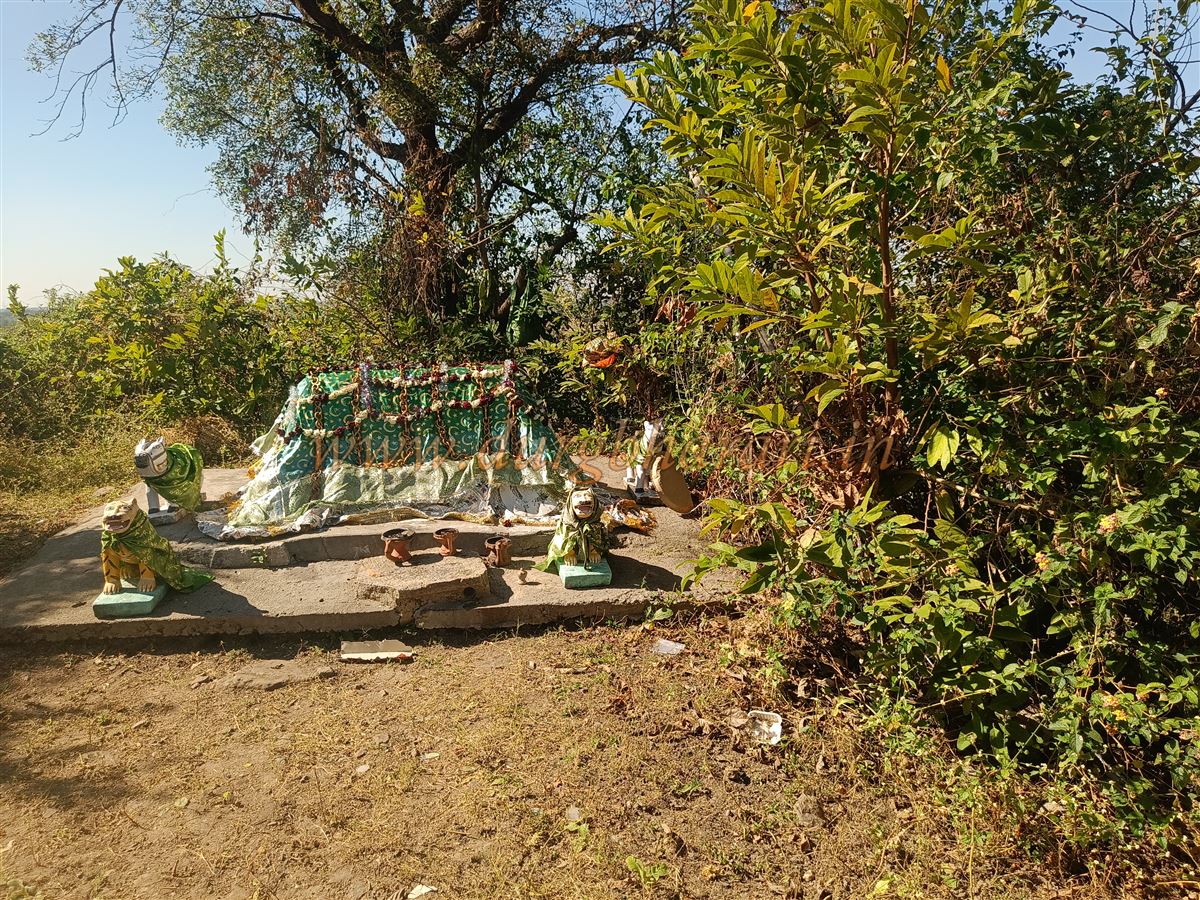
On one of the bastions, a newly constructed cement platform is found, covered with a green sheet. A grave has been established there, and visits to it have begun. Fruit trees have also been planted in the fort area. In this village of temples, an unrelated dargah is being set up on the fort, which urgently requires attention.
Due to overgrown grass and collapsed structures, many of the fort’s remains have been buried. Additionally, while planting new trees, the ground was dug up, further damaging whatever remnants were left. The path into the fort enters through one part of the wall and exits from another. Besides these, another part of the wall has collapsed. Therefore, it’s hard to determine how many gates the fort originally had and where they were located.
There is no visible water supply system on the fort, or if it existed, it seems to have been buried. From the Bhavani temple, it takes just 15 minutes to reach the fort, and the same amount of time is sufficient to explore it.
The samadhi with a canopy near the stepwell in Khemjai village, belonging to the Bhosale family, may perhaps be related to this fort. Though the history of this fort is unknown, observing the surrounding area suggests that the fort may have existed since ancient times. When in Bhatala village, a visit to this fort is definitely worthwhile.
© Suresh Nimbalkar
GALLERY