BHANSHIVARA
TYPE : FORTRESS
DISTRICT : NAGAR
HEIGHT : 0
GRADE : EASY
A structure resembling a fort, built for the defence of a region under one’s control, is called a "Gadhi." A Gadhi is essentially a power centre on flat land, responsible for local administrative affairs. The Gadhis of certain families, who inherited limited administrative powers over generations, functioned as centres of the old feudal system. These Gadhis were known by the titles of the administrators who managed revenue collection and defence from them, such as Inamdar, Jagirdar, Deshmukh, or Patil. Some Gadhis have centuries of history behind them, like forts, but in comparison, there is very little awareness about their preservation.
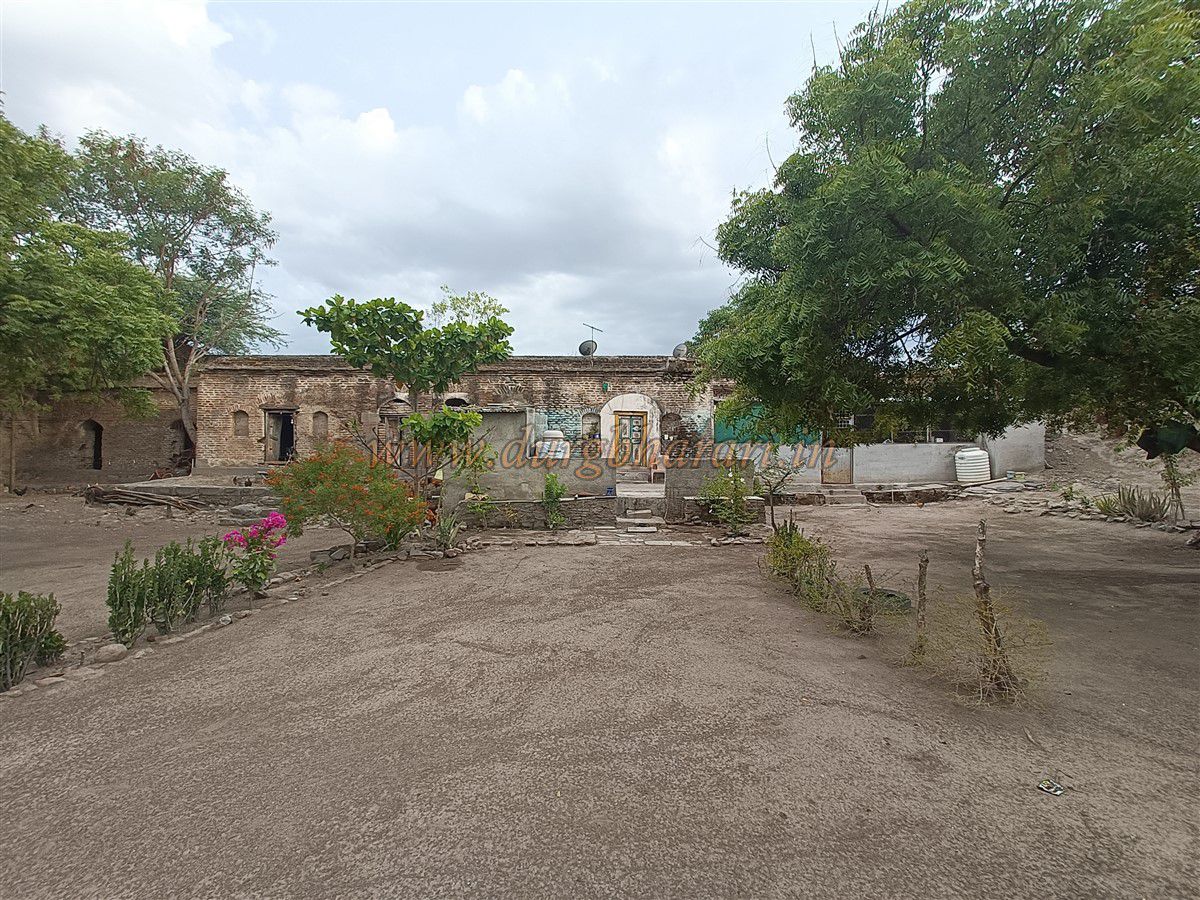
In the Nevasa taluka of Ahmednagar district, in the village of Bhanshivra, one can see such a beautiful Gadhi. Bhanshivra is located about 55 km from Ahmednagar city and 10 km from Nevasa, the taluka headquarters. As one exits the village, they arrive at the gateway of the outer fortification wall of the Gadhi. At first glance, this Gadhi appears very much like a fort. The outer structure, known as the fort wall or "Parkot," encloses the inner core of the Gadhi.
...
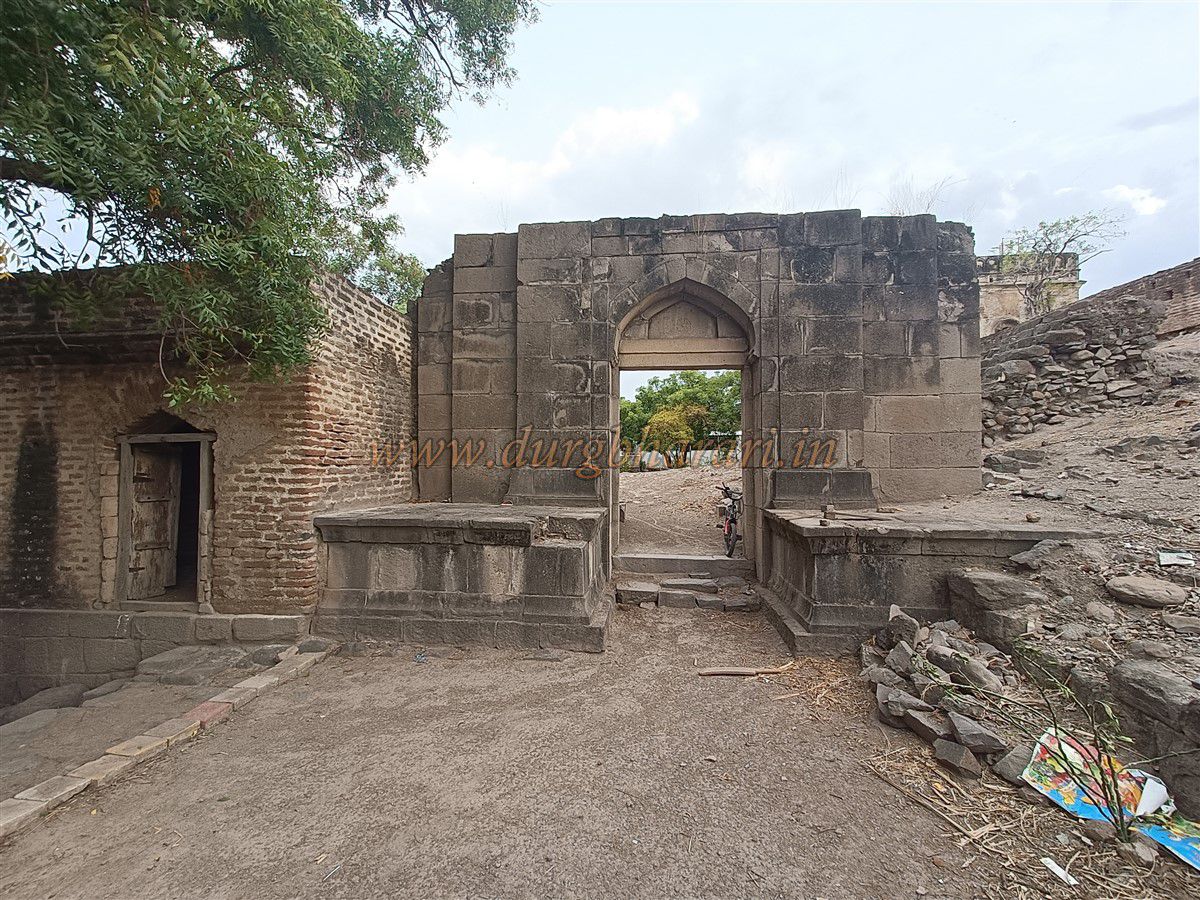
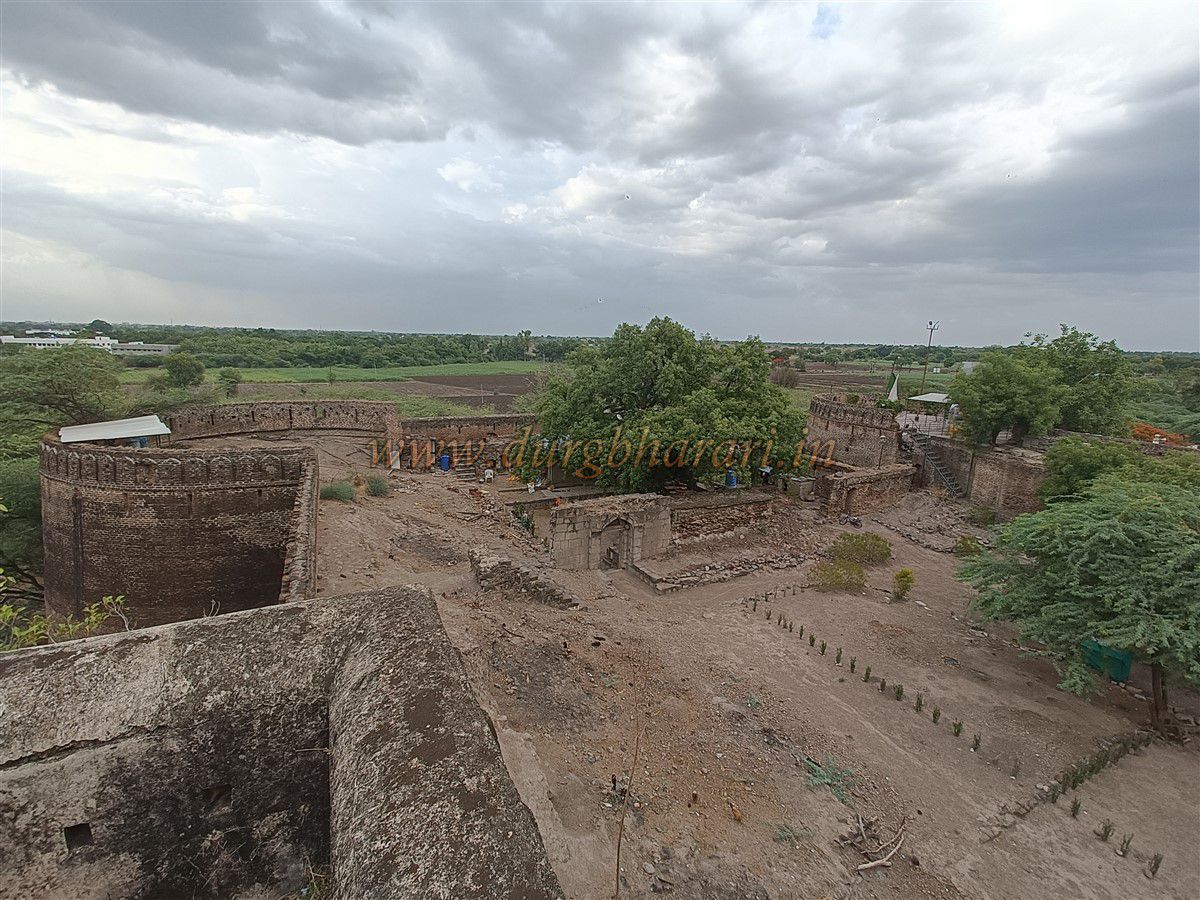
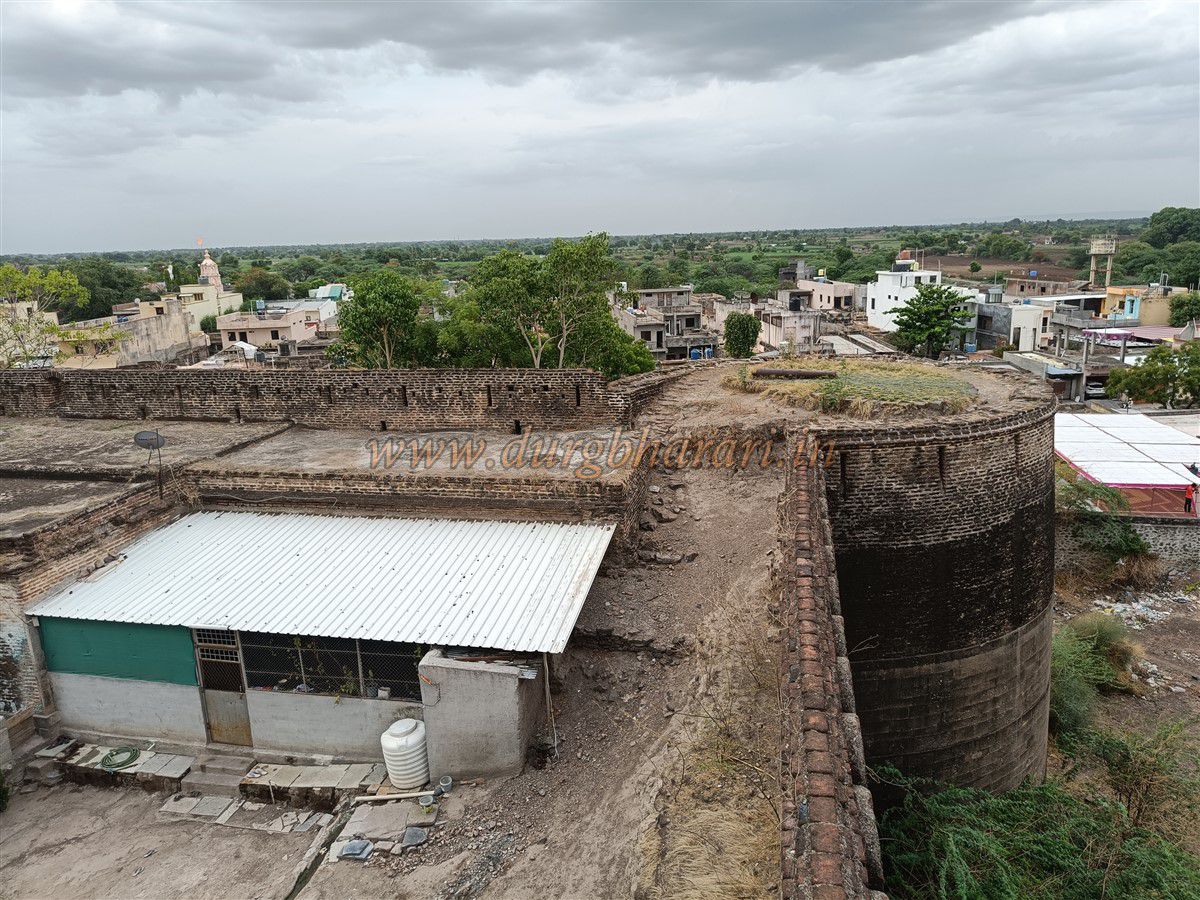
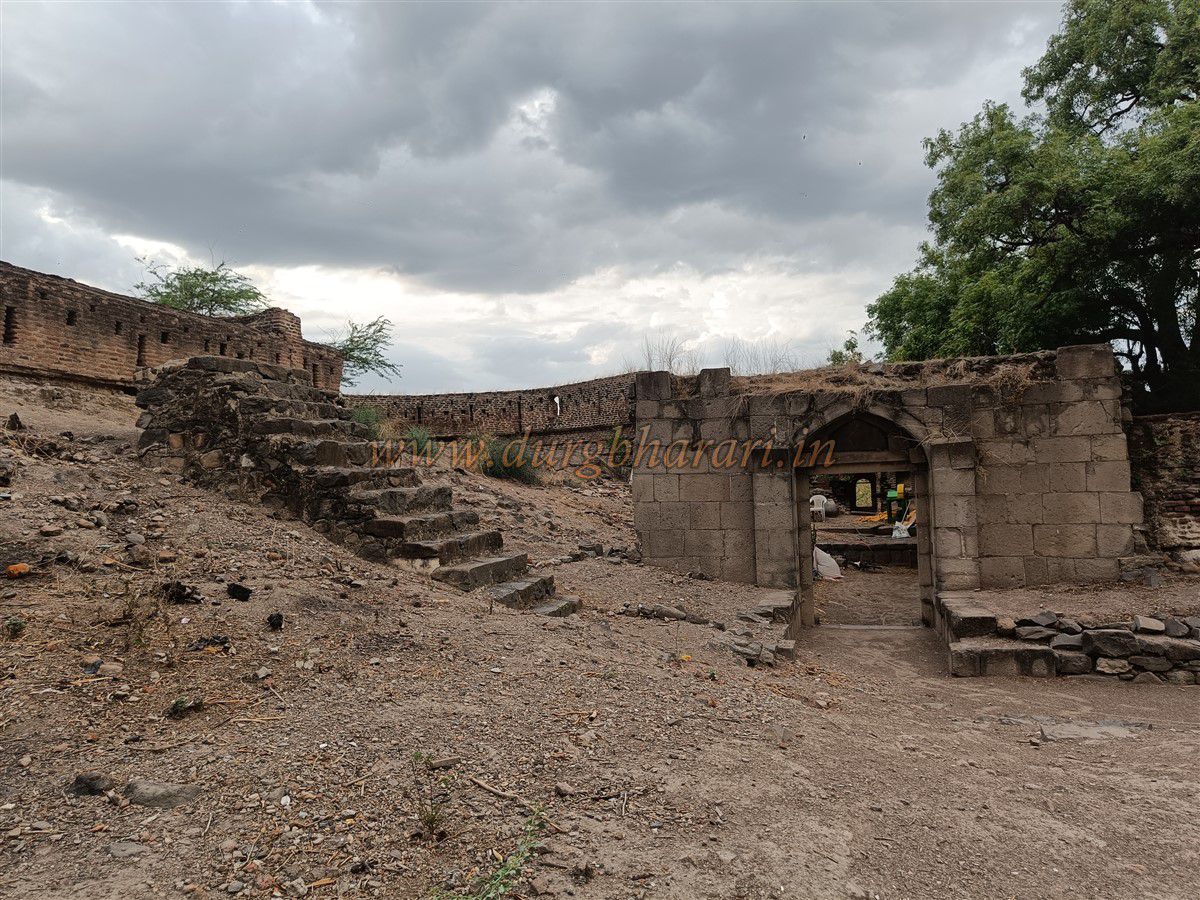
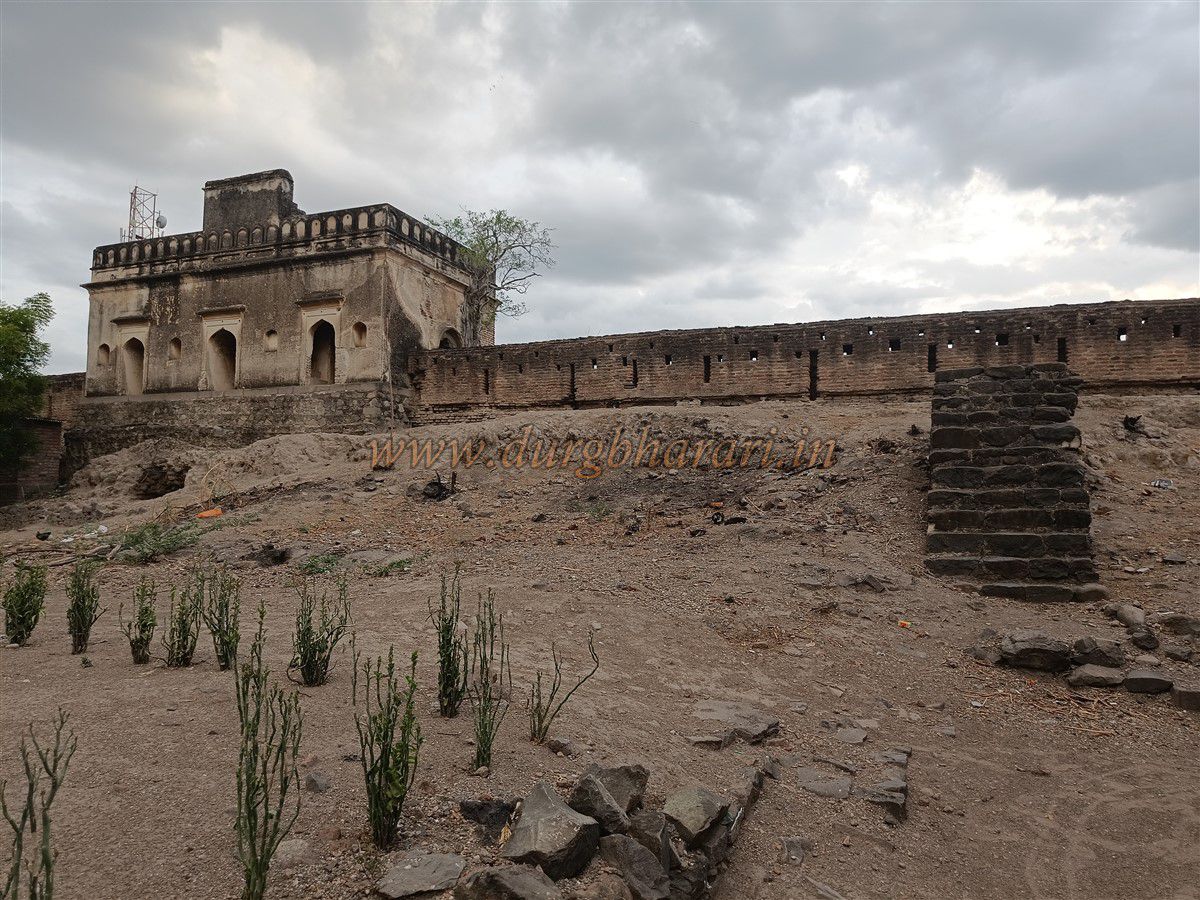
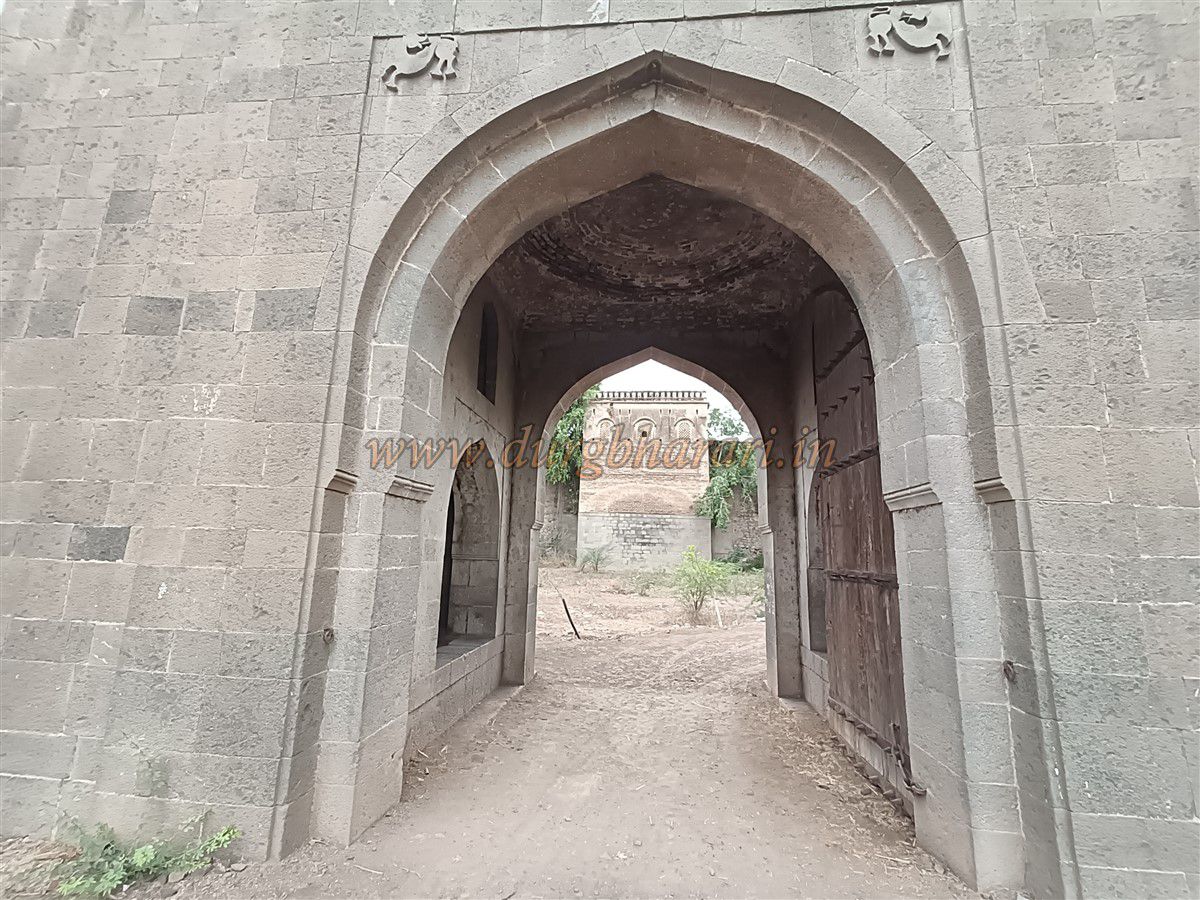
The entrance to the Parkot is flanked by two bastions, and the arch above the gateway features carvings of two Sharabh figures. This north-facing entrance is entirely constructed from finely dressed stone. Inside, on both sides, are guard chambers (devdis), and from the ramparts above them, stairways lead down into these rooms. Now, only one wooden gate remains. Entering through this gate, one sees the Gadhis own ramparts with two massive bastions at the ends and a square-shaped bastion in the centre. At first glance, it appears that the main entrance might be through this square bastion, but the main door of the Gadhi is actually on the west and faces north. To the left of the square bastion is a secret exit gate used in emergencies.
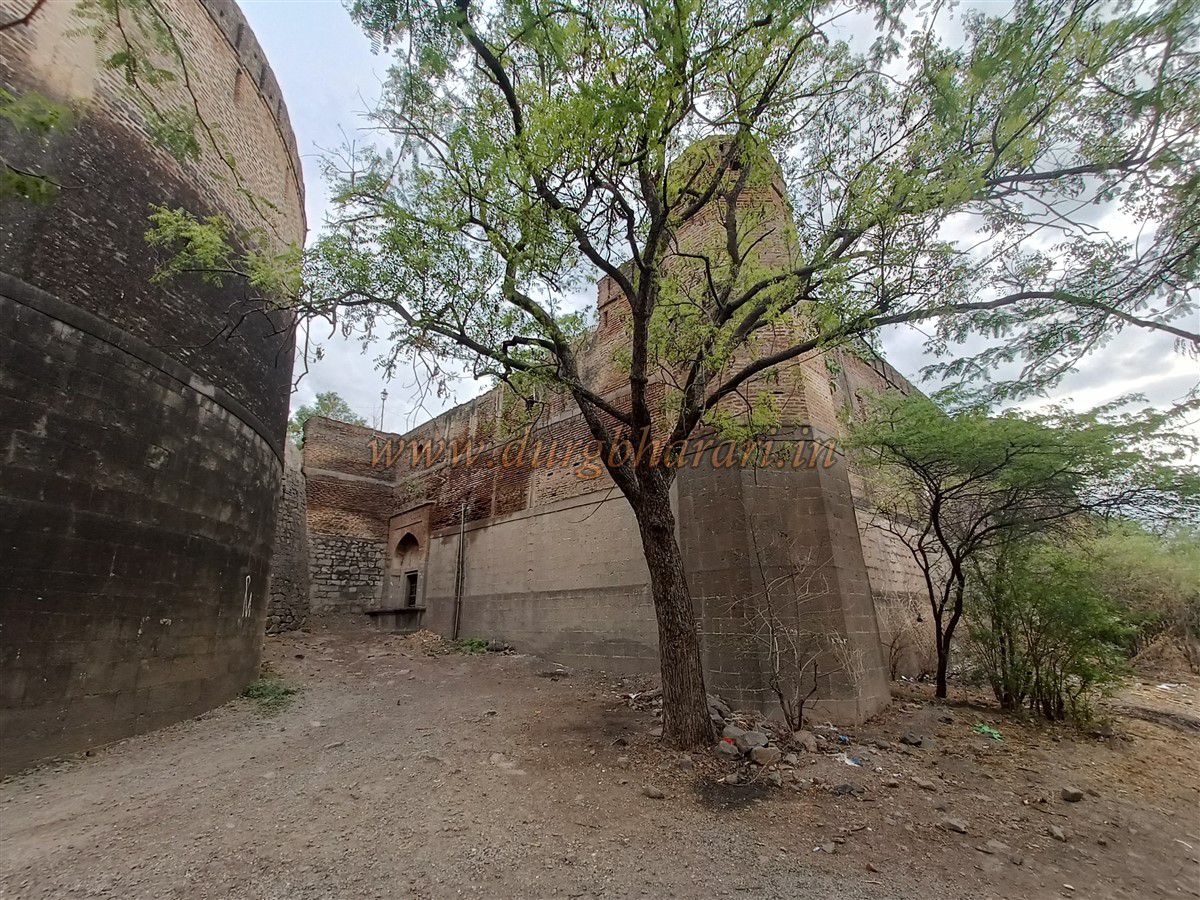
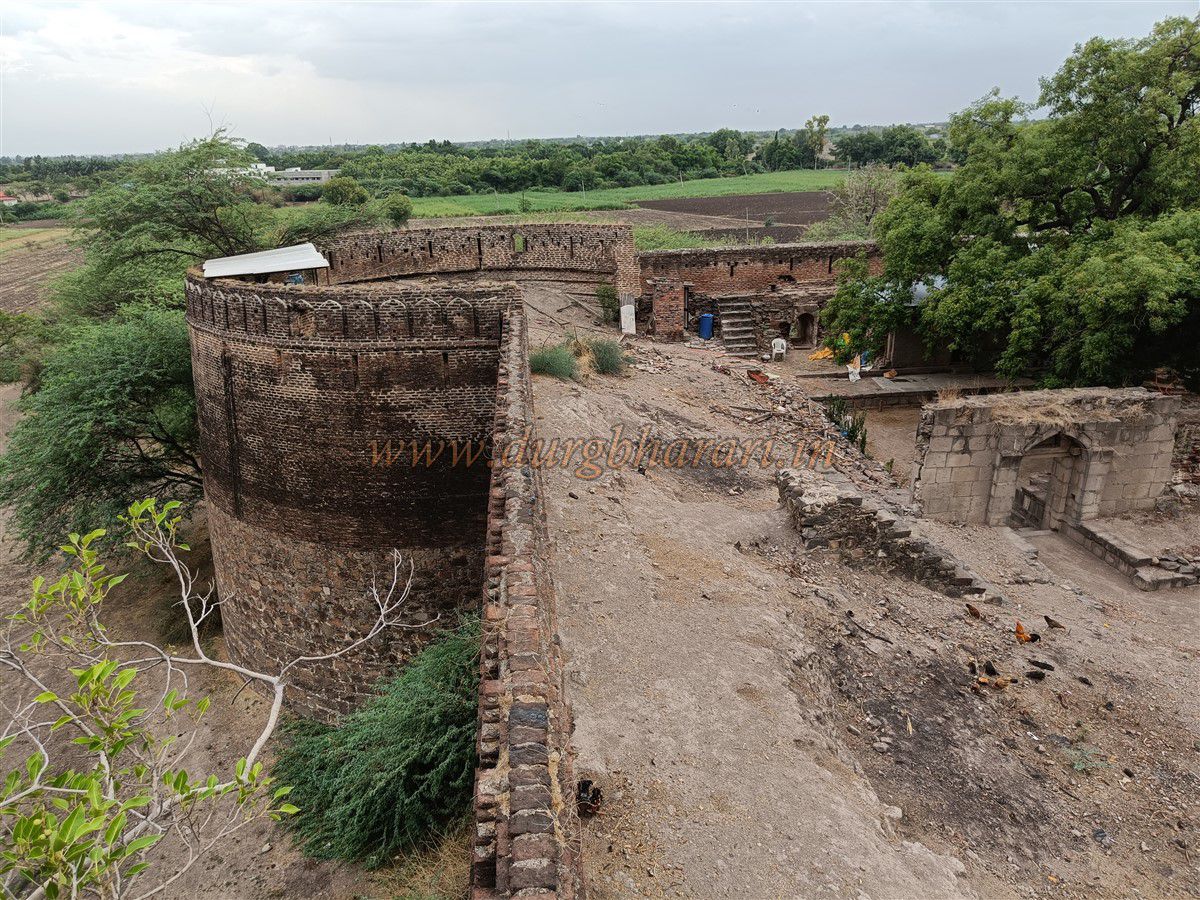
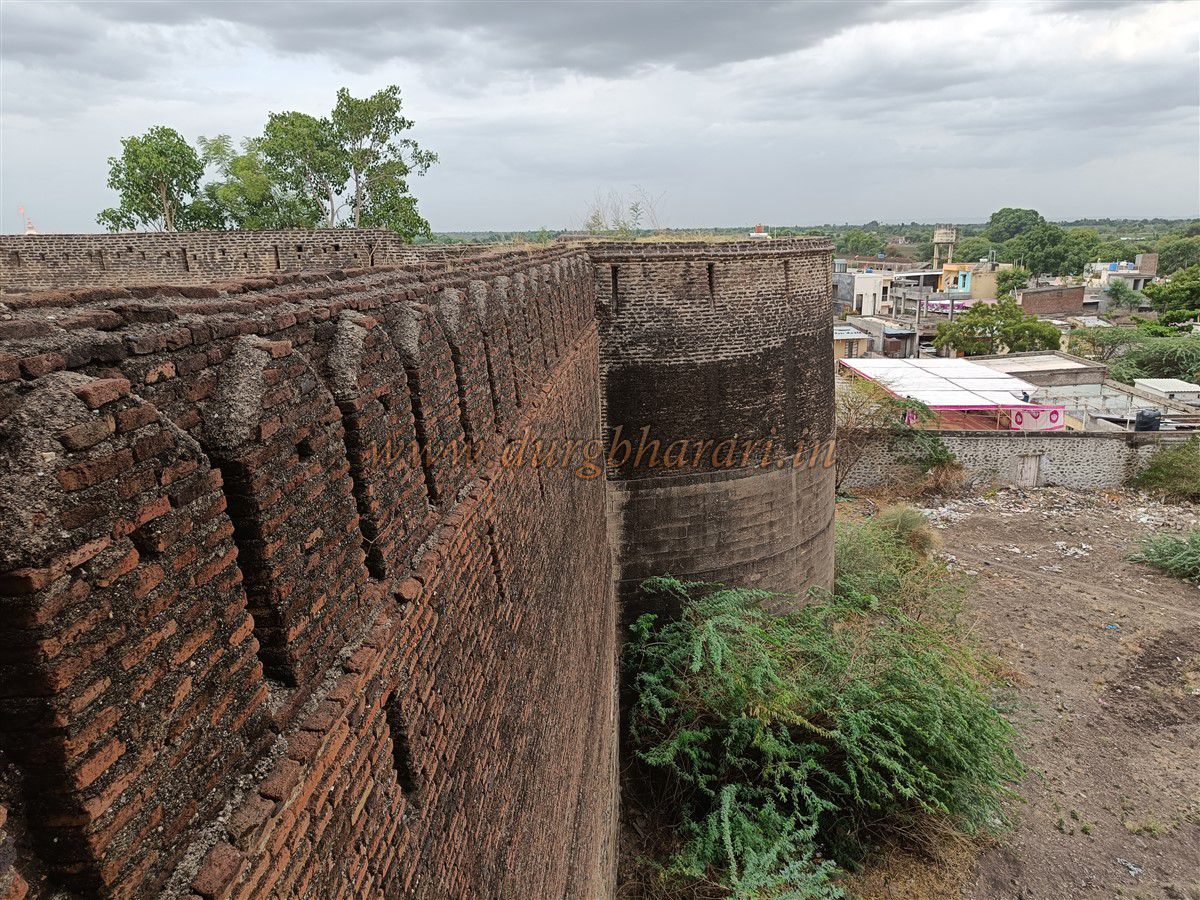
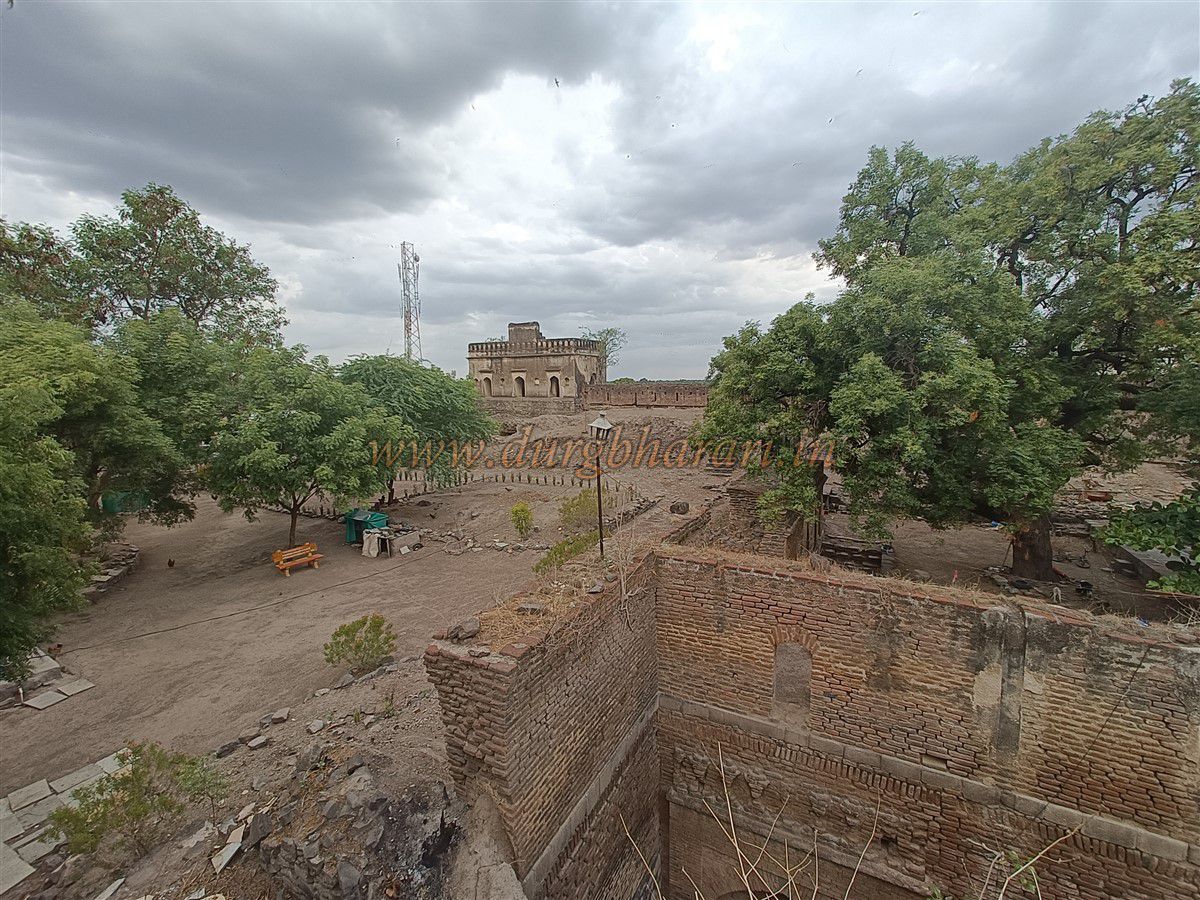
One can walk along the entire outer perimeter of the Gadhi from the Parkot, but no significant remnants are visible there. The Parkot area spans approximately six acres, while the main Gadhi itself occupies about one acre in a rectangular shape. On the west side of the Gadhi, one can see a narrow entry passage flanked by two bastions. The design of this entrance is similar to that of a fort, concealed behind the bastions and walls, with a battlefield-like layout in front. Except for the upper section, the entire passage is enclosed. The entrance lies at the far end of the passage, in a corner of the rampart. The smaller bastion on the right side of the passage is hexagonal, while the larger round bastion on the left has elevated watch platforms built for guards.
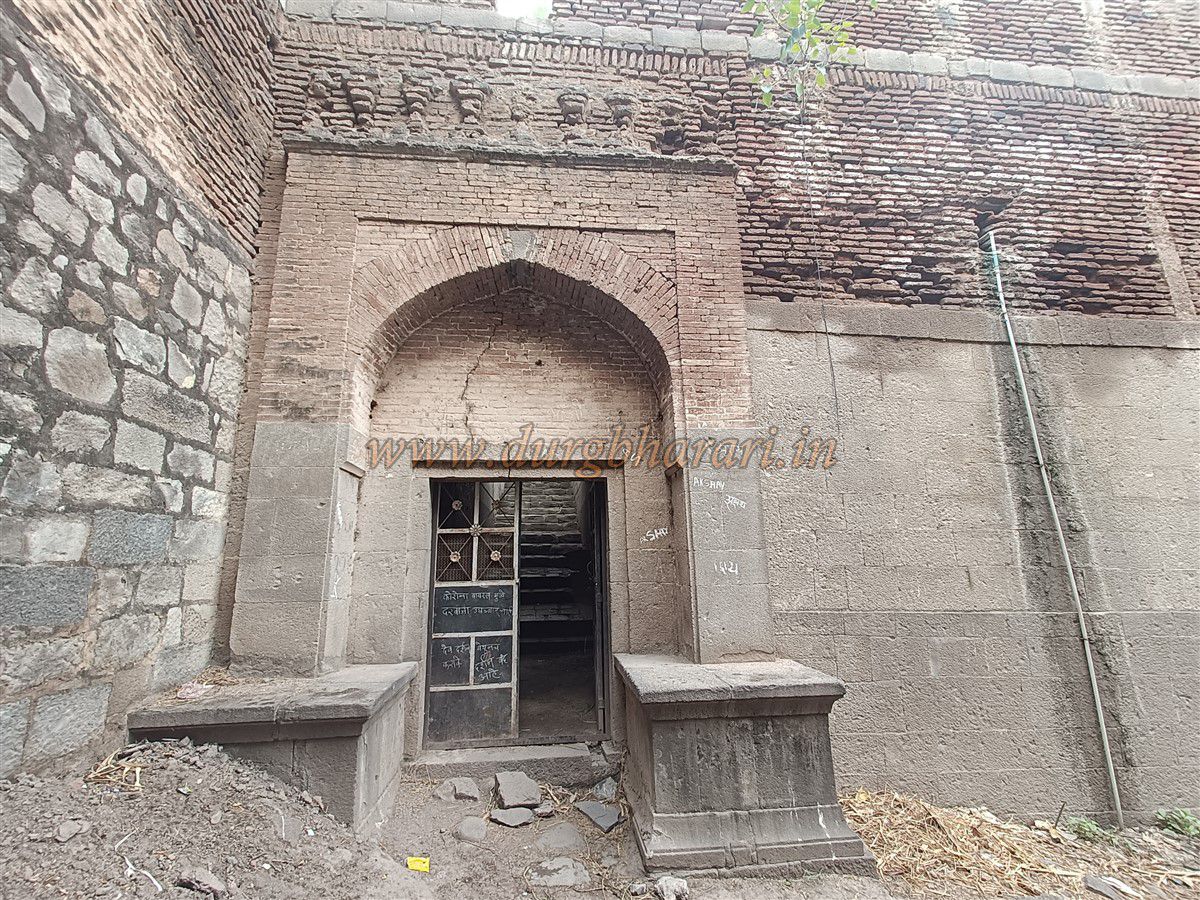
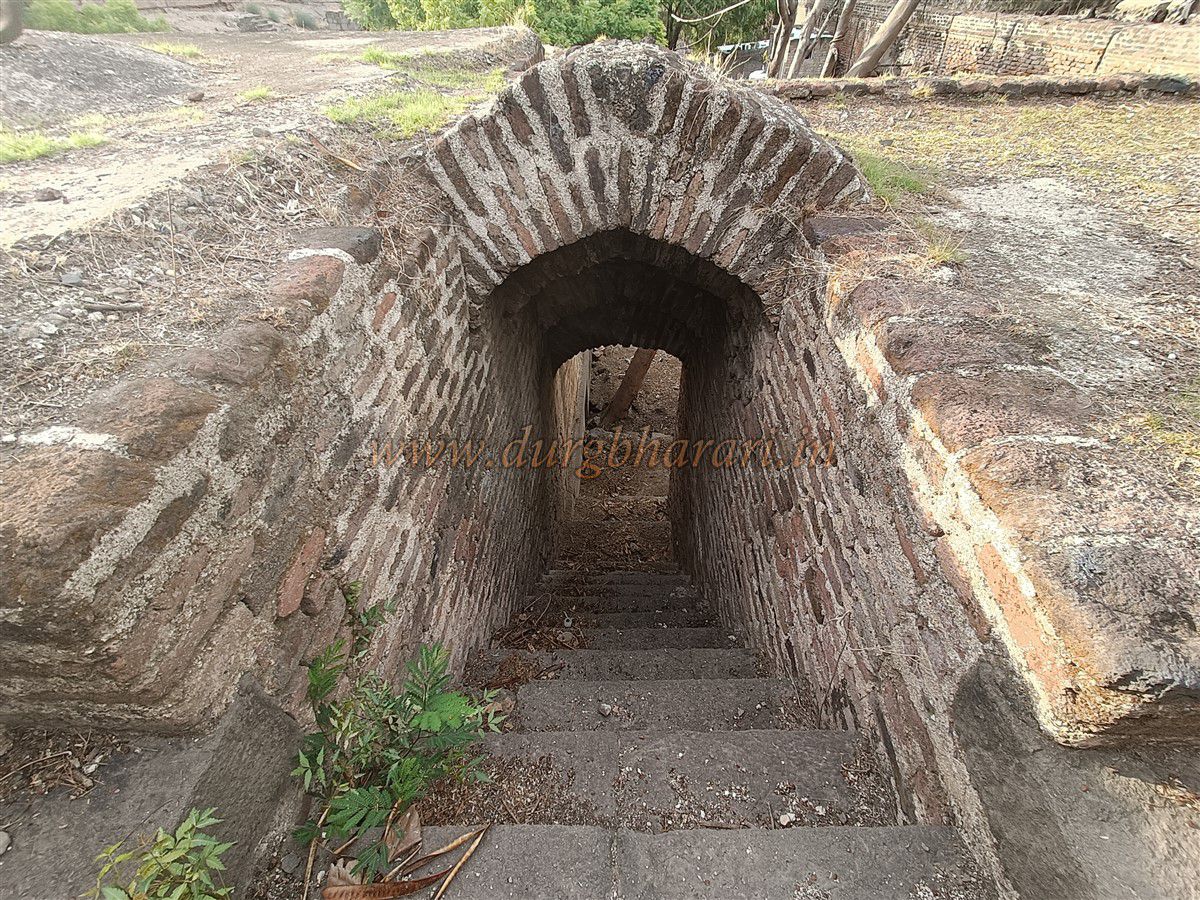
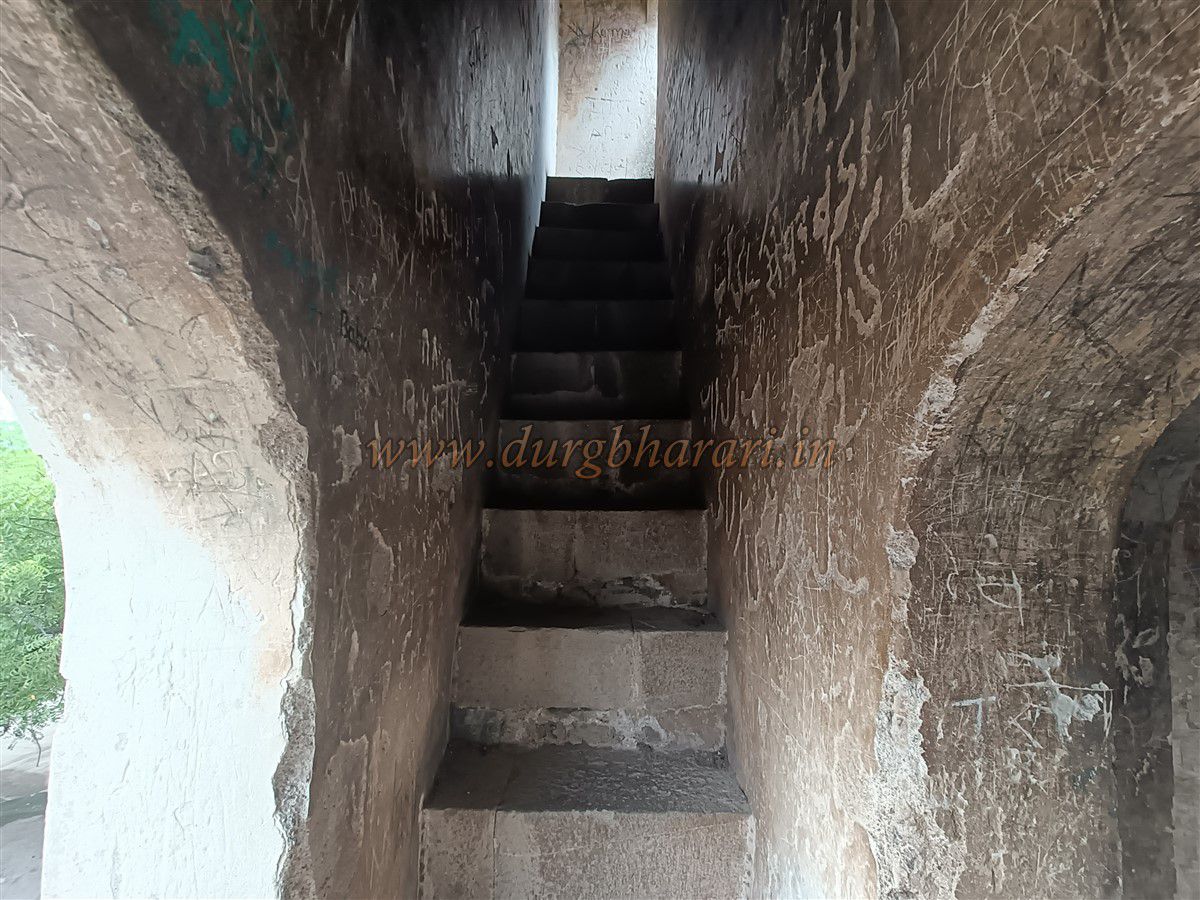
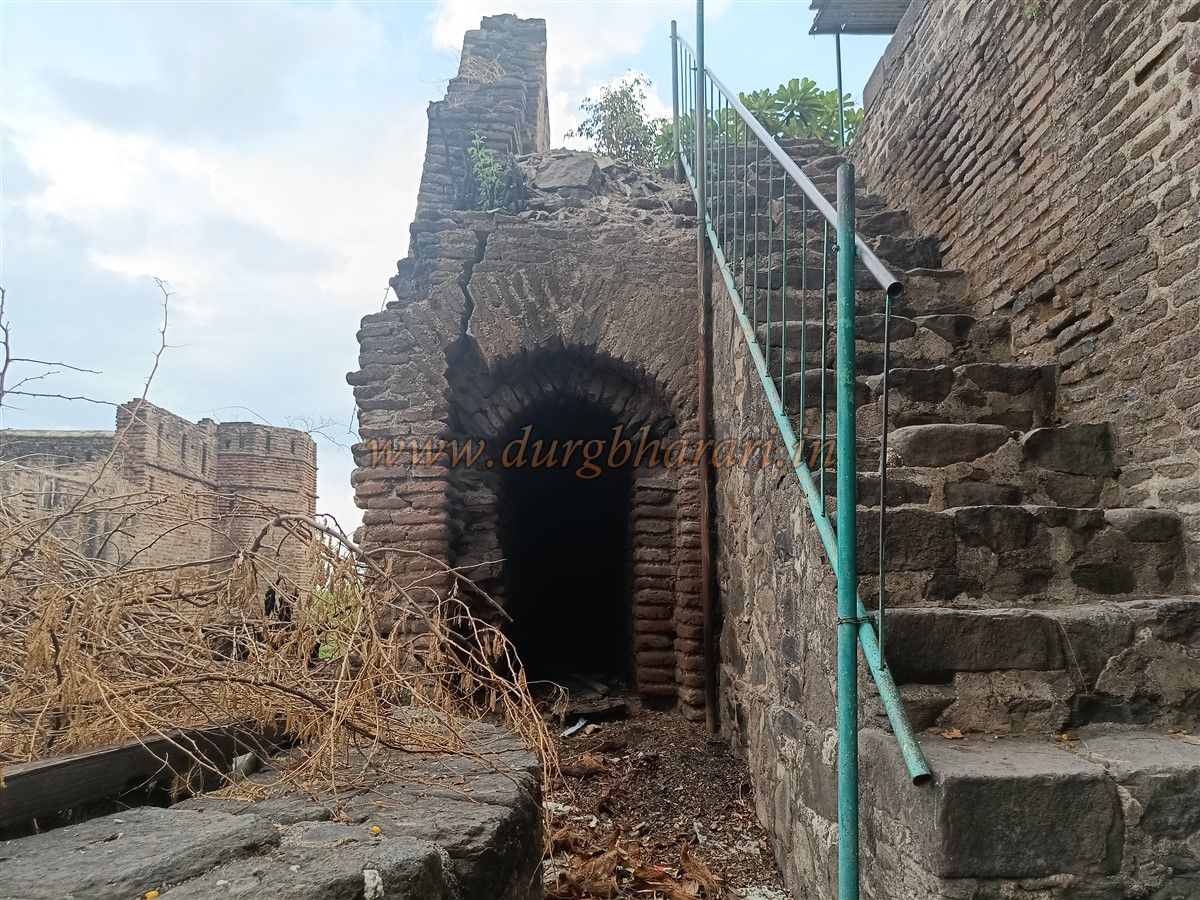
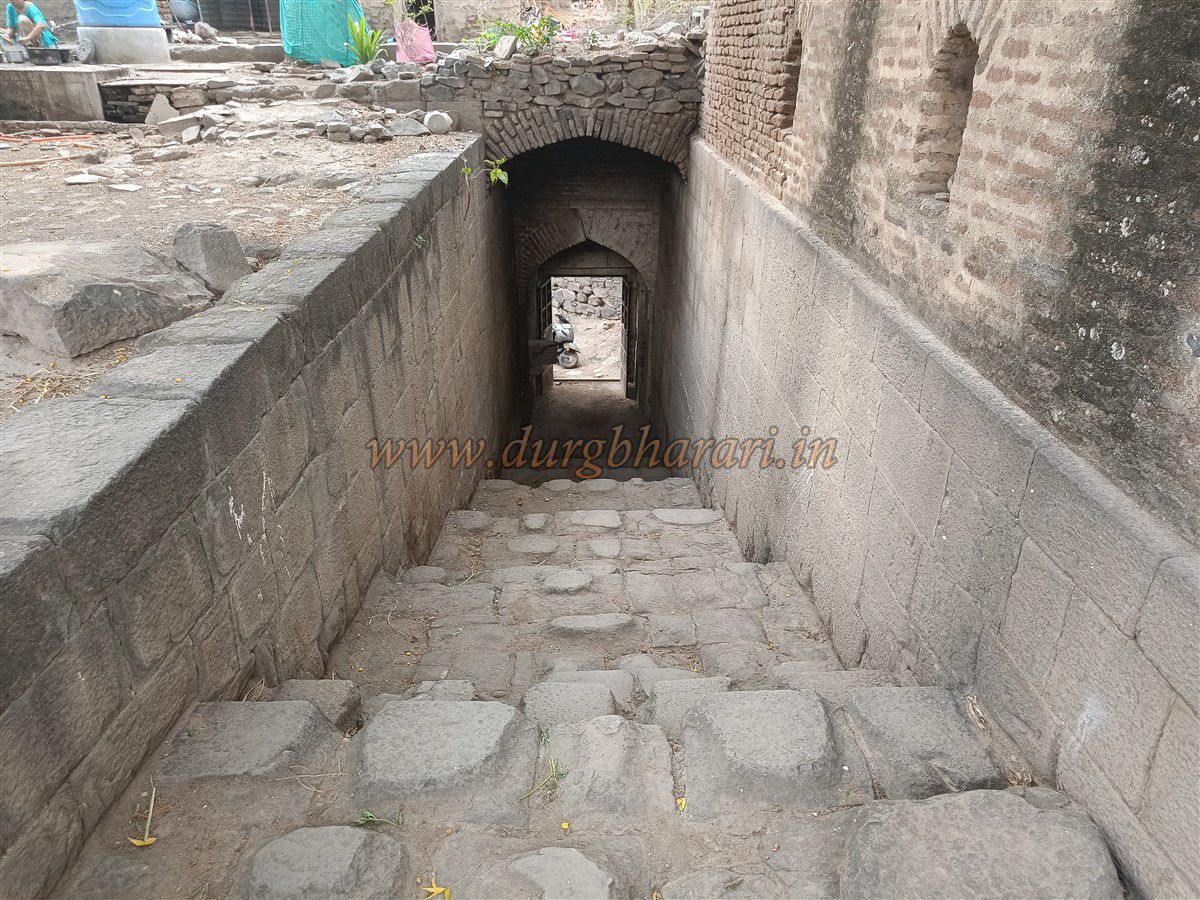
In all my visits to over 850 forts, I’ve never seen such an architectural arrangement. The lower part of the entrance, bastions, and walls is built with finely dressed stone, while the upper parts are made of bricks. Inside the entrance, on the right, there’s a guard chamber that contains a pointed wooden door with large iron studs. From here, staircases enclosed on both sides lead up to the top of the Gadhi.
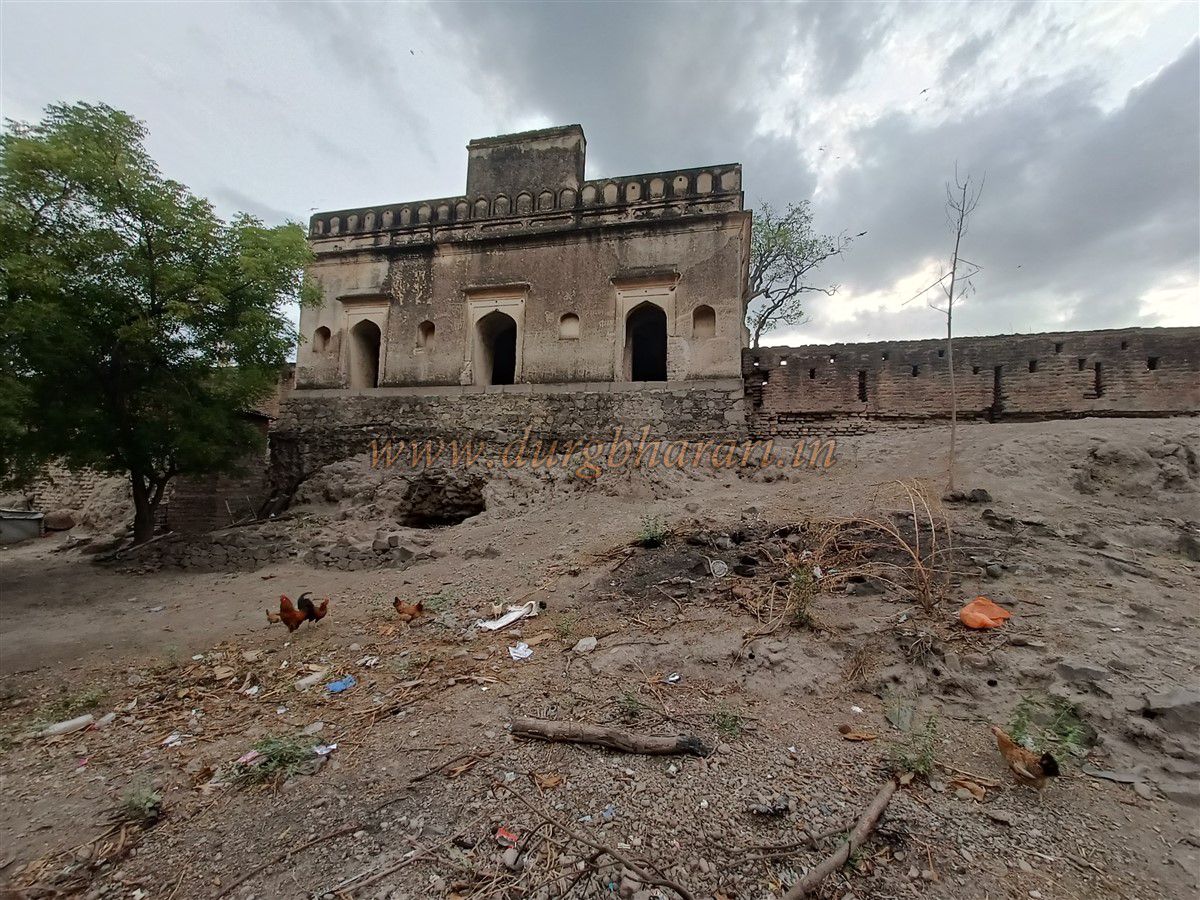
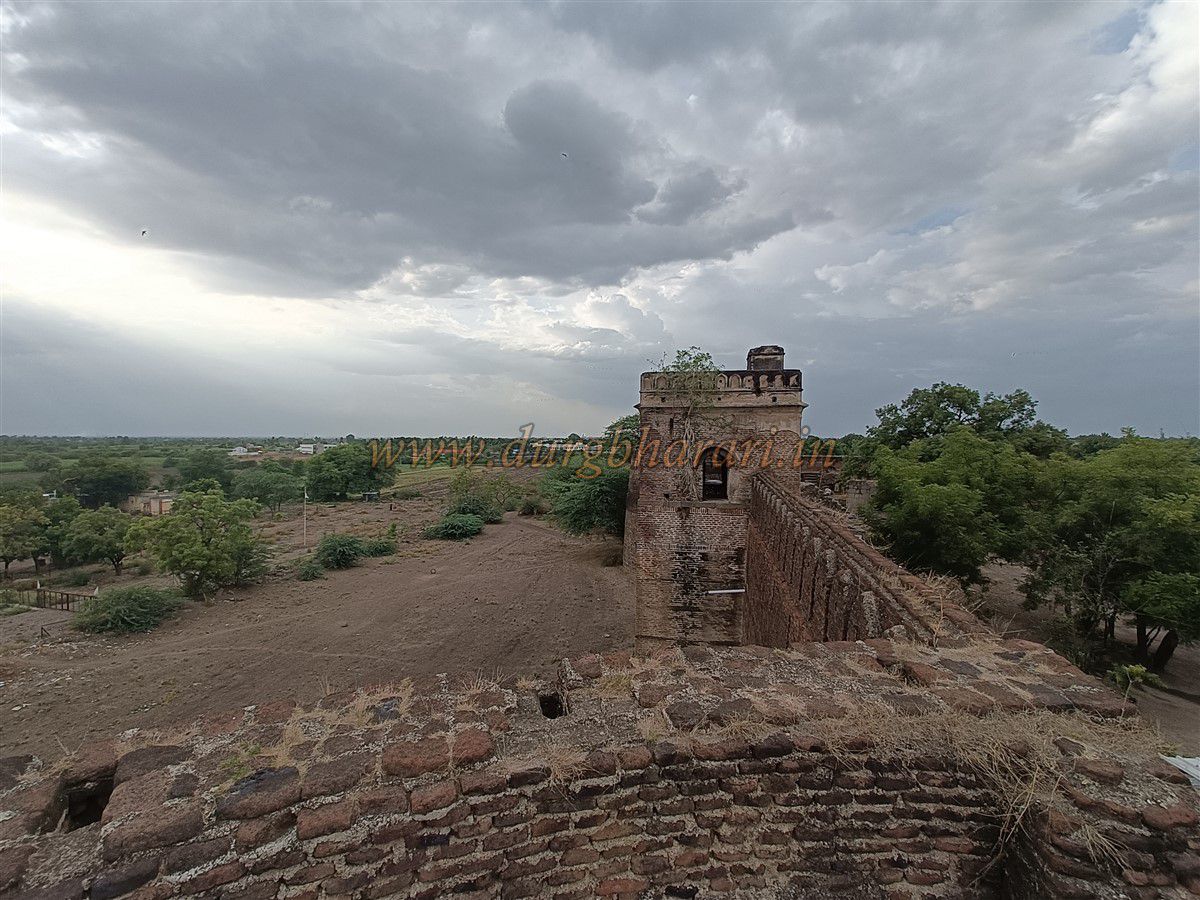
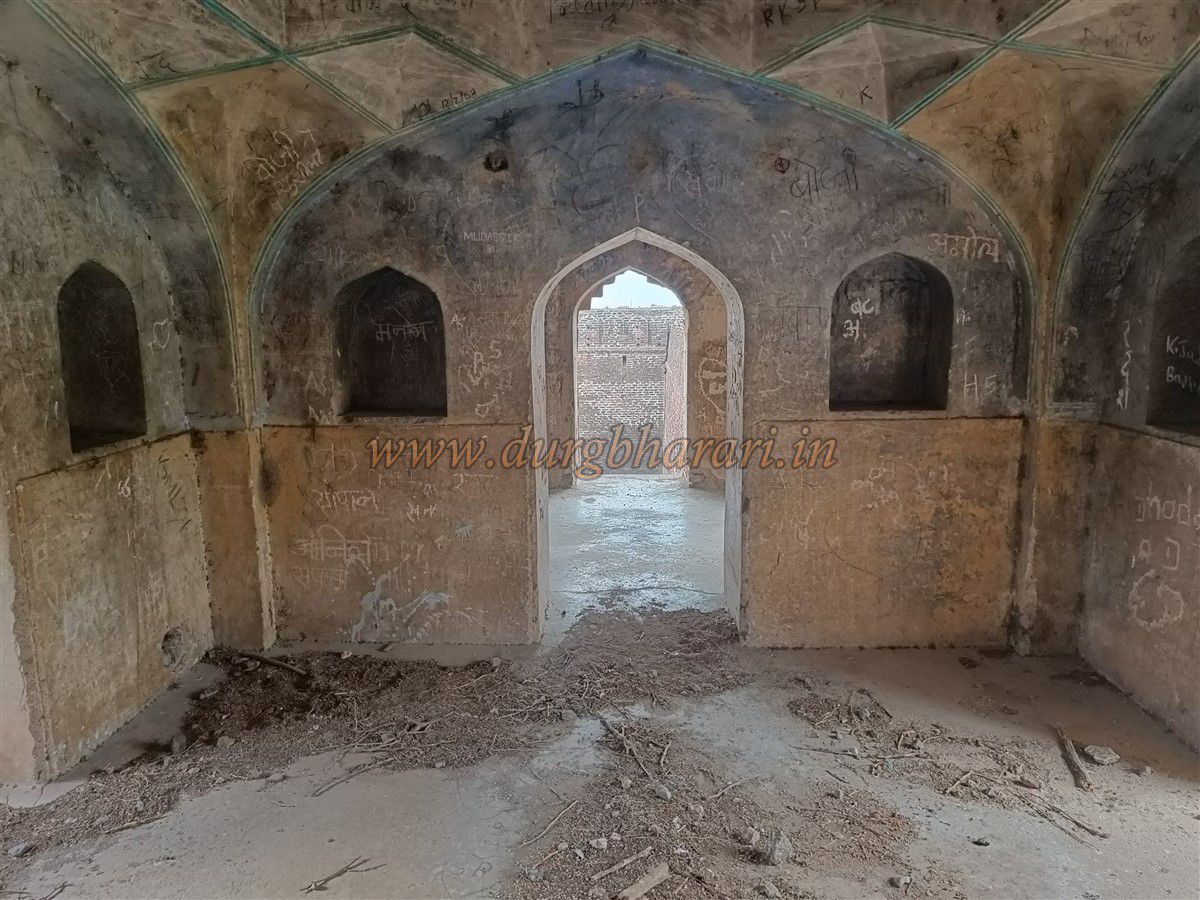
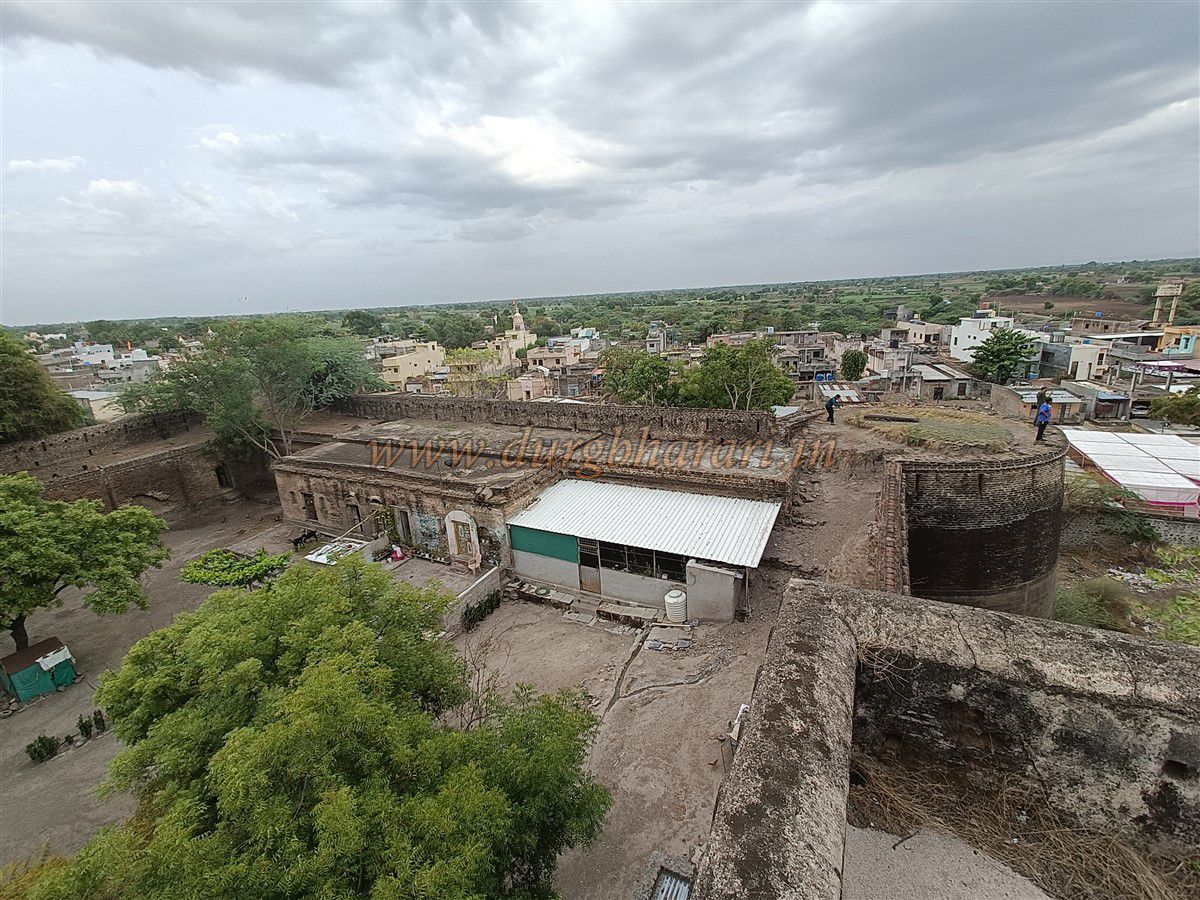
To the left, only the ornate stone doorway of the mansion remains, while the interior structure has completely collapsed. Entering through this doorway, one sees grain storage rooms along the ramparts, which are now used as residences. Several stairways lead up to the ramparts, and one can walk the entire perimeter along them. The square-shaped bastions in the middle of the north and south ramparts are double-storeyed and were likely used for ventilation (as a sort of Havamahal) and for surveillance.
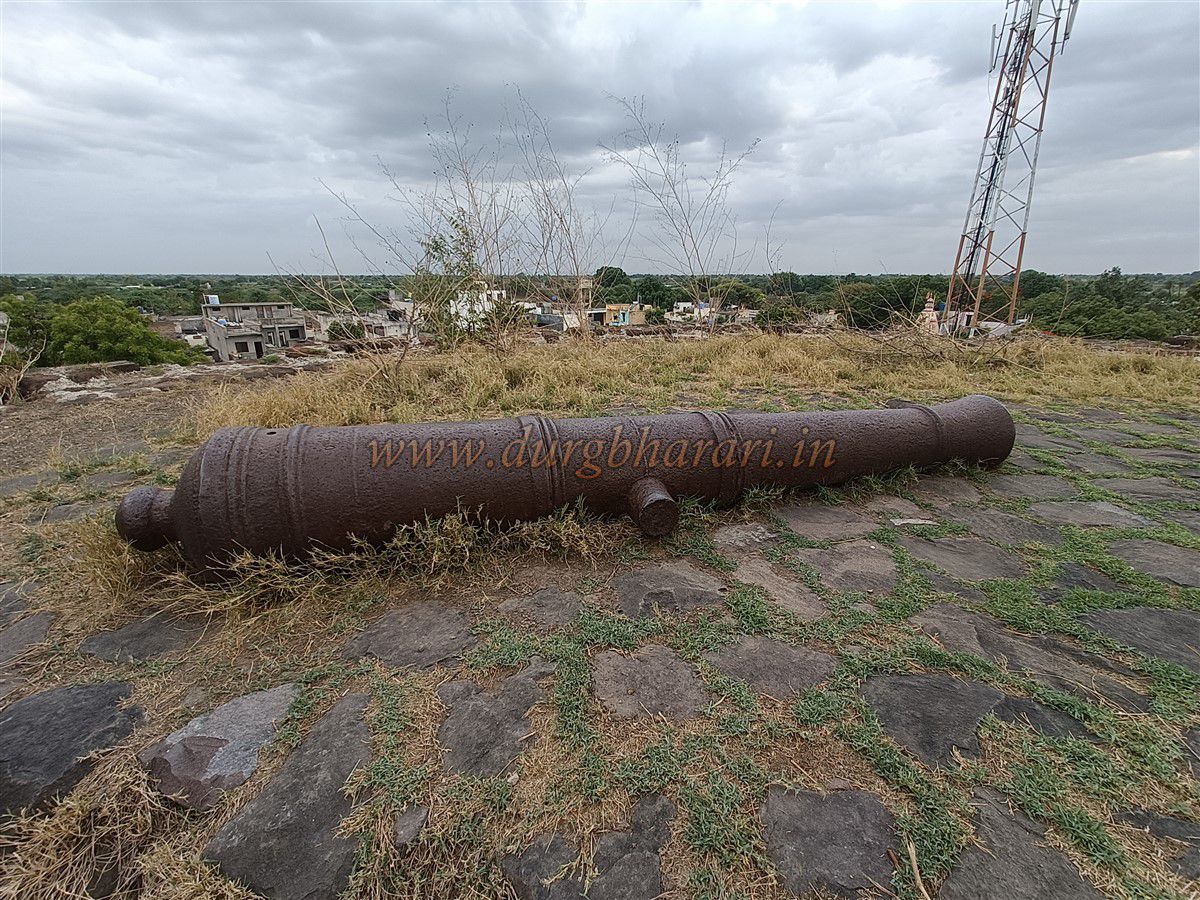
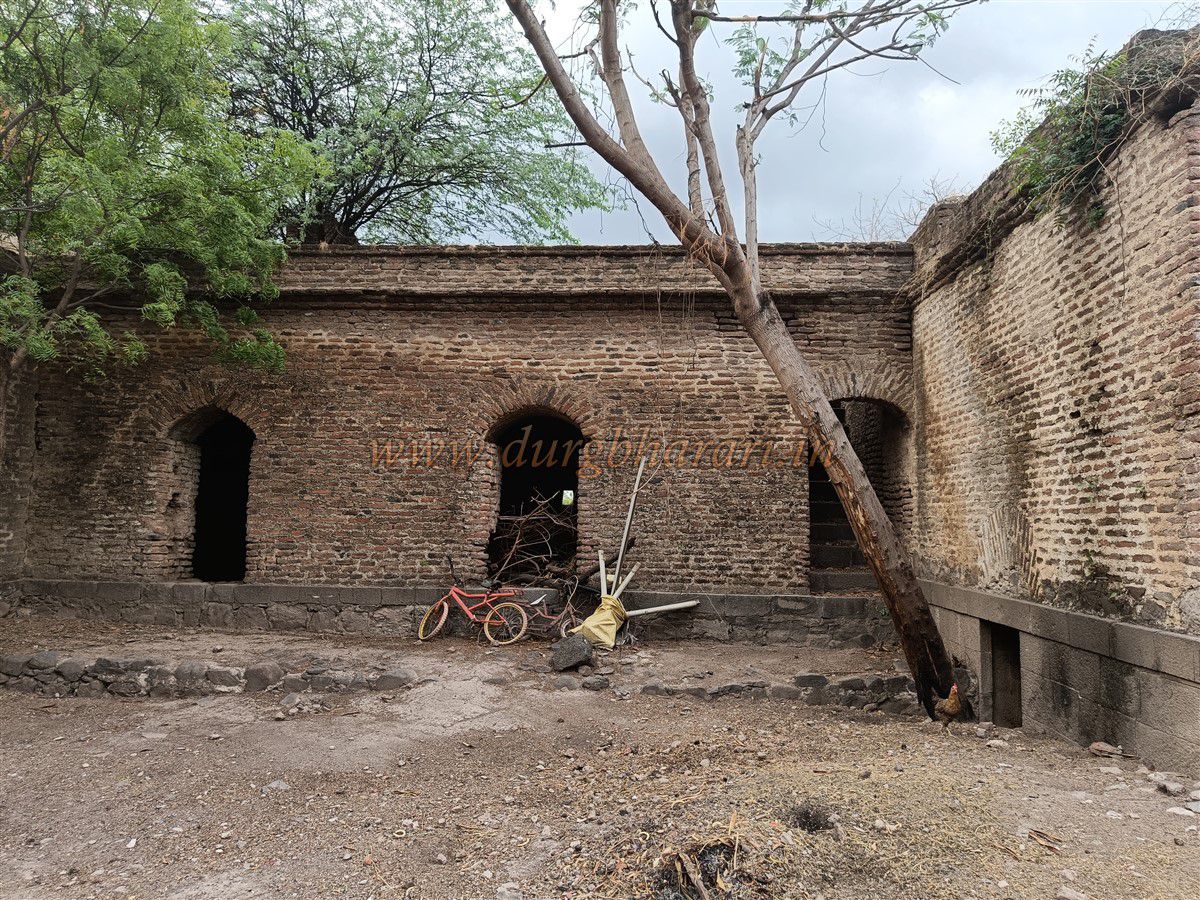
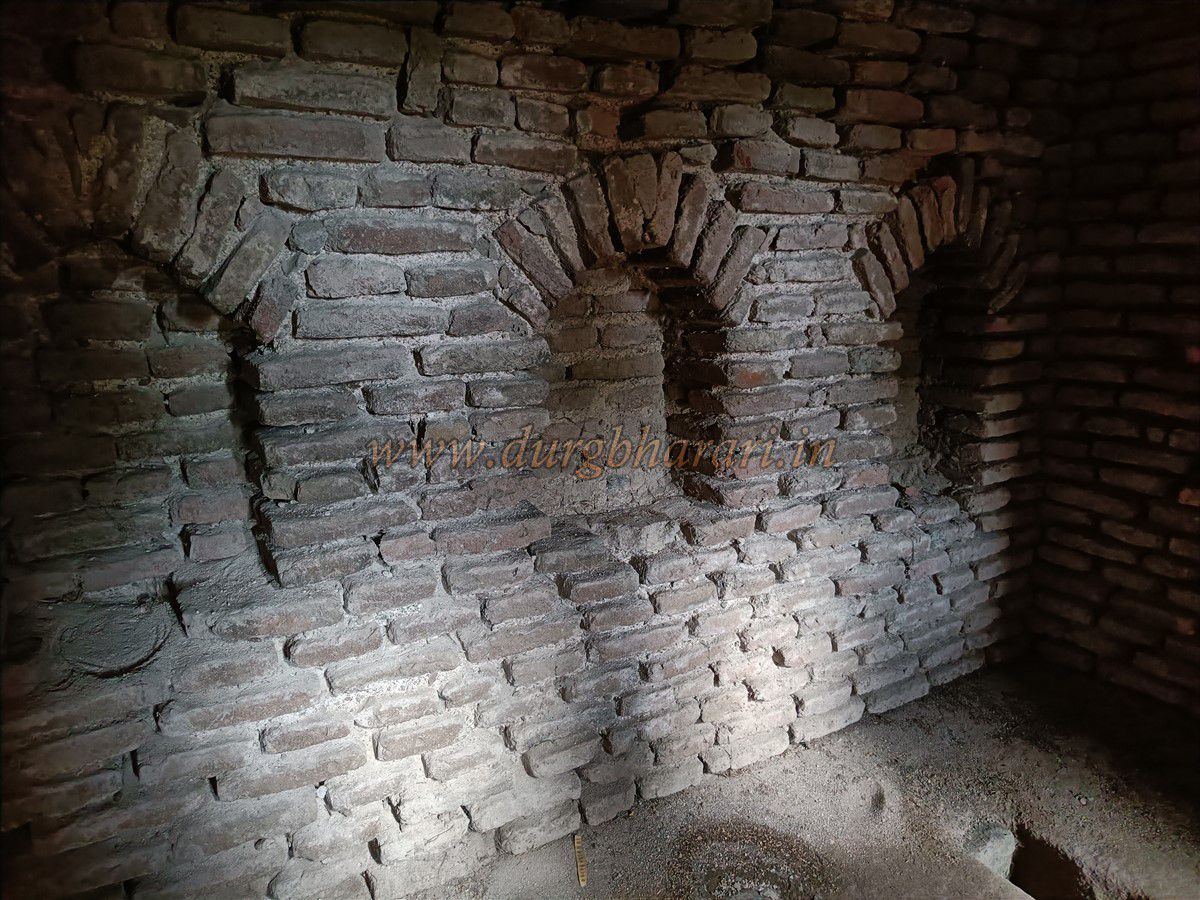
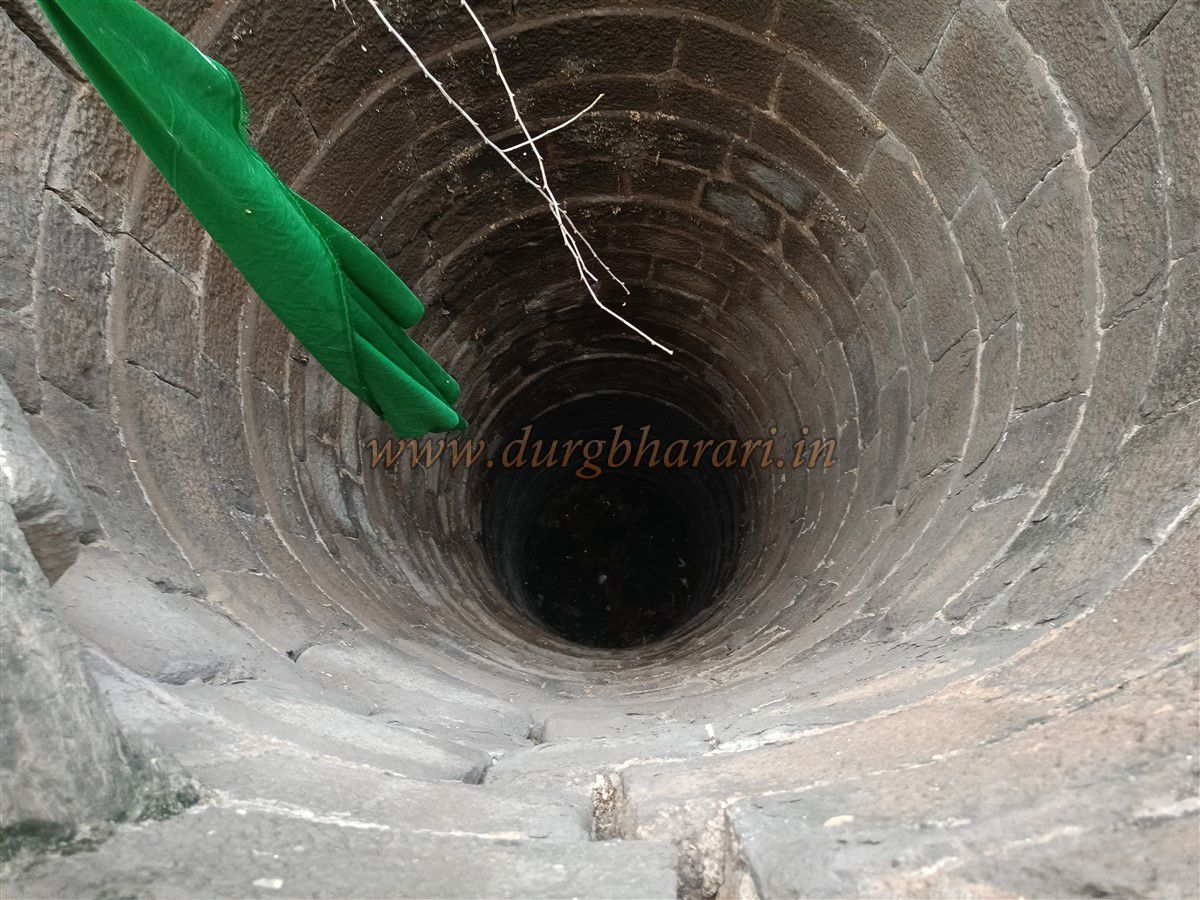
Several rooms built along the ramparts were probably used for living and storage purposes. Inside these rooms, two underground cellars and an old-style toilet are visible. On the southeast bastion lies an eight-foot-long cannon, while the northeast bastion contains the tomb of Kavijung. Below this bastion, there’s a storage cellar, and next to it, stairs leading up to the bastion. Nearby is a 30-foot-deep well constructed from finely dressed stone, and its water is still in use today.
Though the mansion has been destroyed, the remaining structures make this Gadhi complete and historically rich. Exploring the entire site takes about an hour. Like forts, these Gadhis also bear witness to history and deserve preservation.
In 1759, during the Mughal administration of the southern province, the Nizam of Hyderabad oversaw this region. At that time, Kavijung Bahadur was appointed as the commandant of Ahmednagar Fort. Peshwa Sadashivrao Bhau granted Kavijung Bahadur a personal jagir in Bhanshivra for his diplomatic service in taking control of Ahmednagar Fort. Naroba Babaji Nagarkar of Kanhur played a key role in this endeavour. Kavijung Bahadur founded the village of Bhanshivra and built a large Gadhi there. Since he died in this very Gadhi, his tomb was built atop one of the bastions.
© Suresh Nimbalkar
GALLERY