BHALWANI
TYPE : FORTRESS
DISTRICT : BEED
HEIGHT : 0
Among the few remaining and fort-like grand mansions in Maharashtra, the Gadhi (fortified mansion) at Bhalavani is especially noteworthy. The village of Bhalavani—also known as Bhaloni—is located in Ashti taluka of Beed district, about 10 km from Ashti town and 68 km from Ahmednagar. While the place may not be widely known among fort enthusiasts or trekkers, it is quite famous in the region as the maternal ancestral village of Maharashtra’s former Chief Minister, Vilasrao Deshmukh.
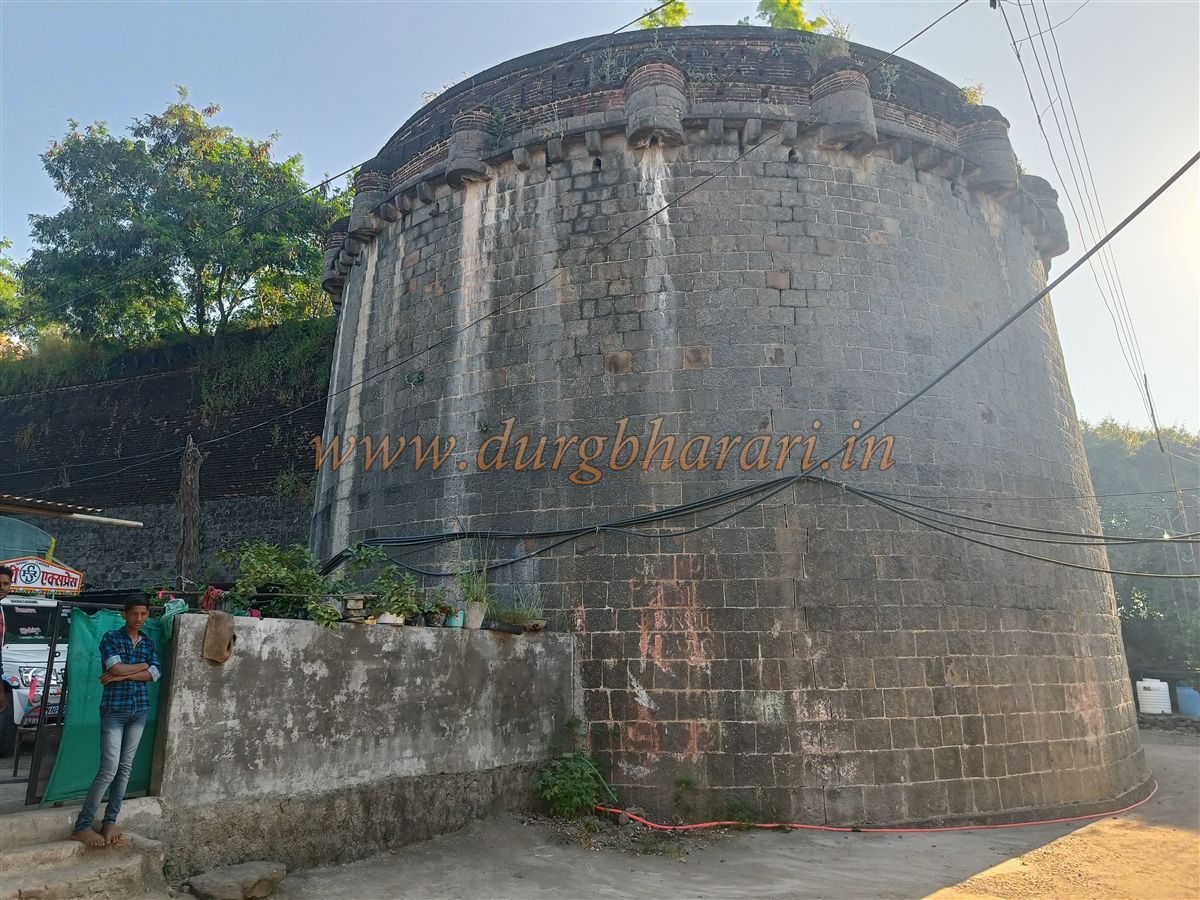
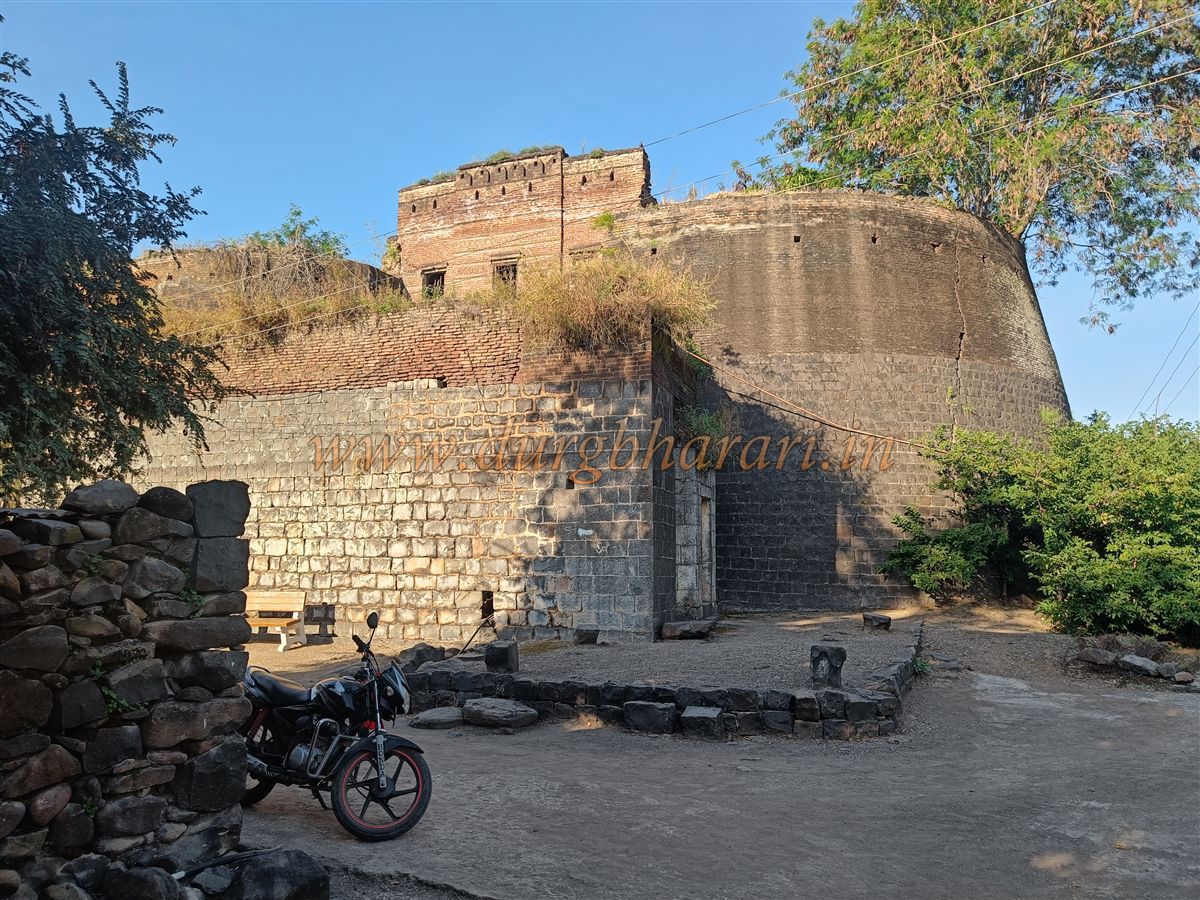
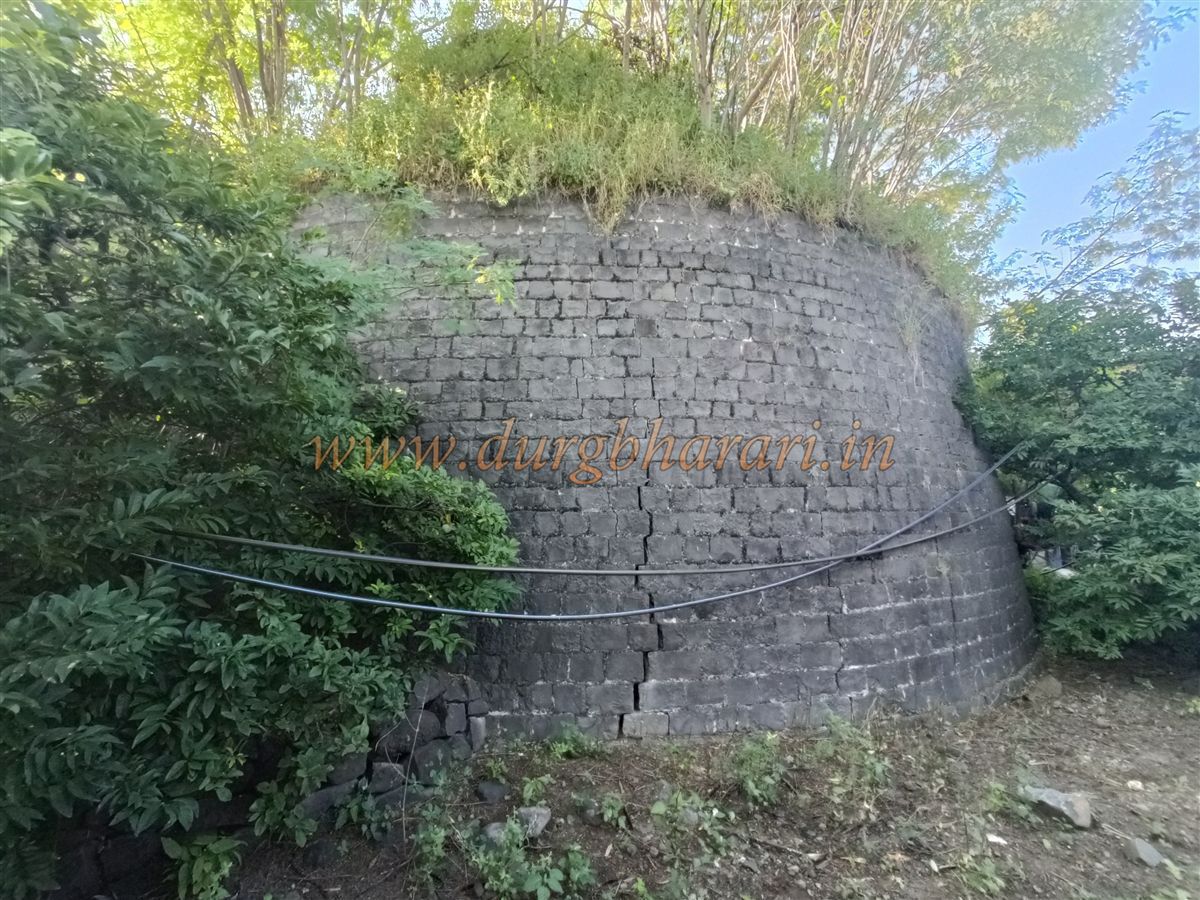
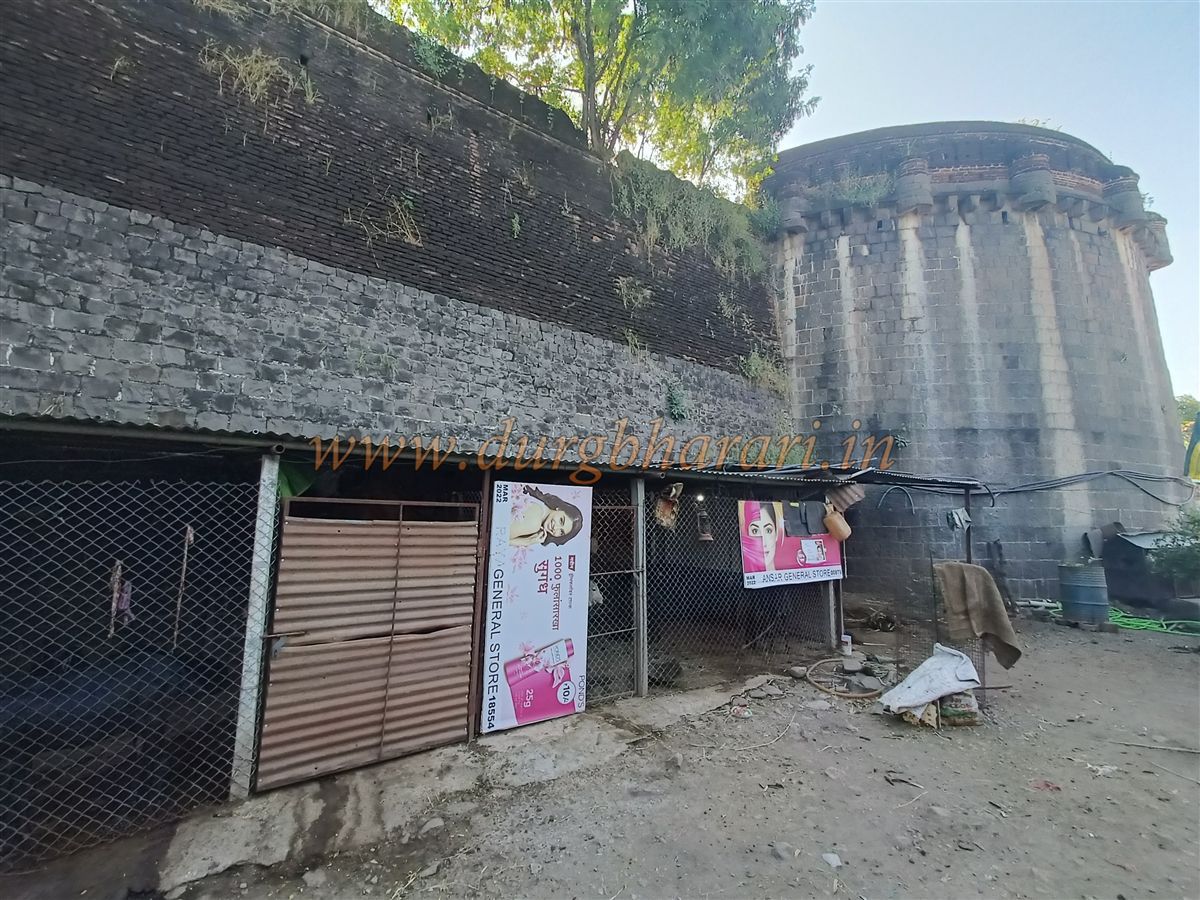
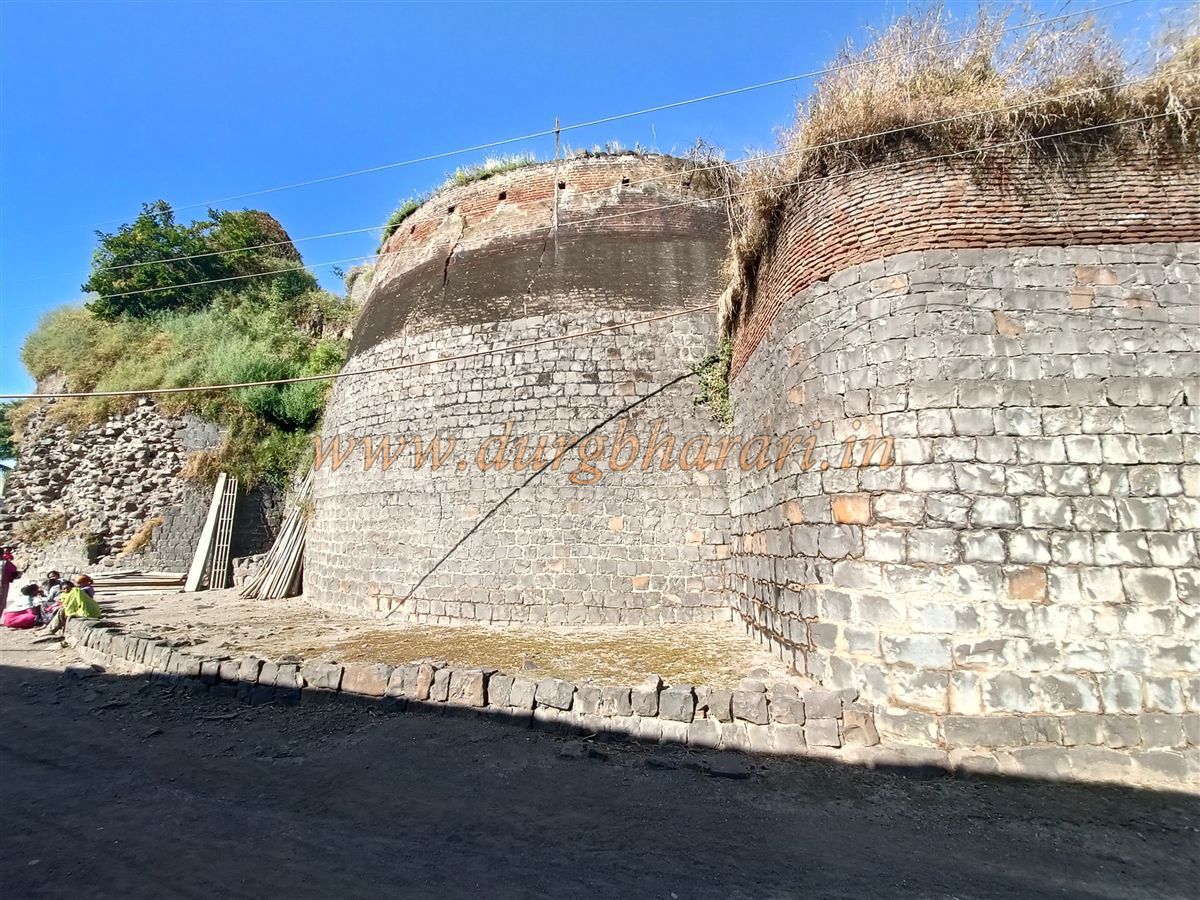
The Gadhi in Bhalavani, built by the Nimbalkar family, is so strong and well-fortified that it resembles a true fort. As one enters the village, a massive round bastion with loopholes for firing guns immediately catches the eye. This bastion is about 40 feet high. The entire structure is built of neatly dressed stone, with the upper portions made of bricks. Loopholes have been carved into the structure for surveillance and defence.
...
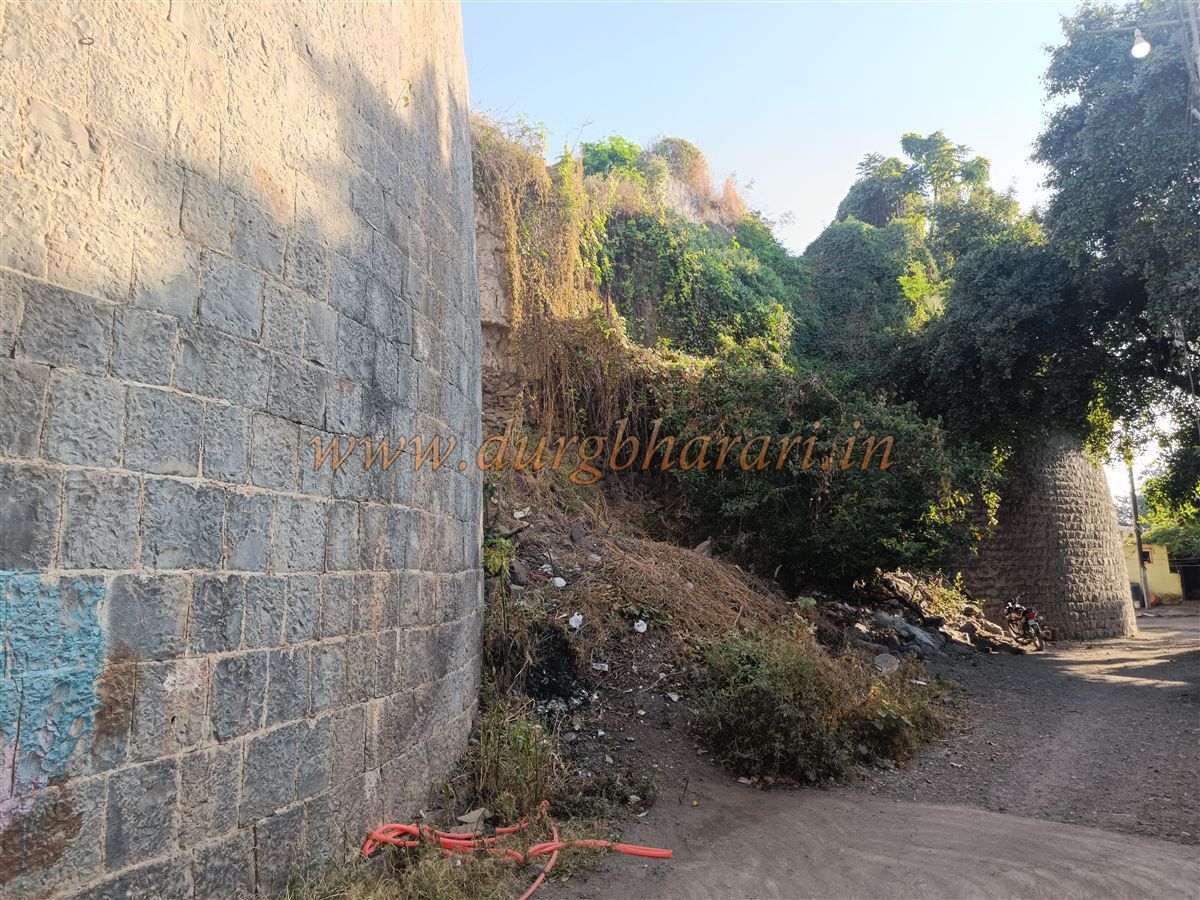
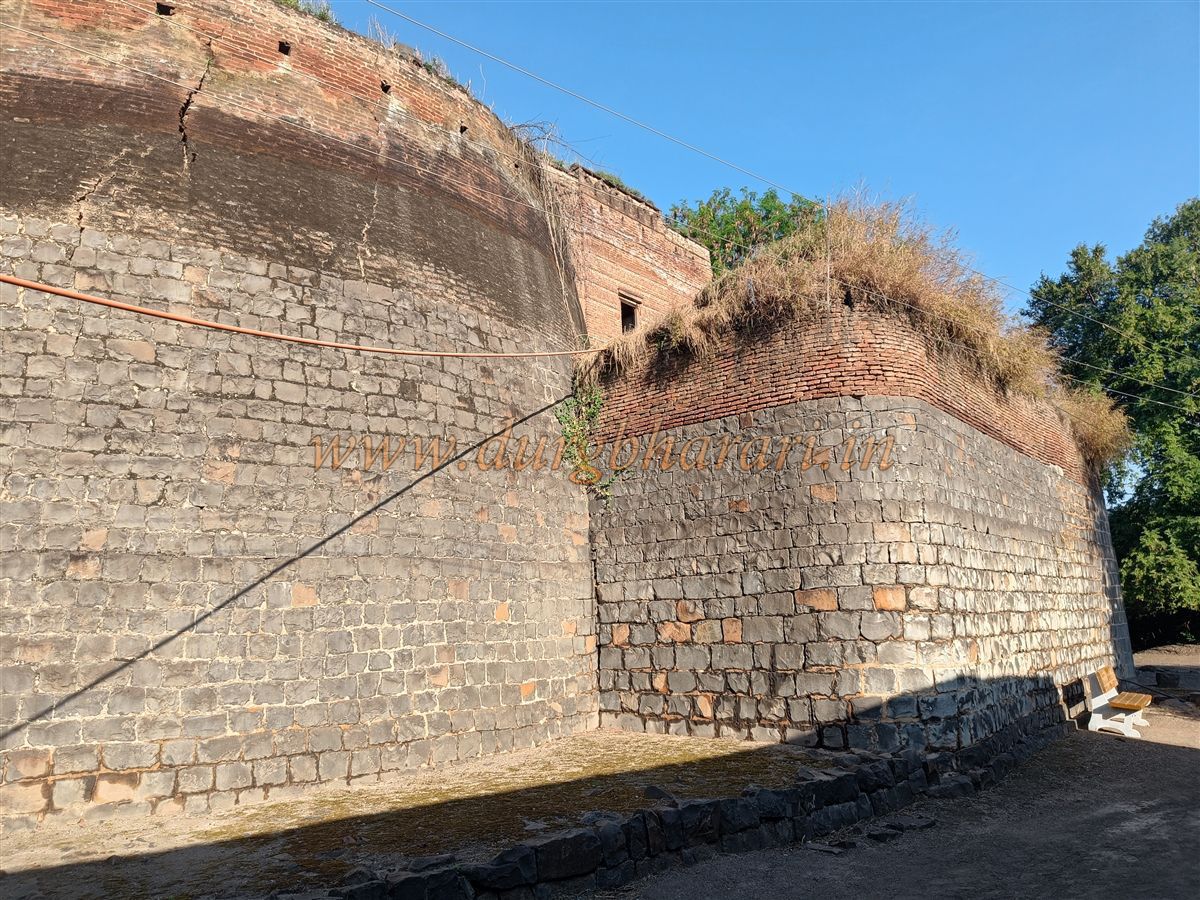
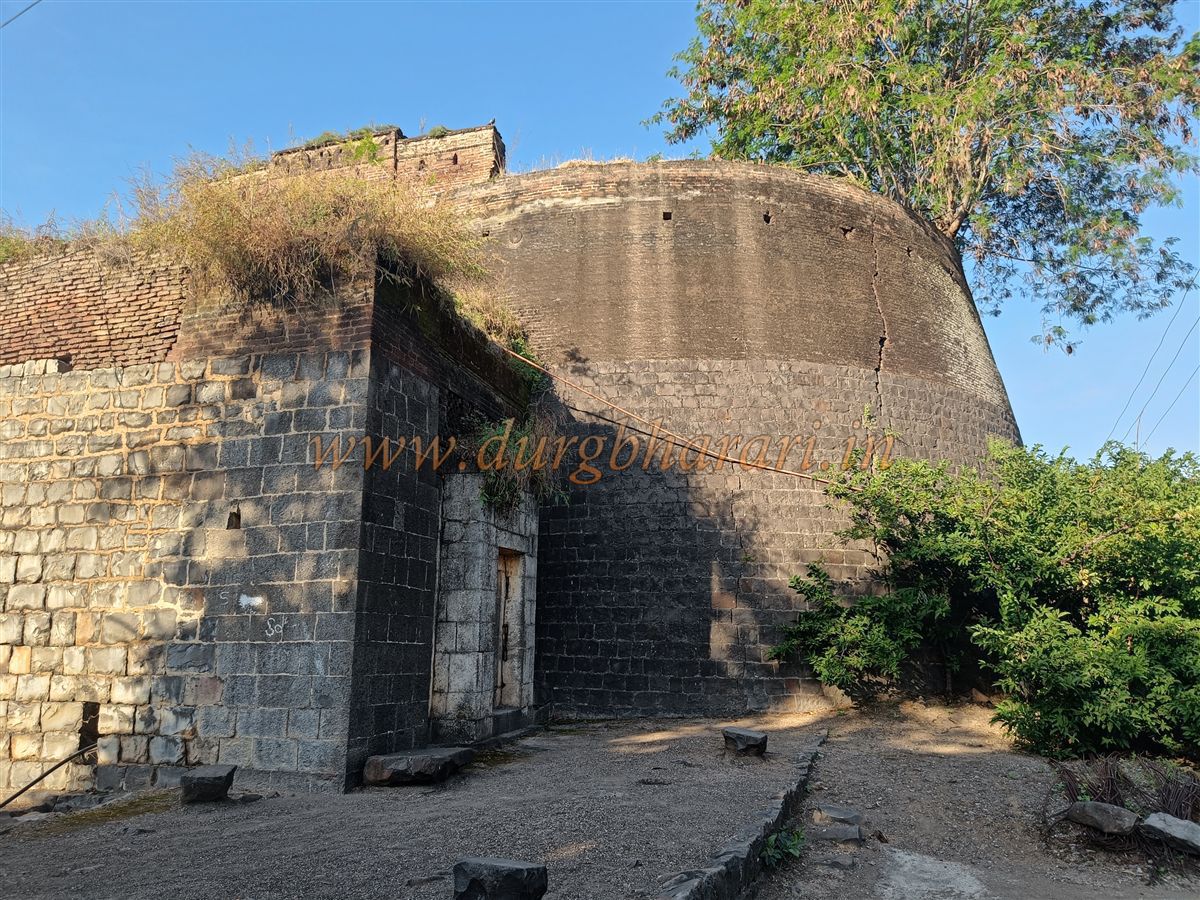
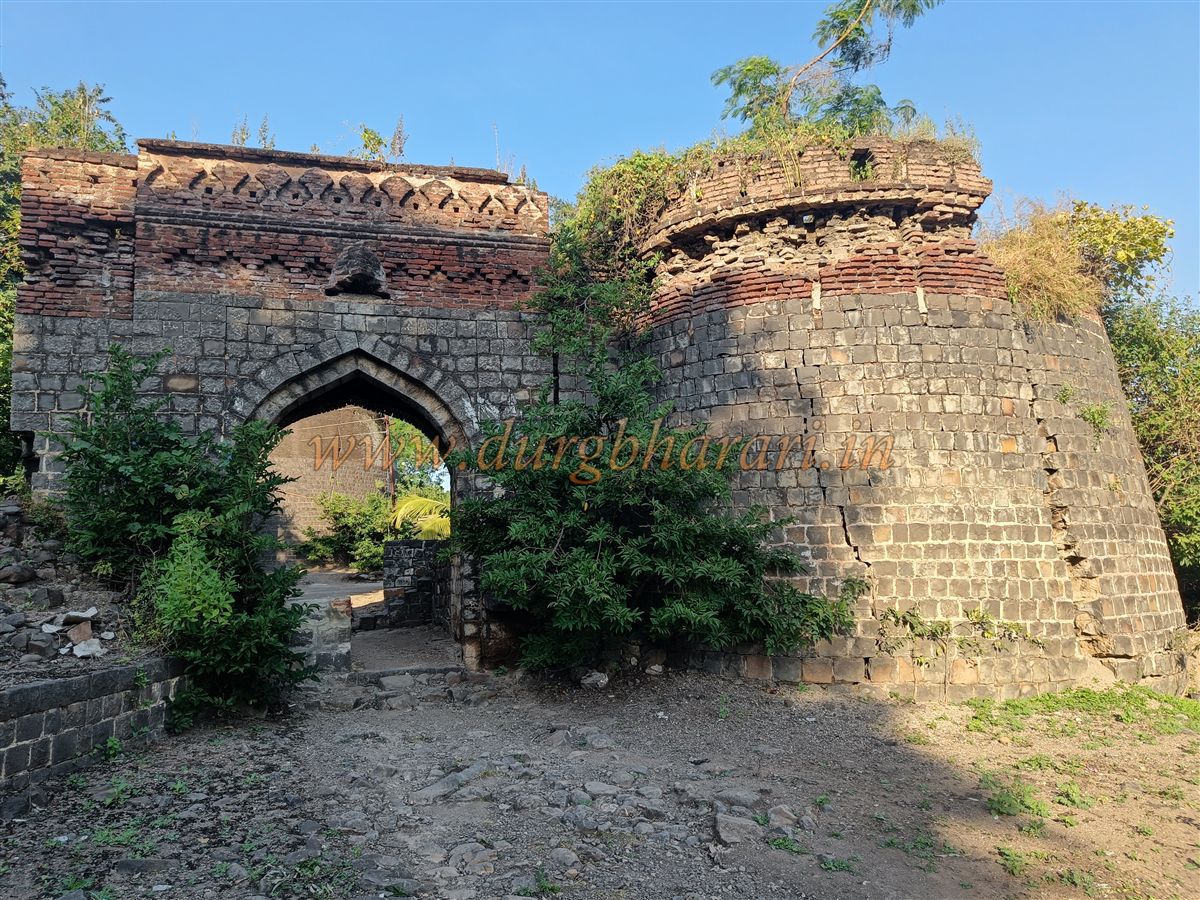
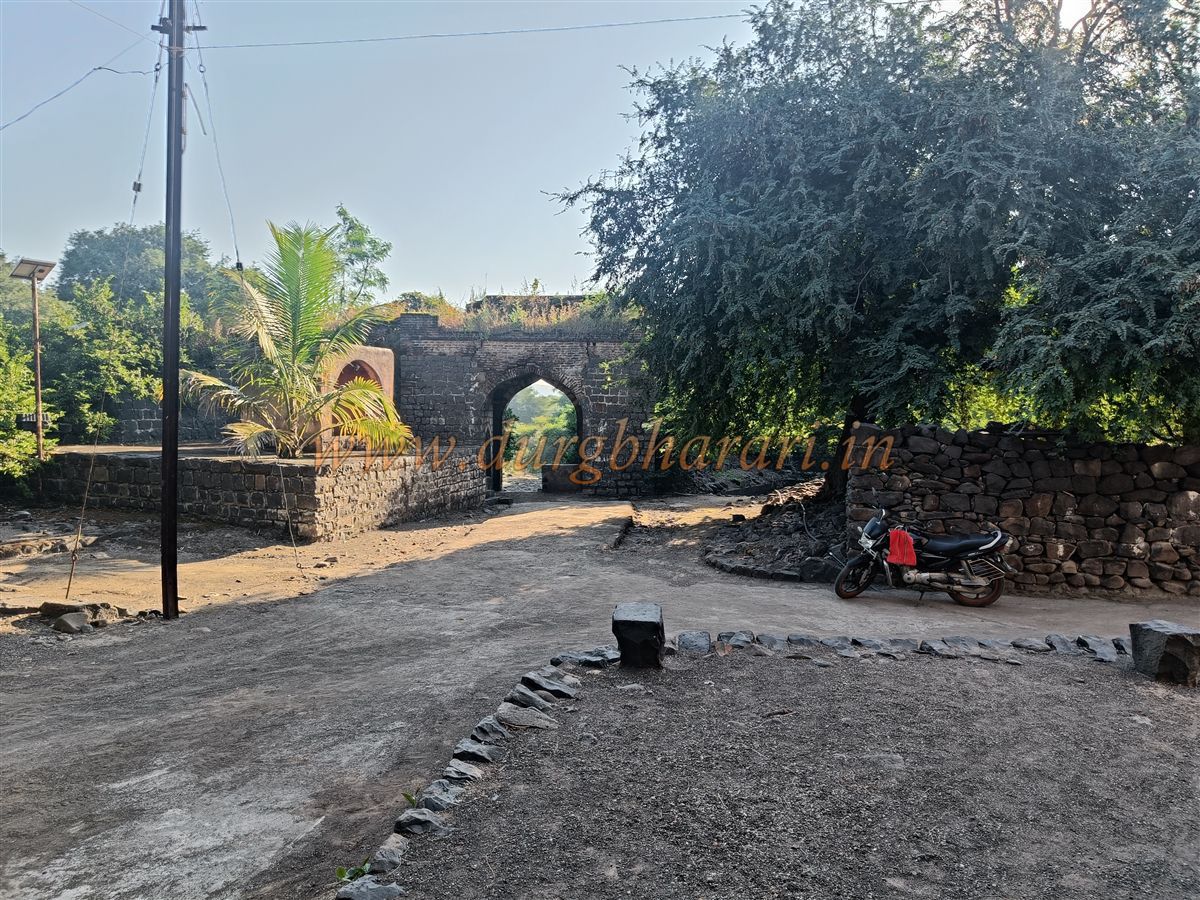
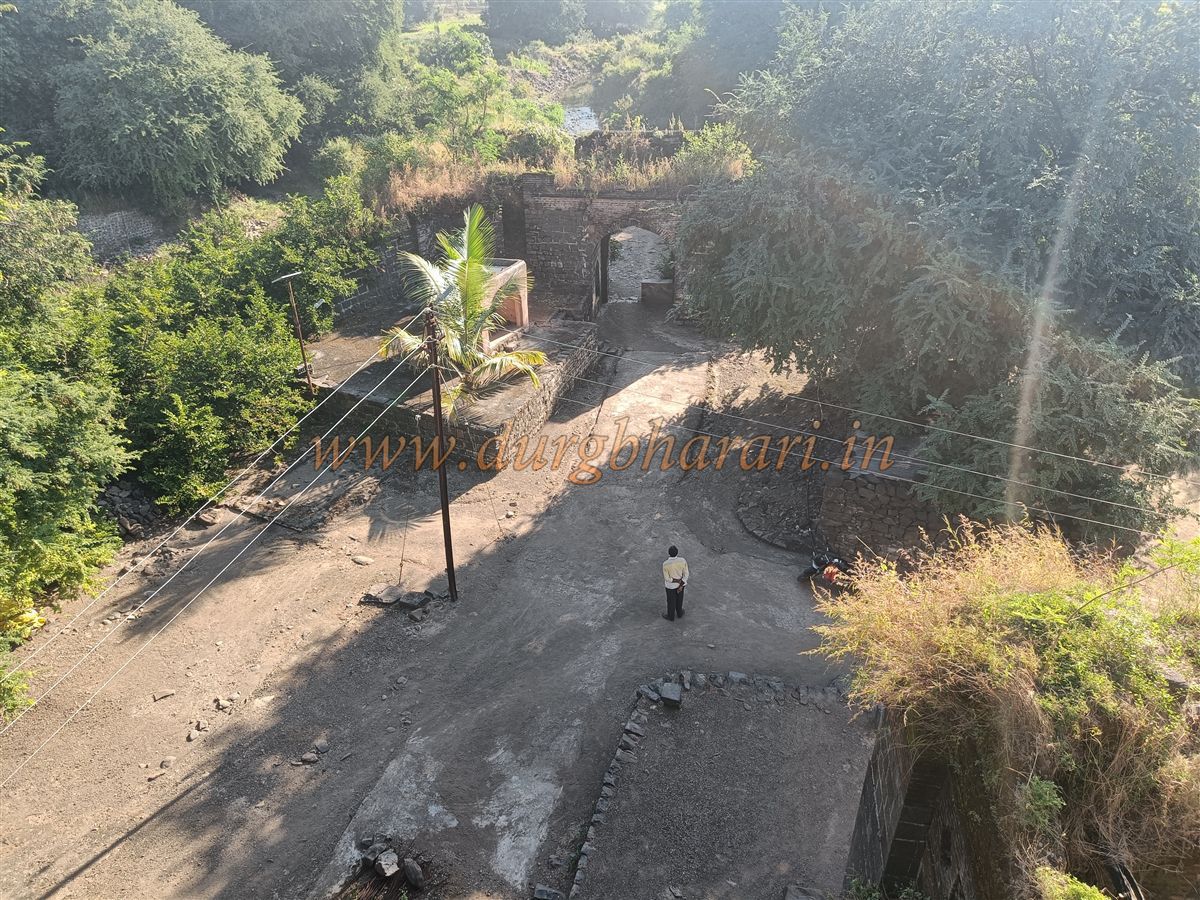
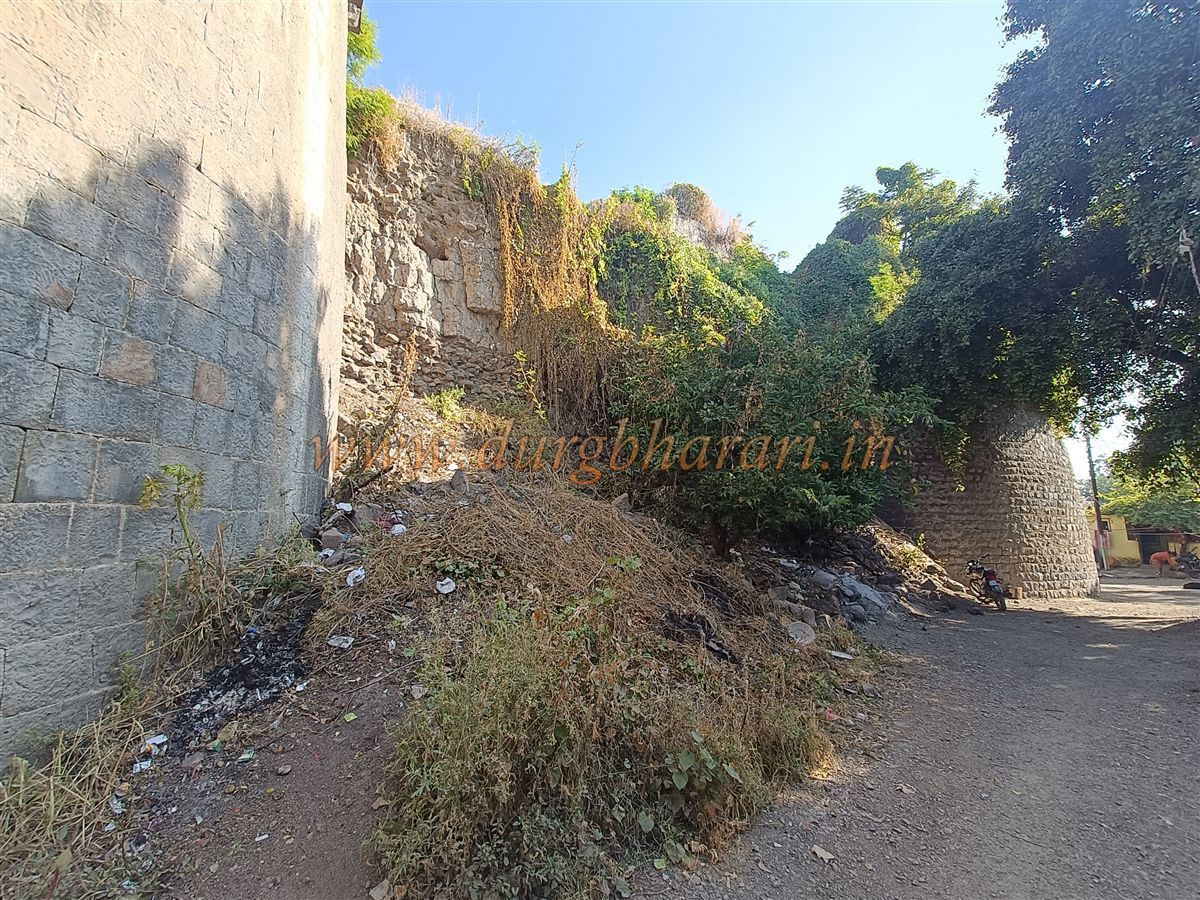
From a security perspective, the design of the Gadhi is impressive, and the inner layout reflects refined architectural planning. Spread across approximately one acre, the Gadhi consists of two main sections: the inner fortified mansion and the outer fortification (parkot). The inner structure contains five bastions, while only one bastion of the outer parkot survives today. Though much of the parkot has collapsed, the main gate and the adjoining bastion are still in good condition. Given the river flowing along two sides of the fortification, it likely functioned as a moat in earlier times.
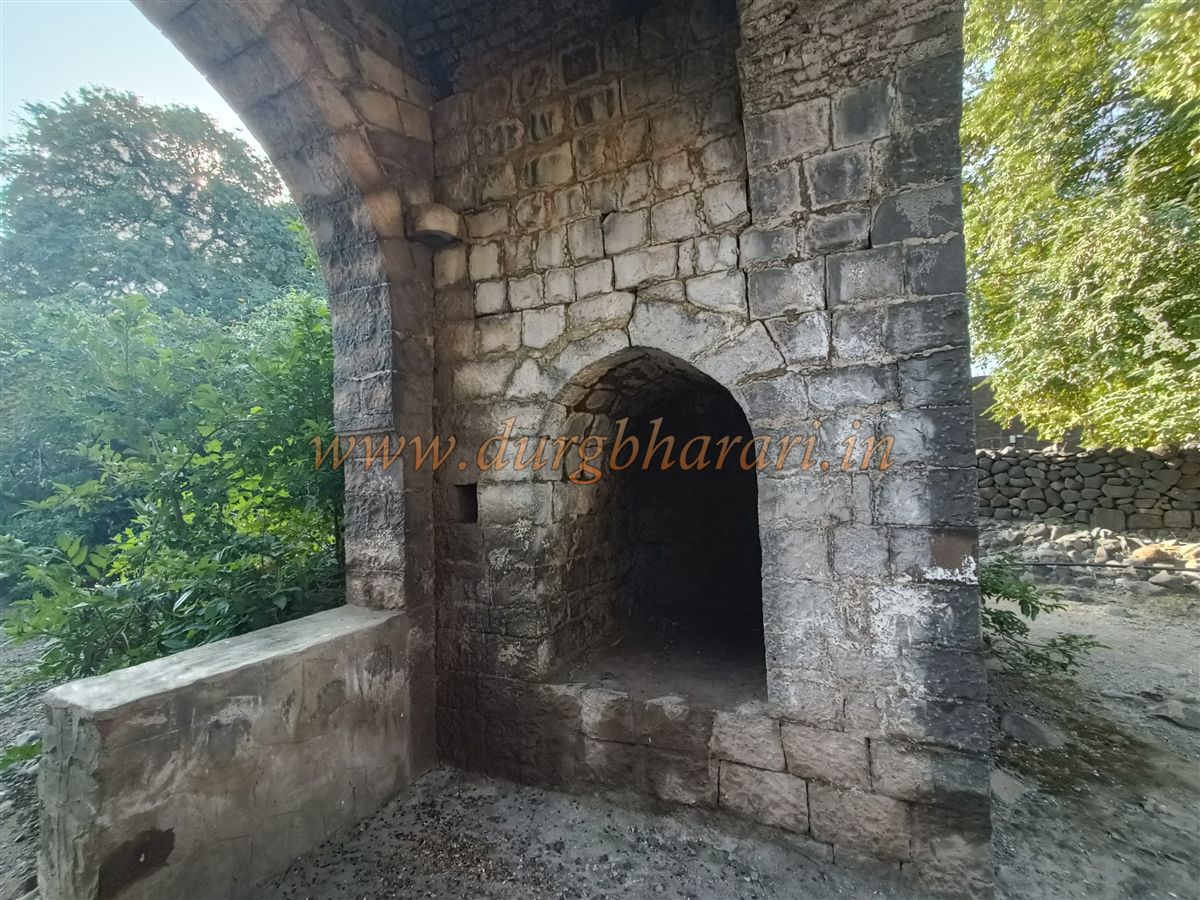
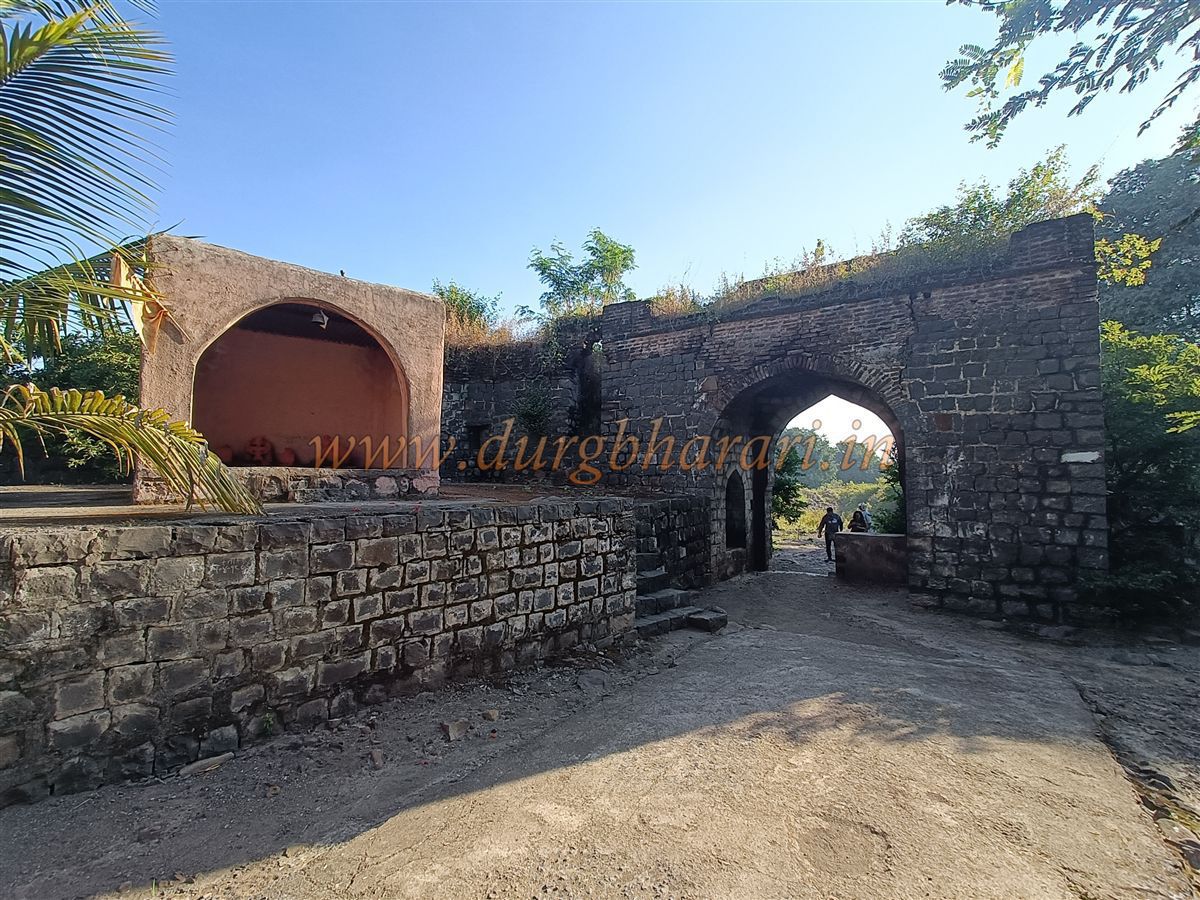
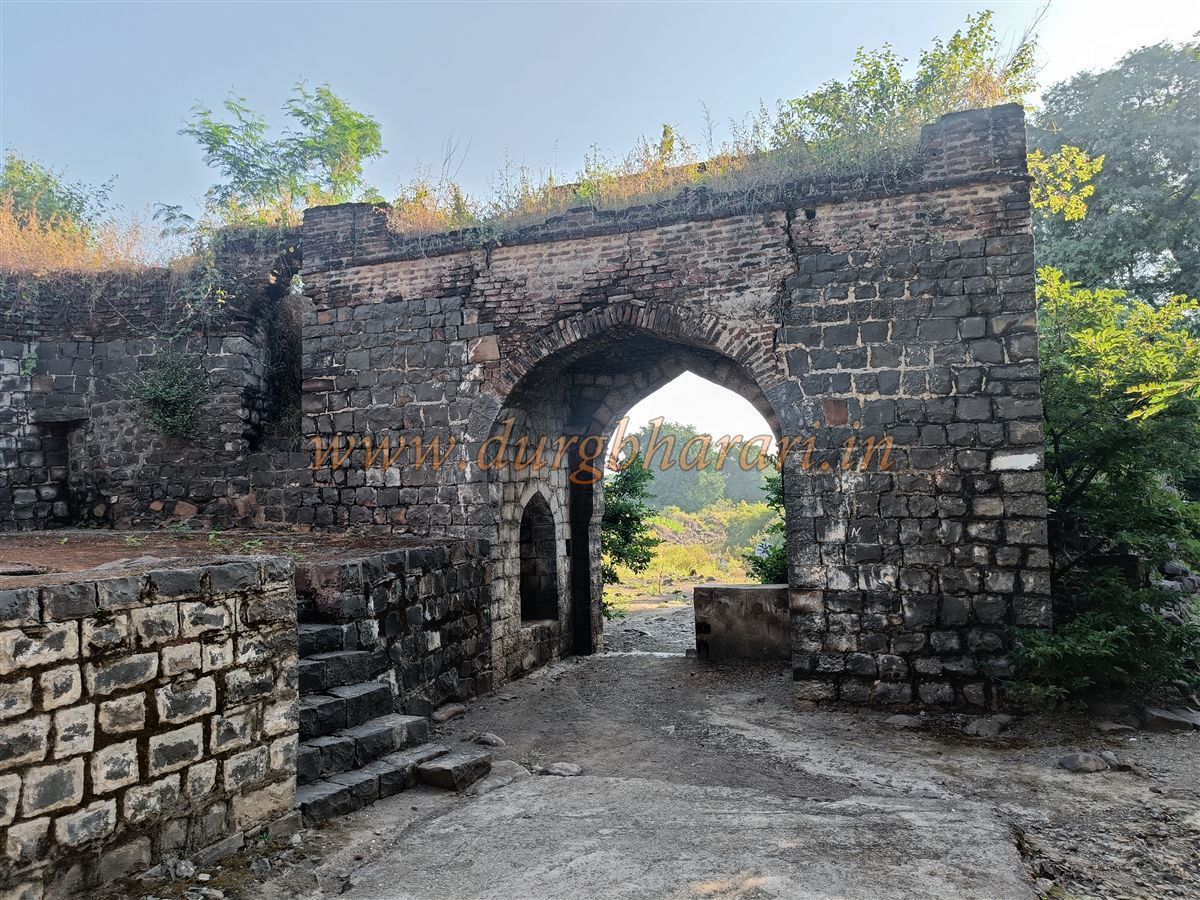
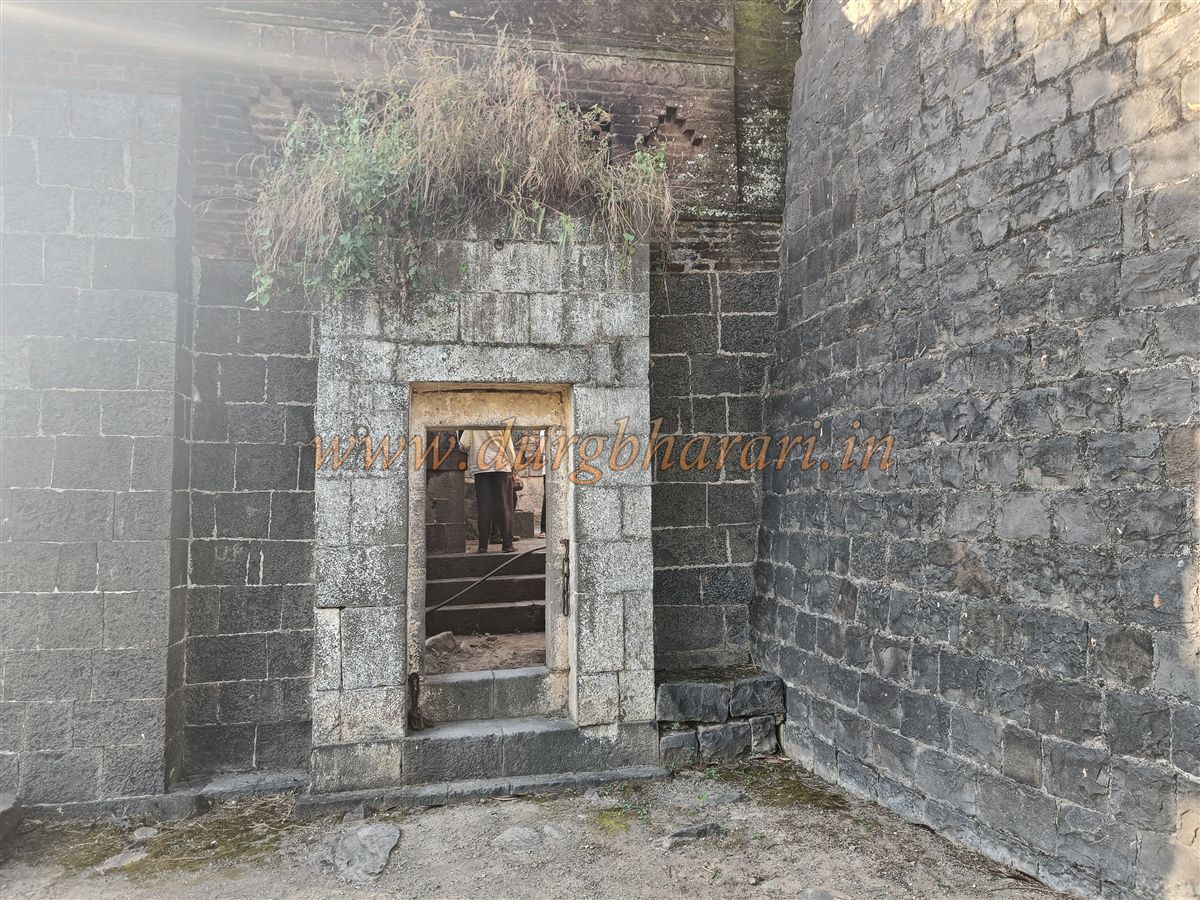
The west-facing gate of the parkot and adjacent structures are built of dressed stone, while the upper portions made of brick feature intricate carvings. There are openings for gunfire and cannon placements. Inside the gate are guard chambers on either side. Upon entering, a raised platform aligned with the fort walls is seen on the right, with steps leading upward. From this platform, one can access the upper parts of the gate and ramparts. Within this enclosure, remains of horse stables and barracks for soldiers are evident.
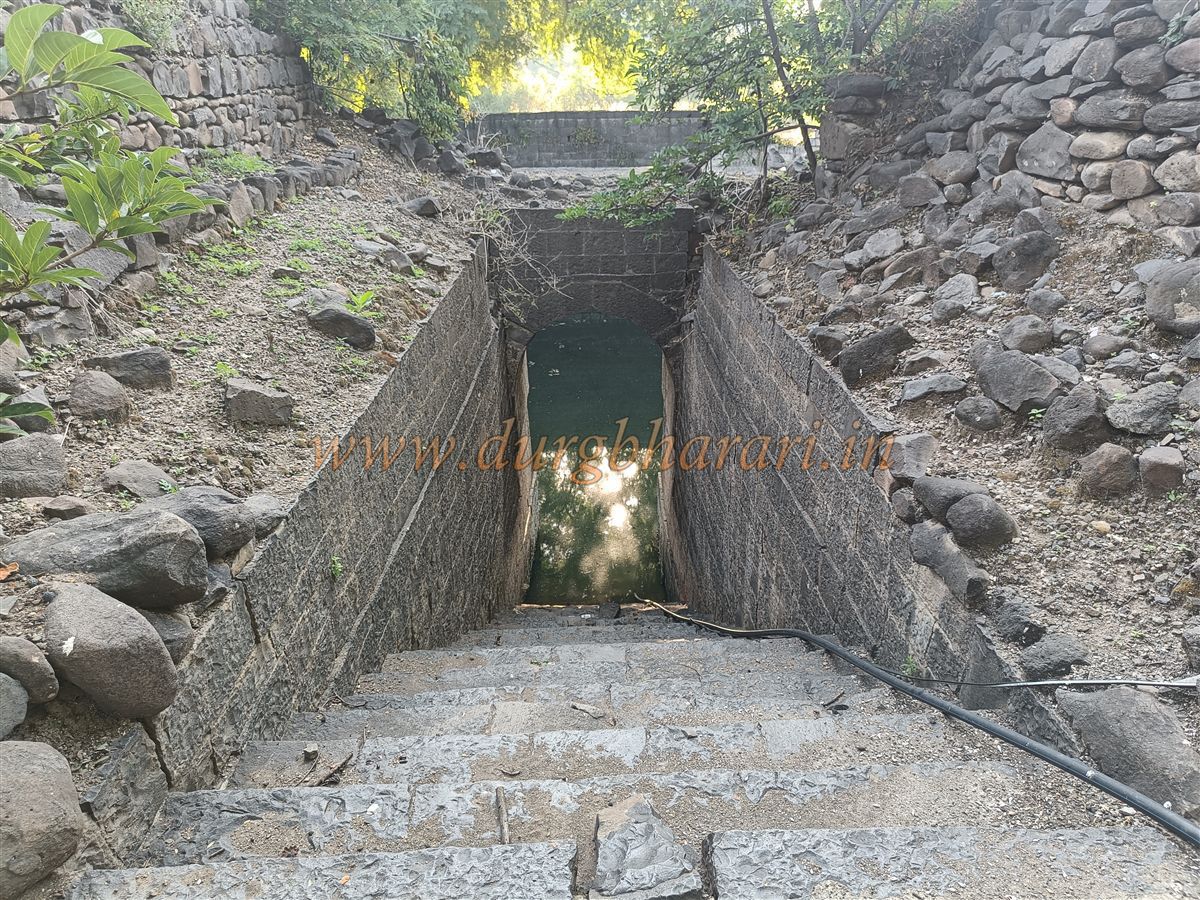
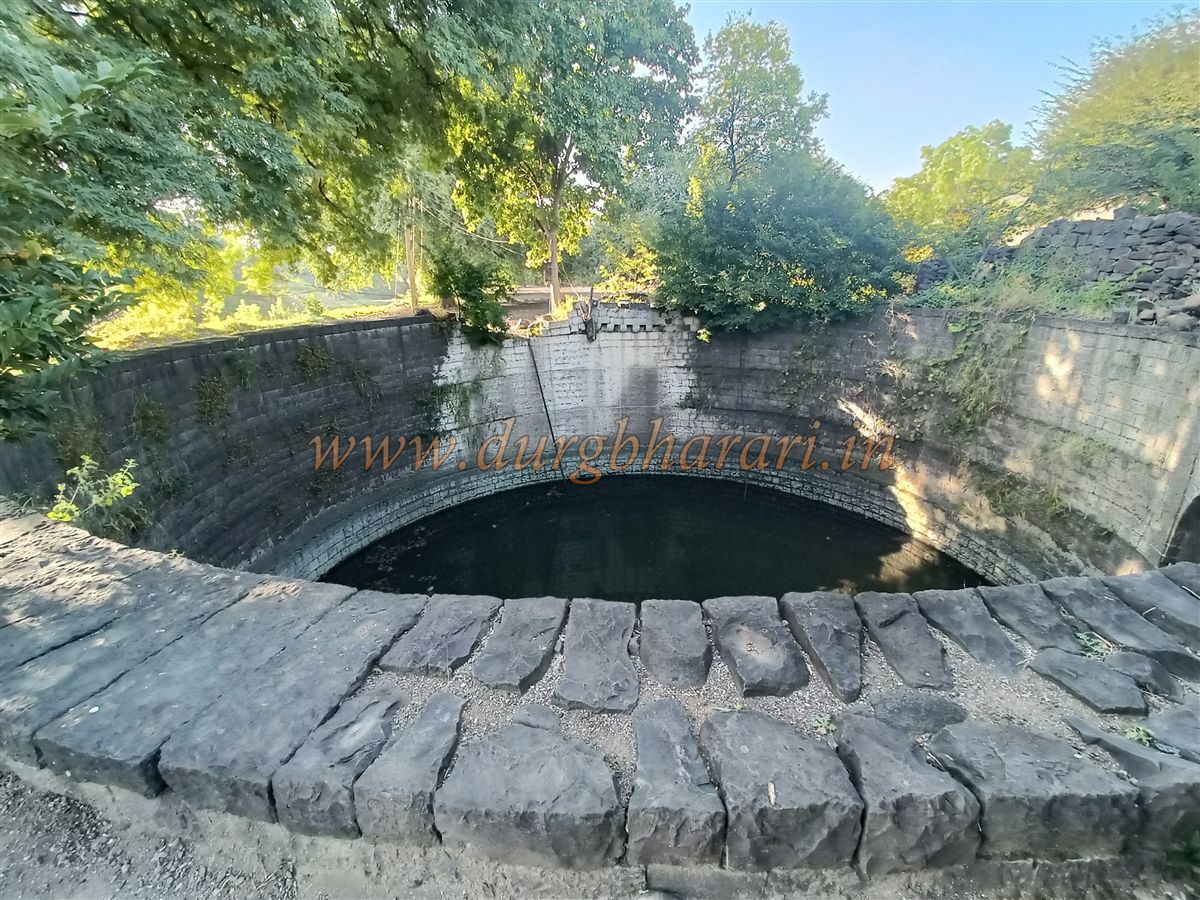
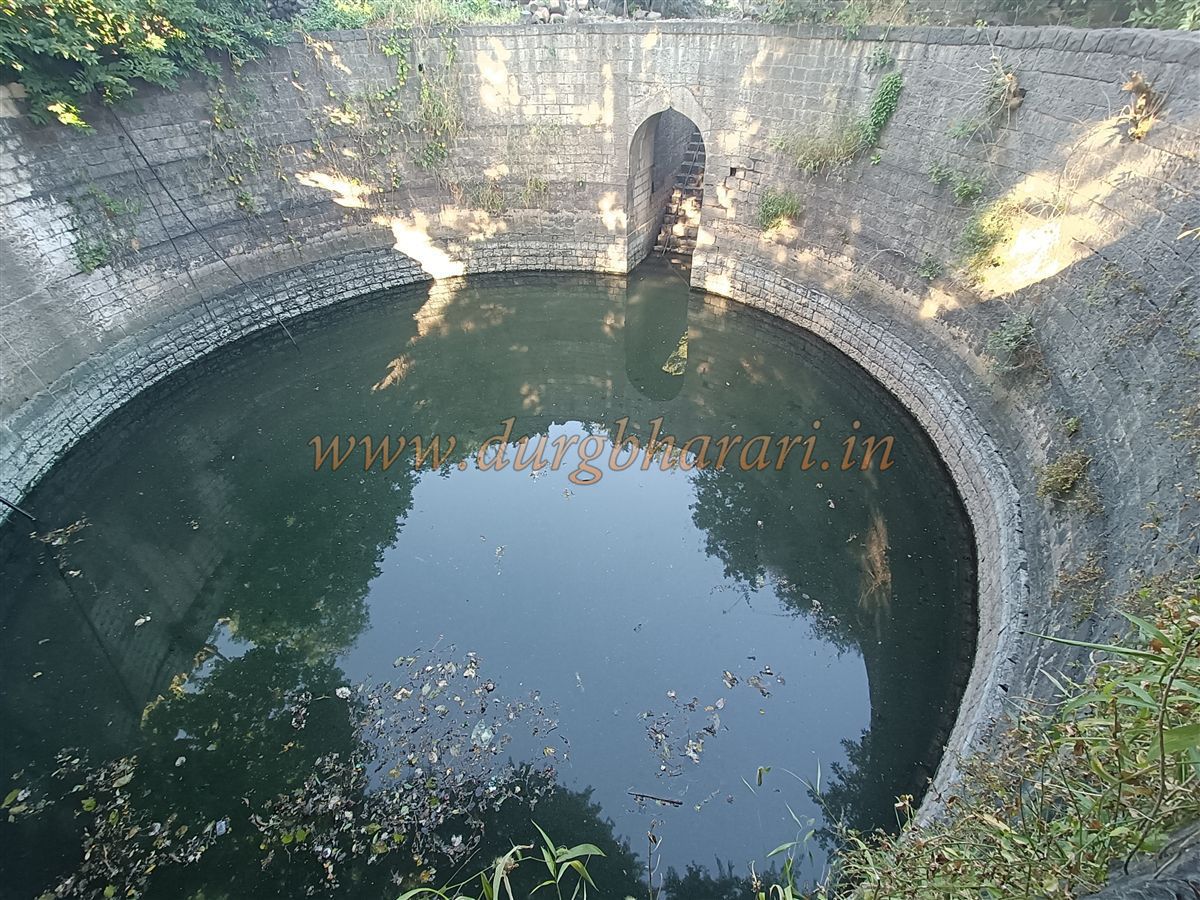
On the left side, there is a large circular stepwell (barav) with a covered entrance and internal steps. Water from this well could be drawn both from inside and outside. Although the bastions and ramparts are visible upon entering through the main gate, the actual entrance to the inner Gadhi is not immediately apparent. The main entrance is small and north-facing. A platform adjacent to this gate suggests there once stood a building. Inside this gate is a walled passage, with sitting platforms on the left side and the main entrance to the Gadhi located slightly ahead on the right. The platforms on the left were once the Nimbalkar family's administrative chambers (kacheri).
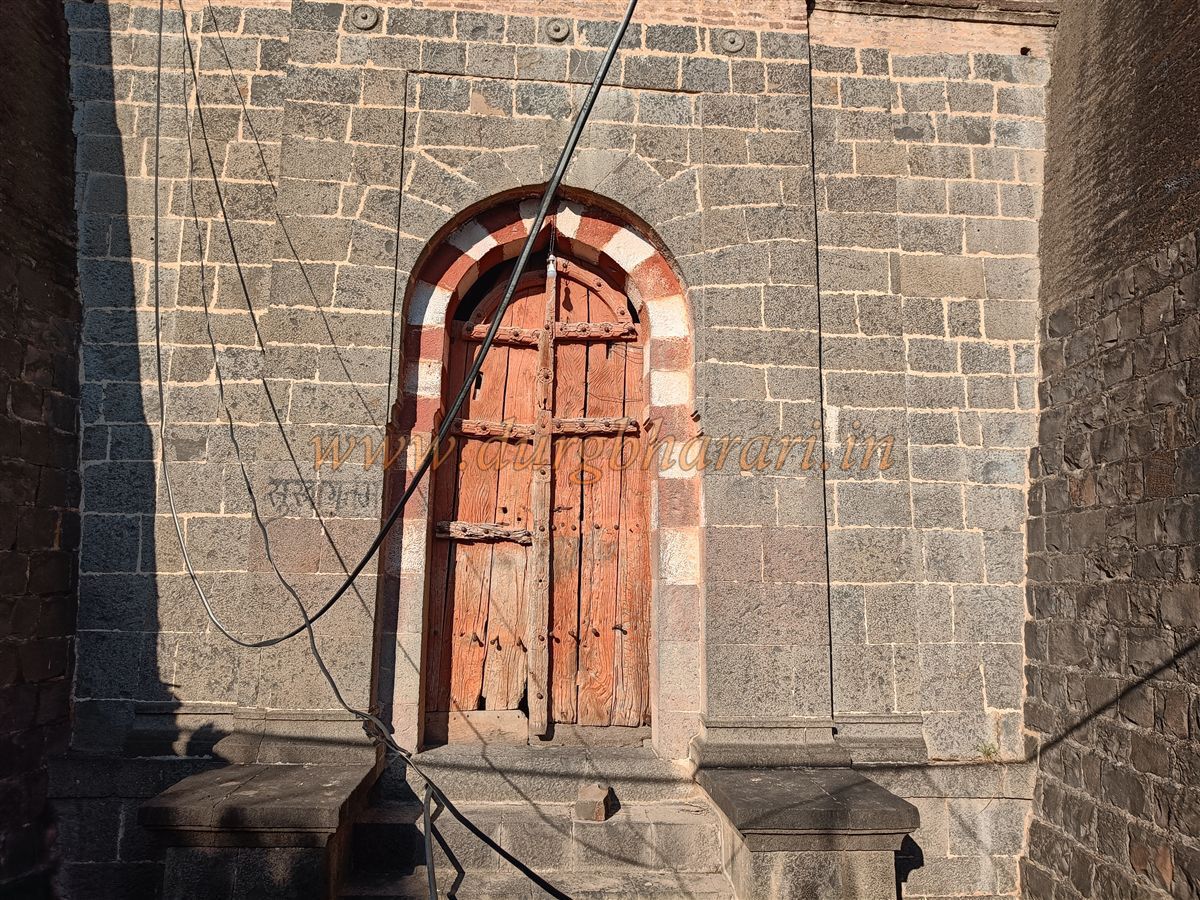
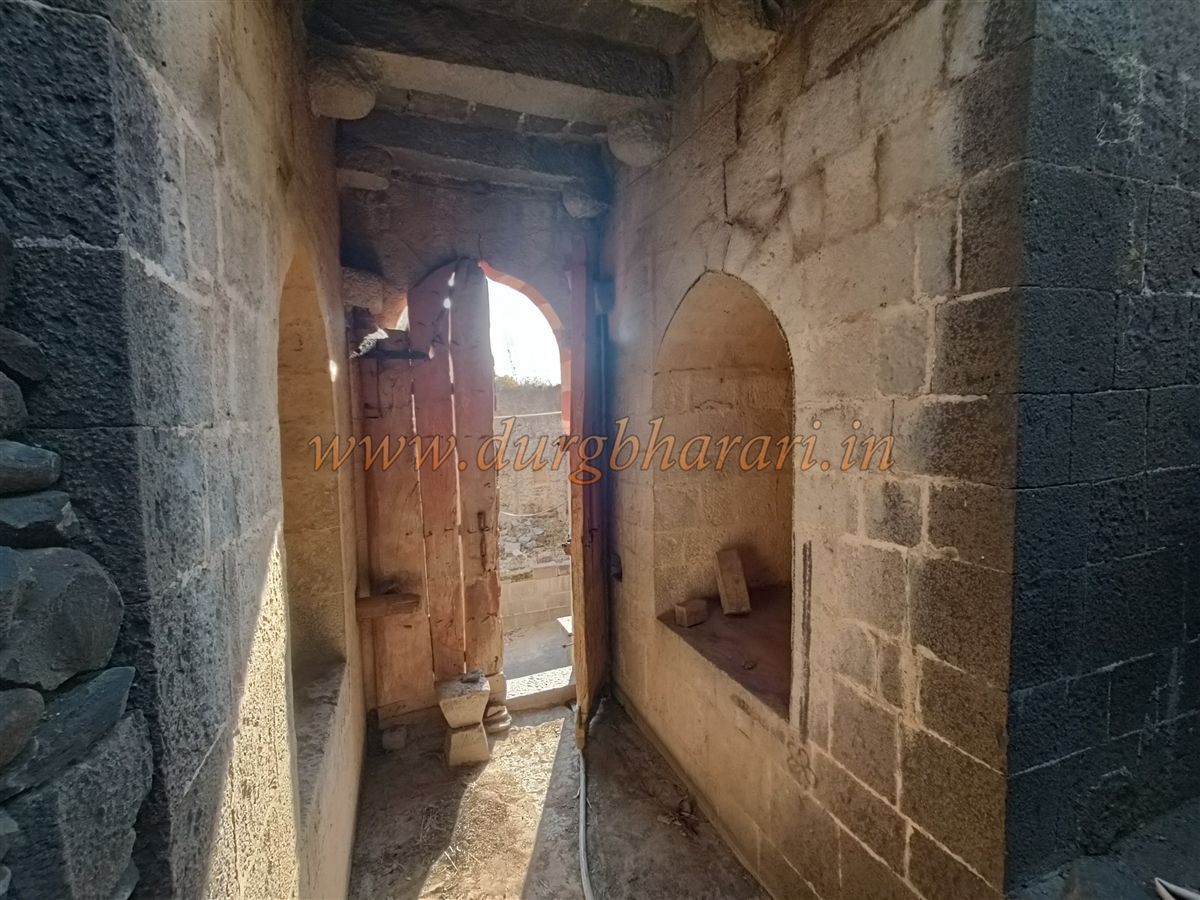
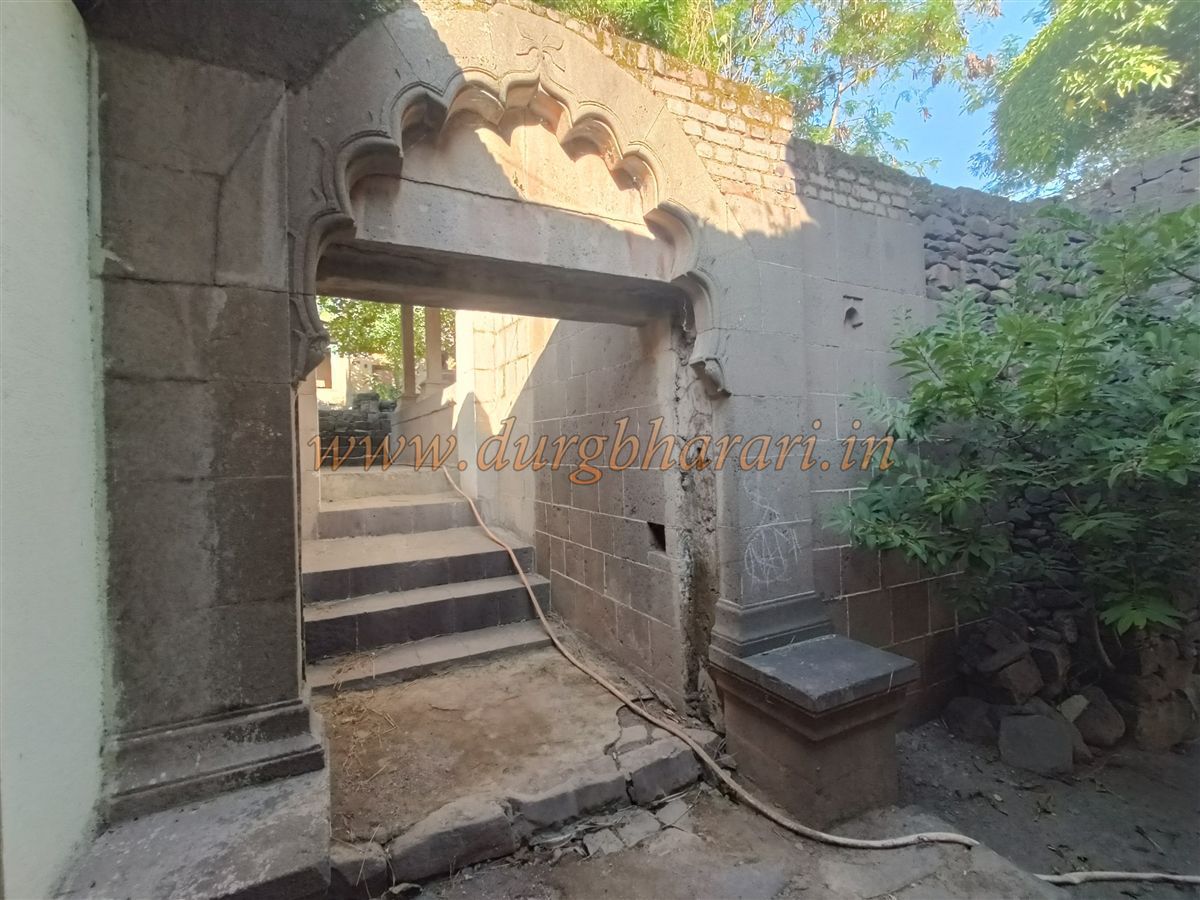
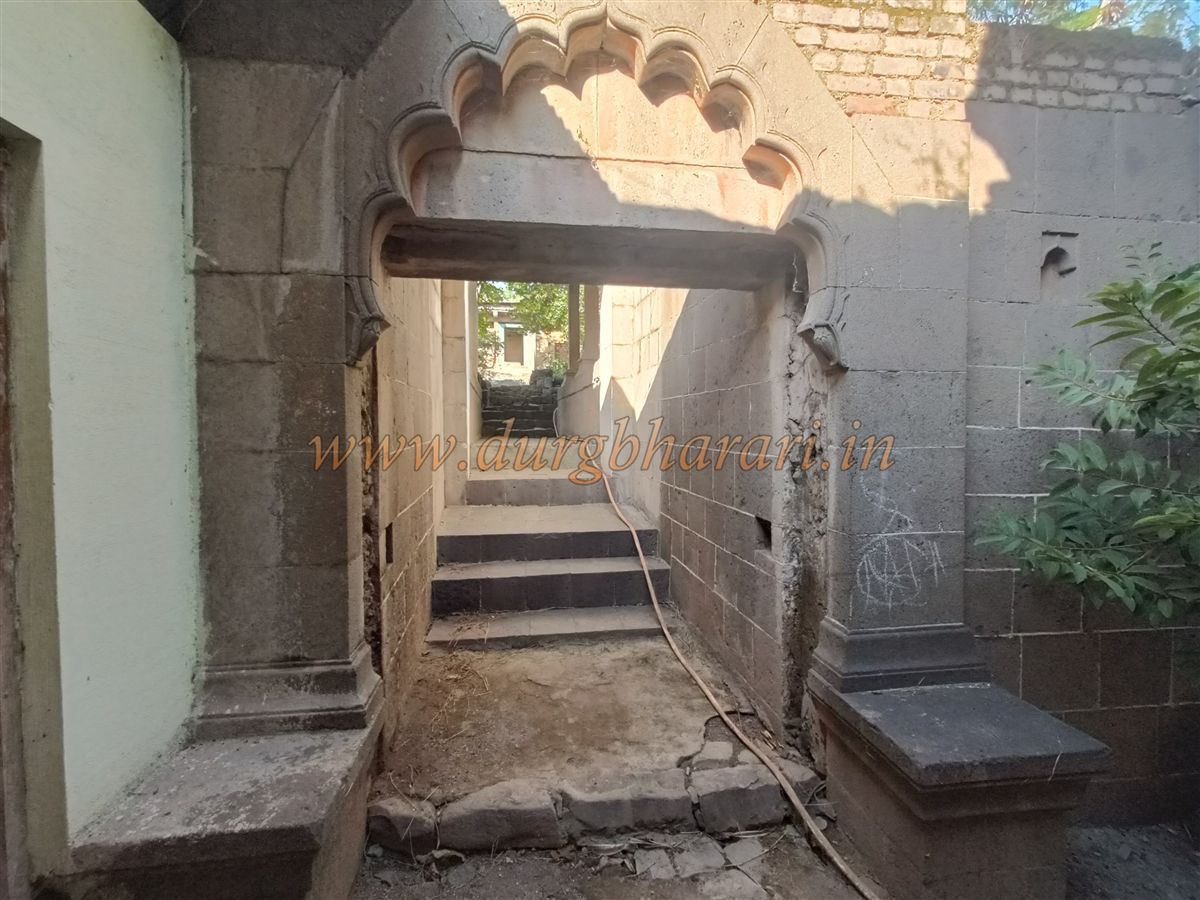
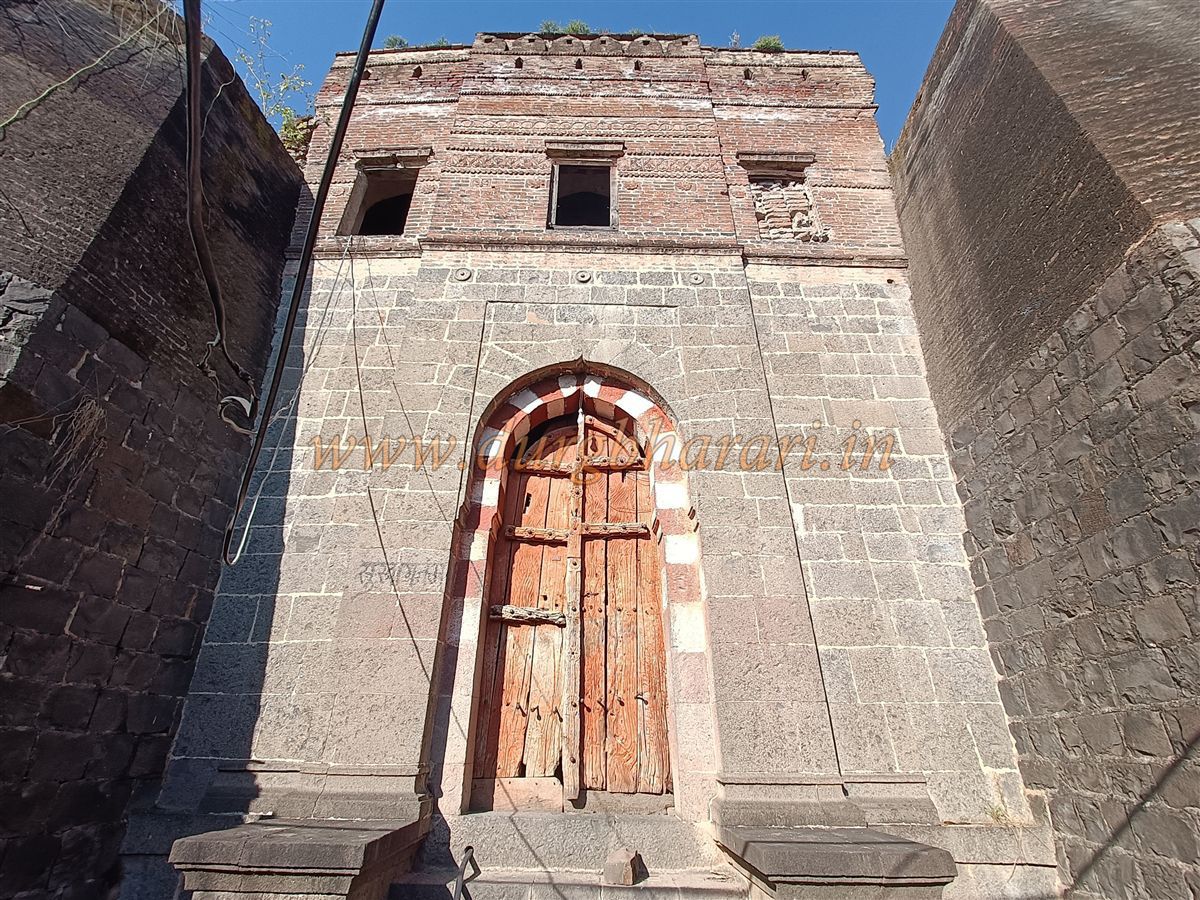
The entrance on the right is large and still retains its original wooden door. Above the gate is a brick structure with three windows. Inside, guard chambers are again present on either side. Entering this gate leads to a carved stone arch, marking a third gate of the Gadhi. Beyond this is a narrow, enclosed, arched passageway that leads into the inner courtyard.
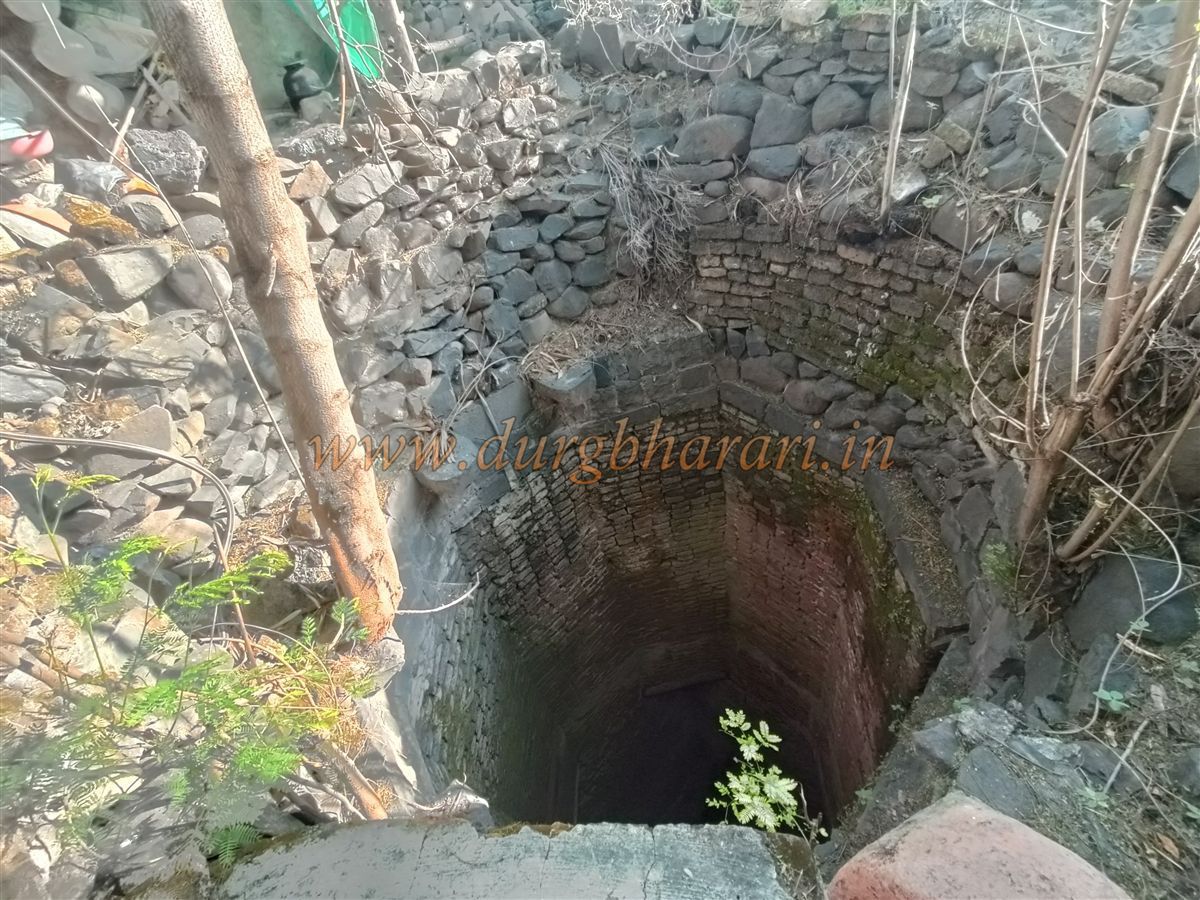
Inside the Gadhi, there are newly built houses belonging to descendants of the Nimbalkar, along with a few ruins covered in dense vegetation. In the centre is an octagonal brick well, 50 feet deep that still serves as a water source.
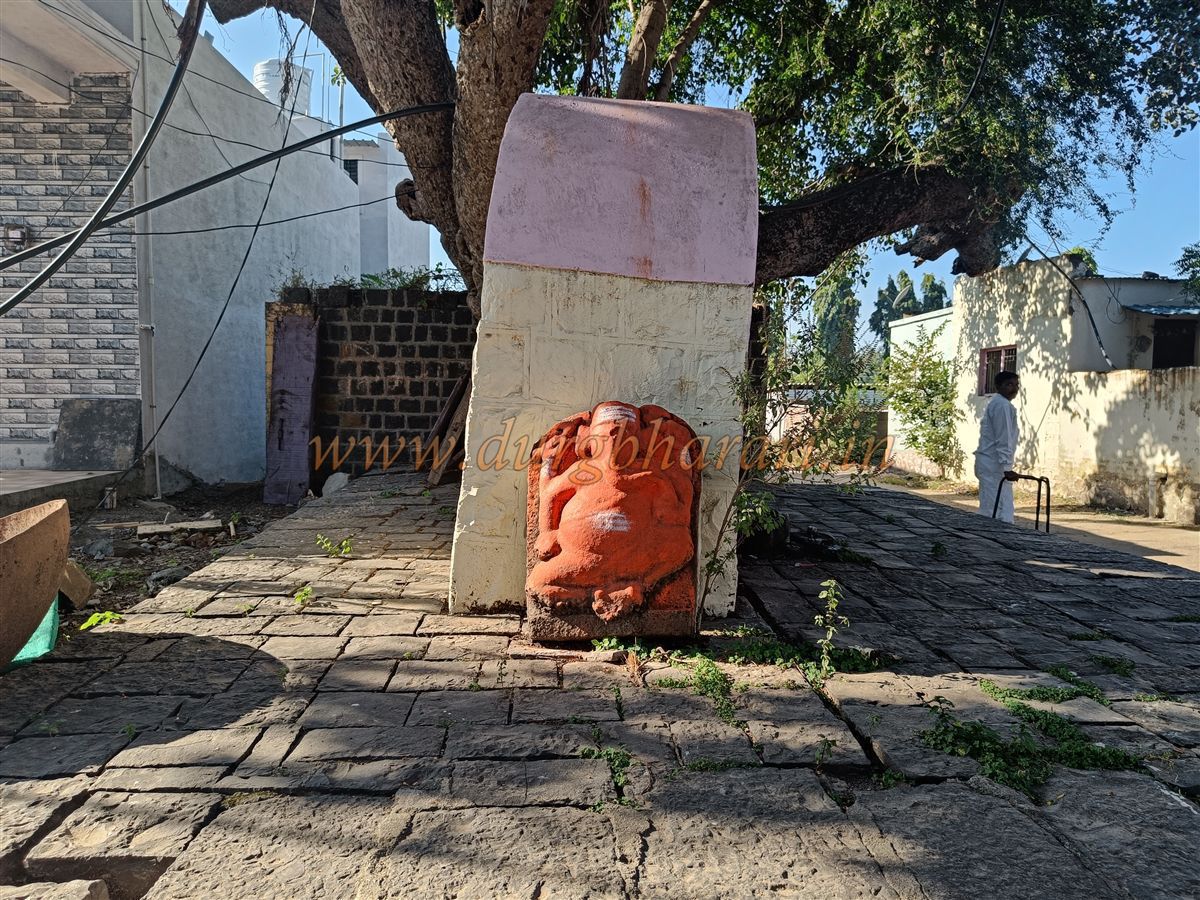
A full tour of the Gadhi takes about an hour. Additionally, in the village’s stone-paved public square, under a tree, one can see a large idol of Lord Ganesha.
A particularly memorable personality during this visit was Arunrao Nimbalkar. Though he is related to Vilasrao Deshmukh and belongs to the illustrious Nimbalkar family, he carries no airs or titles—only immense warmth and hospitality, which left a lasting impression. Many others have experienced the same kindness.
Historically, the Nimbalkar family descends from Mudhoji Nimbalkar of the Naik-Nimbalkar lineage of Phaltan. His eldest son, Raje Jagdevrao, was an ancestor of Hanumantrao, a general under Chhatrapati Shahu. When their estate passed under the Nizam’s control, they were given the title "Sultanrao." Their holdings included Beed and Kharda. Following the valour they displayed in the Battle of Kharda, Appasaheb Nimbalkar was granted the jagir of Bhalavani and 42 nearby villages.
The modern history of the Gadhi begins with Bhausaheb and Gunabai Nimbalkar, who had three sons—Nanasaheb, Sahebrao, and Bhaiyyasaheb—and three daughters—Gajarabai, Kalavatibai, and Sushilabai. Sushilabai married Dagdojirav Deshmukh of Babhulgaon in Latur district. Their son was the late Vilasrao Deshmukh, former Chief Minister of Maharashtra.
This fort-like mansion, which preserves the footprints of history, is certainly worth visiting and remembering.
© Suresh Nimbalkar
GALLERY