BHAJE
TYPES : BUDDHIST LENI
DISTRICT : PUNE
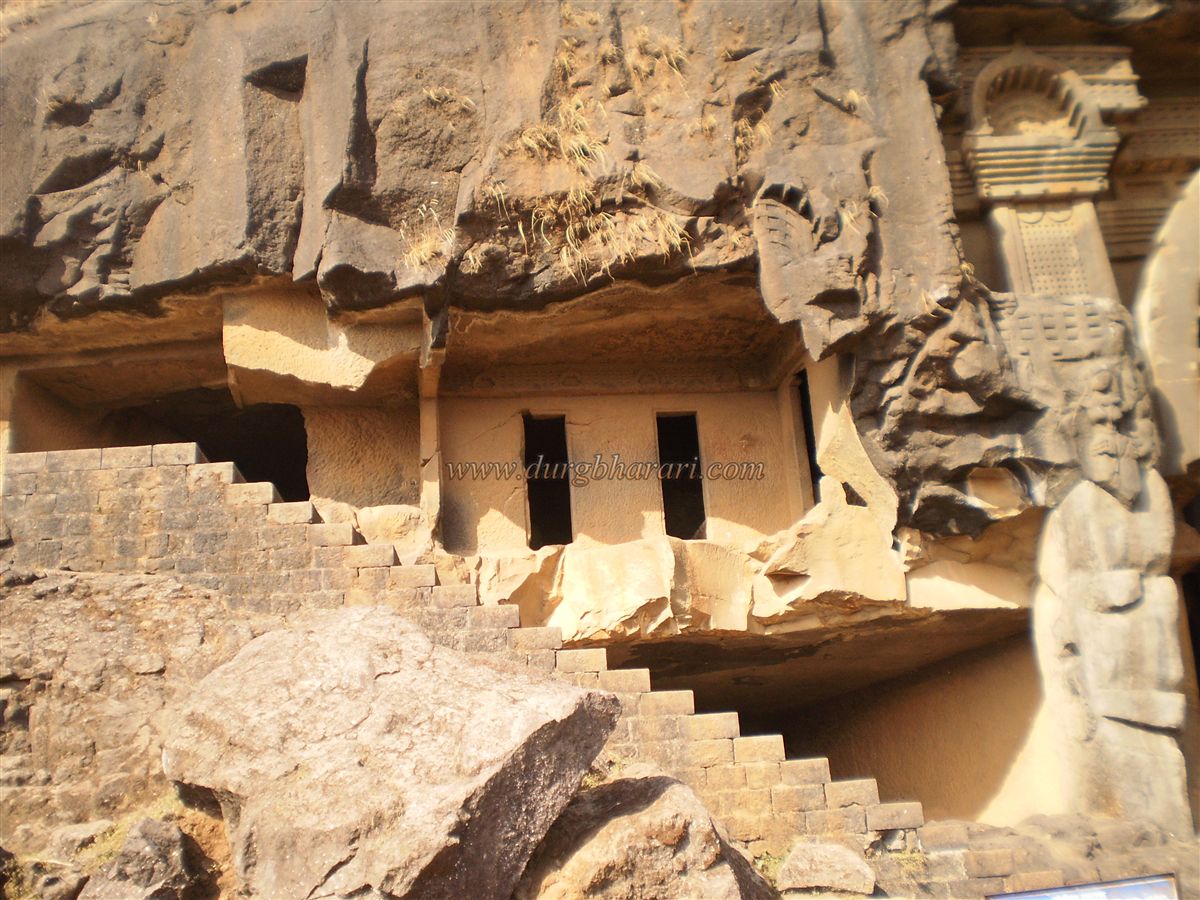
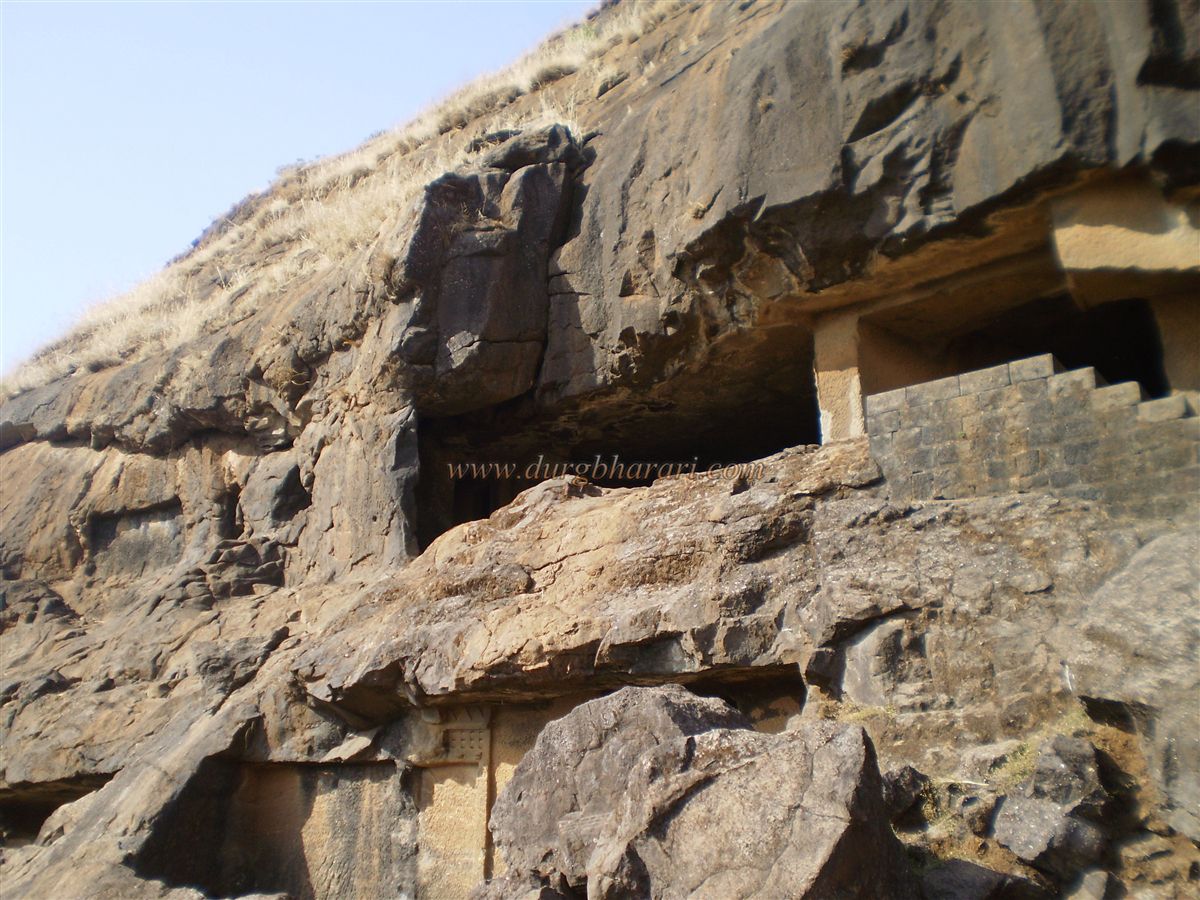
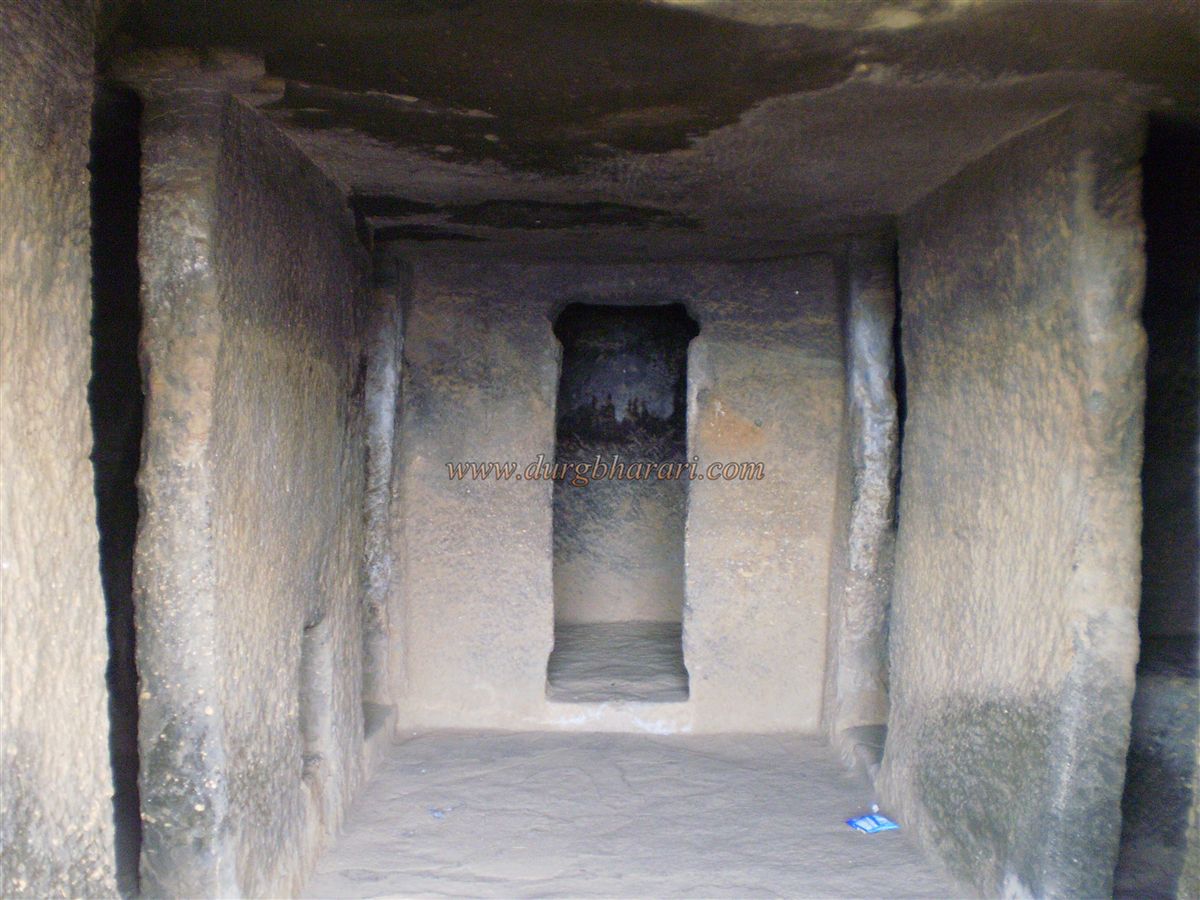
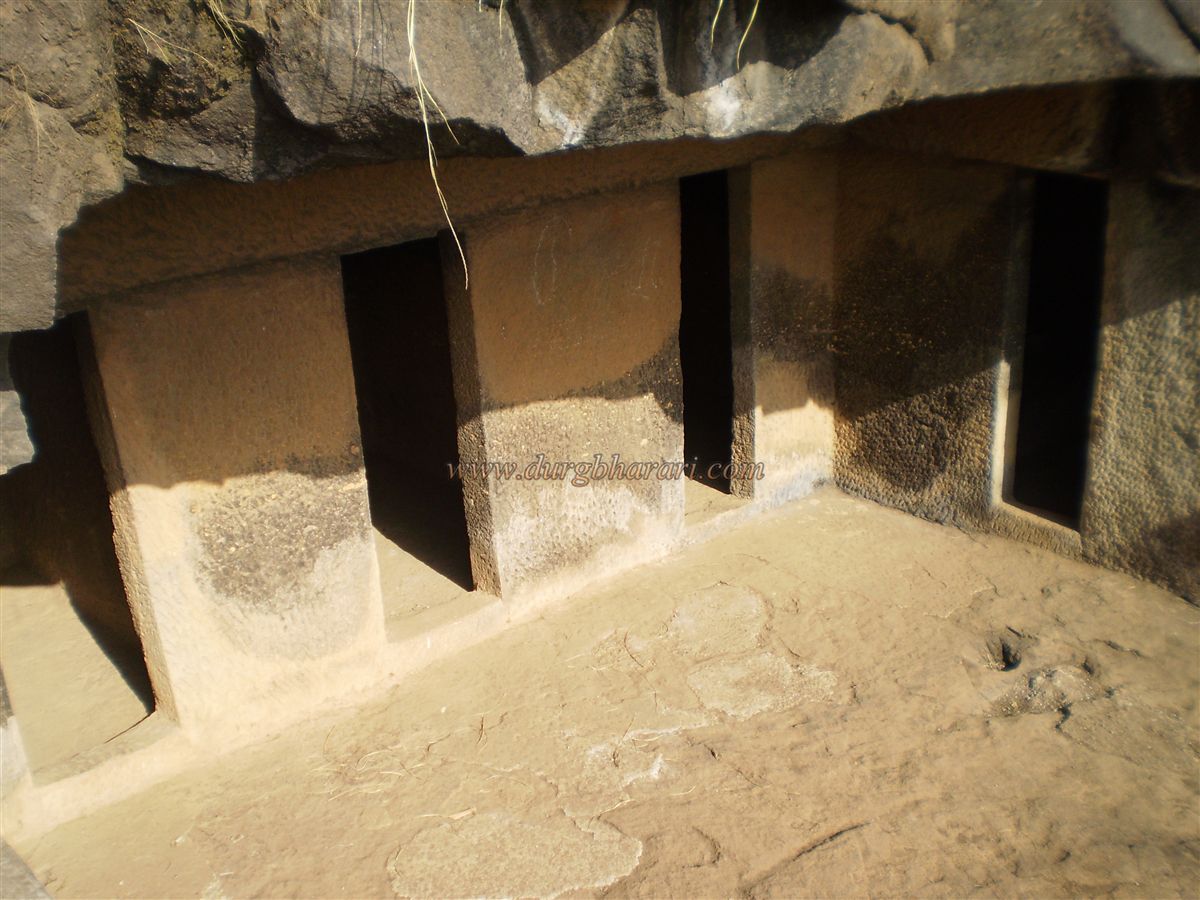
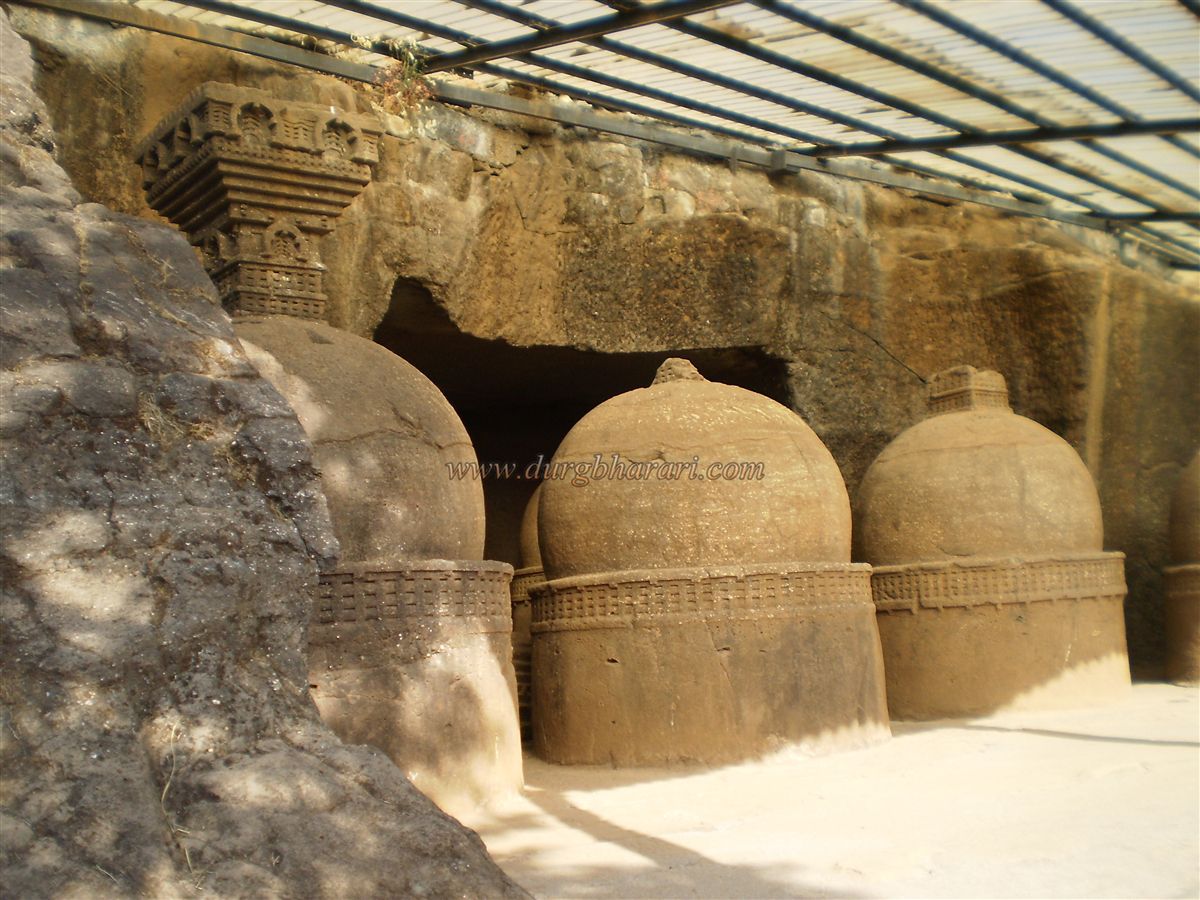
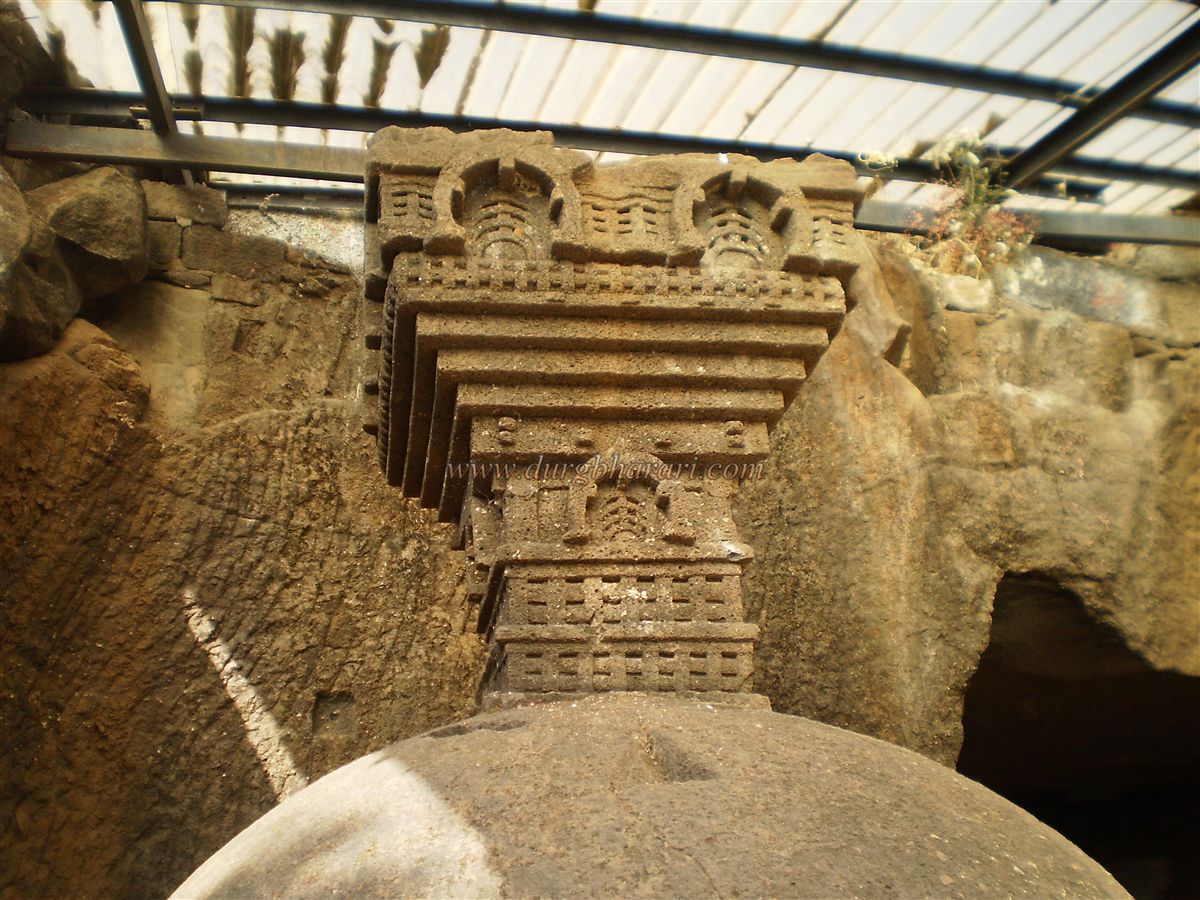
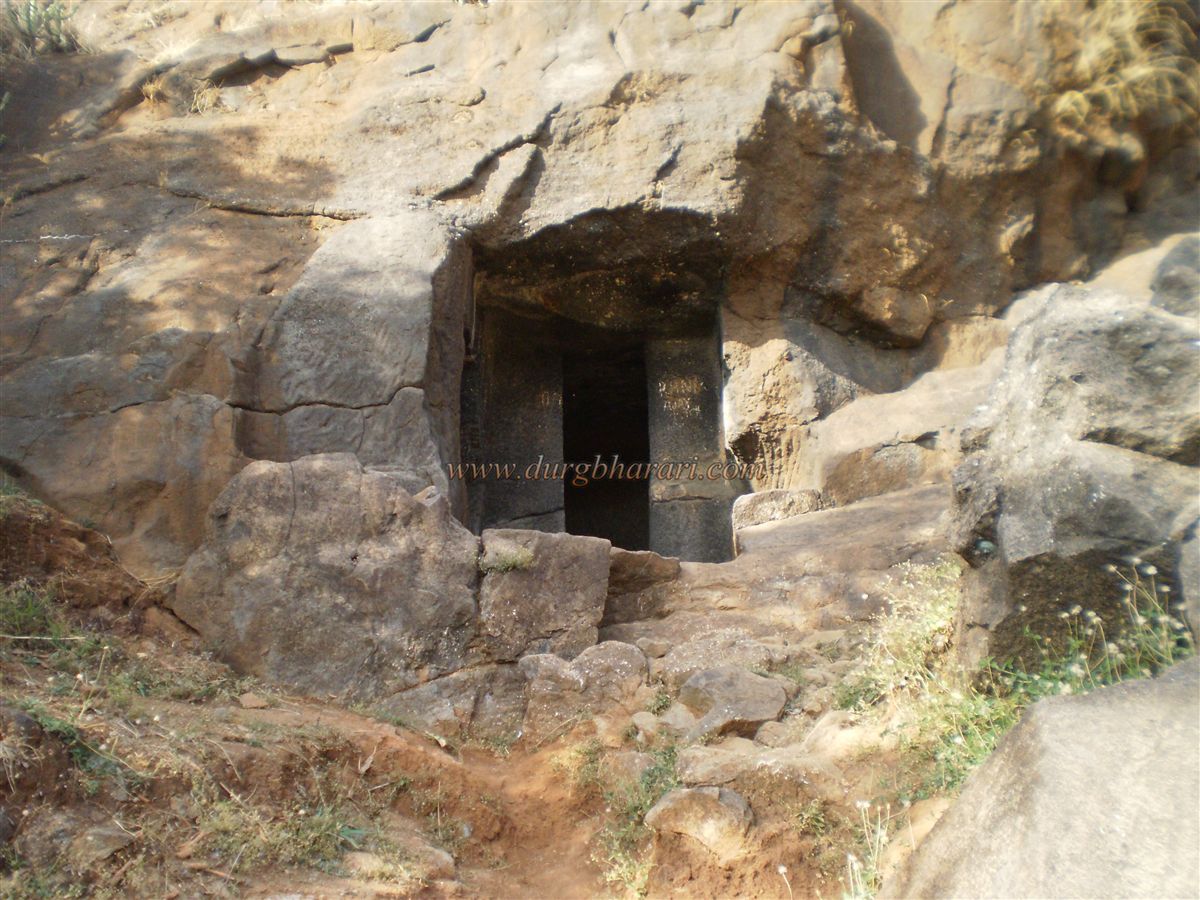
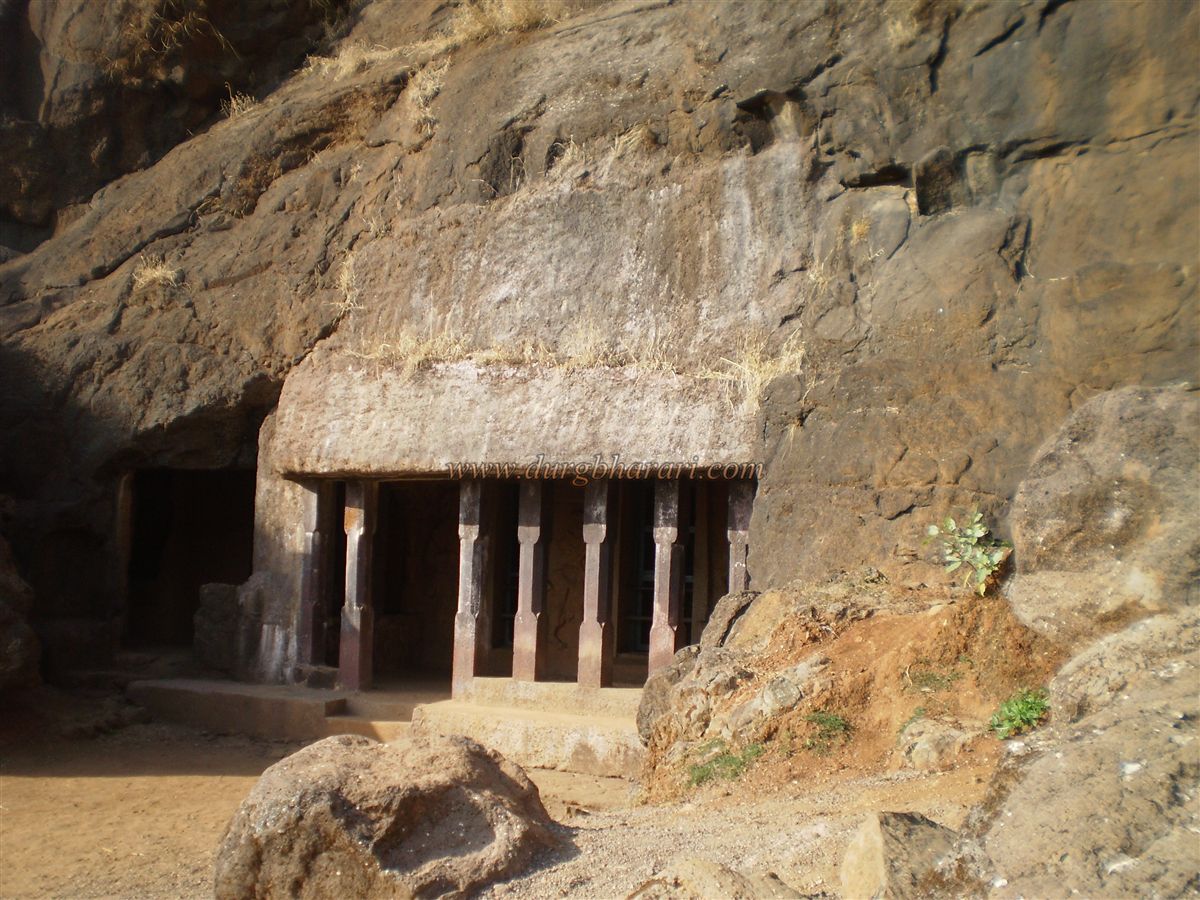
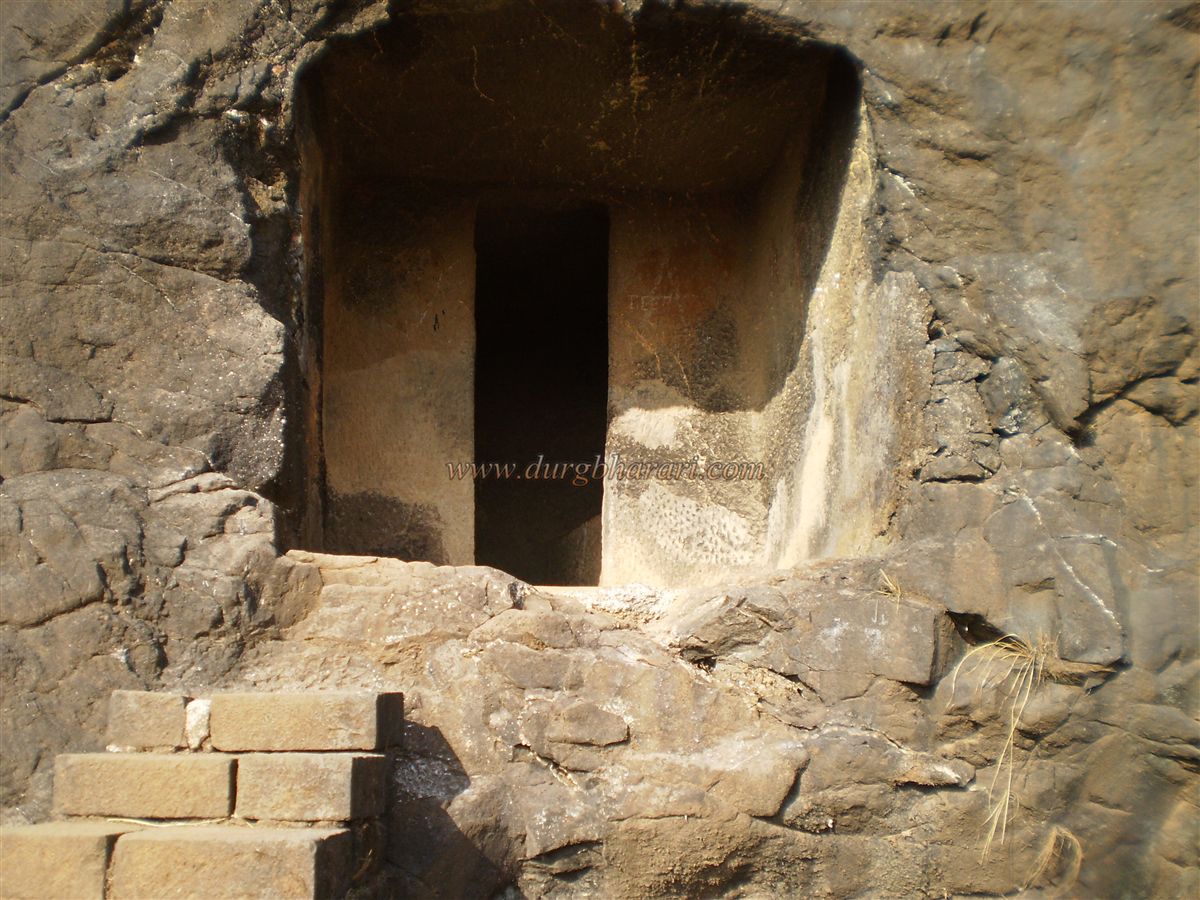
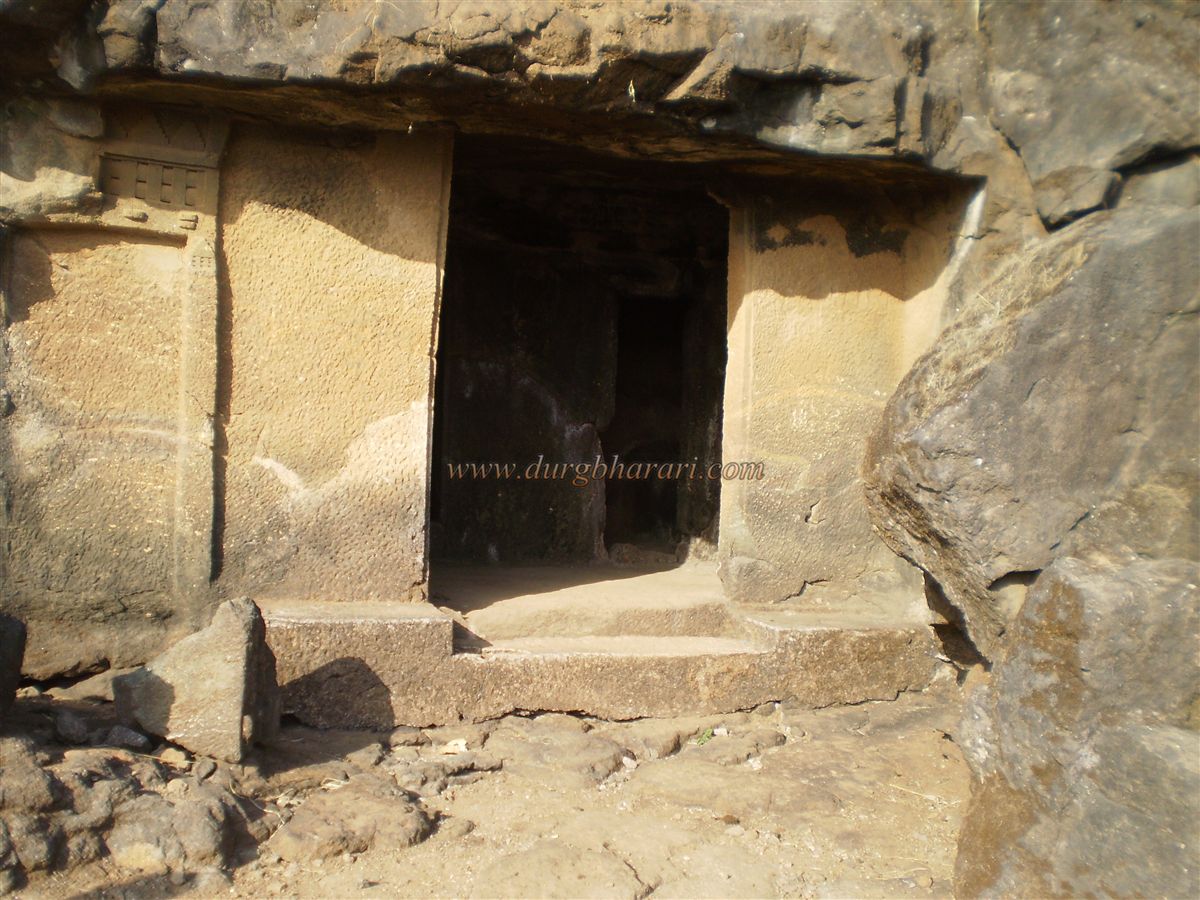
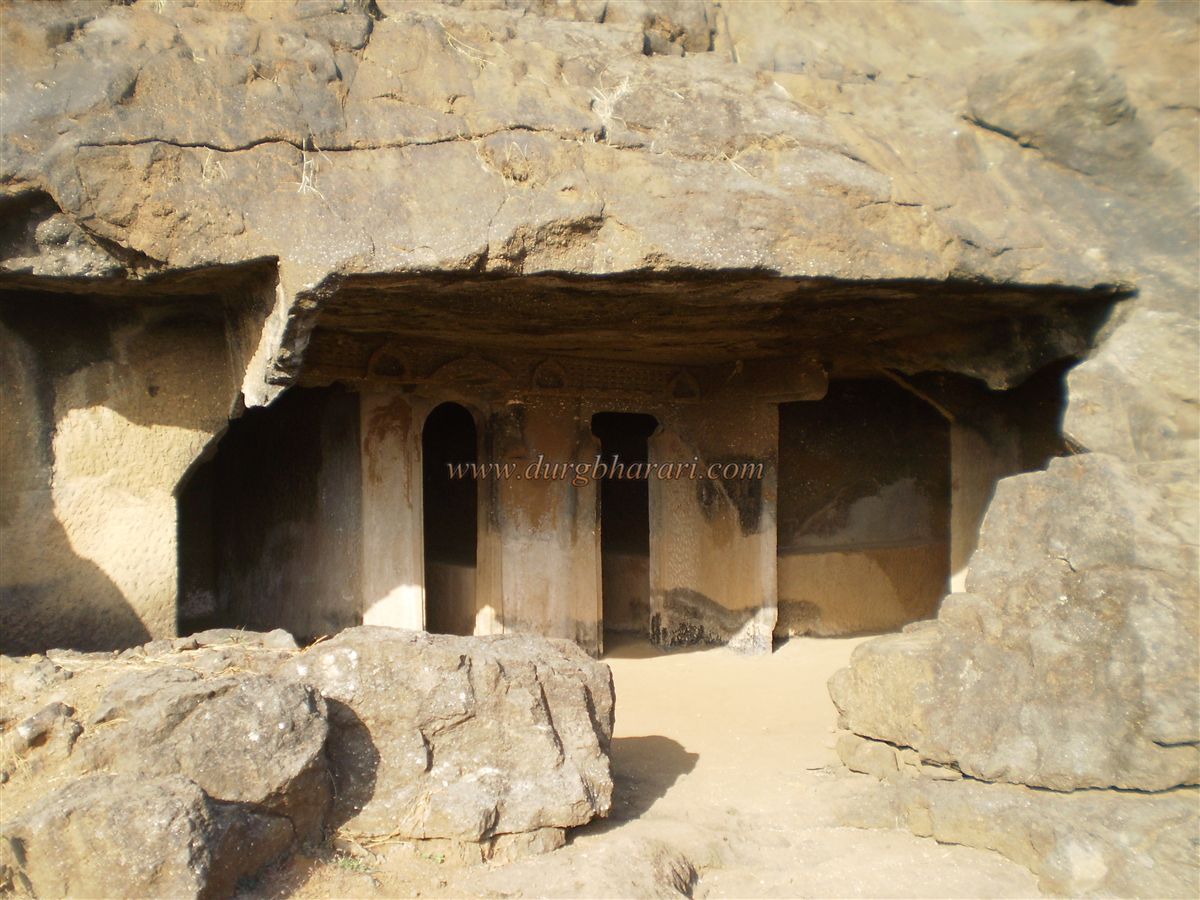
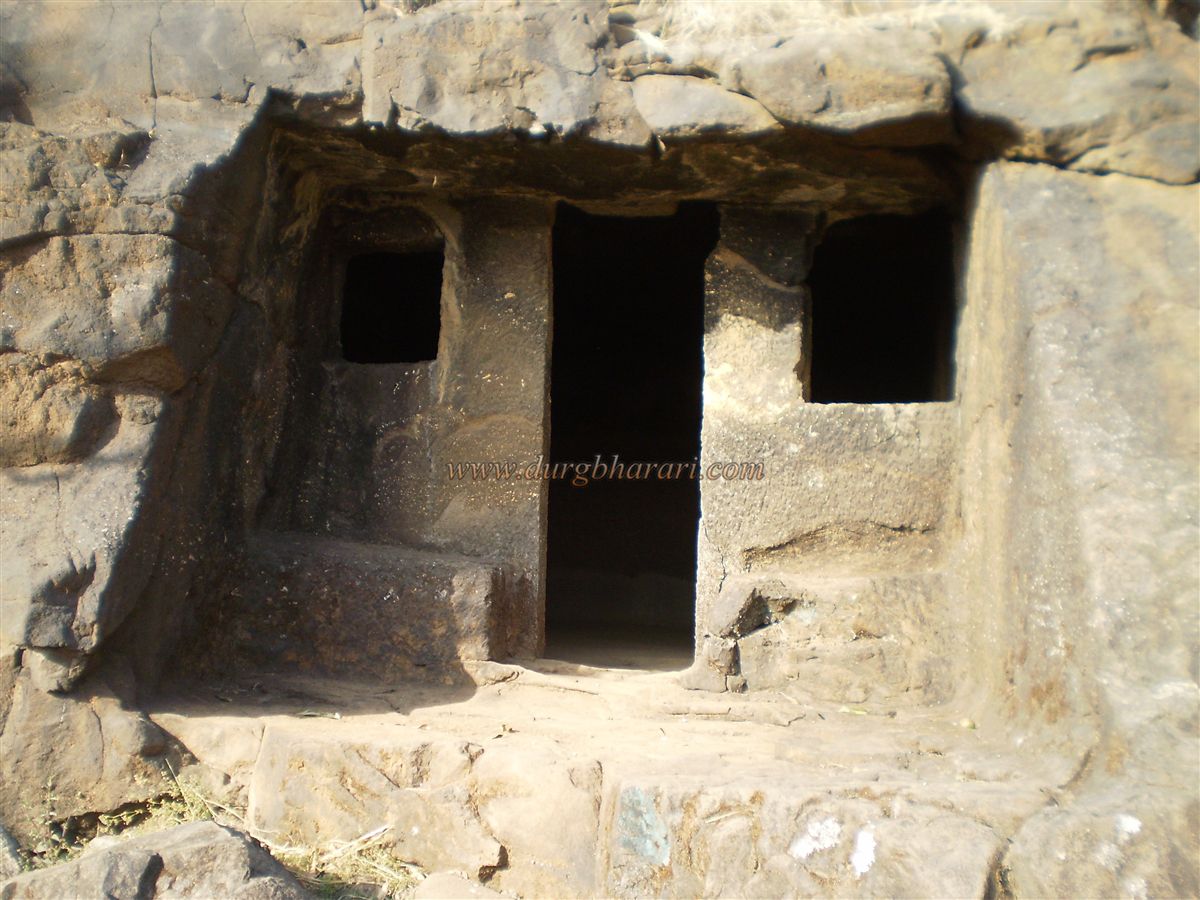
Bhaje village is located near Visapur Fort, and several caves are found in its vicinity. The Government of India declared these caves as a nationally protected monument of Maharashtra on May 26, 1909. Approximately twenty-two caves are found here. At the centre of the complex is a chaityagruhas (prayer hall), with the remaining twenty-one viharas (monastic cells) spread on either side. The chaitya features decorative arches known as gavaksha, with elaborately carved balconies attached to them. Some of these balconies have intricate carvings that create the illusion of mesh and curtains. The vedika (railing) is adorned with ornate stone carvings. There are rock-cut projections as well, and some arches feature carved human couples. A Yakshini is also sculpted here, clearly holding a tree in her hand.
...
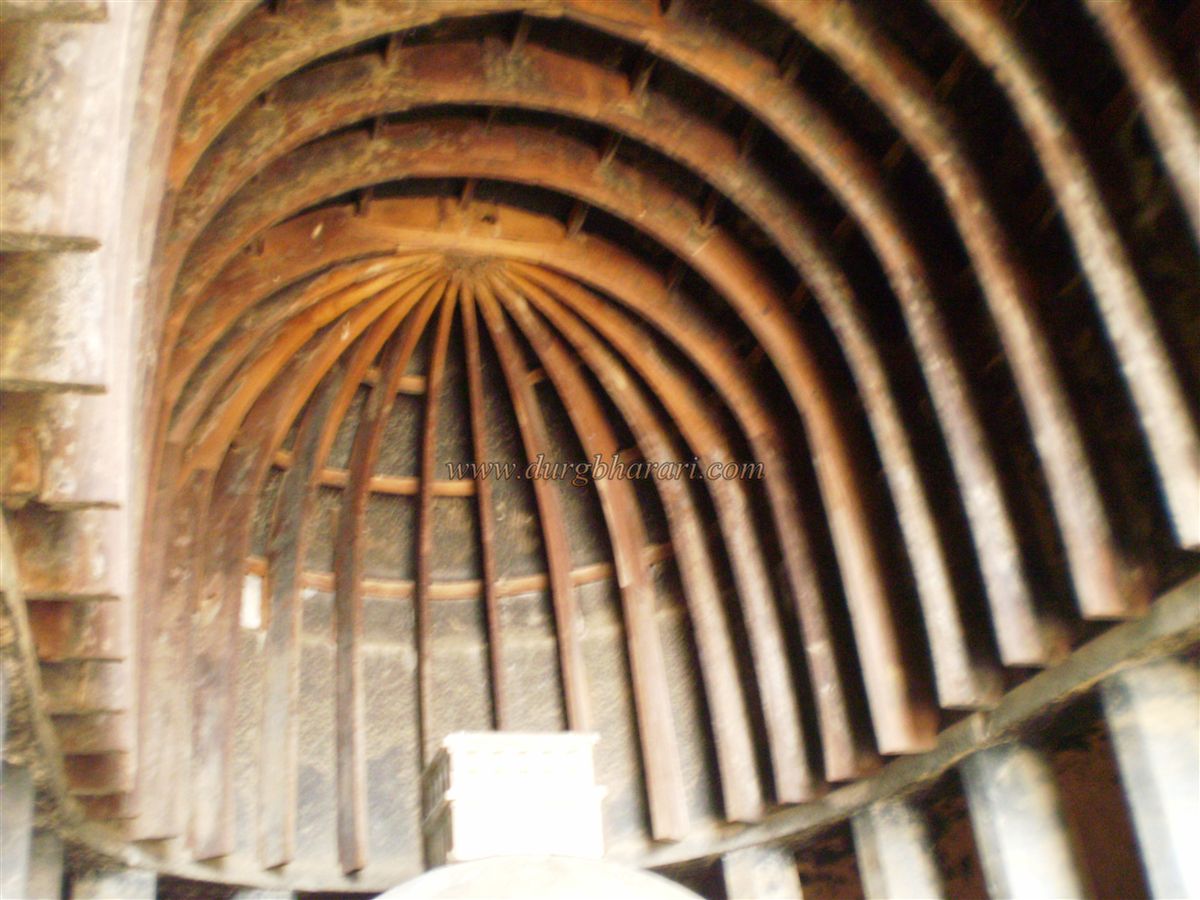
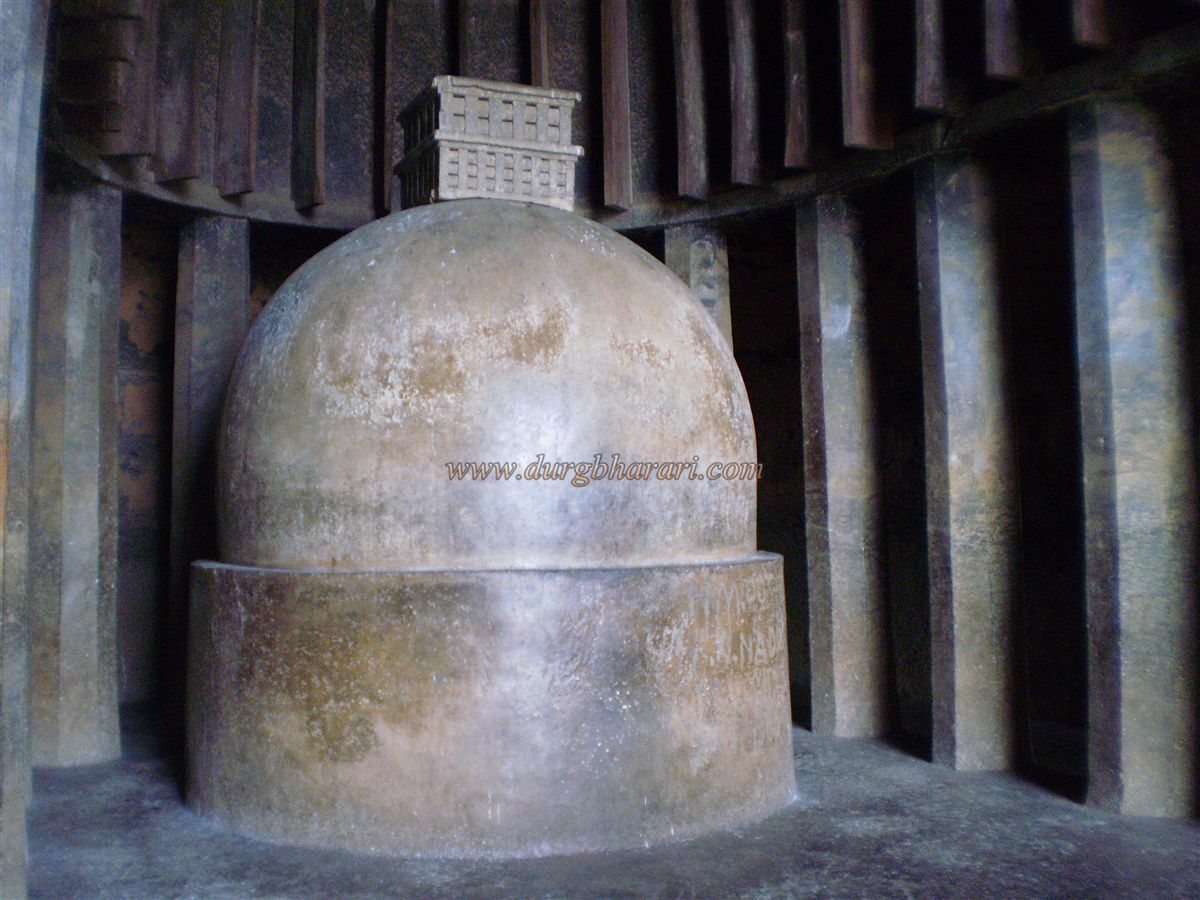
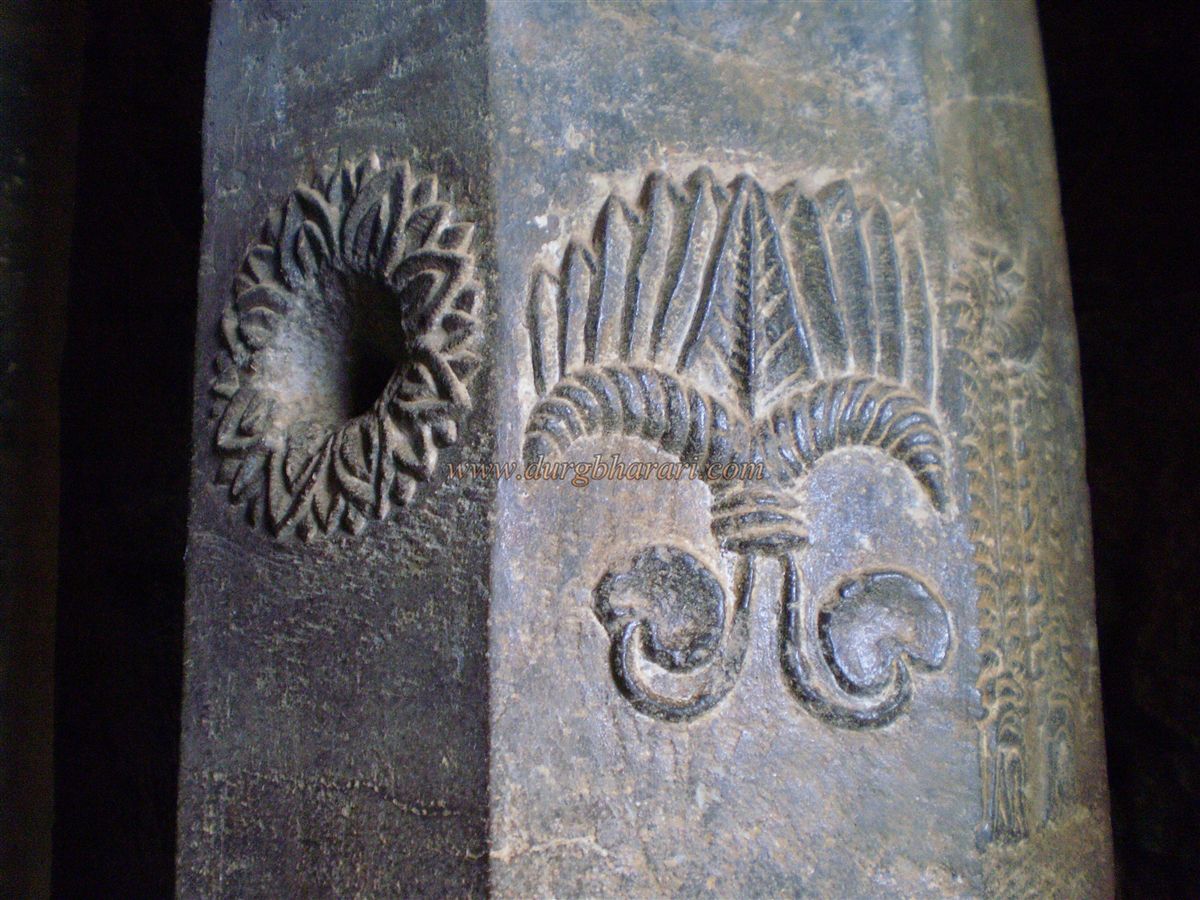
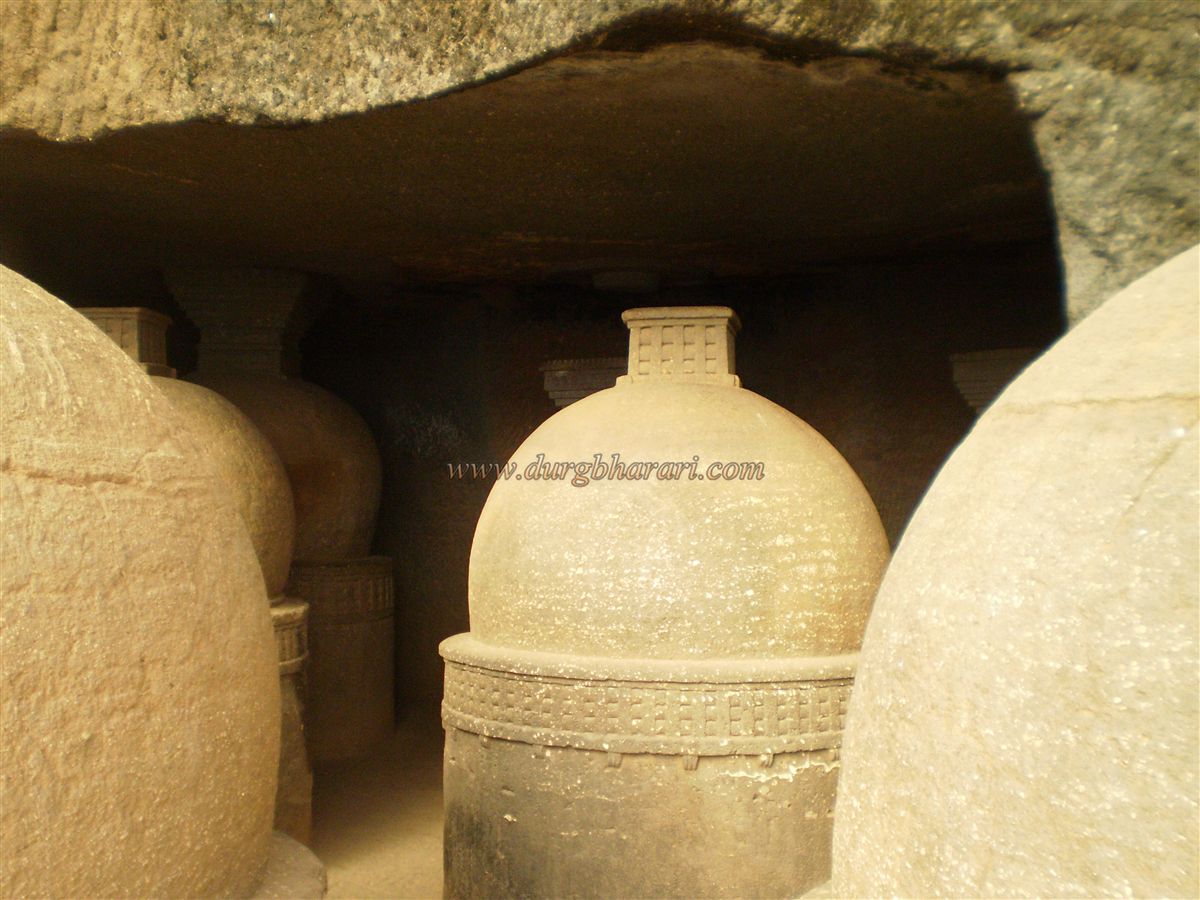
The chaitya arch is carved into the rock and contains a total of 172 holes. The chaityagruhas measures 17.08 meters in length, 8.13 meters in width, and 7.37 meters in height. It has twenty-seven octagonal pillars, with a stupa in the centre. Symbols such as the lotus and chakra are carved onto these pillars. At one spot, a hook with a garland hanging from it is sculpted. Faint images of the Buddha can be seen on the pillars behind the stupa. The roof of the chaityagruhas has wooden beams, and inscriptions in Brahmi script are found on them.
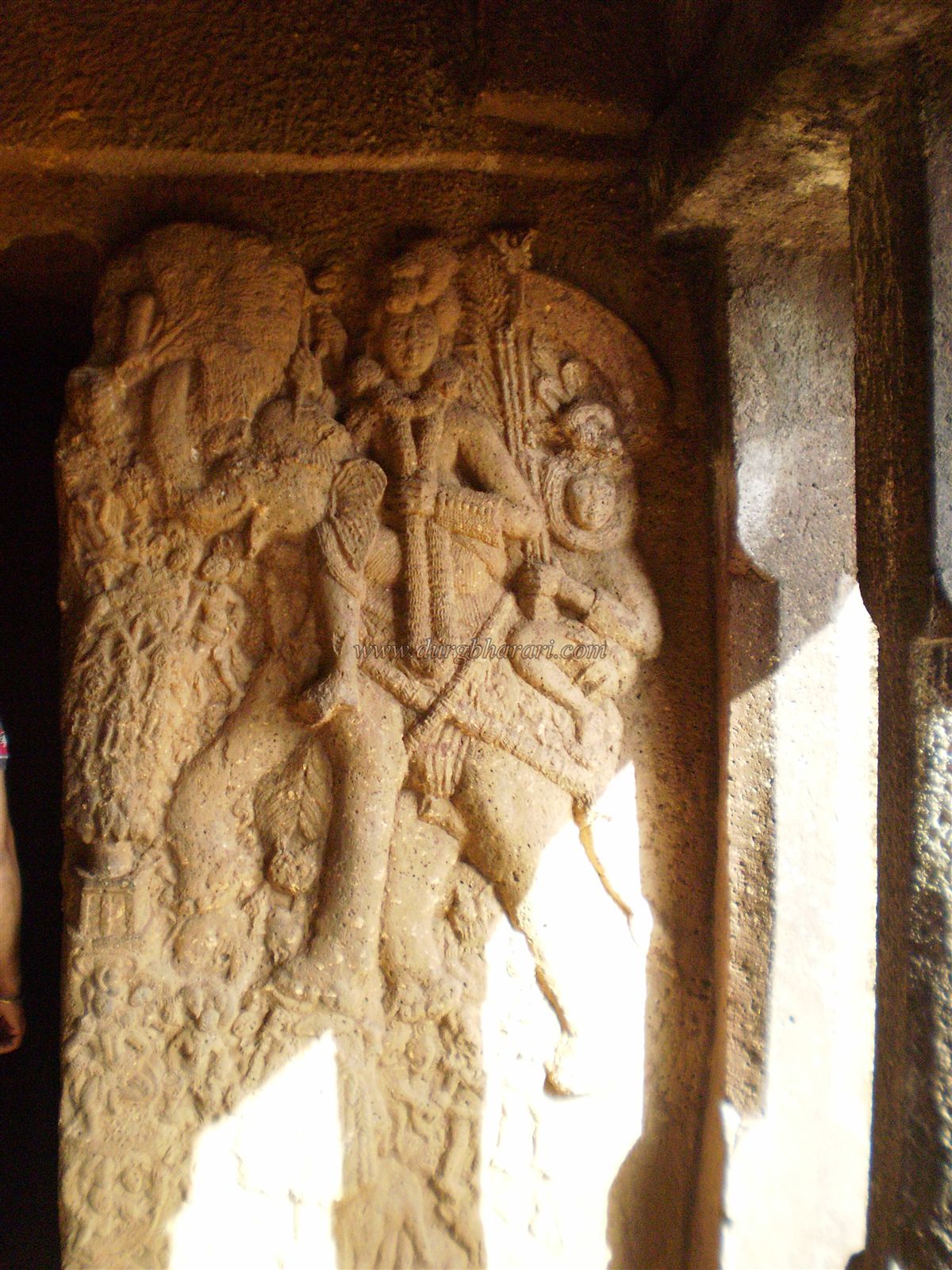
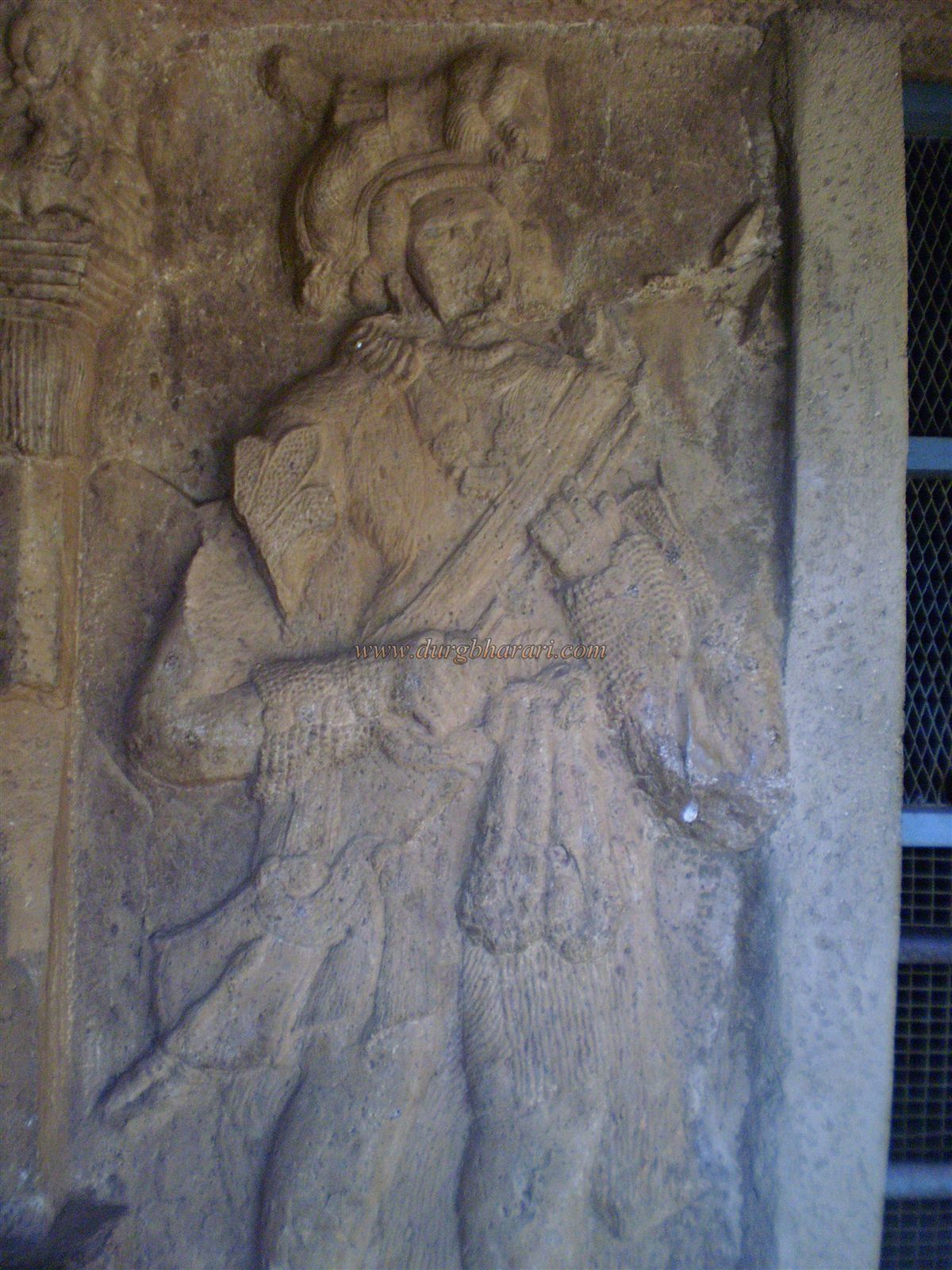
It is believed that the Bhaje caves began to be carved in the 2nd century BCE. The process of cave construction continued for around 800 years, up until the 6th century CE. The viharas were built through donations, and inscriptions recording these donations are found on-site. On the southern side of the chaityagruhas is a natural source of clean water. The famous Surya Leni (Sun Cave) is also located here. This cave features panels of mythological episodes, elaborately adorned and armed door guardians, tiers of wild animals, and carvings of chaitya-stupas.
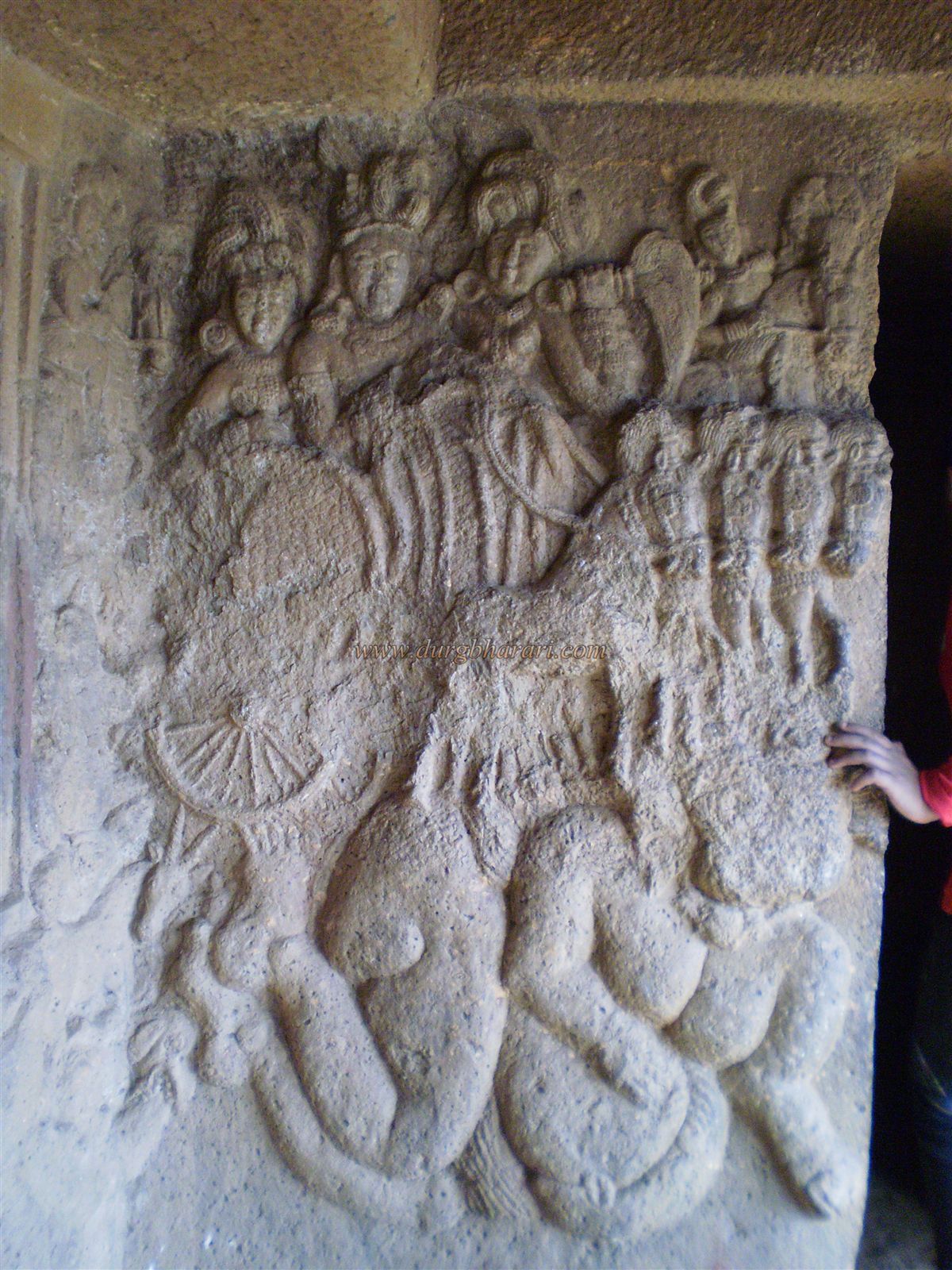
One particular panel depicts a scene believed to feature Surya (the Sun God) and Indra. In the first sculpture, Surya is shown riding a chariot pulled by four horses, accompanied by two women, likely his wives or attendants—one holding a parasol over him and the other waving a fly-whisk. Under the wheels of this chariot, some demons are being trampled. According to many, the deity is Surya, the women are his wives Sanjna and Chhaya, and the demon being crushed beneath is Rahu, the enemy of the Sun. Some believe the charioteer is Indra (Shakra), while others see a resemblance to the Greek god Helios or the Roman god Apollo.
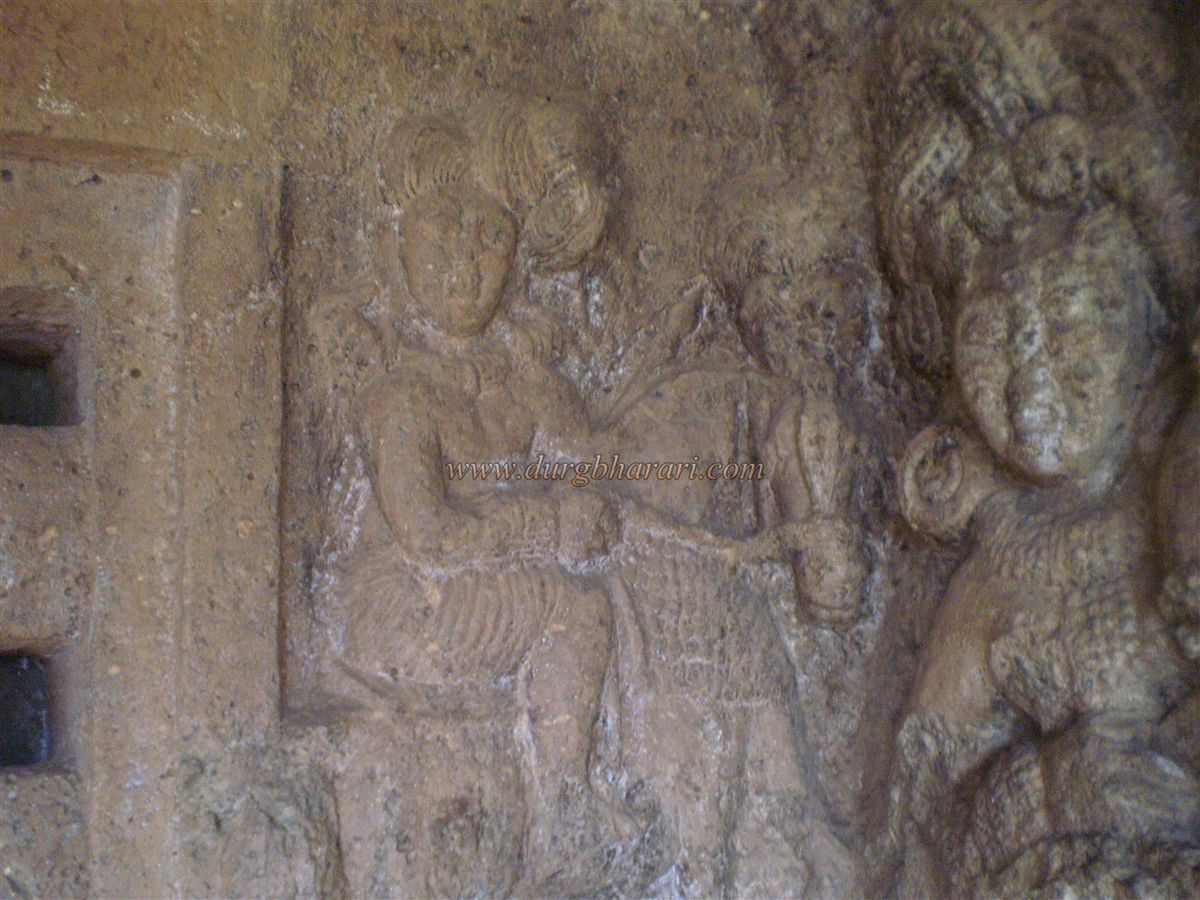
These caves are extremely significant in the context of Indian musical art as well. One sculpture clearly depicts a dancer playing the tabla. This carving proves that the tabla was indeed developed in India and has been in use for at least two thousand years.
© Suresh Nimbalkar
GALLERY