BHADRAVATI
TYPE : GROUND FORT
DISTRICT : CHANDRAPUR
HEIGHT : 0
GRADE : EASY
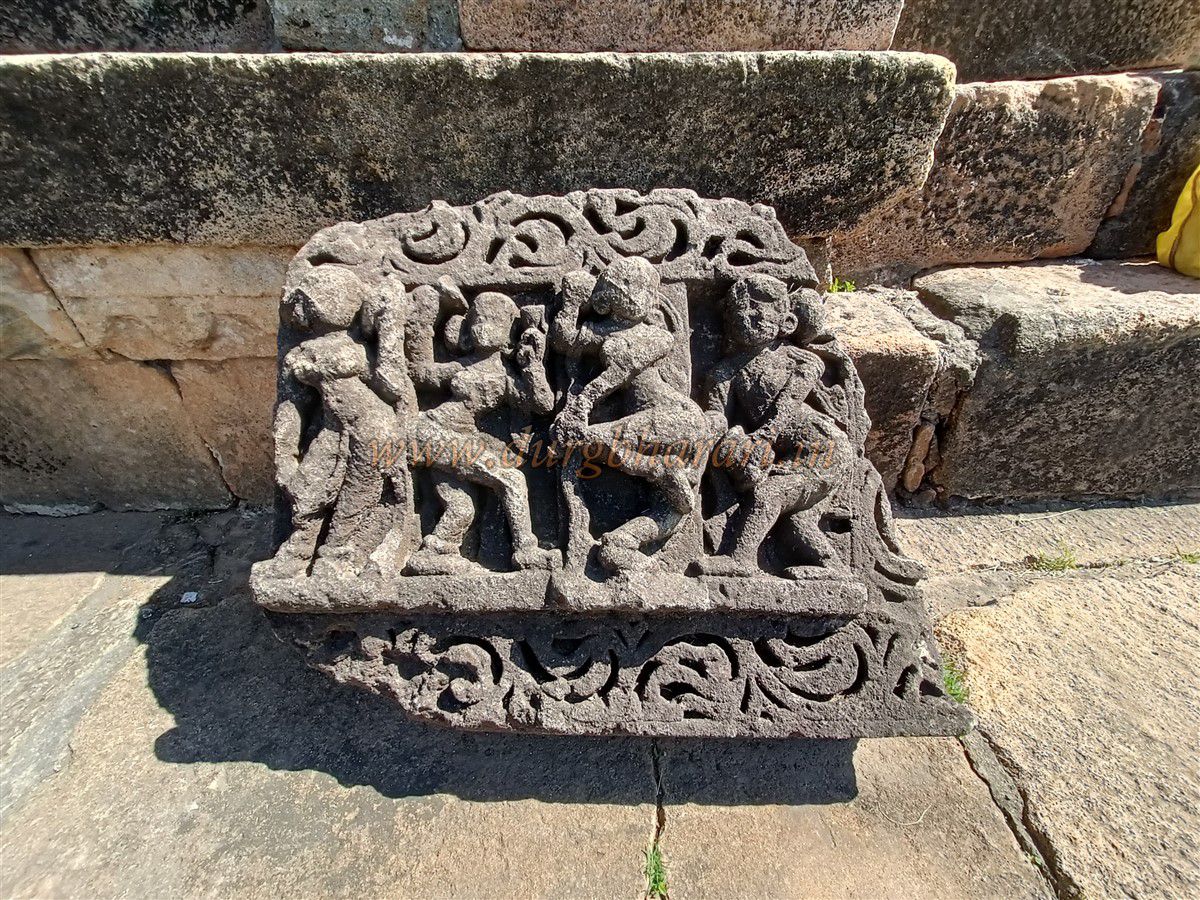
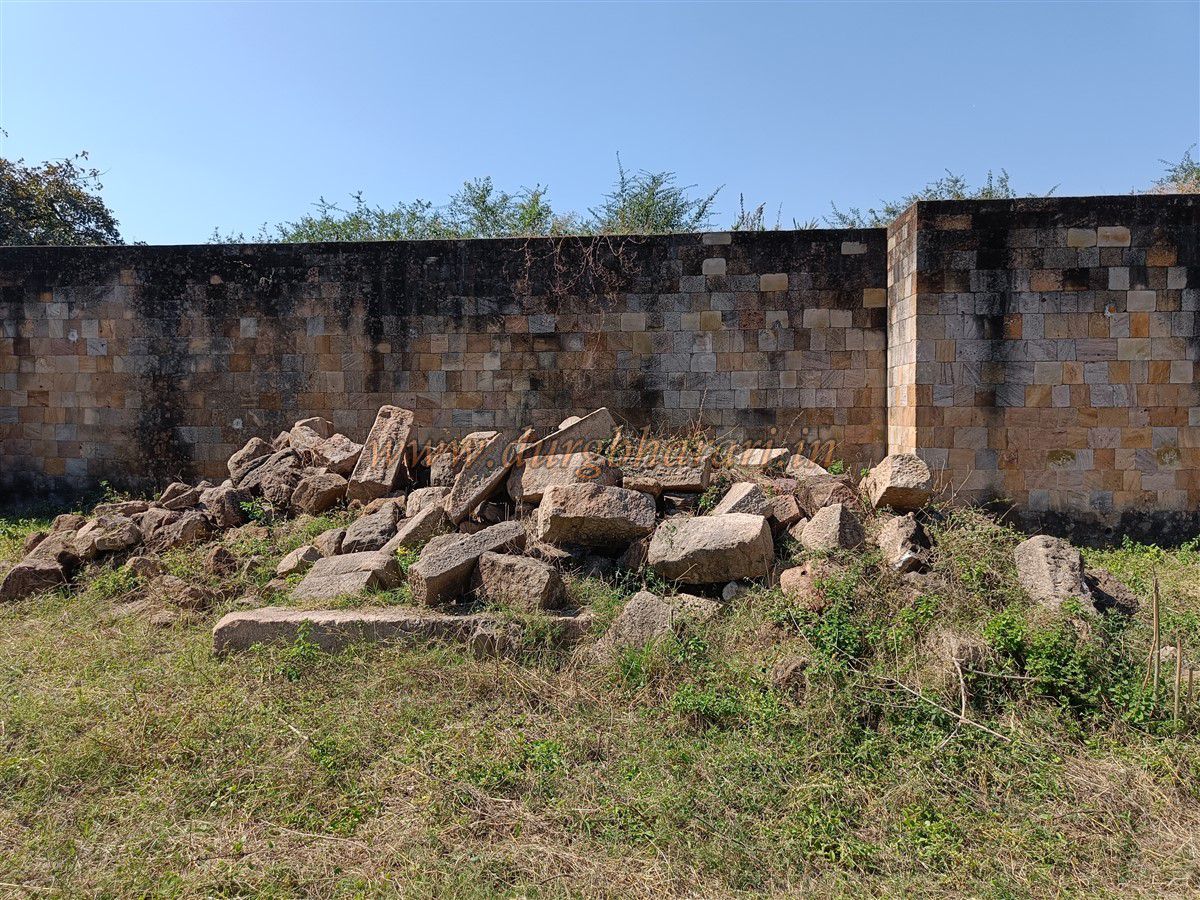
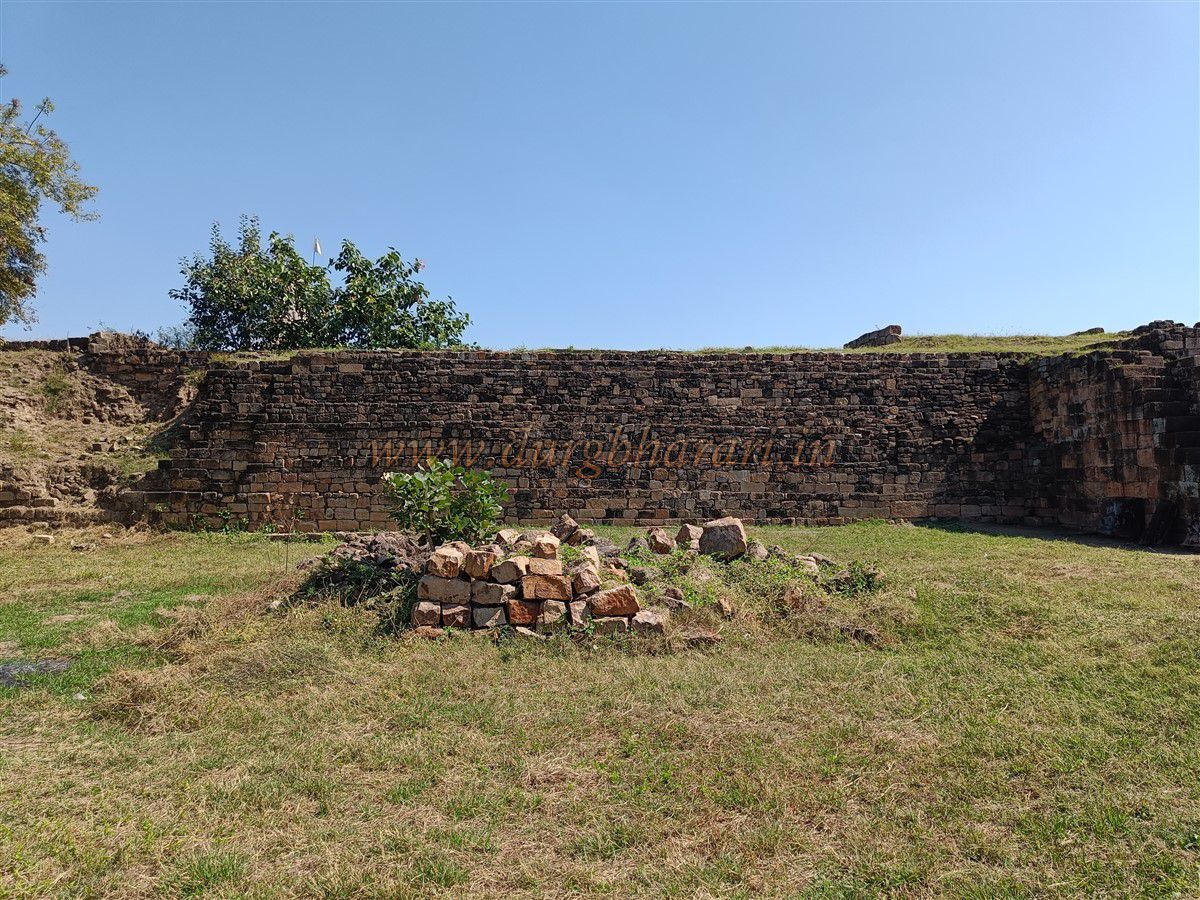
While exploring the forts of Chandrapur district, one encounters the Bhadravati Fort, which reflects the prosperity and artistic inclination of the Gond kingdom. Bhadravati, also known as Bhandak, is a taluka headquarters in Chandrapur district, located 28 km from Chandrapur city. The history of this city, which boasts a connection to antiquity, dates back more than two thousand years. The Bhadravati Fort not only preserves the remnants of its fortifications but is also enriched with numerous sculptures. Many ancient idols discovered in Bhadravati city have been displayed inside the fort by the Archaeological Department.
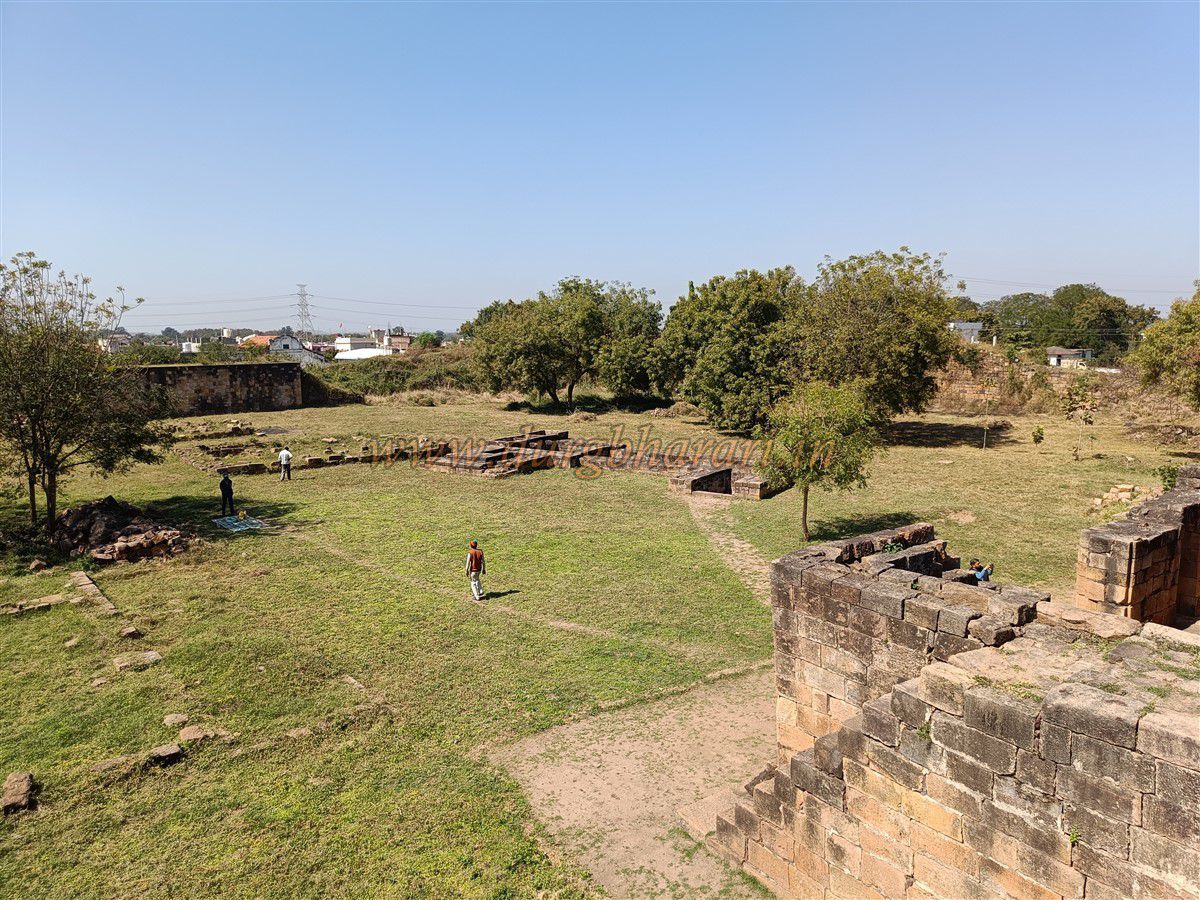
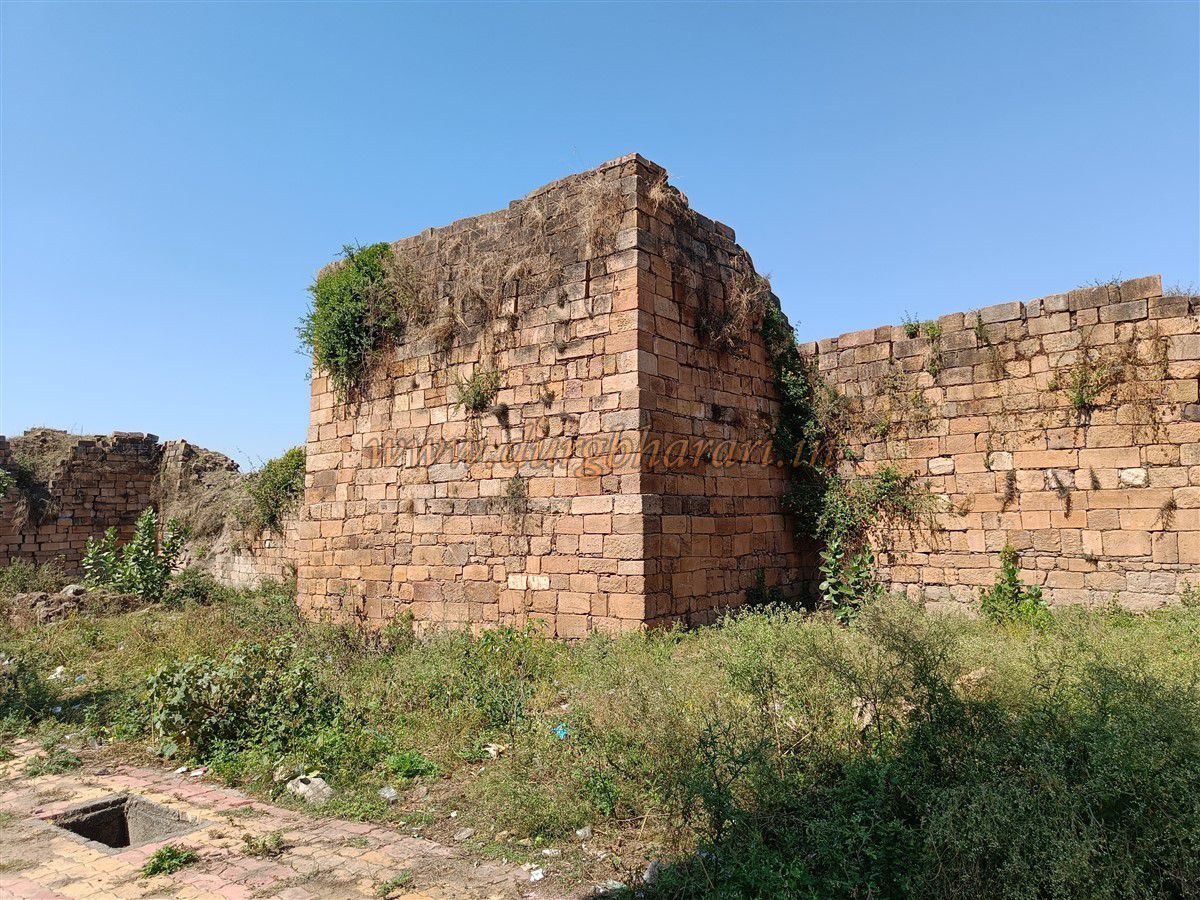
Bhadravati city lies on the Nagpur–Chandrapur highway, and the fort is located about 1.5 km inward, in the central part of the city. This square-shaped fort spreads across 2.5 acres and has eight small and large square bastions built into its fortifications.
...
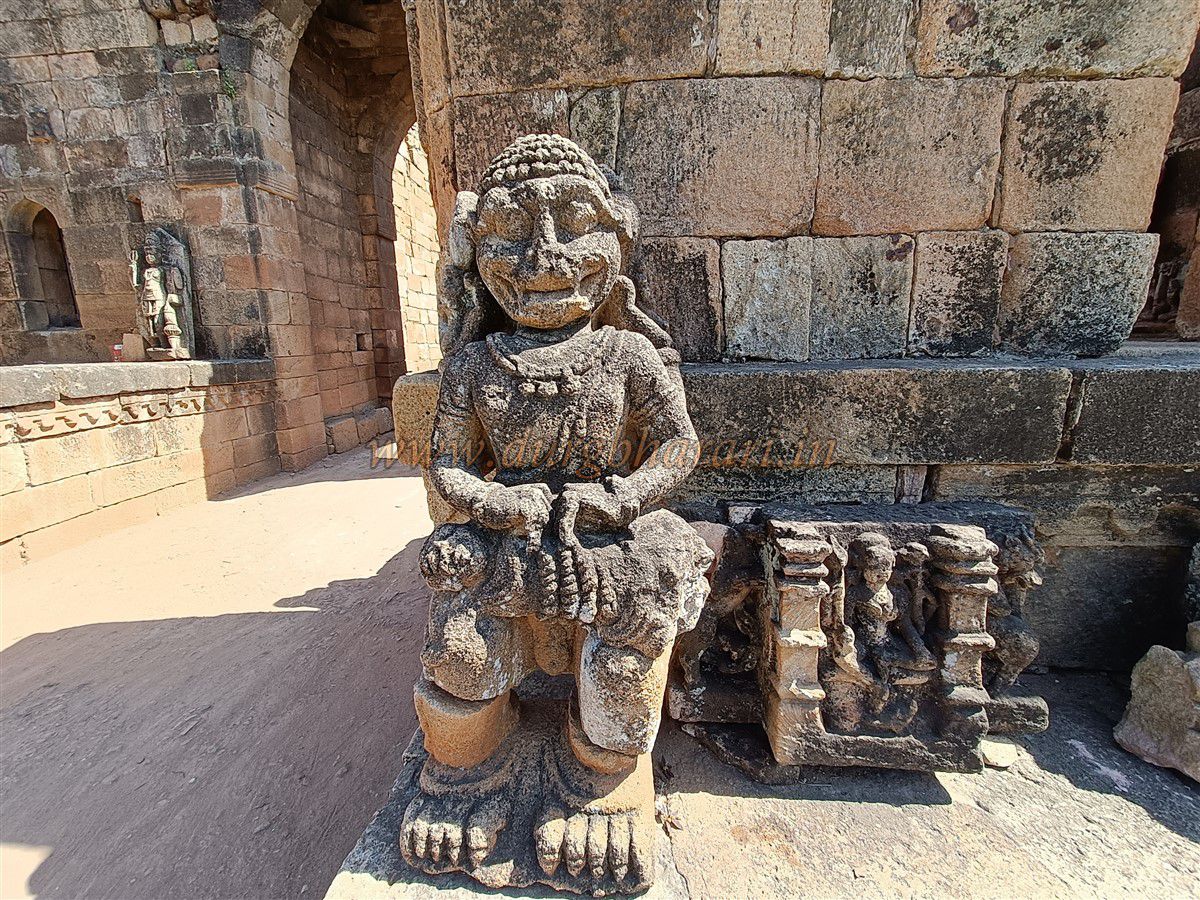
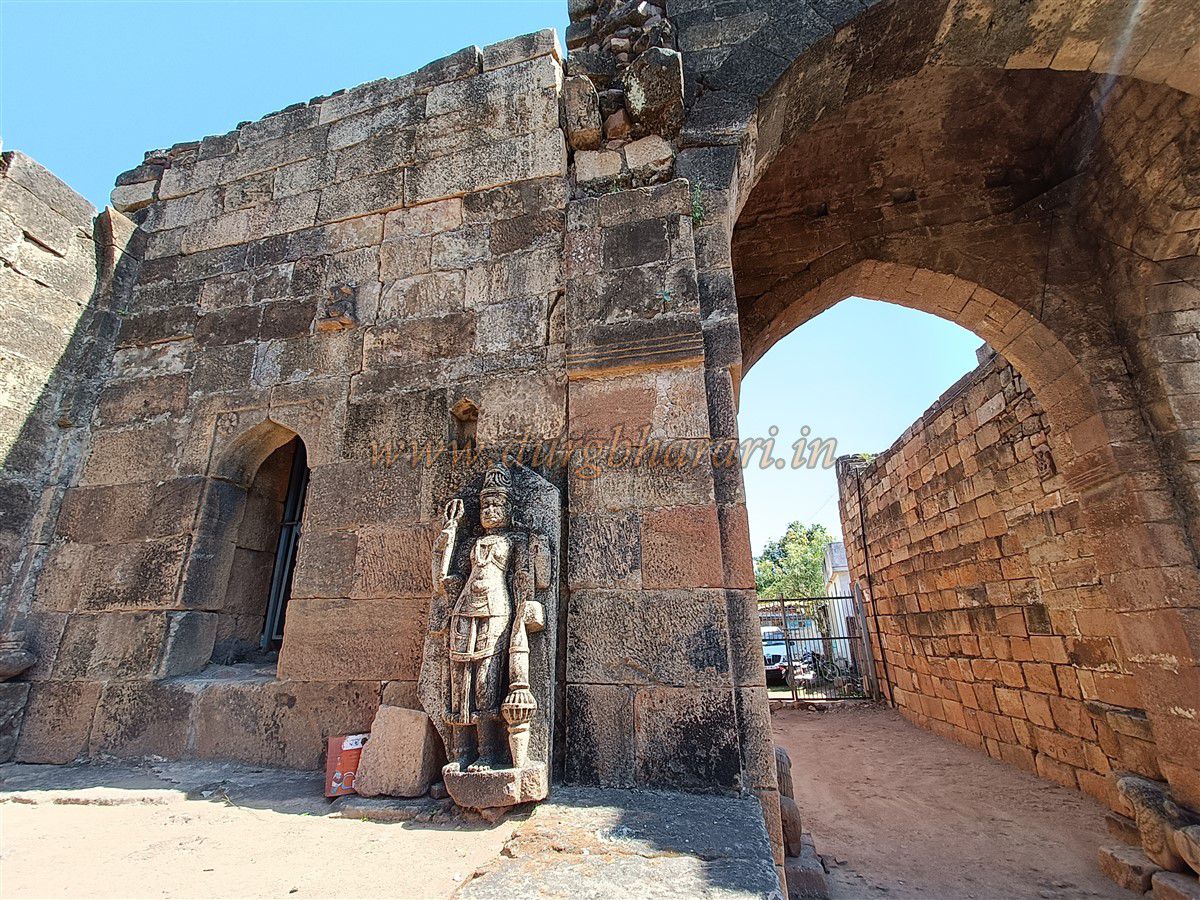
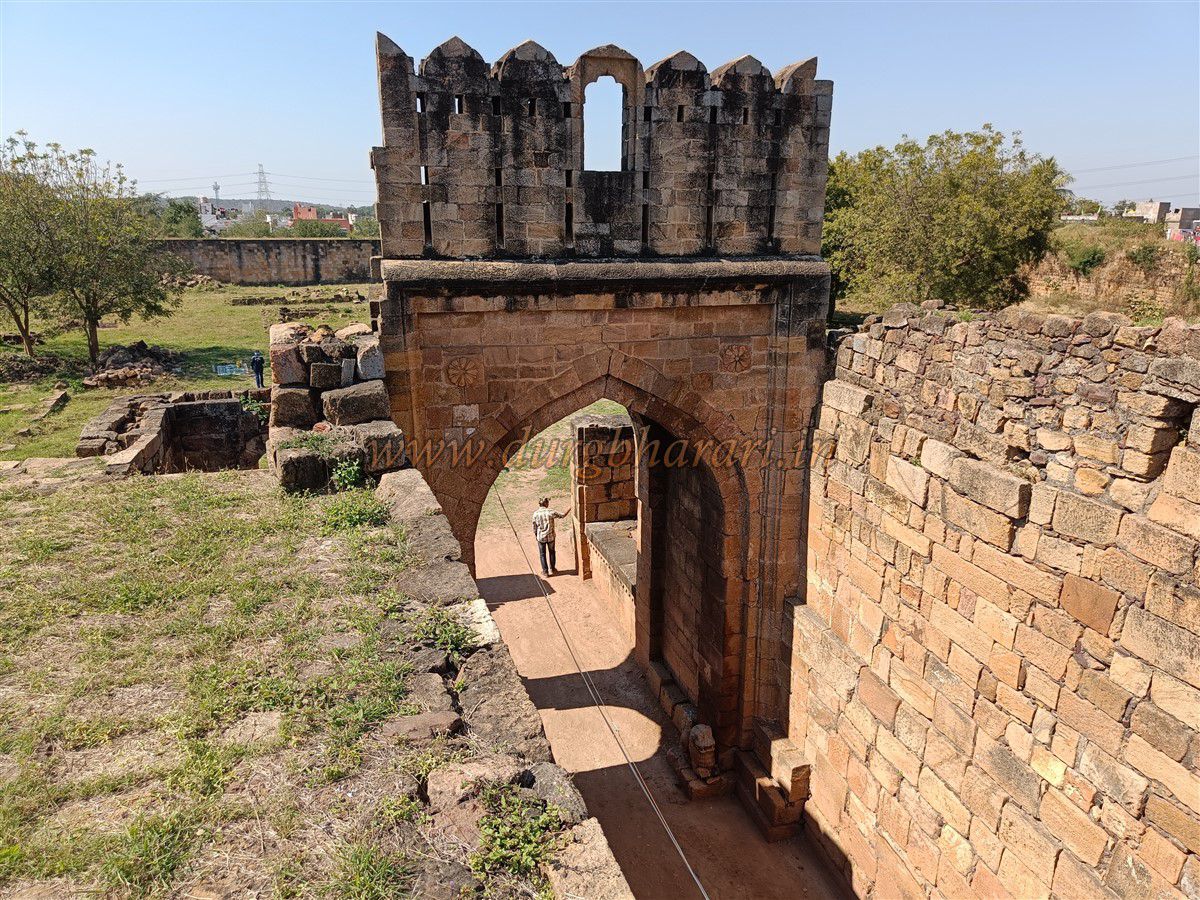
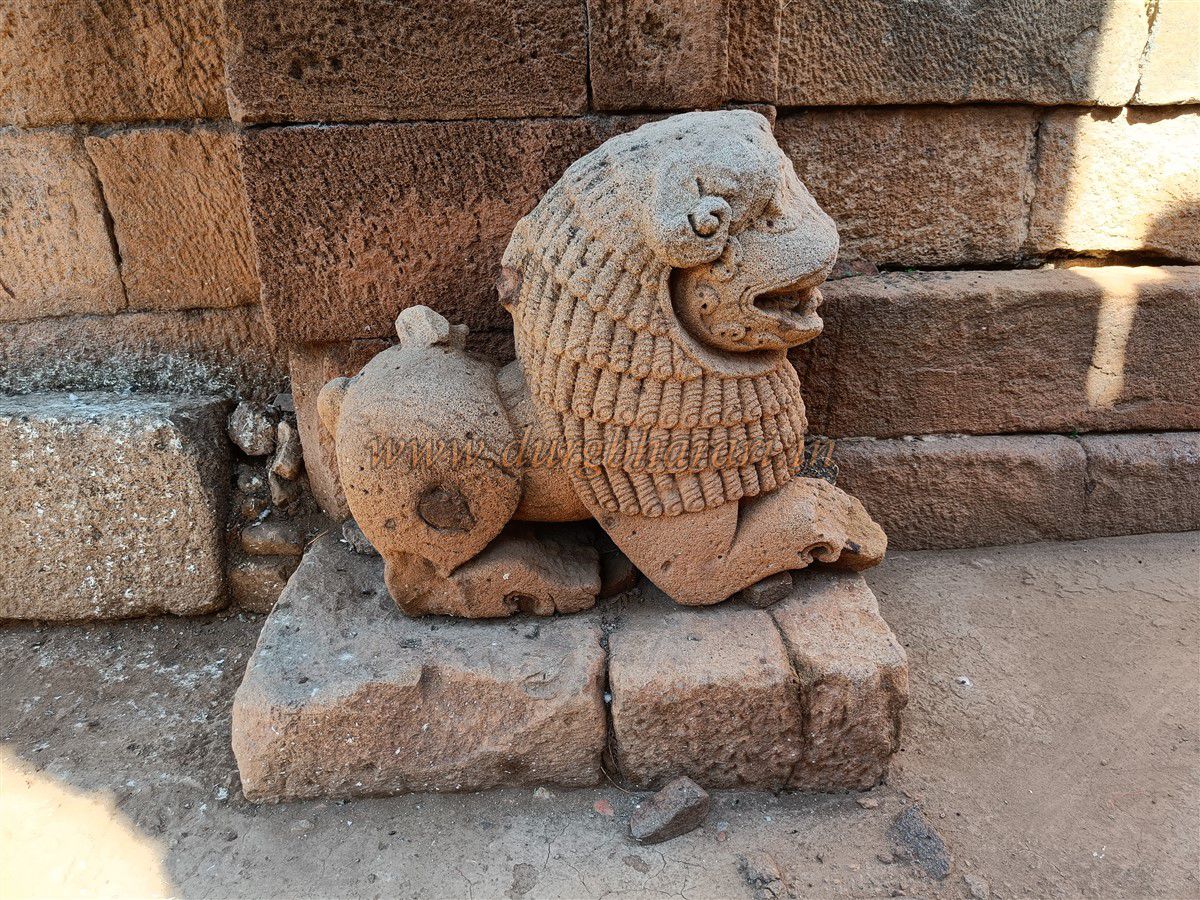
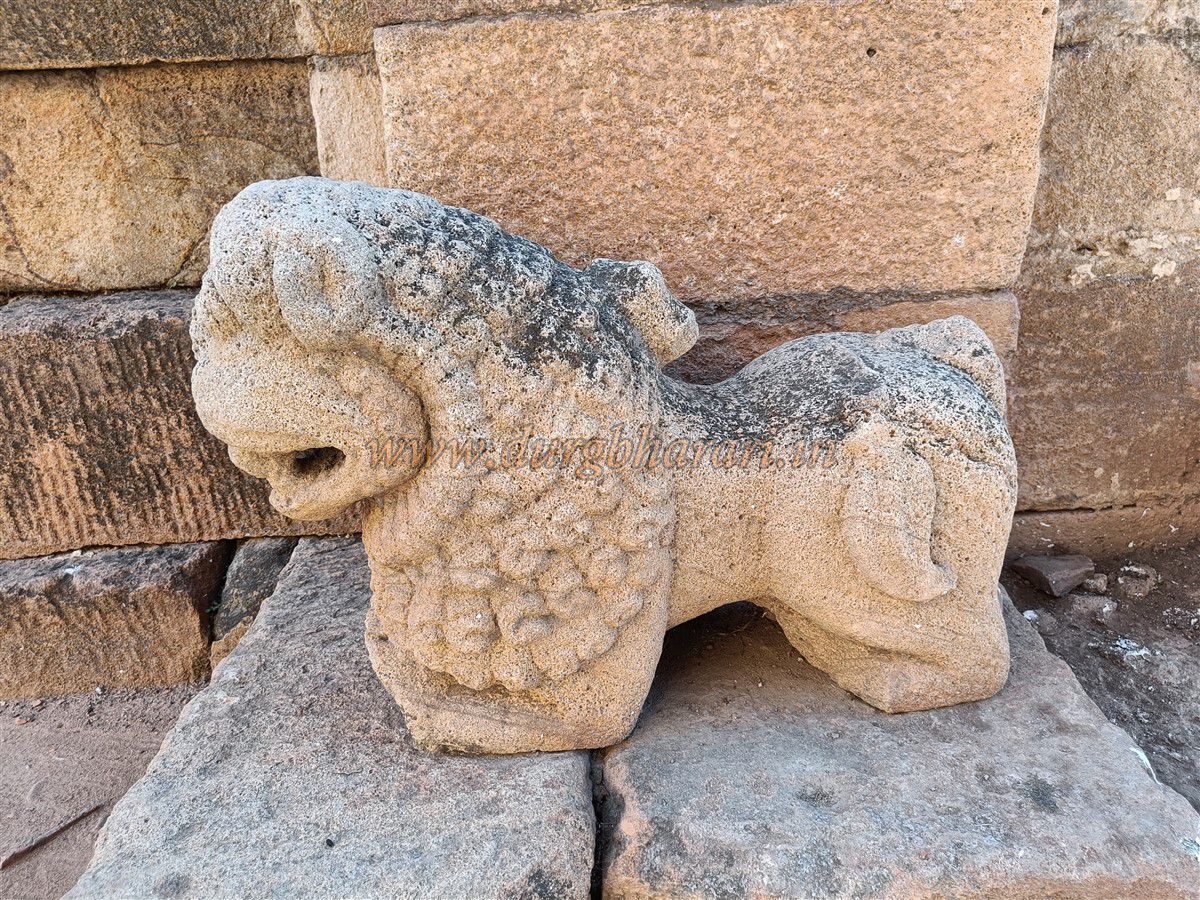
The main entrance lies in the northern wall, while the southern wall has a smaller east-facing gate. The main gate is hidden between two square bastions and is constructed with finely dressed stone. There are loopholes and slits built in for firing cannons and guns. Upon entering through this gate, one sees lion sculptures, the emblem of the Gond dynasty, on either side of the entrance.
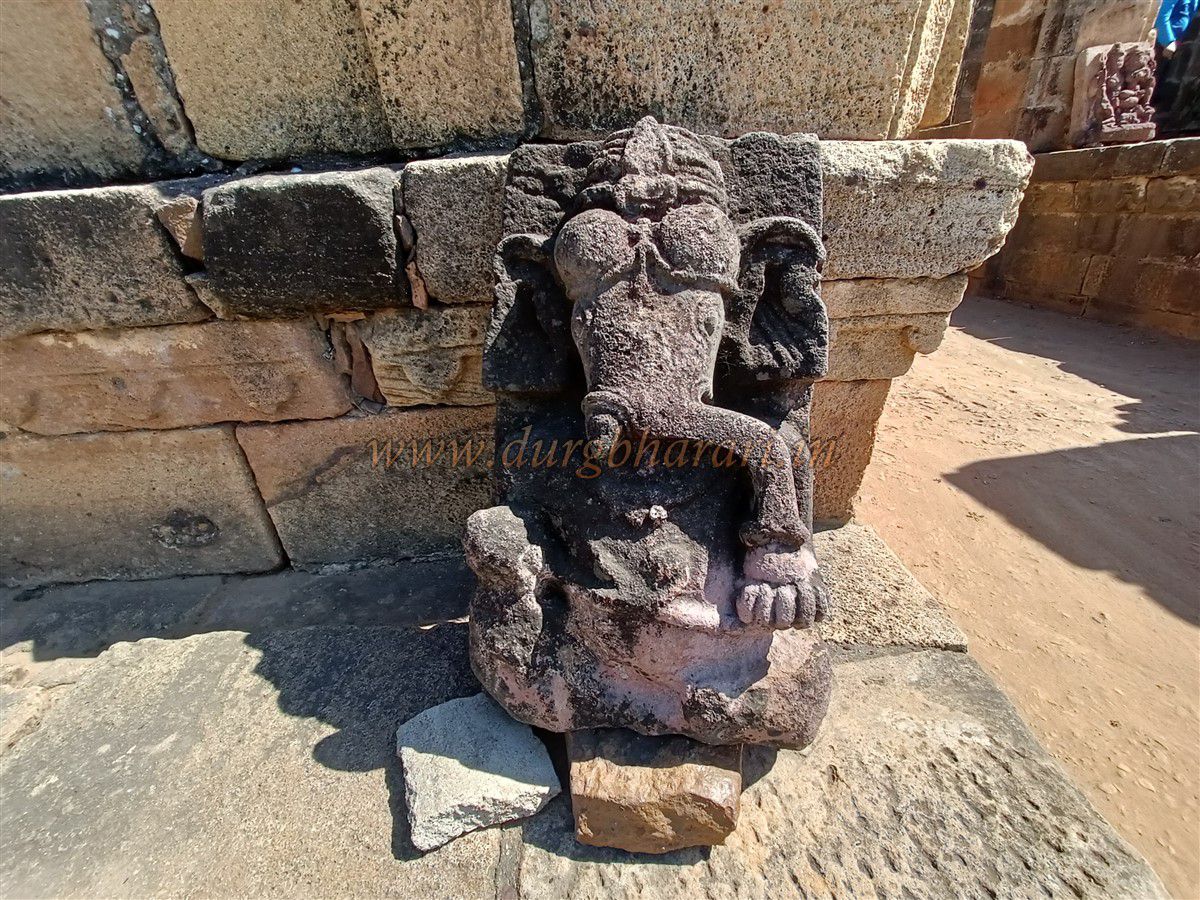
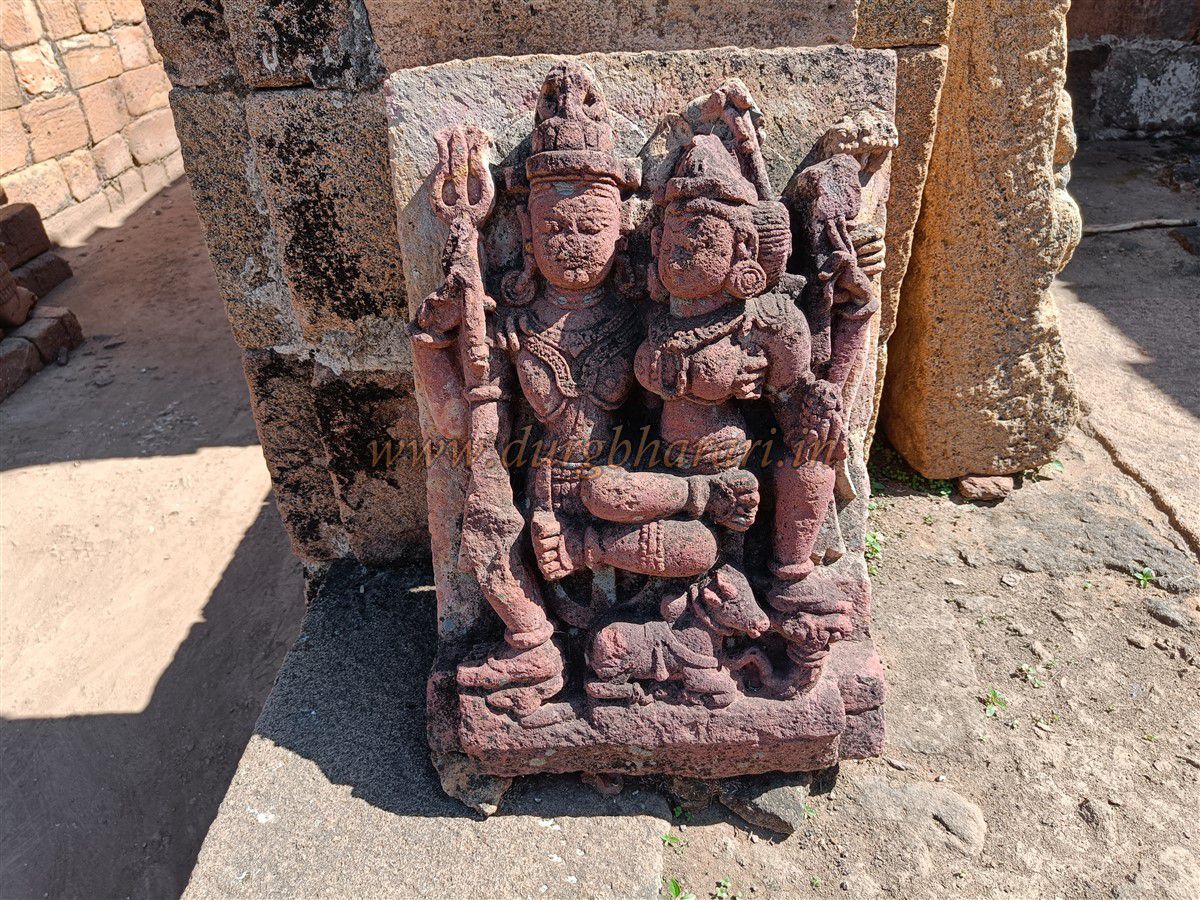
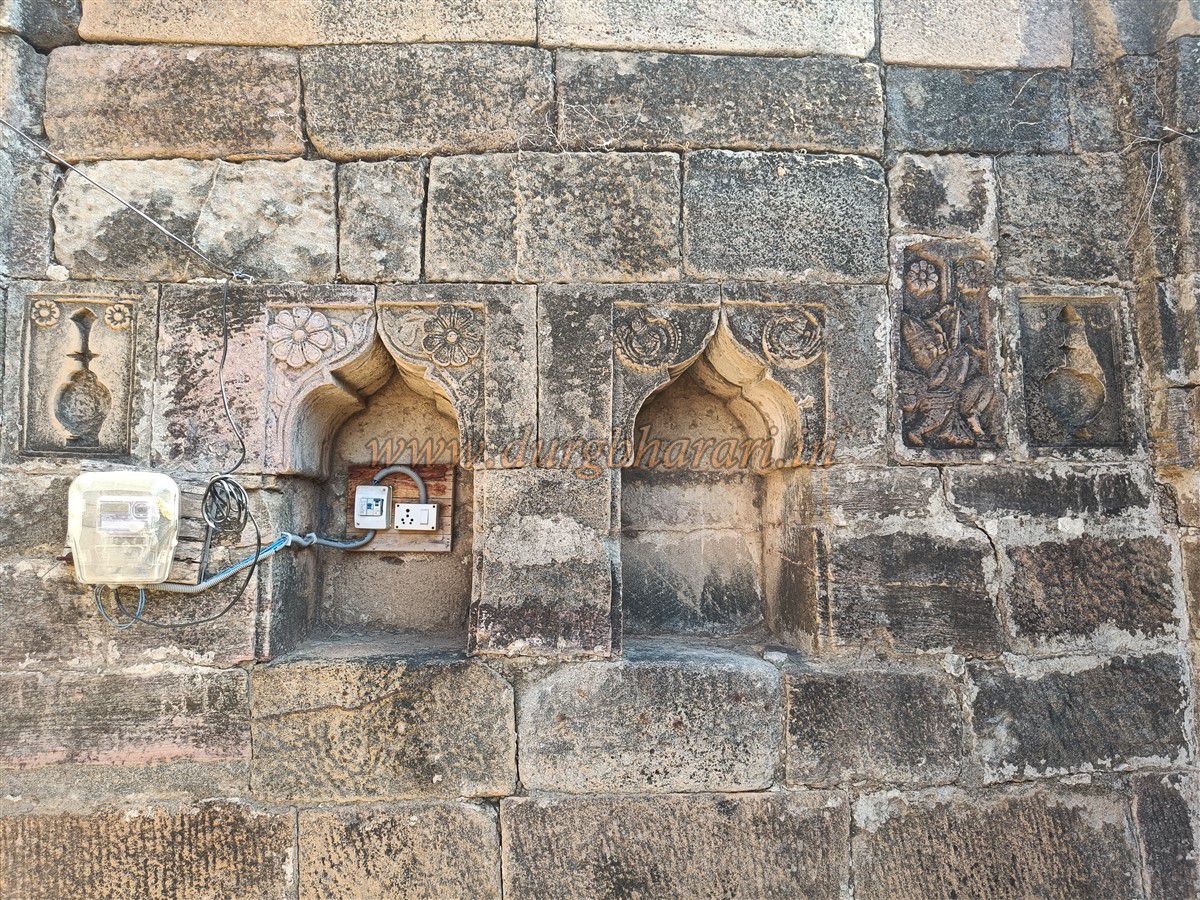
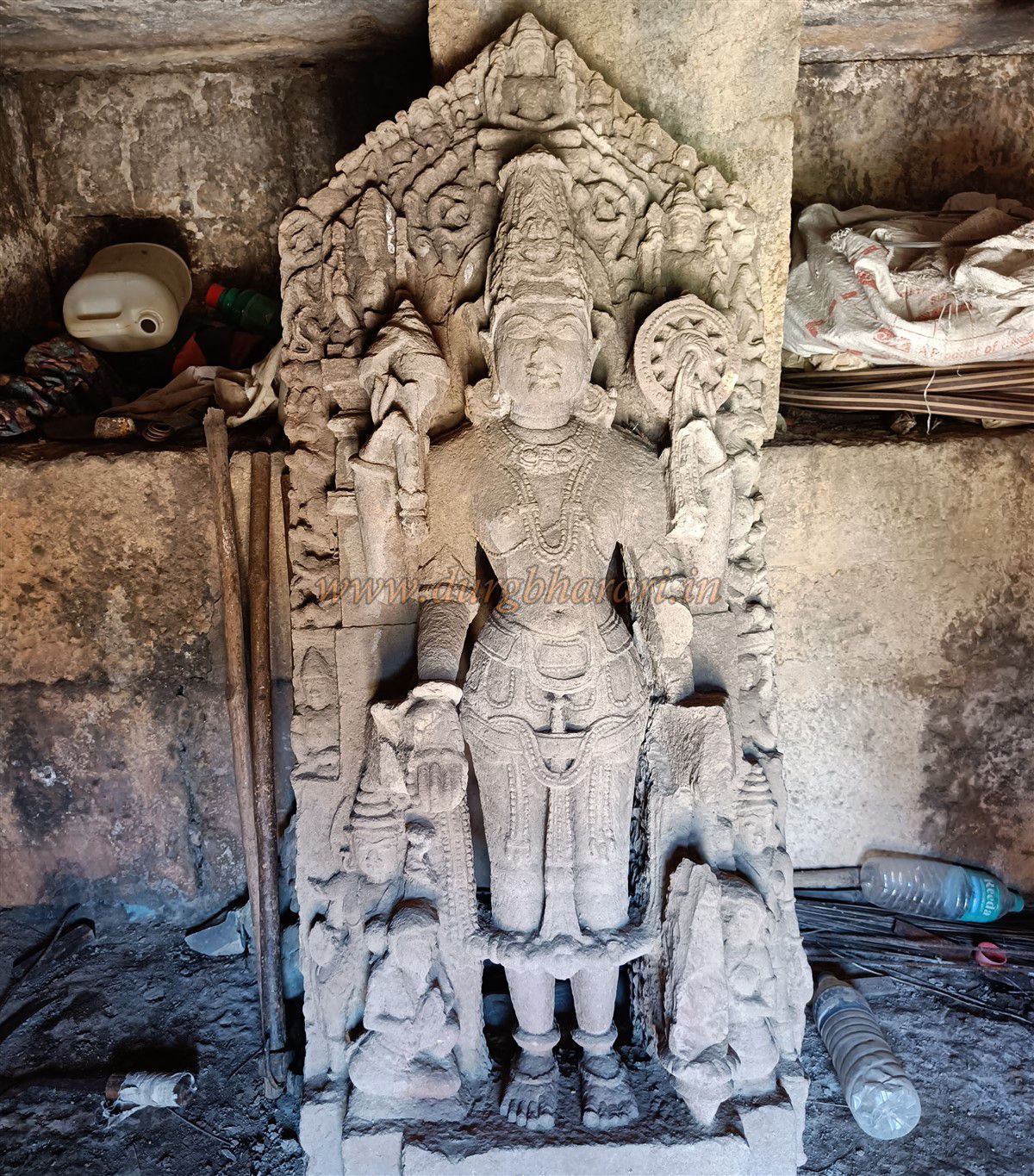
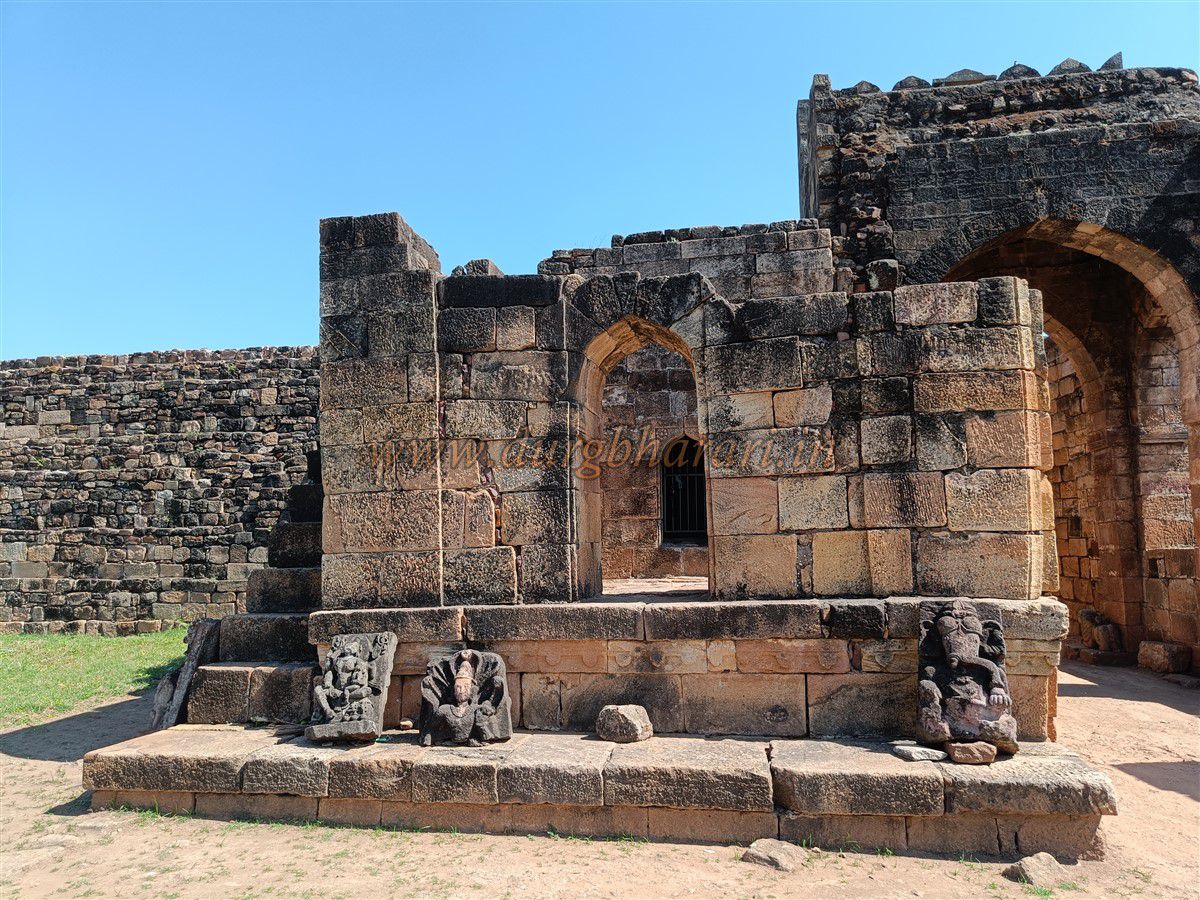
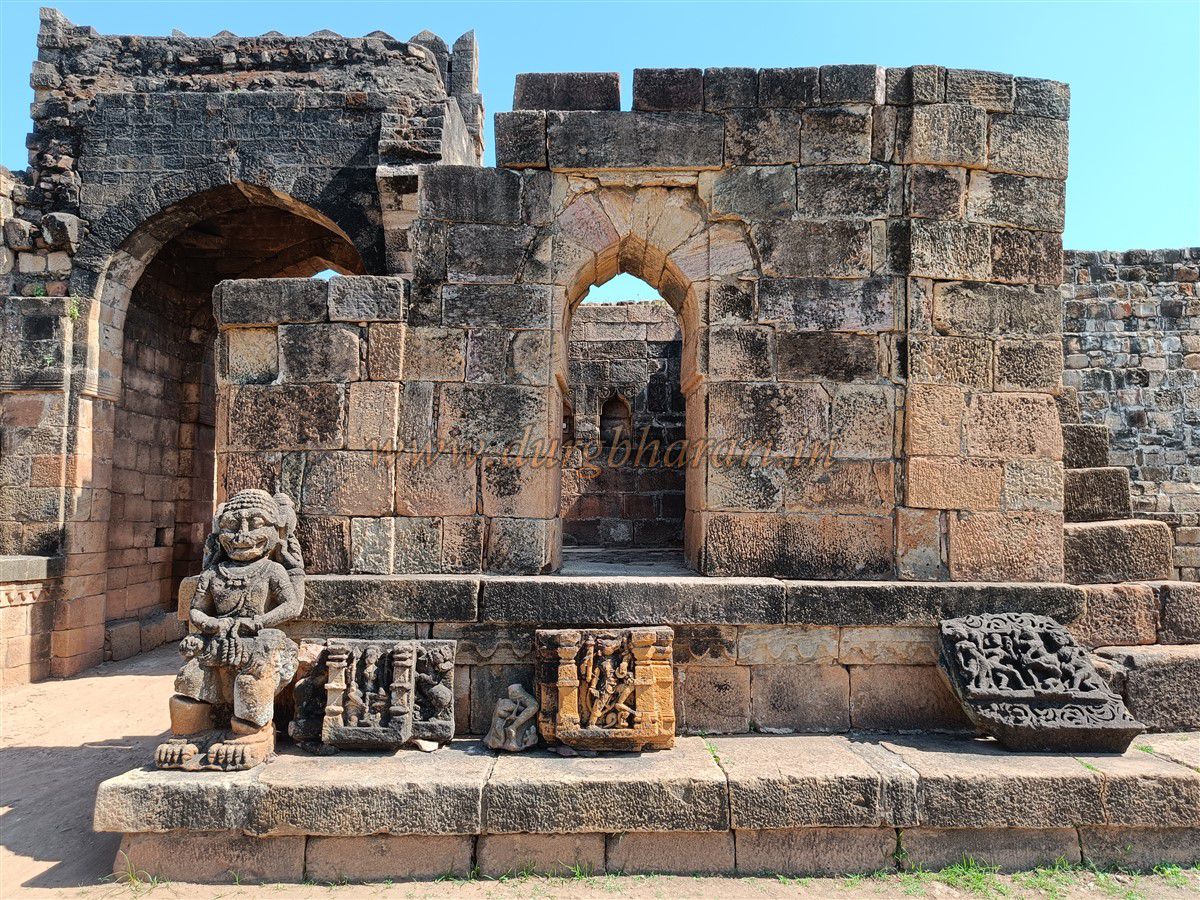
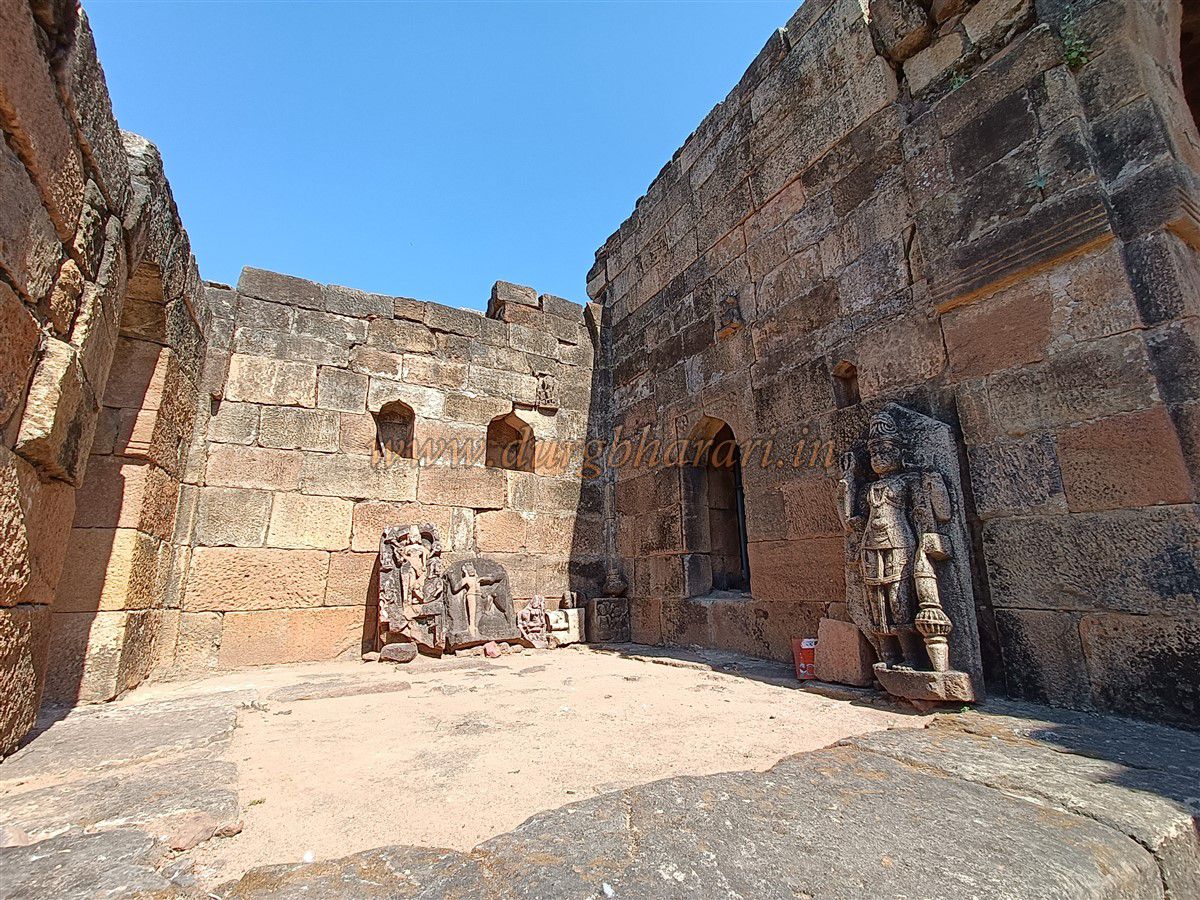
Inside, along the fort wall, two large halls are built on raised platforms. These halls are decorated with intricate carvings and sculptures and currently house a display of numerous ancient idols found within the fort and the city. Among them is a large, headless idol of Kubera, seated on a pot, with a mongoose tail in one hand and treasure pots carved beneath his feet. Other sculptures include Ganesha, Shiva-Parvati, Mahishasurmardini, Lord Mahavir, Lord Buddha, Bhadranath, Vishnu-Lakshmi, Vishnu in his Nrusimha and Varaha avatars, dancers, mythical creatures (Vyals), lions, and hero stones (virgal). The wall of the right-side hall has ornate niches with some sculptures, including one of Arjun piercing the fish's eye in the Matsyavedha episode.
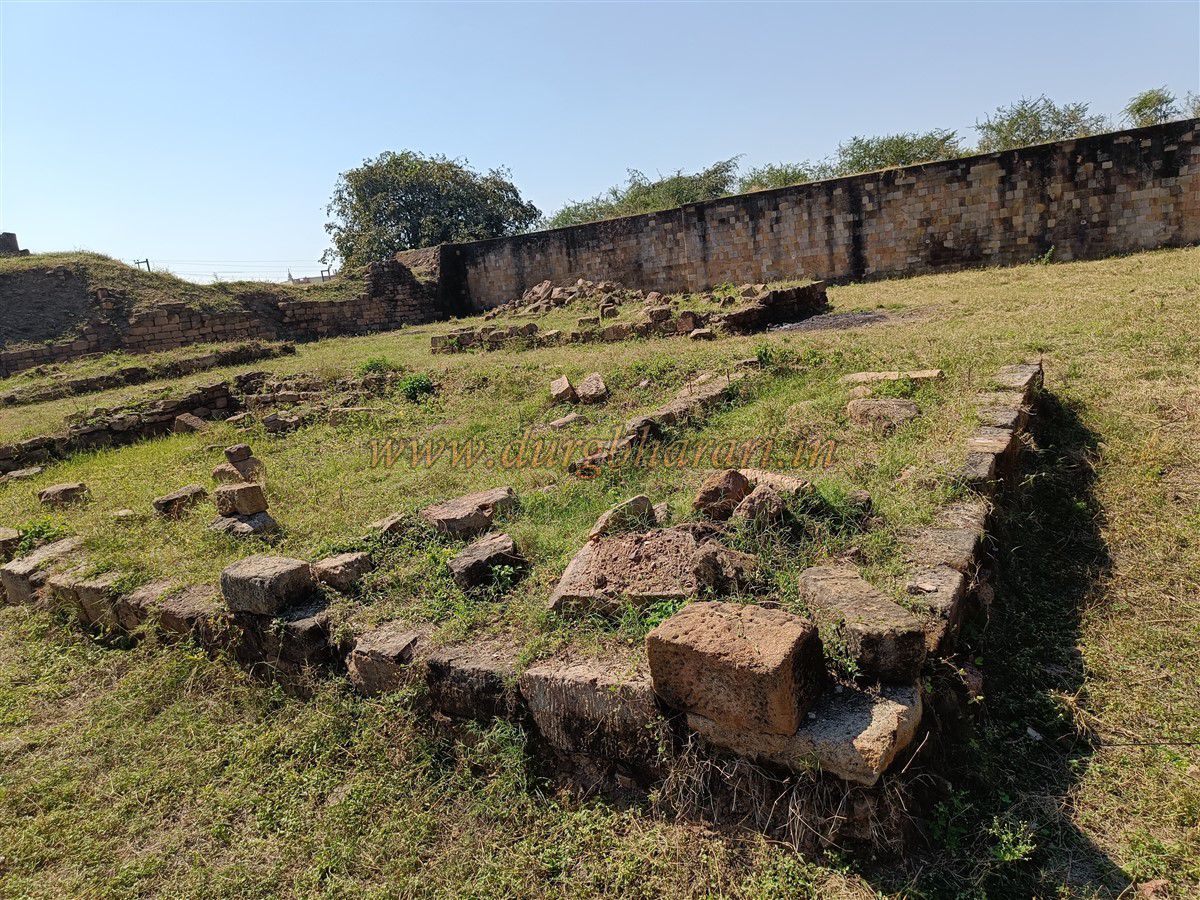
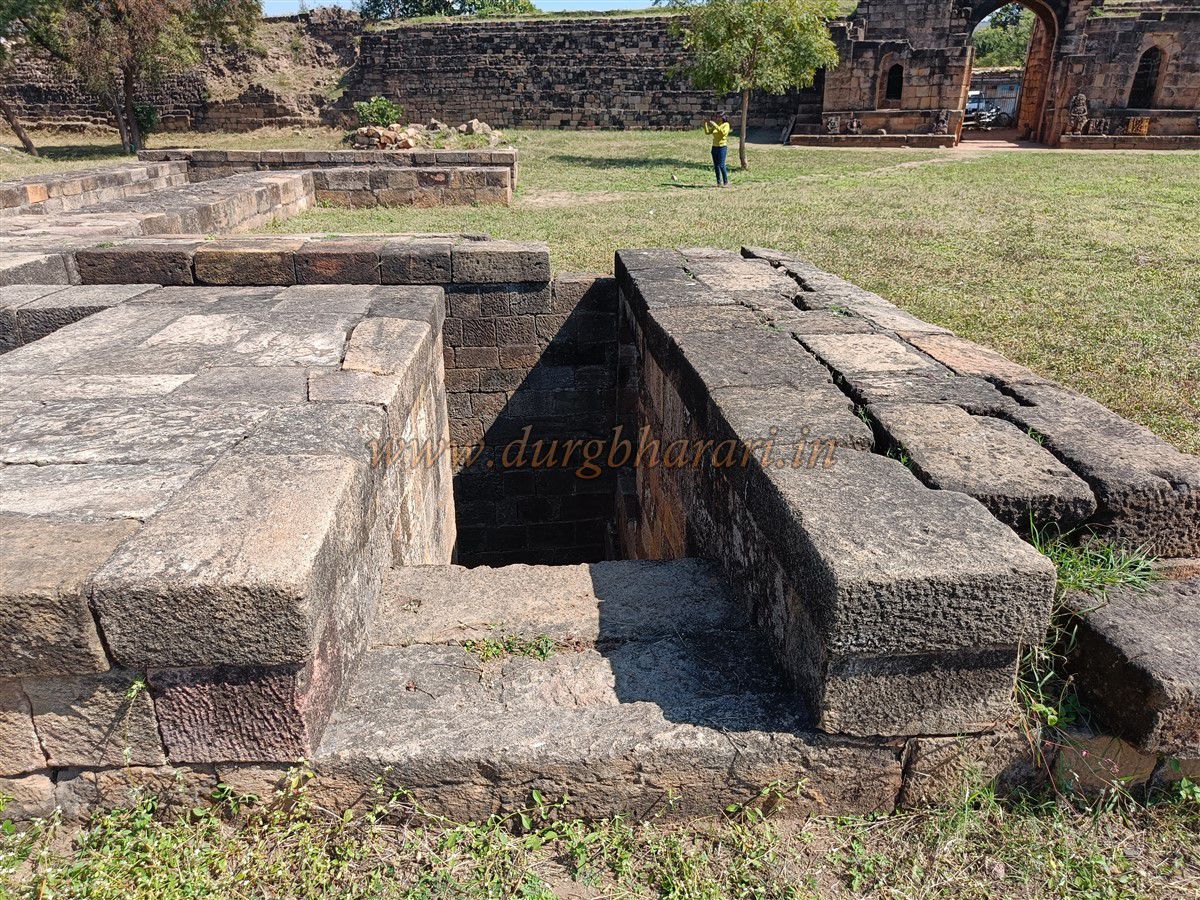
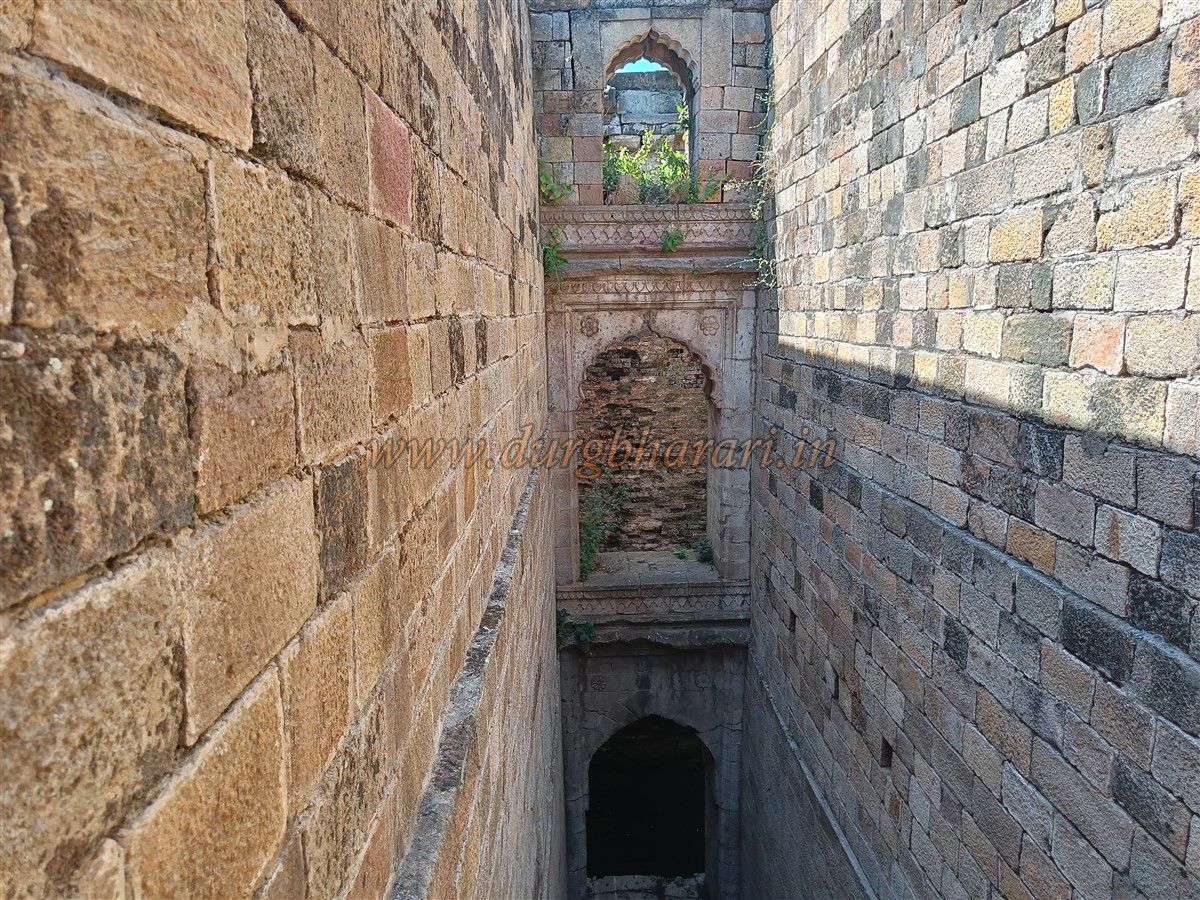
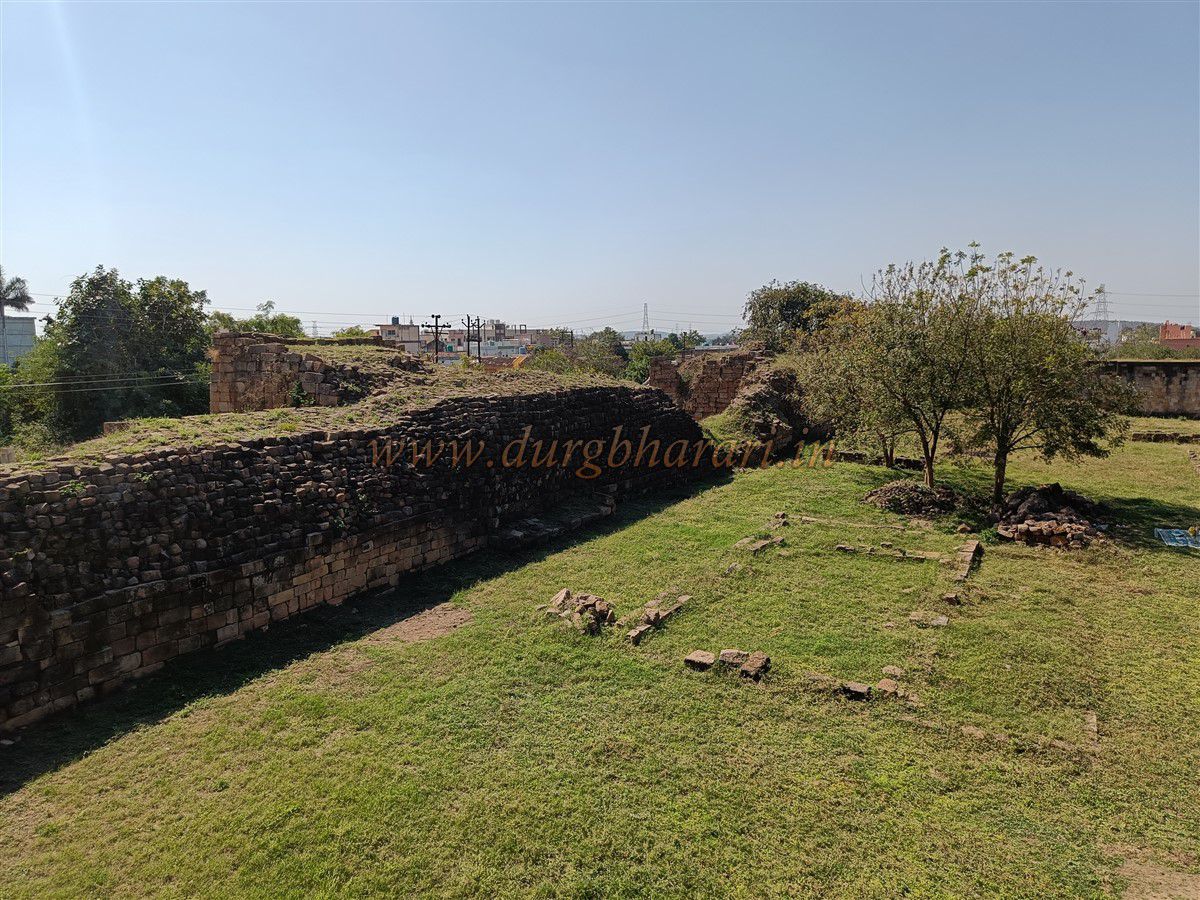
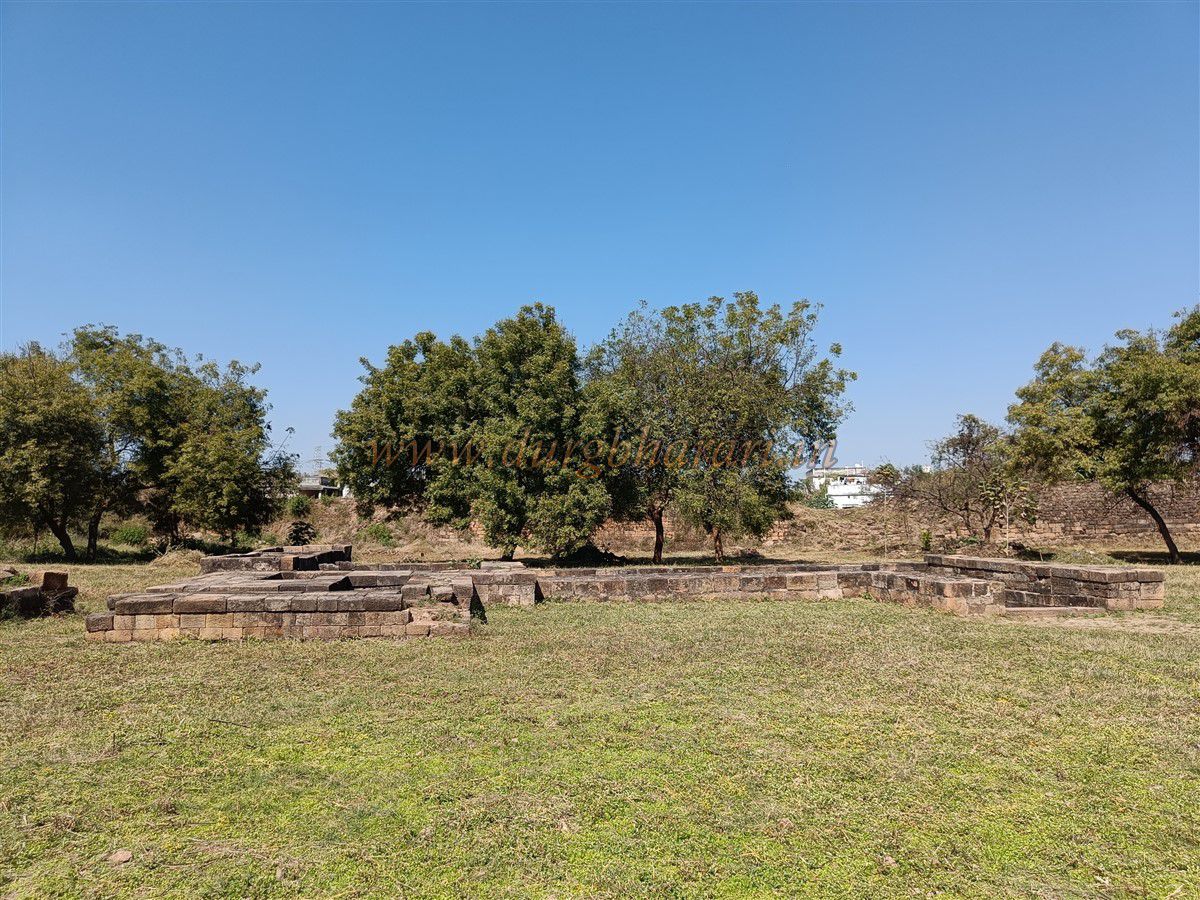
There are stairs beside both halls leading to the bastions and the upper part of the gate. The bastions have circular stone platforms used for mounting cannons and hoisting flags. From here, one can see the entire interior of the fort. The inside of the fort is an open courtyard that contains platforms of seven different structures and a lime mortar pit. At the centre is a stepped well. After touring the area near the entrance, one should head toward the well. This well is a kind of water palace, with three stairways descending to different levels. Three sides of the square-shaped well are built in finely cut stone with decorative arches, while one side is made of brick. At the base lies a large stone, and locals say a secret tunnel from here leads outside the fort.
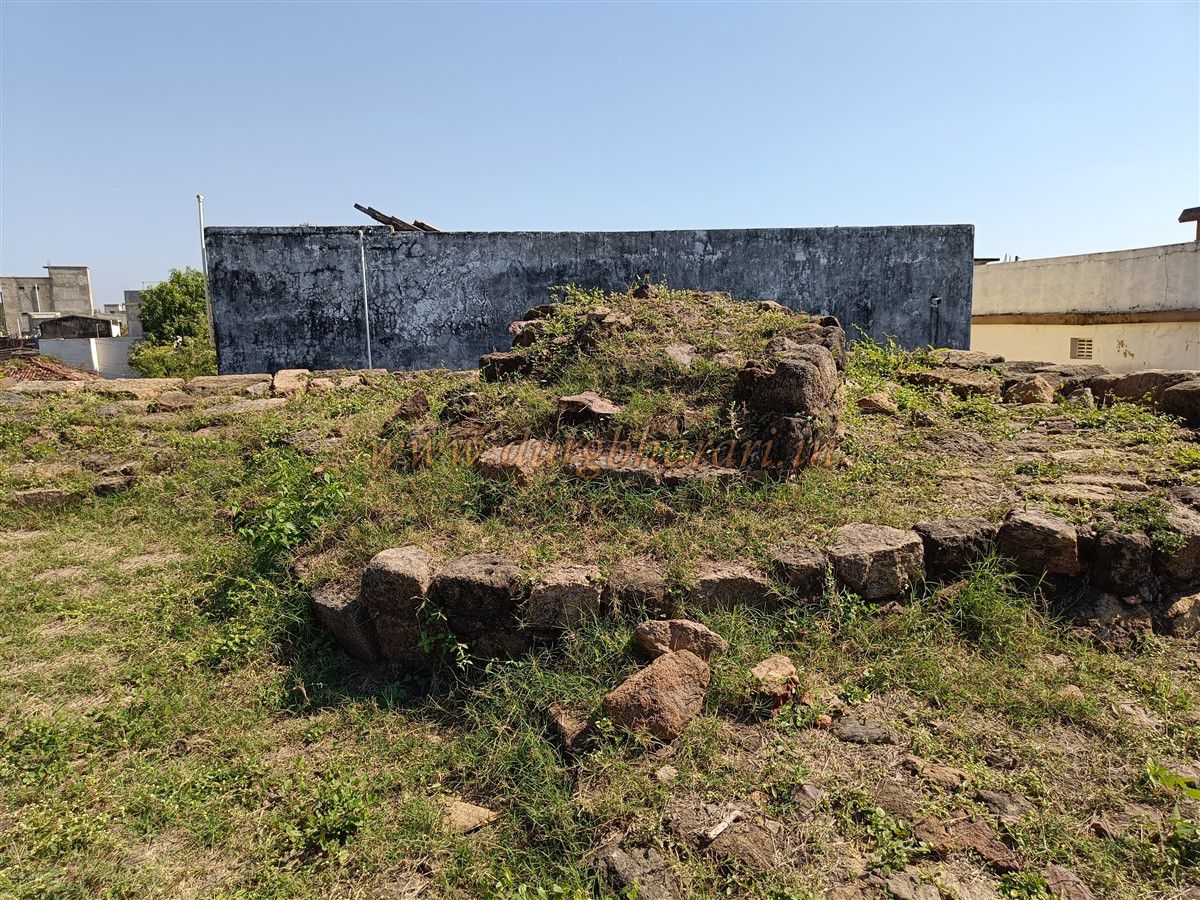
Above the well is a pulley system (mote) for drawing water, and two sculpted elephant heads are installed for anchoring the pulley and draining excess water back into the well. Near the well is the lime mortar pit. As only the platforms of the internal structures remain, it is difficult to determine their exact purpose. One of these platforms lies next to the second gate and was likely used to house soldiers. The second gate is also flanked by two bastions, smaller than those at the main gate. The facade of this gate features a carved human head. For additional protection, a transverse wall was built in front of it, with a circular bastion at its end. This structure appears to be a later addition. After viewing this gate and returning to the main gate, the fort tour is considered complete.
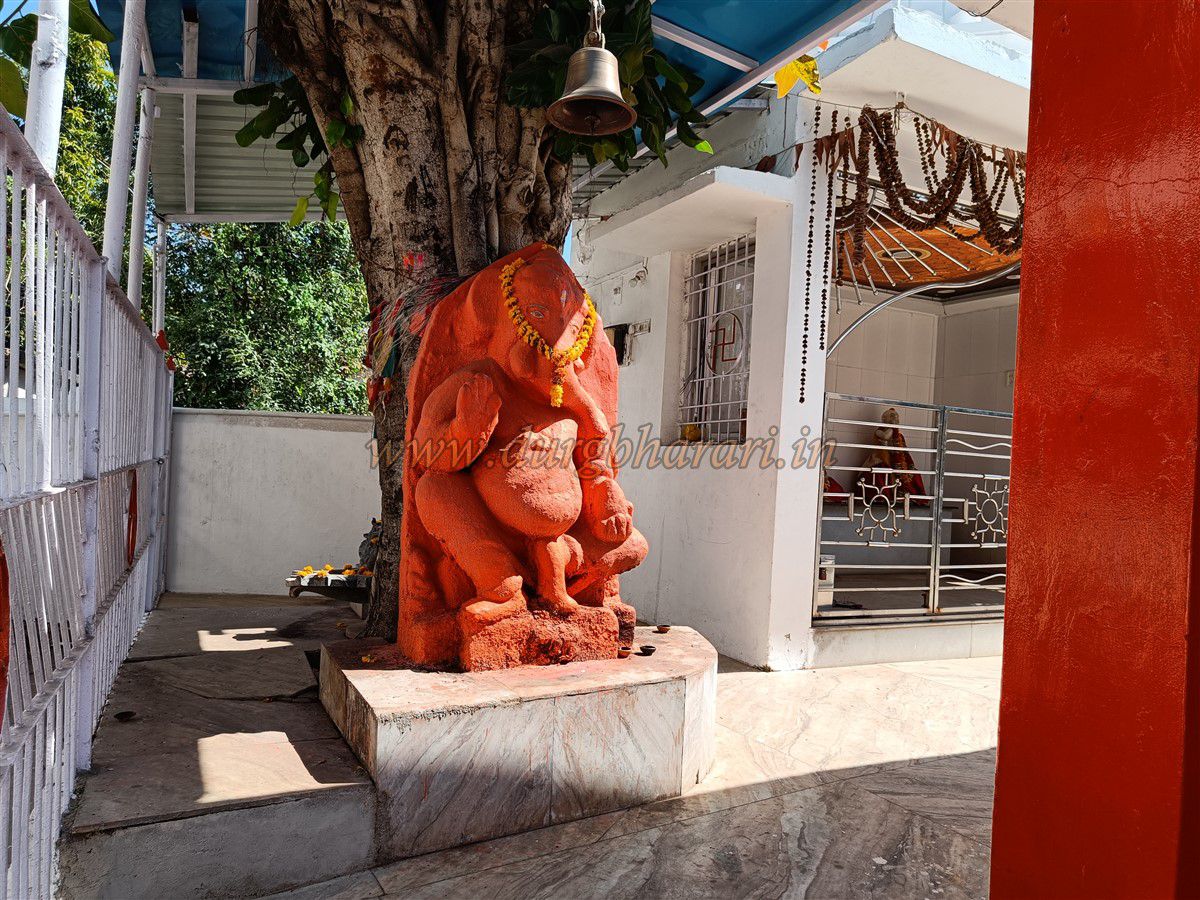
Nearby, there is a temple with a large idol of Ganesha. Along with the Bhadravati Fort, one can visit a small nearby hill that houses the Buddhist caves of Vijasan. From ancient times, different dynasties ruled over Vidarbha and built forts accordingly. The Buddhist caves at Vijasan, west of Bhadravati village, were carved during the Hinayana phase and later adorned with Buddha statues during the Mahayana phase. These caves trace the history of Bhadravati city back to the Satavahana period.
After the Satavahana era, in the 12th century, the Naga dynasty of the Mana community established rule over Vidarbha. They built forts like Vairagad, Manikgad, and Surjagad. It is believed that a Naga king named Bhankasingh founded Bhadravati city. The presence of serpent motifs on the gates of these forts supports this claim. Later, in the 13th century, the Gond dynasty rose to power in Vidarbha and ruled the region for nearly 400 years. Their cultural influence is evident in the fort’s architecture. The lion-on-elephant emblem at the entrance is recognized as the royal insignia of the Gonds.
Except for their early days, the Gond rulers eventually became vassals of Muslim dynasties, and thus were spared many conflicts. In the early 18th century, during the succession conflict among the Gonds, the Nagpur Bhonsle established dominance over Vidarbha. They restored major forts such as Nagardhan, Pawani, Ramtek, and Gavilgad but neglected the secondary forts in the interior regions.
© Suresh Nimbalkar
GALLERY