BELHE
TYPE : FORTRESS
DISTRICT : PUNE
HEIGHT : 0
Junnar taluka is now gaining recognition as a tourism destination. It houses two of the Ashtavinayak temples—Ozar and Lenyadri Ganapati—along with Shivneri Fort, the birthplace of Chhatrapati Shivaji Maharaj, and strong forts like Hadsar, Jivdhan, and Chavand. Ancient trade routes like Naneghat and numerous rock-cut caves in the surrounding hills also lie within this region. Being close to Mumbai and Pune, there is a steady flow of tourists. Now, with the addition of agro-tourism, the region has developed a favourable environment for tourism. While there are many well-known tourist spots here, there are even more lesser-known places. One such lesser-known location is the Gadhi (fortified mansion) at Belhe.
...
Belhe village is situated on the border of Pune and Ahmednagar districts. From Mumbai, Belhe can be reached via Alephata, a distance of about 200 km. It is 90 km from Pune, 38 km from Junnar, and only 12 km from Alephata. The area is prosperous due to irrigated agriculture, and hence, there is ample availability of both public and private transportation. The Gadhi at Belhe lies within the interior part of the village, near the river, and is not easily visible from the main road. But if you inquire locally about the “Nawab’s Gadhi,” you can reach it easily.
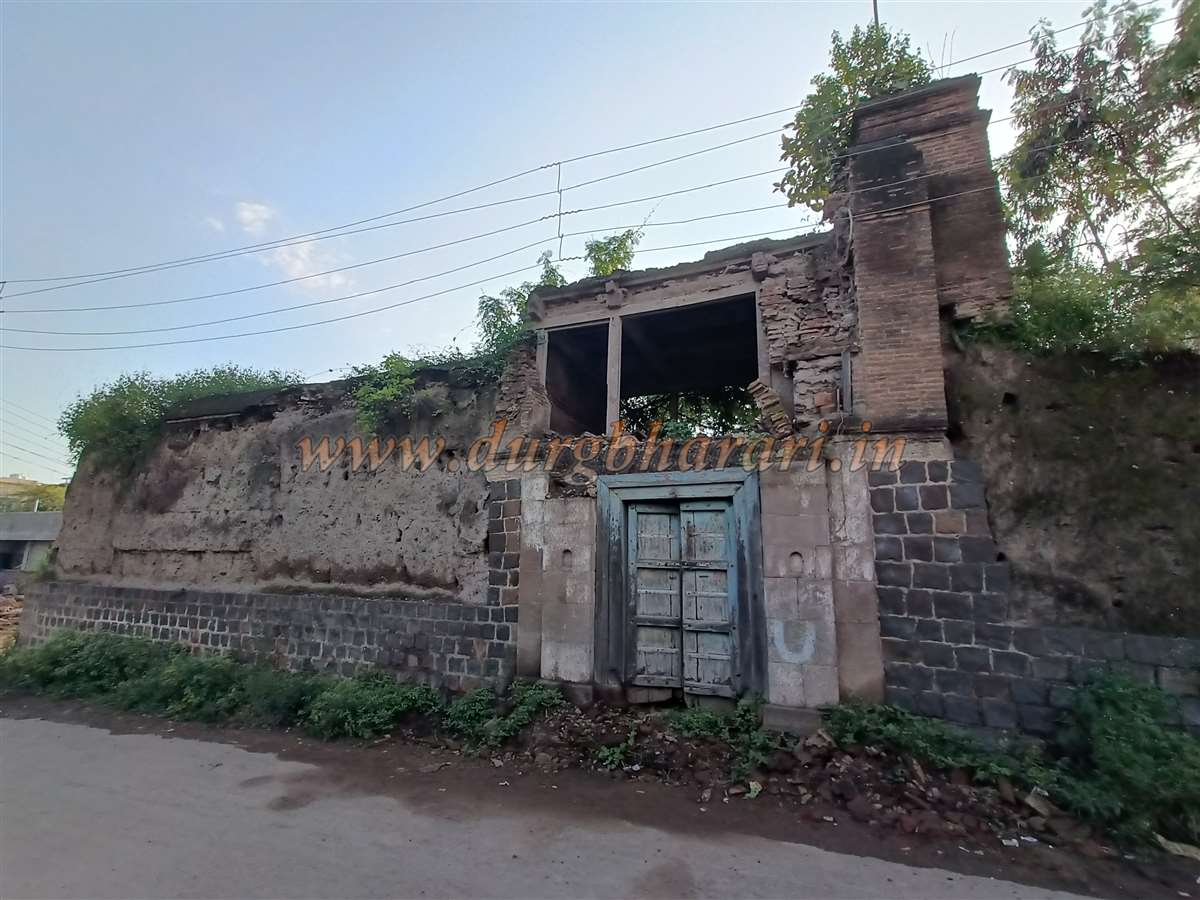
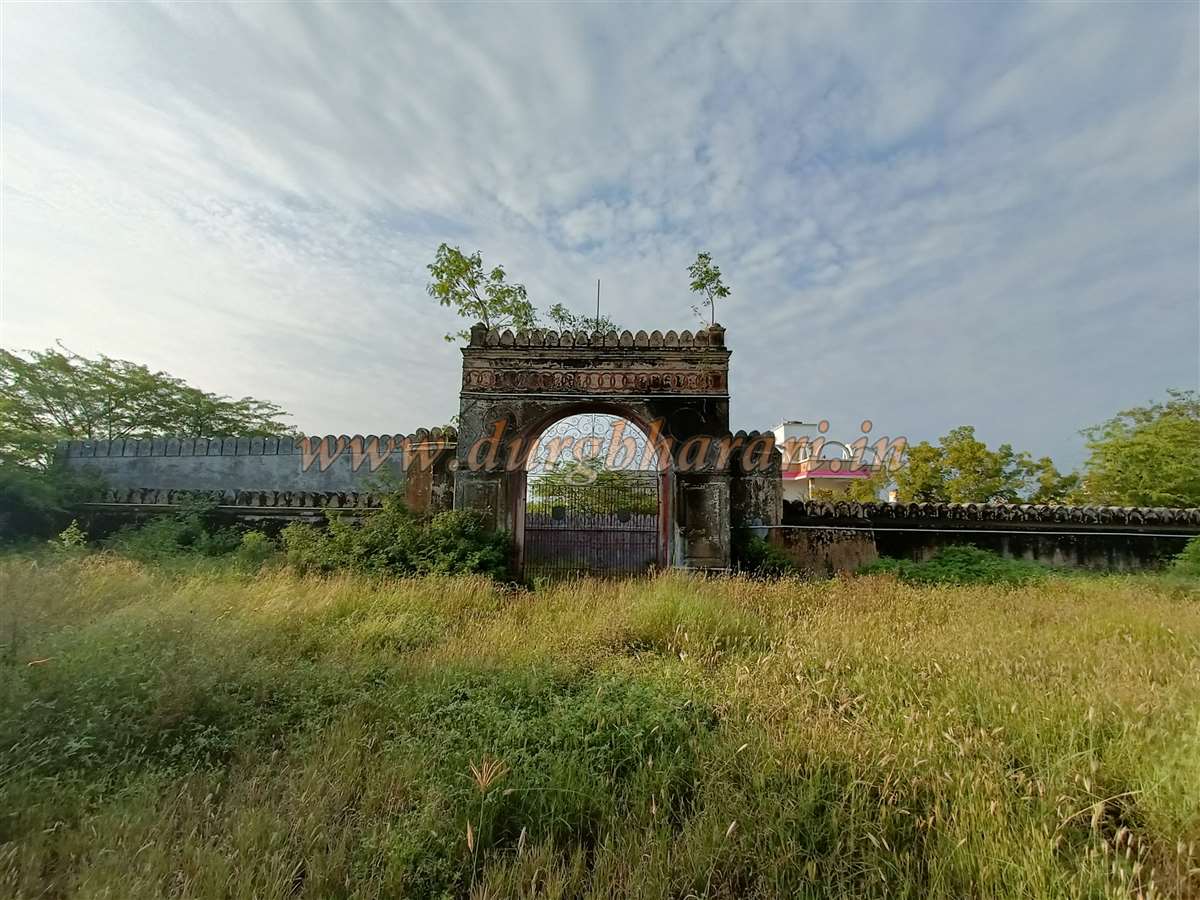
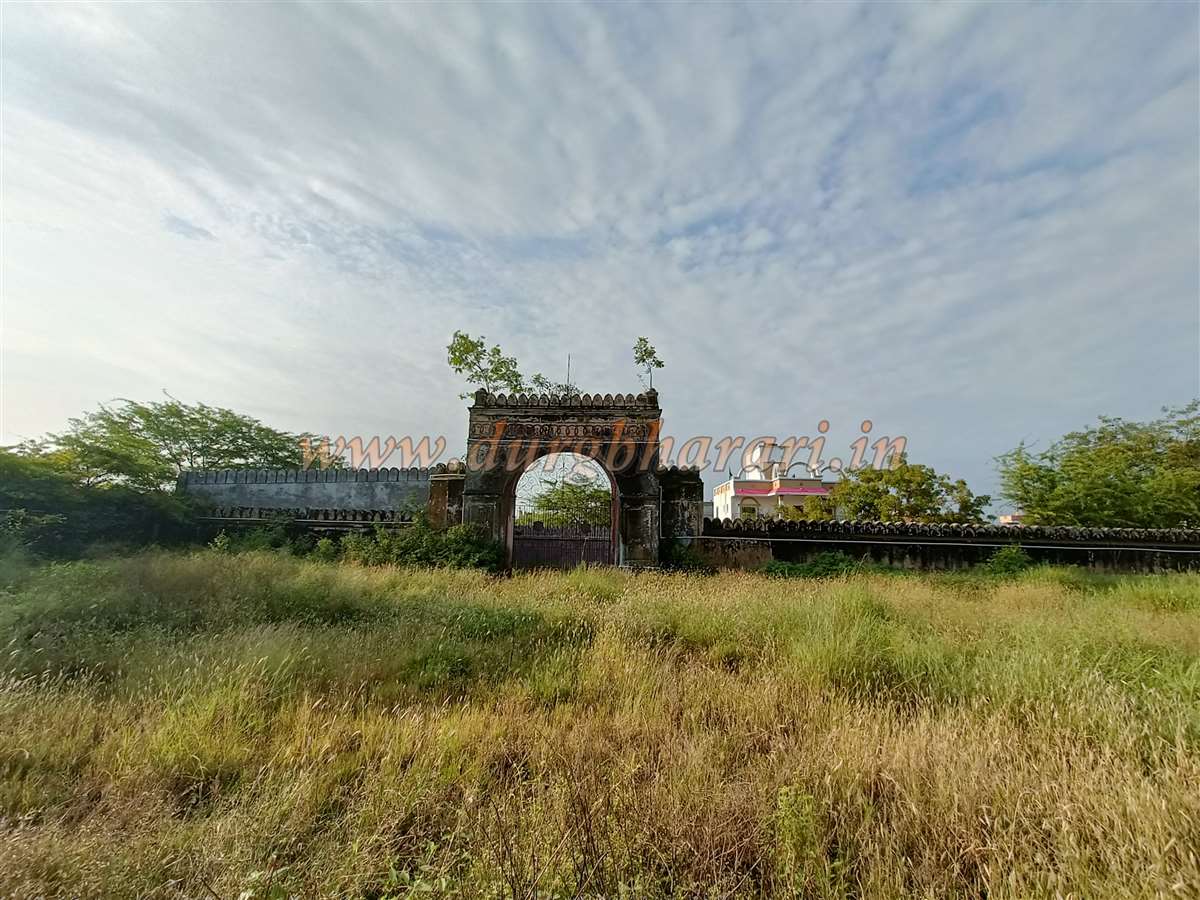
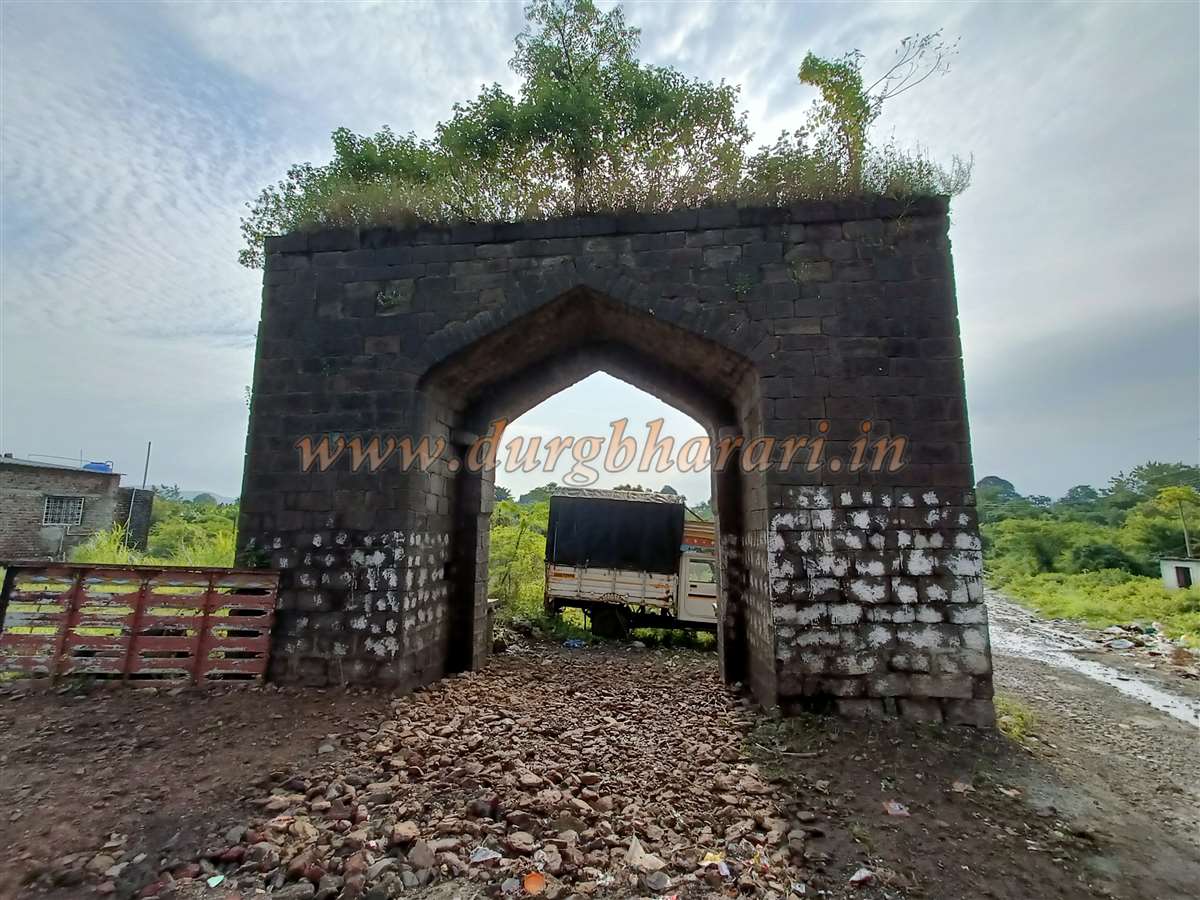
Once upon a time, the entire village of Belhe was enclosed within fortification walls. Evidence of this can still be seen in the well-preserved gate of Nagarkot, made of finely cut stone, located before reaching the Gadhi. Unfortunately, the adjacent fort wall was completely demolished during road construction. A short distance from this gate, near the river, lies a stepped well known as “Sakhar Barav.” Another gate of Nagarkot, located in the west, has been entirely destroyed over time.
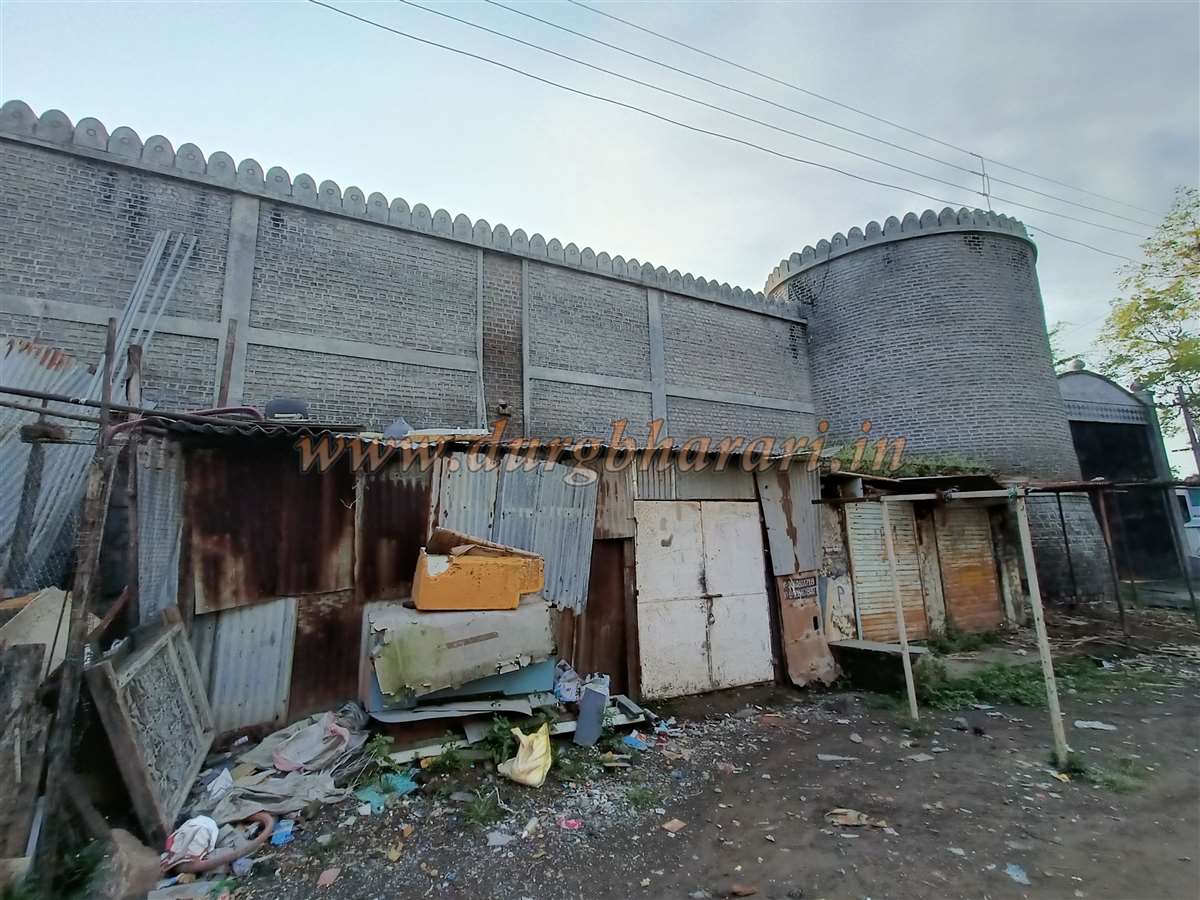
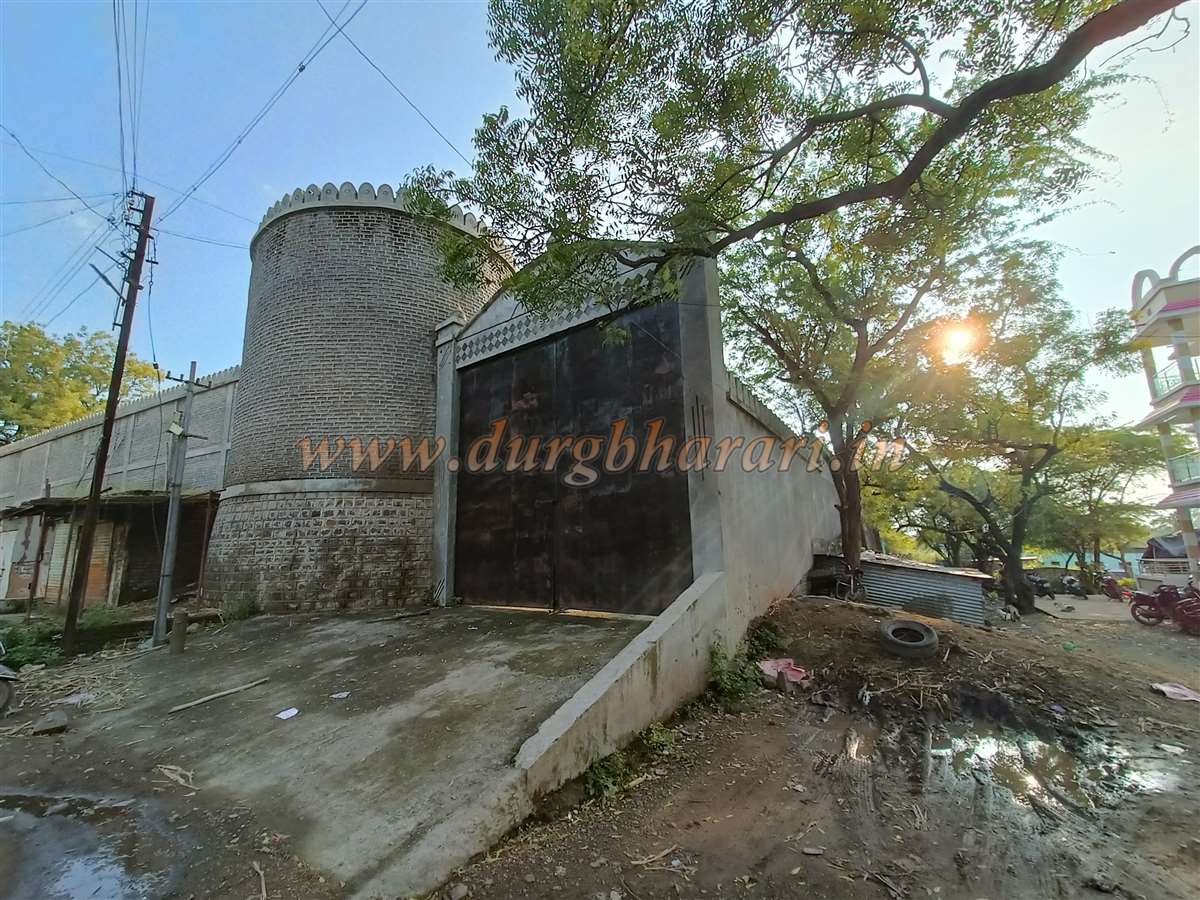
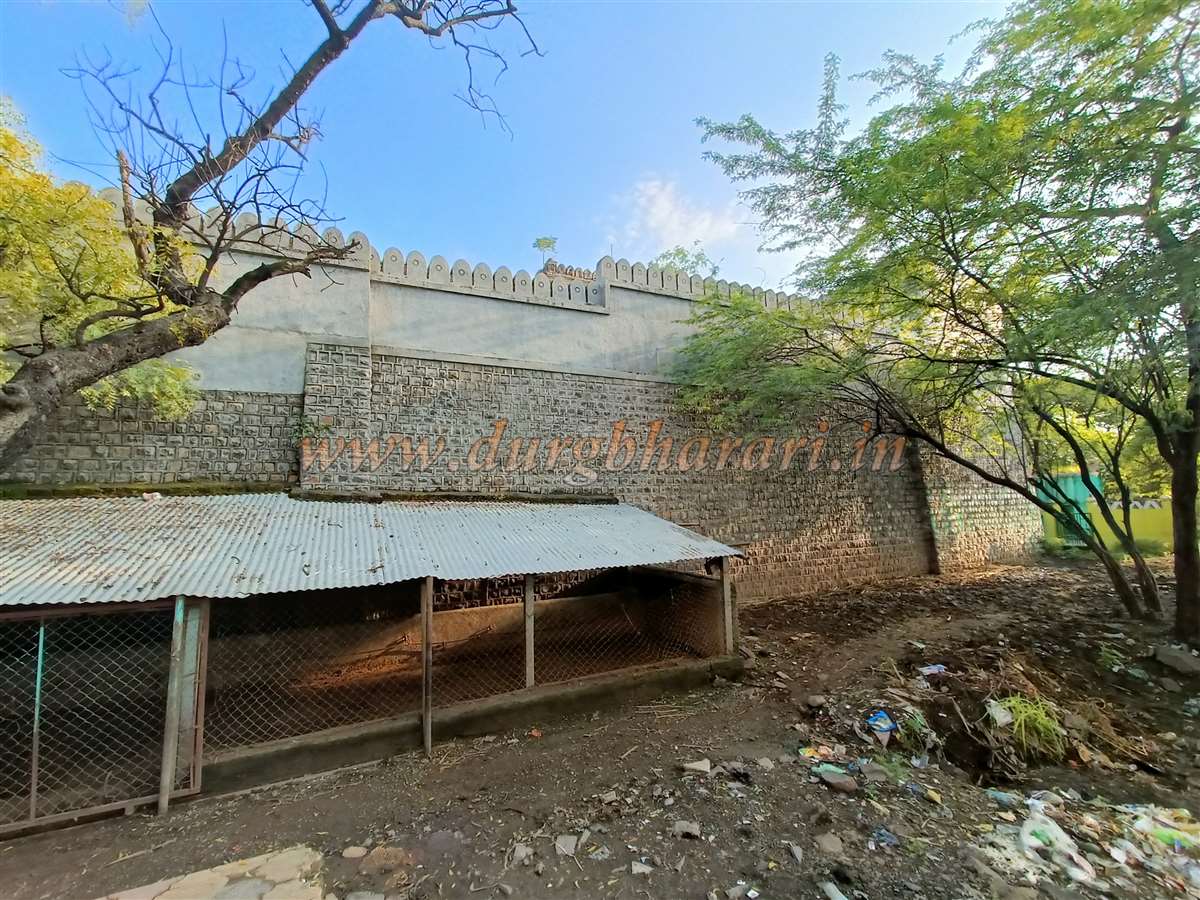
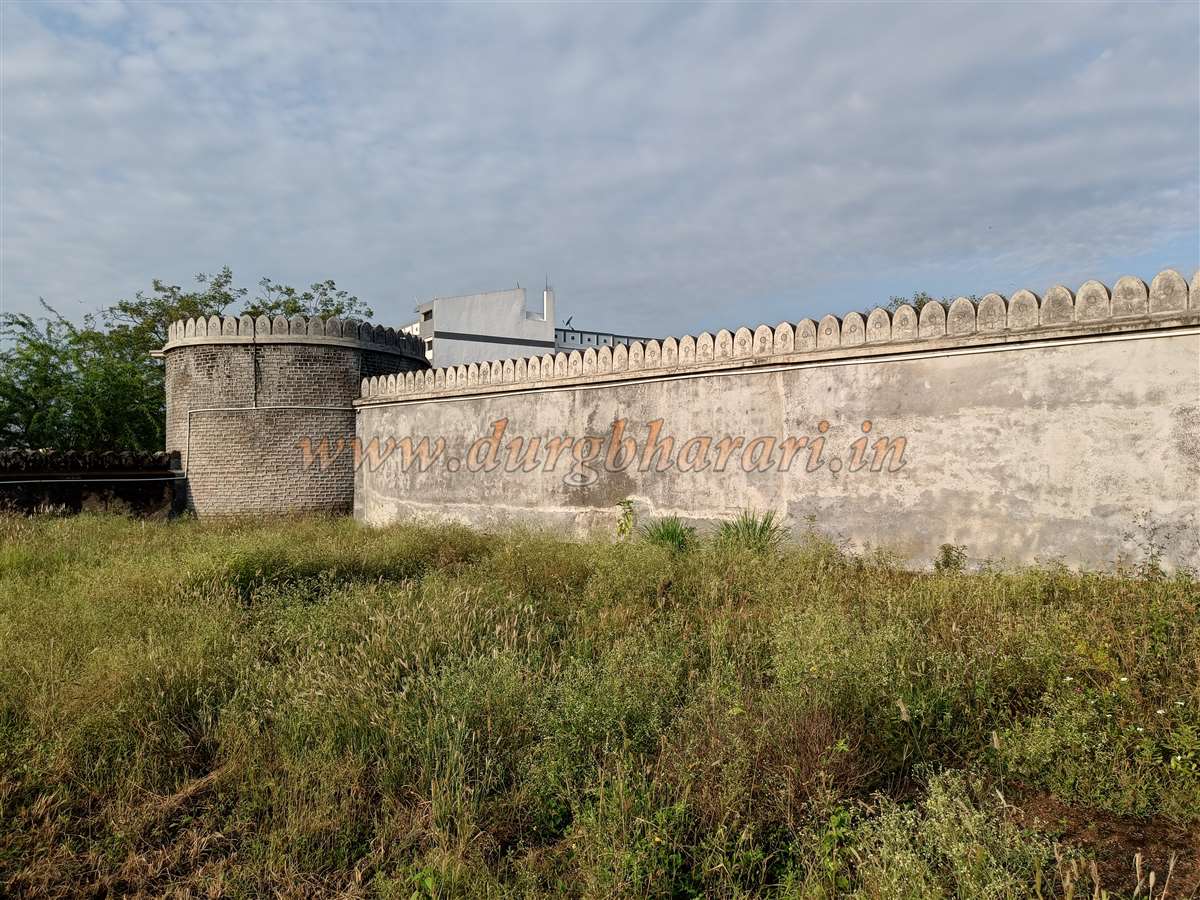
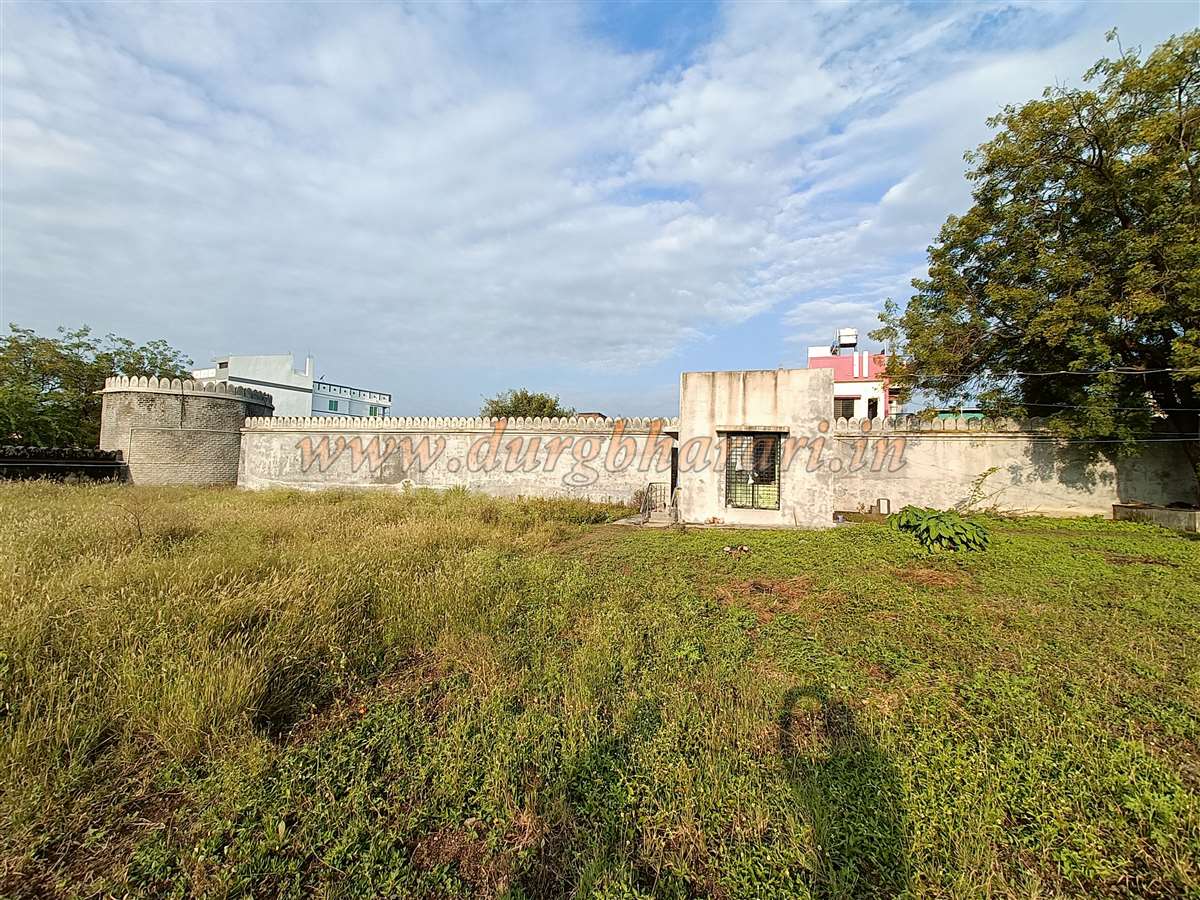
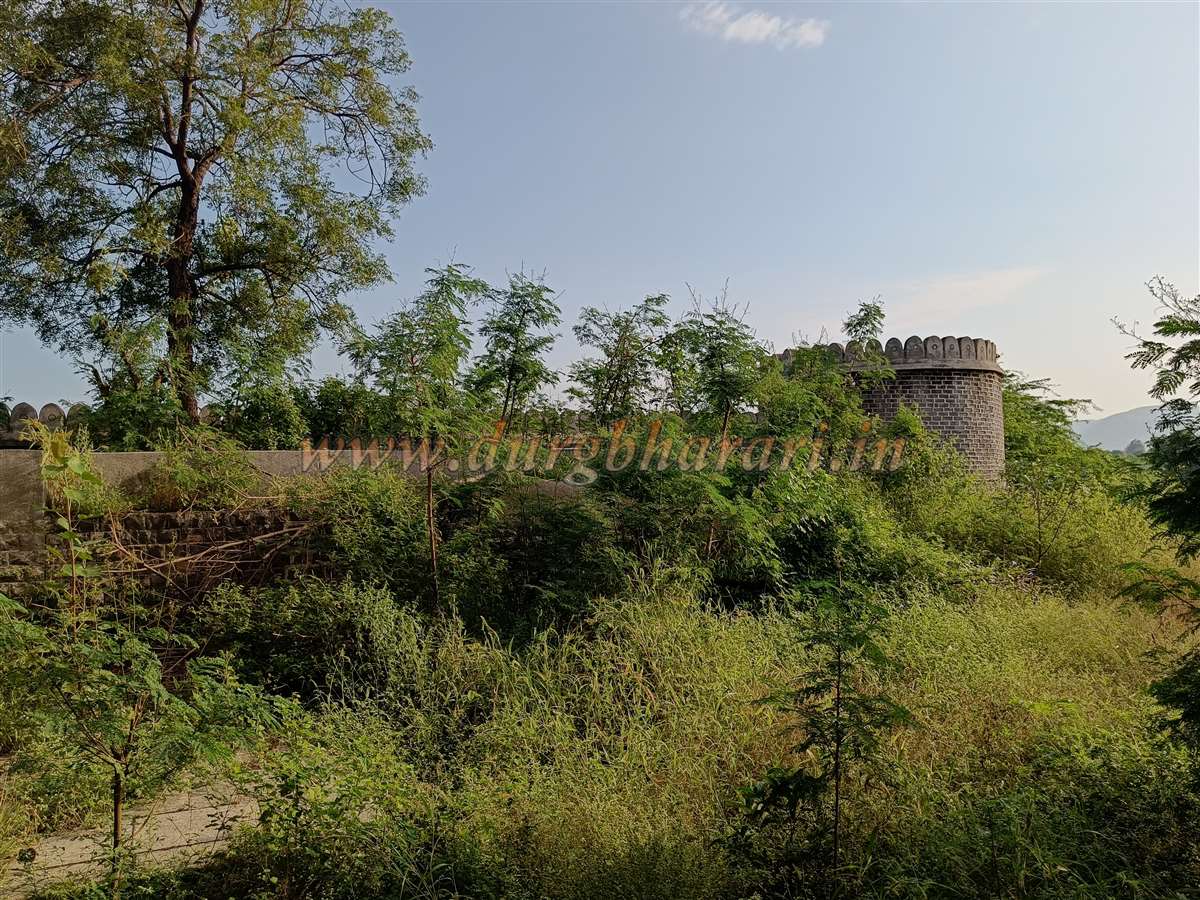
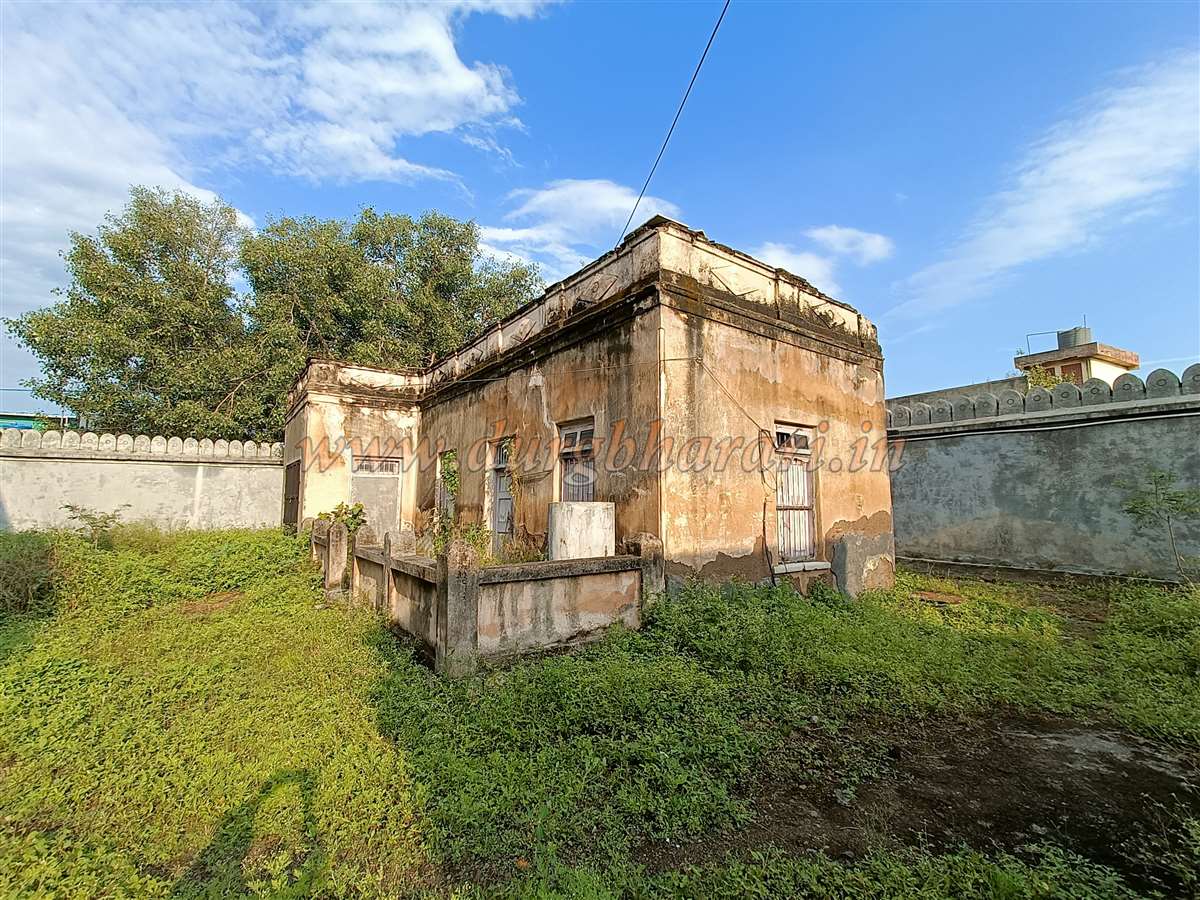
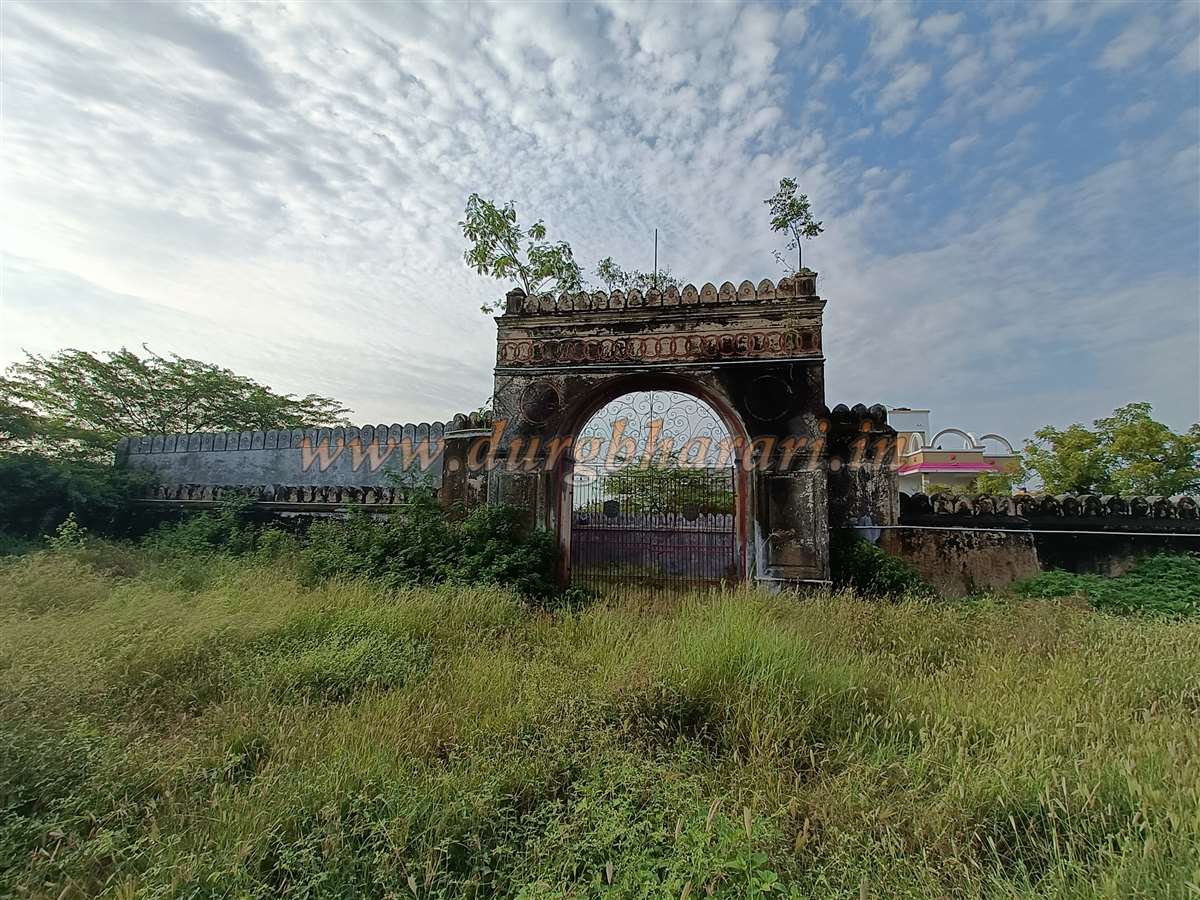
The Gadhi itself stands beside the river. Its original fortifications have collapsed, and a new cement and concrete wall has been built in its place, completely destroying the original aesthetics. The Gadhi, built in a square shape, spans about one and a half acres and has four square bastions at each corner of the main fort wall. On the eastern and northern sides, there are additional outer fort walls. The main entrance is on the eastern wall, but it is not immediately visible due to a cross-wall of the outer fort. There is no visible construction for defensive purposes on this gate or walls.
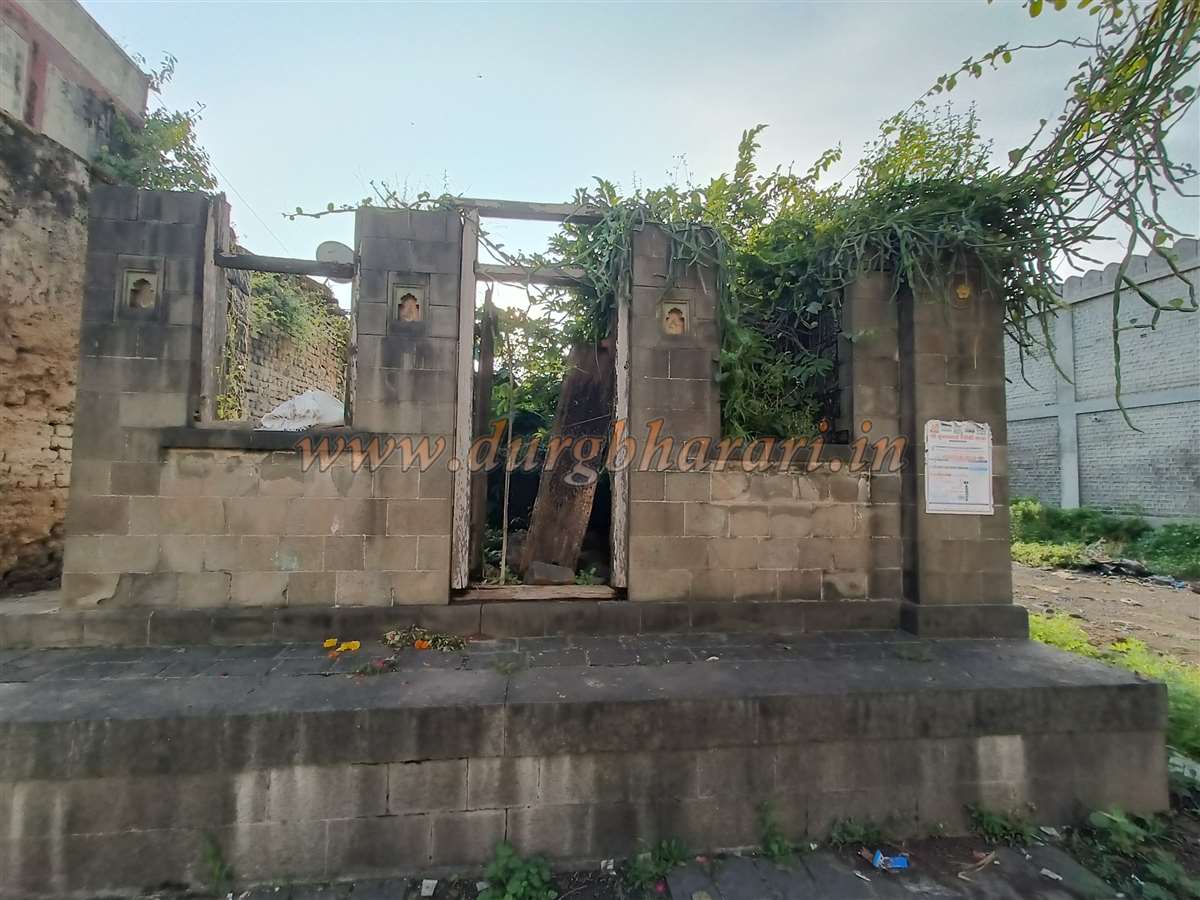
Of the original structure, only the eastern gate and its adjacent wall remain. Currently, the main gate is closed, and entry is through a smaller door on the southern wall. Though the southern gate is old, it has been recently rebuilt. Entering through this door, a winding path leads to the top of the Gadhi. As you enter, a fountain can be seen opposite the main gate on the right-hand wall; this too has been renovated.
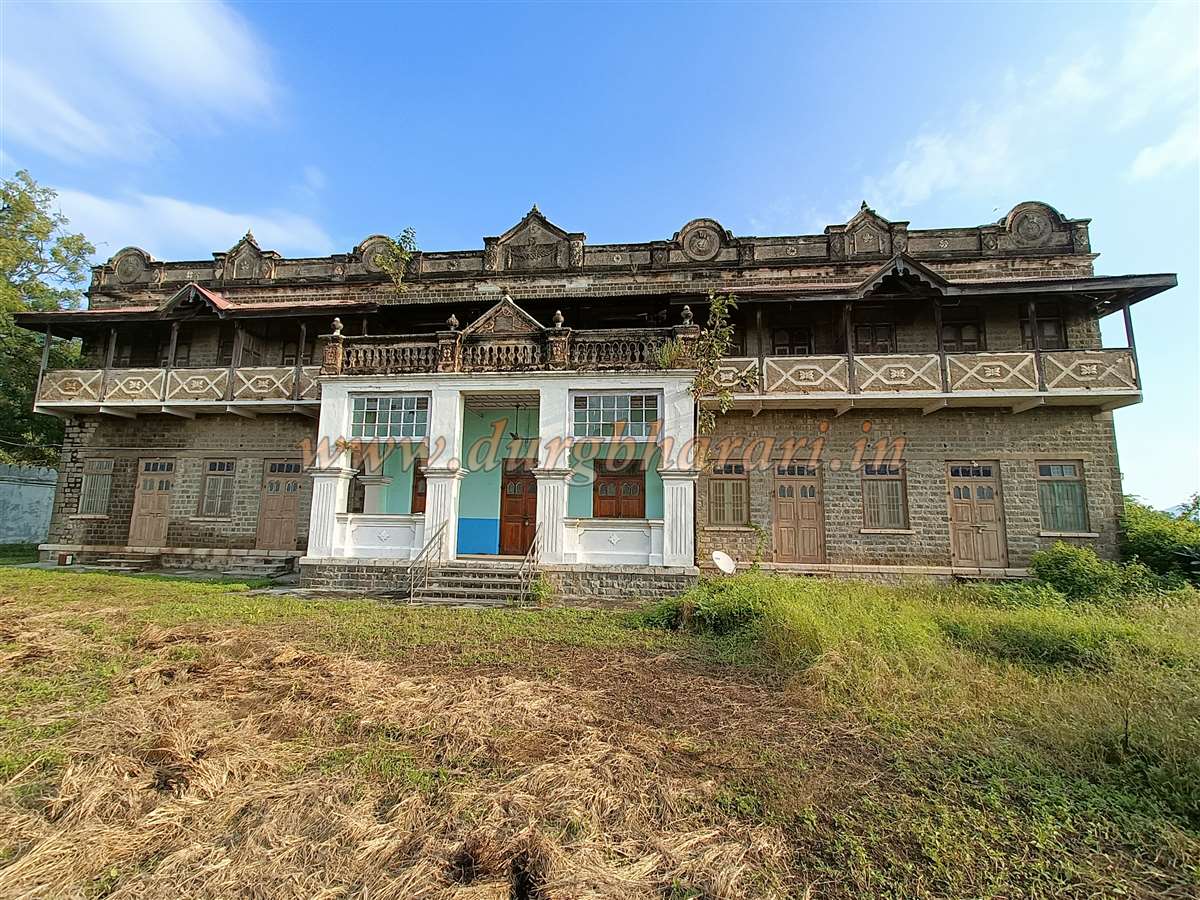
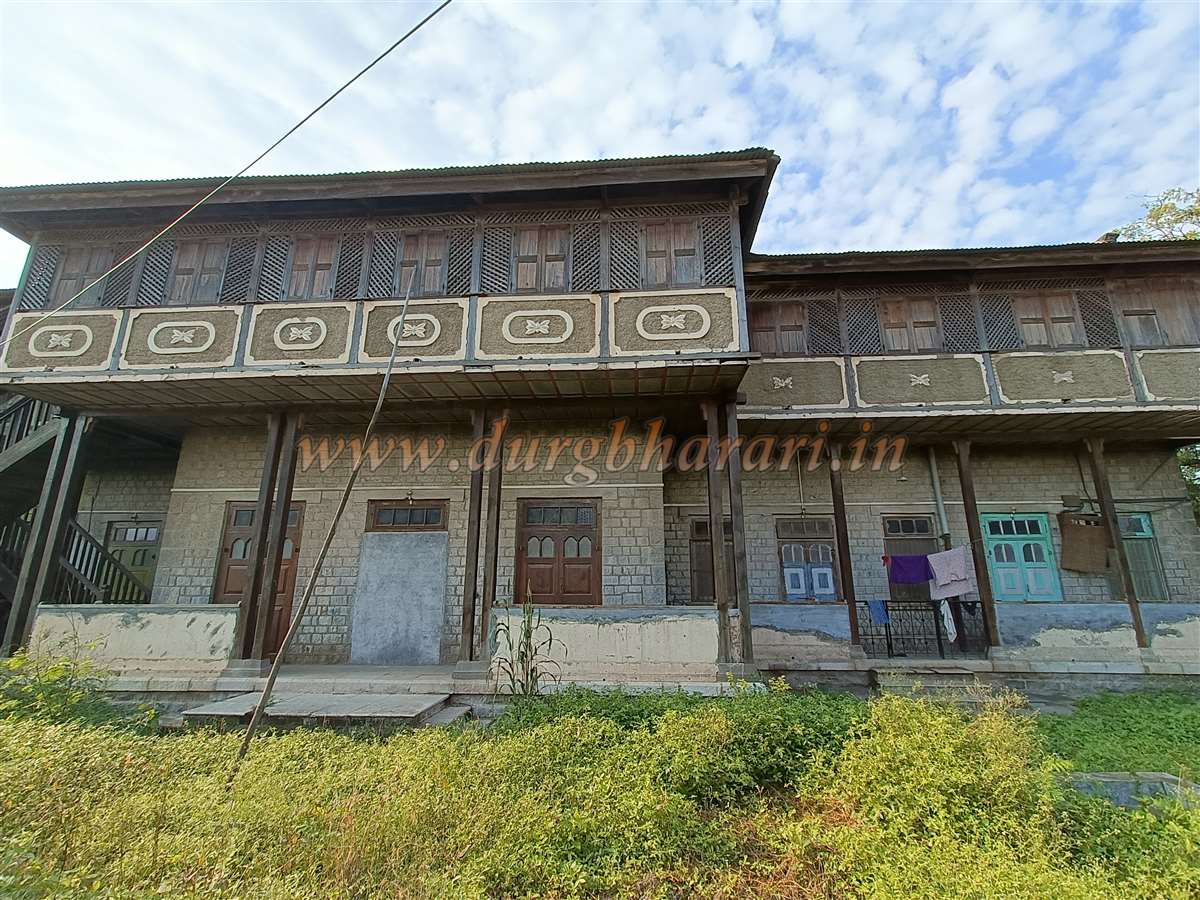
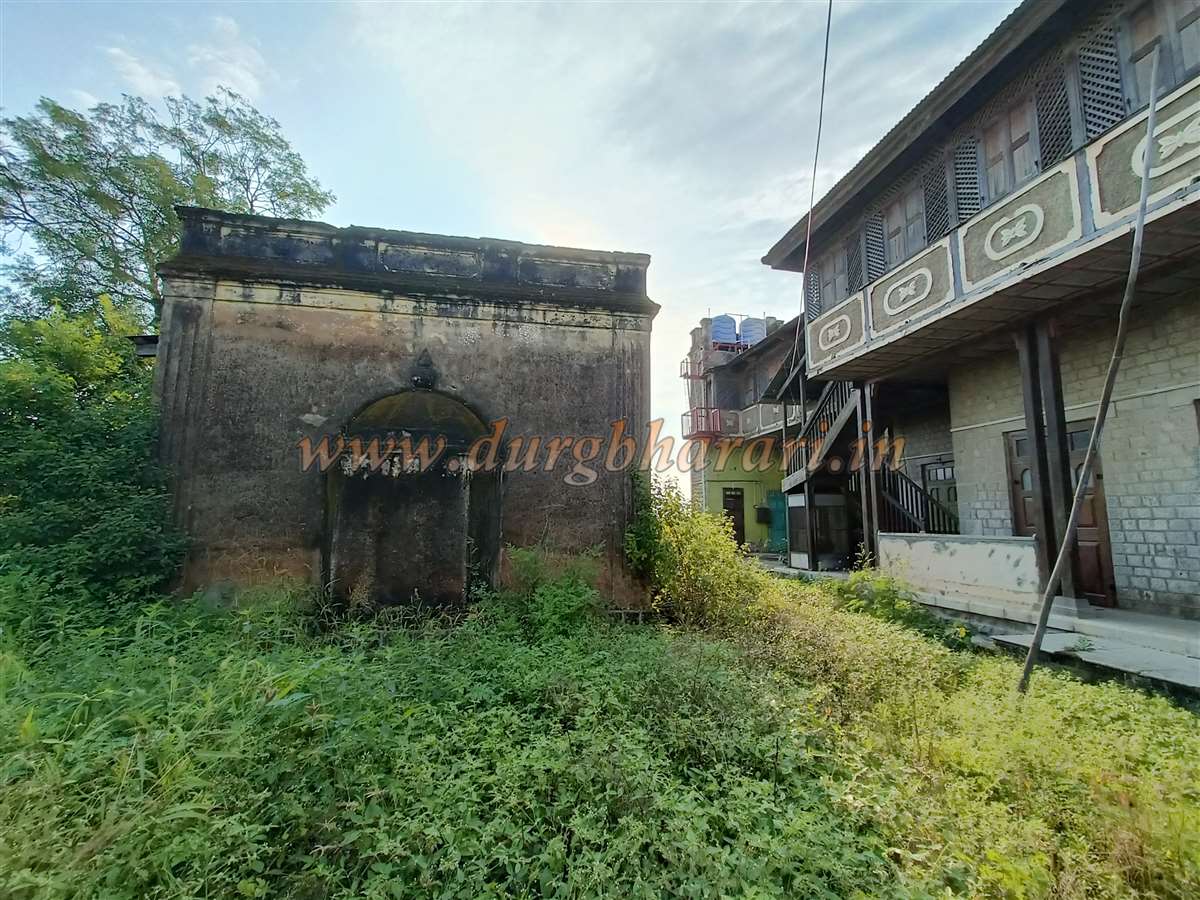
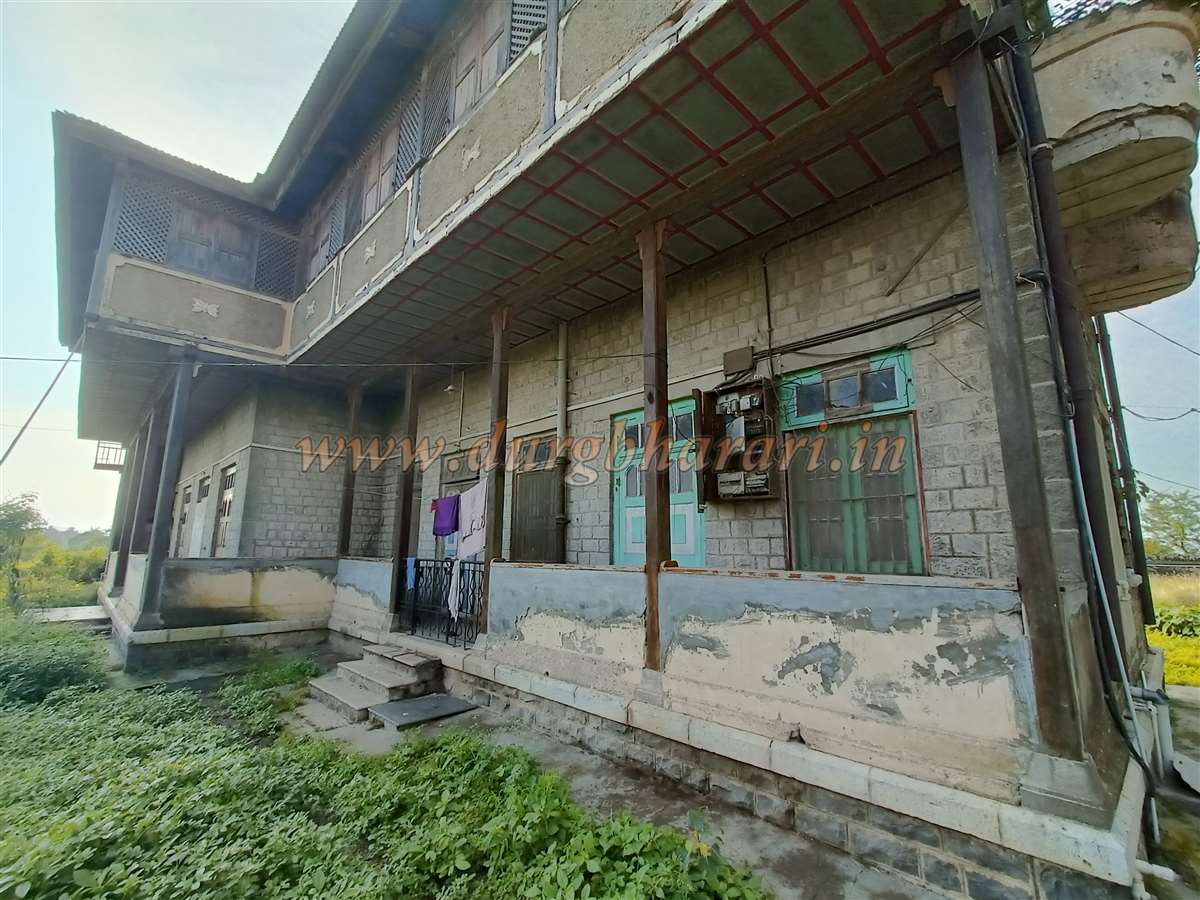
At the centre of the Gadhi stands the Nawab's wada (mansion), built on a neatly carved stone plinth. Constructed during British rule in 1924, it clearly shows British architectural influence. The entire building is made of finely dressed stone. The mansion is locked and cannot be viewed from the inside, but one can circumambulate its exterior.
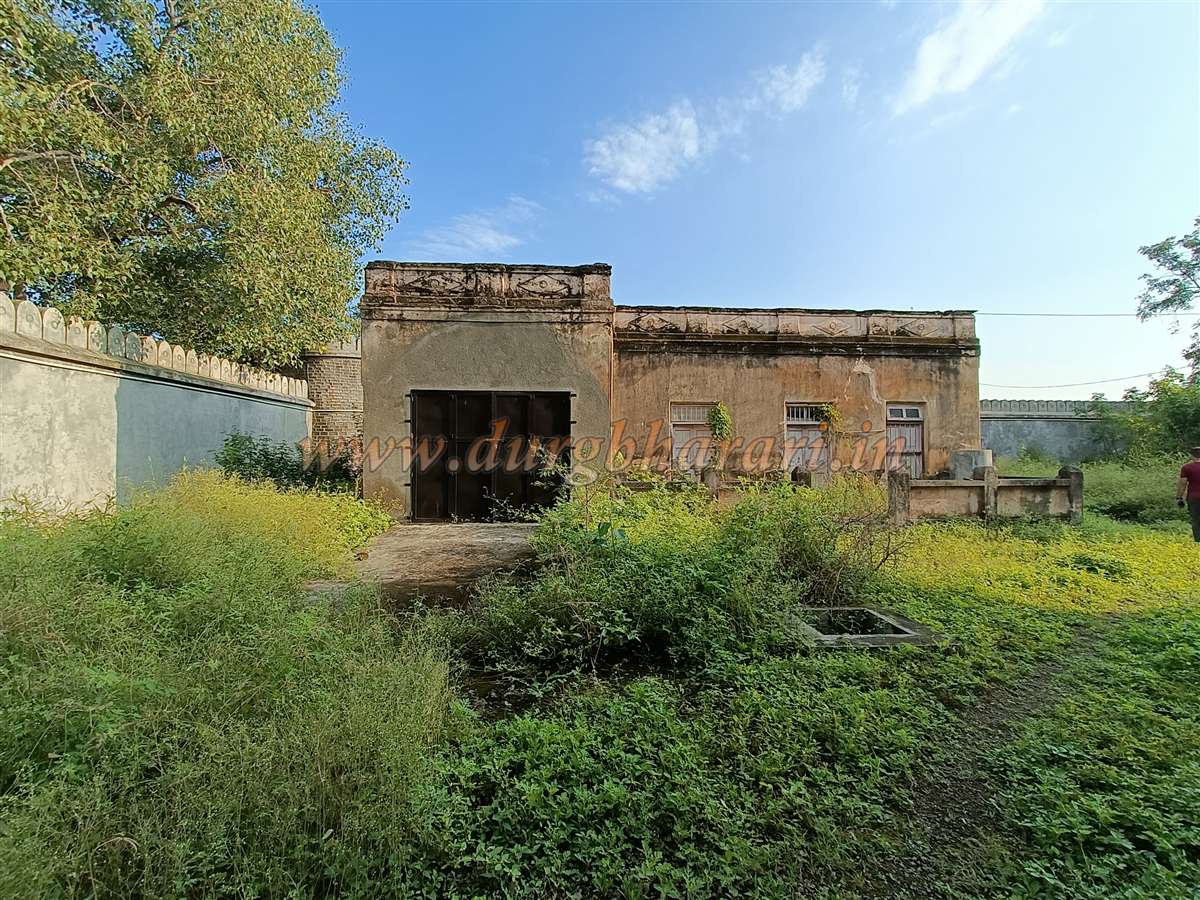
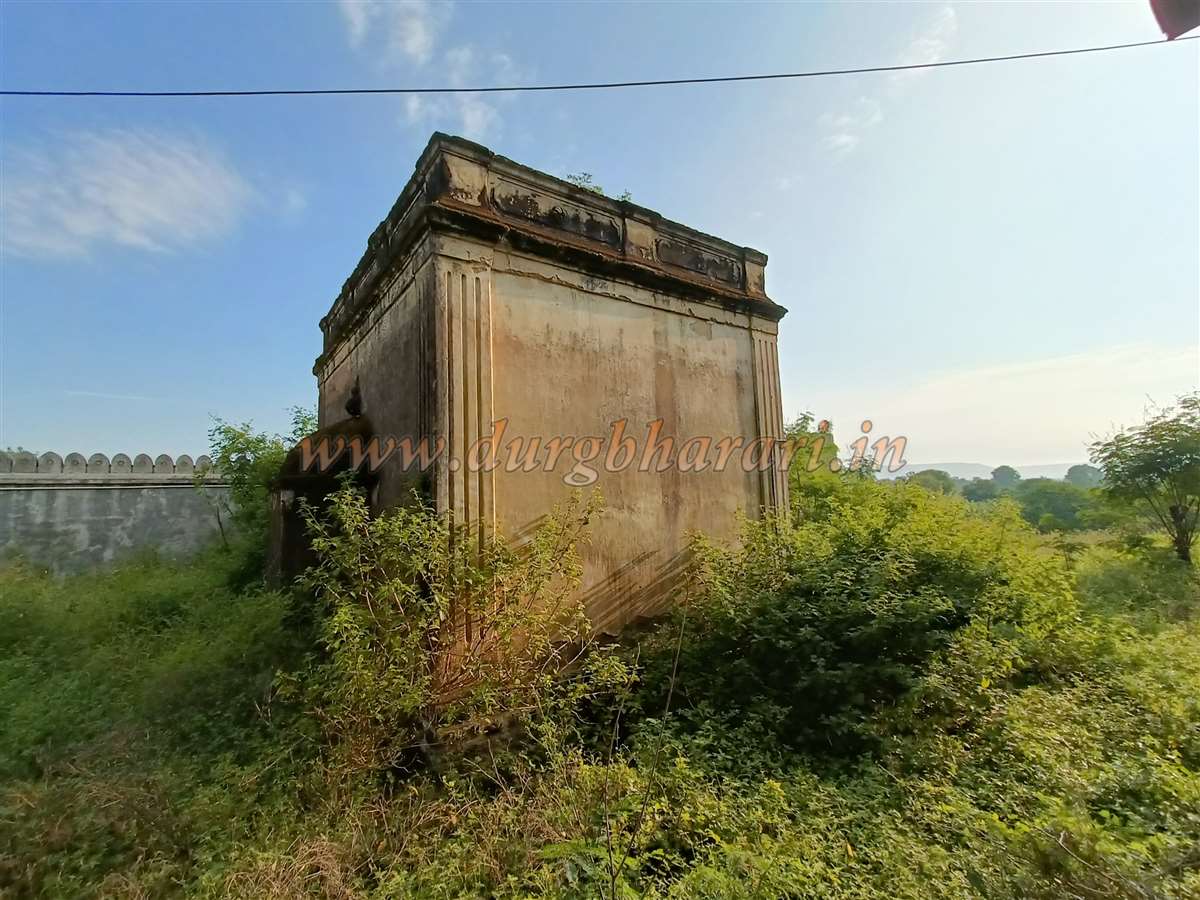
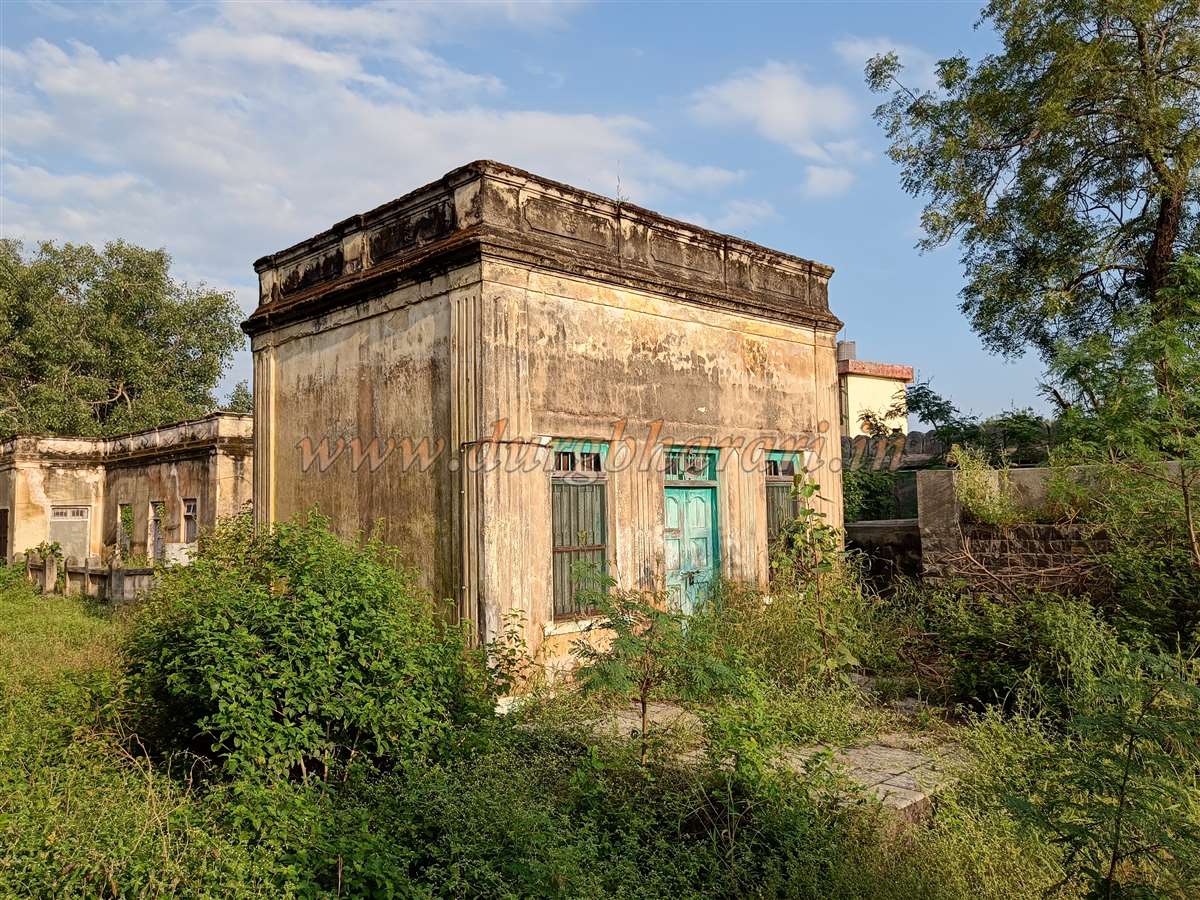
At the back of the mansion are three structures. The first was once a stable for horses, now used as a generator room and garage. The second is a square building with a domed roof, used as the Nawab’s private mosque. In front of this mosque is a deep, square-shaped stone well, equipped with a hand pump from the British era. A wooden staircase at the rear leads to the upper floor of the mansion, and beneath it lies an old generator from the British period. This completes the circuit around the mansion.
Since the mansion interior cannot be visited and permission is required to view the Gadhi, one should plan the visit accordingly. A little further from the Gadhi lies the ruined mansion of the Pawar family.
Looking into the history of the Gadhi, its founder was Nawab Maqbool alias Aziz Khan Bahadur, who was the Killeder (fort commander) and fouzdar of Chakan. During the Peshwa era, Nana Sahib Peshwa granted a jagir worth ₹40,000 in the Junnar area to Maqbool son, Maksud Alam Khan, who was then the fort commander of Shivneri. This was done in exchange for taking over Shivneri Fort. At that time, the village of Kasbe Velhe was granted as a jagir to the Nawab. The family, originally known as Shivnerkars, came to be known as the Nawab of Belhe.
According to Nana Sahib Peshwa’s diary (1753–54), Belhe village was granted as a jagir to Muzaffar Jung Gaddi, along with permission to settle his family there. Since the Nawab had no male heirs, he married his daughter to Nawab Alam Khan of Surat, and the jagir of the Gadhi passed into the hands of the Nawab of Surat.
Due to neglect, the fort walls of the Gadhi deteriorated over time. In 2015, these walls were reconstructed using cement blocks. The current descendant is Mir Sultan Alam Khan, and permission must be obtained by contacting Surat to visit the Gadhi. The Nawab is about 80 years old, and his children reside in the United States. This Nawab also has a second Gadhi in Junnar.
© Suresh Nimbalkar
GALLERY