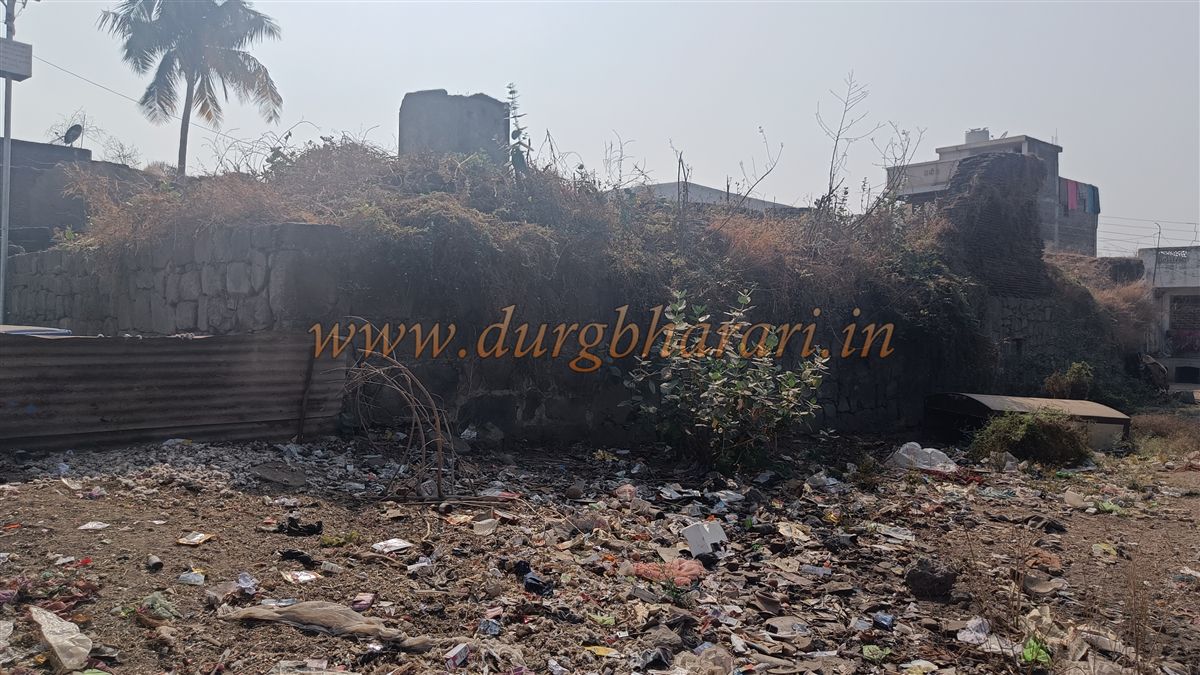
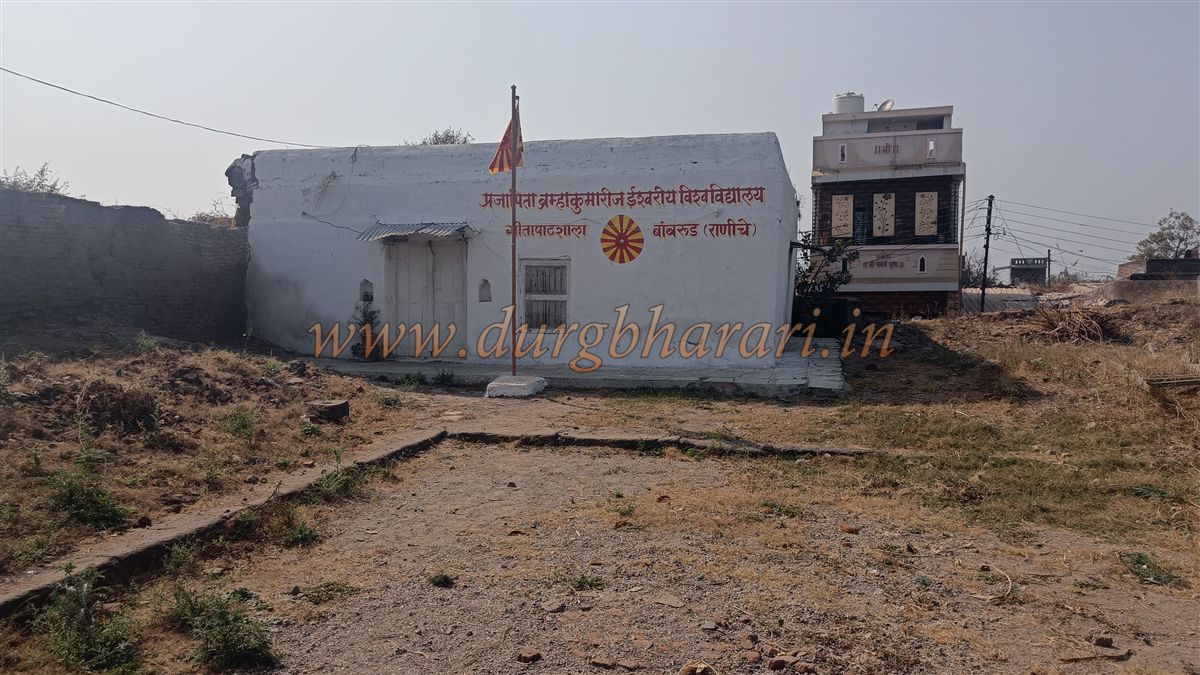
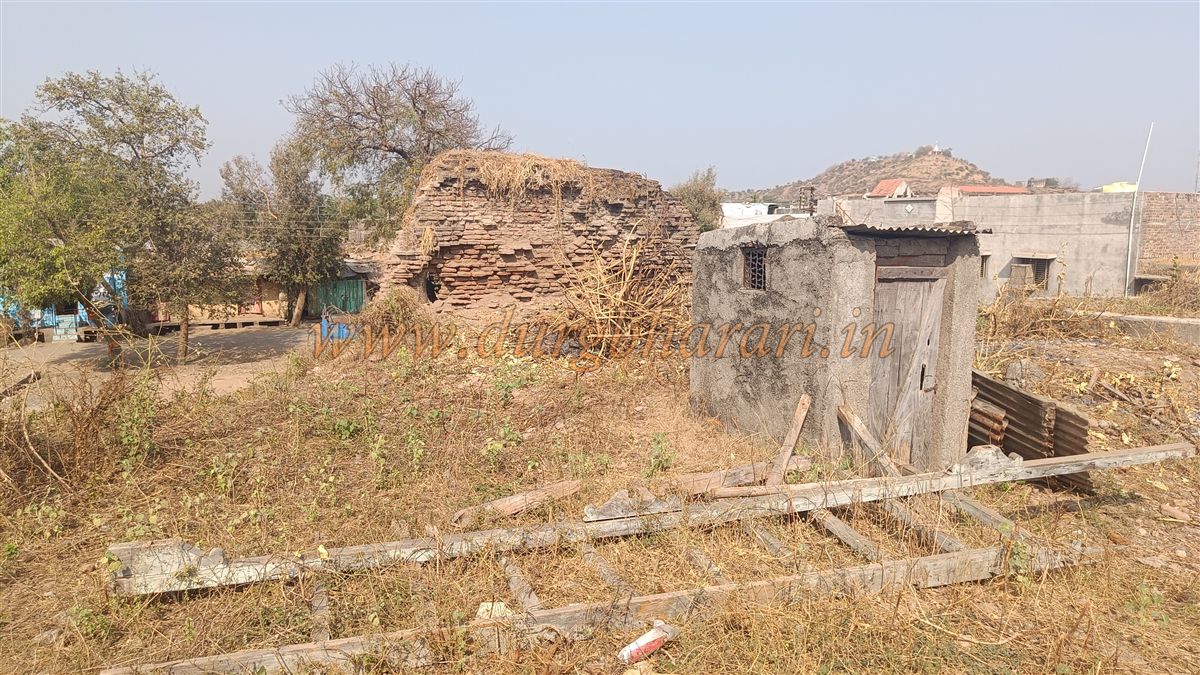
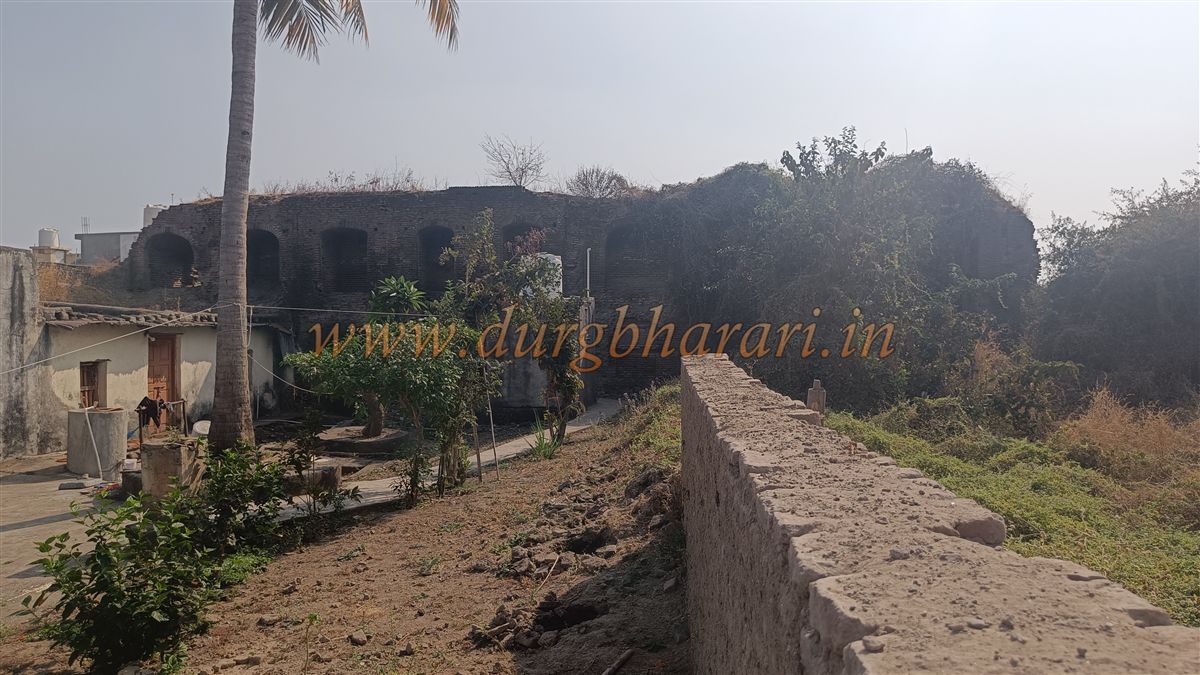
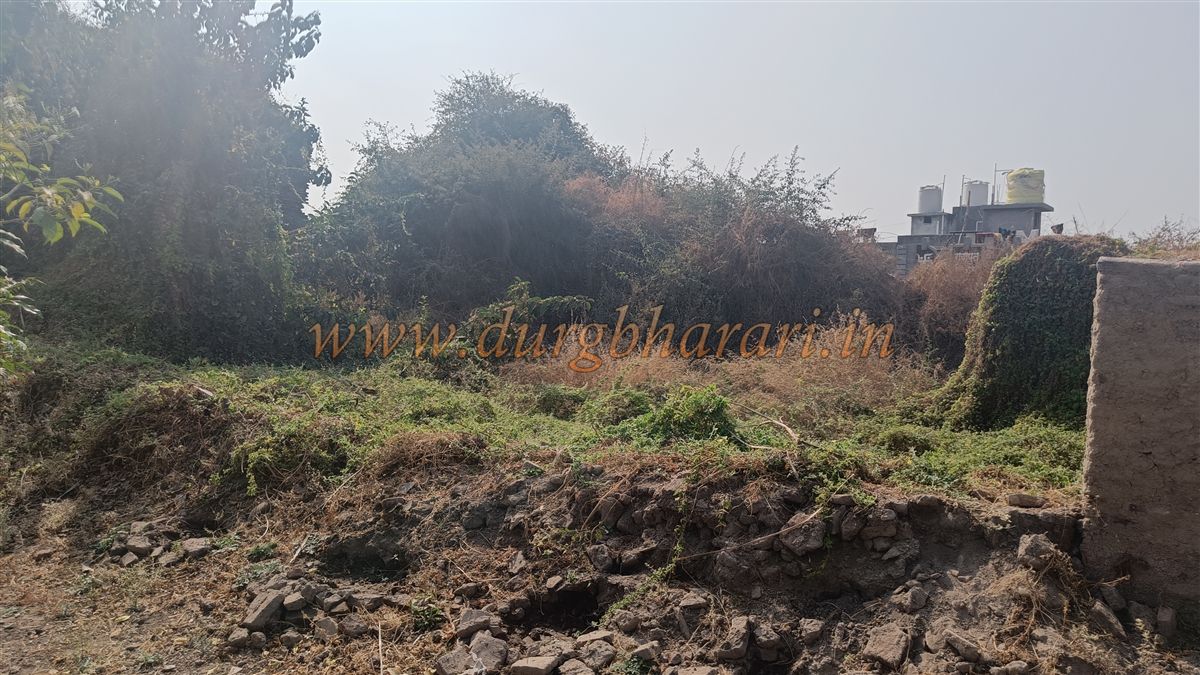
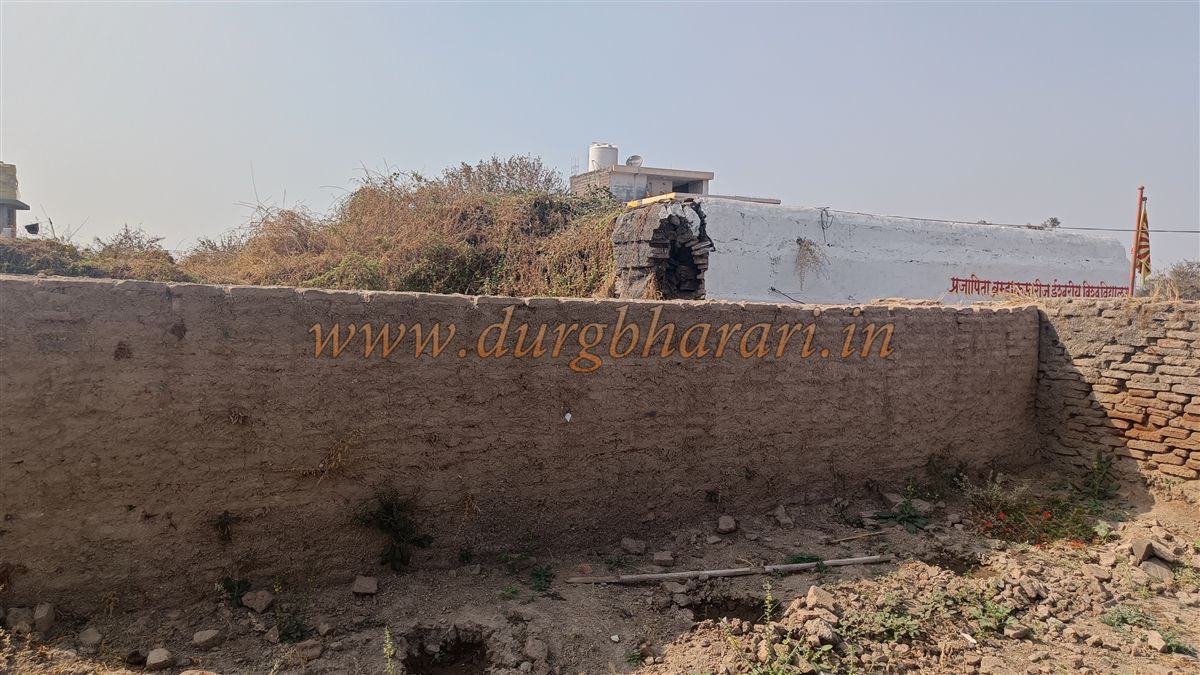
BAMBRUD-RANICHE TYPE : FORTRESS DISTRICT : JALGAON HEIGHT : 0 Almost all fortified mansions (Gadhis) seen across Maharashtra were built during the medieval or late medieval periods, and the Gadhis in Jalgaon district are no exception. However, one unique exception stands out – the Gadhi located in Bambrud Rani, a village in Pachora Taluka of Jalgaon district. This village lies 22 km from Pachora (the Taluka headquarters) and 30 km from Jalgaon city. Situated at the heart of the village, this Gadhi is now preserved only in the form of ruins and is built atop a raised stone platform. The foundation of the Gadhi is made of large, well-cut stone blocks, and the structure spans approximately half an acre in a rectangular layout. The ramparts (fort walls) of the Gadhi have mostly disappeared, except for a portion of the eastern wall, which still remains. ... This eastern wall includes a wooden door that once served as an exit from the Gadhi, though it is currently sealed. The entire wall is built using bricks, and it features several arched niches or openings. Judging by the remnants of the wall, it is believed that the Gadhi was at least two stories tall, possibly more. Since only one wall of the Gadhi remains, 10 minutes is sufficient to view what's left. However, the structure's design and construction style suggest that it is very ancient, though the exact time of its construction is unknown. The village Bambrud is historically referred to as "Bambrud Rani’s" because it was a jagir (land grant) awarded to Queen Leelavati. While her identity is not firmly established, some scholars speculate that this Leelavati could be the daughter of the famous mathematician and astrologer Bhaskarcharya, who served the Yadav dynasty. It is believed that the Yadav, or perhaps their vassals like the Nikumbh clan, might have granted this land to Leelavati as a jagir. Although no solid documentary evidence exists to confirm this theory, the geographic proximity of this region to Devgiri (modern Daulatabad) — where Bhaskarcharya was active — and the fact that this was likely his area of work, lends some credibility to the assumption. Regardless of the historical uncertainty, it is an undeniable truth that the village is known today as Bambrud Rani’s due to Queen Leelavati, and this is further supported by local legends and oral traditions. © Suresh Nimbalkar Read more... WATCH VIDEO GALLERY Post Views: 1,275