BALLARSHA
TYPE : GROUND FORT
DISTRICT : CHANDRAPUR
HEIGHT : 0
GRADE : EASY
While exploring the forts of Chandrapur district, one encounters several impressive structures like Bhadravati, Ballarsha, Chandrapur, and Manikgad. Among these, Ballarsha (also known as Ballarpur) is today recognized across Maharashtra as an industrial city due to the paper mill and coal mines located there. However, the historic Ballarsha Fort—once the capital of the Gond kingdom—has faded into obscurity over time. Despite being located in a city, this fort has not received the recognition enjoyed by some of the forts in the Sahyadri range. Let us now explore this neglected fort.
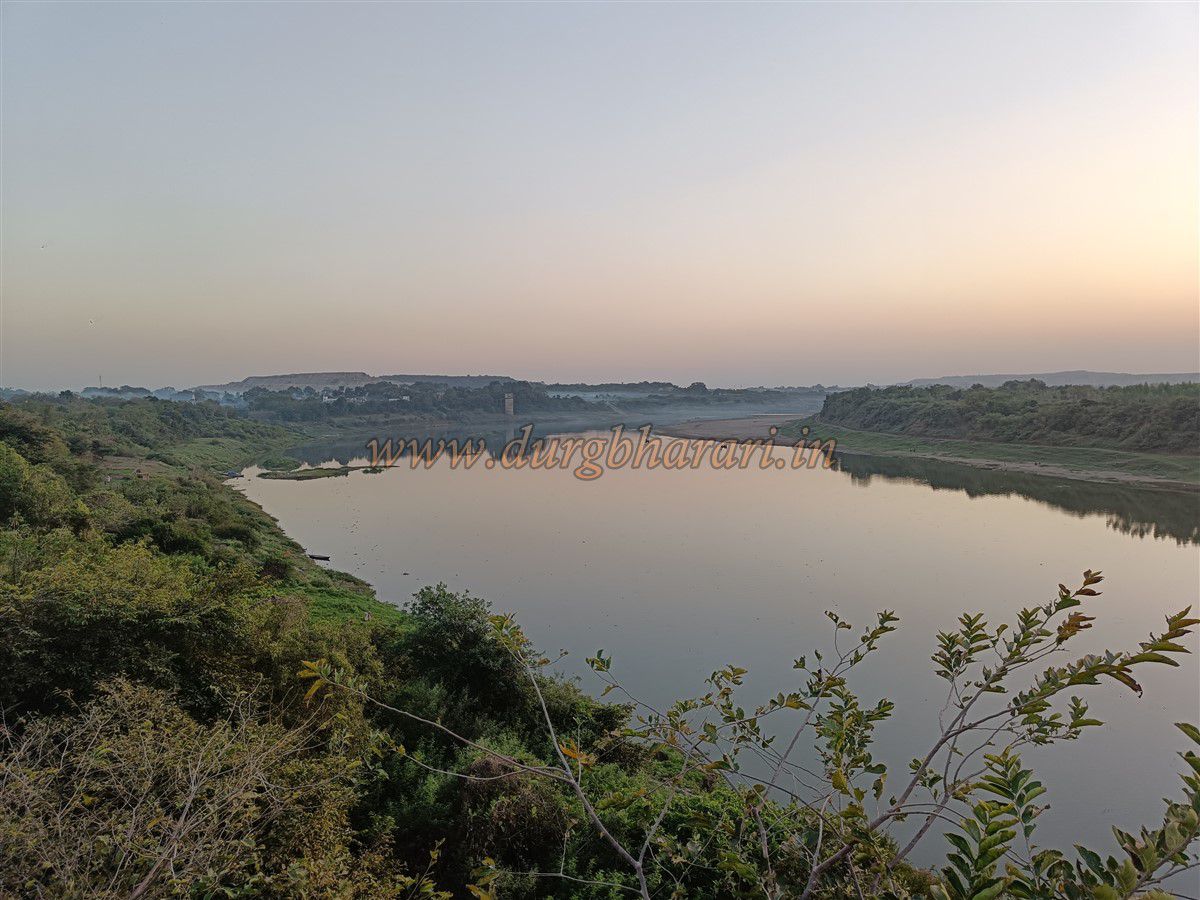
Ballarsha, a taluka headquarters in Chandrapur district, is located 18 kilometres from Chandrapur city on the Chandrapur-Gadchiroli highway. The fort stands on the northern bank of the Wardha River, near the Ballarsha railway station.
...
Rectangular in shape, the fort spans about 7 acres and contains 17 round bastions within its walls. The main entrance lies on the northern wall, a secondary smaller gate is located on the western wall, while a third large gate facing south towards the river and a fourth emergency exit are also present.
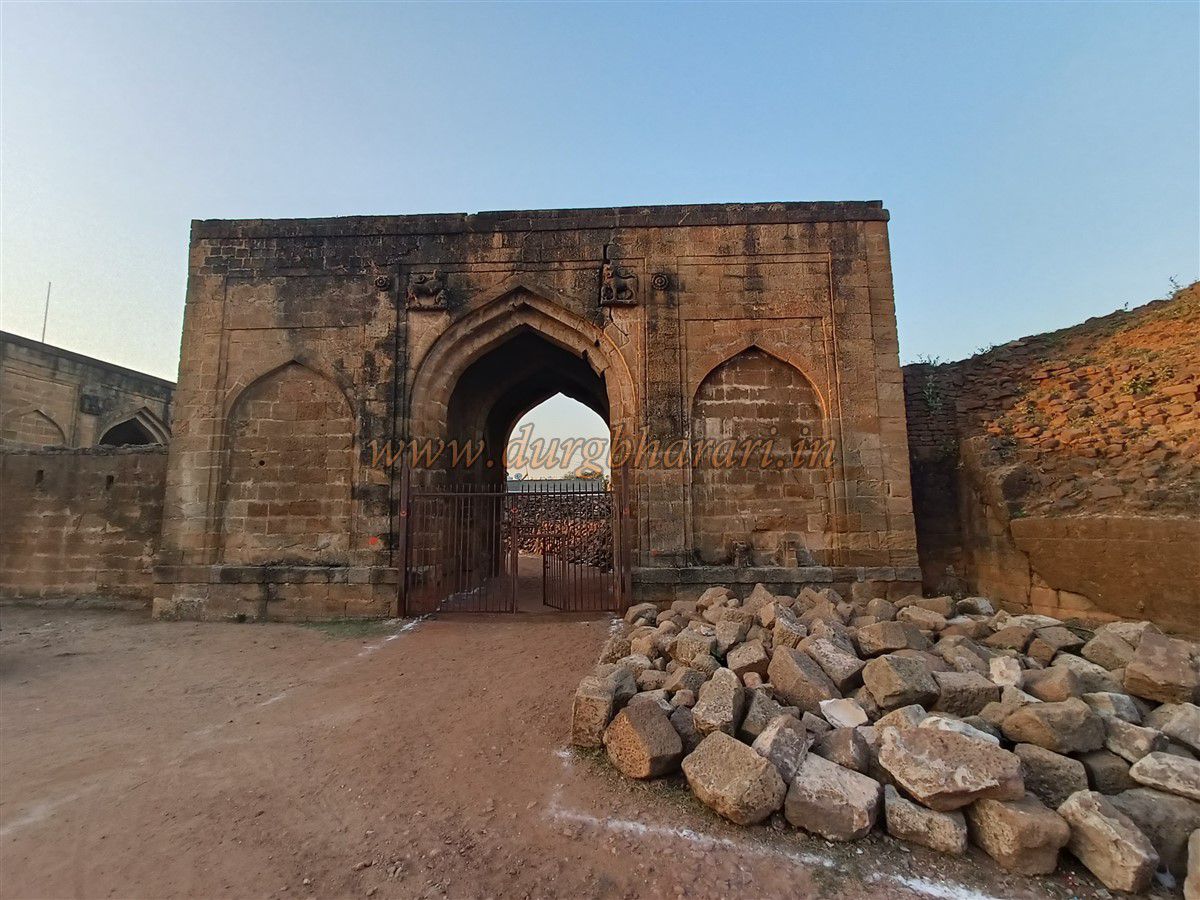
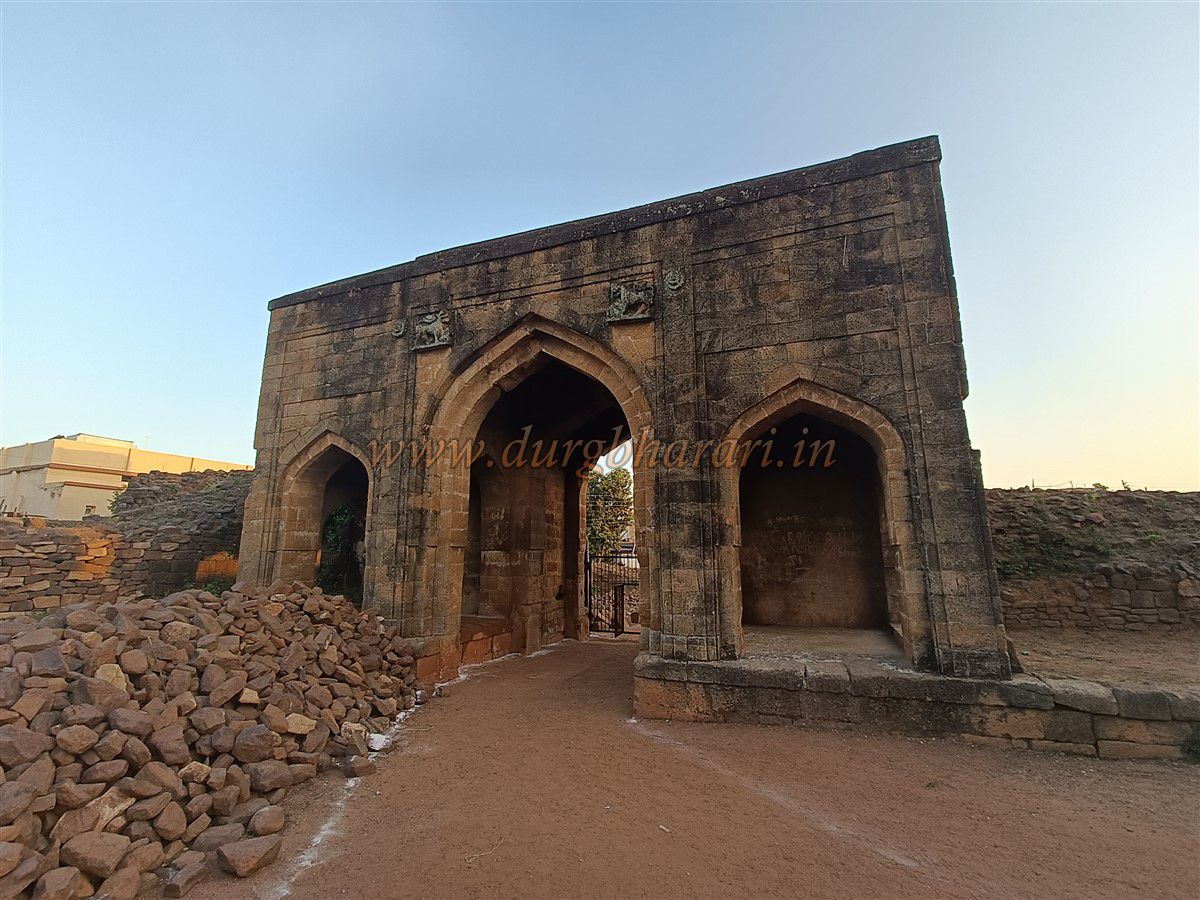
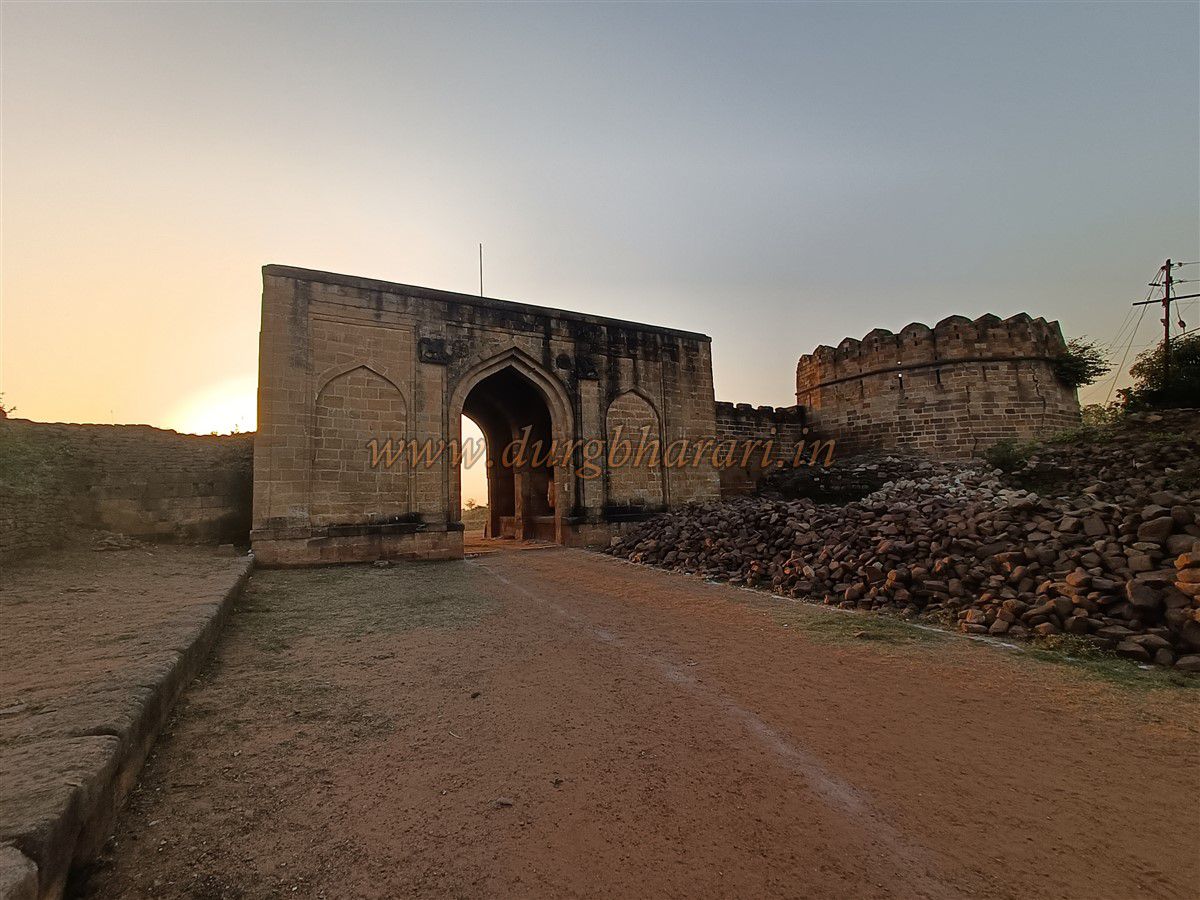
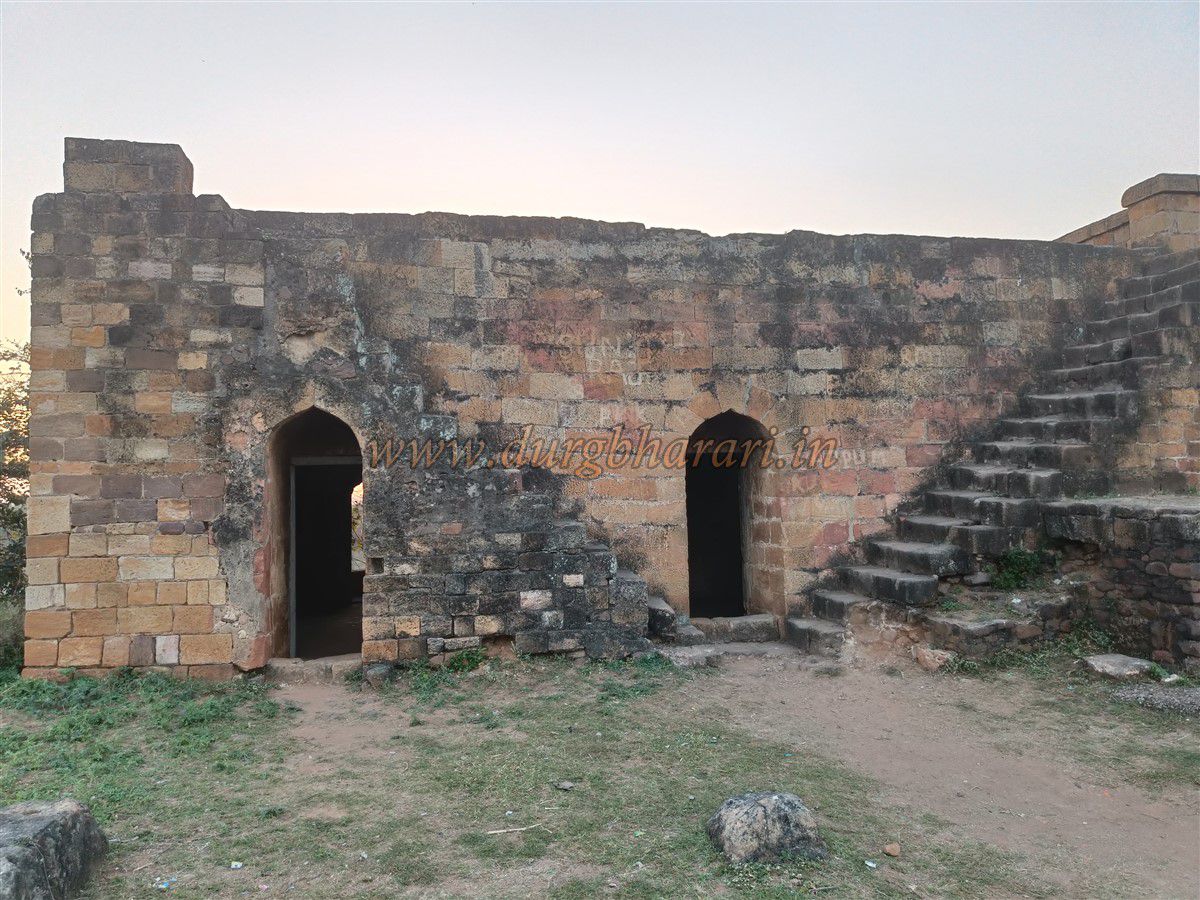
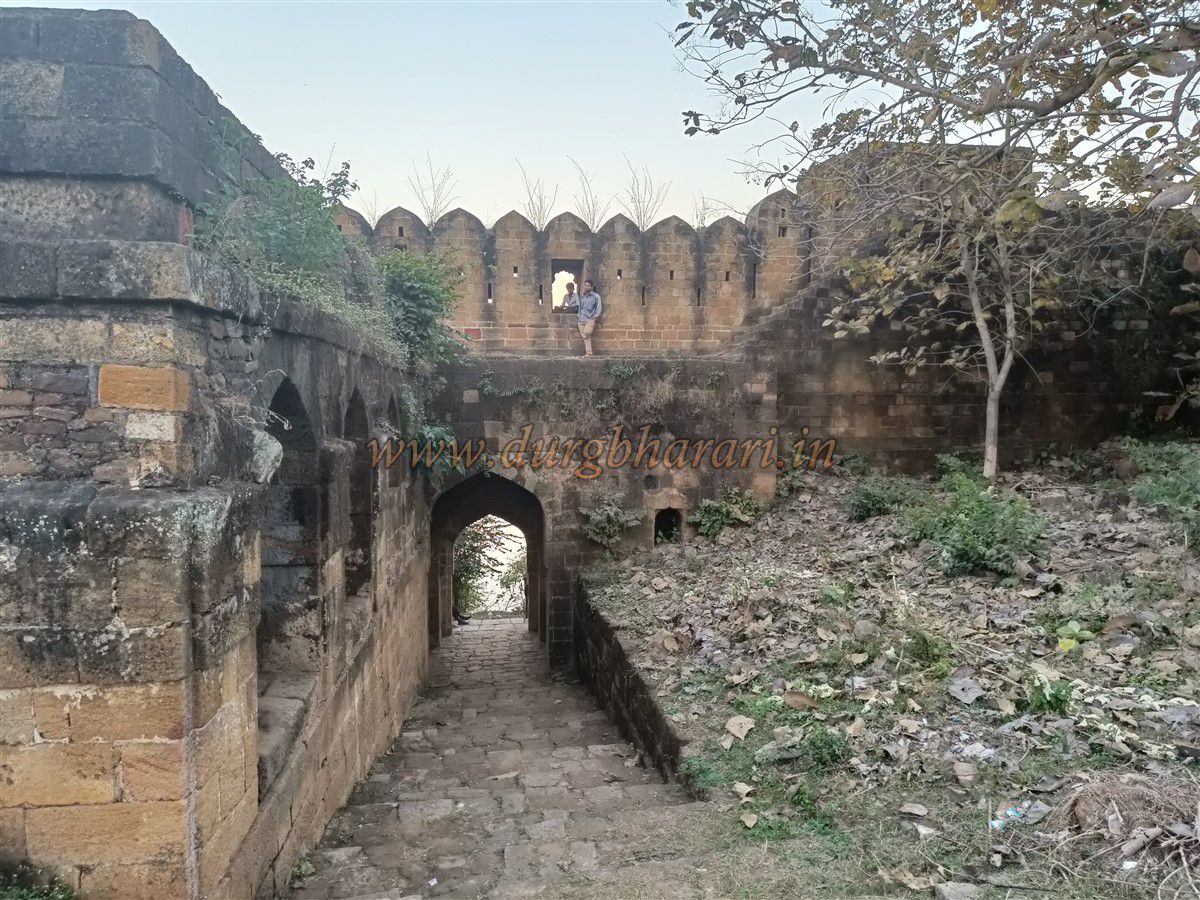
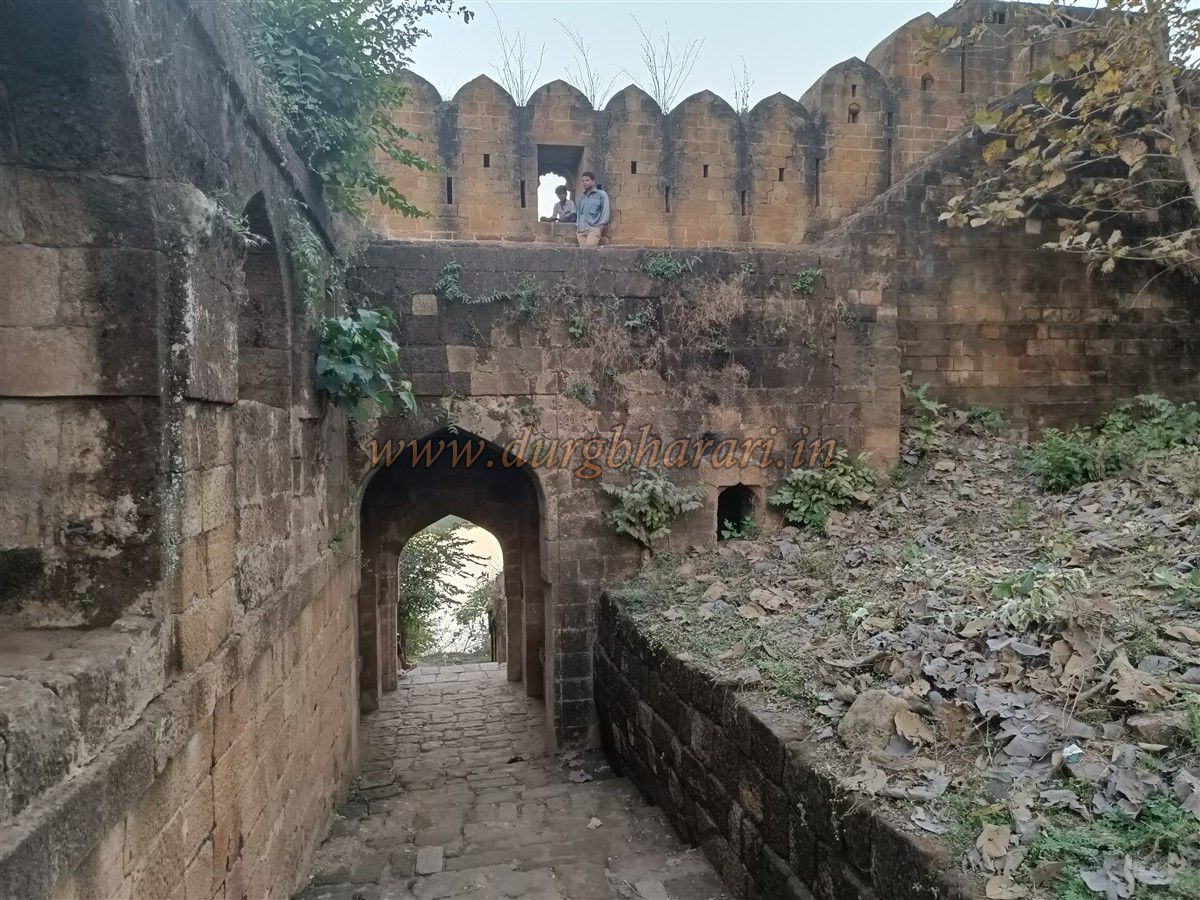
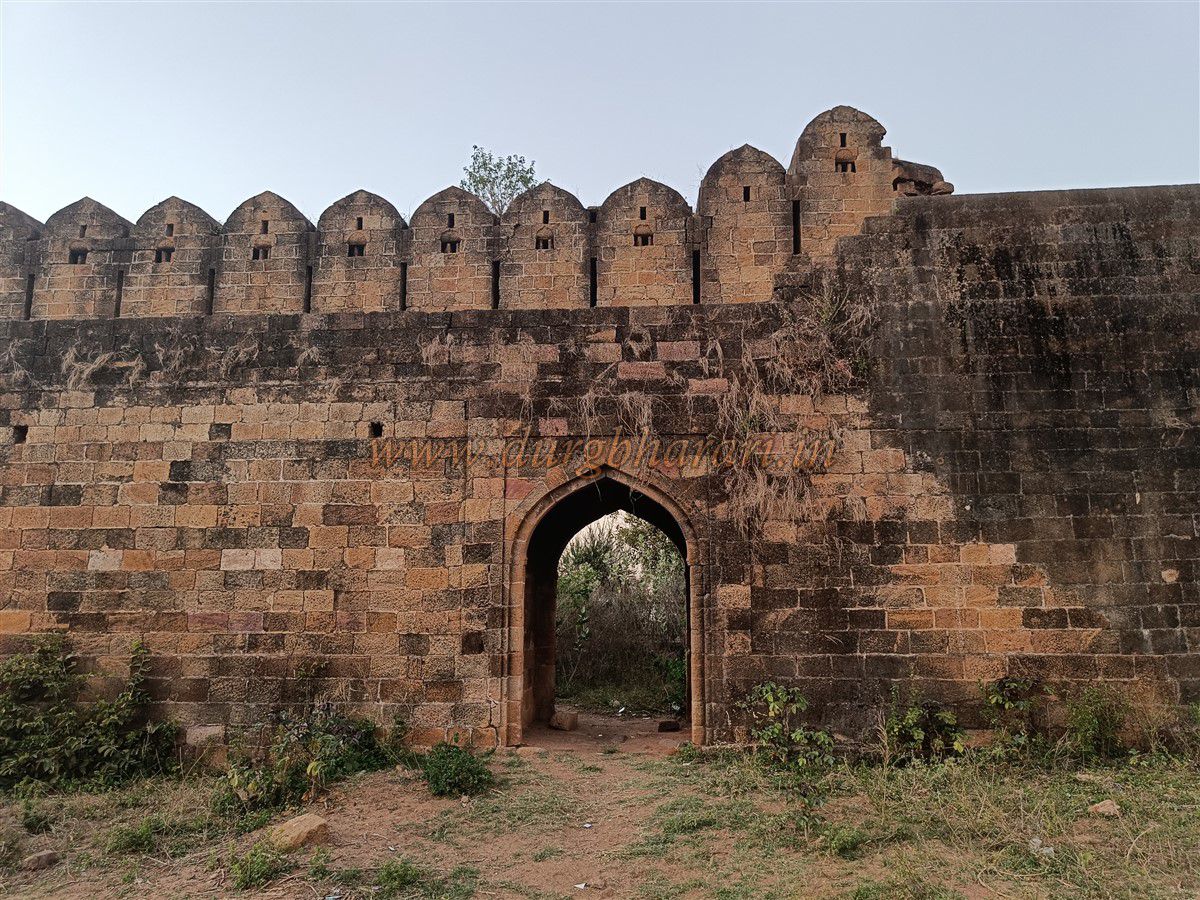
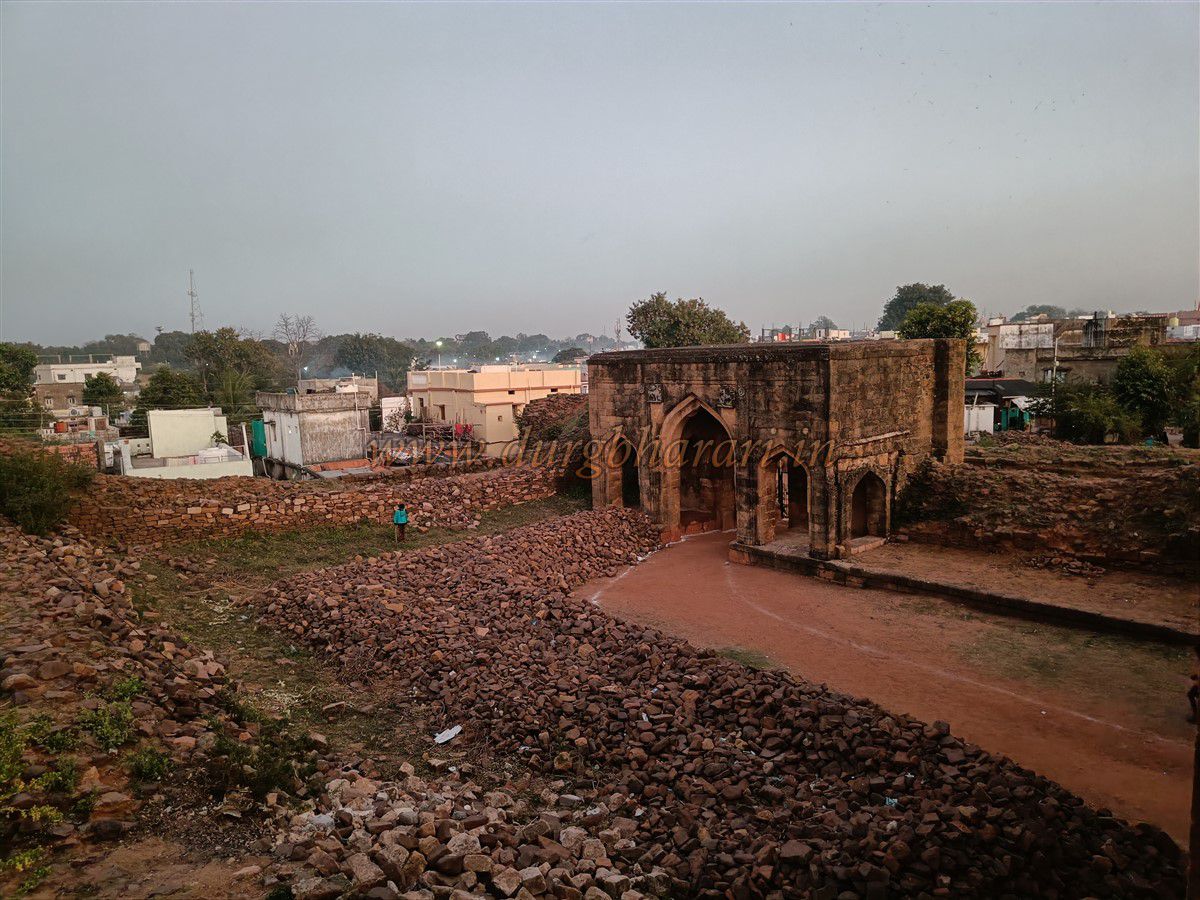
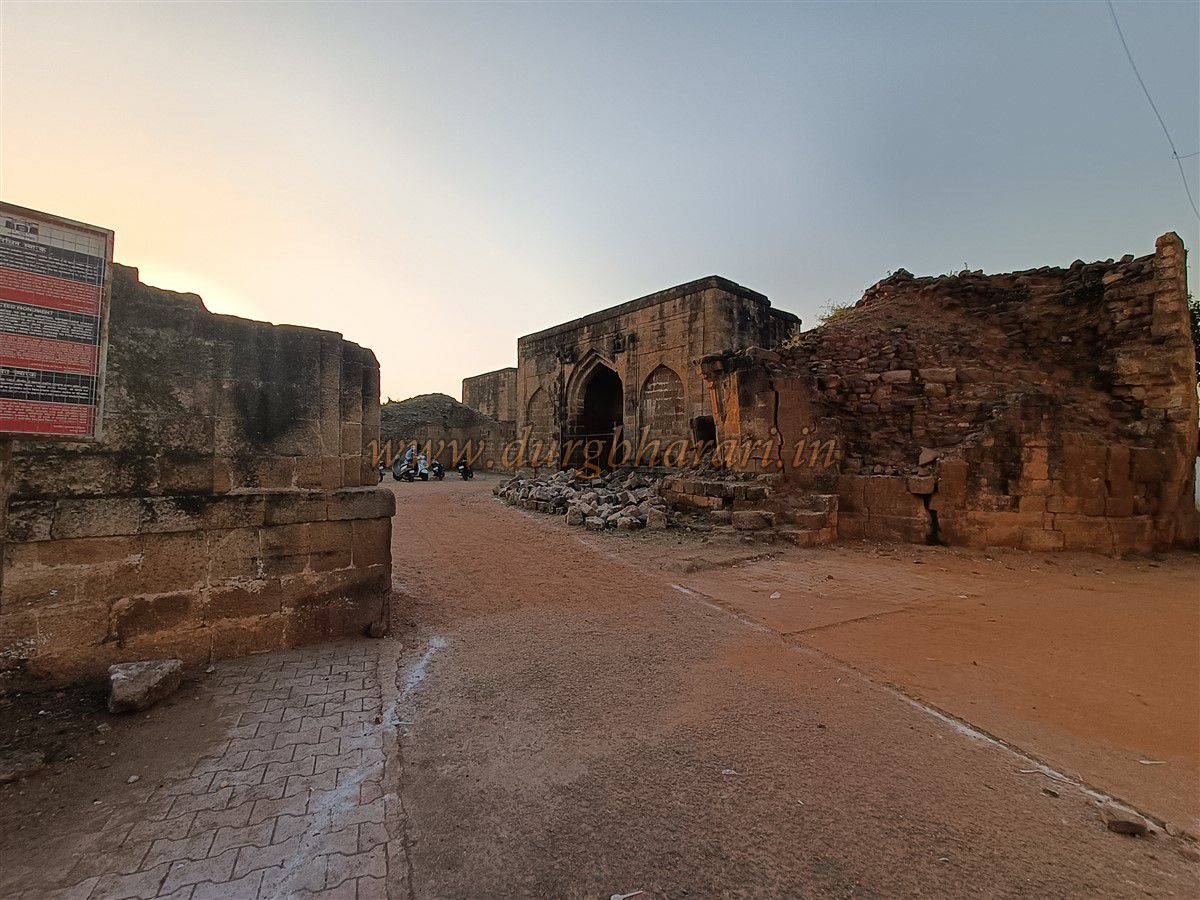
The main entrance is protected by a double fortification (inner and outer walls) that includes six bastions. To enter the fort, one must pass through three successive gates built at right angles to one another. The first gate, facing north, is completely ruined, with only remnants of the sentry chambers and bastion on either side. Adjacent to the wall are platforms of former structures.
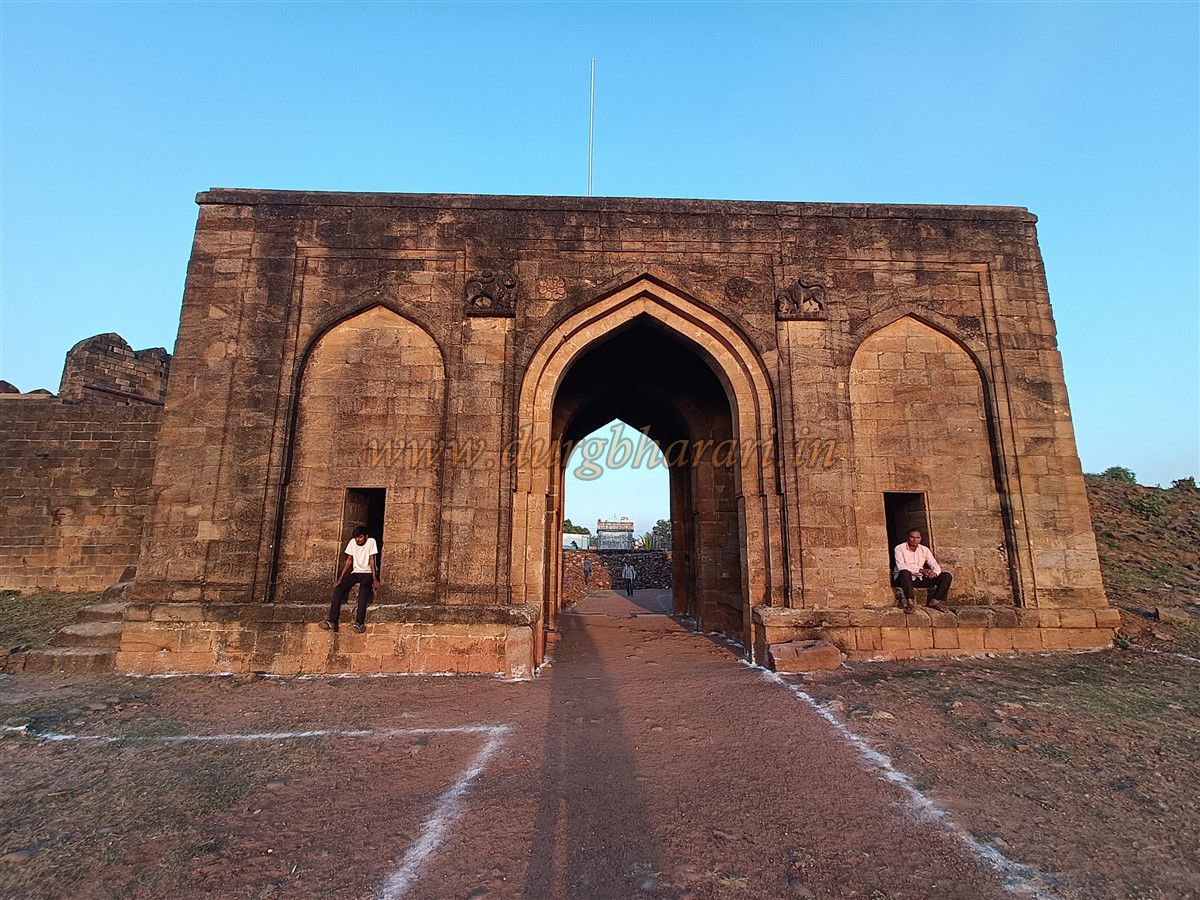
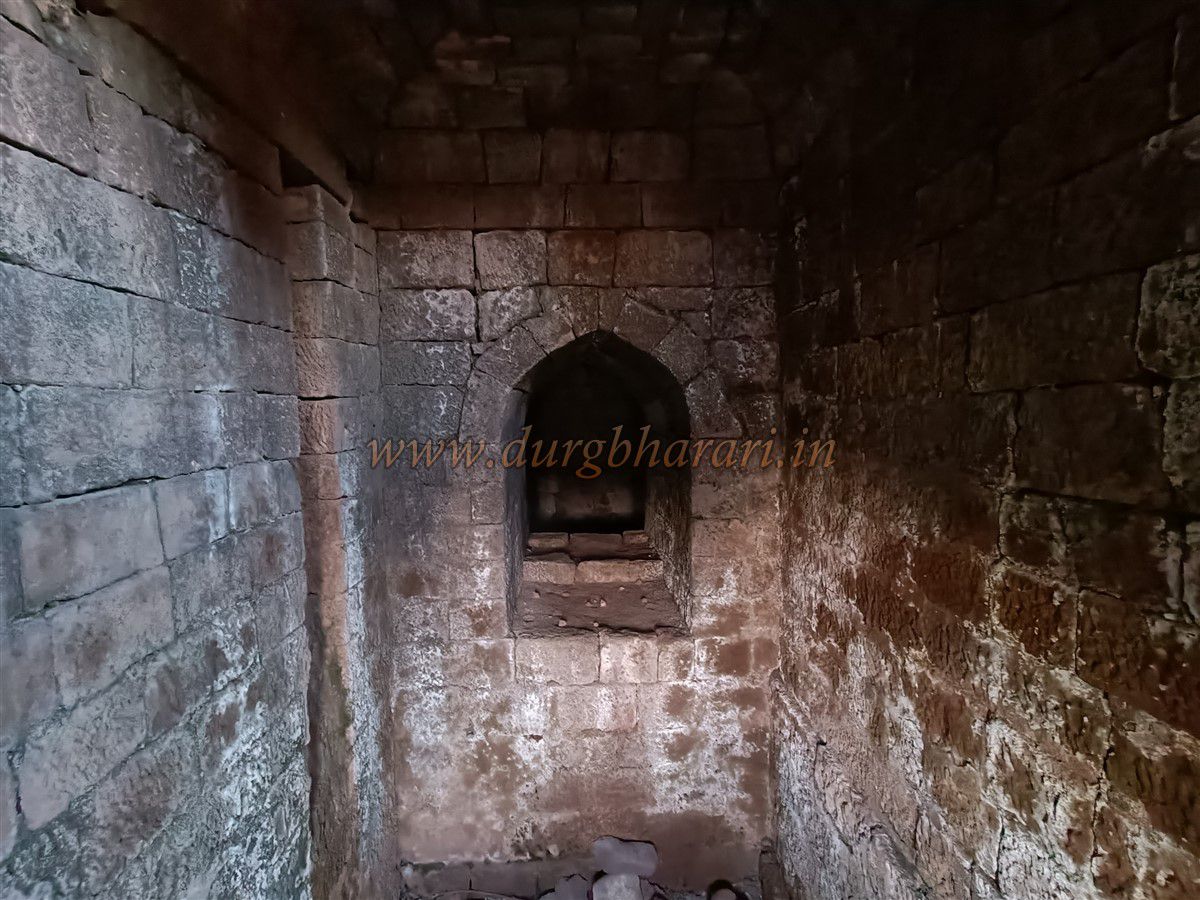
The second gate, still intact, features a sculpted emblem of the Gond rulers—lions mounted on elephants—on its façade, along with lotus carvings. Inside the gate, sentry chambers are built on both sides atop raised platforms. Like the outer gate, the interior mirrors the external architecture. The third gate, also similar in design, has twin guard chambers with small inner doors allowing soldiers to pass through. The entire gate system is constructed from finely dressed stone.
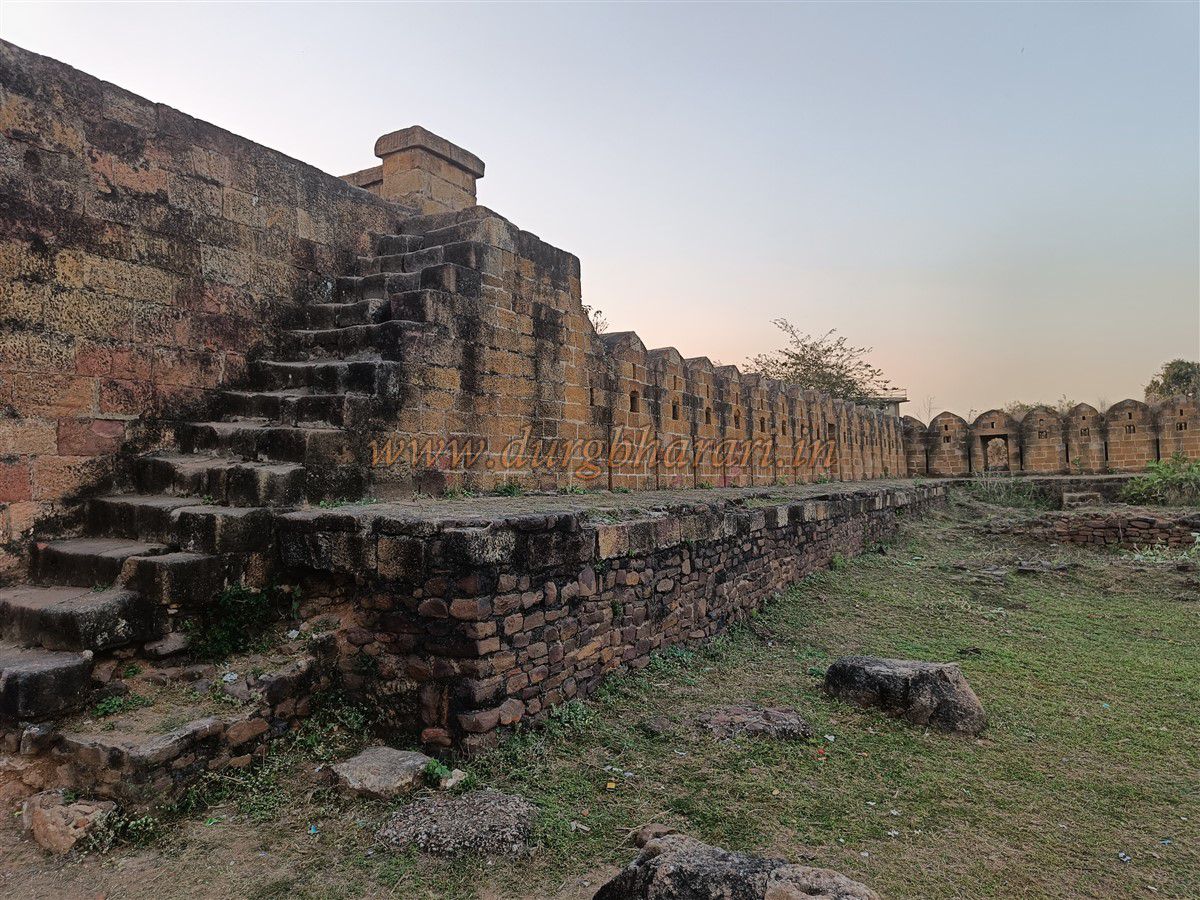
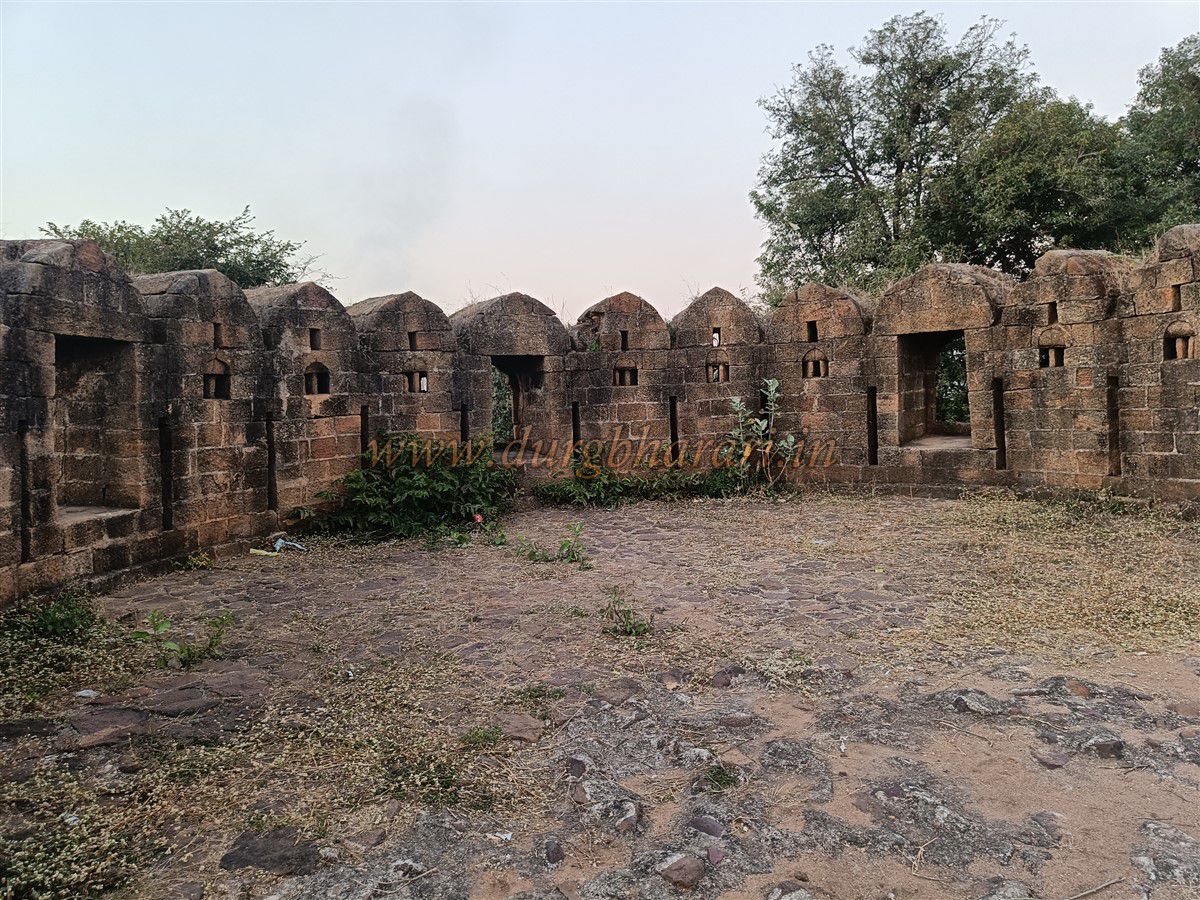
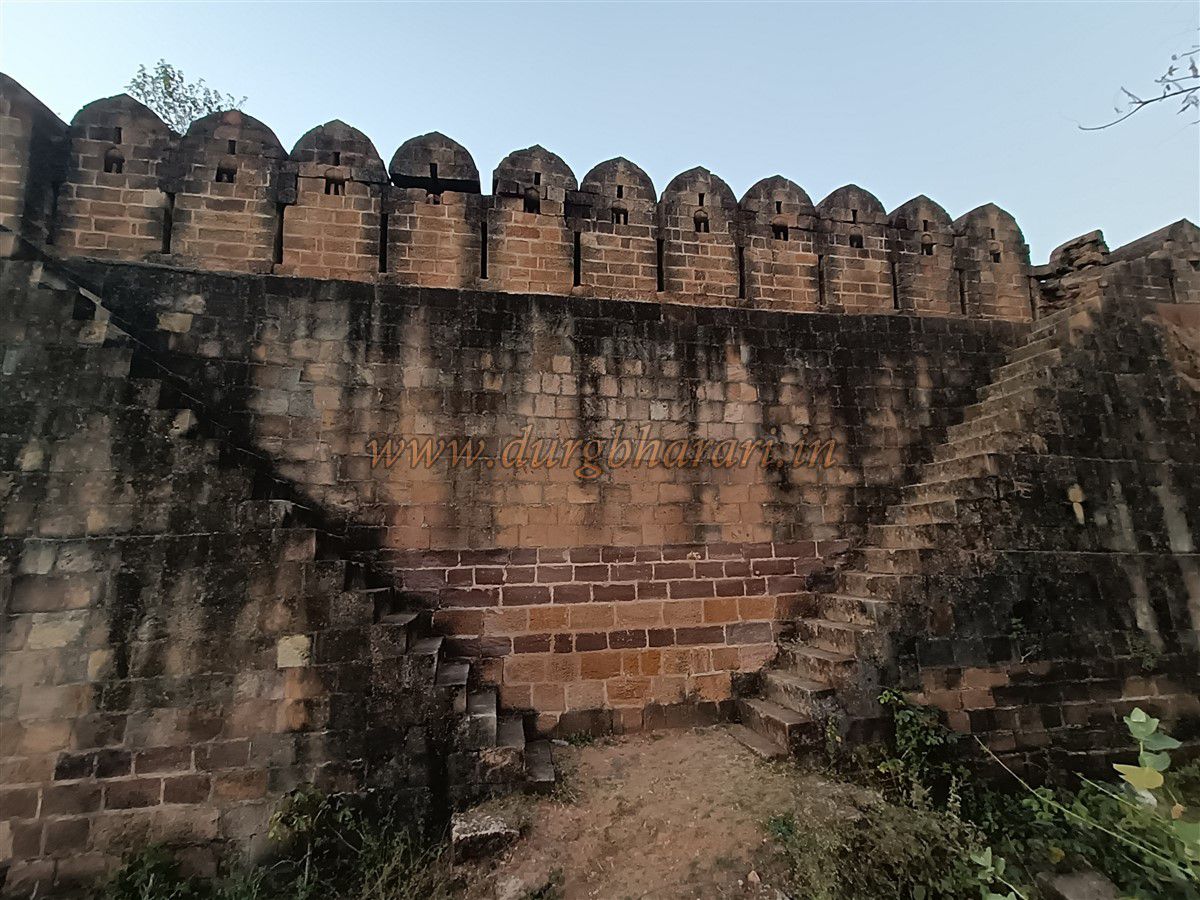
Above the third gate and on nearby bastions are stone battlements with slits for cannon and rifle fire. Beyond this third gate lies the interior of the fort. Stairs built adjacent to the gate and wall lead to the top of the fortification. Inside, the fort is mostly open ground, divided into two levels—an elevated area near the gate and a lower area near the far wall. While the higher section contains no remains, all significant ruins are located in the lower level.
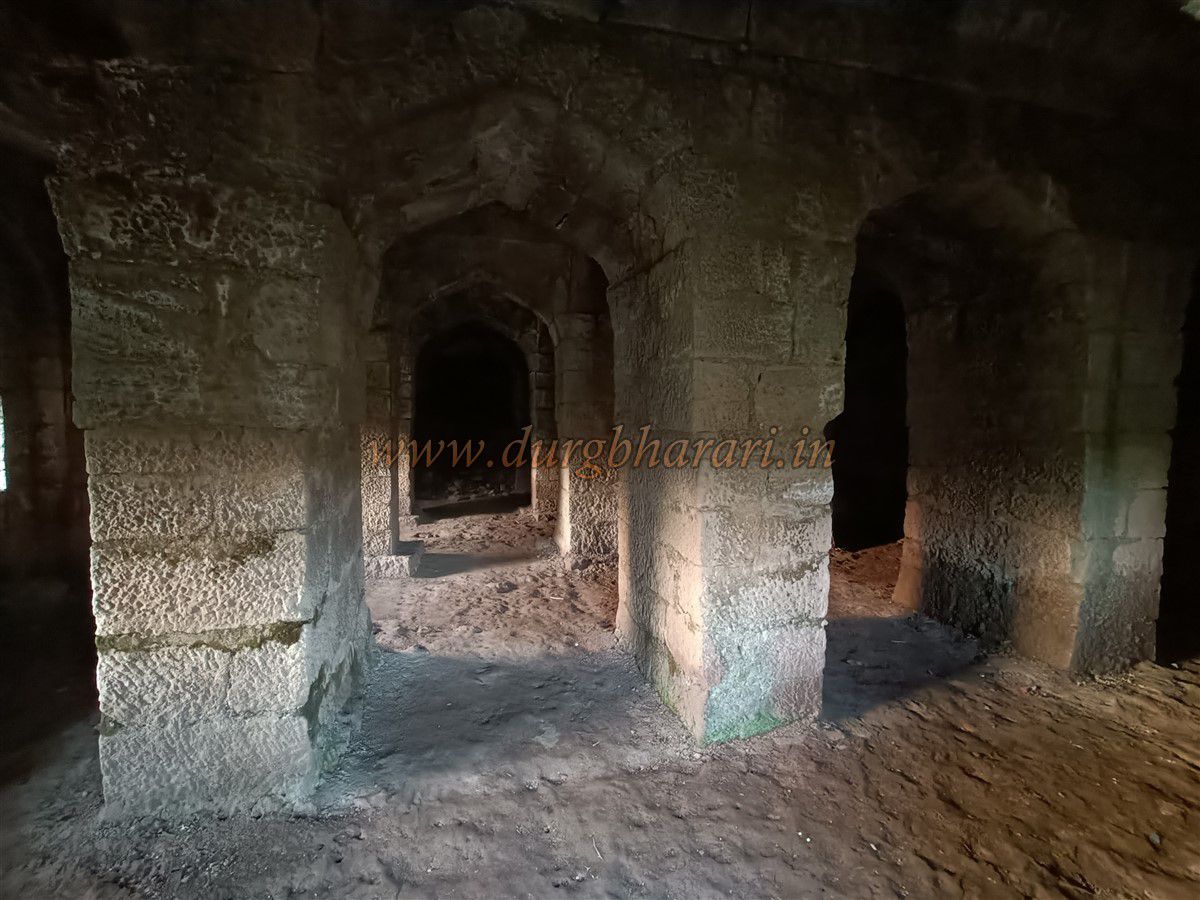
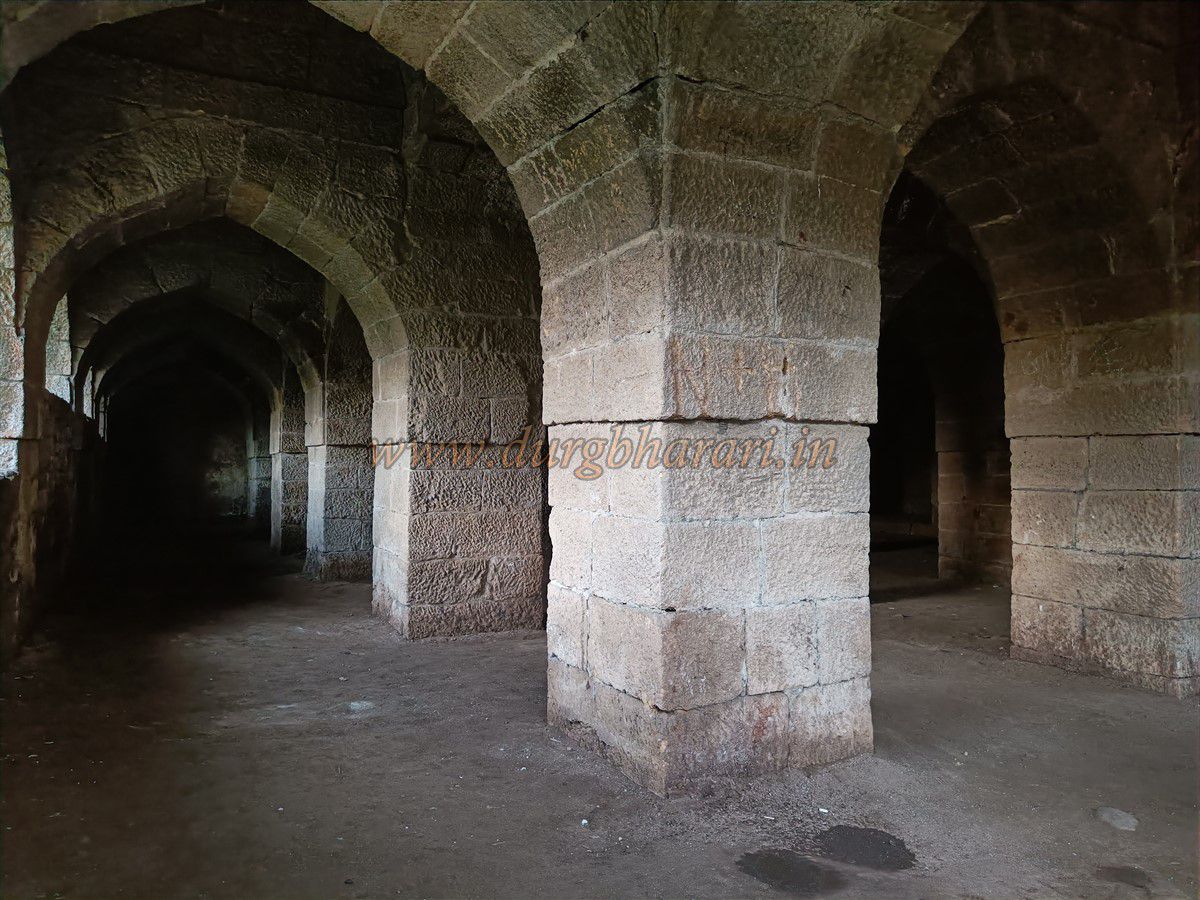
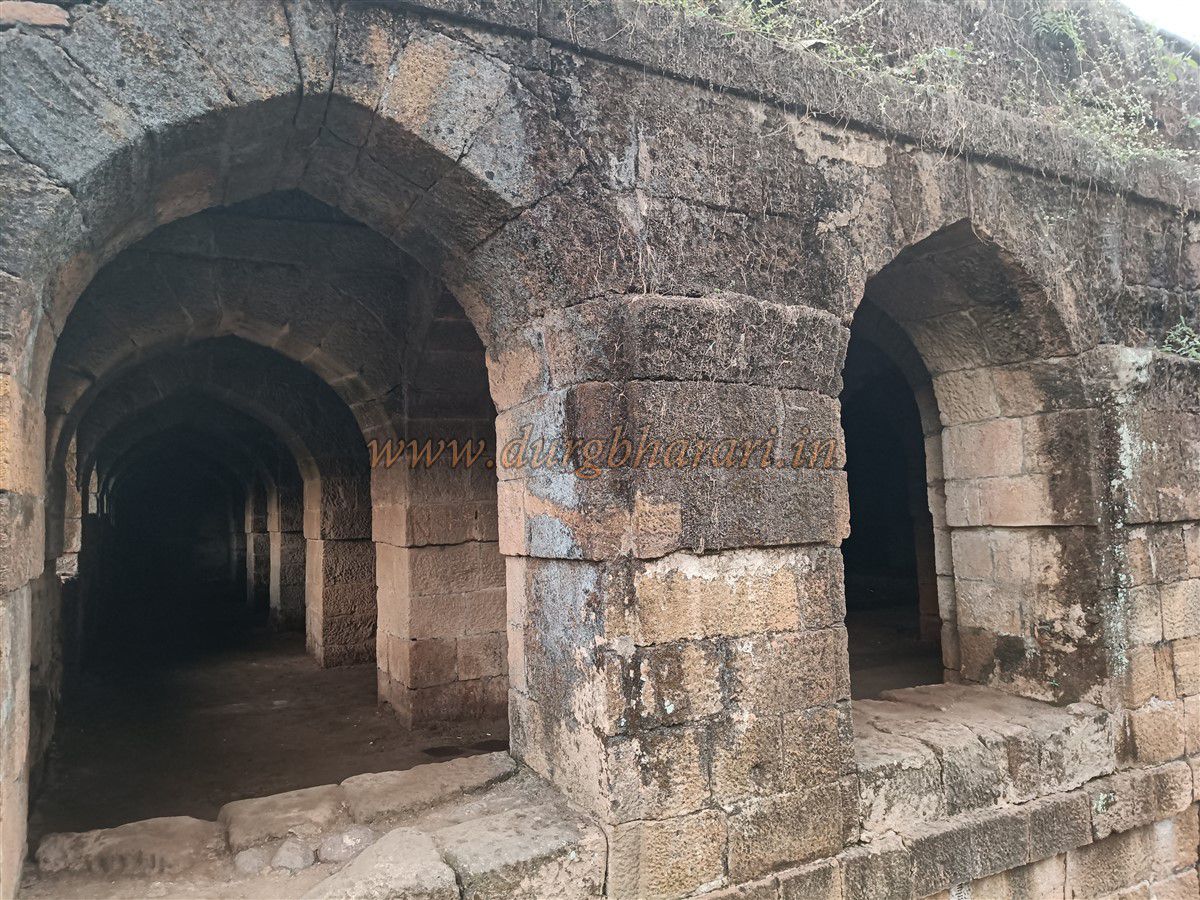
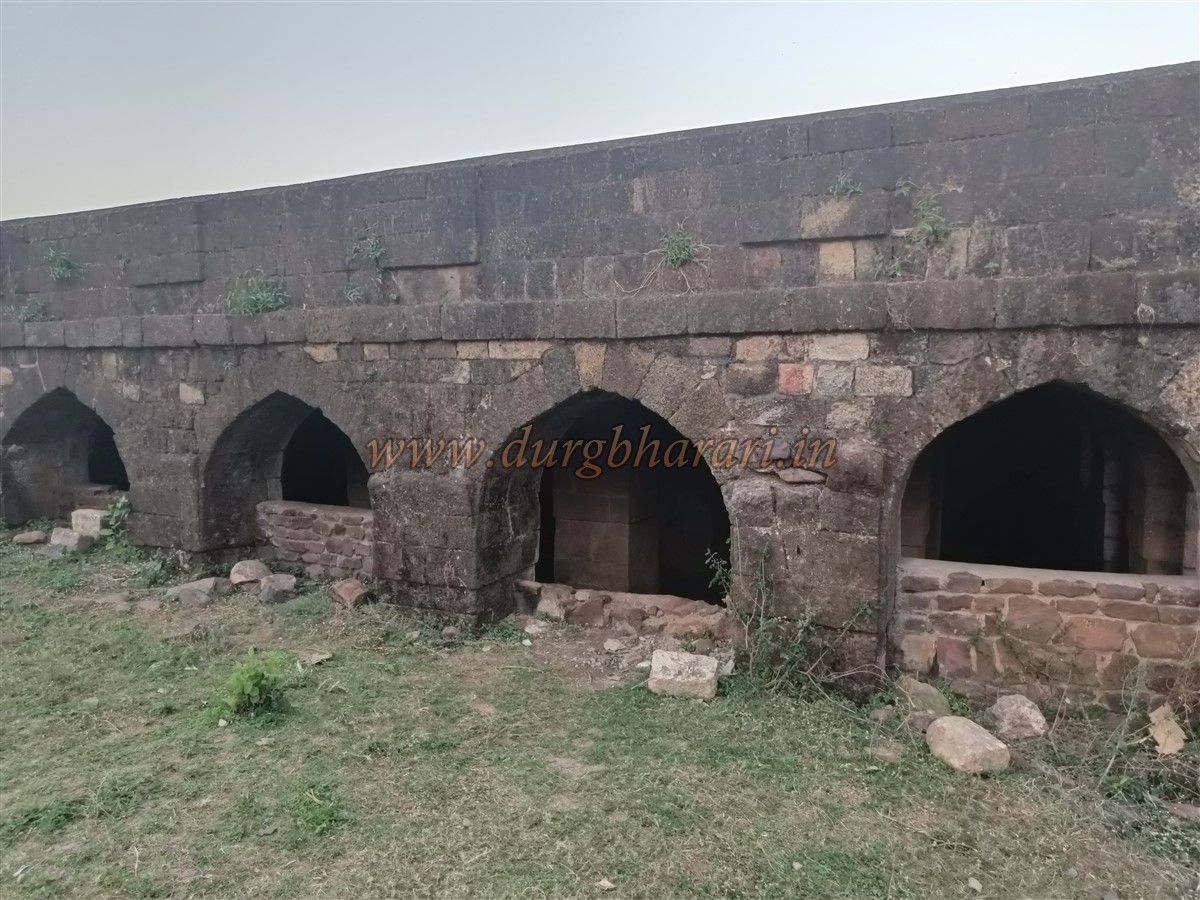
Stone steps lead down into this lower portion, where a square stone well can be found on the left. Adjacent to the well is a stone structure with a pulley mechanism once used to draw water, which was then distributed throughout the fort via clay pipes. Across from the well are arched stone granaries and the hamam (bathhouse), located behind which lie the remains of the royal palace. These structures are interconnected via internal passageways and remain in fairly good condition, though they urgently require preservation.
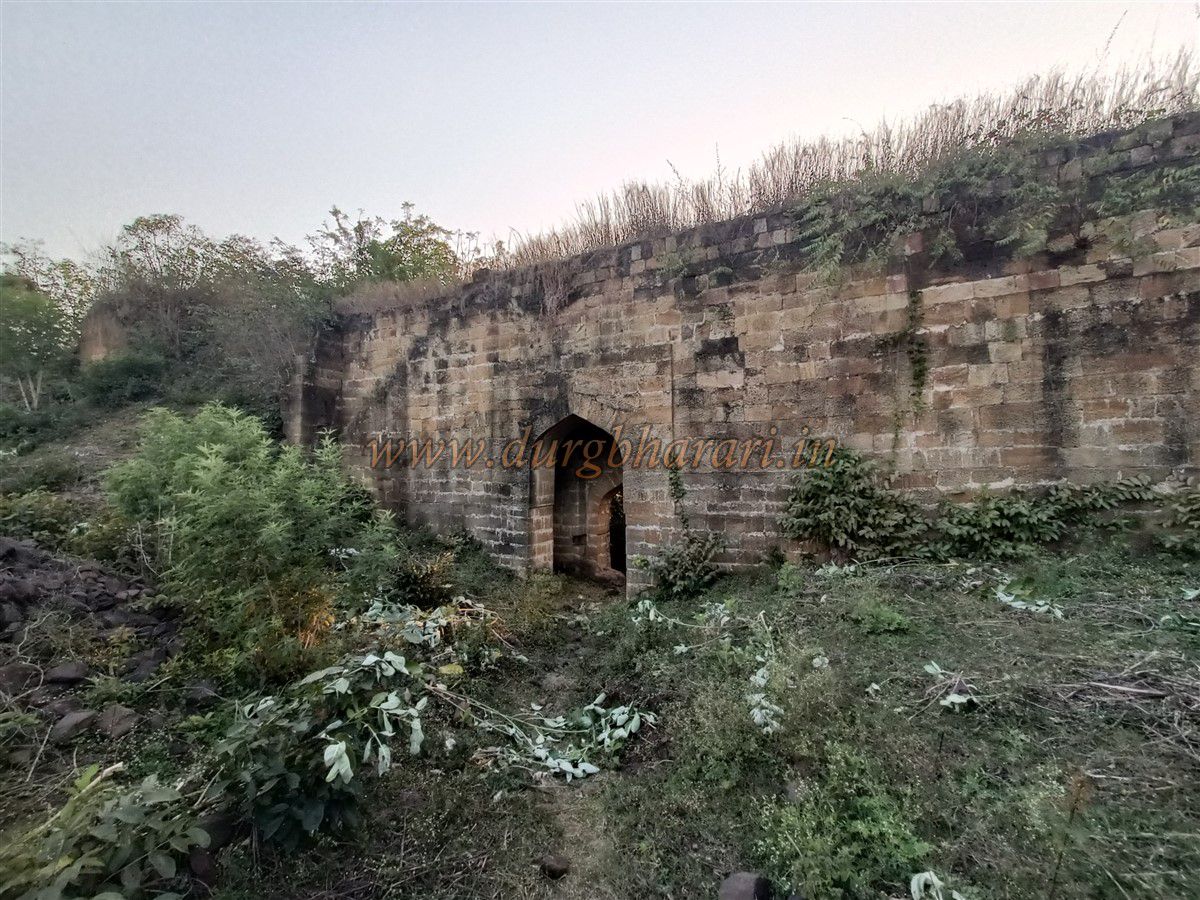
A path leads directly to the fort wall, where a small exit gate is located, flanked by sentry chambers. No clear trail is visible outside this gate. During emergencies, a ladder was likely used to descend to the river below, and escape was made by boat. Stairs next to this gate lead to the top of the wall.
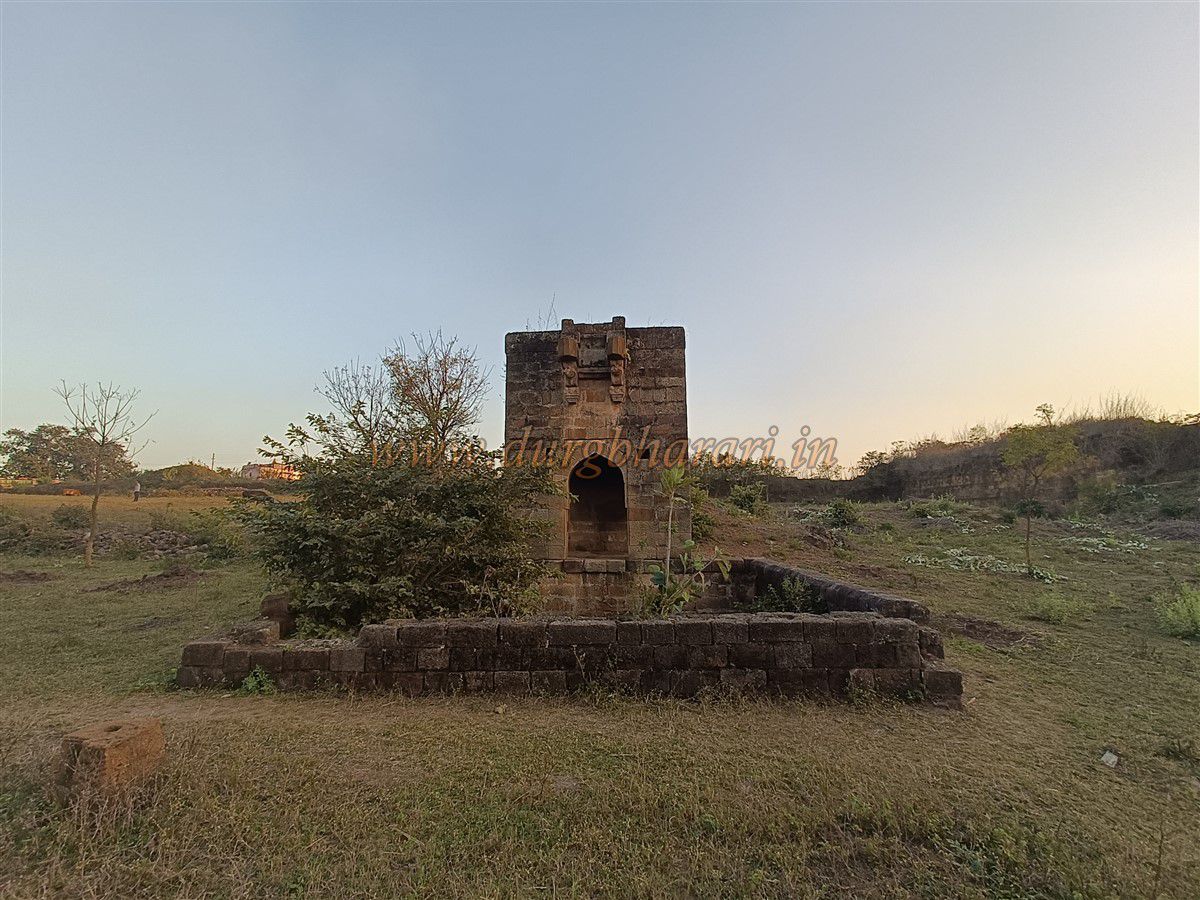
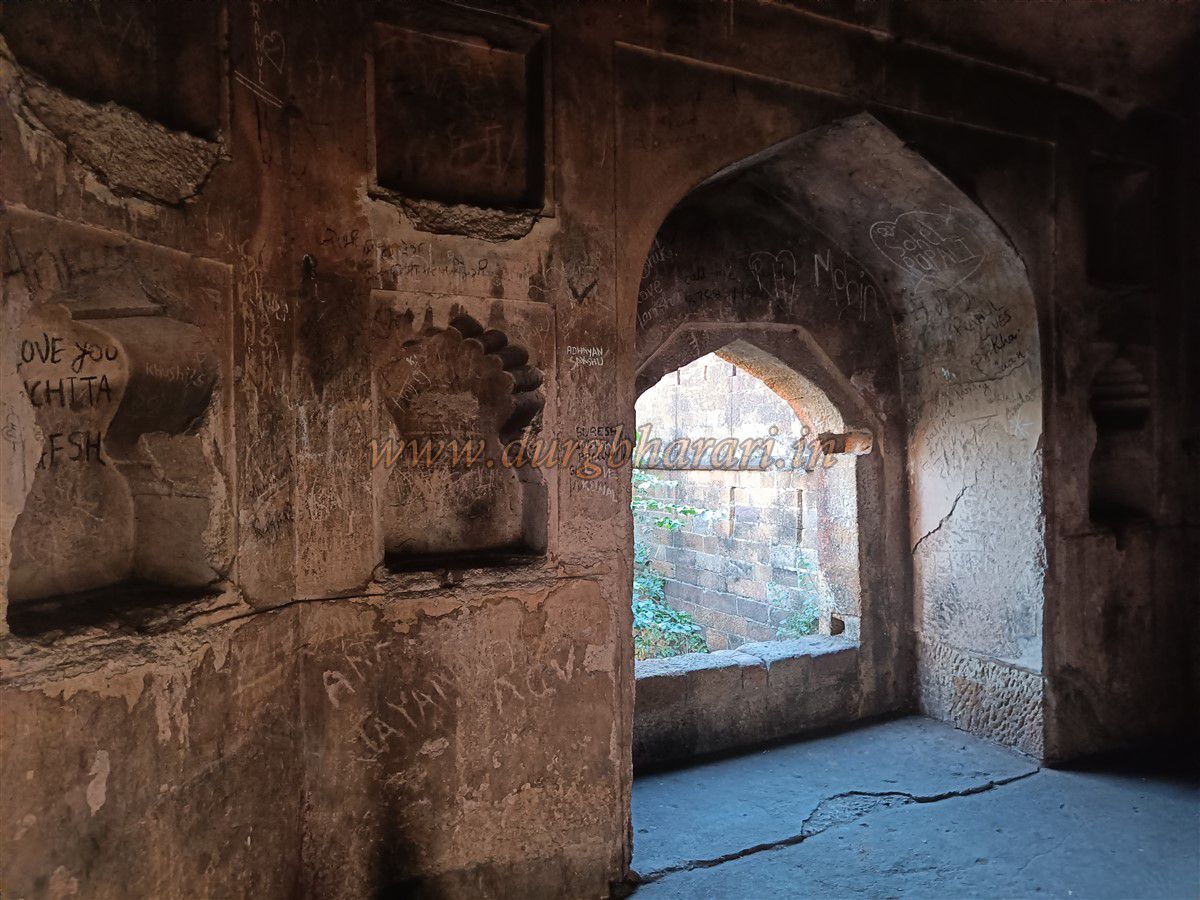
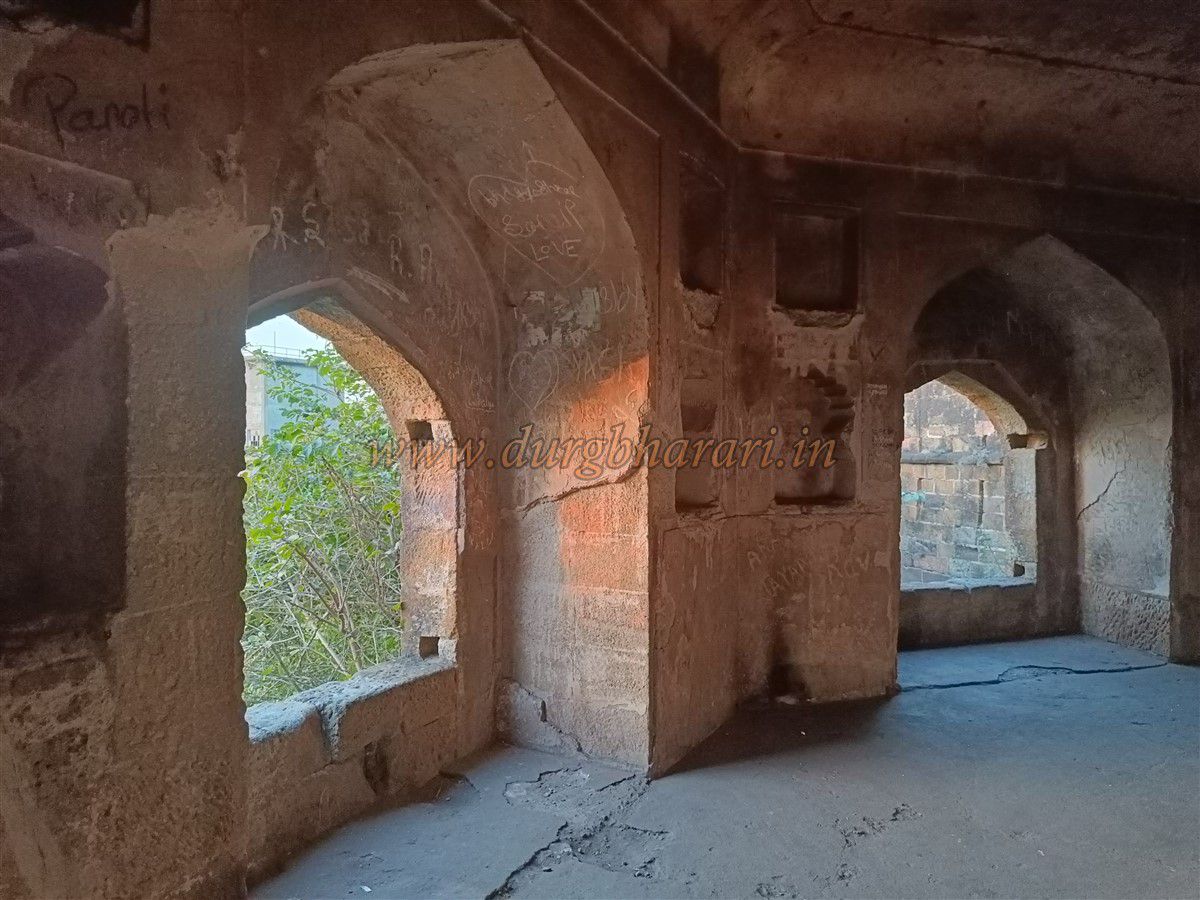
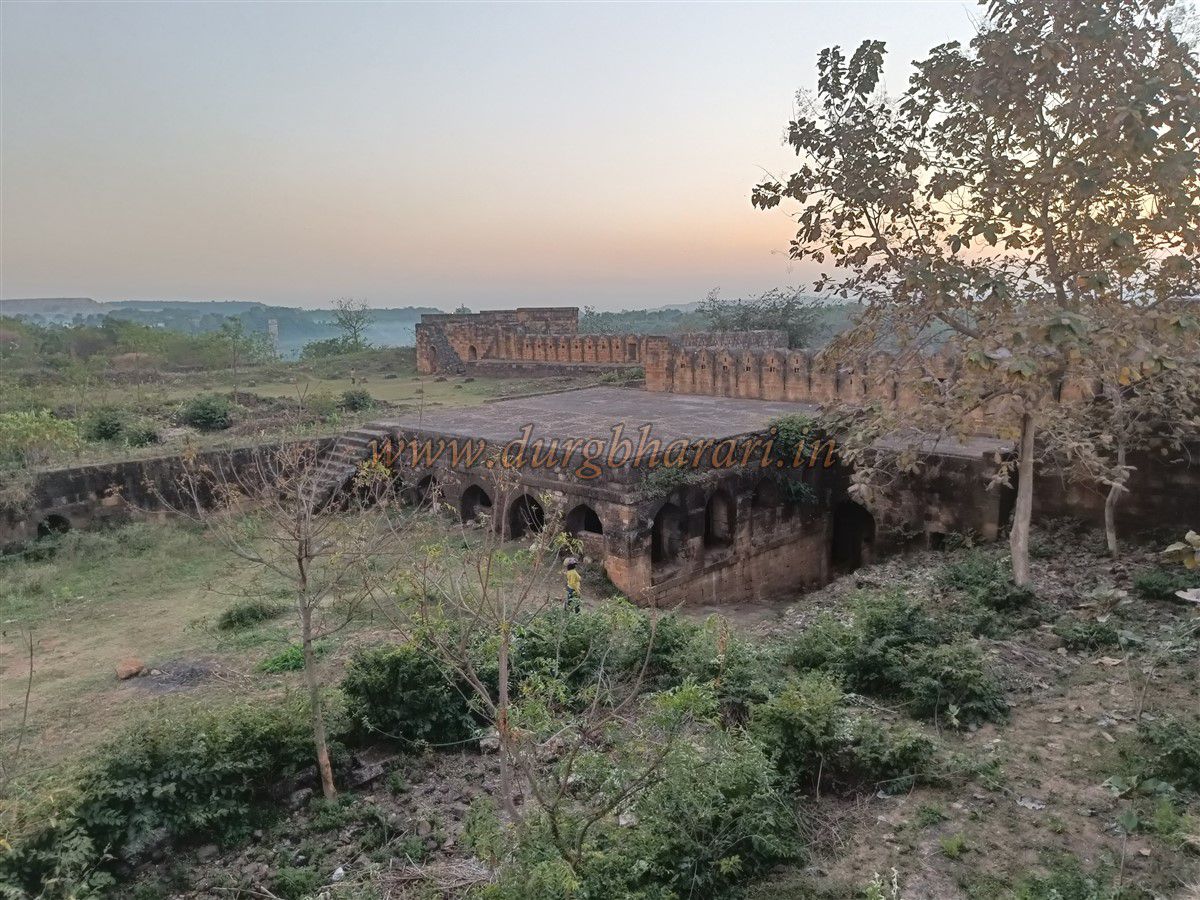
To the right of the gate is a large niche built into the wall—its exact purpose remains unknown. Adjacent to it stands a hexagonal bastion, containing a structure believed to be the Rani Mahal or Havamahal (Queen’s Palace or Airy Pavilion). Its architectural style is reminiscent of the Baradari at Daulatabad Fort. The structure features many decorative alcoves and windows for ventilation. Stairs lead to the top of the bastion, where stone benches are built for sitting, and one can enjoy a scenic view of the Wardha riverbed.
Near this bastion are the overgrown ruins of the royal palace, and adjoining the wall is a large ambarkhana (granary). Beside it is the second, west-facing gate leading outside. Steps from this gate descend to the riverbed. Another external gate, now without its arch, lies further towards the river. Despite some damage, this area’s structure remains in relatively good shape, with well-preserved stone battlements.
Walking along the wall leads to a fourth, smaller gate, built alongside a bastion. Beyond this, with no other remains in sight, one must ascend the wall using steps. The fort wall in this section is well preserved, and following its perimeter brings one back above the main entrance gate. From here, the entire fort and its internal structures come into view.
All the fort's construction is of finely dressed stone, displaying the hallmarks of Gond architectural style. The lion-on-elephant symbol carved on the entrance is the royal emblem of the Gond dynasty. Completing a circuit of the fort brings one back to the entry gate, thus ending the tour. Around two hours are sufficient to fully explore the fort.
Throughout history, various dynasties have ruled over Vidarbha, constructing forts as needed. In the 13th century, the Gond kingdom emerged and ruled the region for nearly 400 years. Their cultural influence is evident in their fort architecture. Bheem Ballalsingh moved the capital from Shirpur to Ballarsha, and Khadkya Ballarsha later administered the Gond kingdom from here.
Khadkya Ballarsha built a new fort and town on the banks of the Wardha River, naming it after himself. During the early Gond reign (1437–1462 CE), Ballarsha served as the capital. Later, Khadkya Ballarsha initiated the construction of a new fort on the banks of the Zarpat River at Chandrapur, though it was completed only after his death, during the reign of his son Hirshah, who also shifted the capital there.
The capital later moved from Ballarsha to Chandrapur and then to Nagpur. By the early 18th century, internal conflicts among Gond heirs allowed the Bhonsle of Nagpur to establish dominance over Vidarbha. The last Gond king, Neelkanth Shah, died in captivity at Ballarpur in 1750 CE.
After the initial phase of their rule, the Gonds became vassals of Muslim kingdoms, and thus did not engage in many wars. Today, Gond-era forts such as Nagardhan, Bhadravati, Ramtek, Nagpur, Pavani, Mahur Fort, Ambagad, and Bhivgad remain scattered across Vidarbha.
In 1790, Nanasaheb Bhonsle carried out partial restoration of the fort, and in 1818, during Appasaheb Bhonsle reign, the fort was taken by the British during the Anglo-Maratha war. Although this fort experienced a glorious golden age, it now languishes in neglect, slowly fading away under layers of dust and pollution.
© Suresh Nimbalkar
GALLERY