BAHAL
TYPE : HILL FORT
DISTRICT : JALGAON
HEIGHT : 1010 FEET
GRADE : EASY
In Maharashtra, forts are almost synonymously associated with Chhatrapati Shivaji Maharaj in the public imagination. The idea that other rulers also built forts in earlier periods often escapes our awareness. Due to this perception, pre-Shivaji era forts, built by other dynasties and rulers, have gradually faded from memory—even though they carry a glorious legacy of Maharashtra’s ancient history.
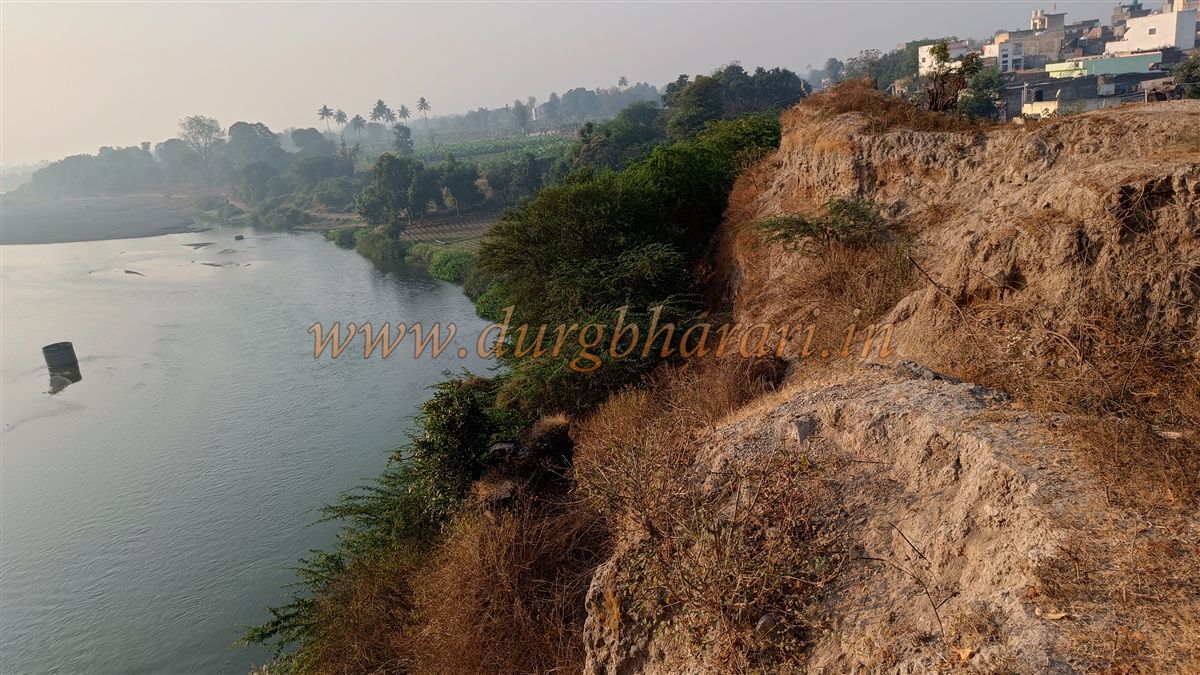
One such forgotten fort is located in Bahal village in Chalisgaon Taluka of Jalgaon District. Bahal lies 50 km from Dhule on the Nashik-Agra Highway, and 19 km from Chalisgaon. The village is situated on the banks of the Girna River and is divided into Kasba (main settlement) and Peth (market area) by the river itself.
...
The village derives its name from the ancient temple of Bahuladevi, situated on a small hill. The original name is believed to have been Bahaliye, later simplified to Bahal.
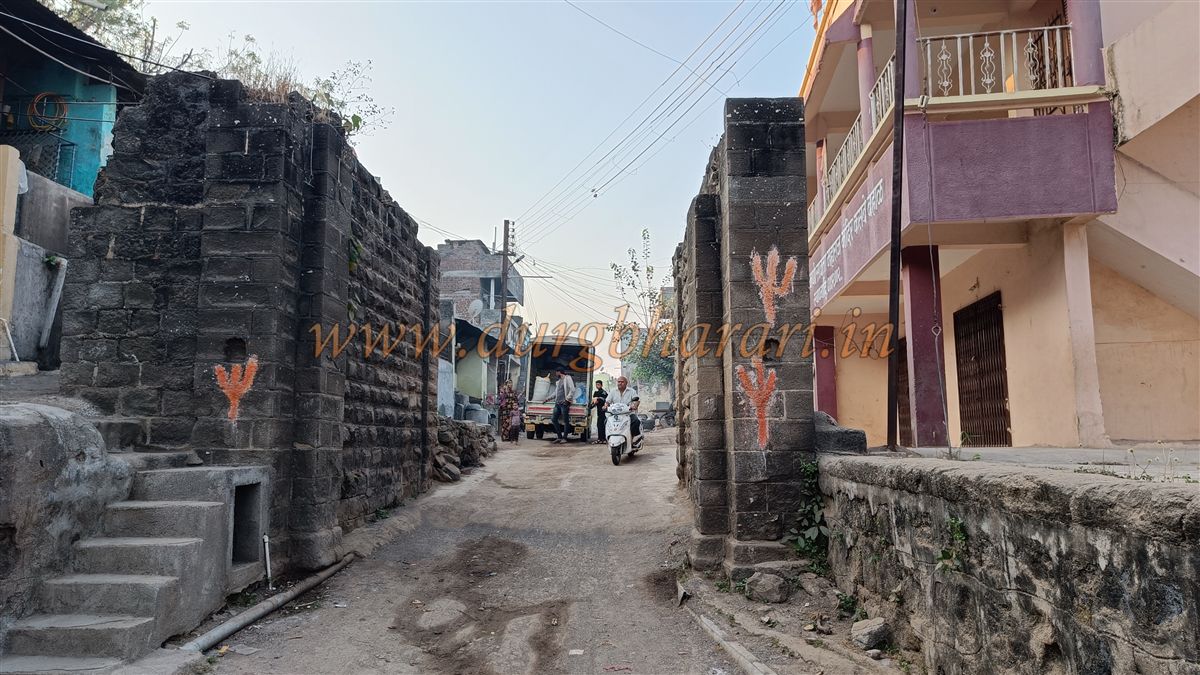
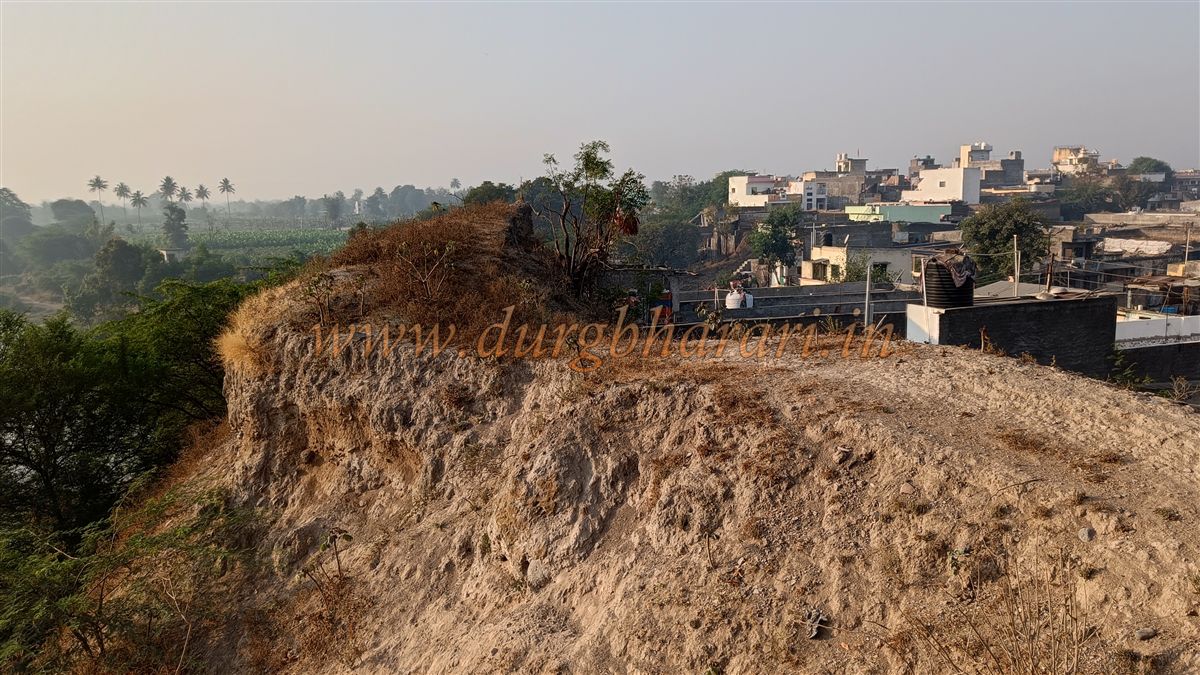
This hill still houses the ruins of Bahal Fort. Once, the entire Bahal village was enclosed within a fortified township (Nagarkot). Although the two main entrance gates have crumbled over time, their stone frames and sections of the surrounding walls are still visible.
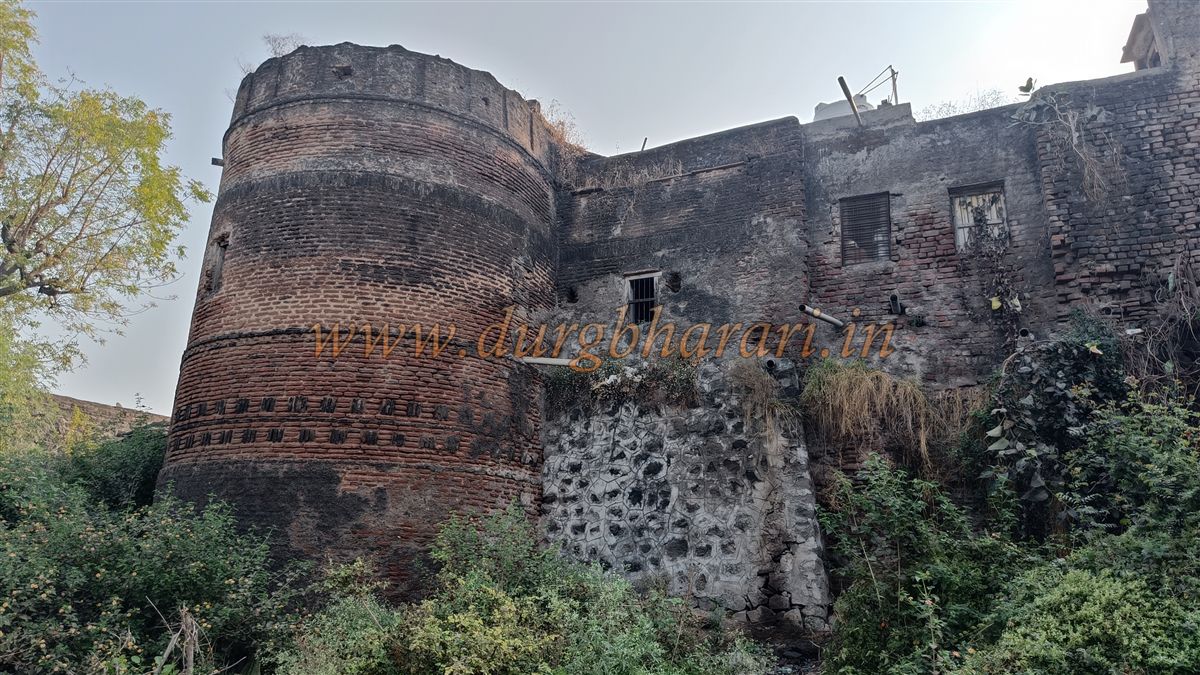
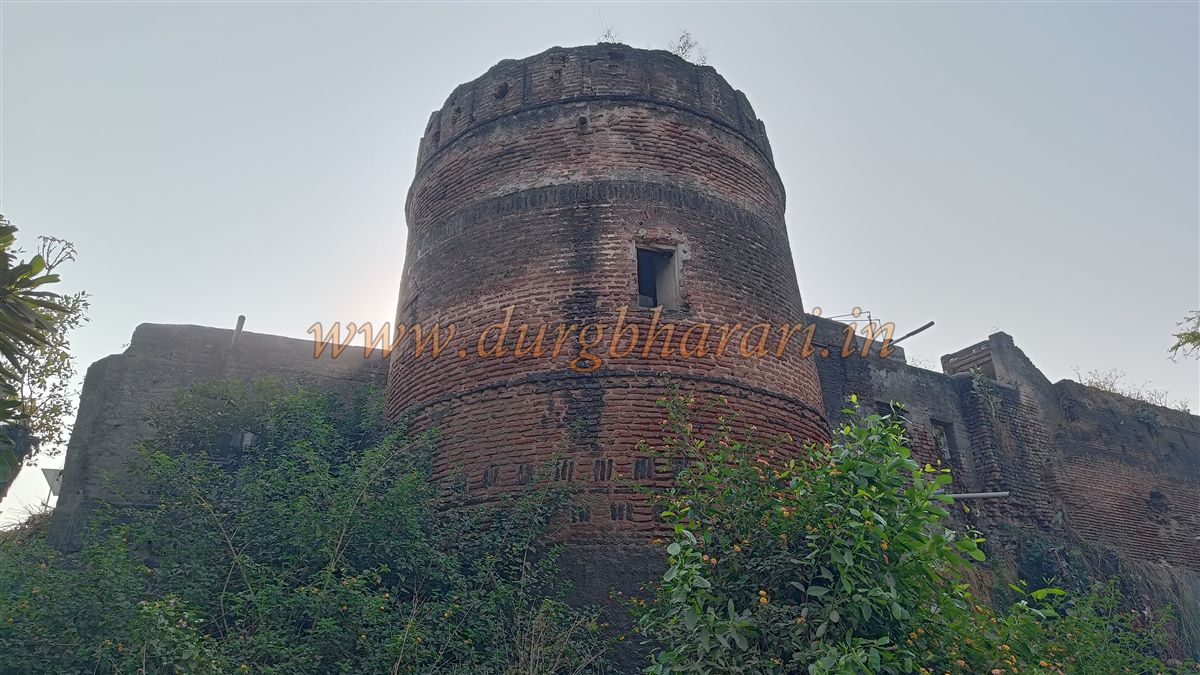
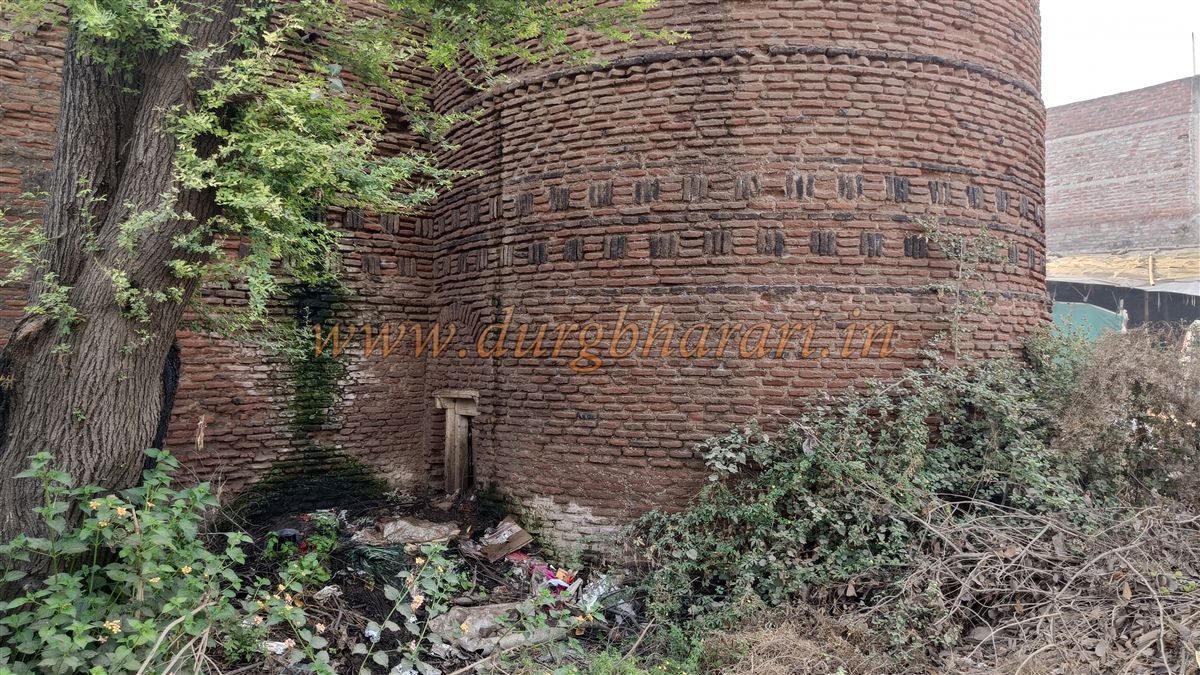
Within the fort precinct, the Gadhi (fortified mansion) is still partially intact. Two of its circular bastions and parts of its walls are preserved, although the inner structures have been replaced with newer houses.
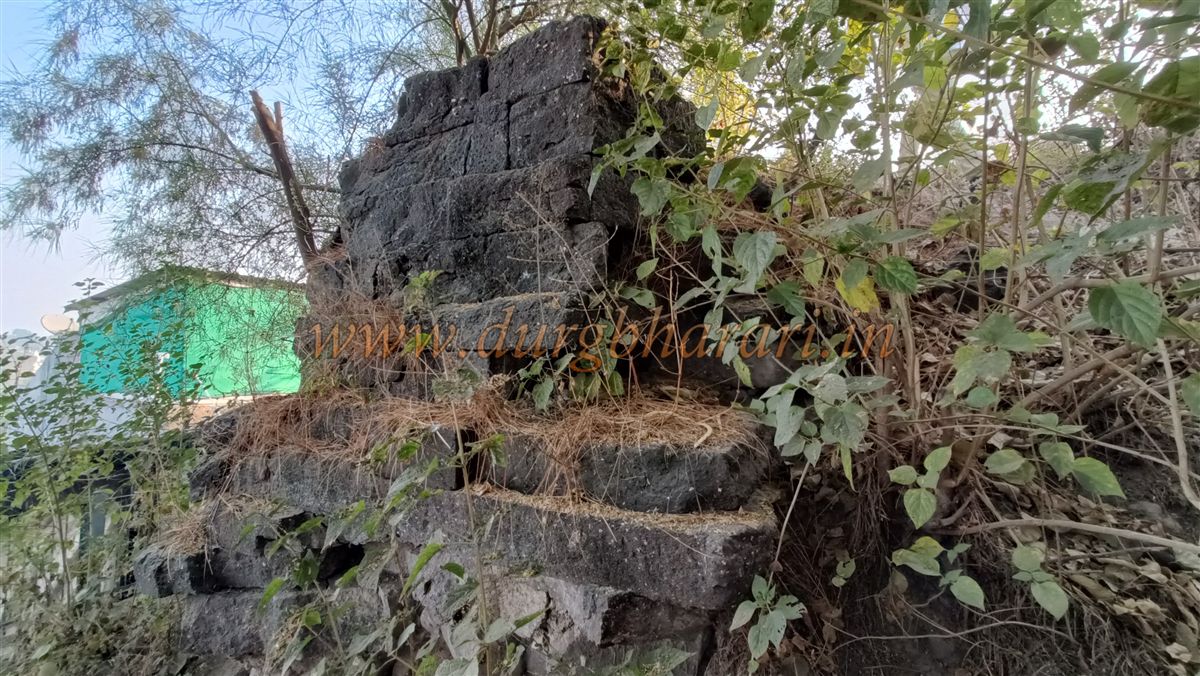
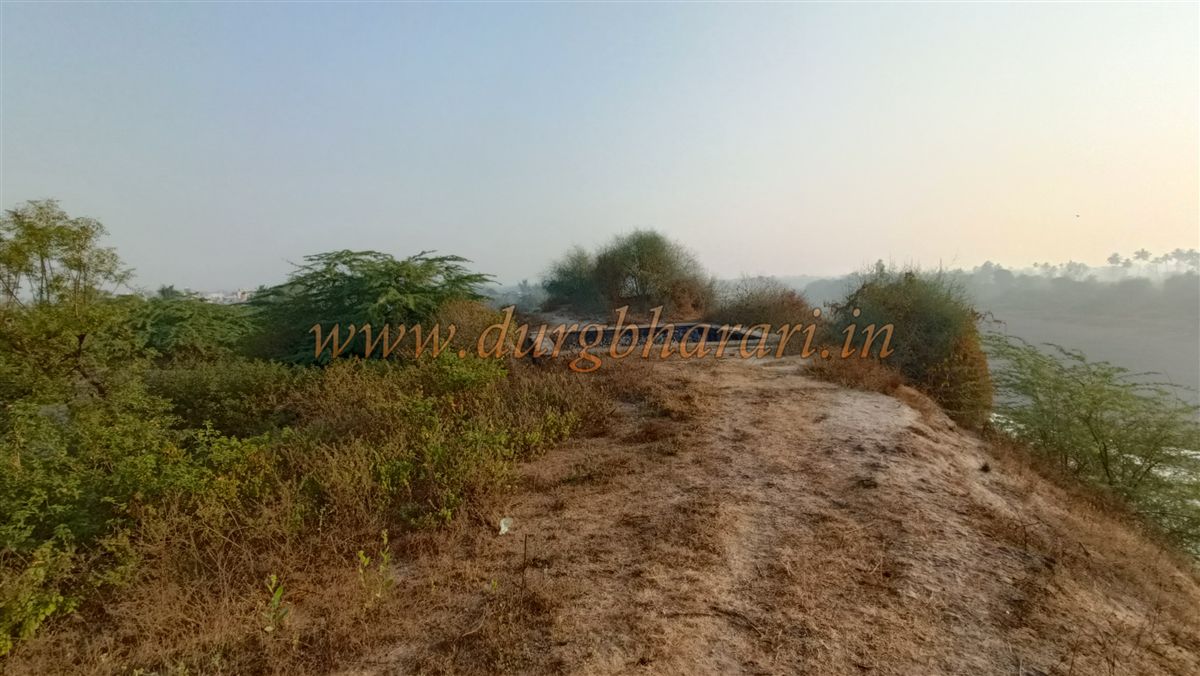
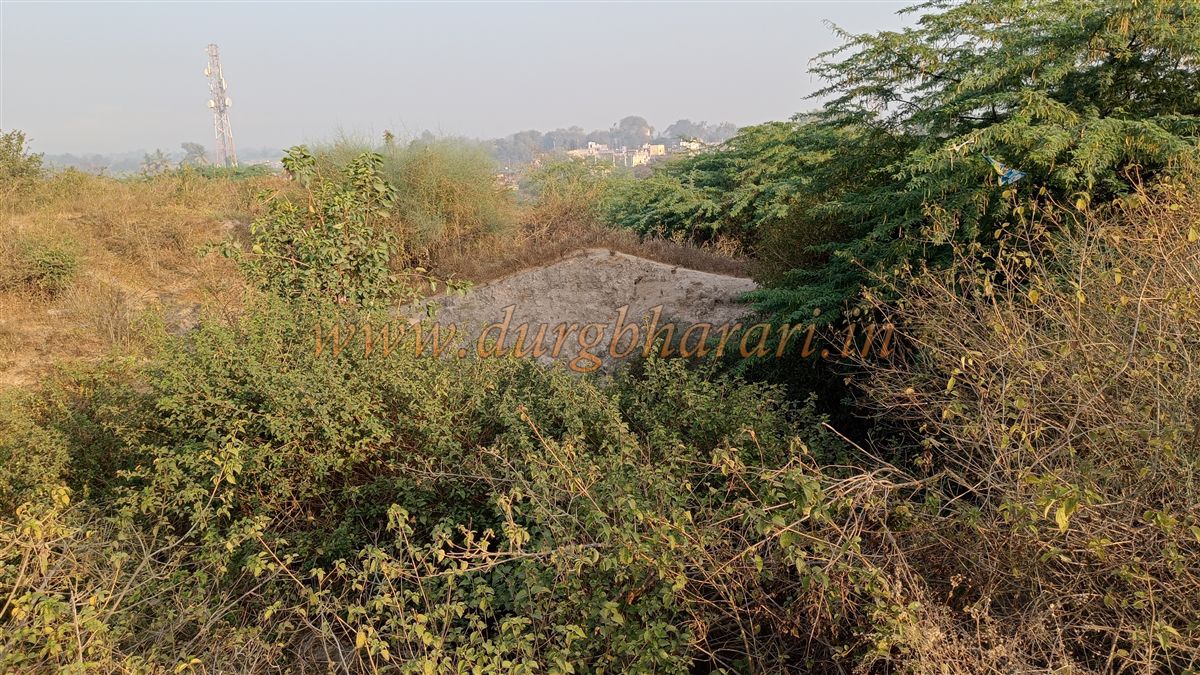
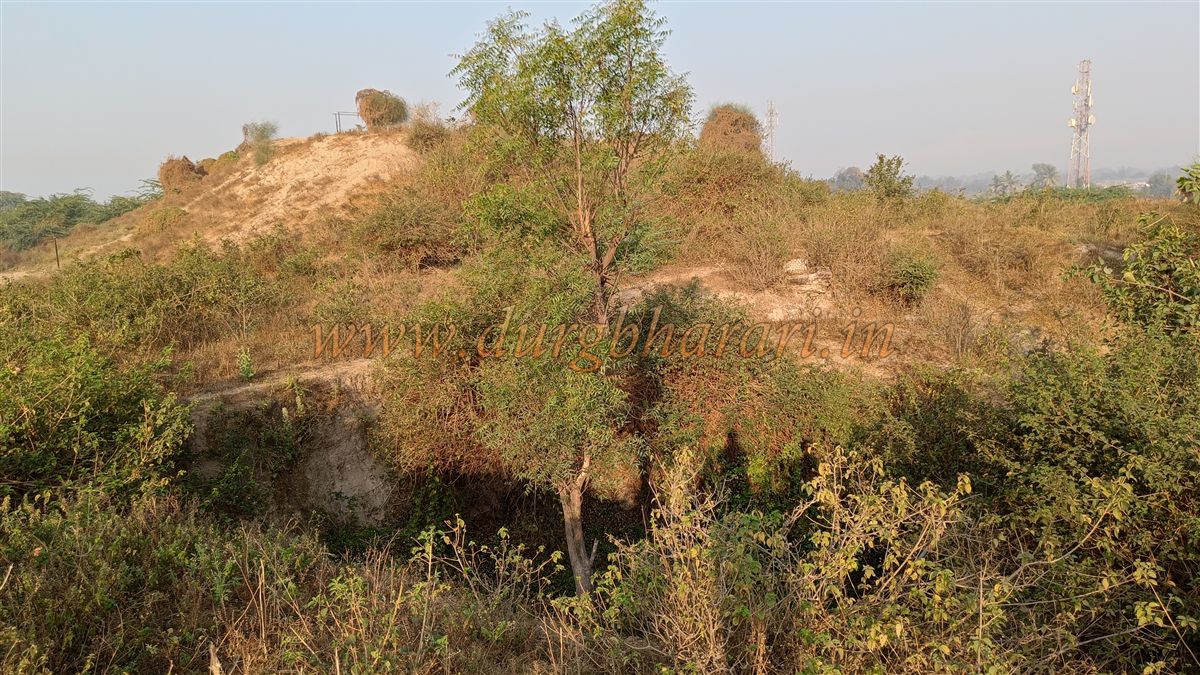
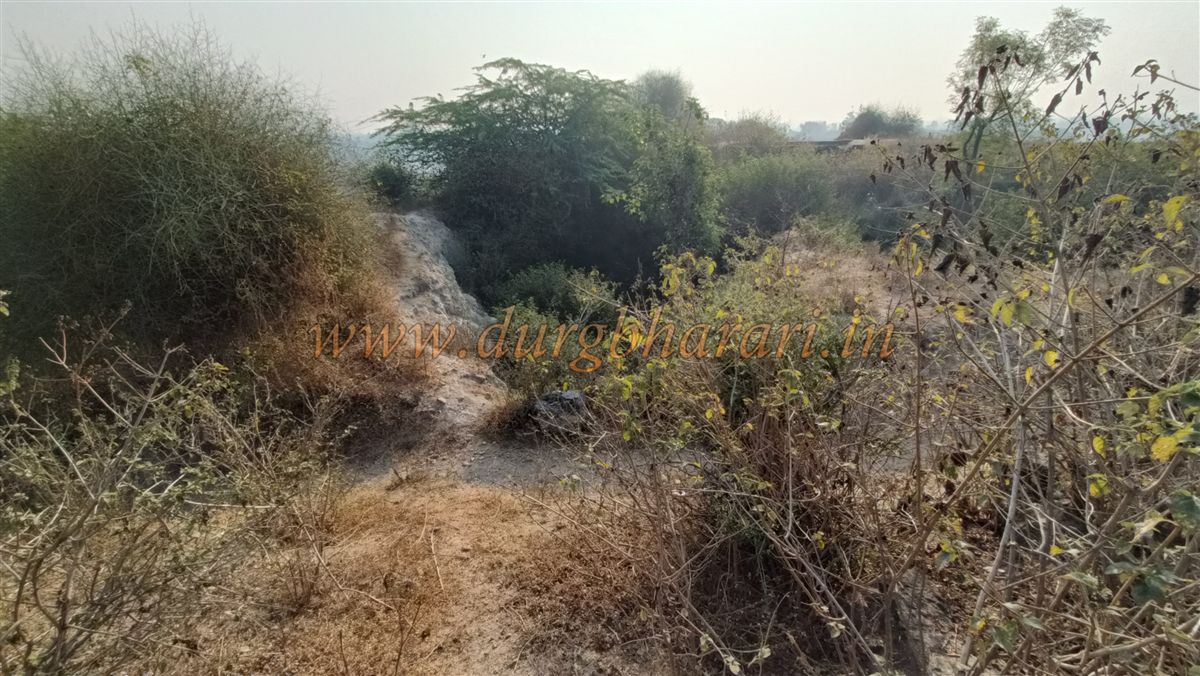
After exploring the village and fort ruins, one can proceed to visit the Bahuladevi Temple, located on the hill. The hill is covered in dense babul (acacia) vegetation, which hides sections of the fort walls. These walls, made from long stone blocks and visibly worn with age, indicate their ancient origins.
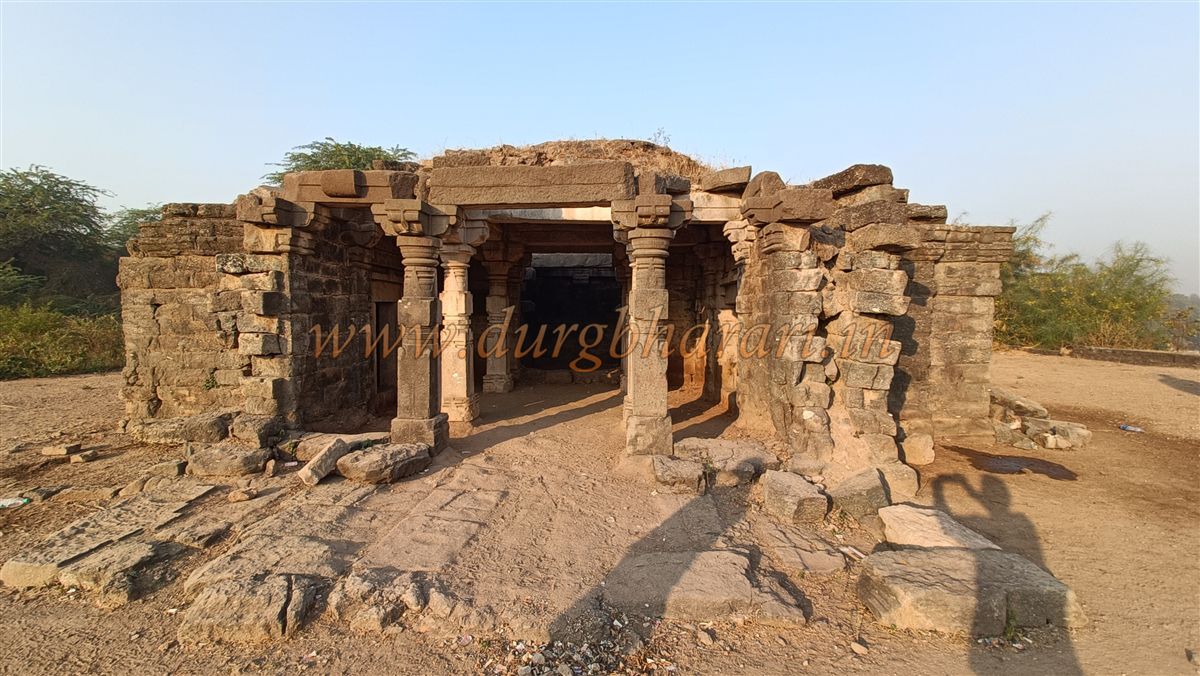
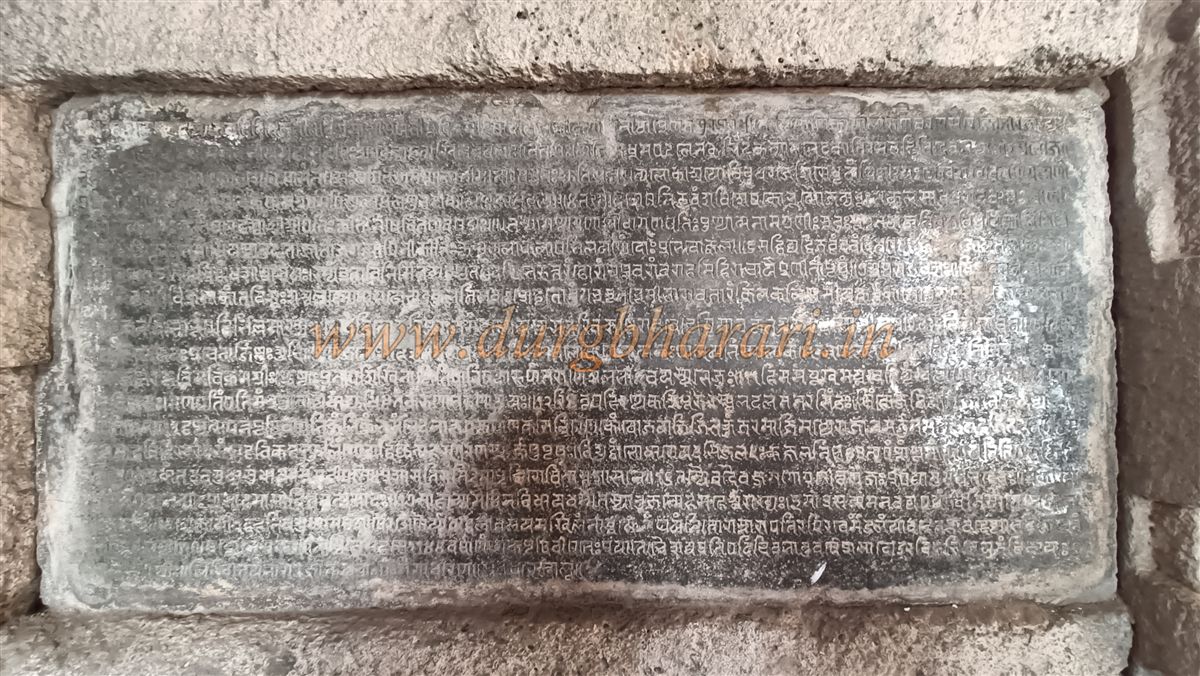
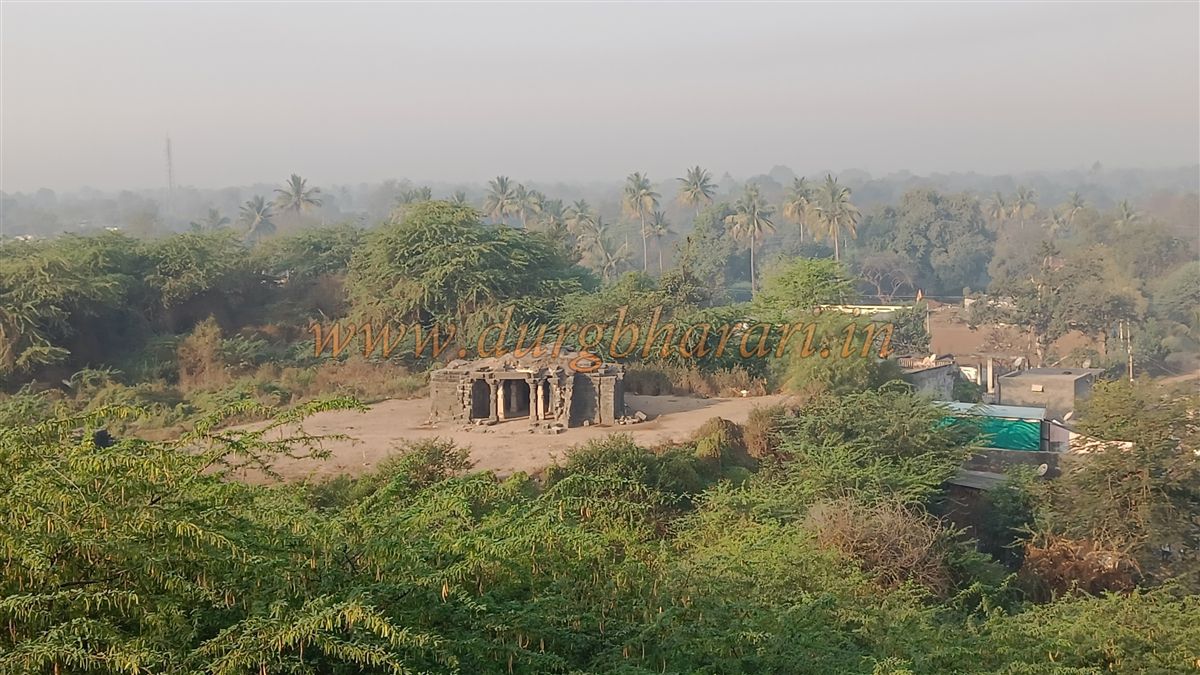
At the base of the hill, there's a beautifully carved temple supported by six decorative stone pillars, built from dressed stone. Inside the temple is a large stone inscription. The first part of the inscription contains verses dedicated to the goddess, and the second part provides details about the Pawar family from Nagardeola. Based on this, it is believed that the Pawar ruled over Bahal at one point and perhaps undertook restoration work on the temple, installing this inscription in the process.
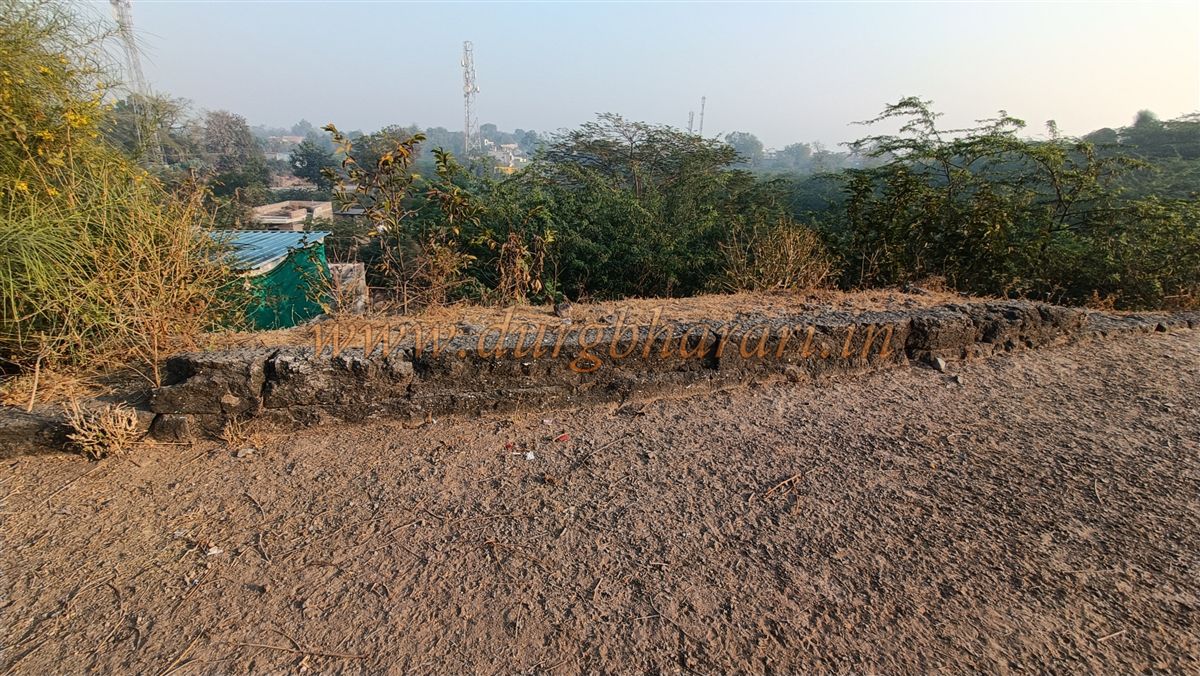
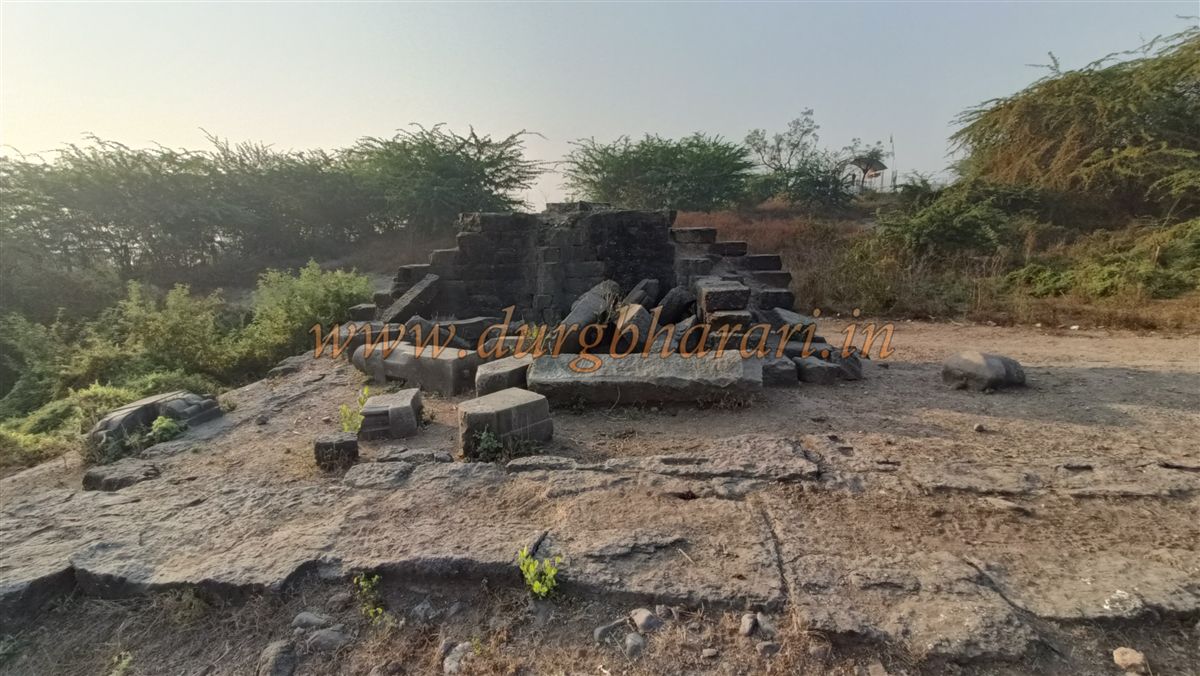
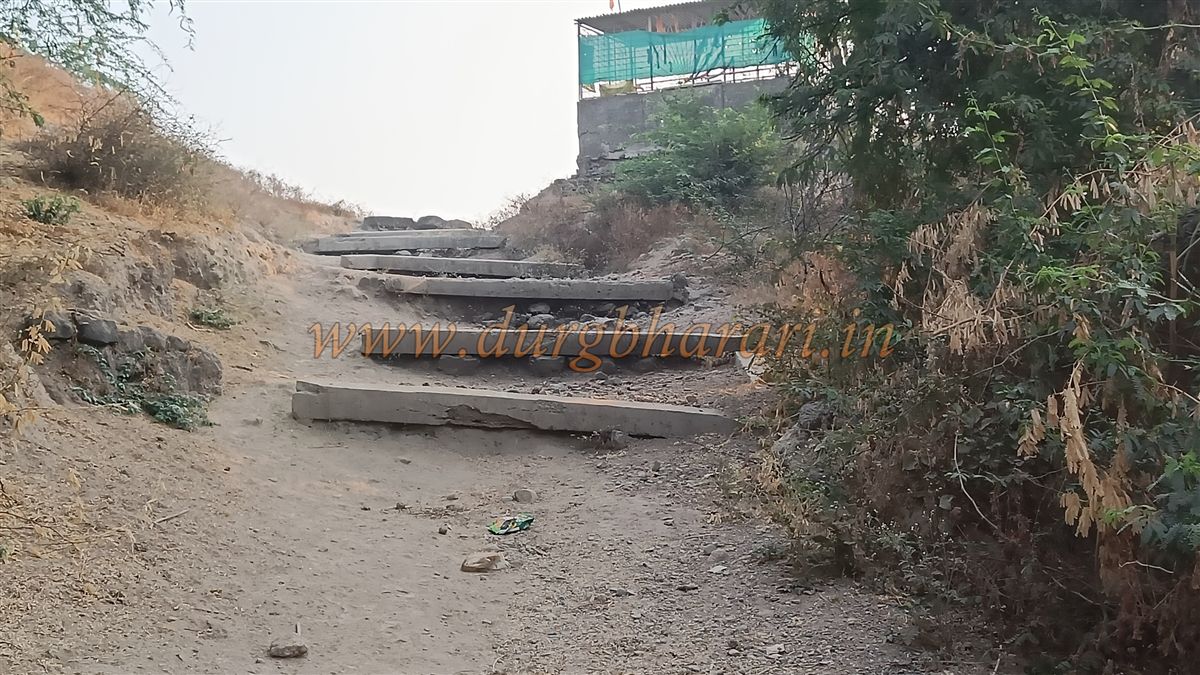
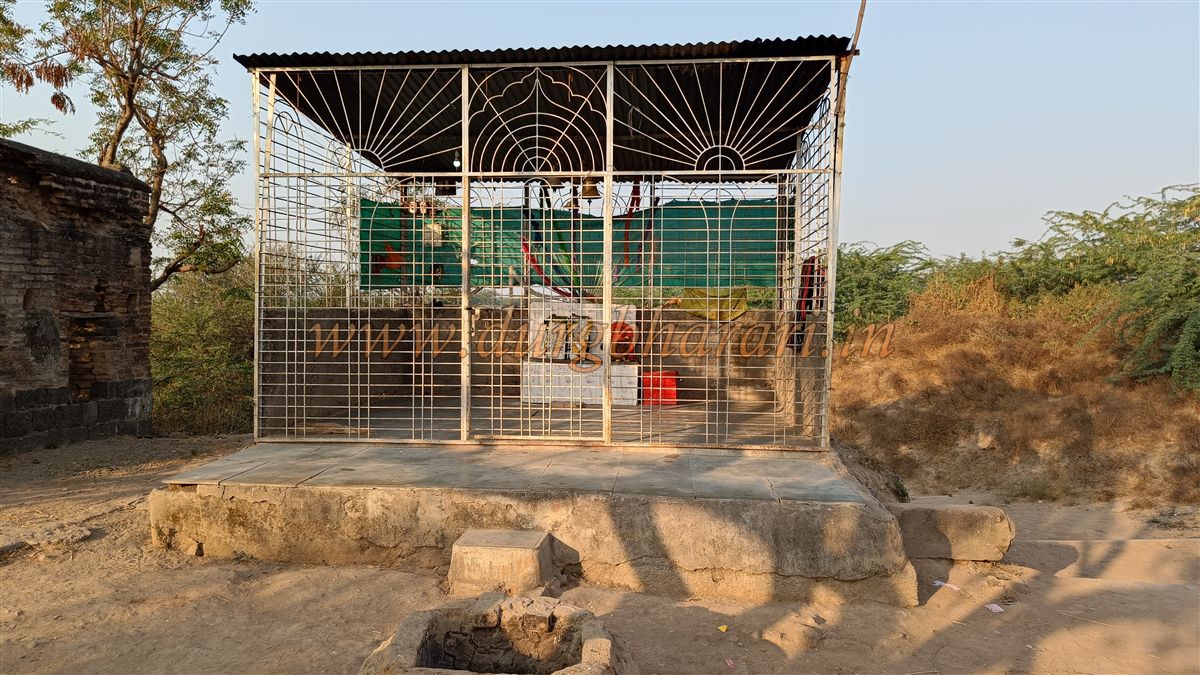
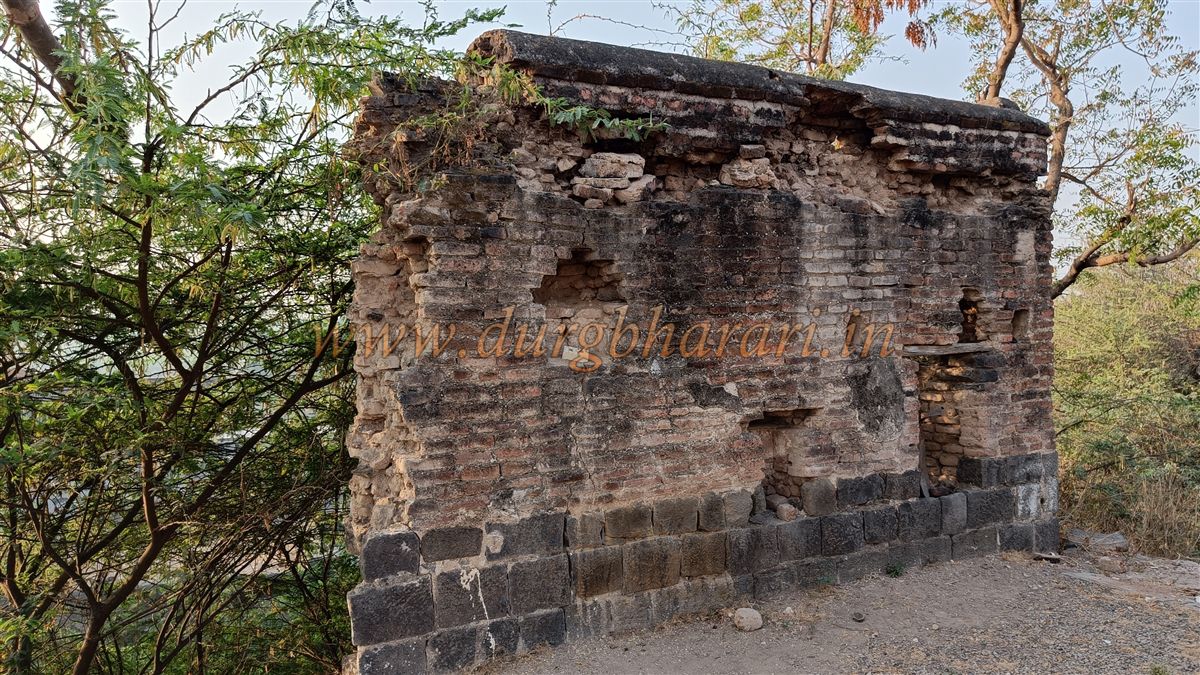
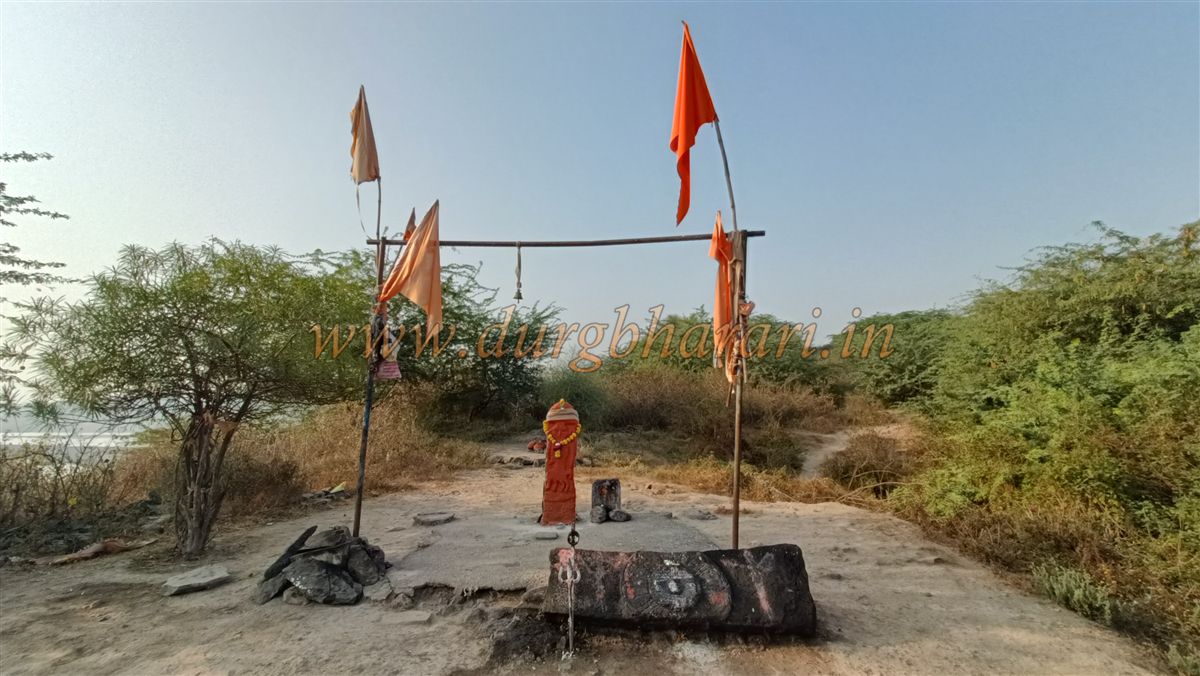
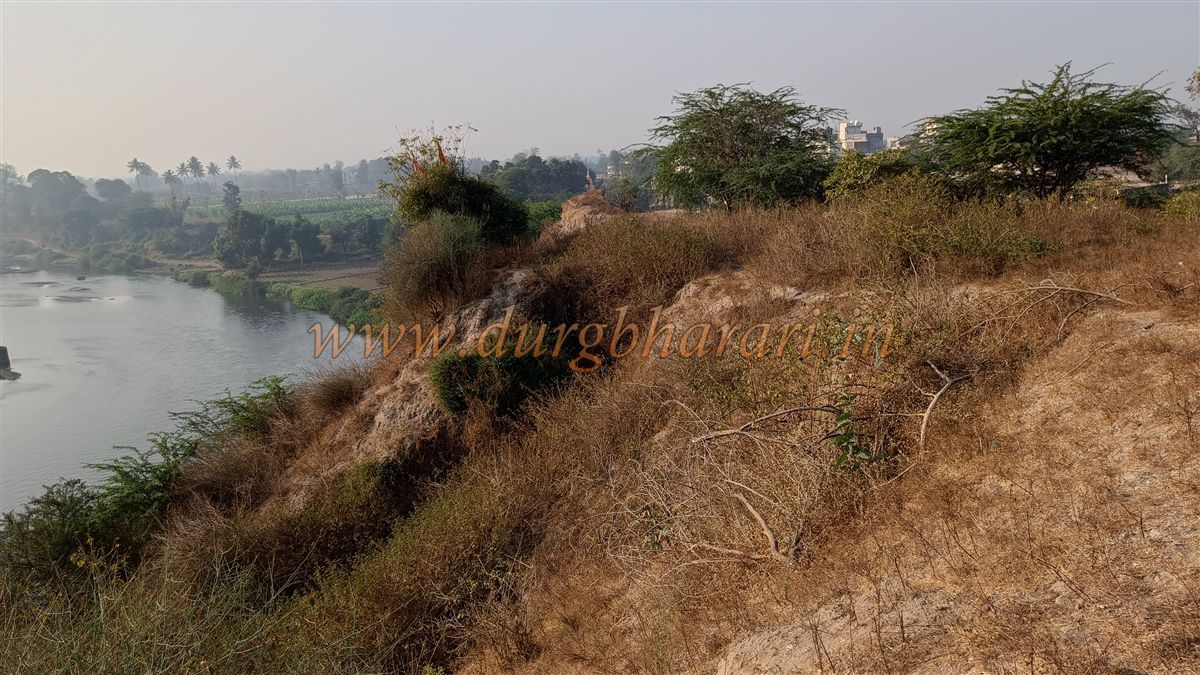
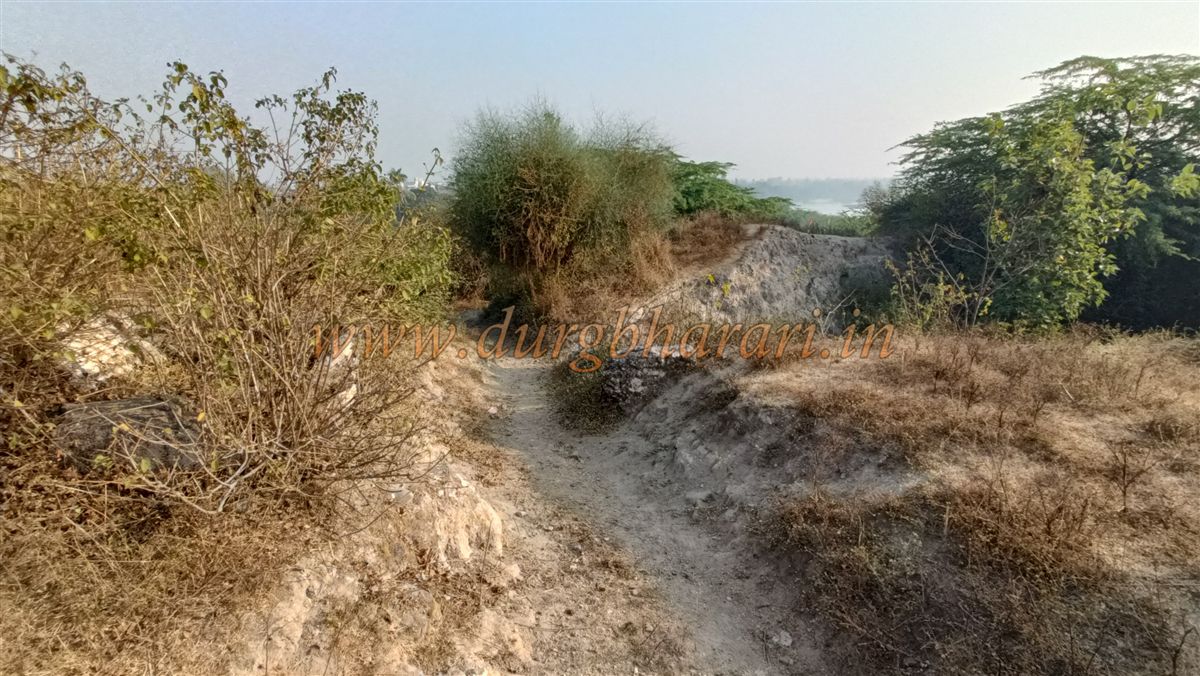
Nearby are the ruins of another ancient temple. Moving upward from this site, you'll come across a recently built shrine and remnants of an old mansion. The hill slopes steeply towards the river, and on this side stands the only surviving bastion, now in a ruined state. A pathway descending toward the river is still visible, and traces of old stone steps can be seen along this route.
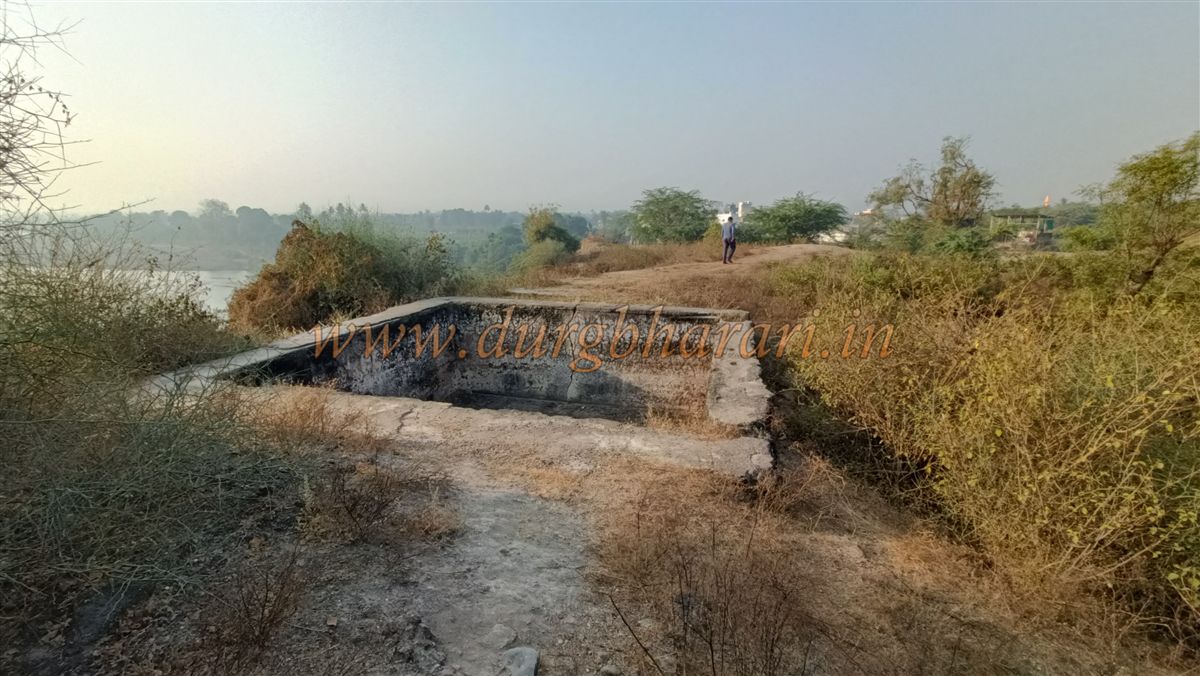
This section also contains a lime-plastered reservoir, alongside a large dry well. Clay pipes (earthen conduits) near this reservoir suggest that water may have once been drawn from the well into the reservoir and distributed across the fort.
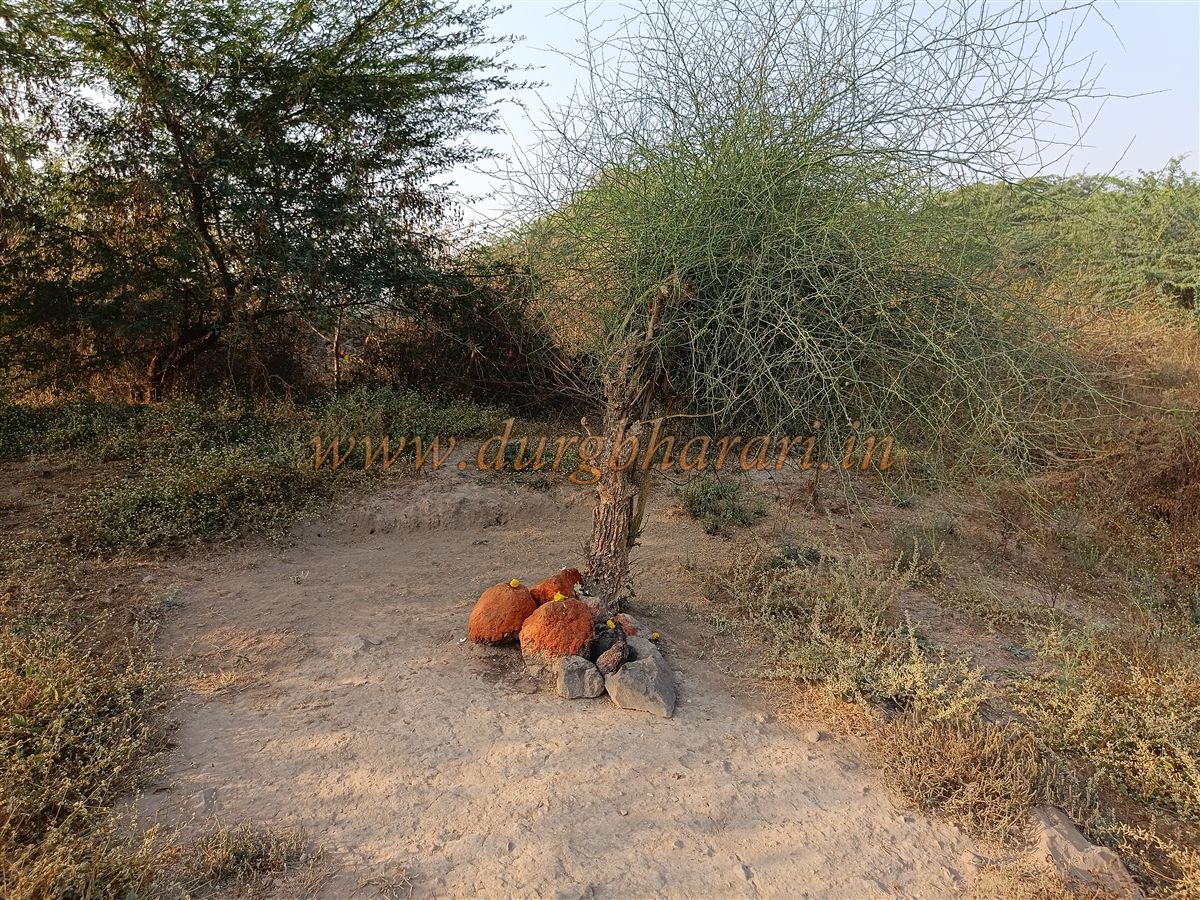
Further down the slope, one finds the remains of another ruined temple, now repurposed as a shrine and coated with vermillion for ritual worship. From the highest point of the hill, one can see a panoramic view of the Girna River and the surrounding area.
To protect the fort, one side naturally benefited from the river, while on the other sides, a moat was dug and filled with Girna’s water—though today, the moat is gradually being filled in due to expanding settlement.
It takes about 45 minutes to explore the full extent of the fort.
Although commonly referred to as a fort today, this site was originally known as Bahal Gadhi (fortified manor). The Archaeological Survey of India conducted two excavations on the hill in 1952 and 1957. These digs unearthed artefacts from the Chalcolithic period to the medieval era, proving that Bahal has been inhabited since around 1400–1500 BCE.
Given this deep antiquity, the fort at Bahal is likely very old. The Bahuladevi Temple, based on its structure and style, appears to have been built even before the Yadav dynasty.
A particularly notable inscription dated Shaka 1144 (1222 CE) was discovered in the ancient temple of Sarja Devi in Bahal. This inscription belongs to the reign of Yadav King Singhanadeva, and it records that his royal astrologer, Anantadev, laid the foundation of the temple.
This indicates that the Yadav or their vassal rulers held sway over this region in the 13th century. Interestingly, Anantadev belonged to the same Shandilya lineage as the great mathematician Bhaskarcharya, possibly even a close relative.
It is believed that Anantadev was granted Bahal as a jagir (land grant). Furthermore, Narayan Vyas Bahaliye, a court poet from Bahal, composed the "Riddhi Pur Varnan" (dated Shaka 1418), the final and most important poetic work in the Mahanubhav tradition’s Sati Granth series. Narayan's father was a chief astrologer in the royal court at Bahal.
During the late 15th century, Chakradhar Swami, founder of the Mahanubhav sect, is said to have stayed at Bahal for a considerable period.
After this point in history, references to Bahal become increasingly rare, and the village, along with its fort, faded from historical prominence.
© Suresh Nimbalkar
GALLERY