BAGANI
TYPE : NAGARKOT
DISTRICT : SANGALI
HEIGHT : 0
GRADE : EASY
In Maharashtra, some forts are suffering from nature’s wrath, while others are victims of neglect by locals. One such fort that has lost its historical identity and now lies in a state of disregard is the Bagani Bhuikot Fort.
Located in Bagani village of Walwa Taluka in Sangli district, this fort still remains worth visiting, though how long its structure will survive is uncertain. Bagani Bhuikot lies 28 km from Sangli and 42 km from Kolhapur.
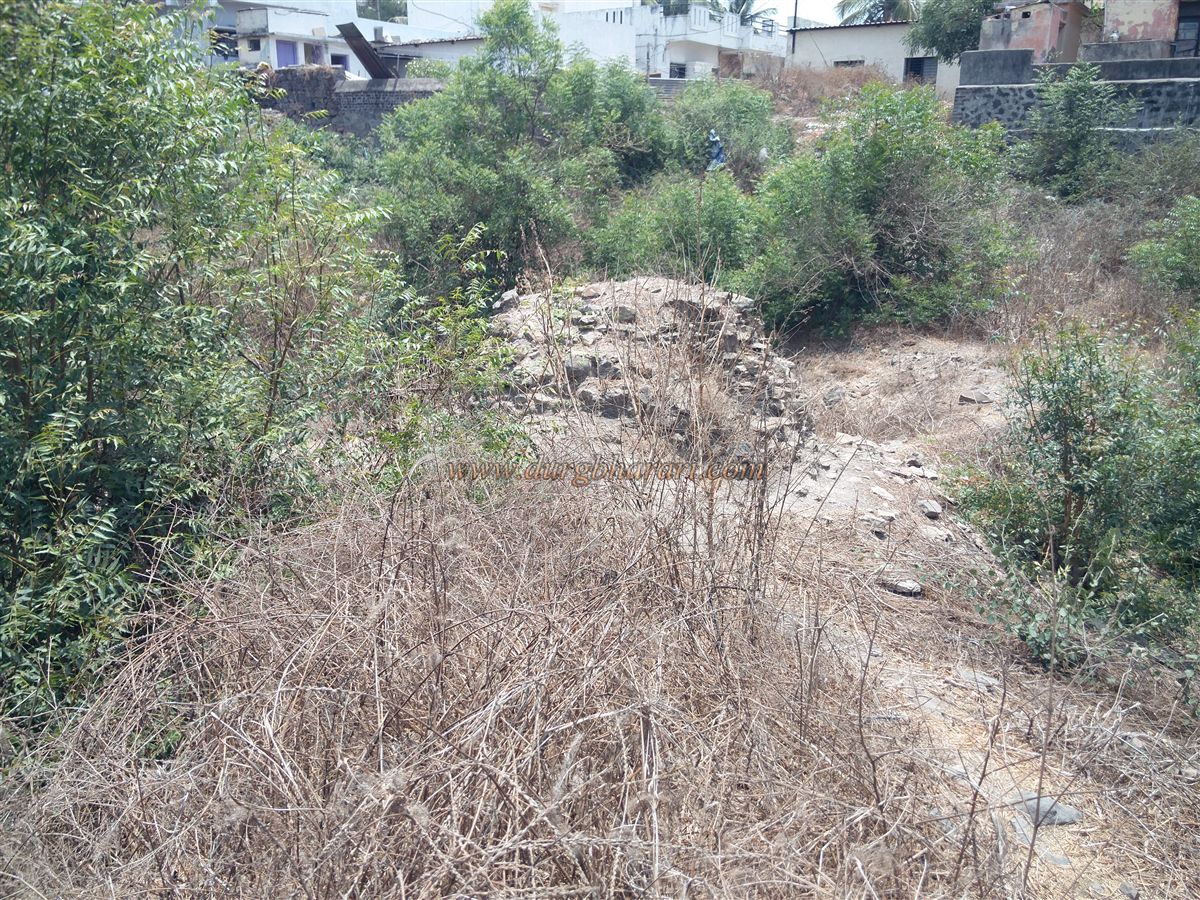
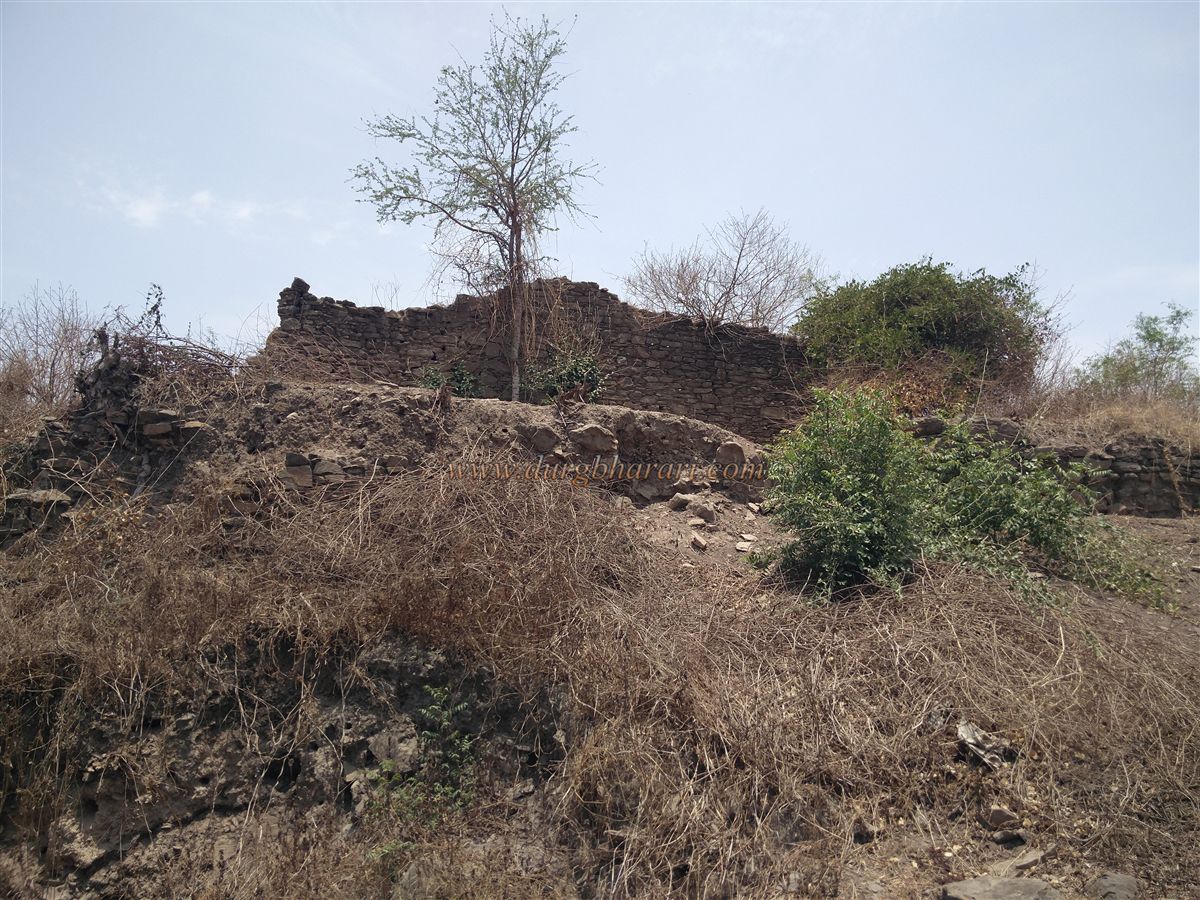
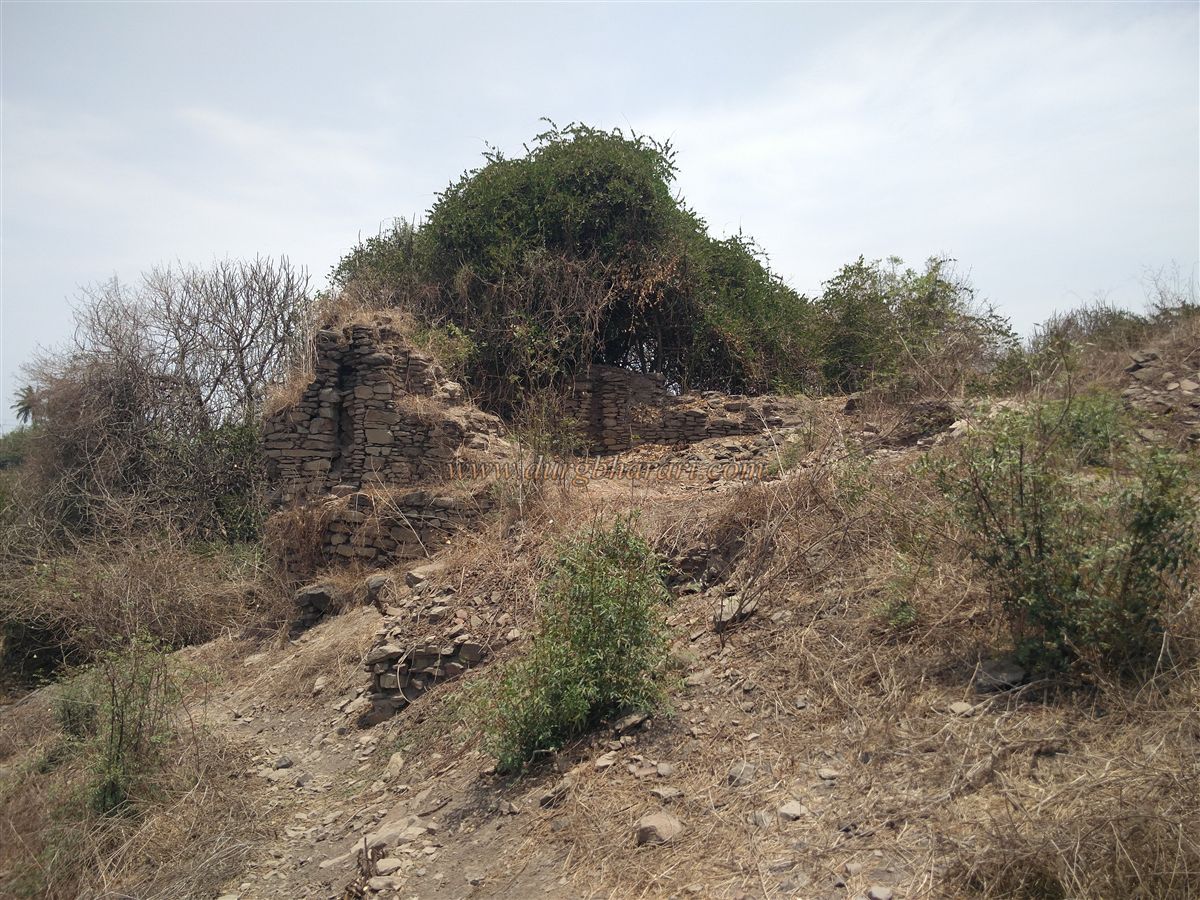
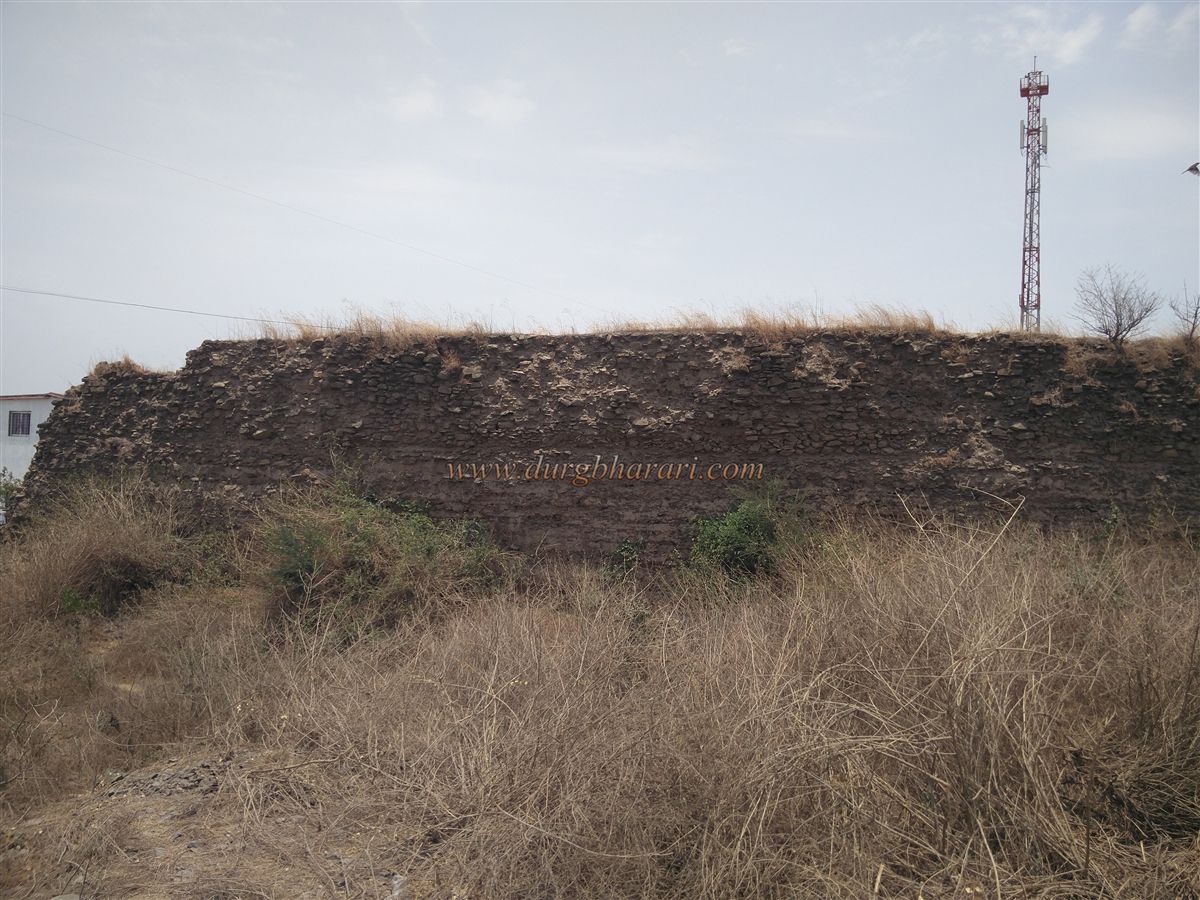
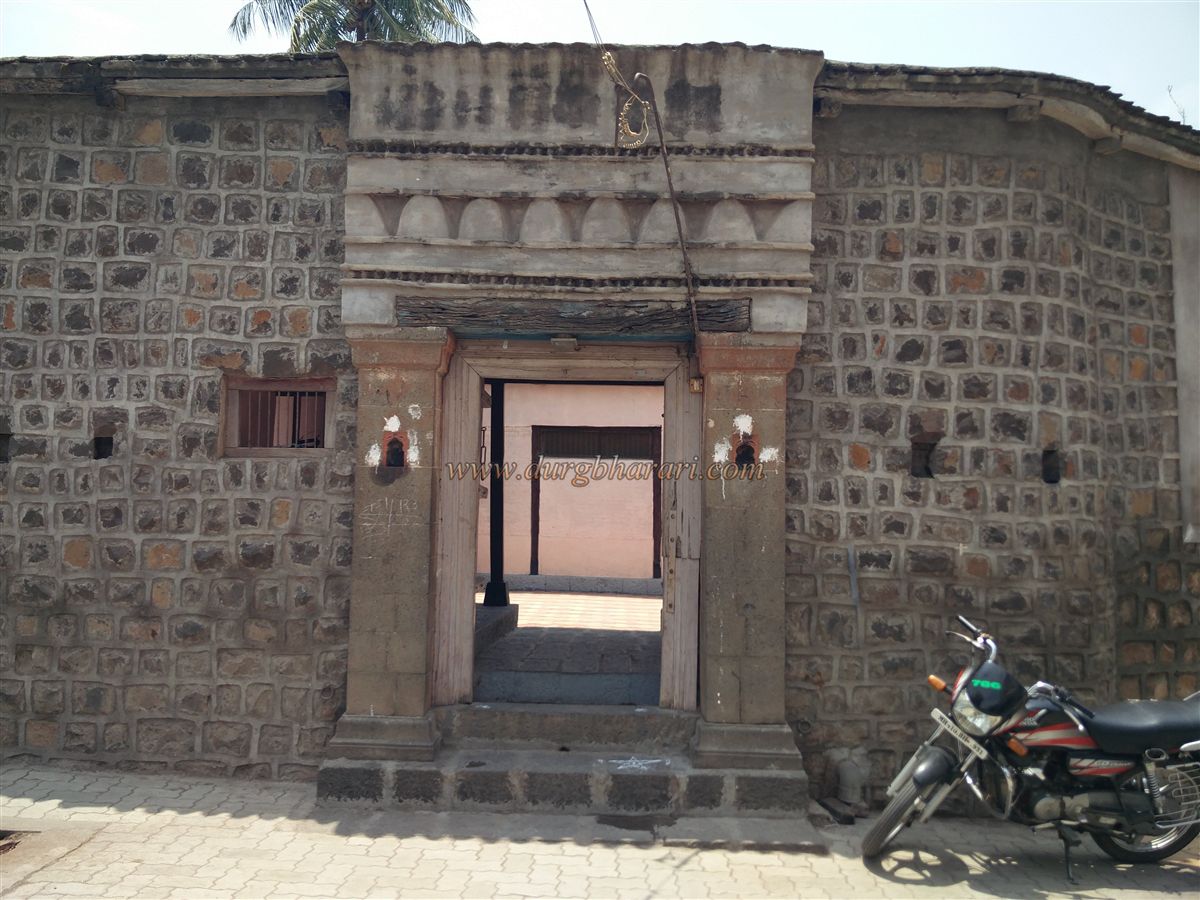
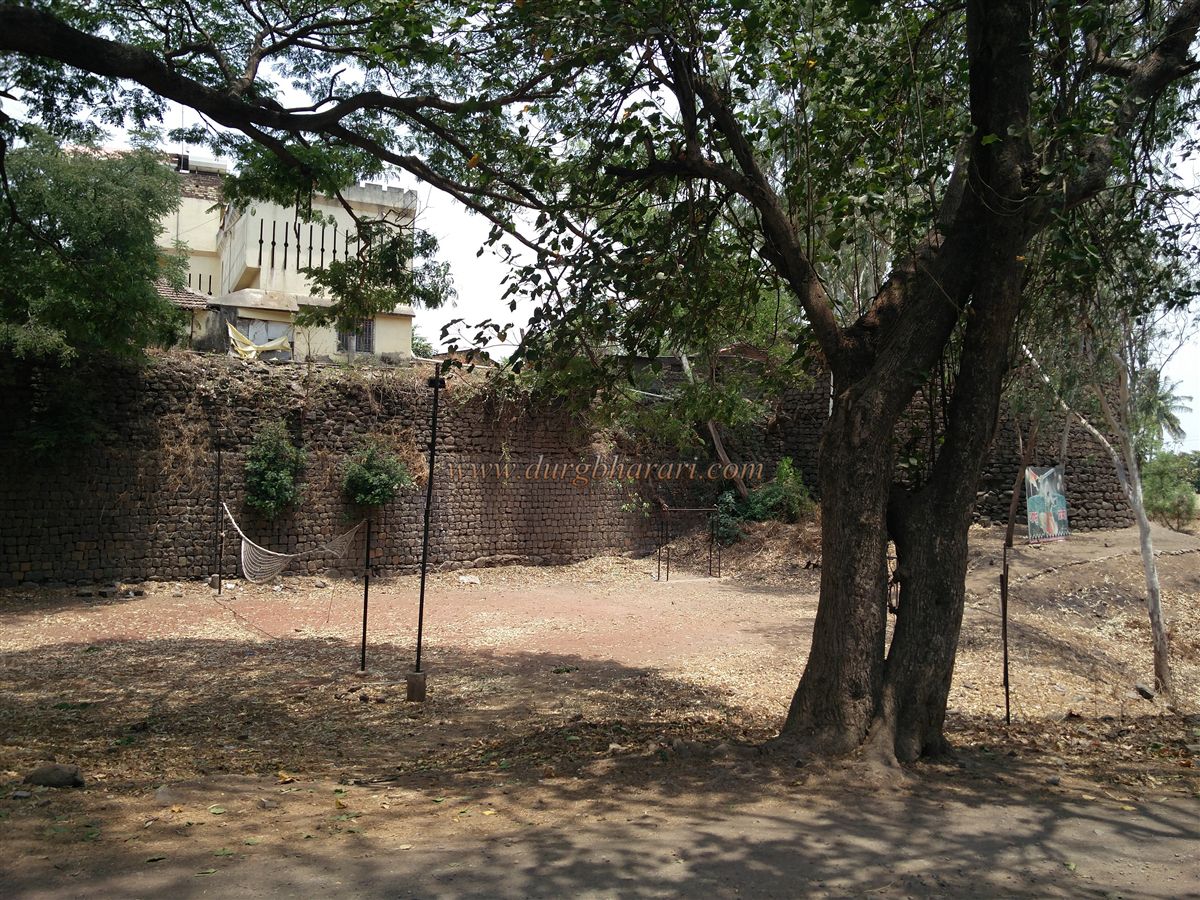
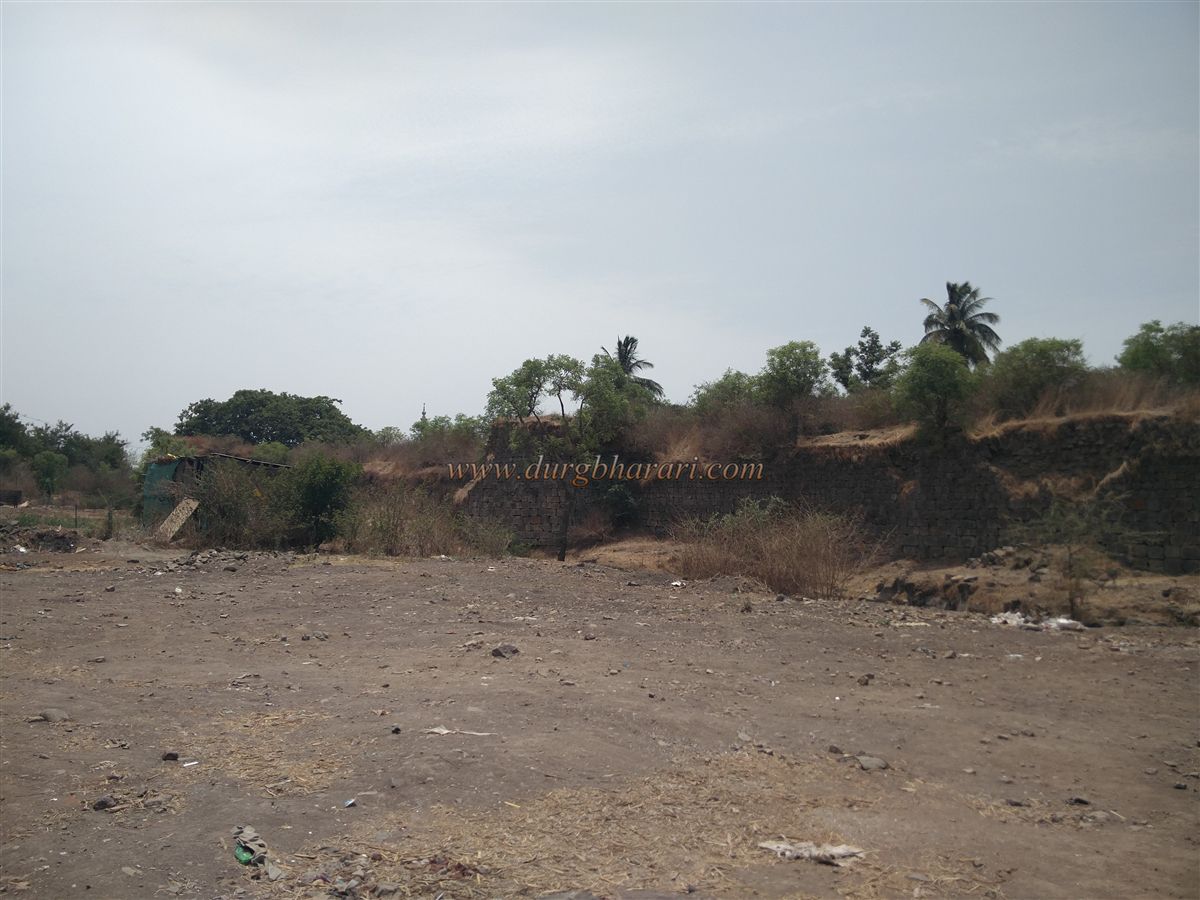
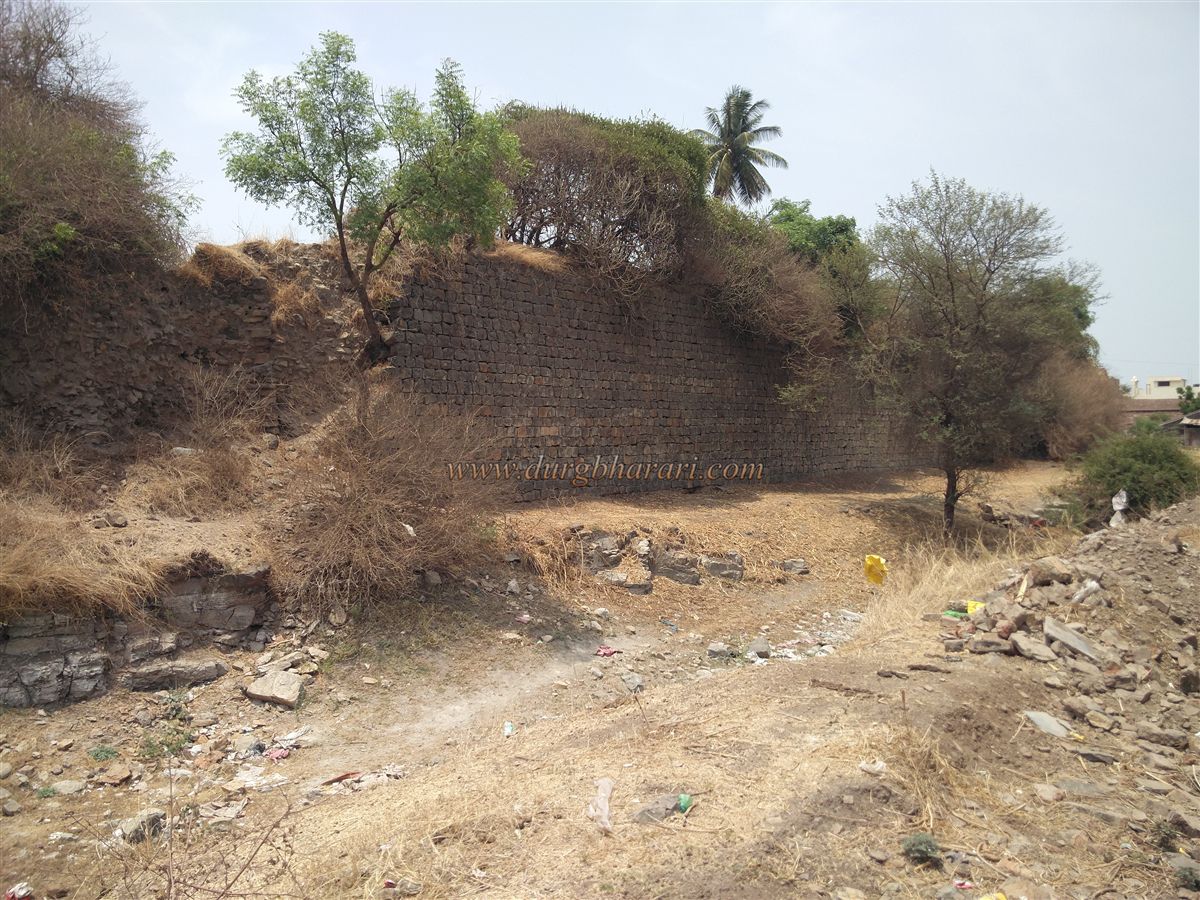
Before entering Bagani village, the imposing stone fortification and partially collapsed bastions catch your eye. The fort, roughly rectangular in shape, covers an area of around 10 acres, and presently, five bastions can be seen in ruined condition.
...
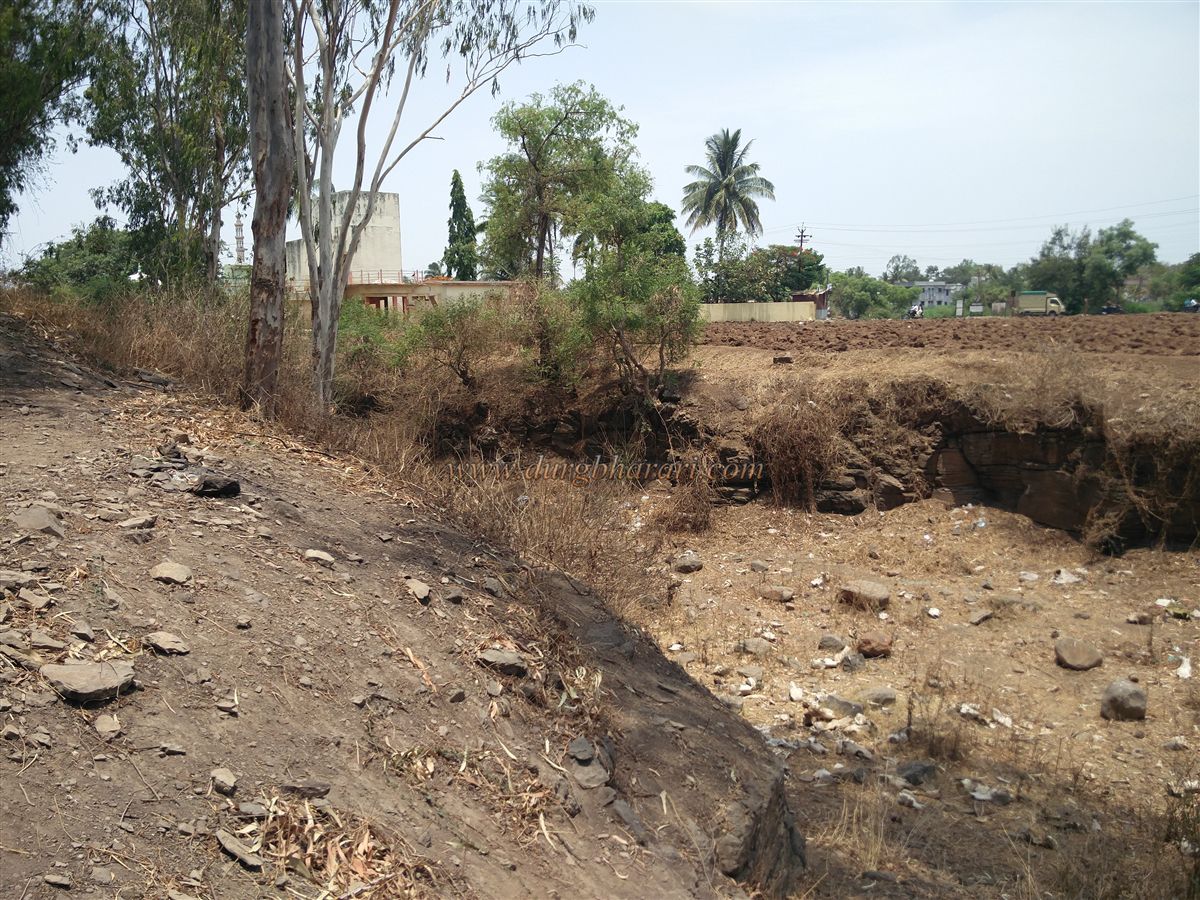
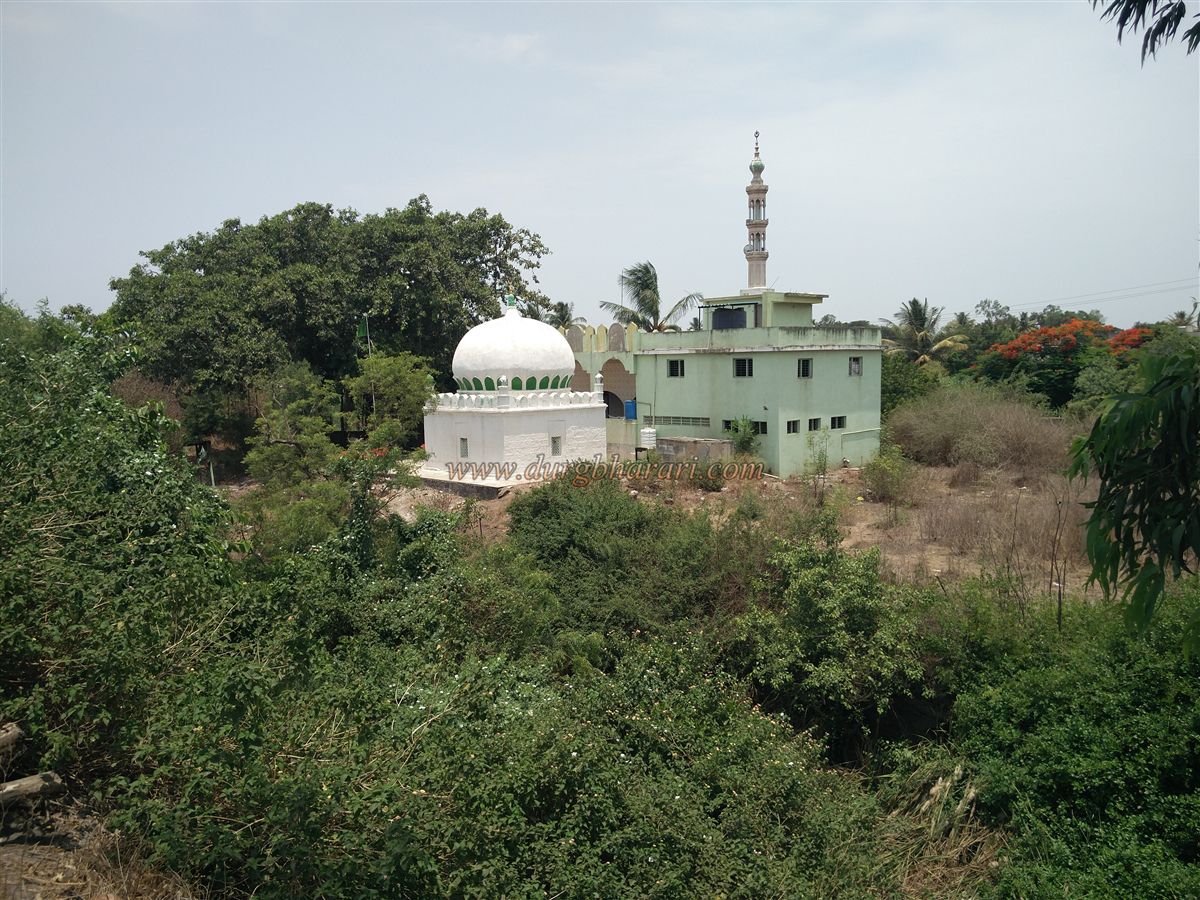
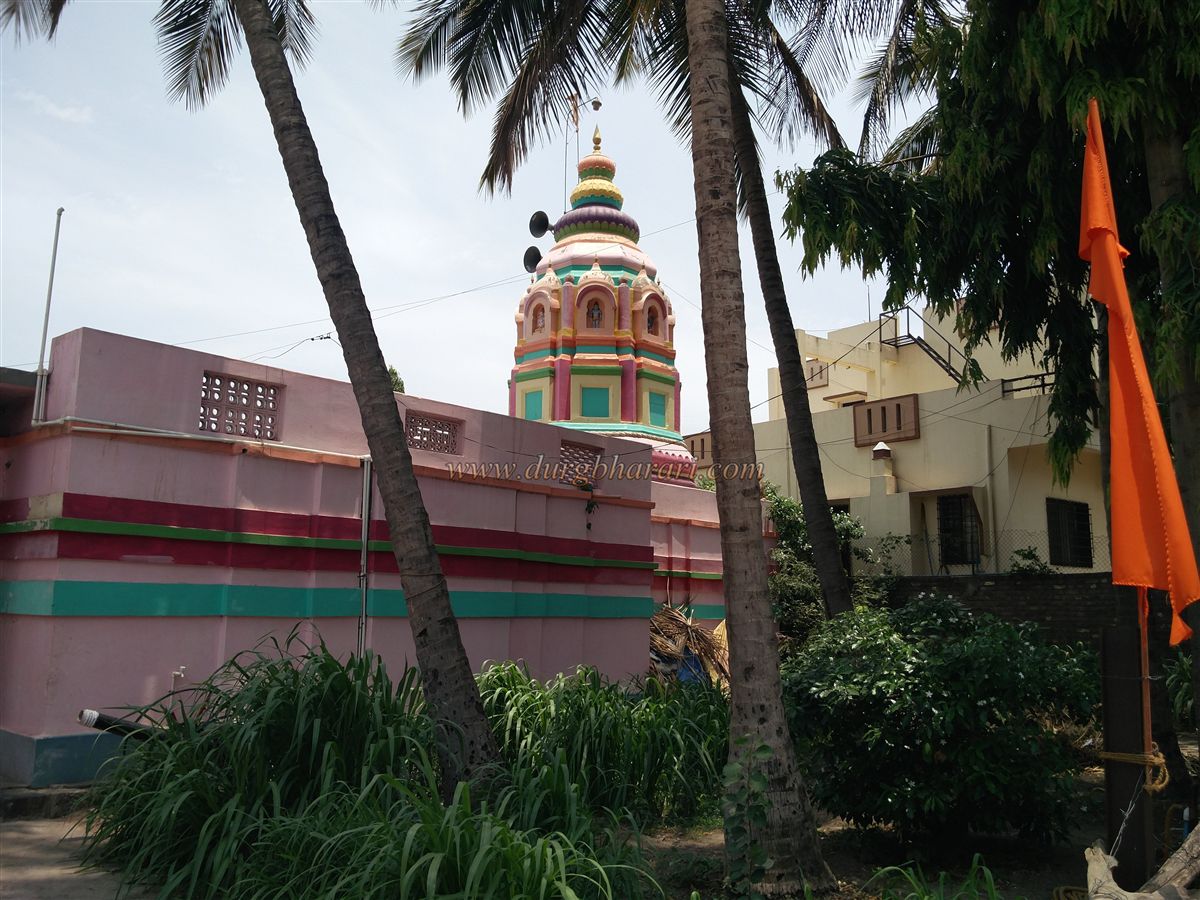
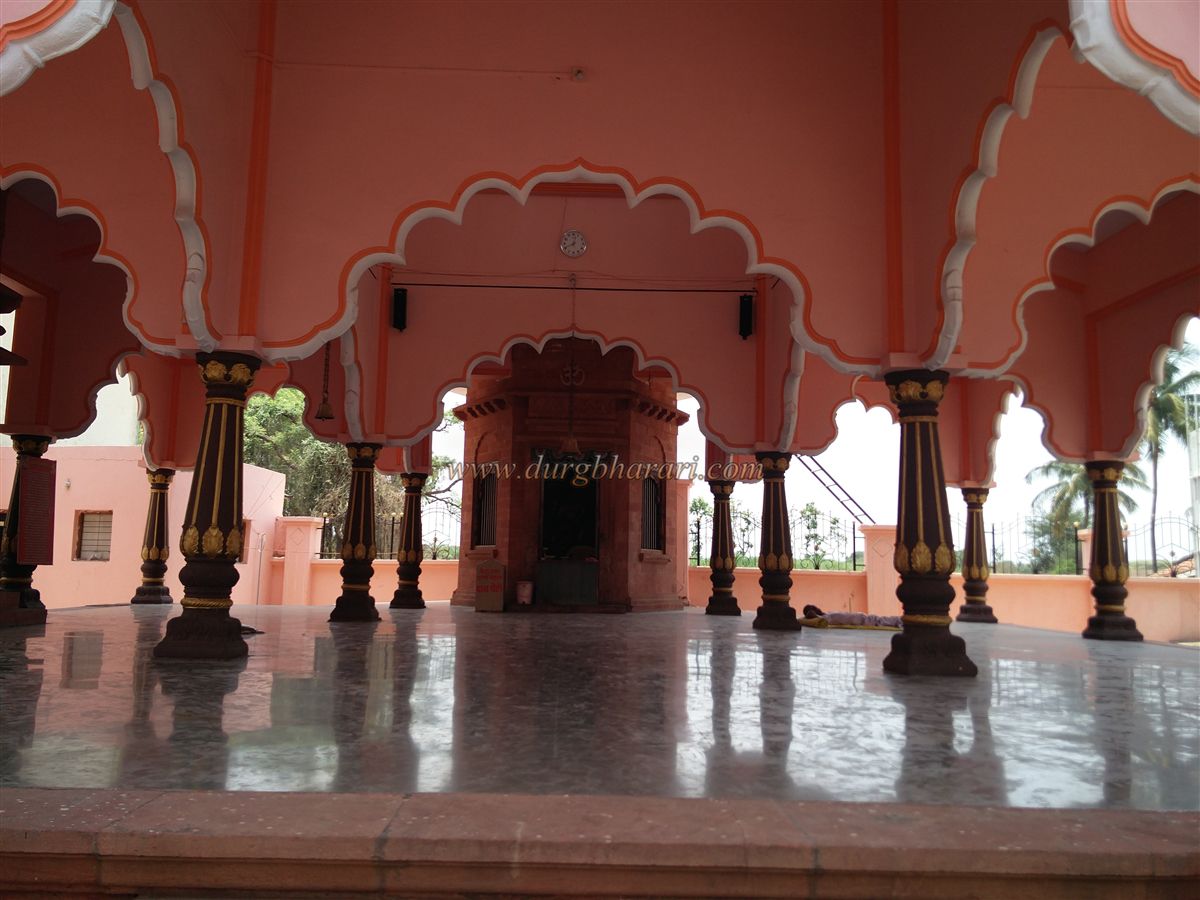
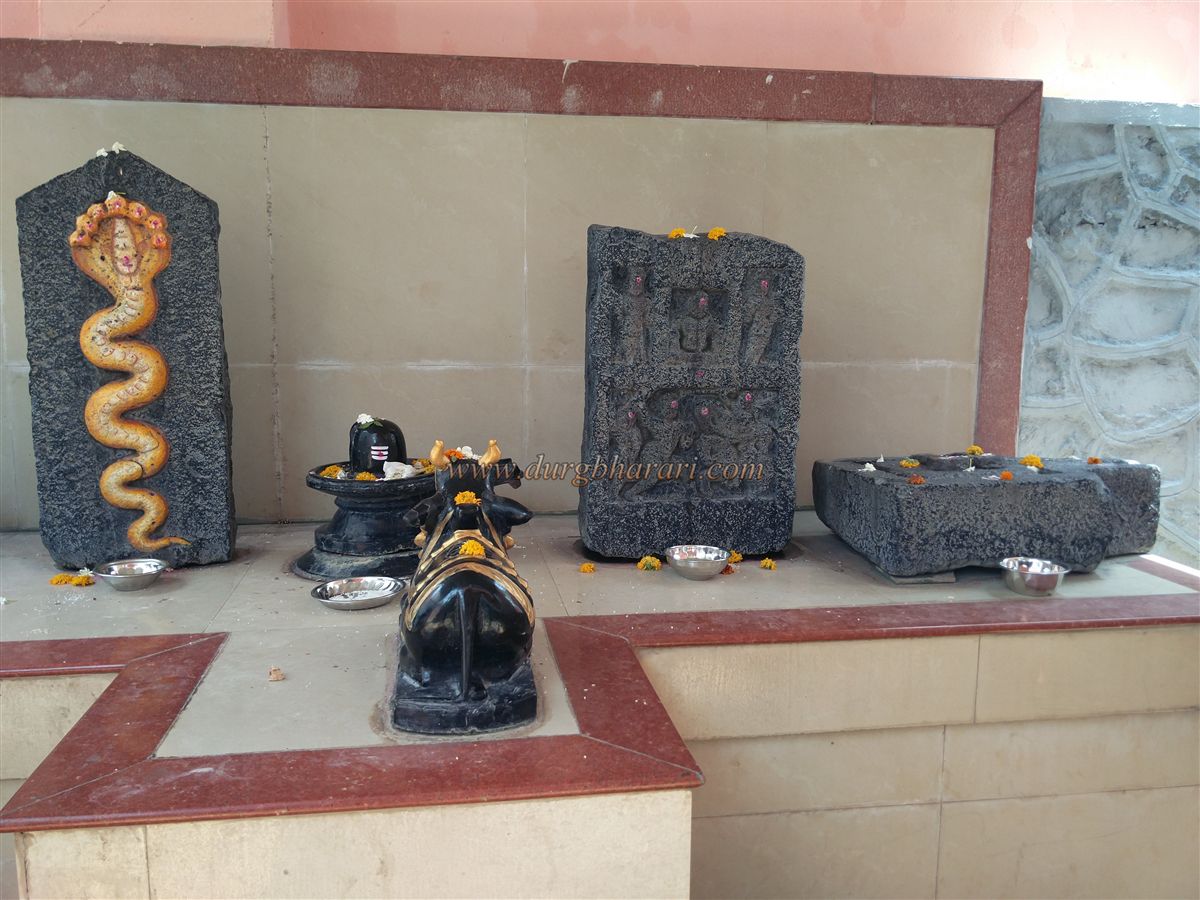
The three-sided ramparts and adjoining moats are still visible. However, due to expanding habitation within the fort, the eastern ramparts and moat have completely disappeared. It is believed that the main entrance gate was once on this eastern side, but after its destruction, a new cement archway has been constructed here. Just outside this archway stands a recently built temple of Lord Ram and Hanuman, which houses an old serpent sculpture (Nāga) and a hero stone (Virgal).
Since the village now lies within the fort premises, all the original internal structures have been destroyed. Only two ancient relics remain:
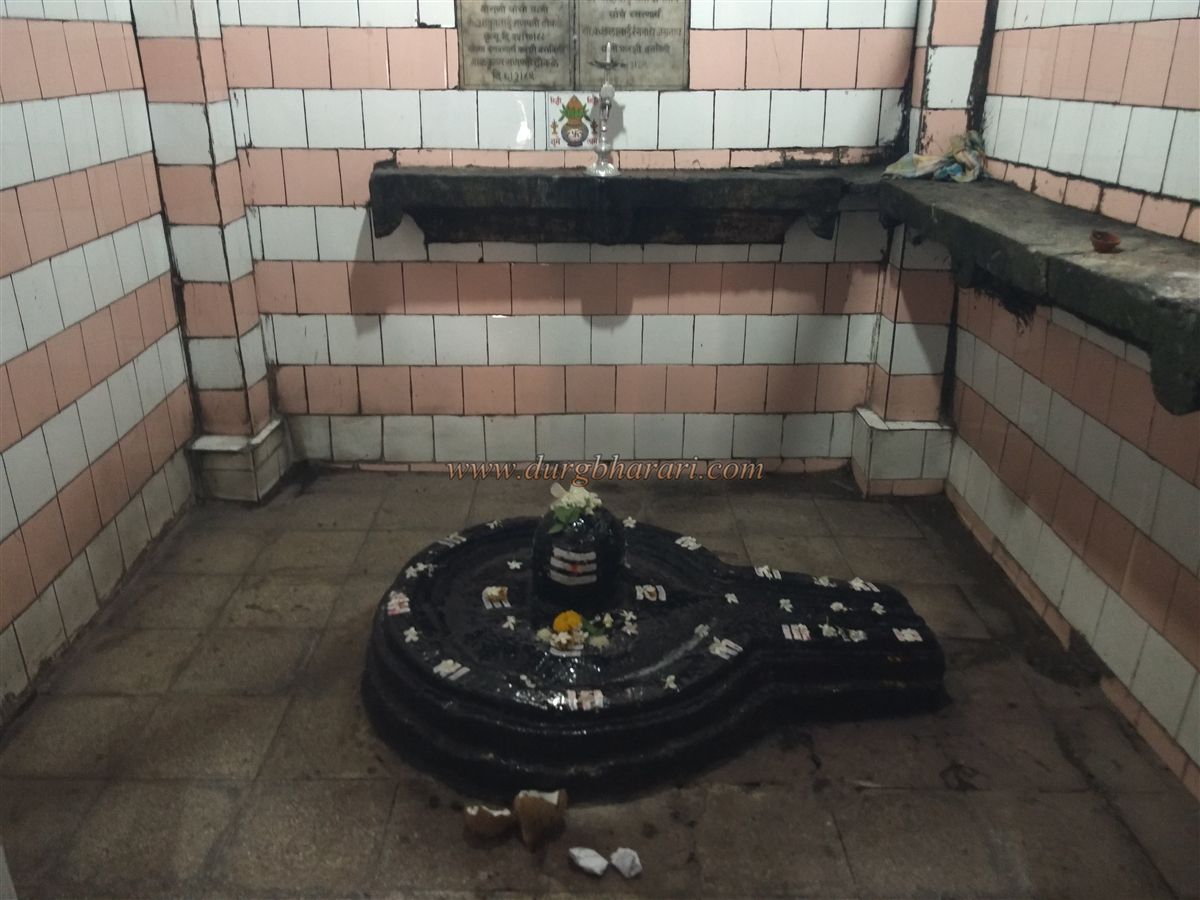
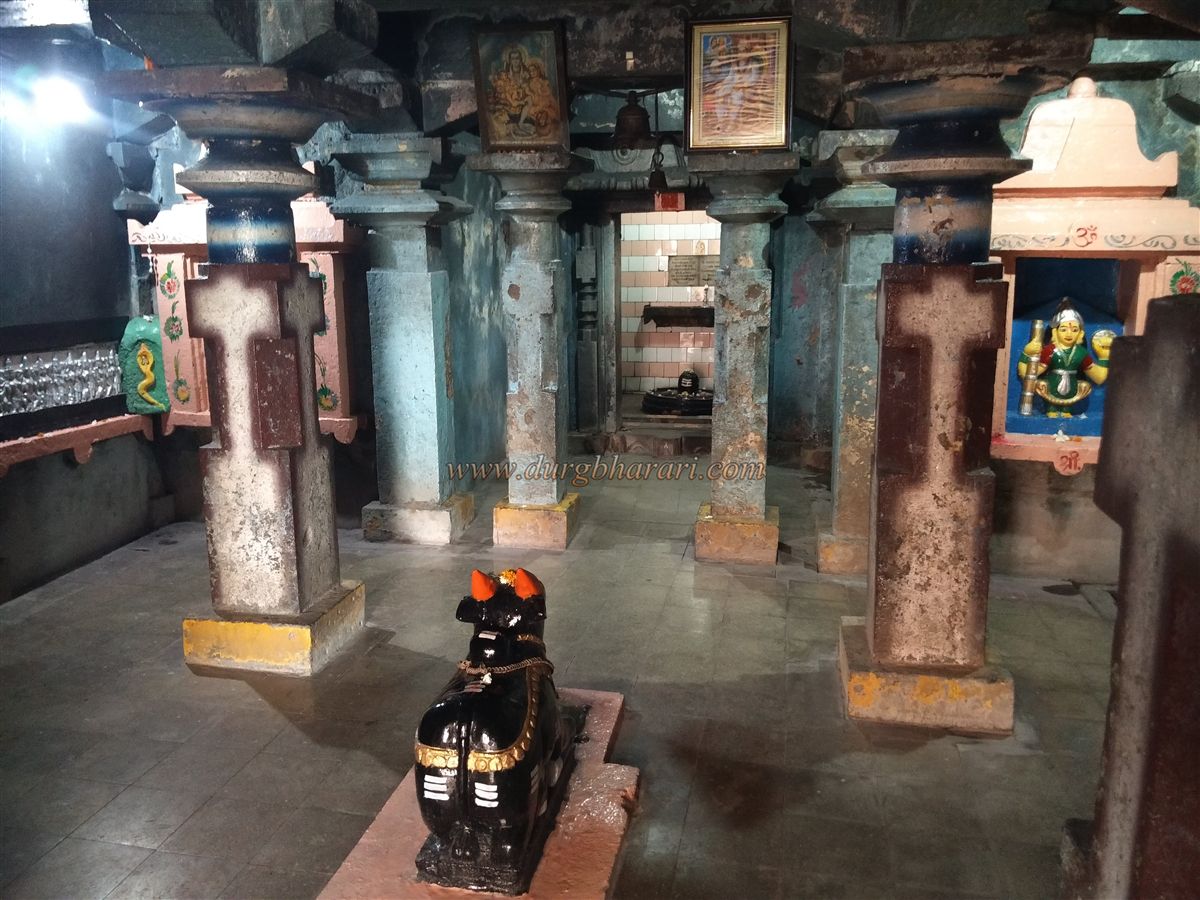
1. A Mahadev temple
2. An arched stepwell (now enclosed within a private property)
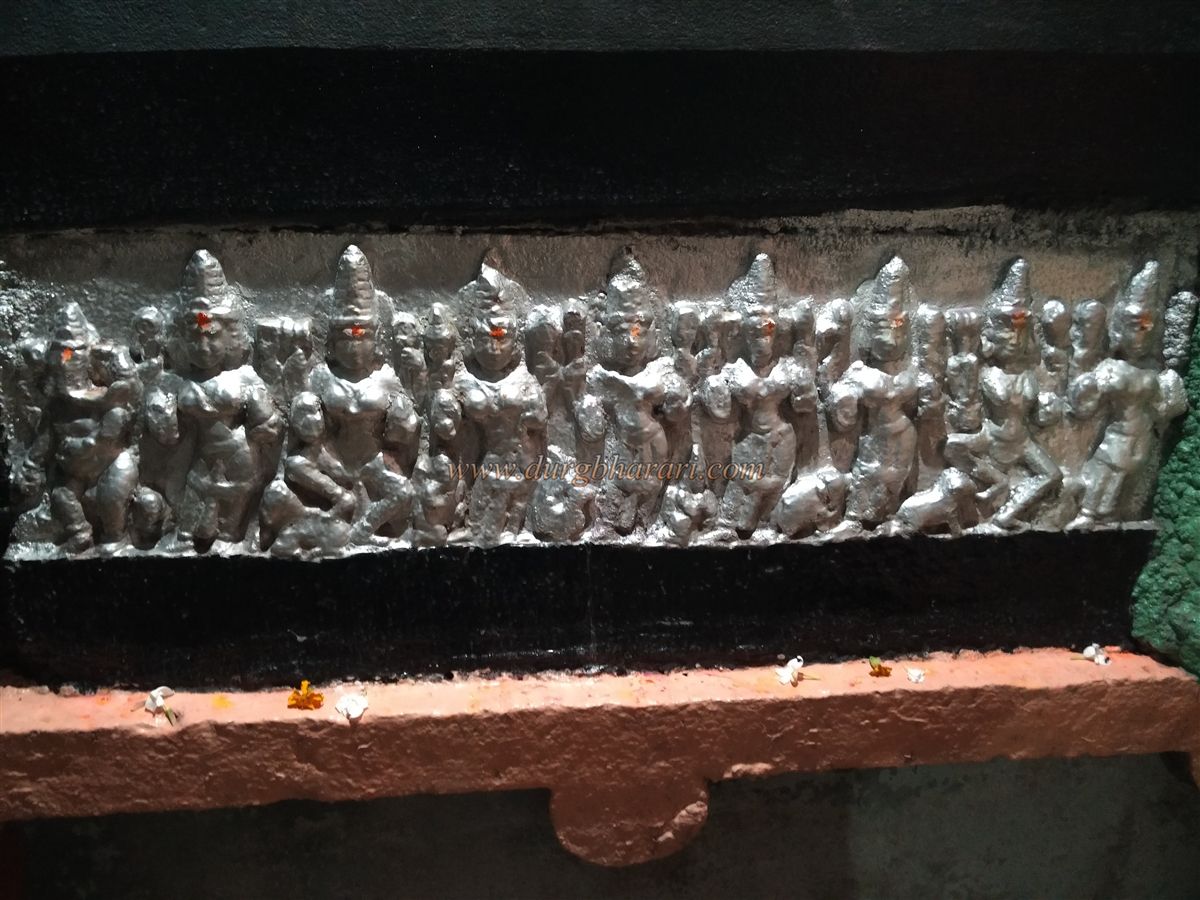
On the path to the Mahadev temple, one can spot a Gajlakshmi sculpture. The interior hall of the temple is built using carved stone pillars and well-cut stone blocks, and on one of the stones is an exquisite carving of the Saptamatrikas (seven mother goddesses). The original structure of the temple has been preserved inside, while the outer portion has been renovated.
The arched stepwell, located near the fort’s centre, is now enclosed inside a house compound and is overgrown with vegetation. This stepwell is locally known as Bamanachi Vihir (Brahmin’s Well).
The fort’s bastions and ramparts were originally built using mud masonry, and in some places, it is still possible to walk along the outer edge and see the moat beyond. However, many locals have dug into the bastions and walls from the inside to extract stones and bricks for building their homes, resulting in the fort being hollowed out from within.
Interestingly, from the outside, the fort still appears intact with a continuous line of ramparts. In the uninhabited parts, dense vegetation has grown, and a rainwater pond can be seen in this area.
A complete exploration of the fort takes about an hour.
No major historical references or documents about this fort are currently available. Based on its structure and style, it is believed that Bagani Bhuyikot was likely built in the 17th century.
© Suresh Nimbalkar
GALLERY