AUDUMBAR
TYPE : MEDIEVAL DATTA MANDIR
DISTRICT : SANGALI
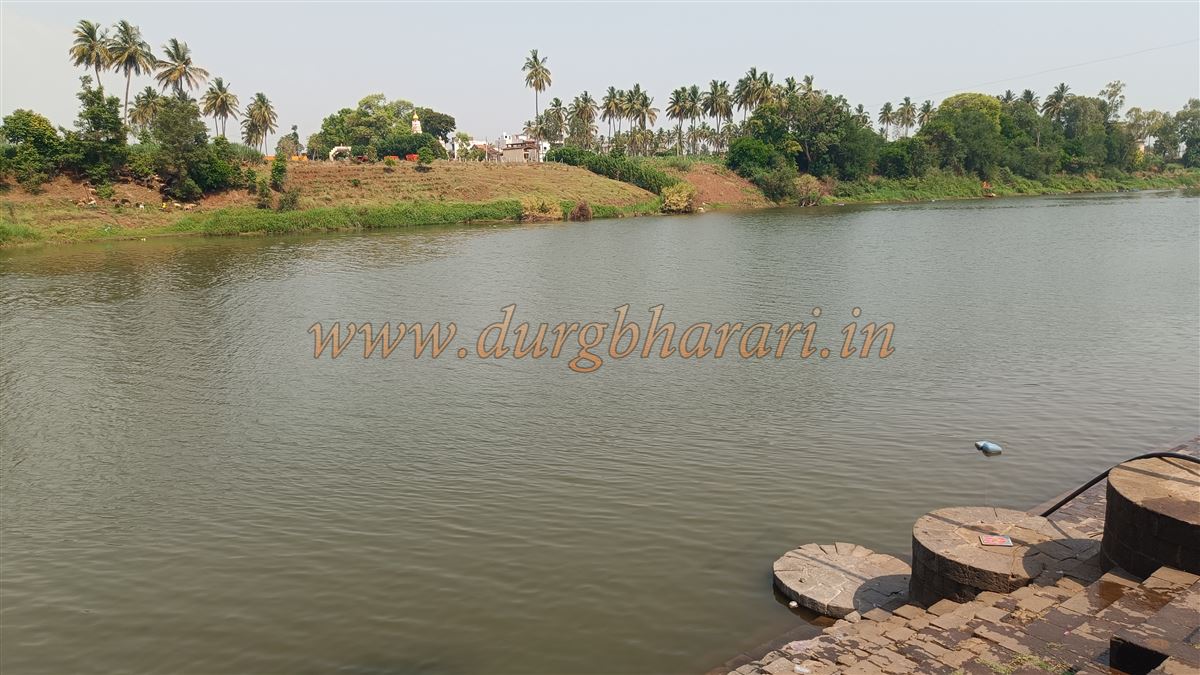
Located on the banks of the Krishna River in Sangli district, the sacred pilgrimage site Audumbar is one of the most important Datta Kshetra among the many associated with Lord Dattatreya across India. In the Shri Datta Sampradaya, this place holds special significance.
Though Shri Narasimha Saraswati—believed to be the second incarnation of Shri Dattatreya—was born in Karanja (Varhad region), he chose the banks of the Krishna River as his spiritual workspace. Through his presence, penance, and work for the upliftment of society, he sanctified two significant pilgrimage centers: Audumbar and Narsobawadi.
On one side of the Krishna River lies Bhilawadi, and on the opposite bank stands Audumbar. Shri Narasimha Saraswati is regarded as the second avatar of Shri Dattatreya, and due to his influence, the Datta tradition spread widely across Maharashtra.
...
His work was so significant that many regard him as the founder of the Datta Sampradaya.
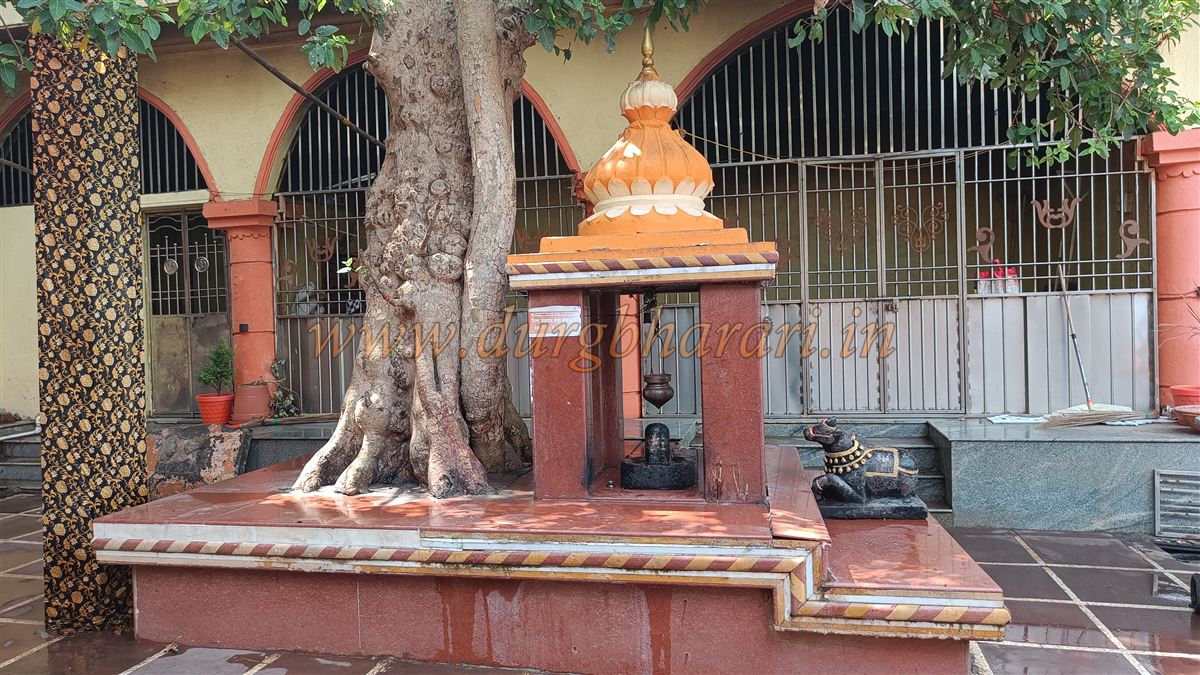
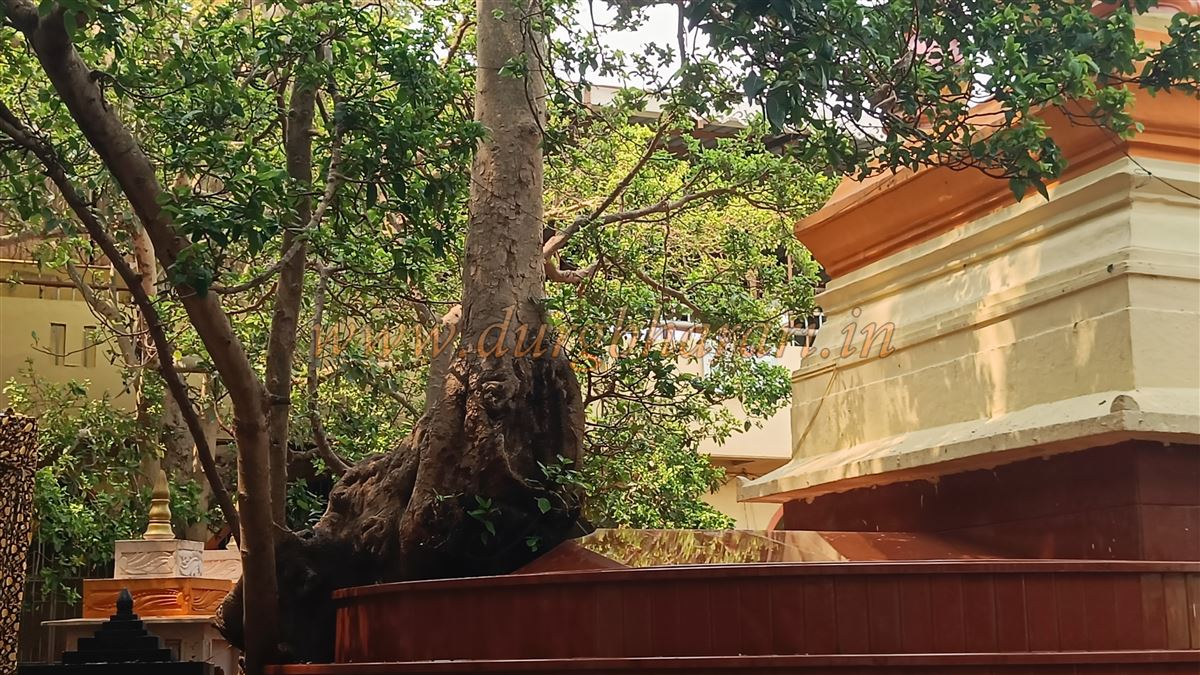
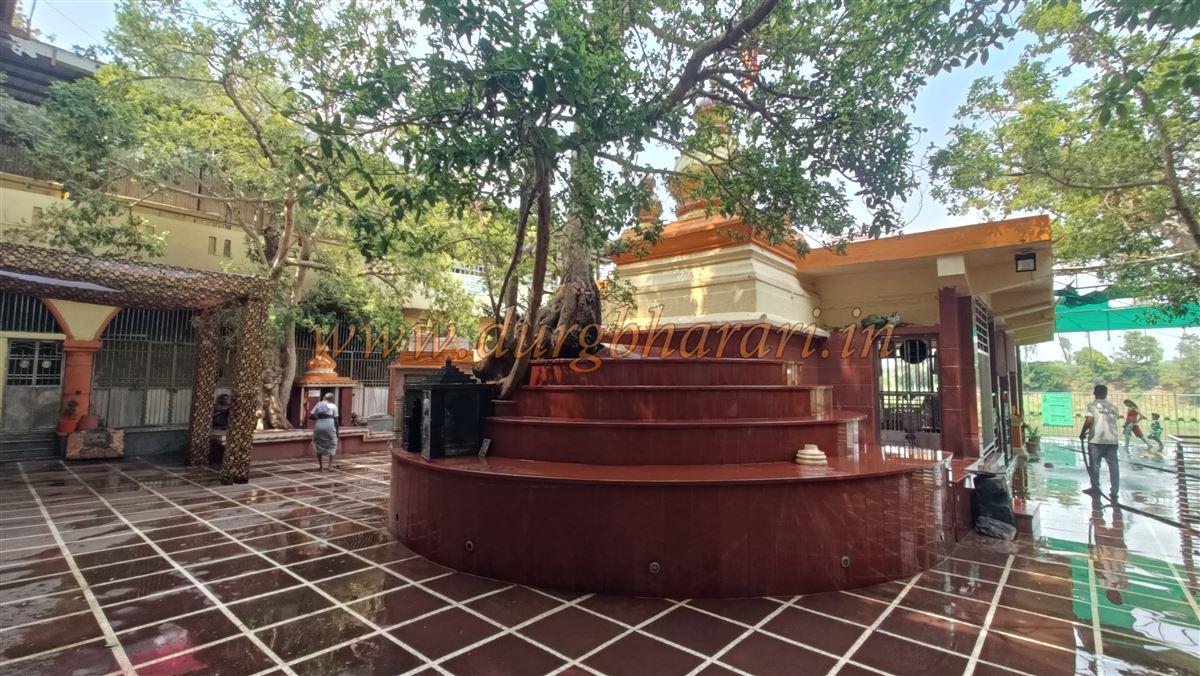
In the year 1441, he stayed at Audumbar during the Chaturmas (four-month monsoon spiritual retreat), making it a particularly revered Datta place in Maharashtra. The thick forest by the Krishna River had naturally formed a secluded tapasya (penance) grove, and under the cool shade of audumbar (cluster fig) trees, Narasimha Saraswati spent four months in deep spiritual practice, bestowing eternal sanctity upon this land.
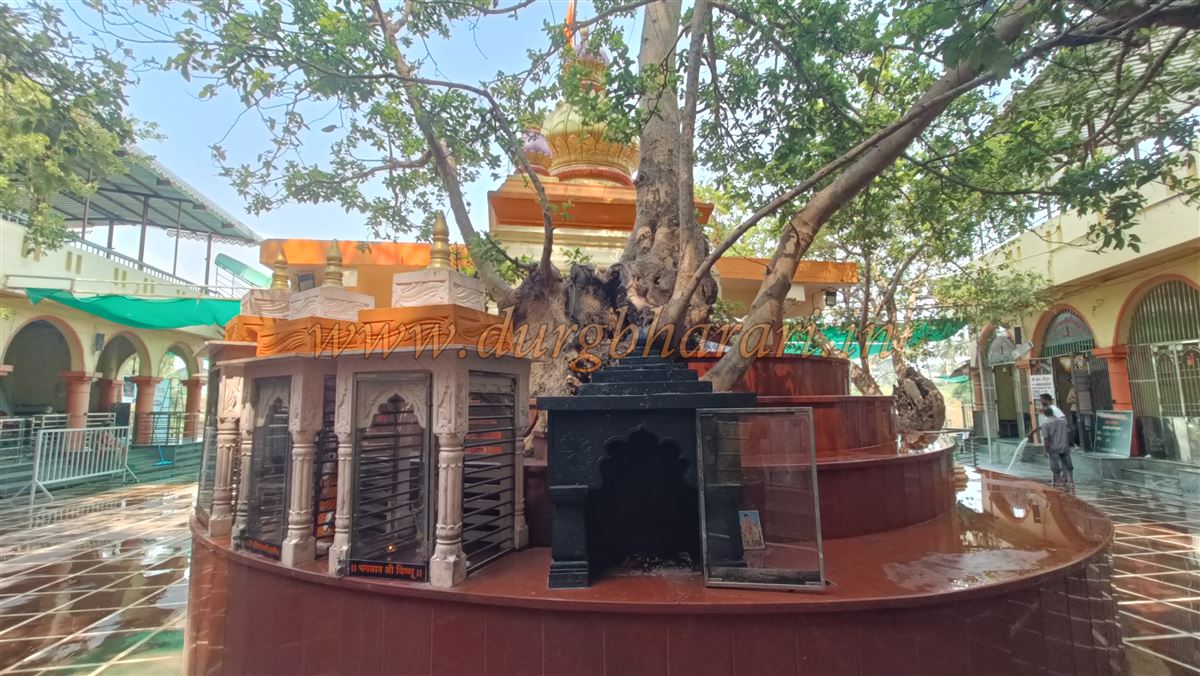
Later, for his next phase of penance, he stayed for twelve years at Narsobawadi. He is believed to have said that his spiritual presence would always reside in the Audumbar tree. Devotees who regularly worship the tree or read the Guru Charitra (Holy Scripture of Datta tradition) beneath it are said to gain great spiritual merit.
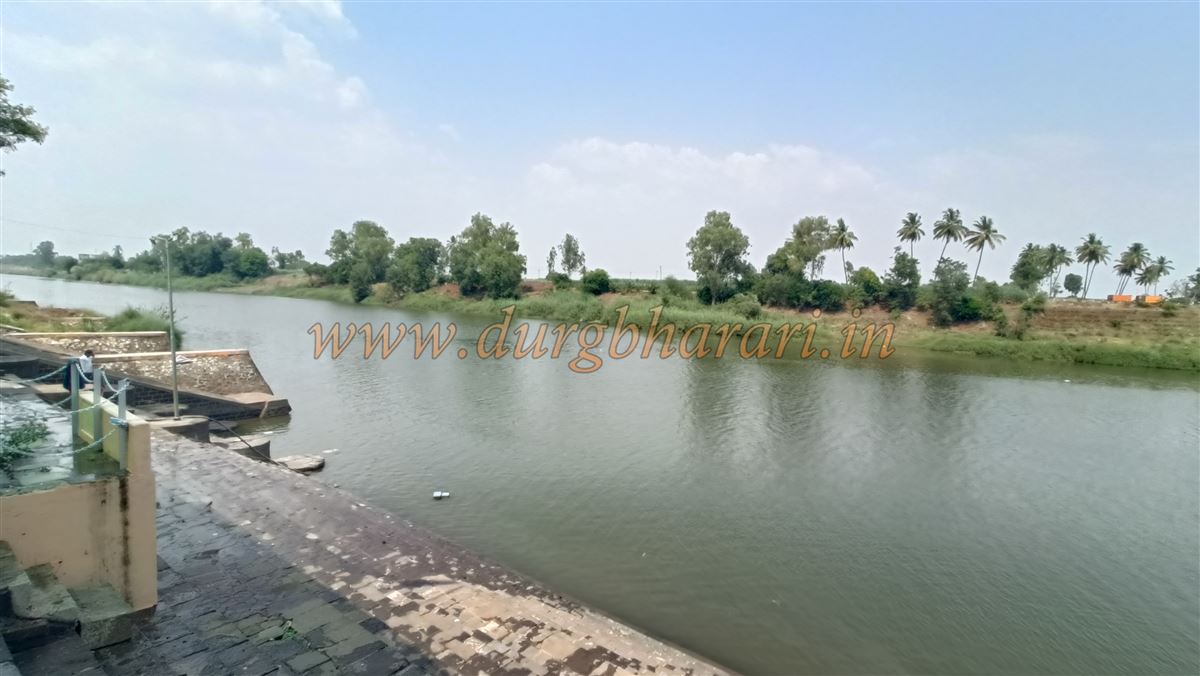
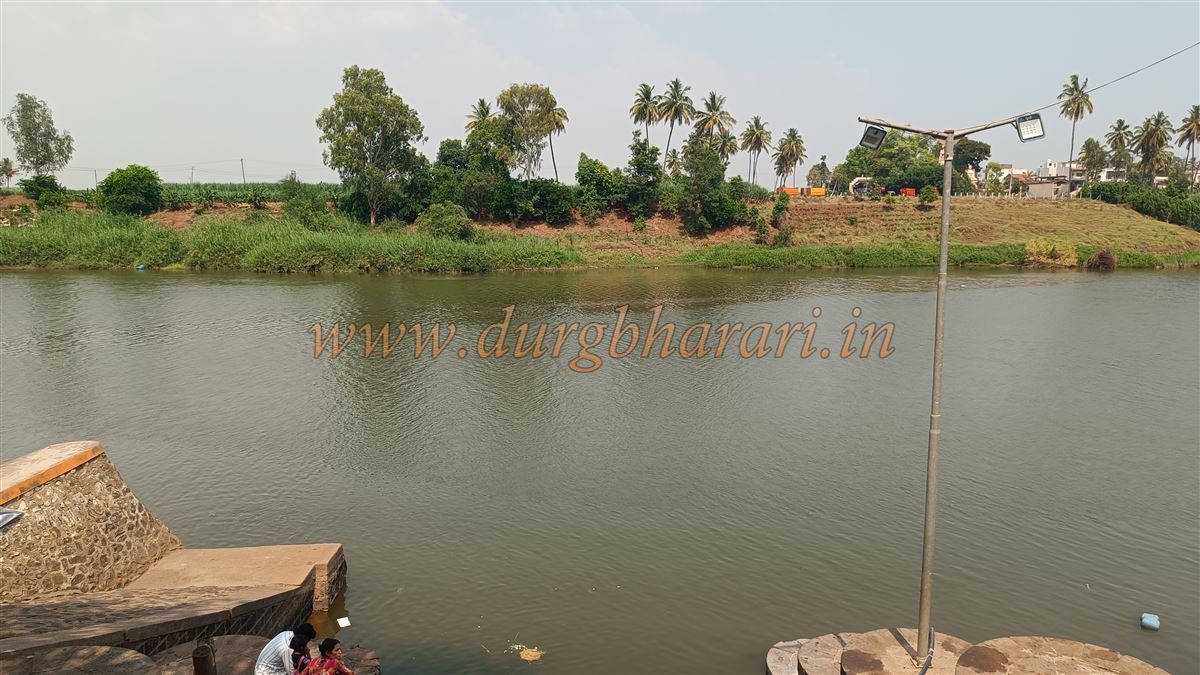
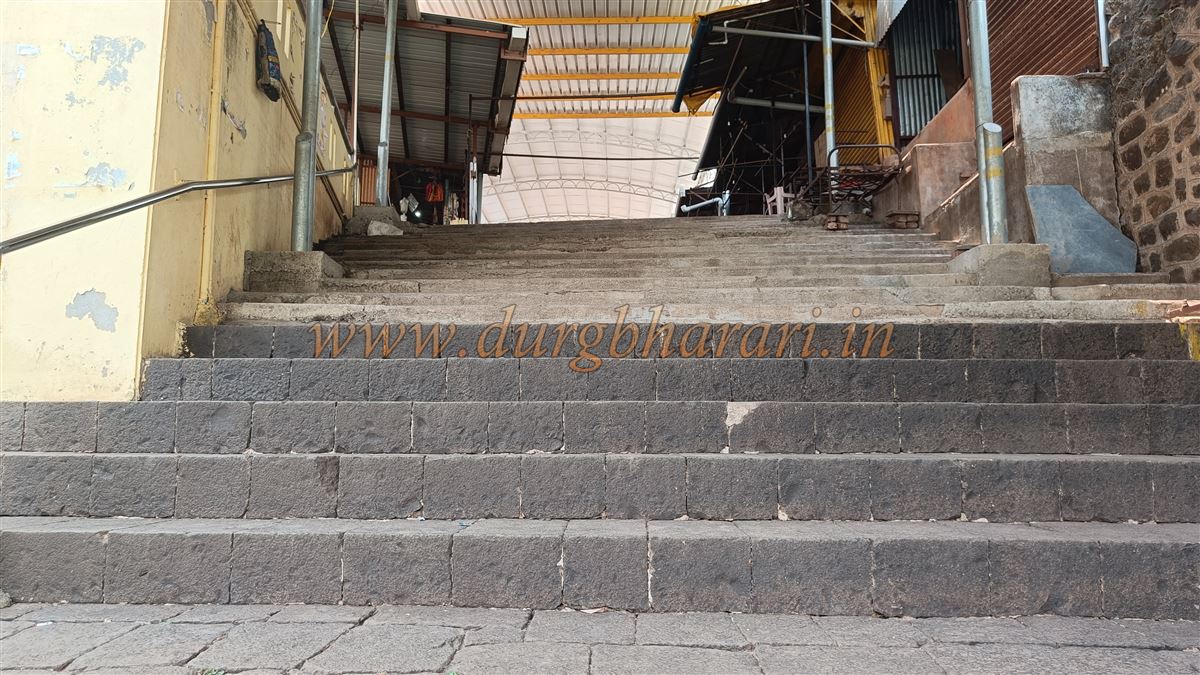
Audumbar glory is such that Saint Janardanswami and Saint Eknath Maharaj are believed to have had divine visions of Lord Dattatreya at this place. In this sacred atmosphere, one must bathe in the holy waters of the Krishna River and then proceed for darshan (sacred viewing) of Shri Dattapadukas (sacred sandals). The bathing ghat is spacious and well-constructed.
With a heartfelt prayer to Krishna Mai (Mother Krishna) and in a state of purity, devotees approach the Padukas. The ghat directly leads to the shrine and was constructed in the early 20th century by Sahajanandswami, disciple of Brahmanandswami, using funds collected from devotees.
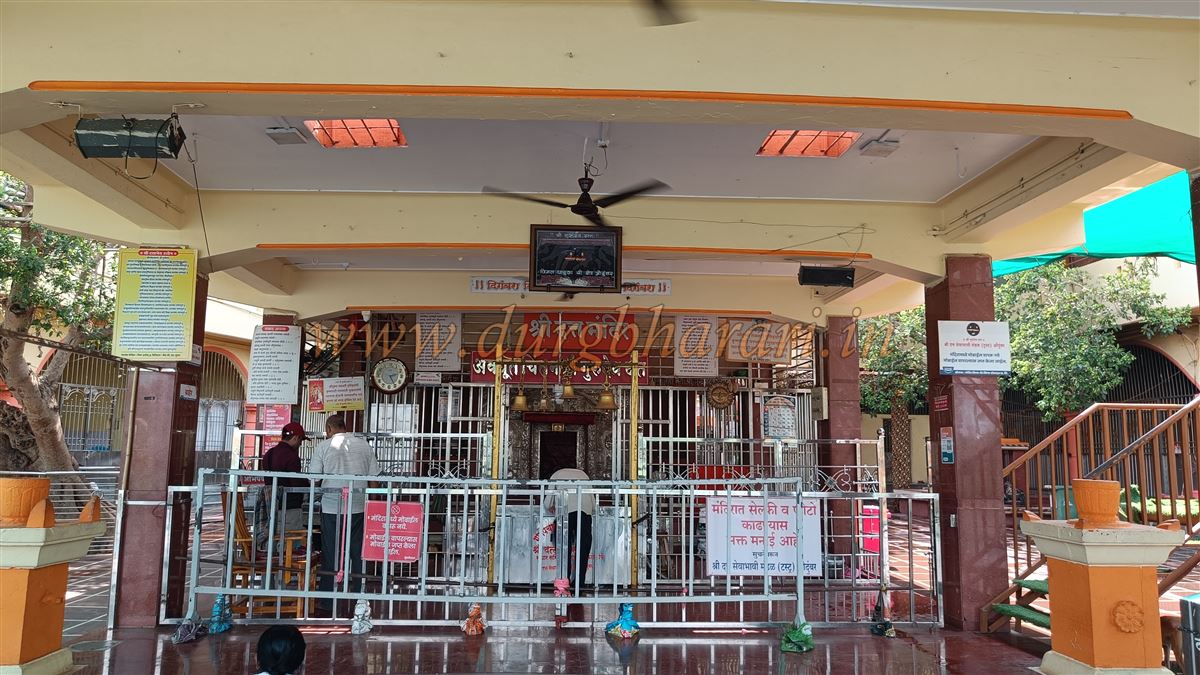
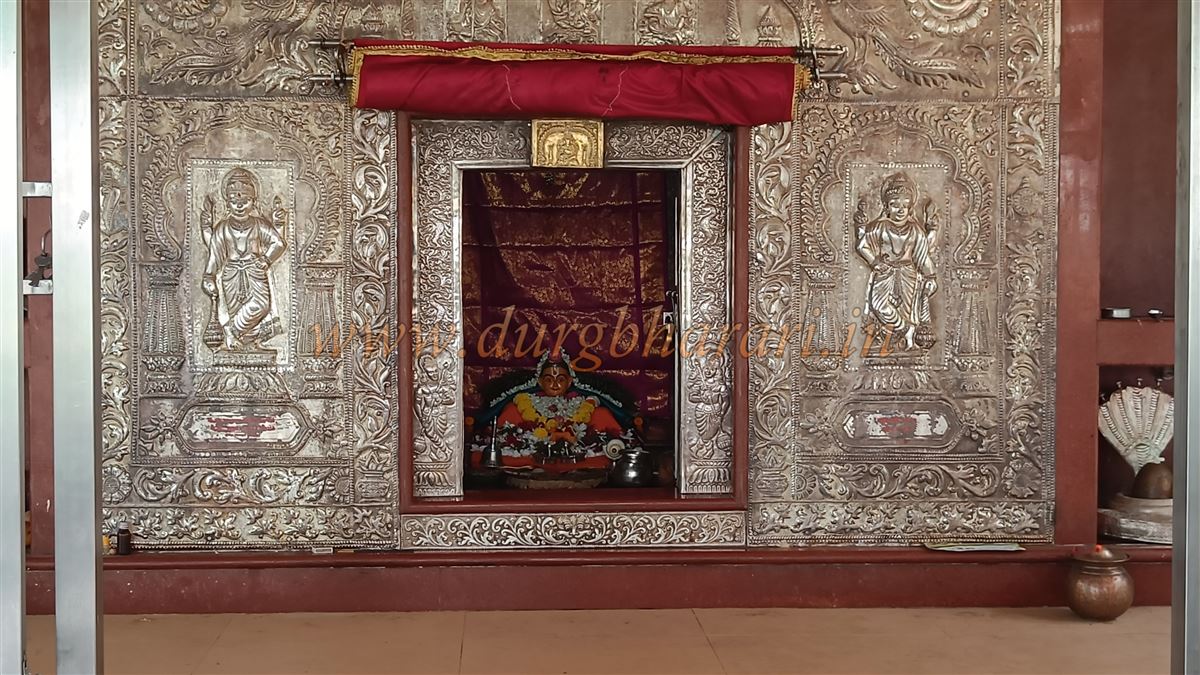
Inside the sanctum sanctorum of the temple, the Paduka of Shri Narasimha Saraswati are enshrined. A dome over the paduka was built by the Deshpande family from Ankalakhope. The outer hall (Mandap) is of more recent construction.
Circumambulating the temple under the shade of audumbar trees, and walking along the path beneath the sacred 'Aajoba' banyan tree, one reaches the Math (monastery) of Brahmanandswami. This revered saint came from Mount Girnar around 1826, established a monastery here, and undertook intense spiritual practice. He attained spiritual perfection in this peaceful and pure environment and eventually took samadhi (final rest) at this very place.
A scholar named Merushastri, who accompanied Brahmanandswami, wrote a Sanskrit commentary called "Jyotsna" on the yogic text "Hatha Yoga Pradipika" with his guidance. Sahajanandswami, disciple of Brahmanandswami, collected donations from devotees and constructed the spacious ghat at Audumbar.
In this same monastery, Shri Vasudev Anand Saraswati (Tembe Swami)—a modern-era saint of the Datta Sampradaya—took the first steps in his spiritual journey. Later, a saint named Shrinarayananand Tirth also resided here.
At Audumbar, the following festivals are celebrated with devotion:
• Krishna Mai Utsav (in Chaitra month),
• Shripad Shrivallabh Utsav,
• Narasimha Saraswati Jayanti (birth anniversary),
• Datta Jayanti.
There is direct bus service to Audumbar from Sangli, and arrangements for lodging and meals are available. There are Dharamshala (pilgrims’ rest houses) in the village as well.
This enchanting and spiritually rich Datta Kshetra is truly worth a visit.
© Suresh Nimbalkar
GALLERY