ASANGAON KOT
TYPE : COASTAL FORT
DISTRICT : PALGHAR
HEIGHT : 0
GRADE : EASY
The Asangaon railway station on the Central Railway is familiar to many, but the Asangaon near Vanagaon on the Western Railway is relatively unknown. Our introduction to this Asangaon came through a reference to a Portuguese watchtower in the area. While exploring forts along the Gujarat border, we came across information about this fort, which led us toward it.
The Portuguese ruled over much of the northern Konkan coast for a significant period. Many small and large fort-like structures built by them can still be seen in the coastal stretch from Vasai to Daman. Most of these forts are now in ruins, with only a few surviving in fragmentary form. Among these is the small Asangaon Fort, situated between the Dahanu and Tarapur forts, and built by the Portuguese. Though small, its location suggests that it must have held considerable strategic importance.
...
Asangaon Fort is located 4 km from the Vanagaon railway station. One can reach Asangaon or the cremation ground outside the village by private rickshaw. While inquiring about the fort in the village, ask for the Madi (watchtower). A dirt path from the cremation ground passes through private fields and leads toward the Tarapur Thermal Power Station. This entire region is now marshland but was once part of the Dahanu creek. Even today, water reaches this area during high tide, although the dirt path on the bund has divided the area into two parts.
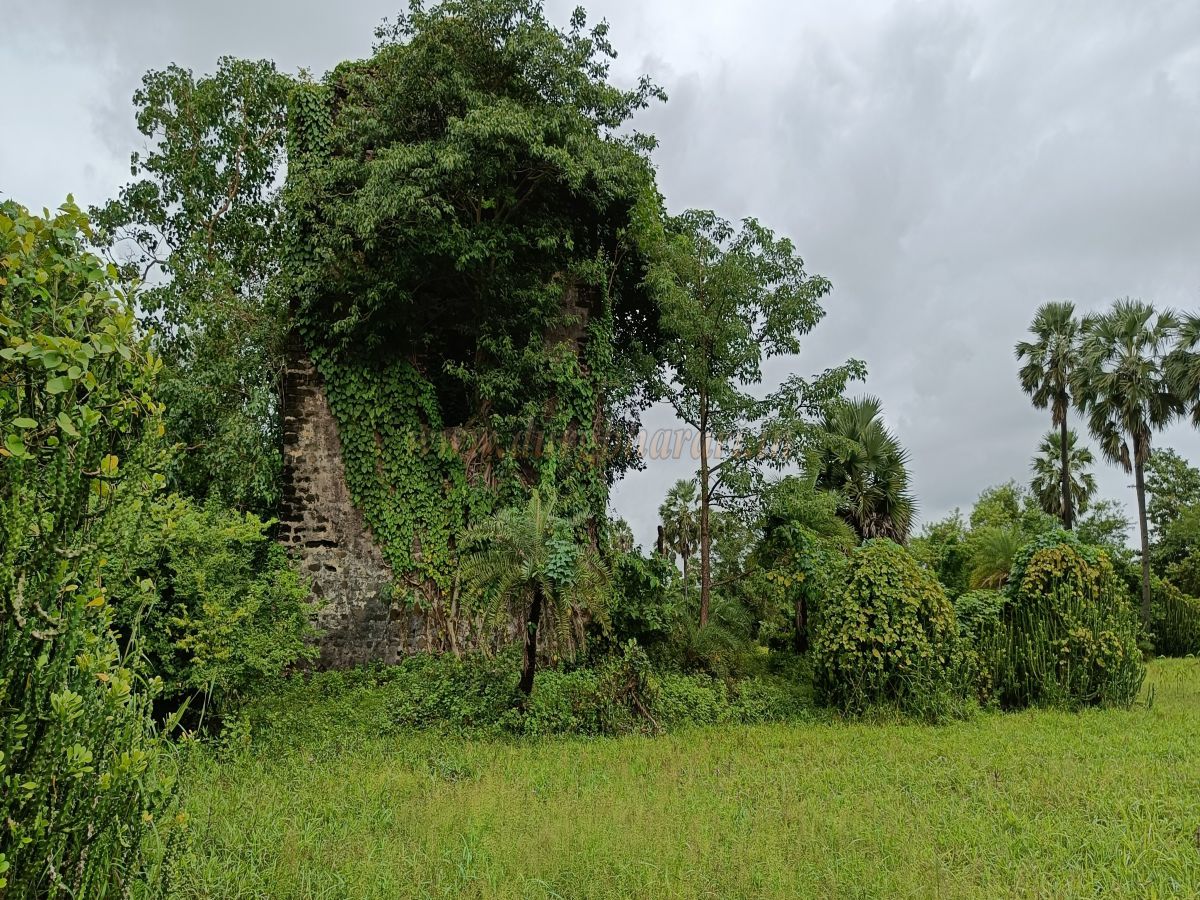
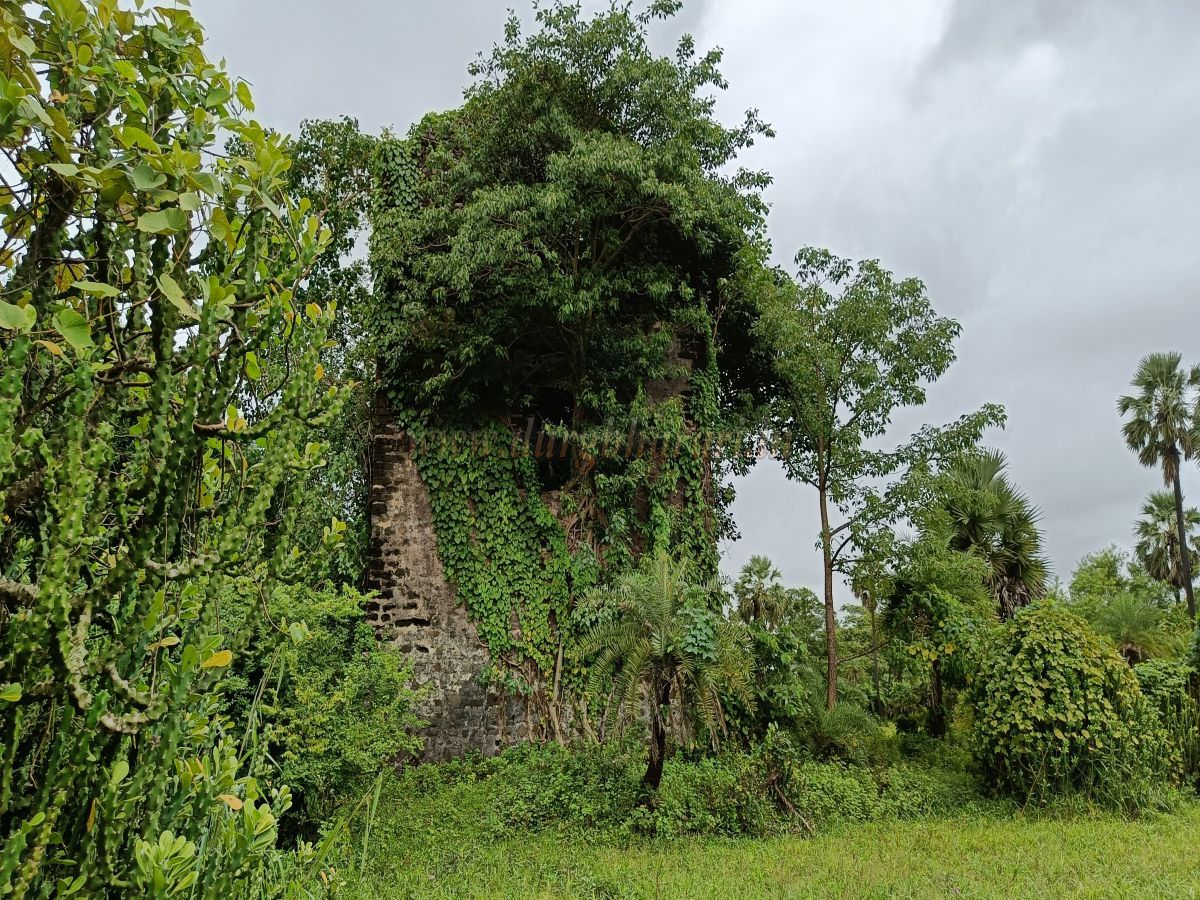
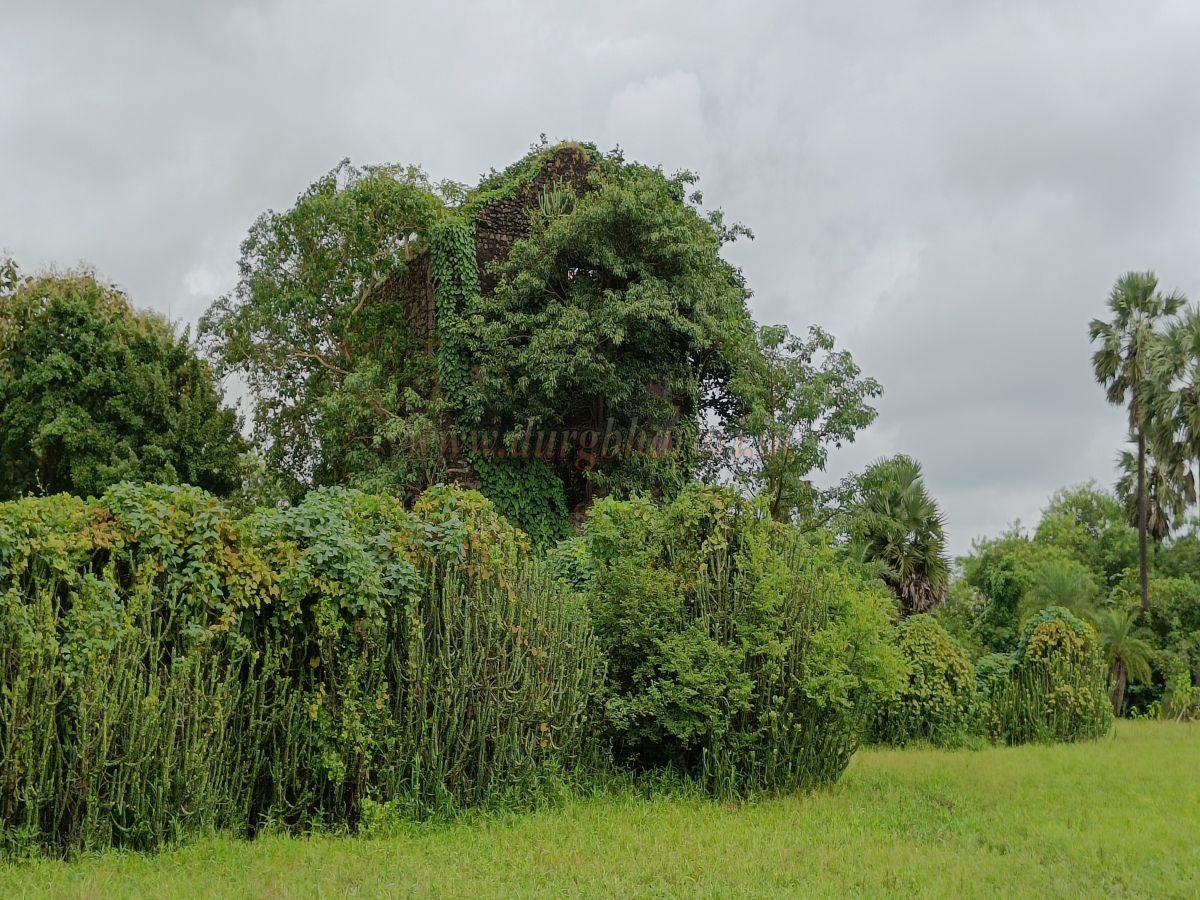
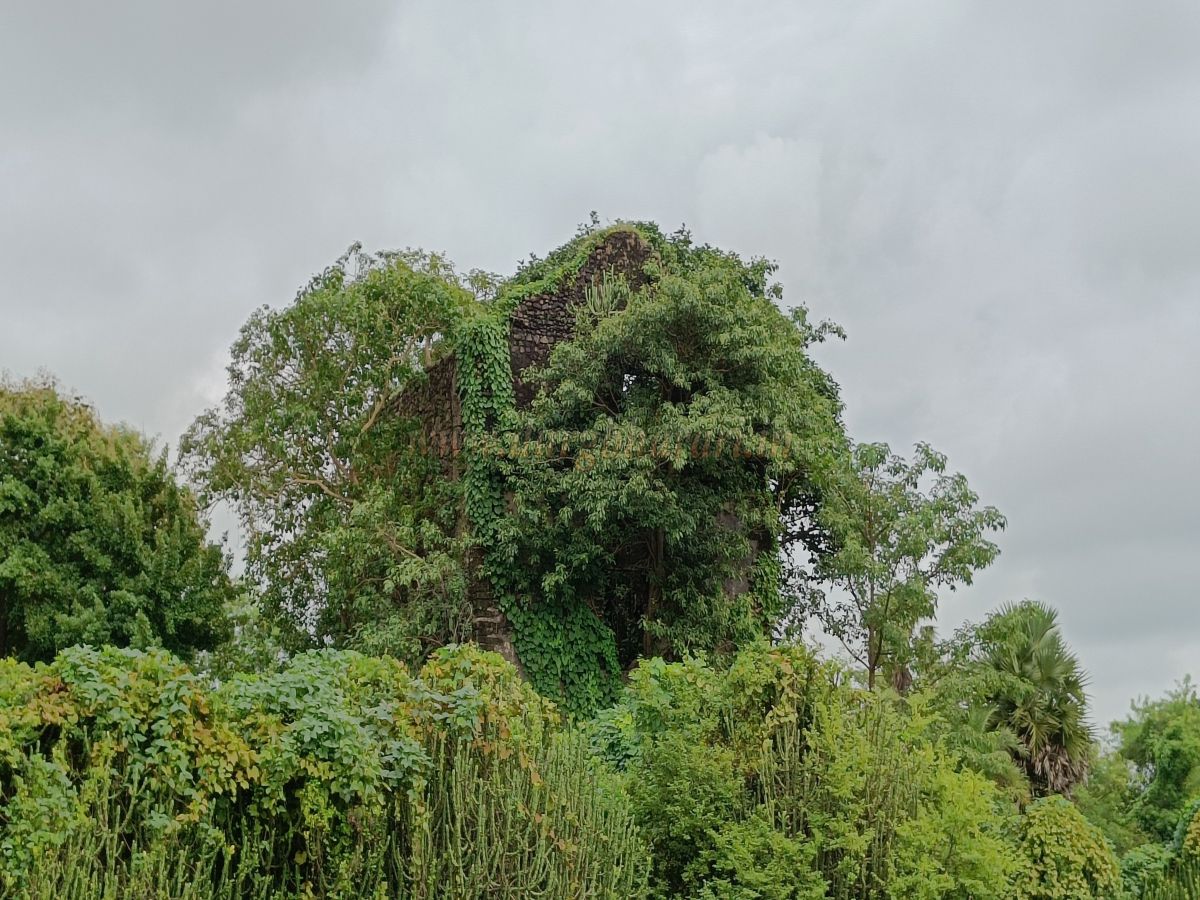
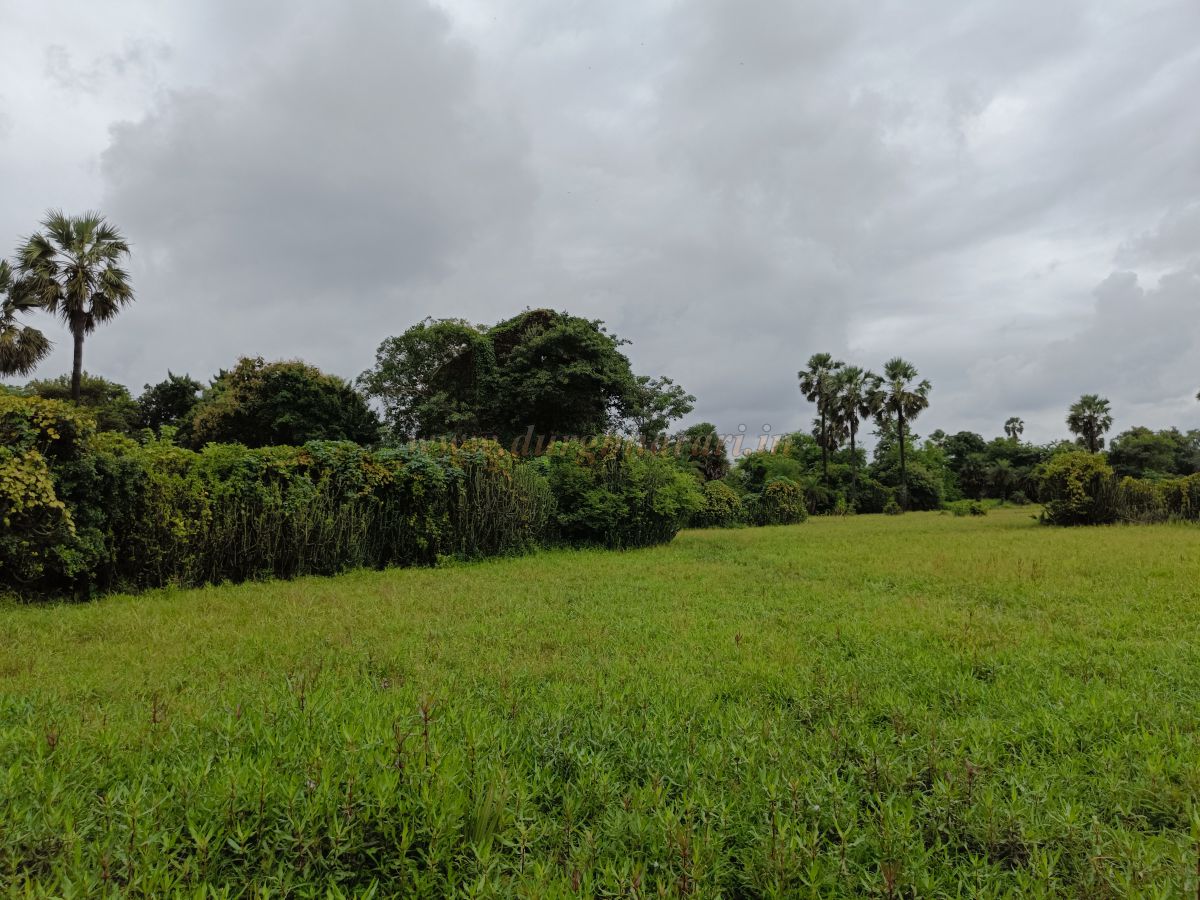
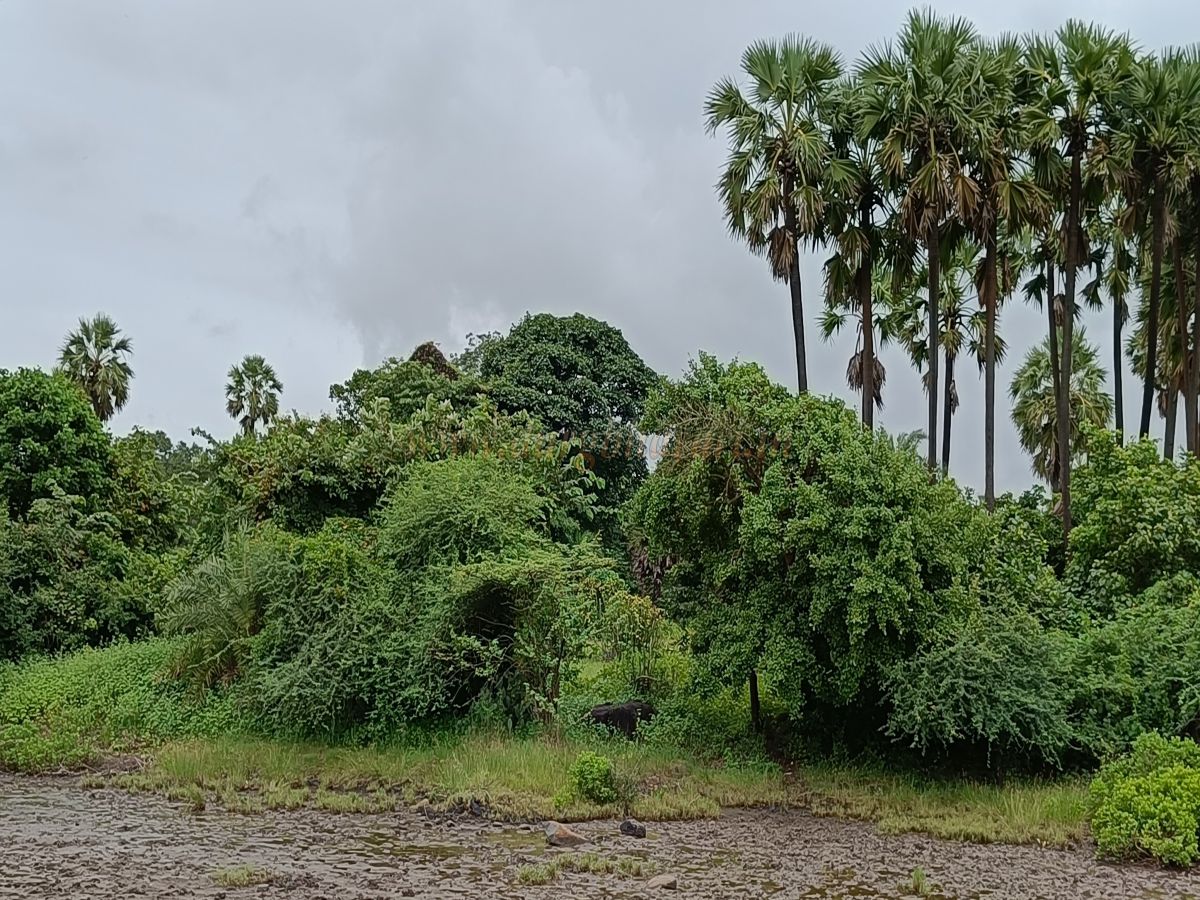
About half a kilometer along this path, to the right, surrounded by shrubs and trees, one can spot Asangaon Fort. Portuguese watchtowers typically have similar designs and proportions. The structure and layout of this fort are somewhat similar to the Kelwe Pankot. It is believed that during high tide, water used to reach up to the fort. The fort measures approximately 80 by 50 feet. The outer part is now completely destroyed. However, a two-storeyed bastion on one end still survives. As with Kelwe Pankot, one must climb into this bastion through a window. It appears to have a sloping tiled roof.
The construction uses rough-cut stones, with lime plaster coating the walls. On the bastion walls, there are notches for inserting wooden beams to support the upper floor. Given the location and design, this structure likely served as an important toll checkpoint and watch post. Due to complete neglect, banyan and peepal trees have grown wildly over the walls.
It takes around 15 minutes to explore the entire fort. The Portuguese were a seafaring community. Most of their forts were built along the coast to maintain direct sea routes with Portugal. The small forts and watchtowers they constructed between Vasai and Daman were aligned in parallel with the shoreline. Built around the 16th century, these forts primarily served to monitor and protect maritime routes.
These were small structures equipped with watchtowers and long-range cannons, through which the Portuguese established their maritime dominance over the northern Konkan region. During the 1739 Vasai campaign, this fort, along with Dahanu Fort, fell into the hands of the Marathas.
Anyone interested in seeing a Portuguese outpost along an ancient maritime trade route and understanding its geographical importance must visit this site.
© Suresh Nimbalkar
GALLERY