AMRUTESHWAR
TYPE : ANCIENT SHIVMANDIR
DISTRICT : AHMEDNAGAR
For nature lovers, Bhandardara in the Ahmednagar district has always been a place of attraction. Rich with hills and valleys, forests, ghats, forts, and reservoirs, this region offers diverse natural beauty. Popular tourist destinations like the Bhandardara Dam area and the Randha Waterfall in Akole Taluka are now well-known. However, the true charm of the region lies beyond the dam. Bhandardara is about 200 km from Pune and 180 km from Mumbai. The distance from Bhandardara to Ratanwadi is approximately 20 kilometers.
At the foothills of Ratangad and on the banks of the Pravara River lies Ratanwadi, where you’ll find the stunning Amruteshwar Temple—an extraordinary example of intricate stone carving. In the 10th–11th centuries, the Shilahara dynasty constructed twelve temples near the sources of twelve major rivers from the Godavari to the Bhima.
...
Among them is this Amruteshwar Temple, located near the source of the Pravara River.
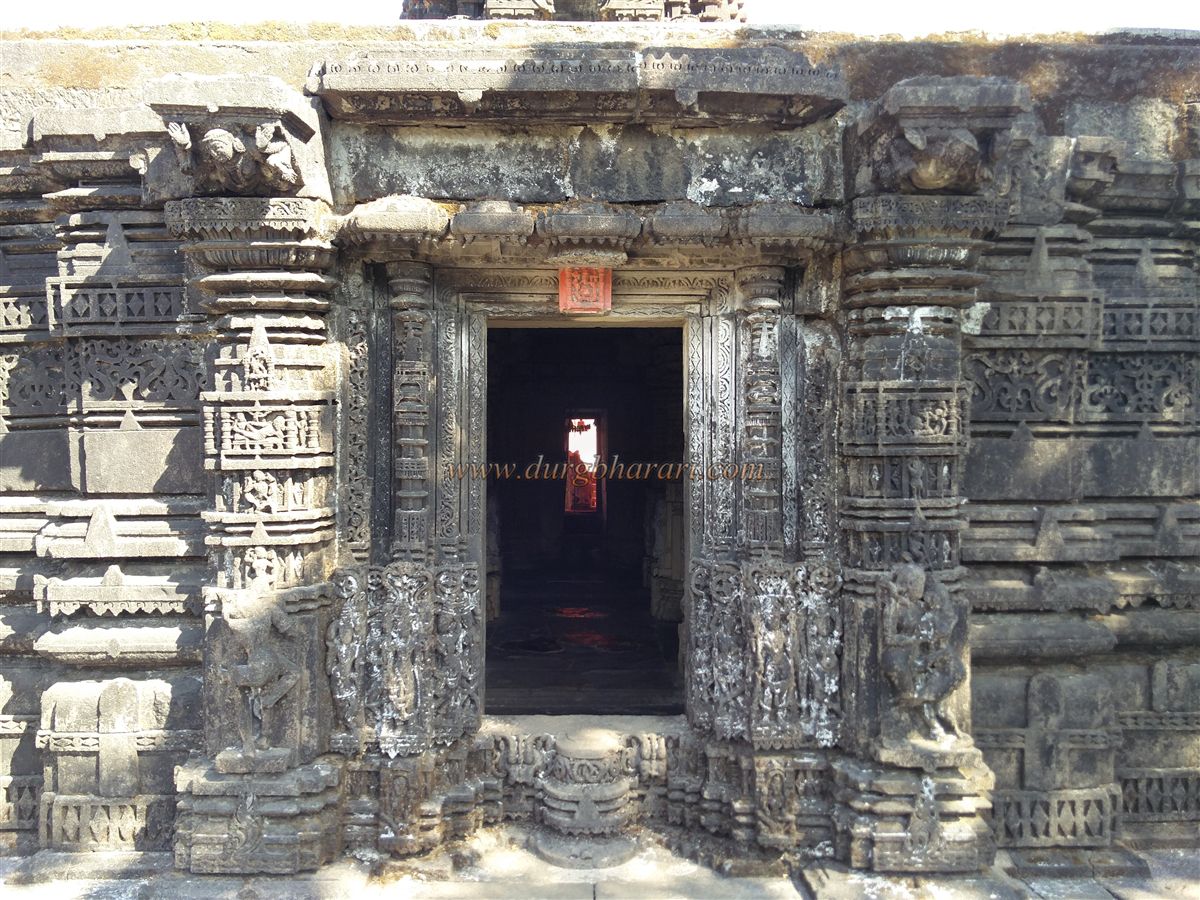
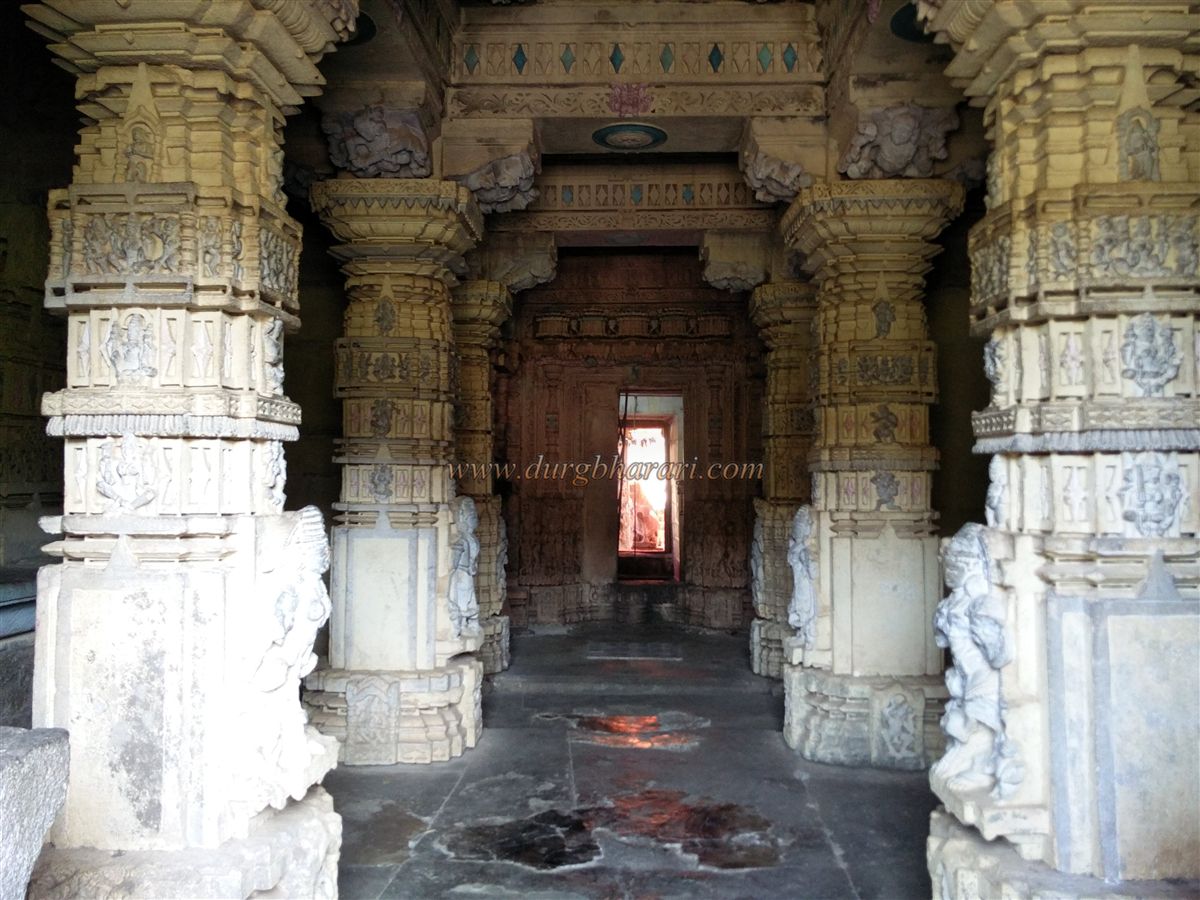
Built in the Chalukya style, this temple is a remarkable specimen of ancient Indian temple architecture. It comprises a Nandi Mandap (pavilion), sanctum (Garbhagriha), assembly hall (Sabhamandap), and a Shikhar (temple tower). The sanctum has entrances from both the eastern and western sides—a unique feature also observed at the Siddheshwar and Harishchandragad temples in the region. This unusual layout allows the visitor to pass through the Nandi Mandap, then the sanctum, and finally the assembly hall.
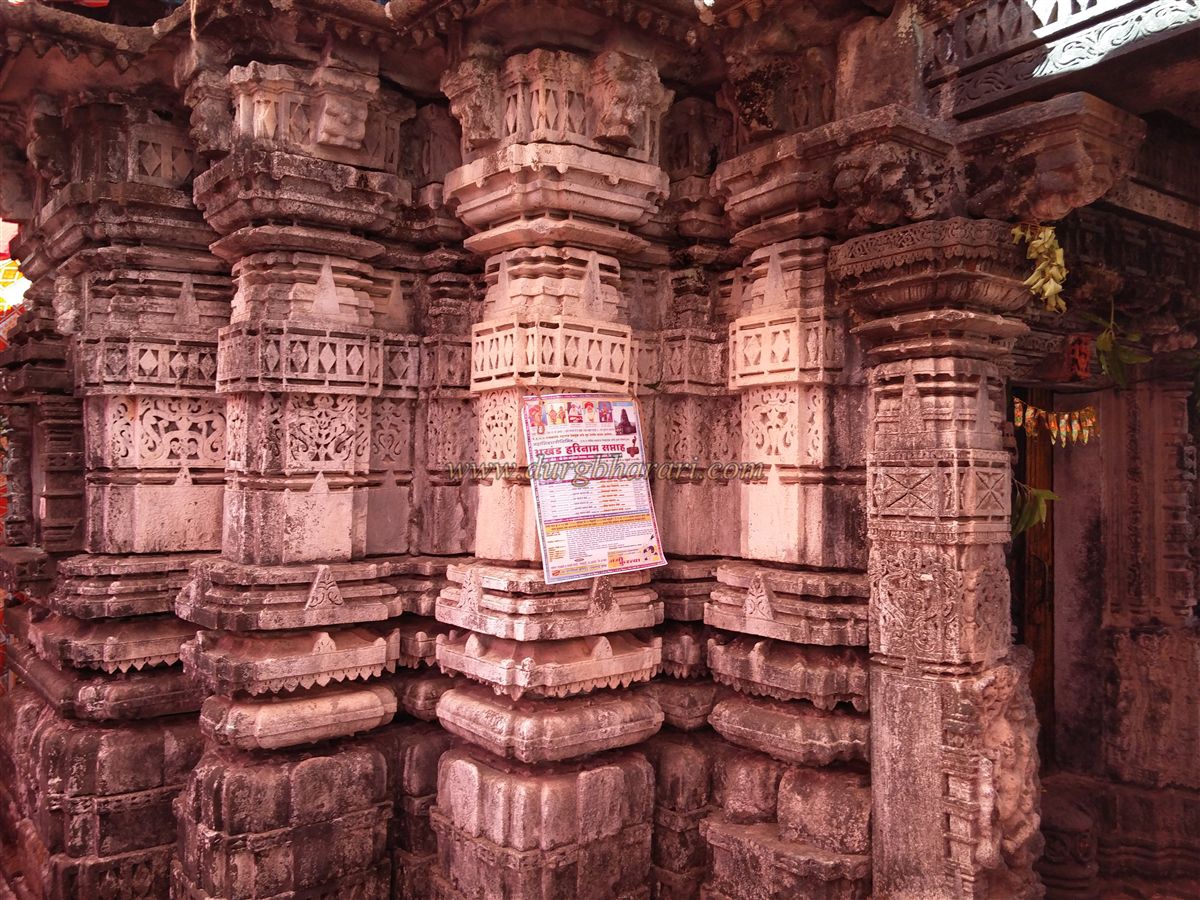
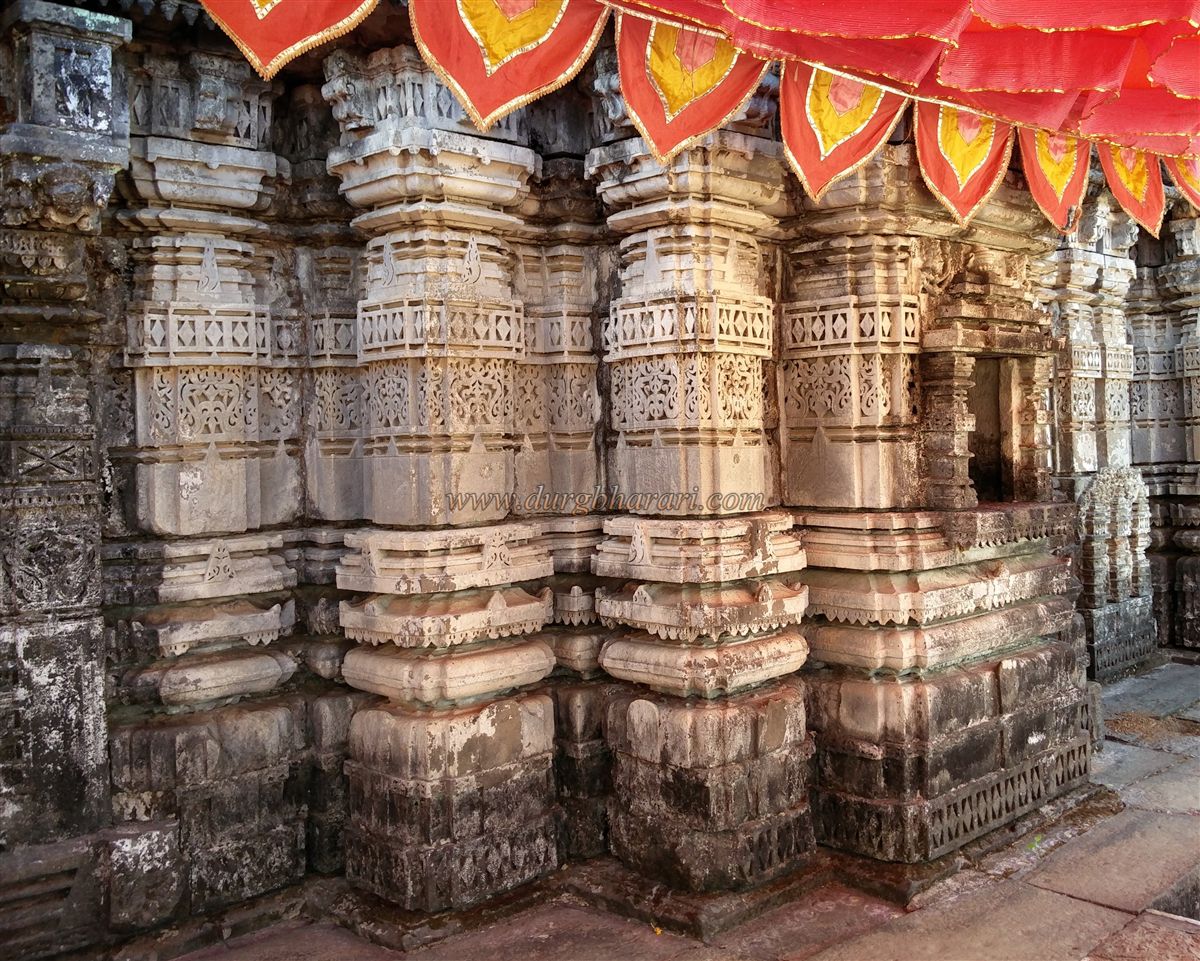
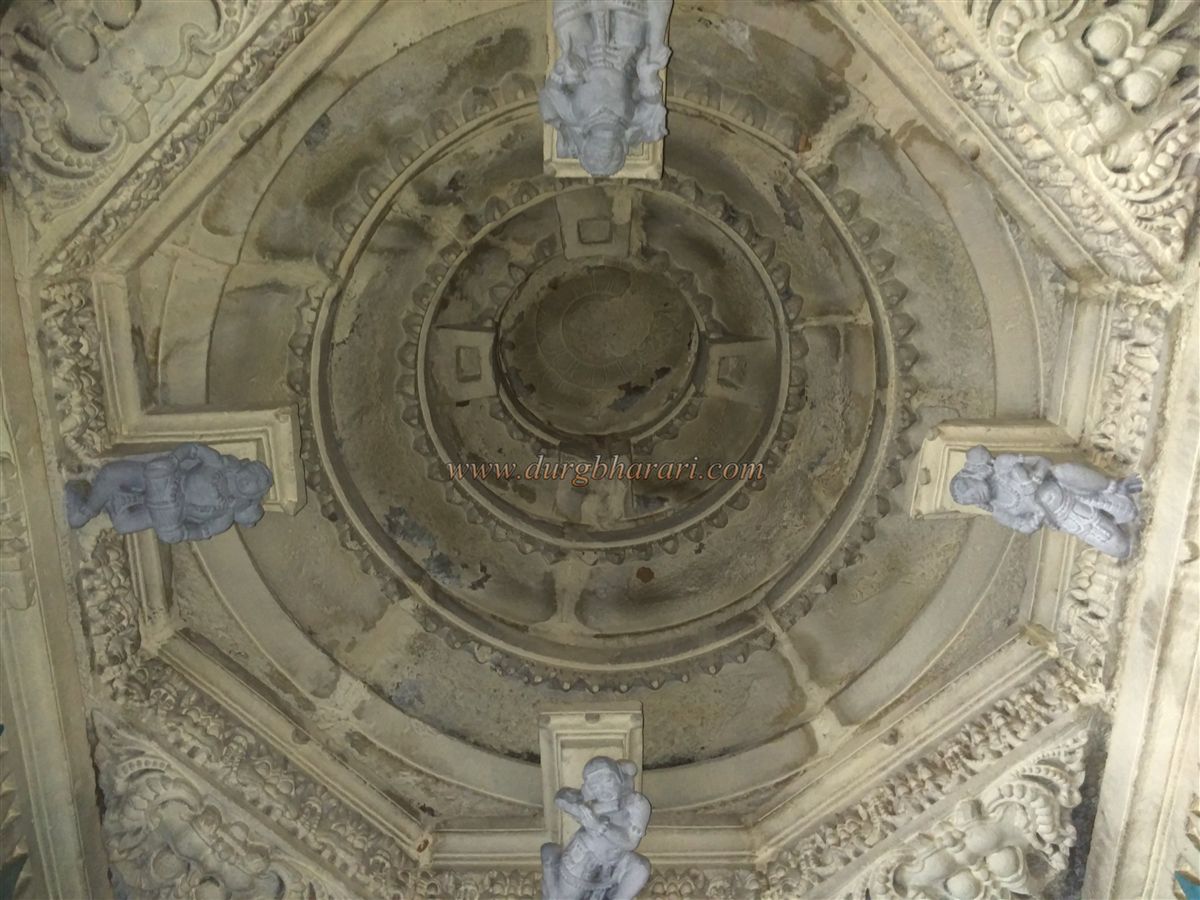
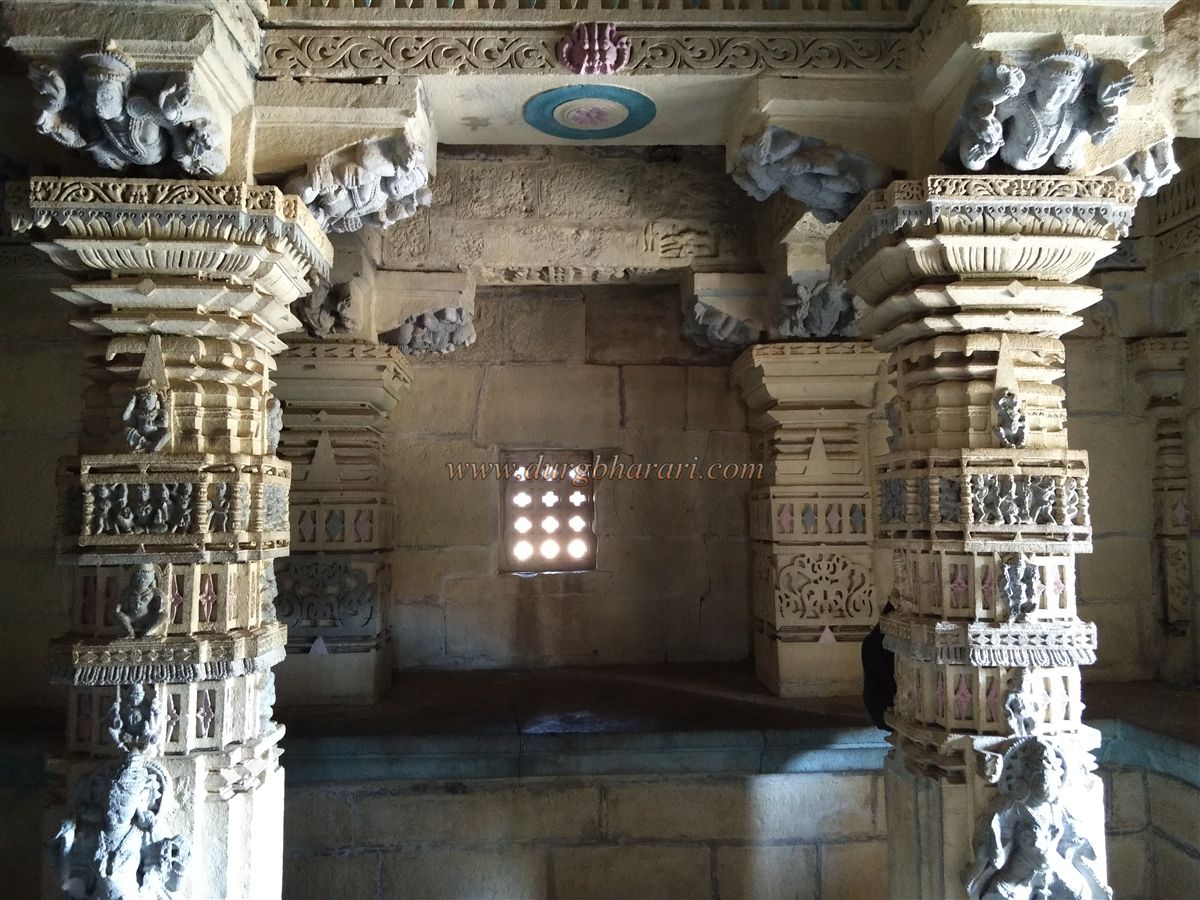
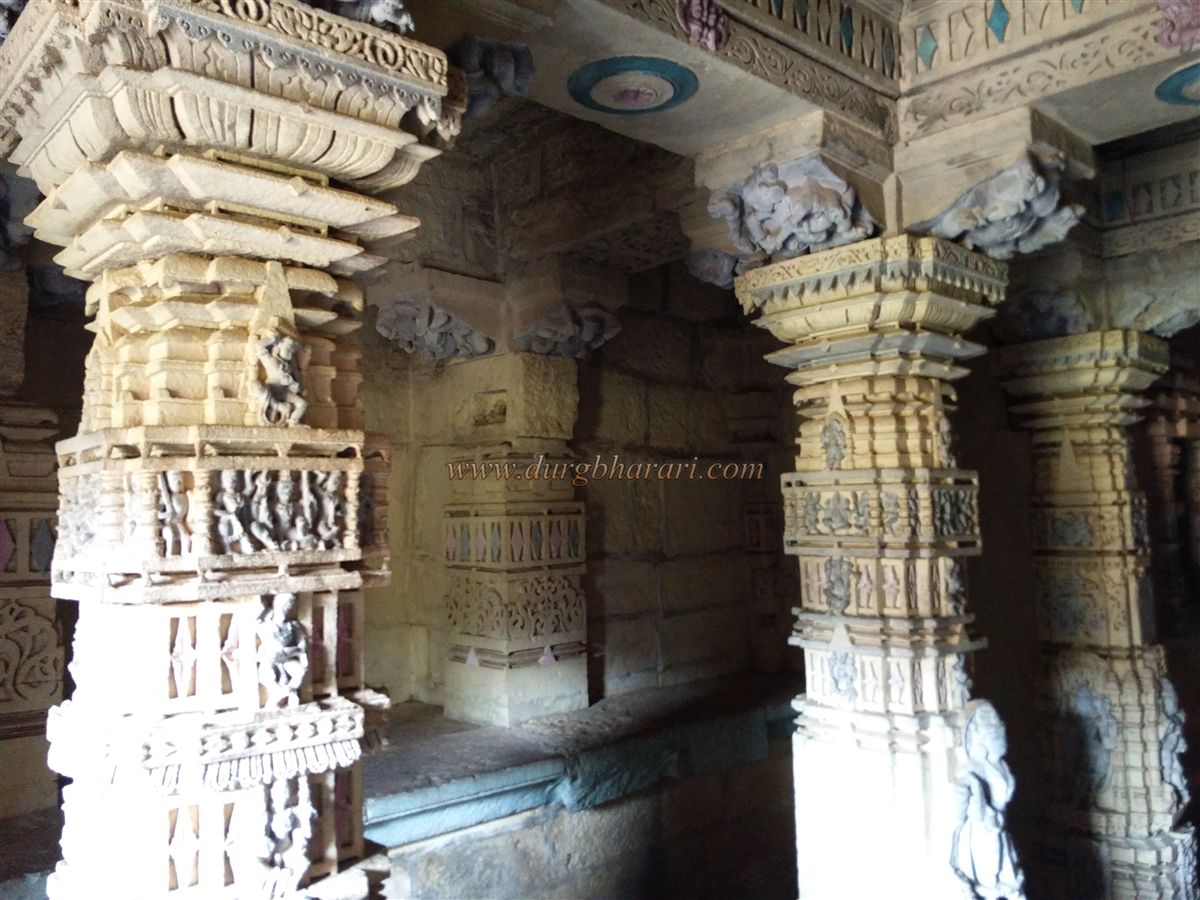
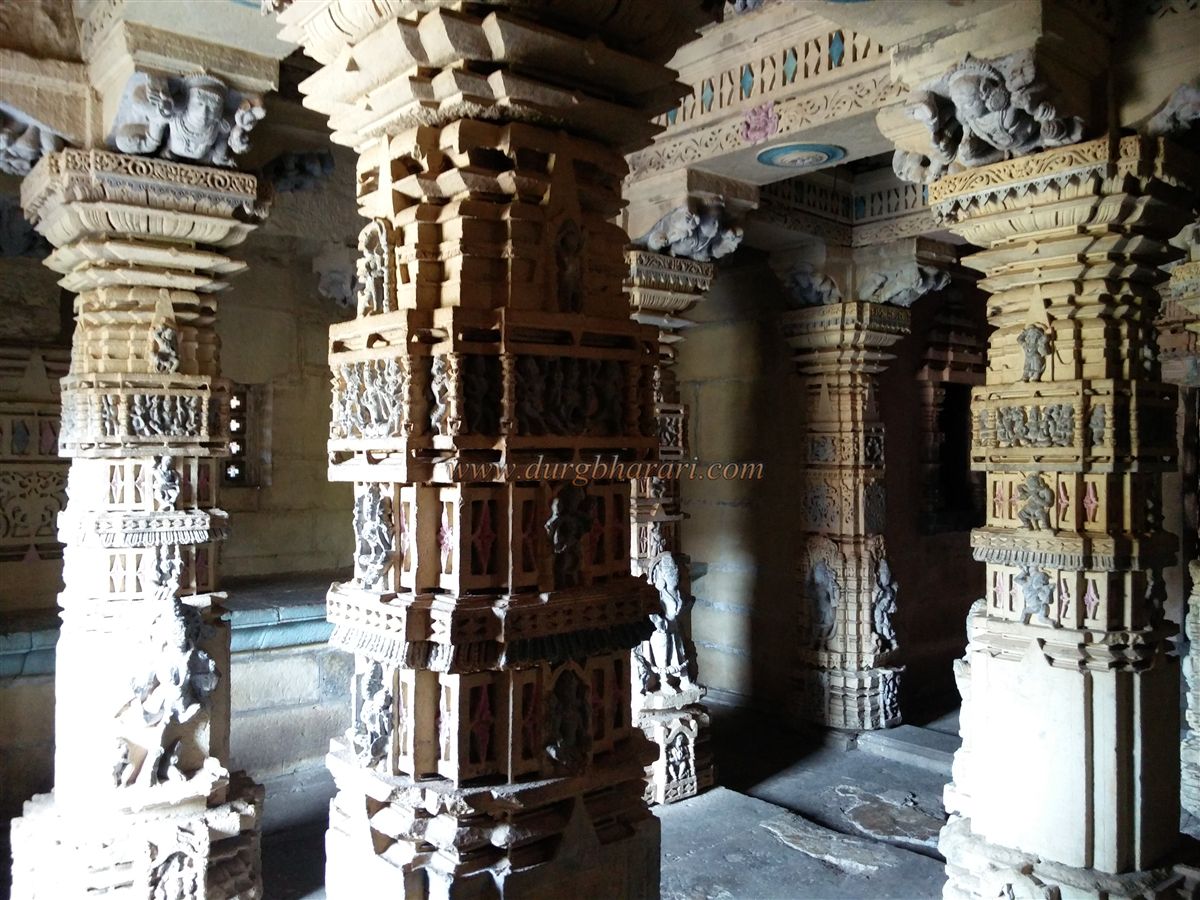
Constructed without lime, the temple stands 45 to 48 feet tall, completely made of stone, with a length of 70 feet and a width of 36 feet. One of the main entrances opens directly into the sanctum. The door to the sanctum is adorned with carvings of Kirtimukh (a fierce face), conch shells, and lotus vines. Behind the sanctum lies a semi-Mandap (half pavilion). The temple’s foundation is tiered and square, with beautifully carved square pillars above it. The top sections of the pillars are octagonal, leading into circular shapes, topped with Keechak-hasta carvings (a form of ornate pillar bracket). The ceiling of the Mandap is dome-shaped, with angled figures of dancers and musicians spaced at regular intervals.
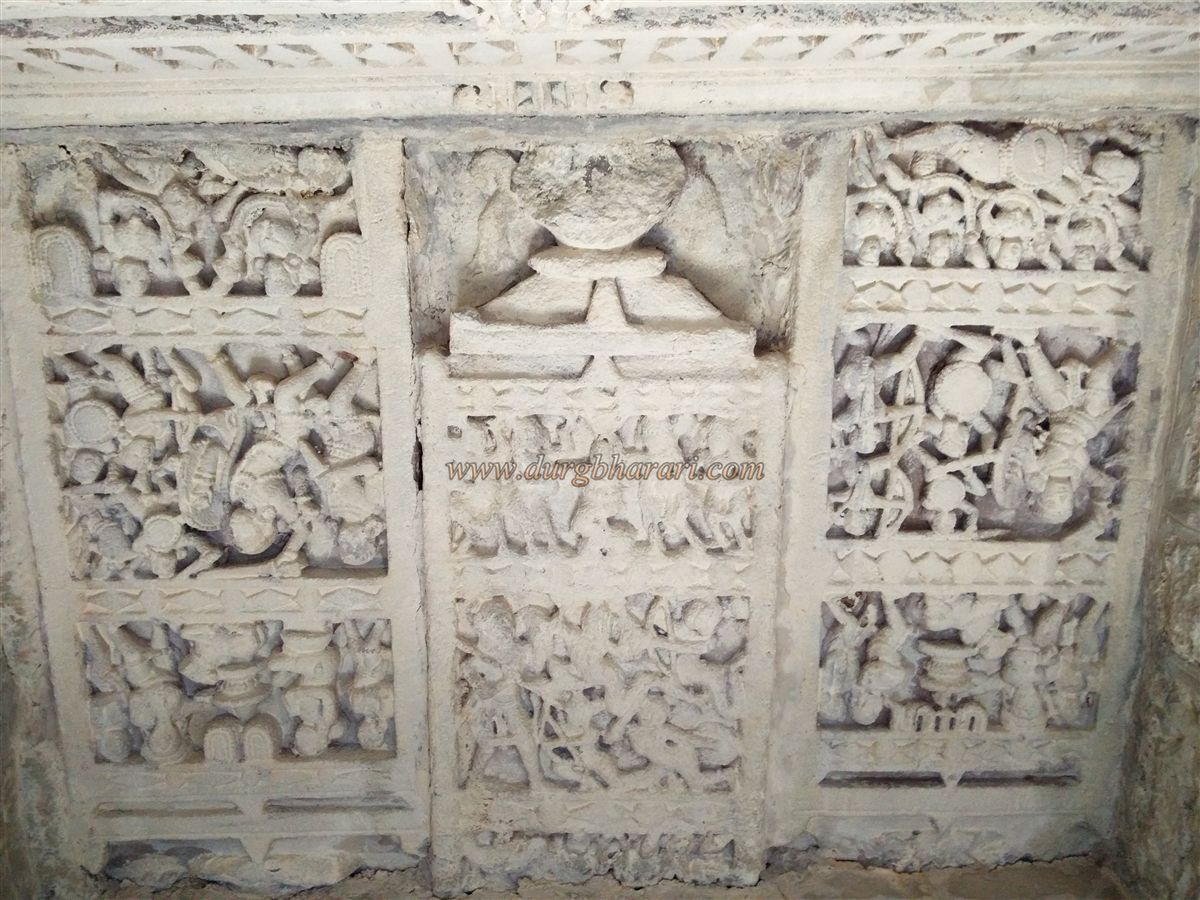
Built in the Bhumij style, the temple is adorned with exquisite sculpture. The outer walls showcase intricate carvings of various deities, mythological scenes, erotic sculptures on the doors, and depictions of rituals such as Shiva worship. The scene of the Samudra Manthan (churning of the ocean) is particularly impressive and a must-see. To let in light, many parts of the temple include intricately carved stone lattice windows.
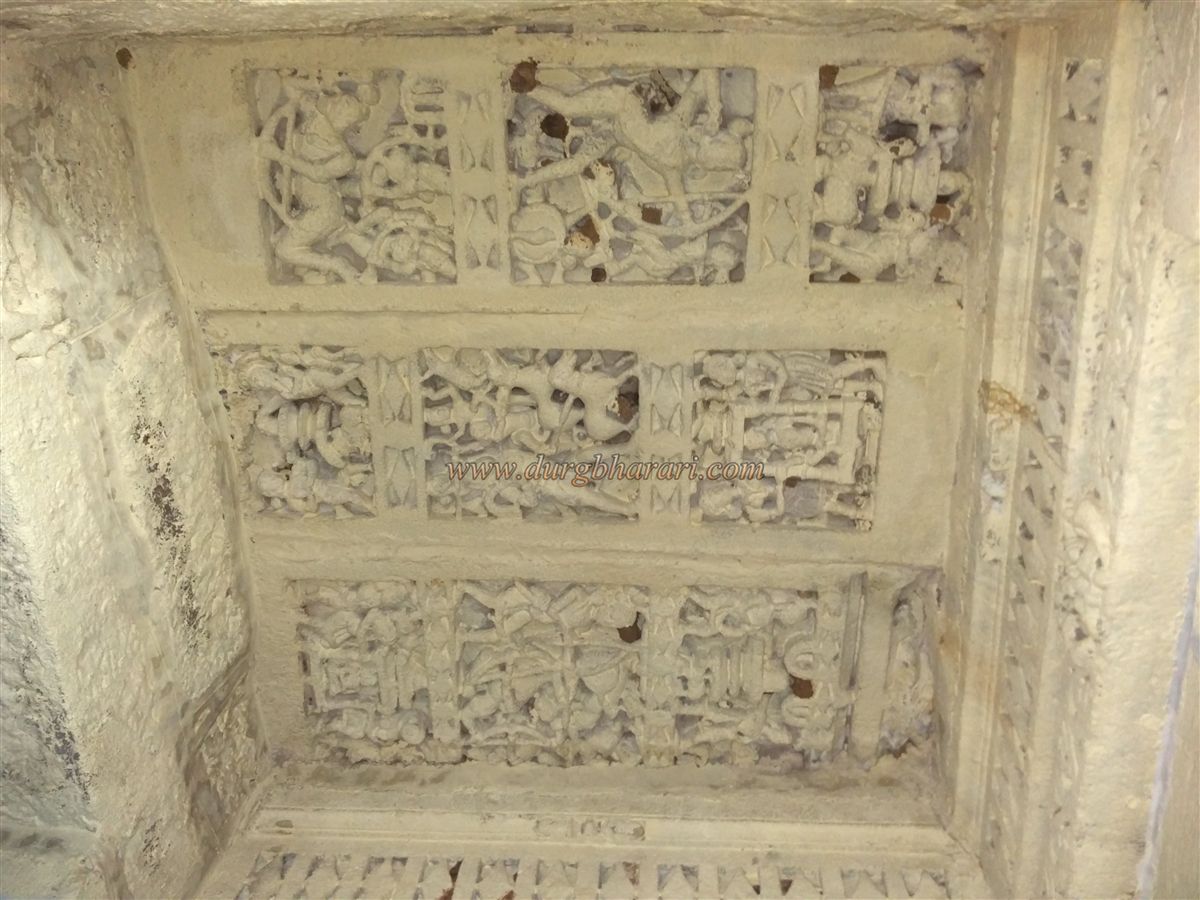
As you enter the temple from the rear entrance and look up toward the ceiling, you'll notice inverted virgal (hero stones) embedded in the ceiling. While the outer virgal have been severely damaged by rain, those inside are in excellent condition. However, they can only be seen clearly with the aid of a flashlight or beam directed upward, as darkness obscures the view.
The Shikhar (temple spire) follows the Bhumij architectural style and is decorated on all four sides with vine-like carvings, each supporting miniature replicas of temple towers. In the temple courtyard, there is a gadhegāl (stone inscription slab), though its writing has been worn away with time. It is believed to contain details of donations made to the Amruteshwar Temple and possibly a curse for anyone who dared to reject or disrespect the donation.
During the Peshwa era, a reference to this temple is found, which states:
"Shri Mahadev is located at the base of Ratangad Fort. Balaji Karale made a vow at this temple during the Ratangad campaign. As per that vow, Ratangad was offered to the deity. Items were sent from headquarters and handed over to the temple priest, with instructions to continue daily offerings and lighting of the eternal lamp." A grant was then given to Moro Mahadev for this purpose.
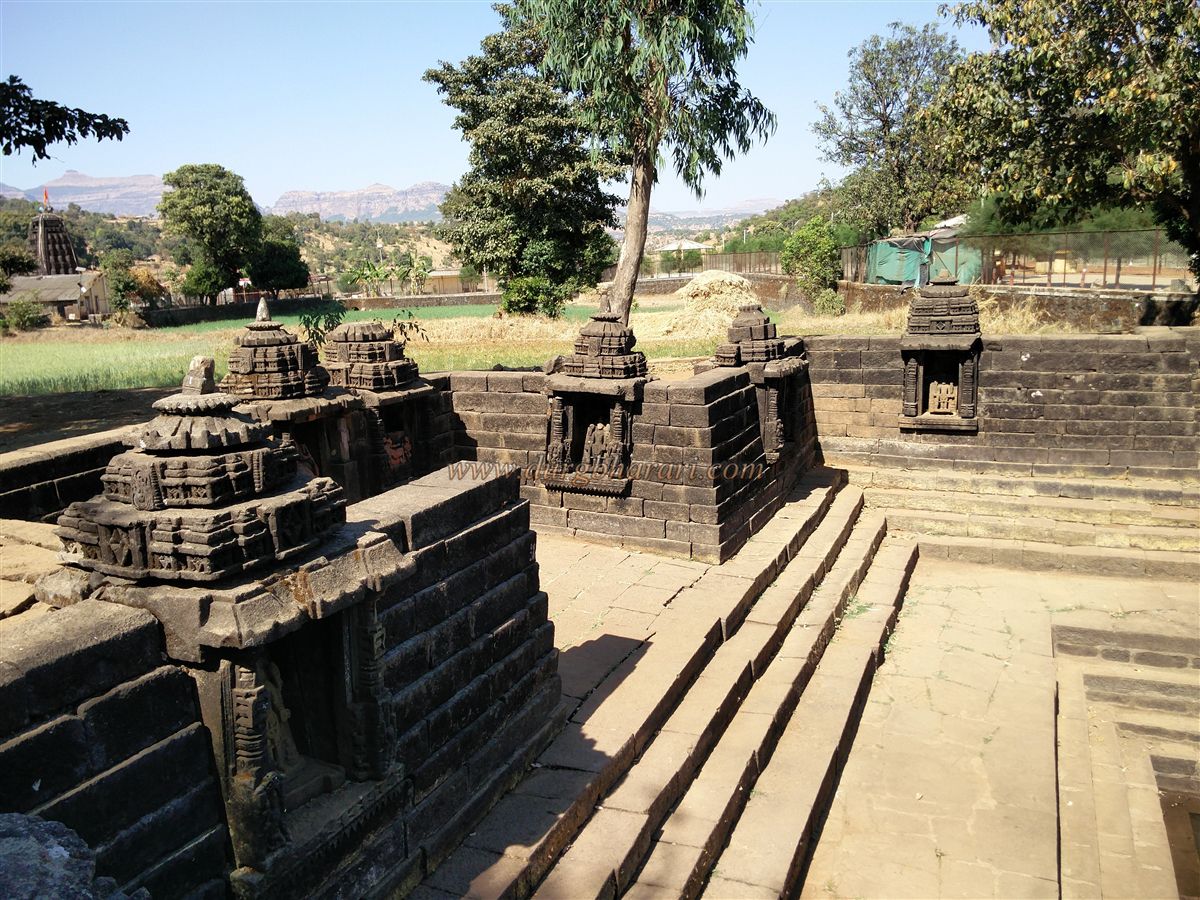
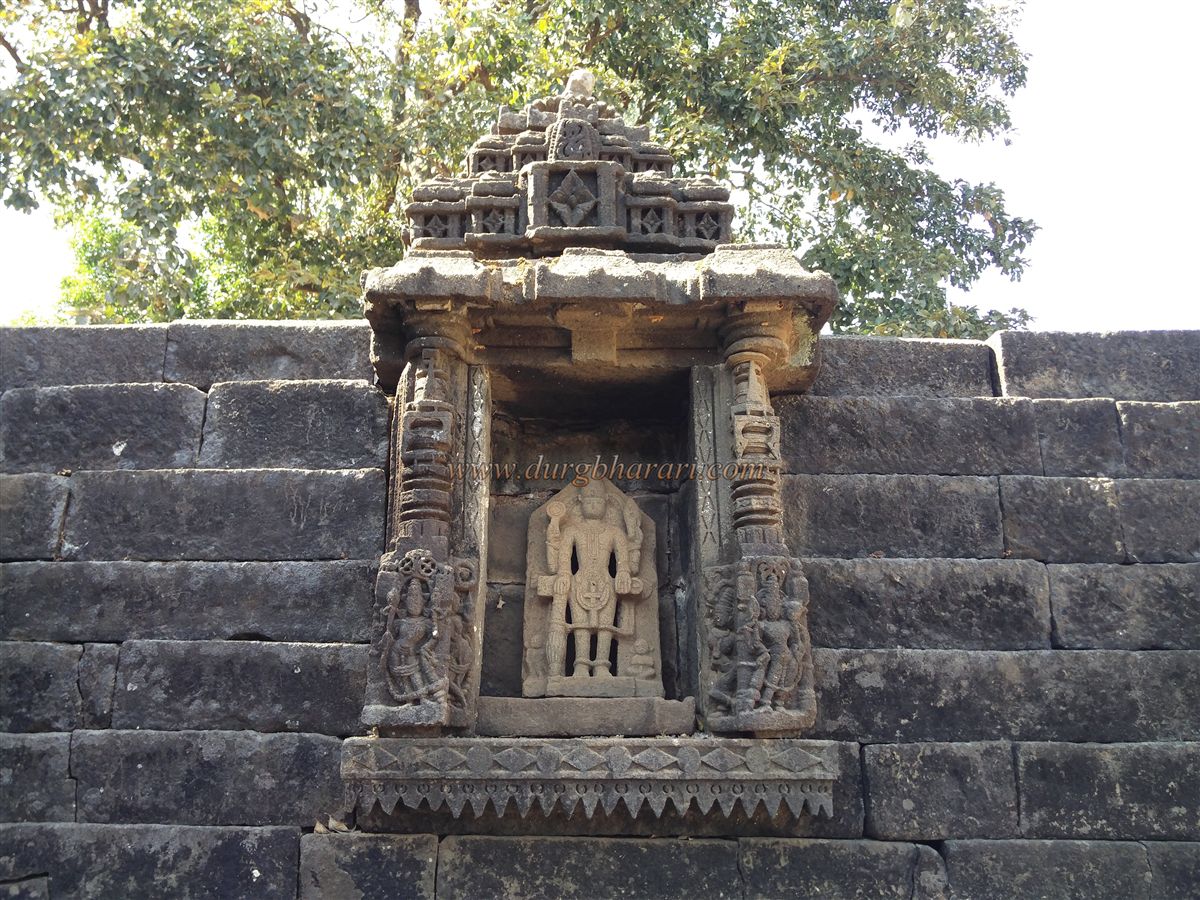
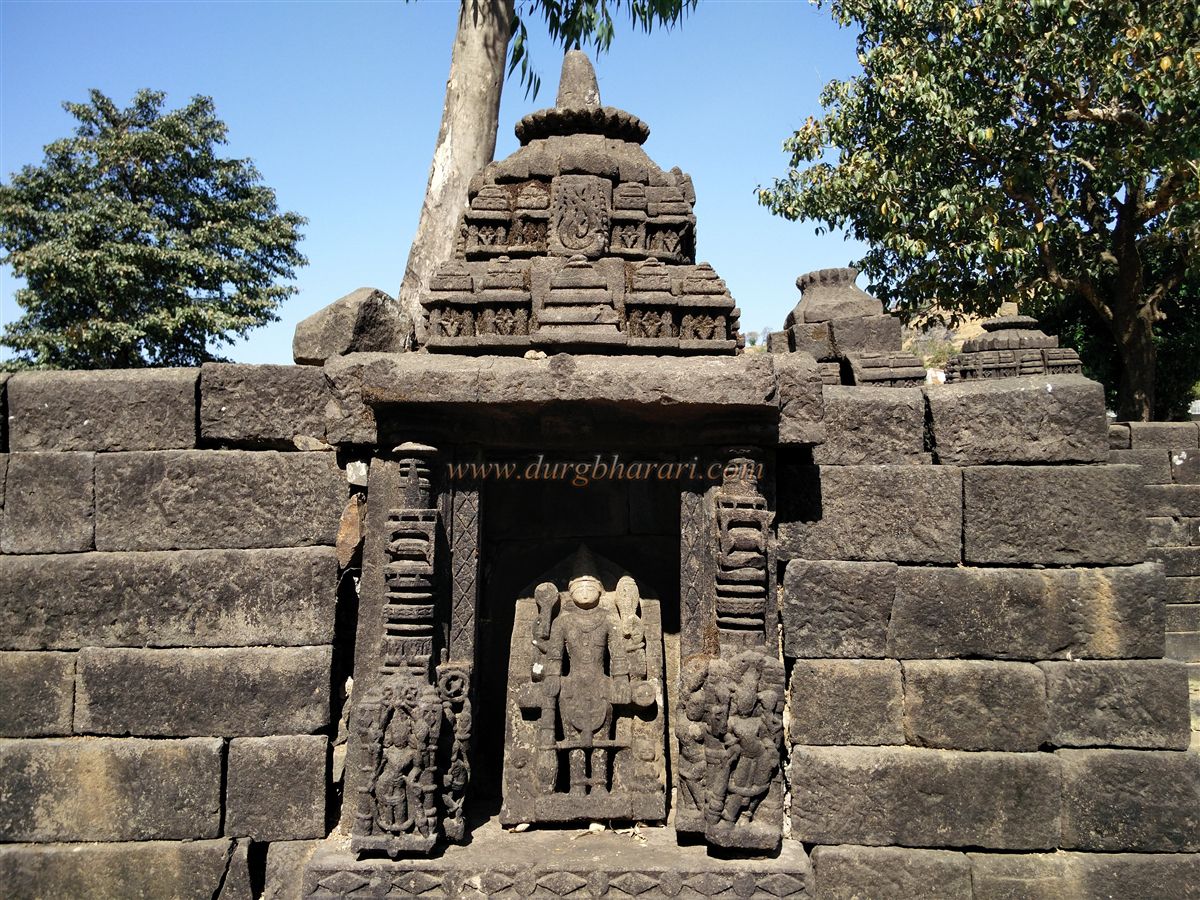
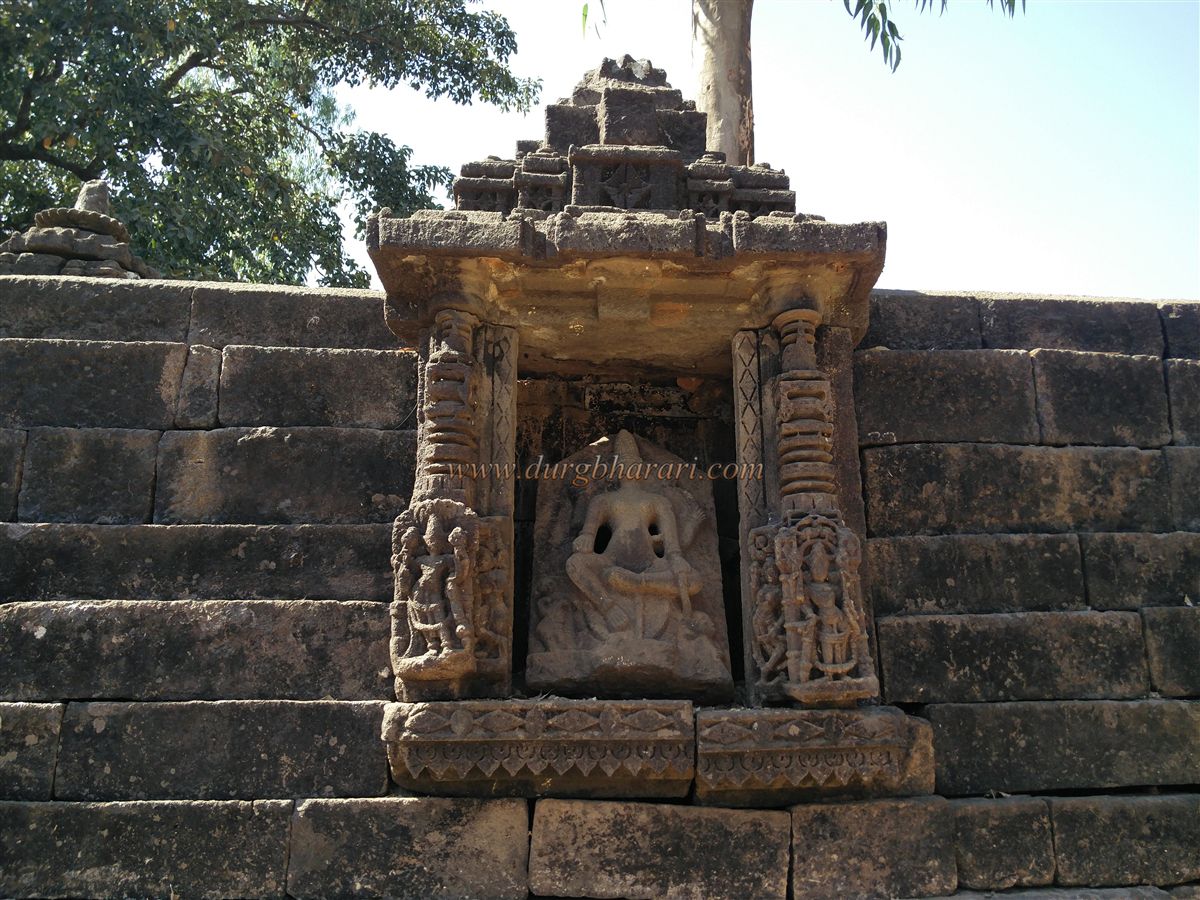
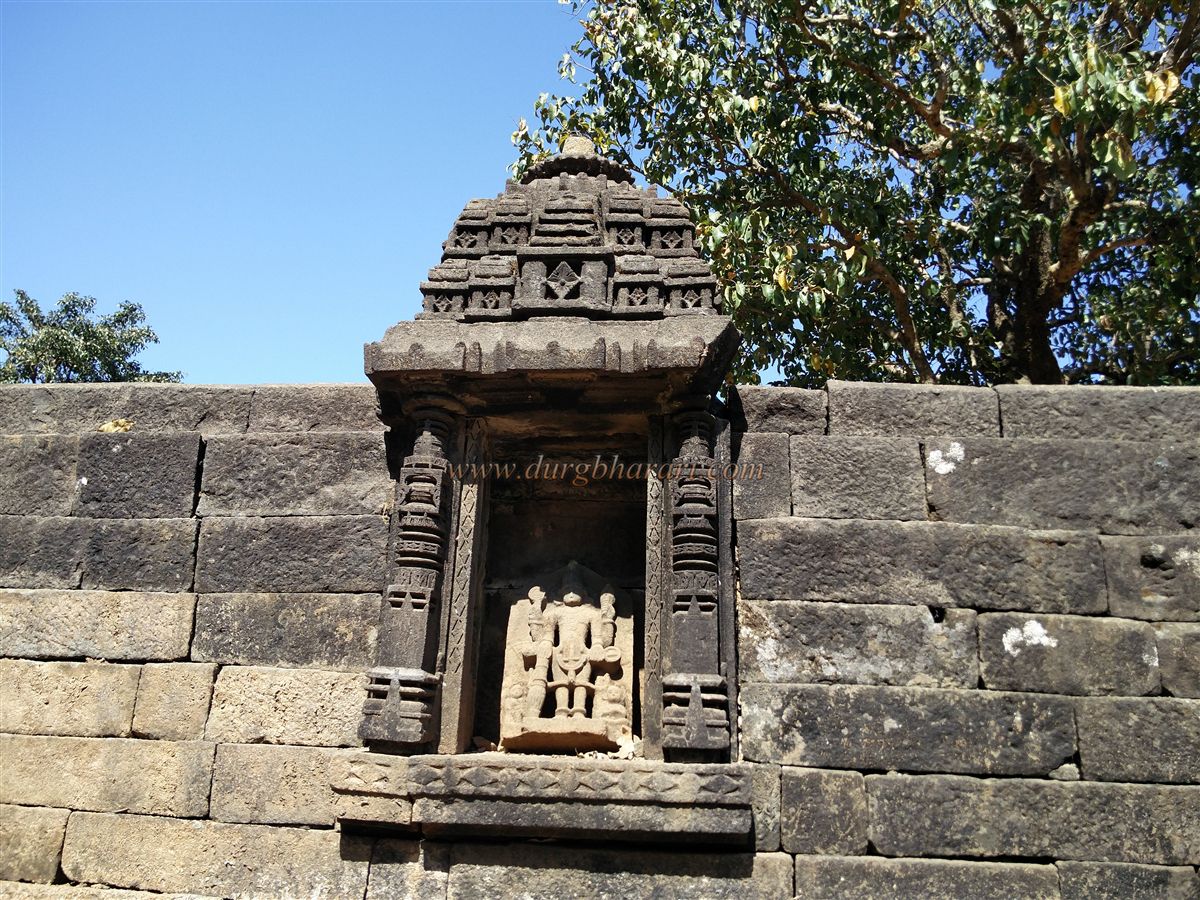
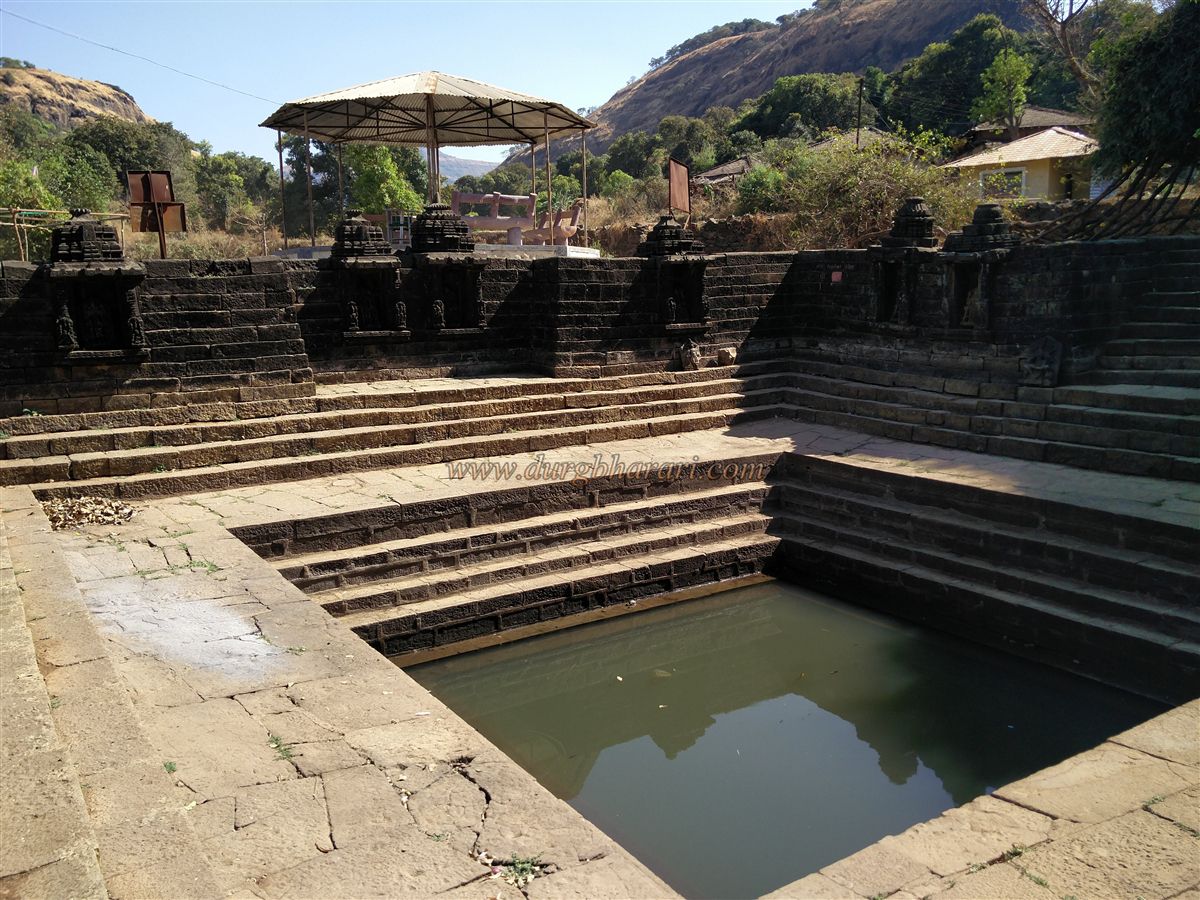
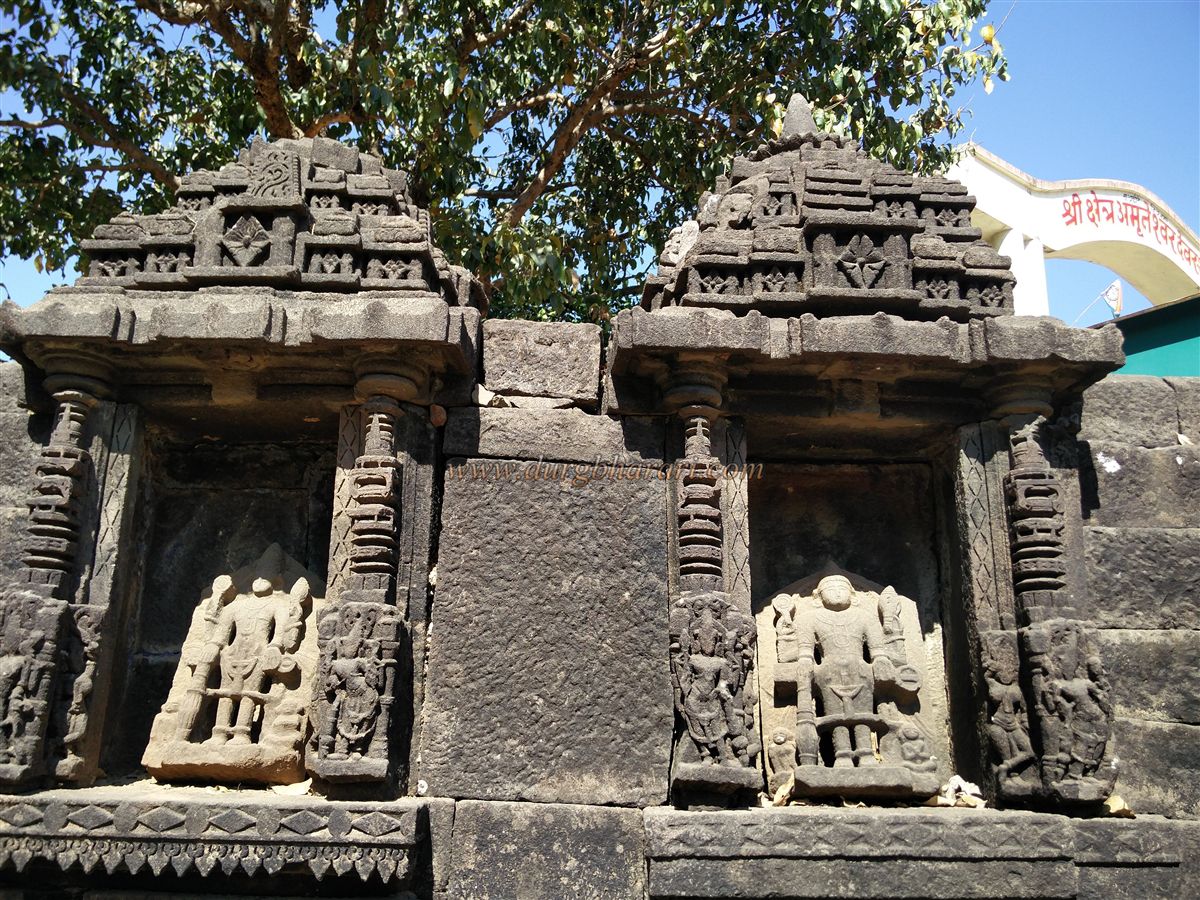
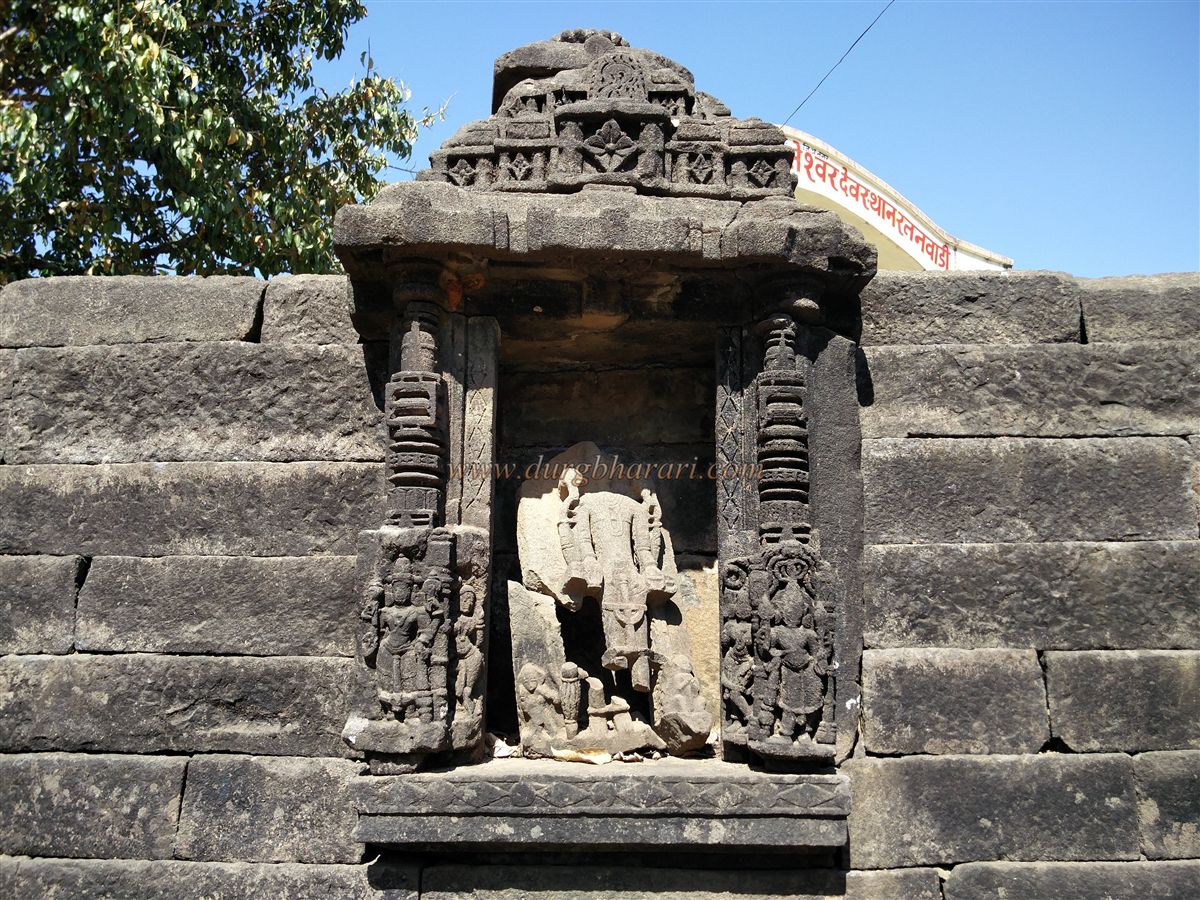
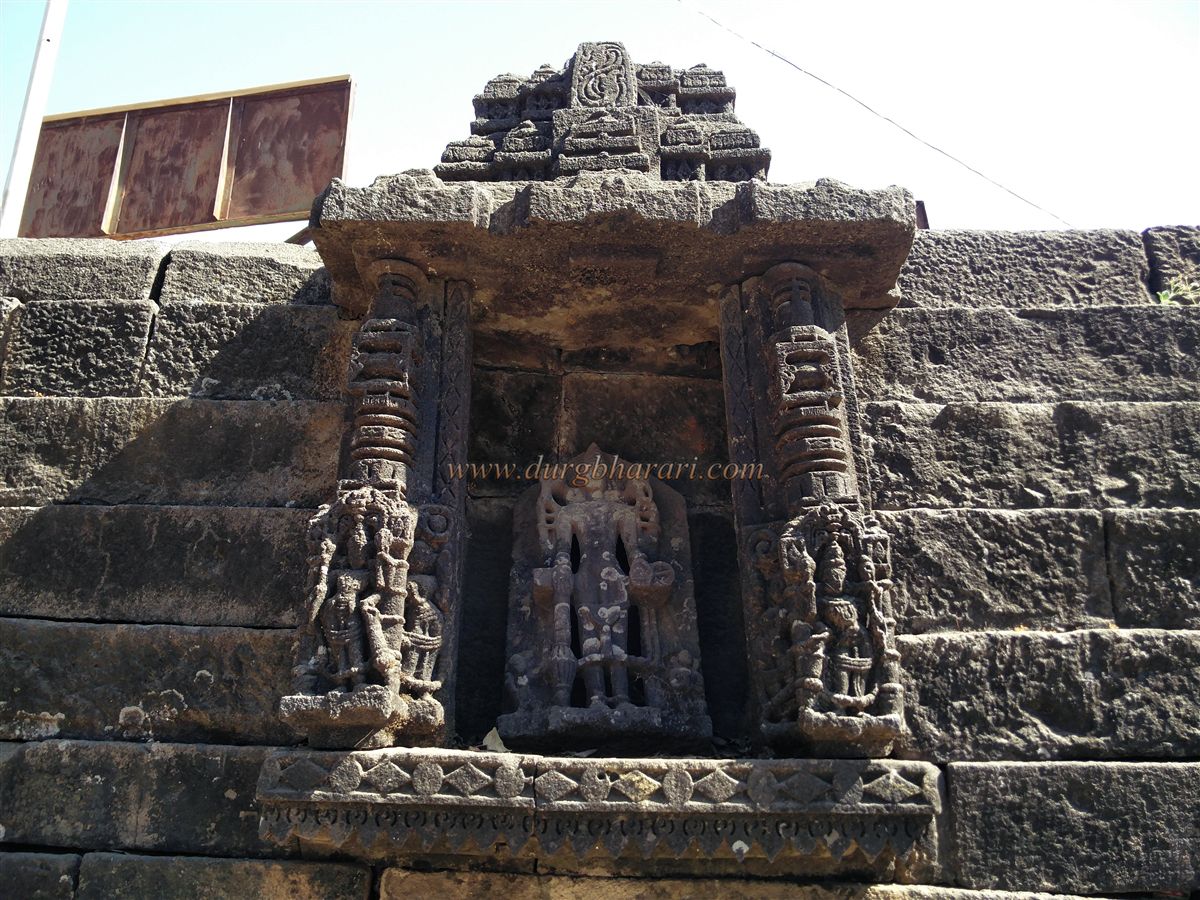
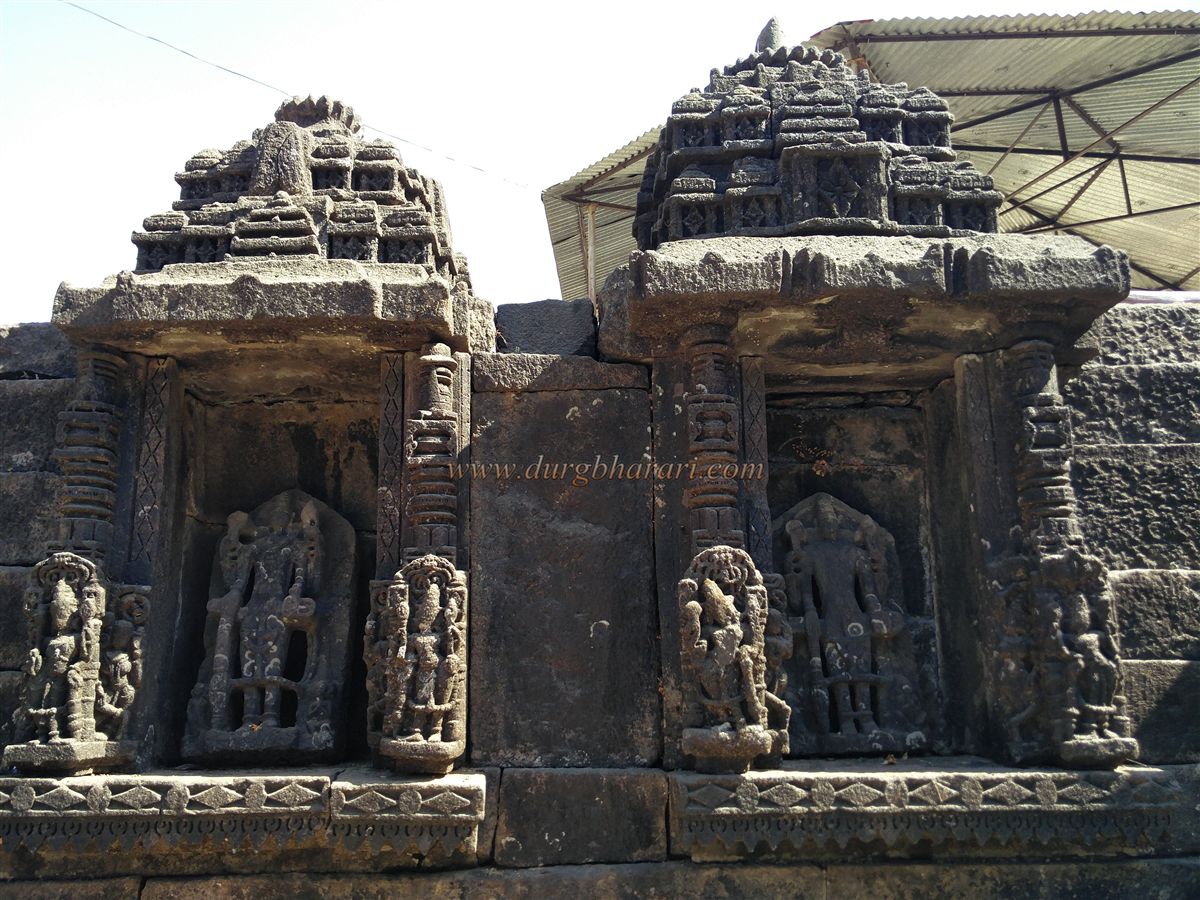
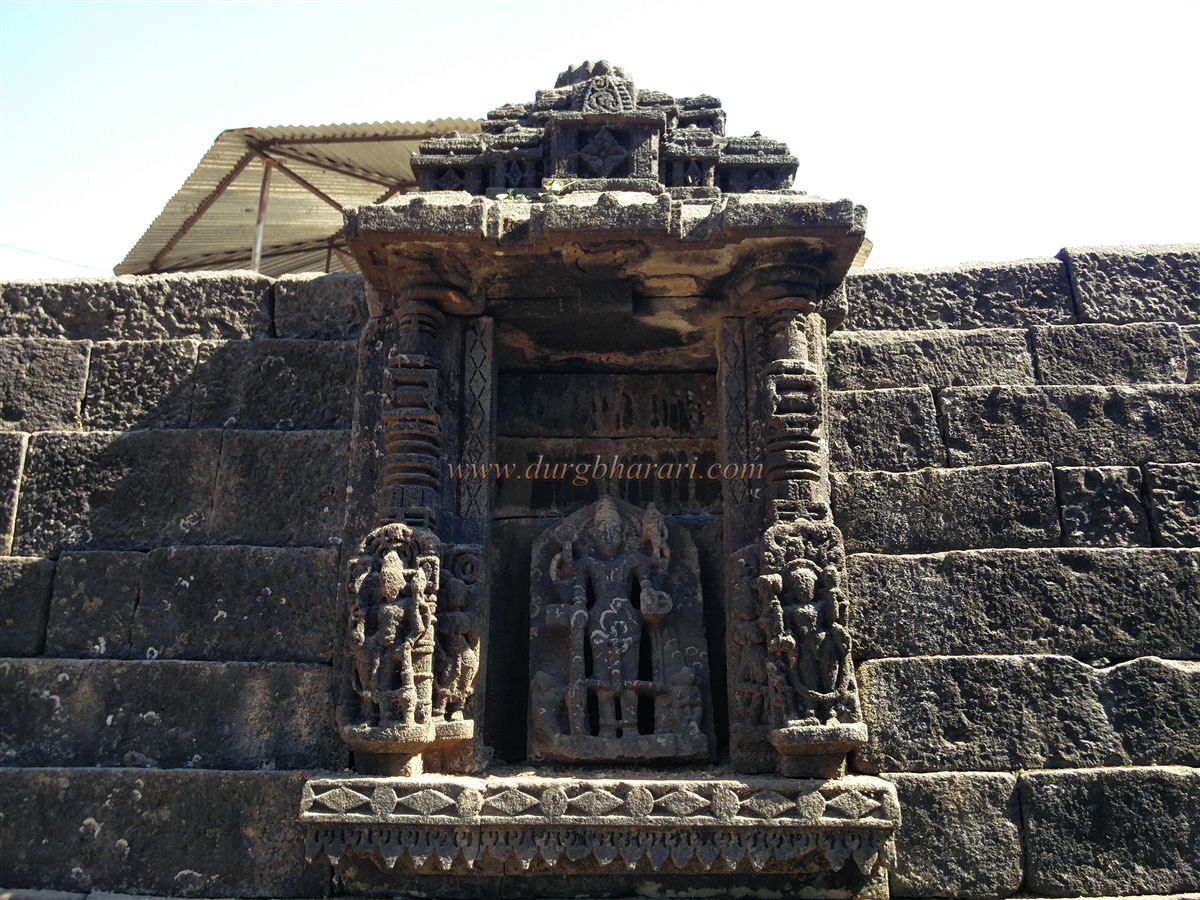
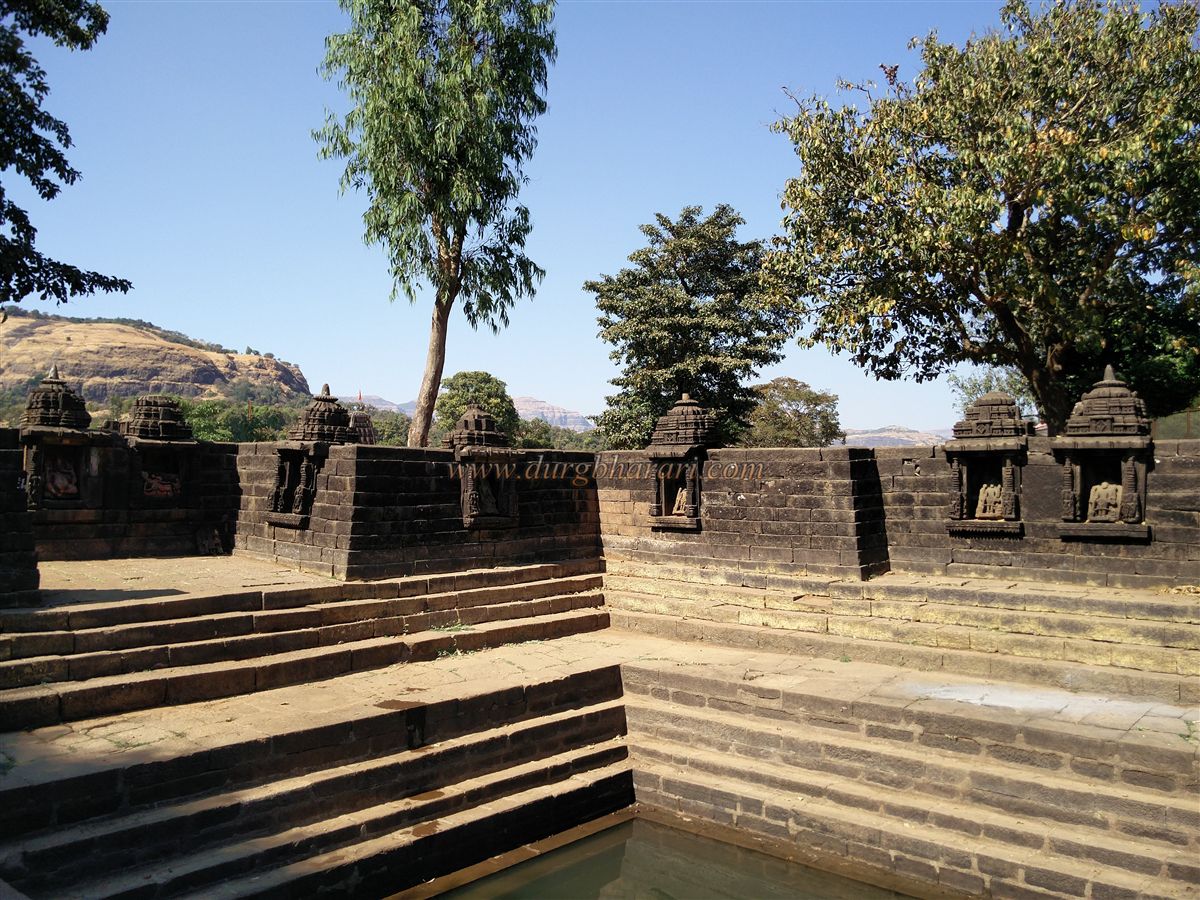
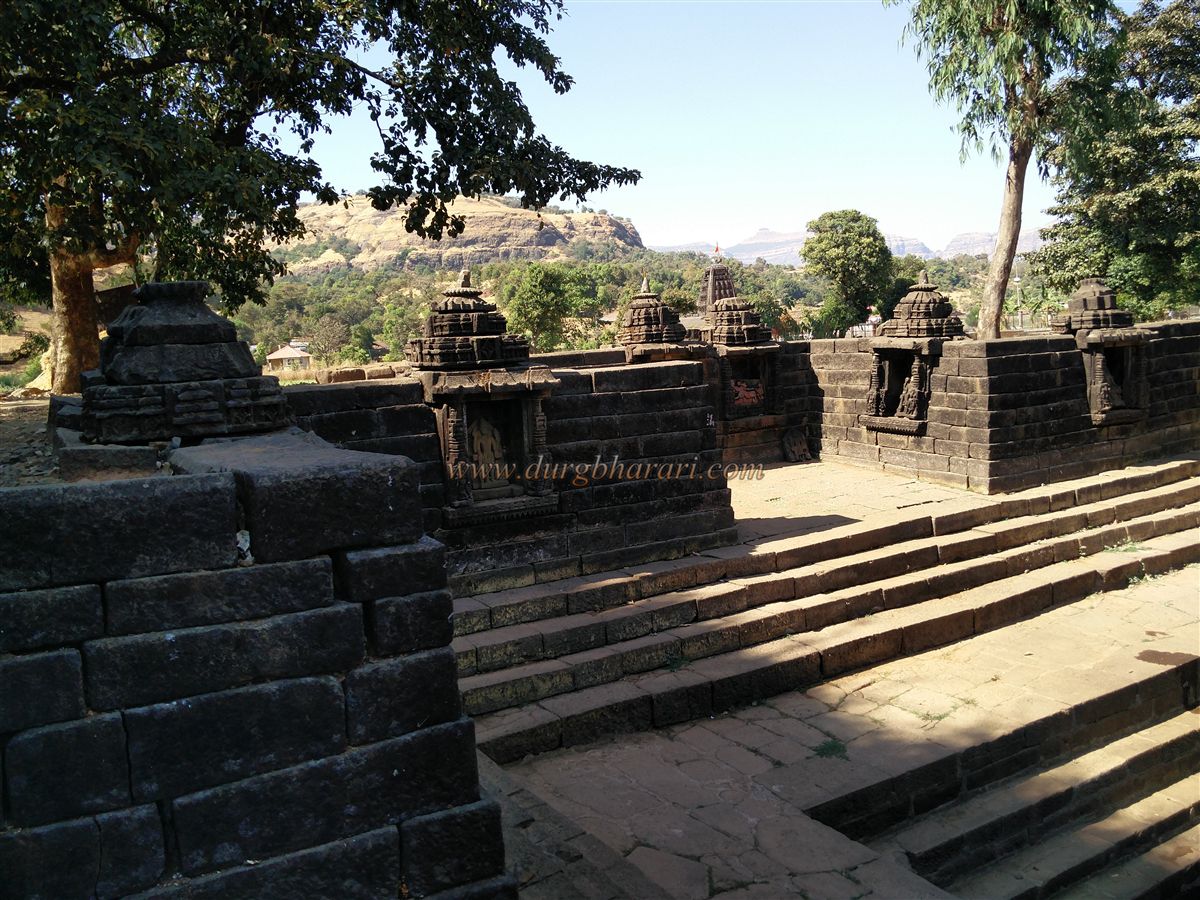
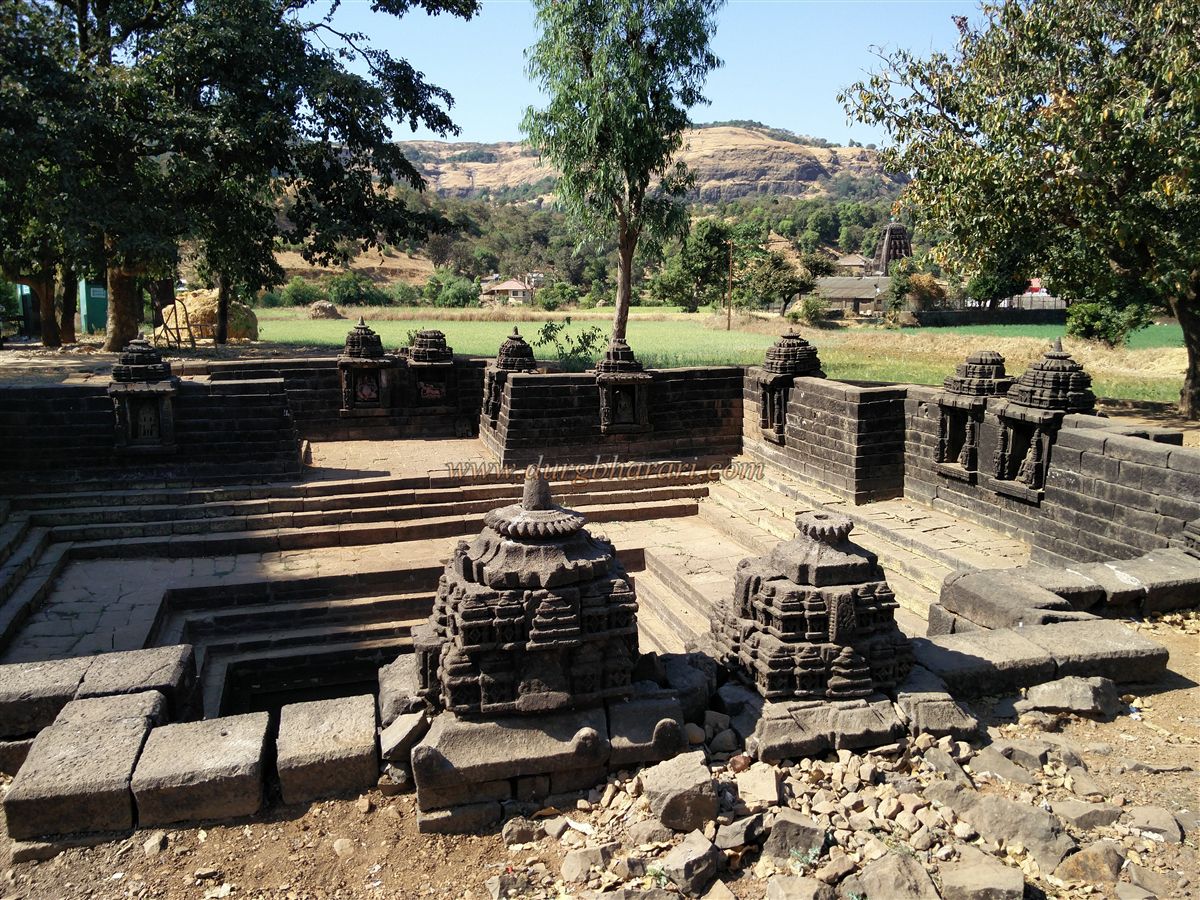
Nearby the temple, there is a square-shaped pushkarni (stepped tank). This 20-foot-long and wide structure lies adjacent to the ground and is designed with beautifully carved steps and symmetrical architectural elements. Steps descend into the water from one side, and stone blocks are placed inside for walking around. On the surrounding walls are twelve intricately carved small shrines, each containing idols of Lord Vishnu in various forms—holding the mace (gada), discus (chakra), and adorned with the serpent (shesha). Above each idol, smaller replicas of shikharas are carved. Except for one idol of Lord Ganesha, all shrines depict different avatars of Vishnu. The structure, matched by the crystal-clear water, is known locally as Vishnutirth.
Locals narrate that both the temple and the Tirtha emerged from the fourteen divine treasures (ratnas) churned during the Samudra Manthan.
To thoroughly explore the temple and the pushkarni, one should ideally set aside at least two hours.
A temple bearing architectural resemblance to Amruteshwar is also found in the Nanemaval region—the Kunkeshwar Temple near the origin of the Kukdi River, close to Fort Chavand. The stepped tank on Fort Chavand is also believed to be from the same period. From Ratanwadi, one can travel about 7 km to Samrad, which serves as a base for treks to Sandhan Valley or Ratangad, or simply as a tranquil place to end one’s exploration.
© Suresh Nimbalkar
GALLERY