AMRAVATI
TYPE : GROUND FORT
DISTRICT : AMRAVATI
HEIGHT : 0
GRADE : EASY
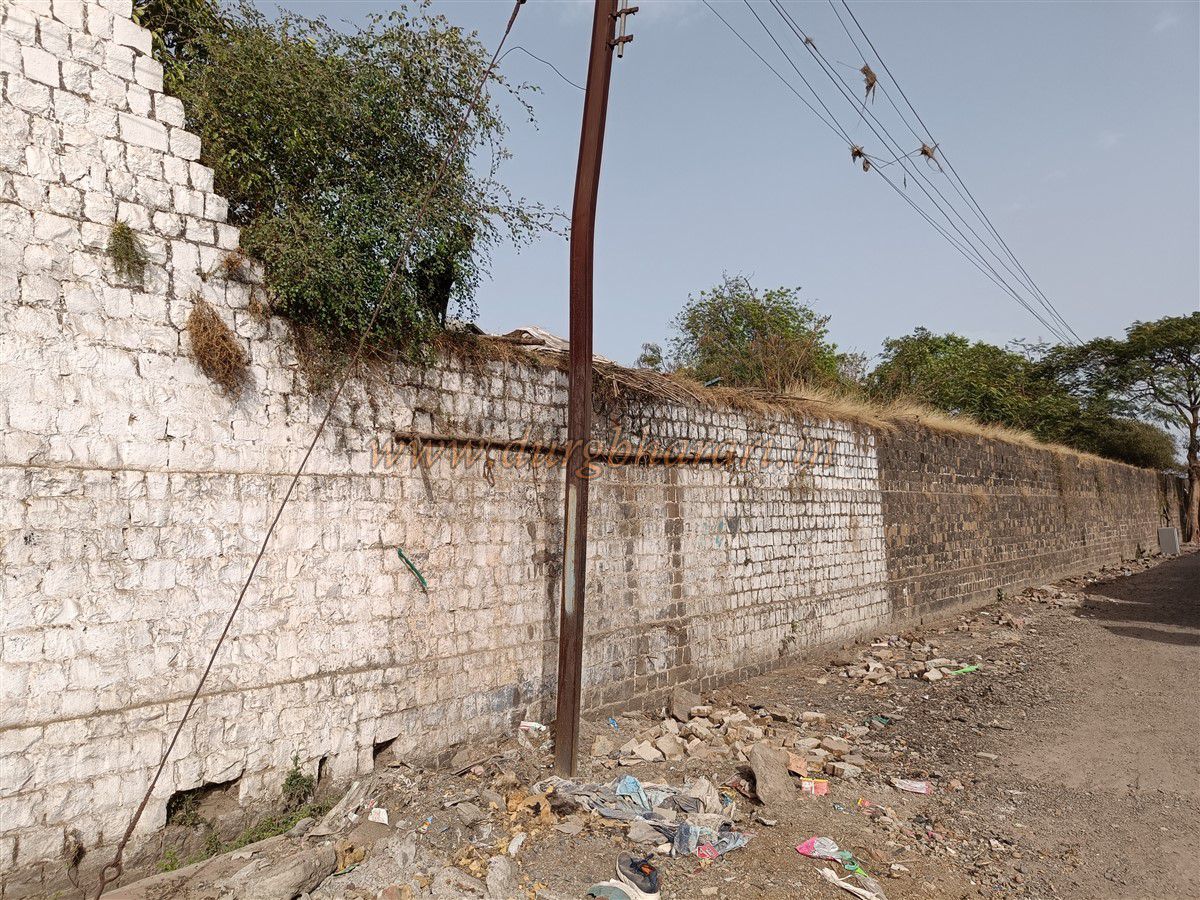
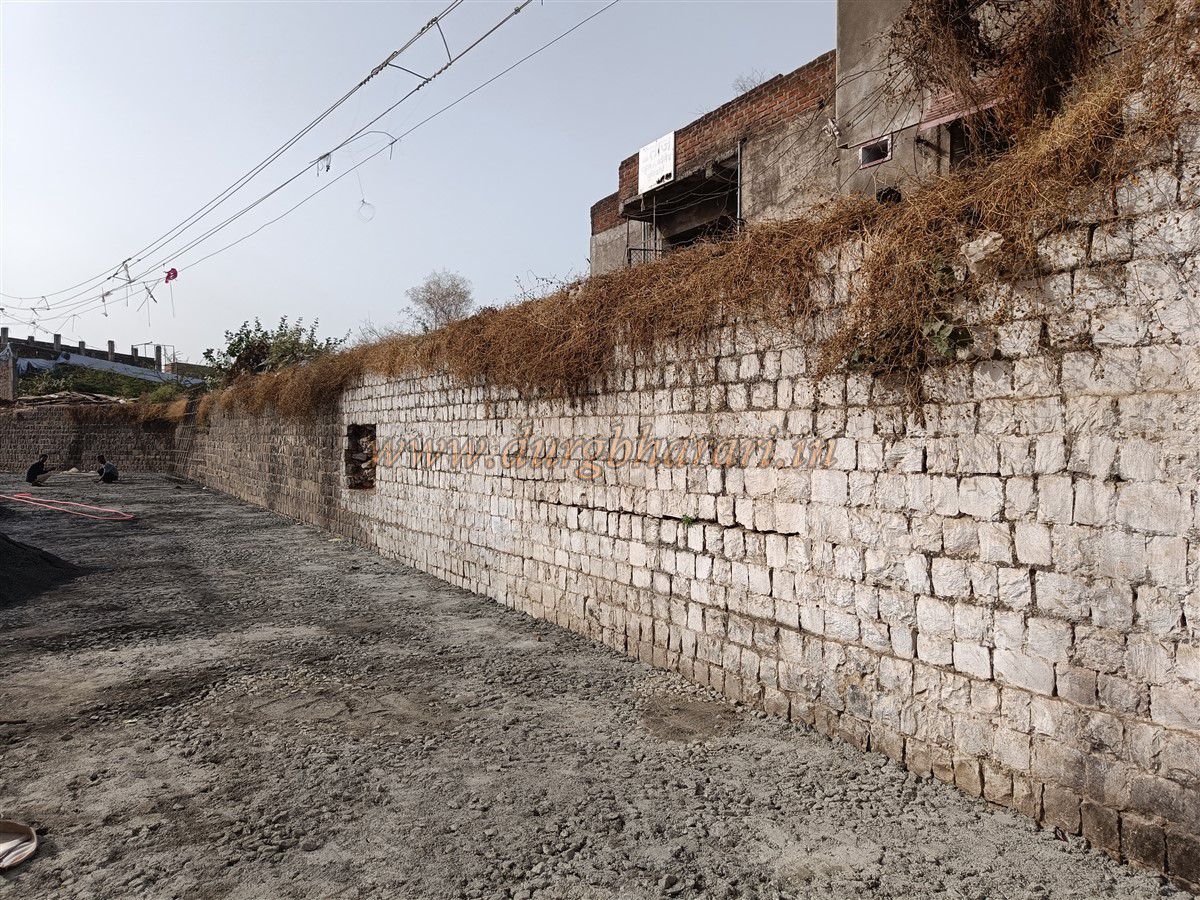
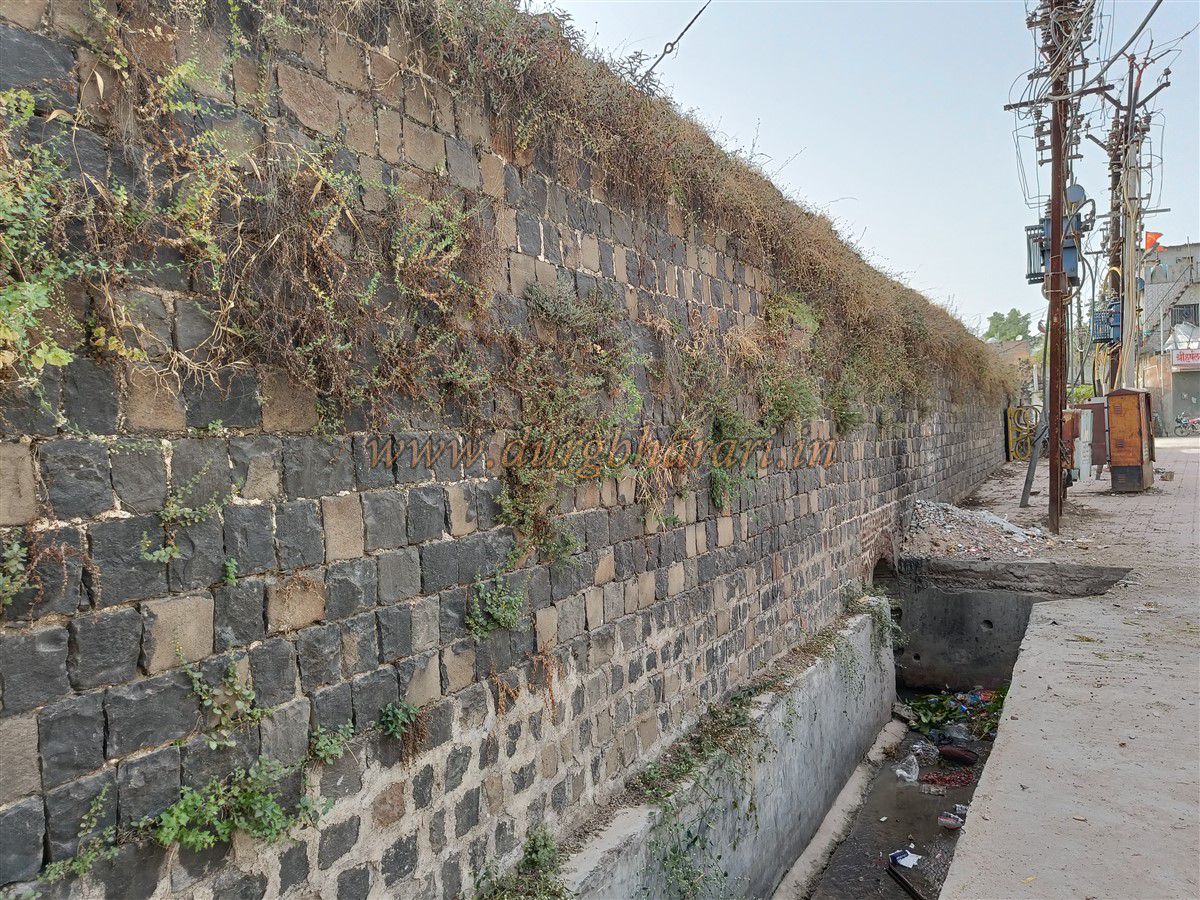
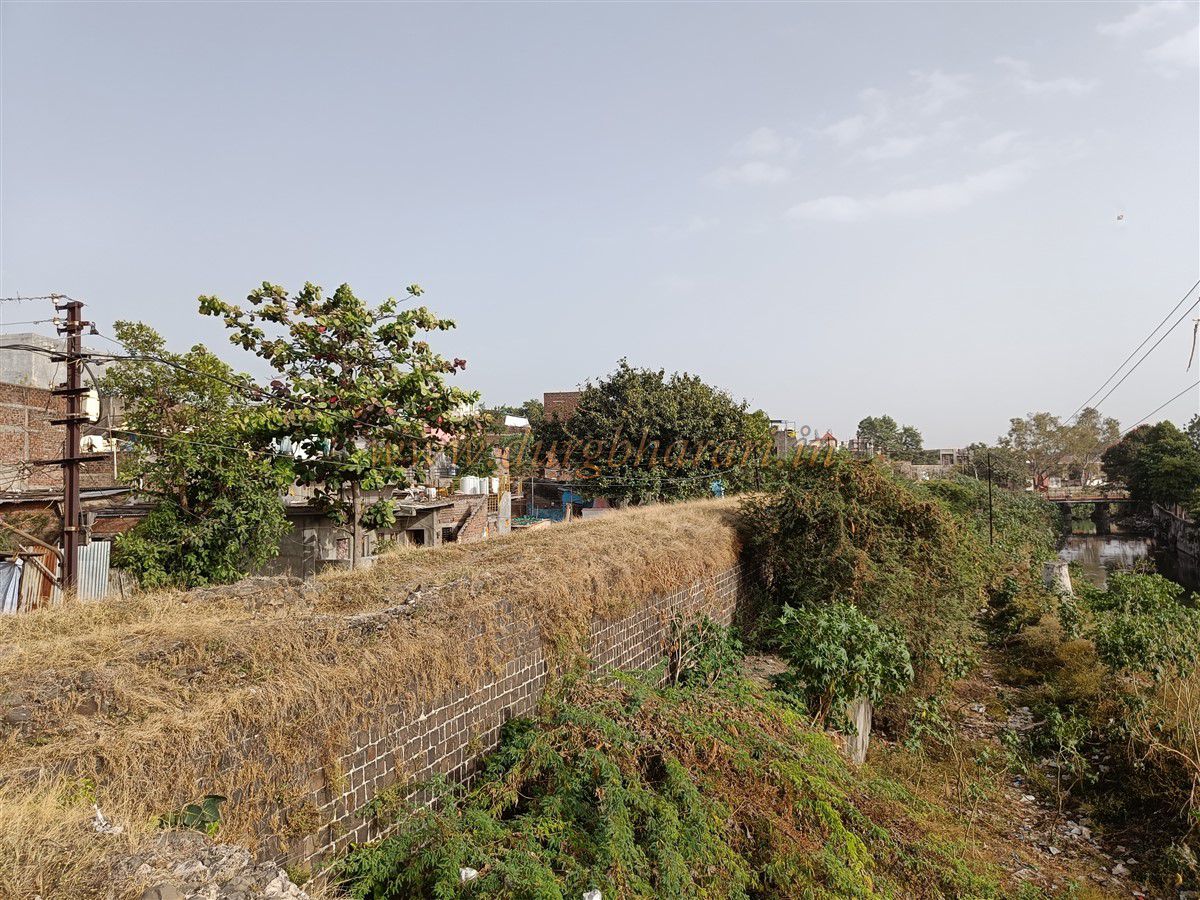
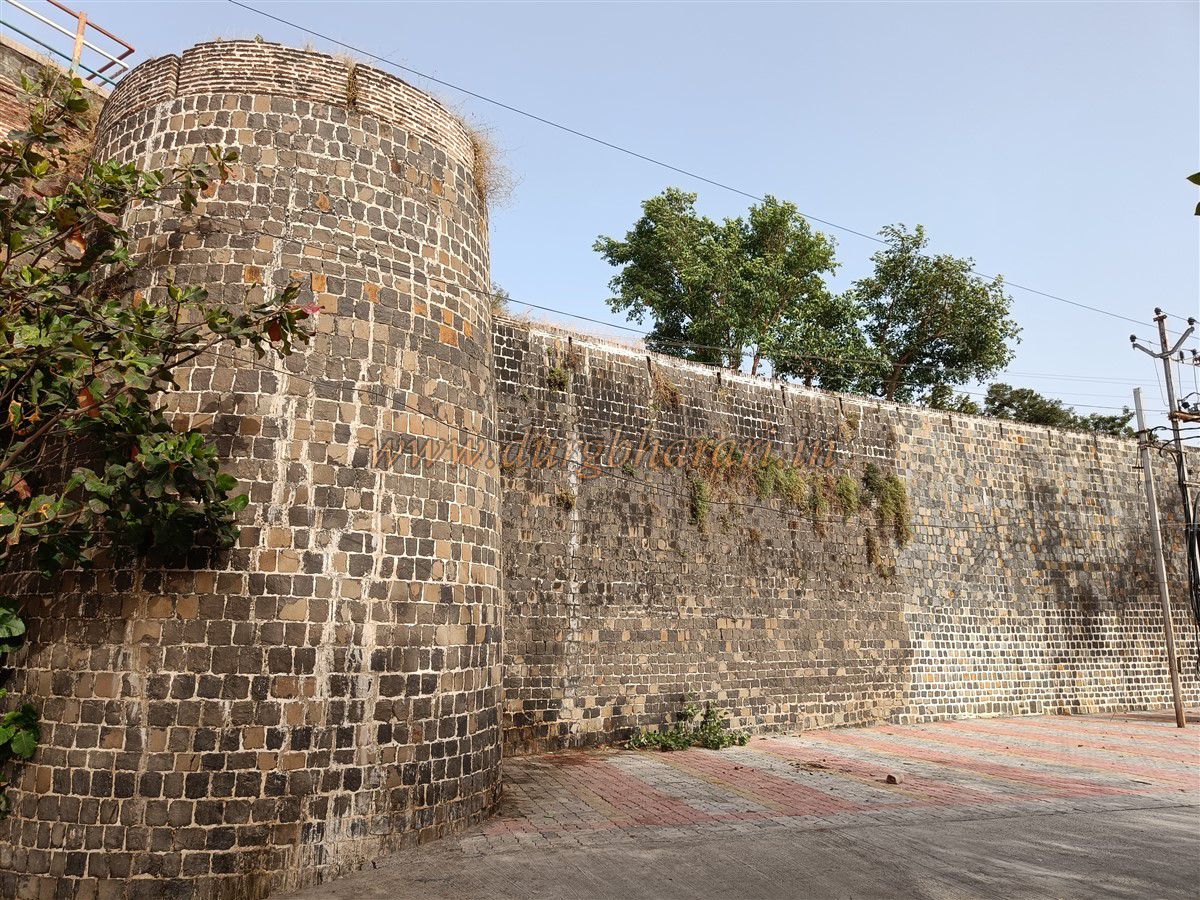
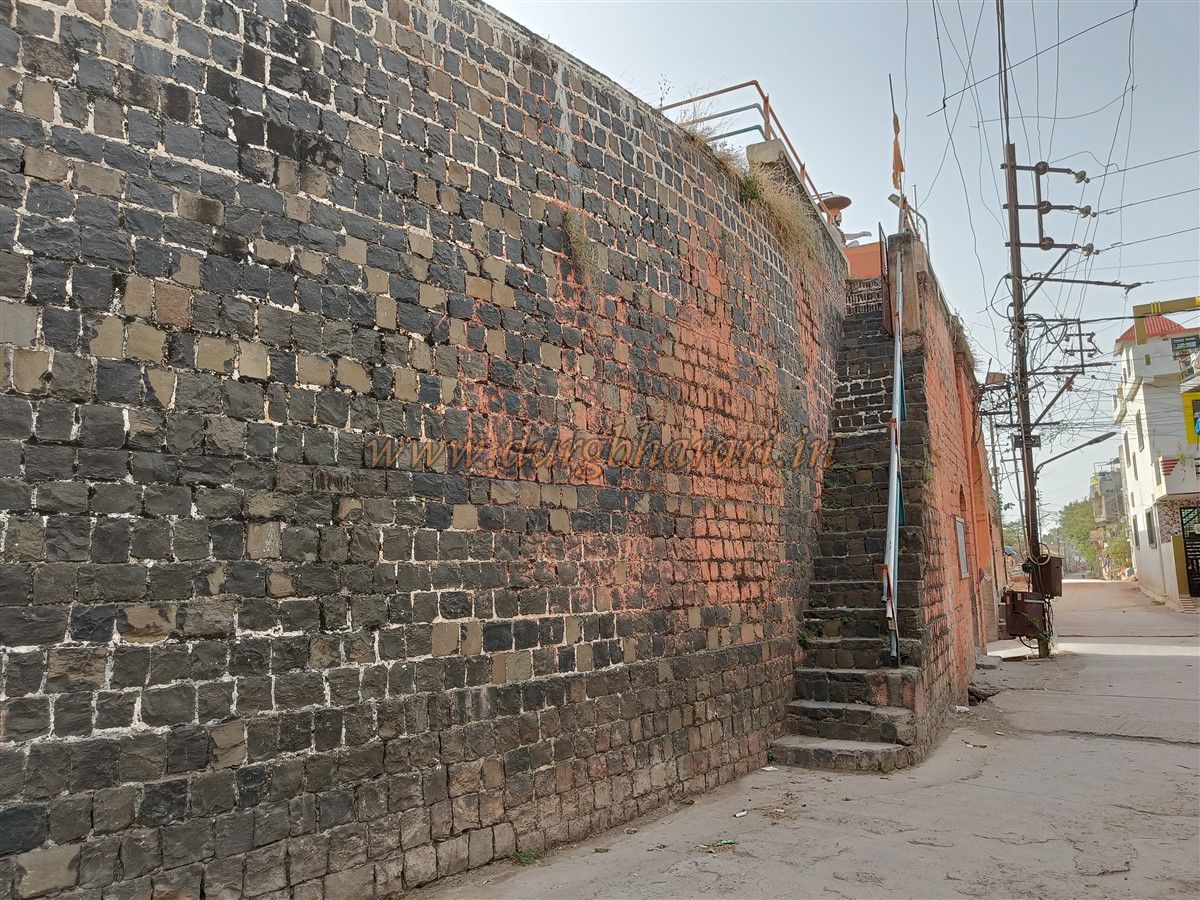
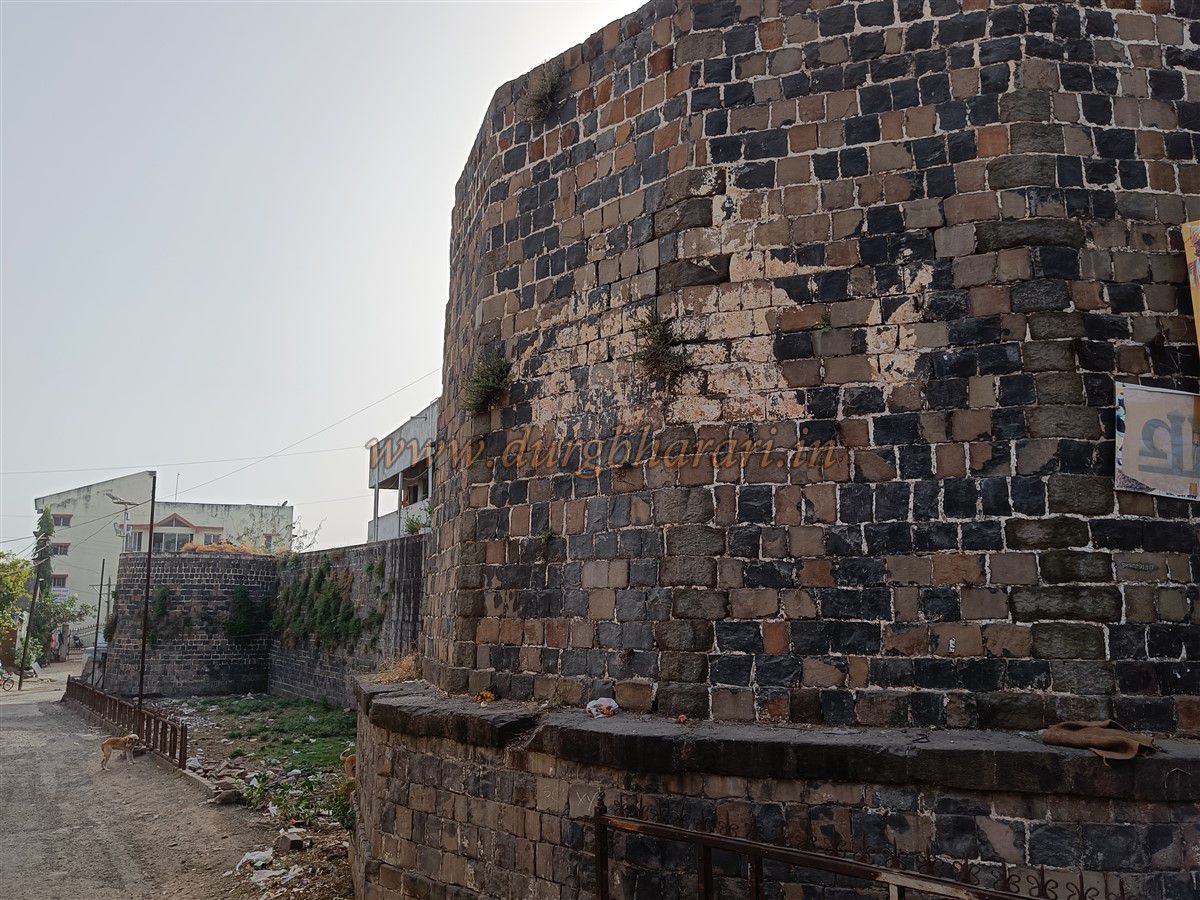
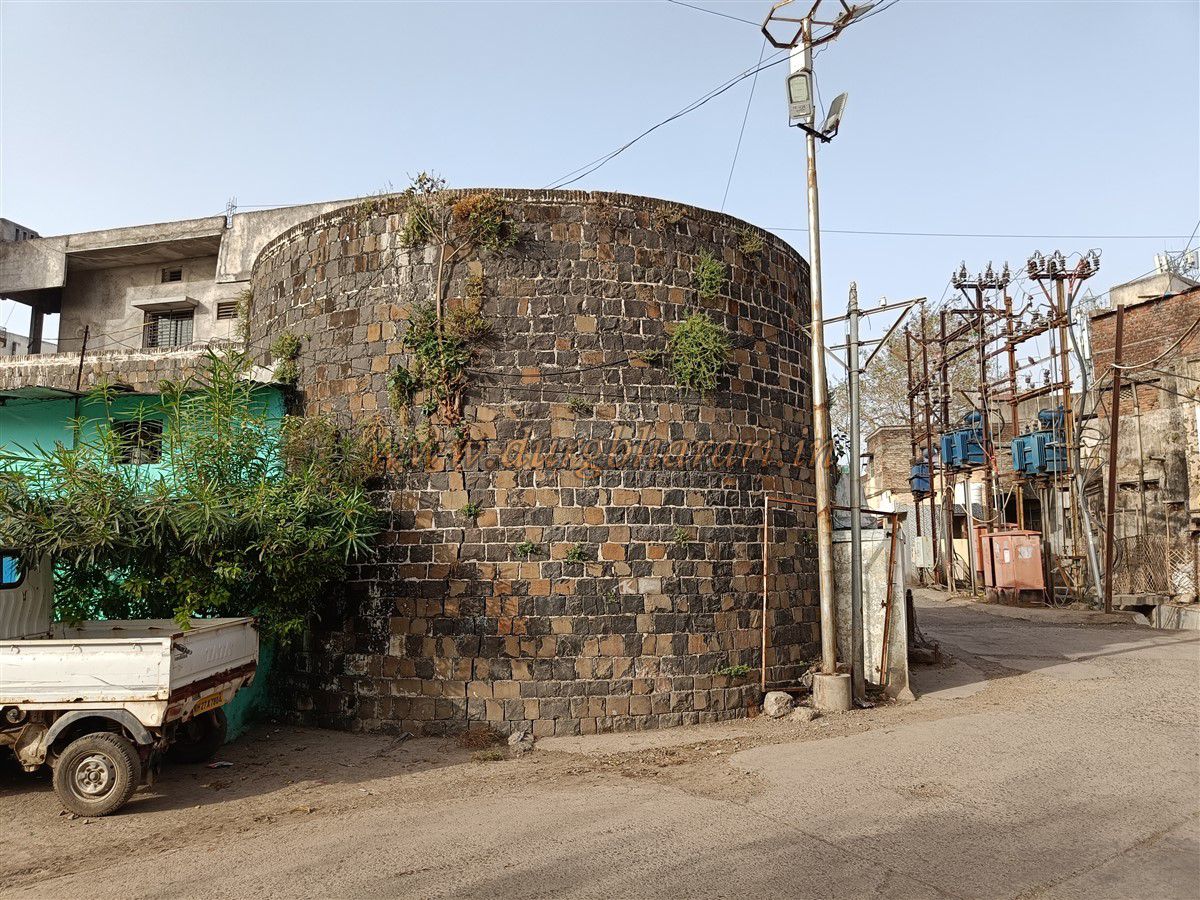
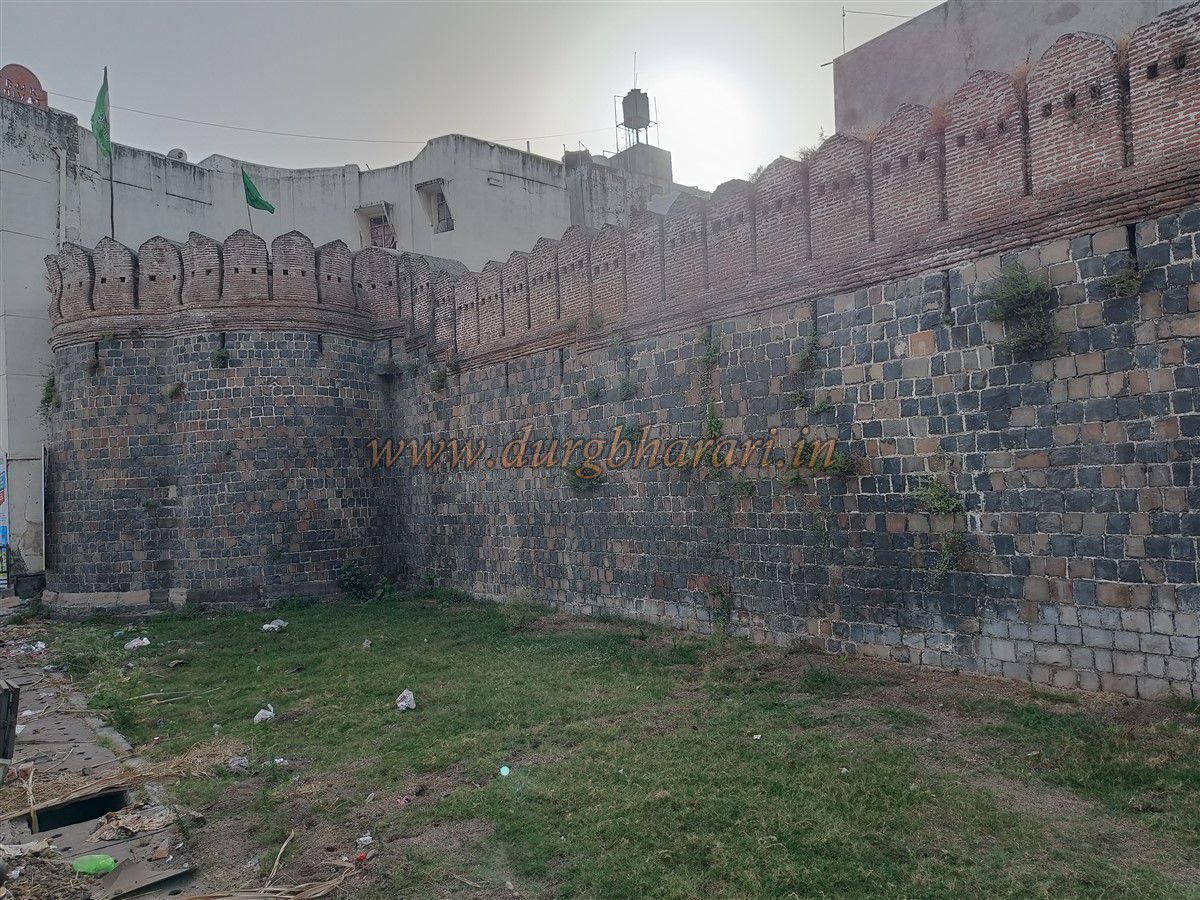
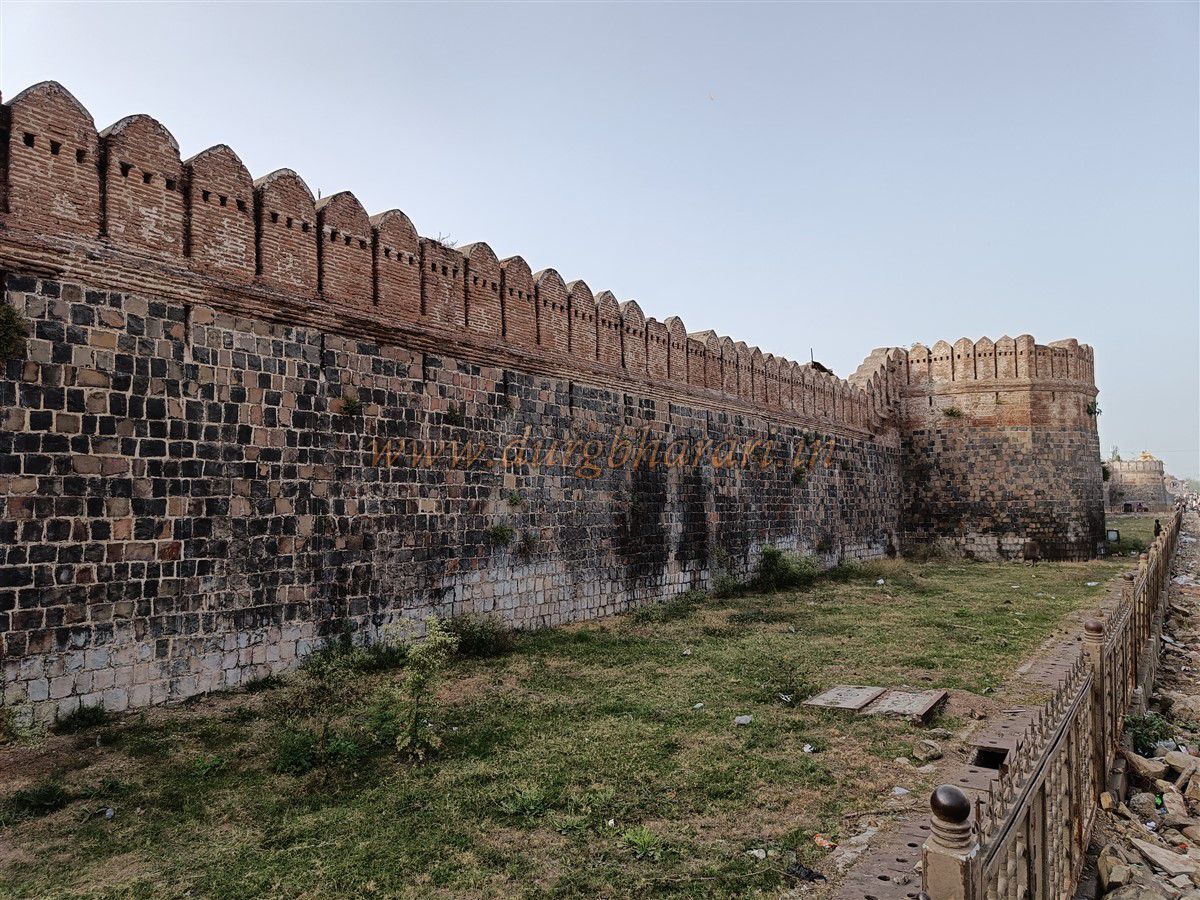
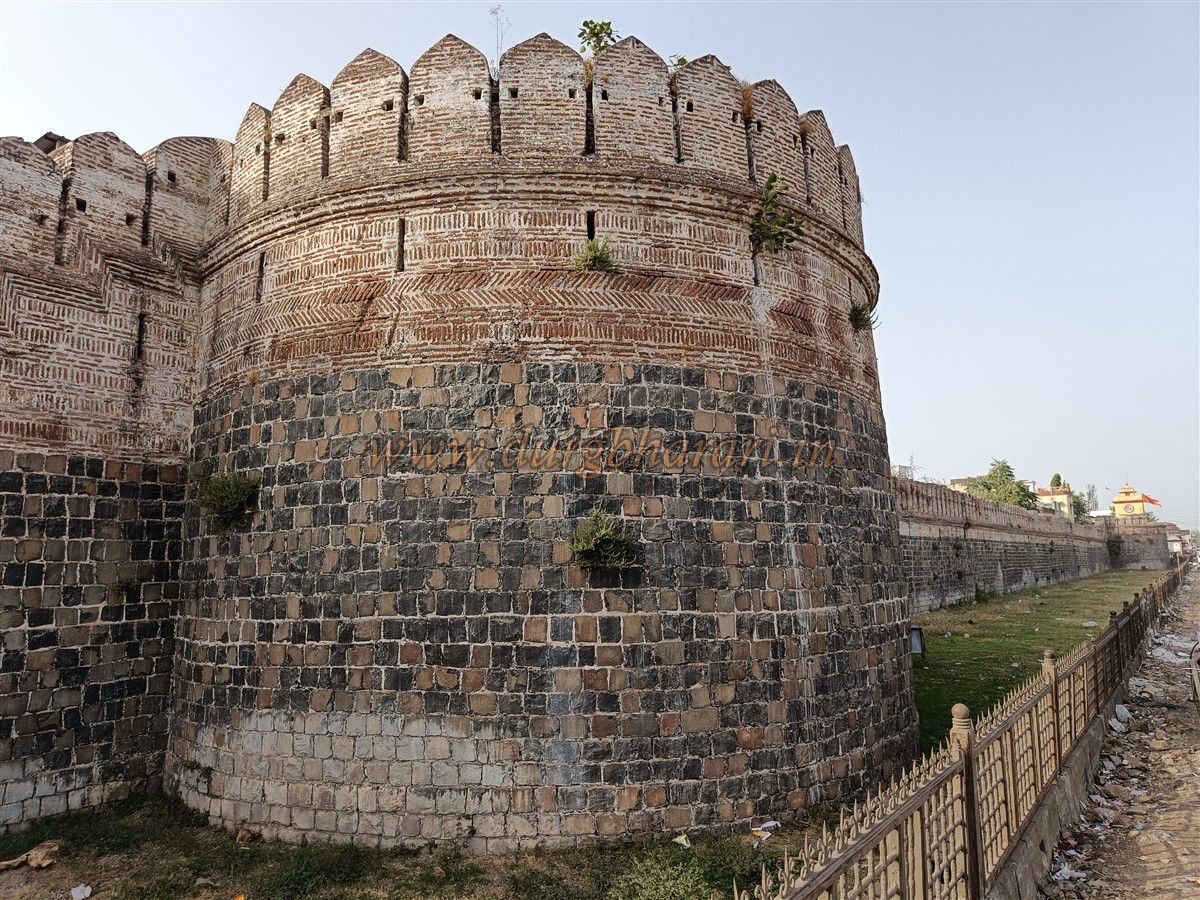
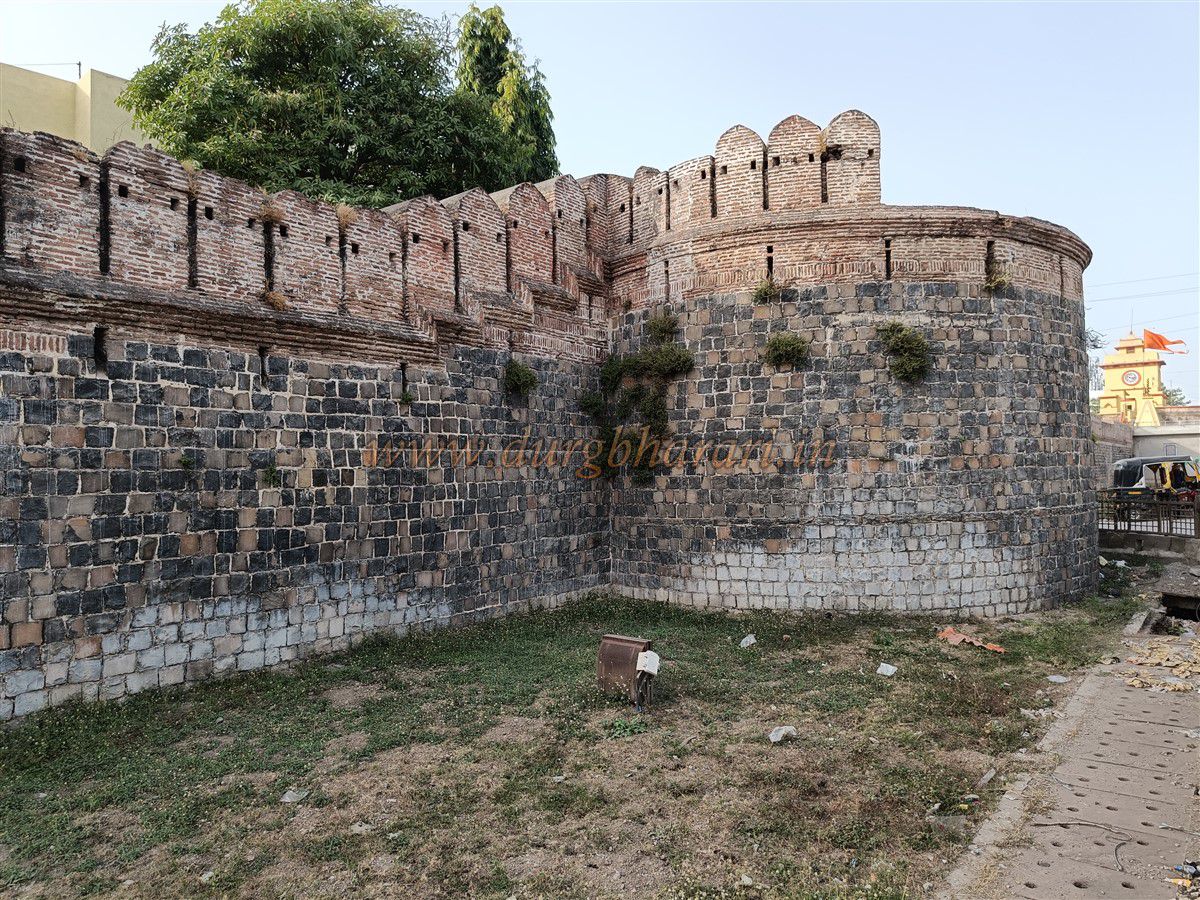
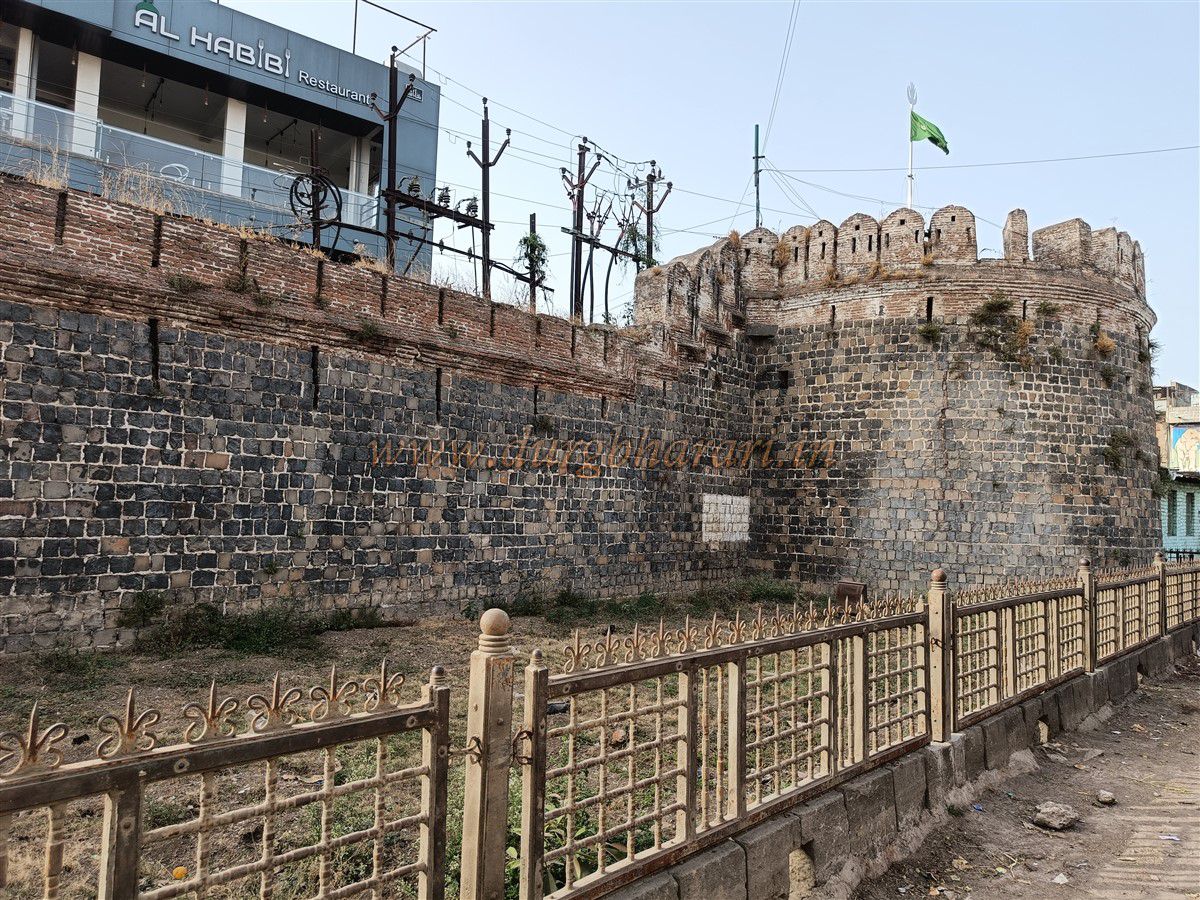
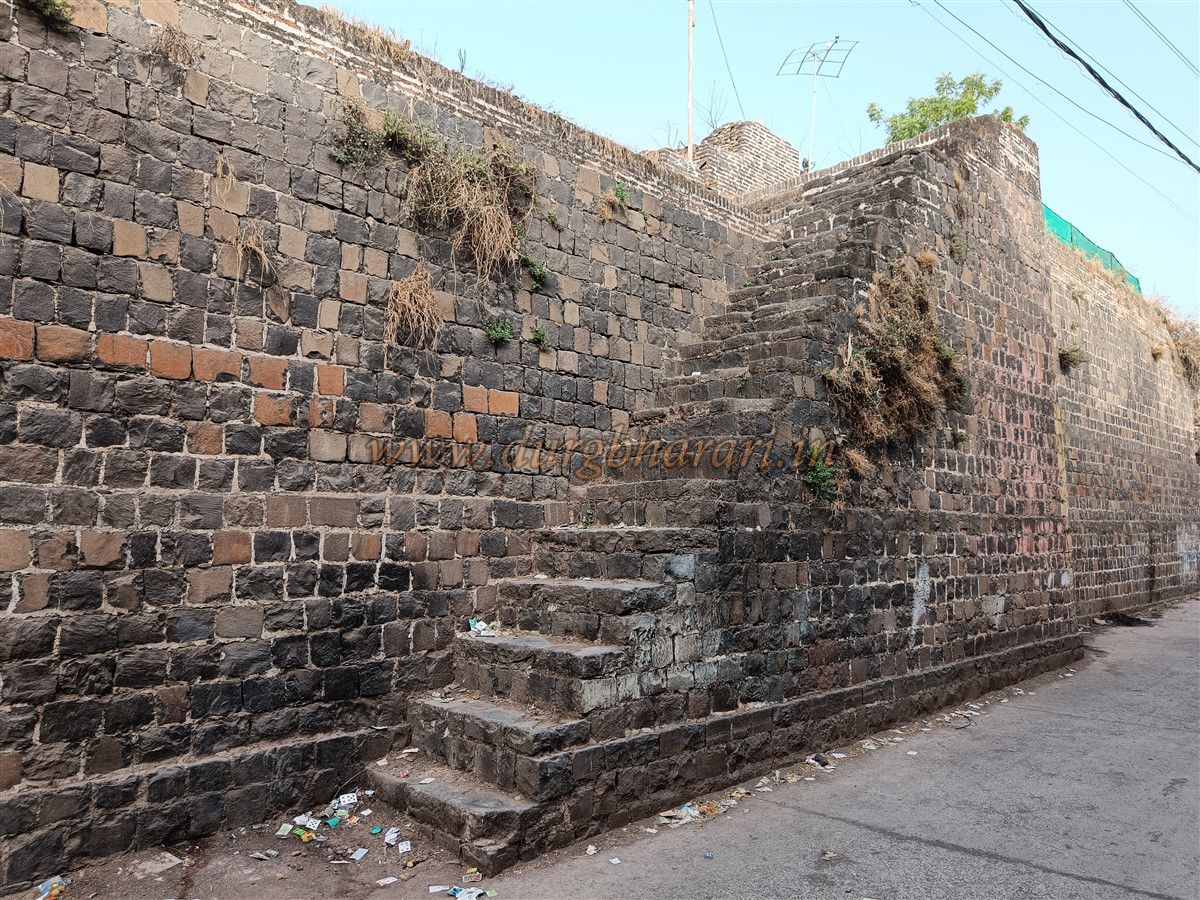
Many fort lovers visit Amravati city to explore nearby forts such as Gavilgad, Amner, and Achalpur. However, many are unaware that the city they have come to is itself a ground fort (Bhuikot Killa), and as a result, they miss visiting this fort altogether. This small effort is made to introduce this little-known fort to fort enthusiasts. The old city of Amravati is not just home to a ground fort—it is entirely situated within it. The Amravati railway station, built in 1859, was located outside the city at that time. Today, the city has vastly expanded beyond the fort’s periphery, and much of the original fort wall has been concealed by shops and tall buildings. The stone fortification surrounding Amravati is about 3.5 kilometers long and contains a total of 21 bastions of various sizes and shapes. The height of the fort walls varies between 15 and 20 feet. The Ambanadi River, which flows through the eastern part of the fort, was used as a moat, so the wall on this side is lower in height.
...
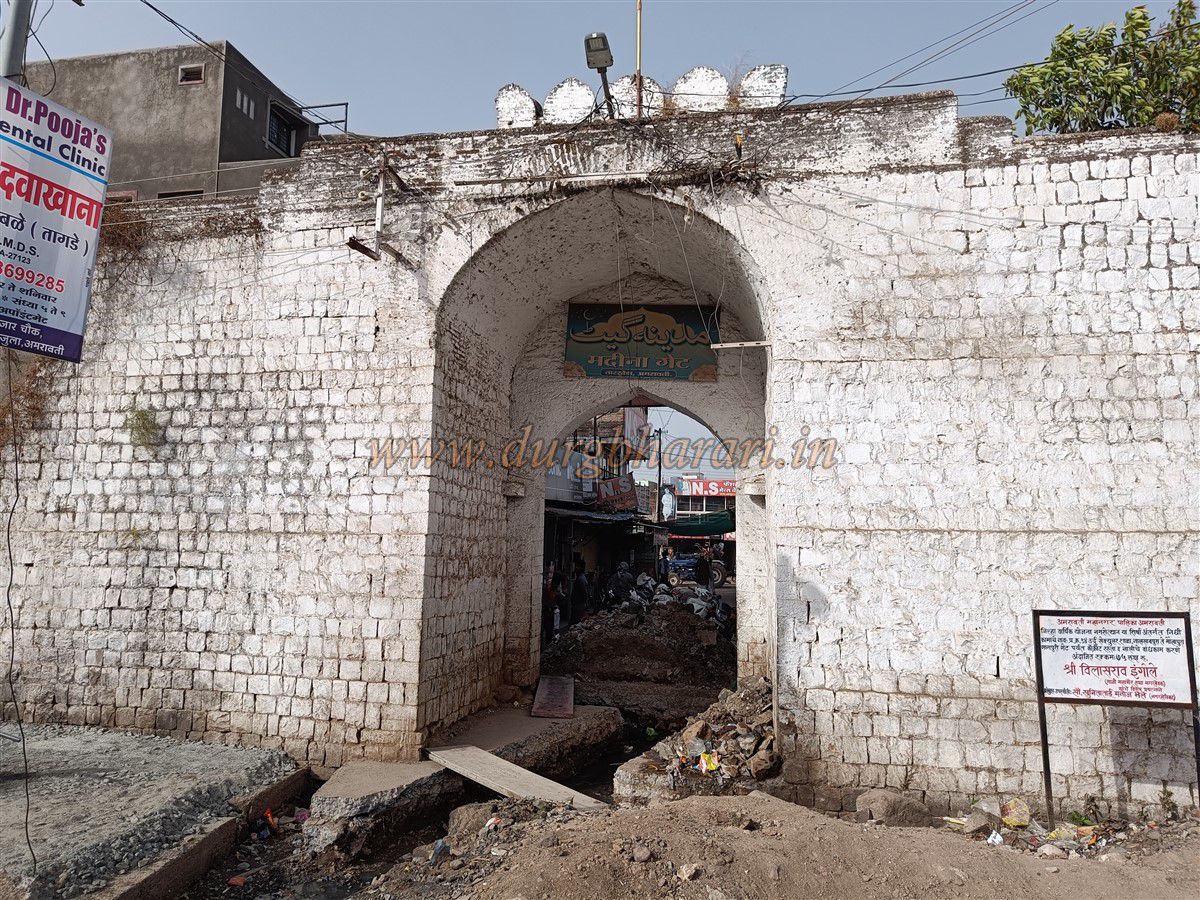
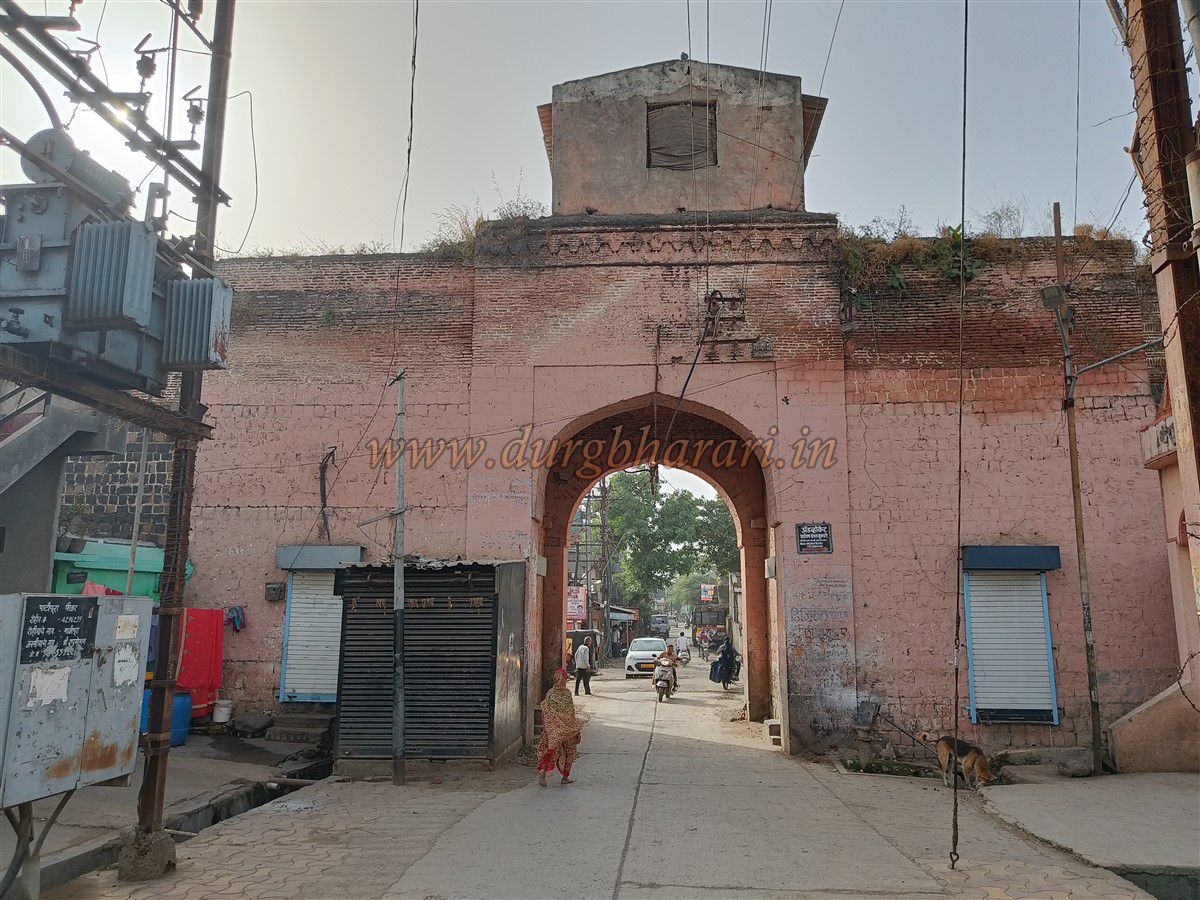
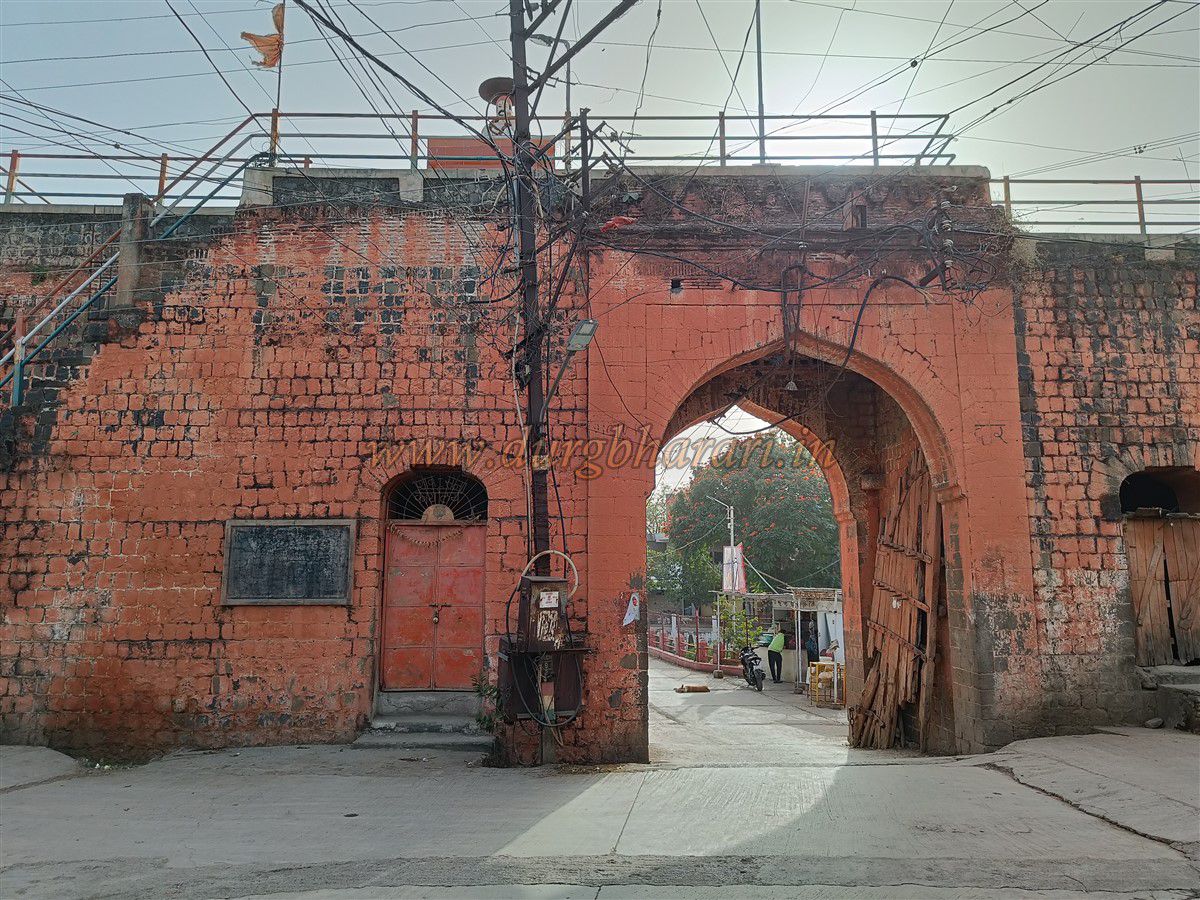
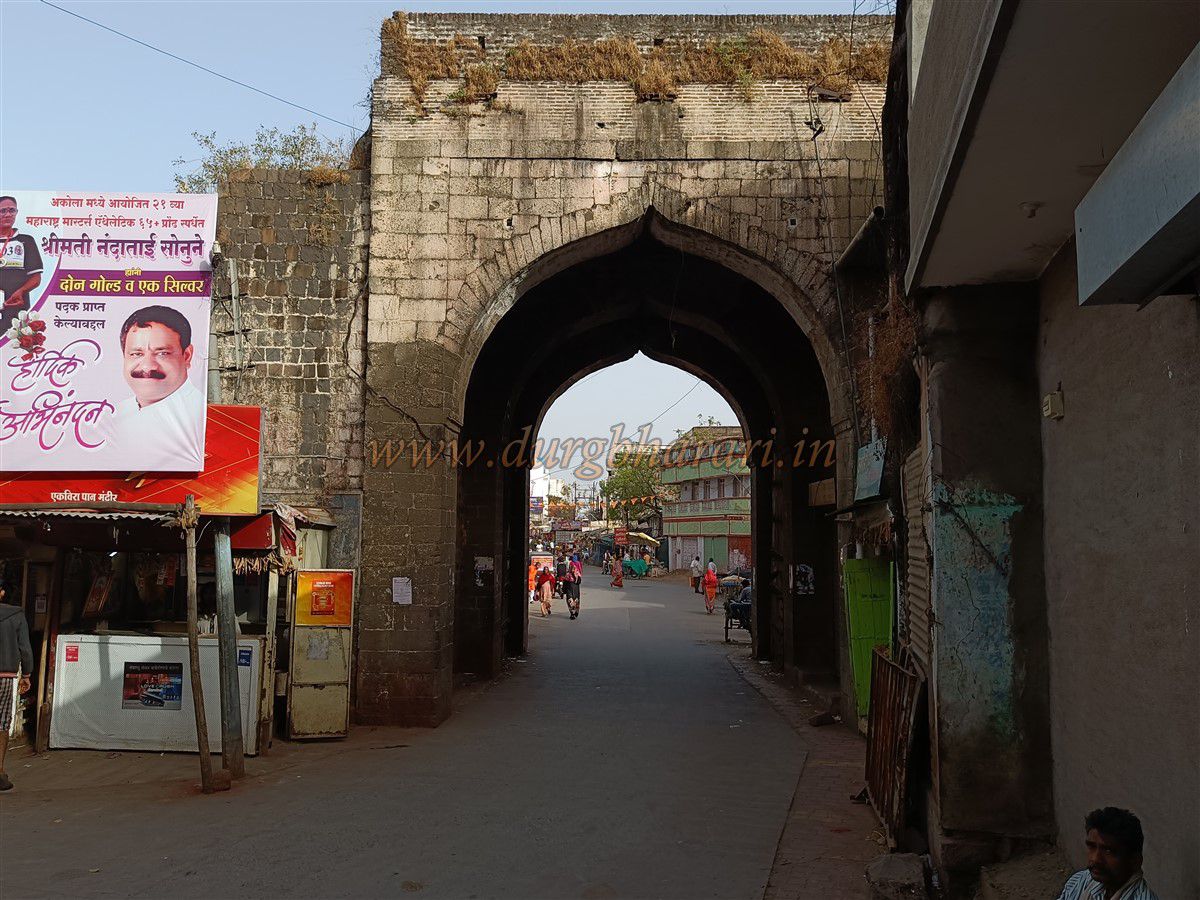
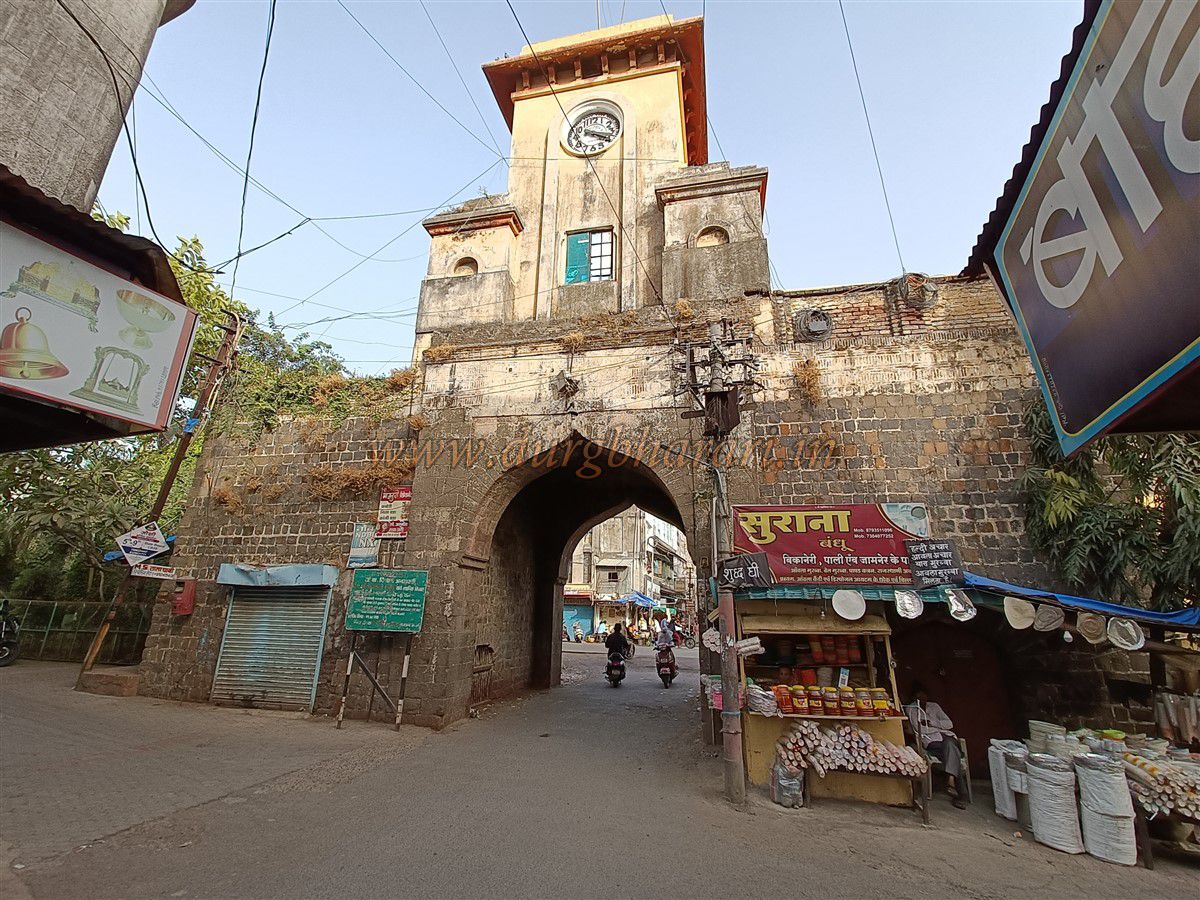
The fort has five main gates and four smaller ones, which are referred to as windows. The names of the main gates are Kholapuri Gate, Mahajanpuri Gate, Amba Gate, Bhusari Gate, and Nagpuri Gate. The smaller gates are called Mata Khidki, Khunari Khidki, Patel Khidki, and Chhatrapuri Khidki. Two of these gates have been renamed after independence: Bhusari Gate is now called Jawahar Gate, and Mahajanpuri Gate is known as Chhatrapati Shivaji Maharaj Gate. All gates used to be closed at night and reopened in the morning. During the Nizam period, guards were stationed at each gate, and strangers were not allowed to enter without interrogation. When the main gates were shut, the smaller ones were used for access. Two of the smaller gates—Mata Khidki and Madina Khidki—are still visible today, though some are hidden under encroachments. It is unclear exactly which gate is referred to as Madina Khidki. Except for certain parts, most of the wall is still intact. The northern section near Jawahar Gate is better preserved, and lighting has been installed along this section.
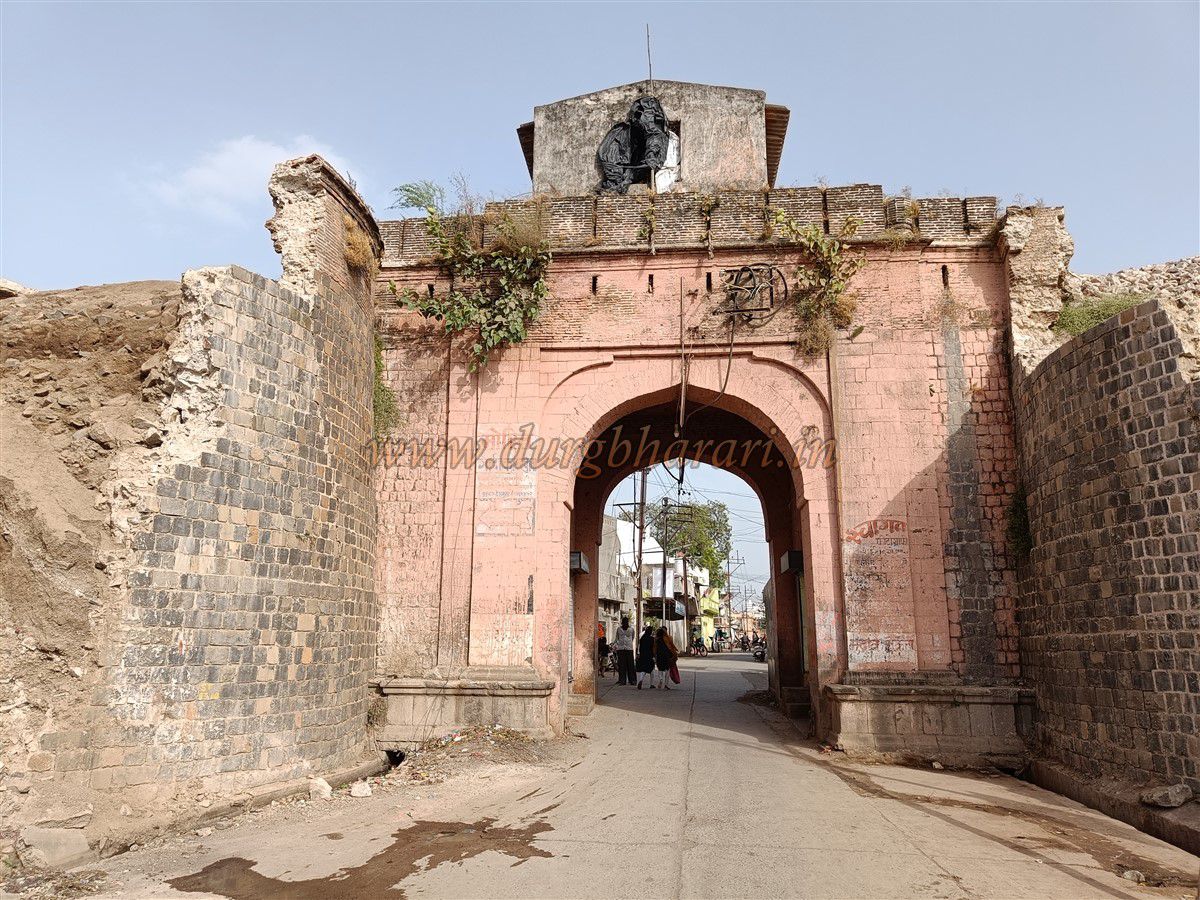
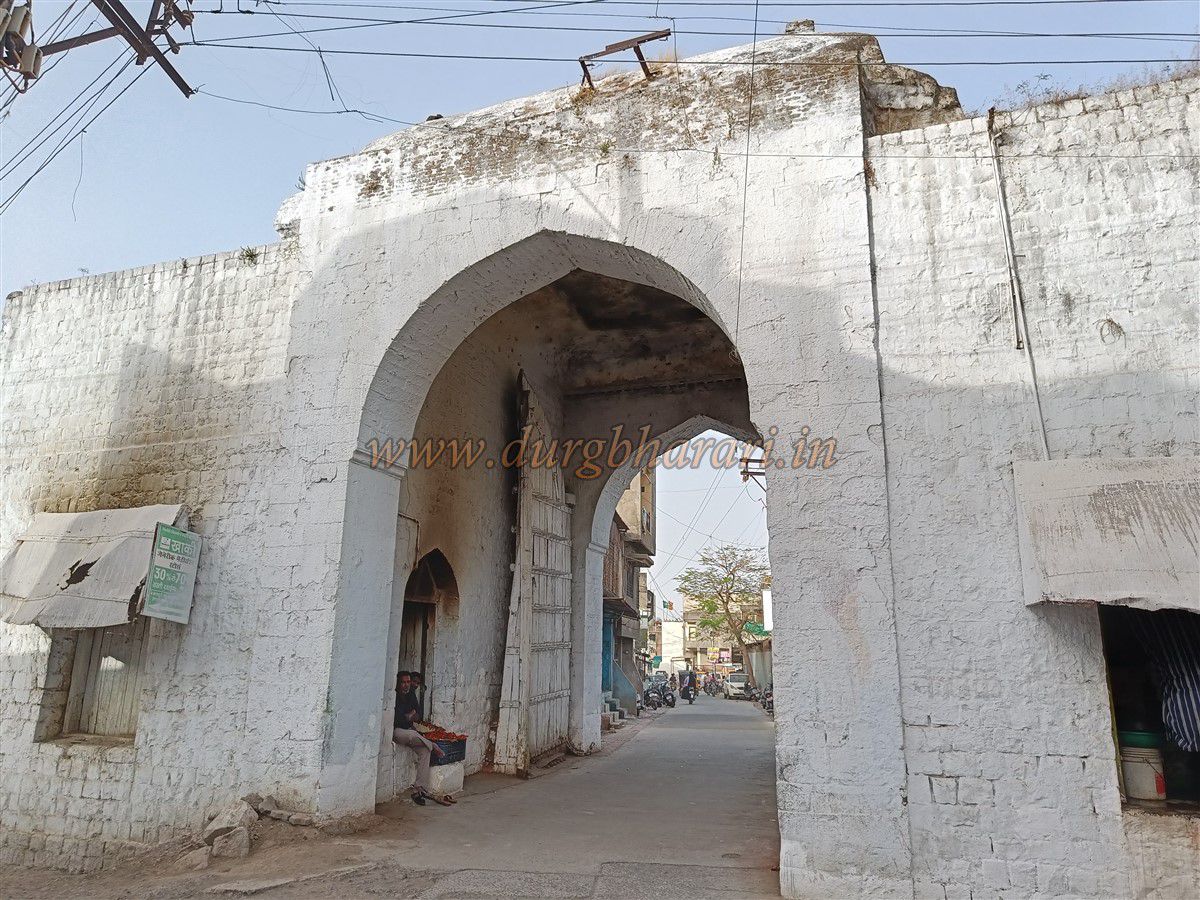
Let us begin our tour of the fort from Kholapuri Gate. This south-facing gate is built between two semi-circular bastions. Inside, on both sides of the gate, there are guard rooms. The upper part of the gate and the fort wall has loopholes for firing guns. There are steps inside leading up to the top of the wall. There is no visible carvings on this gate. Kholapuri Gate is located on the southern side of the city, and from here to Mahajanpuri Gate flows the Amba River, which has now turned into a drain. As you begin walking along the right side of the wall, you will encounter bastions, stairways to the ramparts, and within ten minutes, reach Mahajanpuri (Chhatrapati Shivaji Maharaj) Gate.
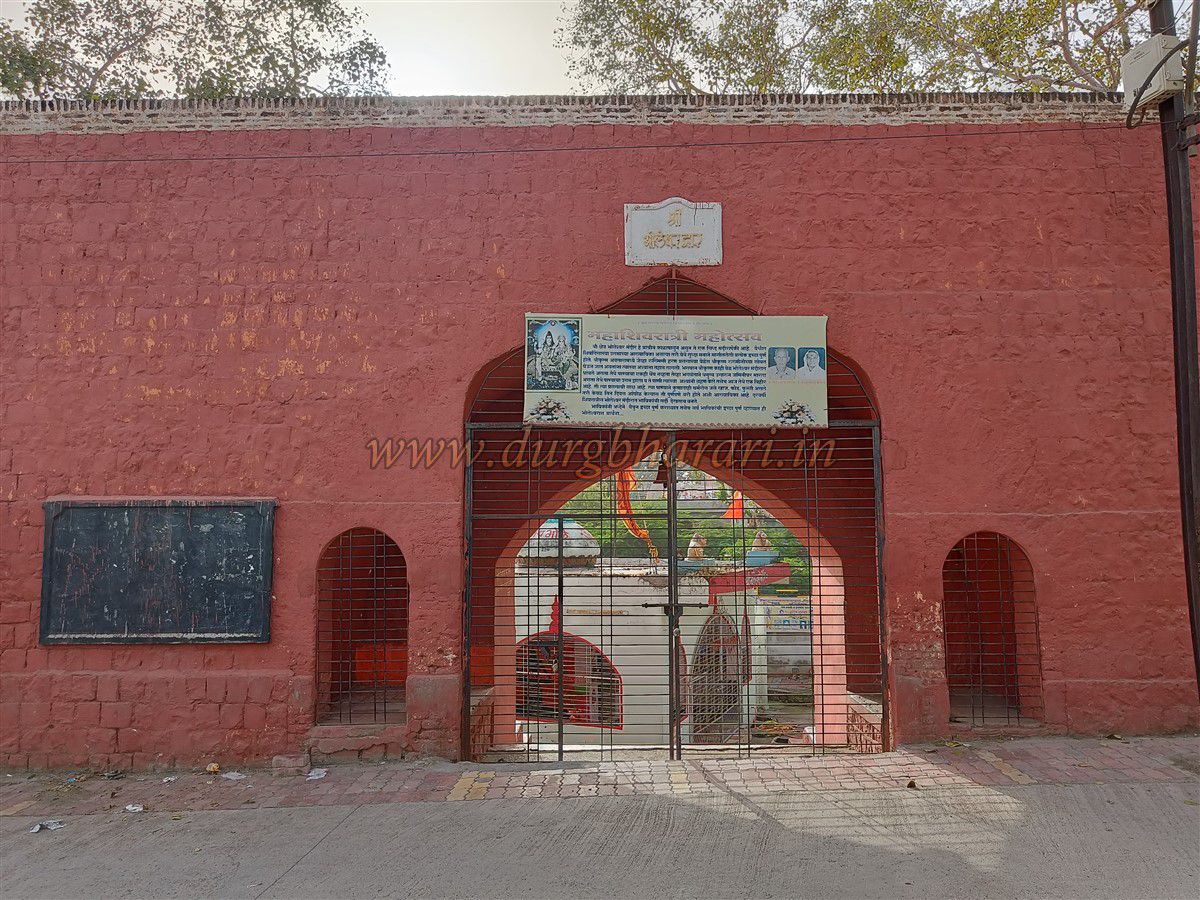
This east-facing gate is built directly into the wall and has a circular bastion a short distance away. Inside the gate, on both sides adjoining the wall, there are staircases, and beneath these are guard rooms. The gate is made of plain stone and still retains its pointed-nailed wooden door. A bust of Shivaji Maharaj is installed on top of the gate. As you proceed further, you come across another smaller gate. Outside this gate is a temple dedicated to Shankar, now called Bholeshwar Dwar, though its original name is unknown.
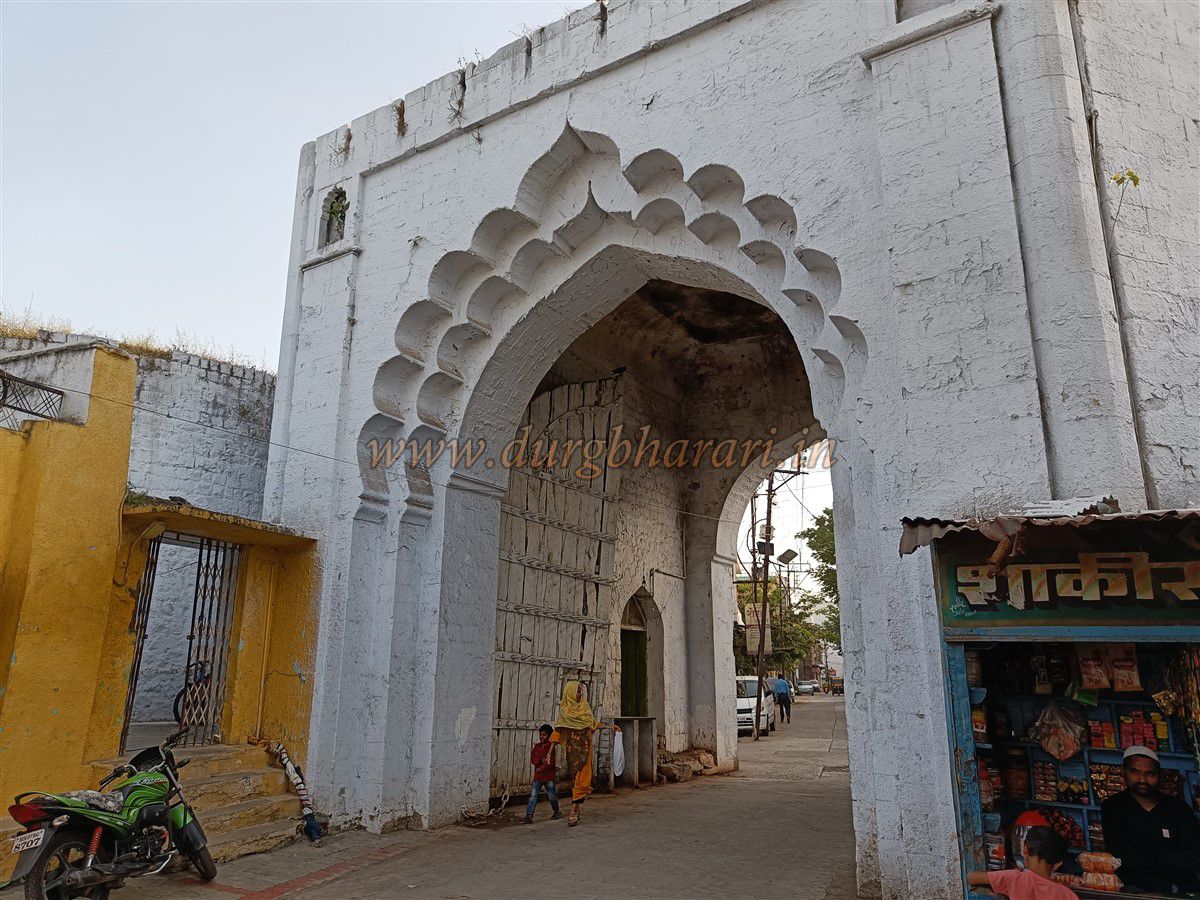
Moving ahead along the inner side of the wall, you reach Amba Gate. This north-facing gate is built between two octagonal bastions. Its arch is adorned with beautiful carvings. The wooden gate still exists and has large, pointed nails. Inside, there are guard rooms and stairways leading up to the wall. Once outside Amba Gate, walking along the wall, you can see bastions of various shapes—one shaped like a petal and another hexagonal. The entire wall and bastions are built with finely cut stone, with the parapet area constructed using bricks.
Continuing along the main road outside the wall, you arrive at Bhusari (Jawahar) Gate. This north-facing gate is constructed between two semi-circular bastions. The arch of the gate has carvings, but the inner wooden door is no longer present. Inside the bastions are rooms whose doors open into the wall area. Proceeding further, within about ten minutes, you reach Nagpuri Gate. This area is densely populated, and the gate is located some distance inside from the main road. Upon inquiry, one can easily reach the gate. The wall here is fairly intact, and there are stairs to access the ramparts in several places. Nagpuri Gate, built between two bastions, has bastions that are lower in height than the gate. The west-facing gate has decorative carvings on the arch and still retains its large, nail-studded wooden door. Inside are guard rooms on both sides.
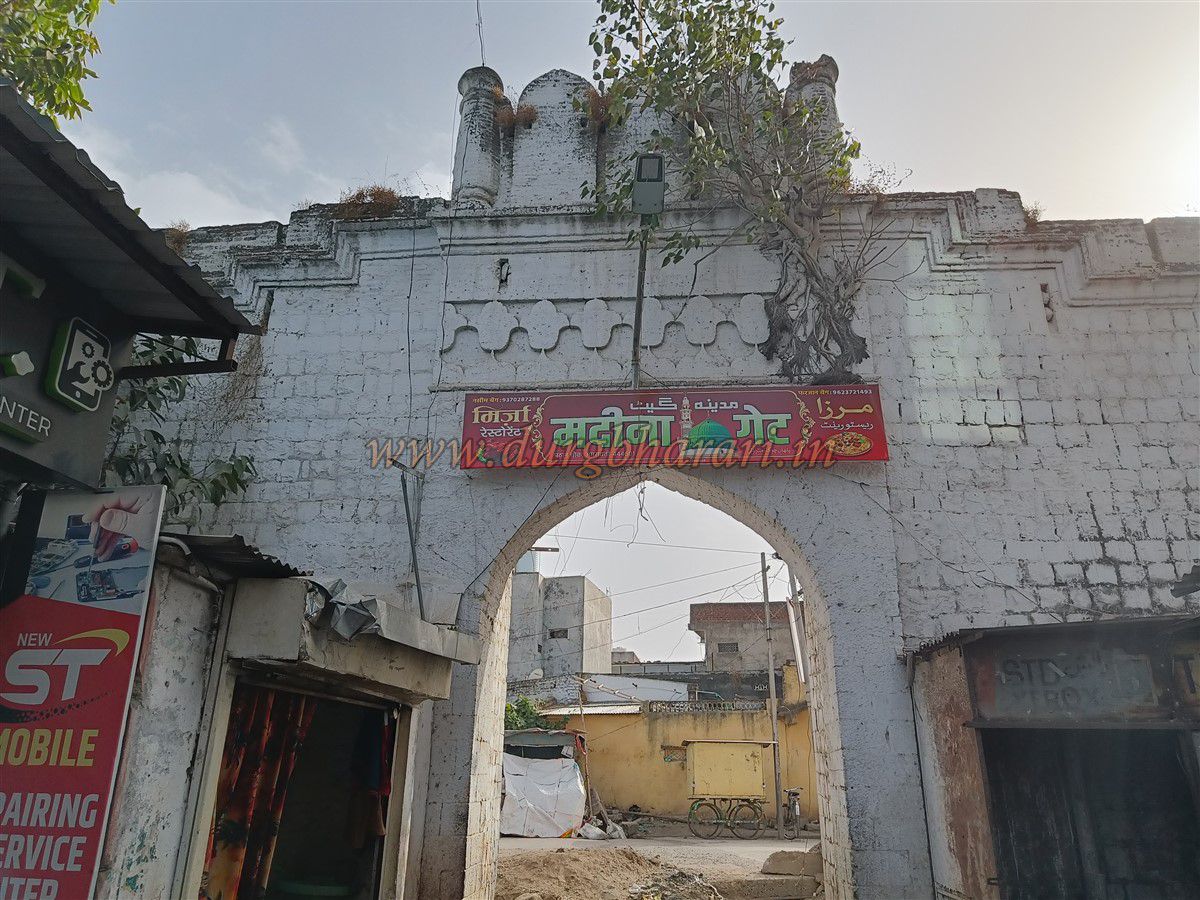
After visiting this gate, either by walking along the wall from inside or outside, you reach a lane within five minutes where you can see Madina Gate (a new name), a smaller gate located in the Tarkheda area. From here, returning further brings you back to Kholapuri Gate, completing the tour. The fort can be explored both on foot and by vehicle. A complete walking tour takes about two and a half hours.
The earliest mention of Amravati is found in the Mahabharata, where Lord Krishna abducts Rukmini from Kaundinyapur. In ancient times, the city was known as Ambanagari. Later, the name evolved from Udumbravati to Umravati to Amravati. The current name is derived from the ancient Ambadevi Temple located here. References to Amravati’s ancient existence are found in the inscriptions beneath the idol of Jain Lord Adinath Rishabhanath, which dates to 1097 CE. Records also mention that Govind Mahaprabhu visited the city in the 13th century.
During the Imad Shahi of Berar, Badnera was a sub-division under Achalpur Subha, and Umravati was the main town in that division. In 1722, Chhatrapati Shahu Maharaj granted the Badnera sub-division and nearby villages to Ranoji Bhosale for military expenses. As a result, Ranoji shifted his headquarters to Amravati. He provided facilities for merchants and bankers and established a marketplace, which helped Umravati develop as a commercial center.
After the Battle of Gavilgad on December 15, 1803, the entire Berar region came under British control. The British handed over Berar to the Nizam of Hyderabad, establishing his rule there. Due to Amravati’s prosperity, the town was repeatedly attacked and looted by raiders, particularly the Pindaris. Despite frequent complaints by local merchants to authorities in Nagpur and Hyderabad, little was done. In 1805, the Pindaris attacked Amravati, but local bankers paid Chittu Pindari seven lakh rupees to protect the town. The extent of these brutal lootings is described by British officer and author Capt. Meadows Taylor in his book The Confessions of a Thug.
After these incidents, British officer Colonel Close gathered information on the raids and advised the Hyderabad Resident, Colonel Patrick, to construct fortifications for the city's protection. Colonel Patrick persuaded the Nizam’s minister Mir Alam, who in 1805 ordered the construction of the city walls. Subhedar Mahipatram, under the Nizam's government, began construction in 1806, and the fortification was completed in 1821. It took 16 years and cost four lakh rupees at that time.
Under the 1853 treaty, the Nizam of Hyderabad temporarily mortgaged Berar, including Amravati district, to the East India Company. In 1858, while demolishing forts like Gavilgad, Narnala, and Amner, the British also attempted to dismantle the Amravati fortification, but local opposition prevented this. In 1926, when they tried to demolish the bastion near Bhusari Gate, citizens again resisted and stopped it.
In 1903, the Nizam permanently ceded the Berar province to the British. During the 1956 state reorganization, the entire Vidarbha region was merged into the bilingual Bombay state. In 1960, after the formation of Maharashtra, Amravati became one of its districts. Though this ground fort survived British efforts to demolish it, today it is trapped in the clutches of local encroachments.
© Suresh Nimbalkar
GALLERY