AMBALE
TYPE : NAGARKOT
DISTRICT : PUNE
HEIGHT : 0
GRADE : EASY
In Maharashtra, there are thousands of mansions and fortified residences. After the abolition of the jagir system, it became difficult for the private owners of these forts to maintain them, leading to the deterioration of many such structures. Furthermore, due to the migration of several fort owners to other places for employment and livelihood, some forts have become deserted and are now in ruins. The apathy of locals towards these heritage structures has also contributed to their decline. The mansion of Sarlashkar Darekar in Ambale village is one such example. The Darekar mansion in Ambale, located in Purandar taluka, is about 48 kilometres from Pune via Saswad, and the distance between Saswad and Ambale is 16 kilometres. During the Peshwa era, this village prospered as the estate of Khanderao Darekar, the cavalry commander of the Peshwas, and it still bears traces of its former glory.
...
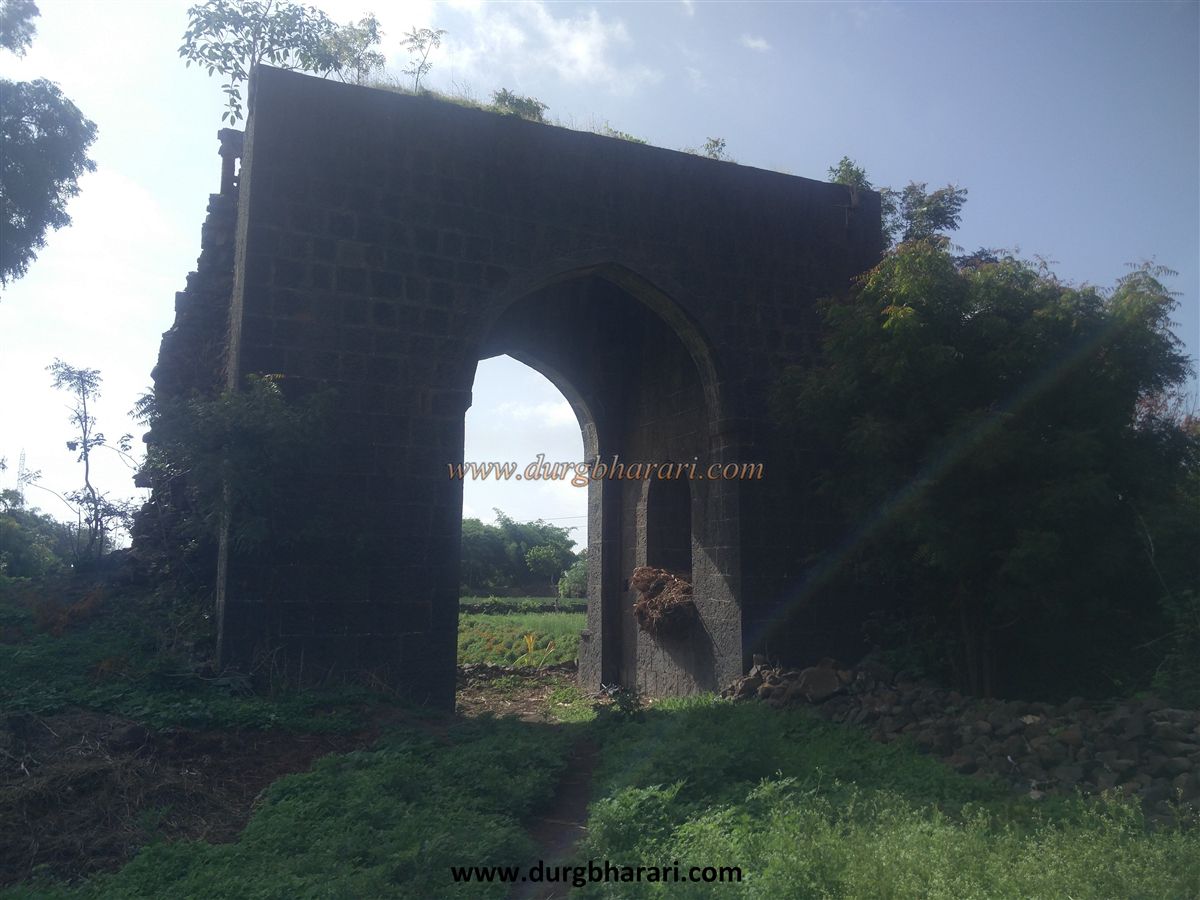
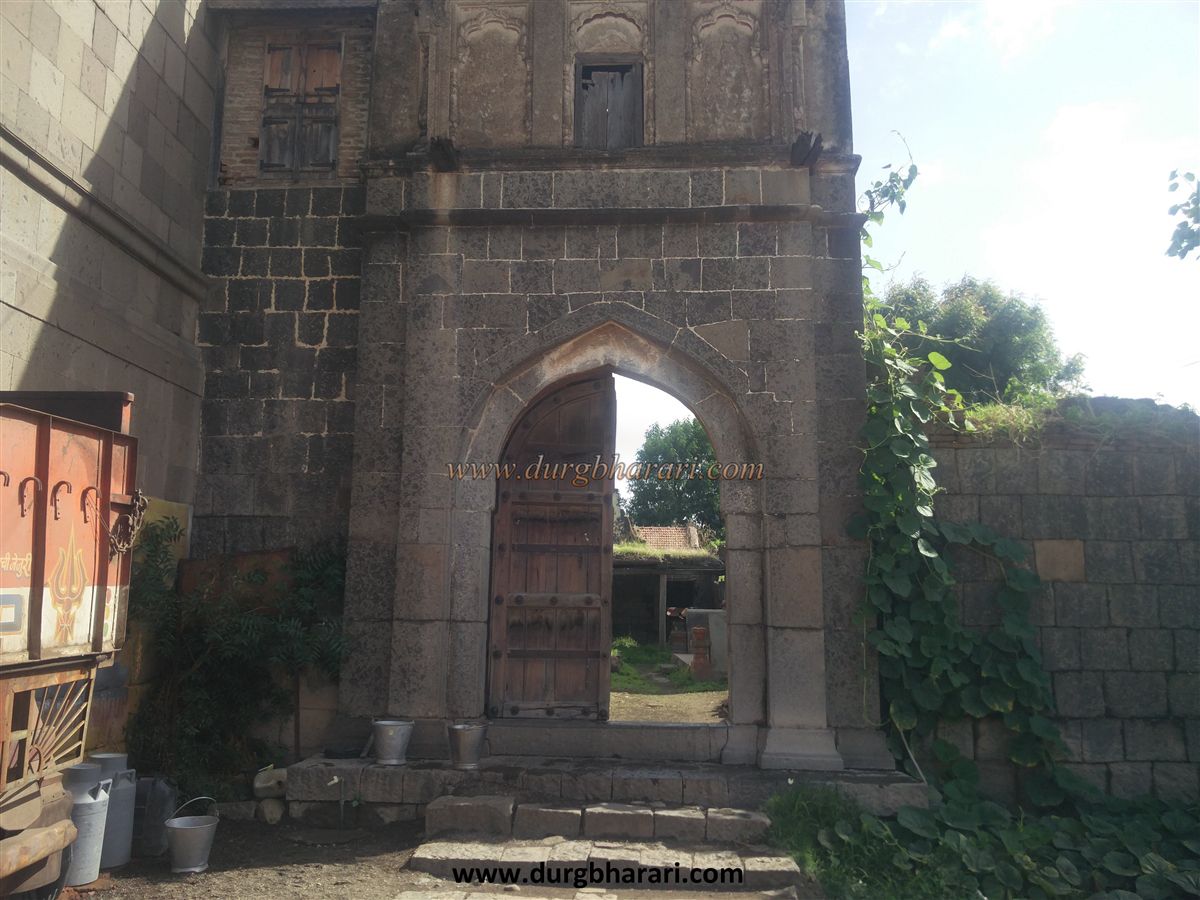
Originally, the village of Ambale was established within a fortified enclosure, and remnants of walls and bastions can still be seen in various places. Inside the walls of this fortified settlement were the mansions of Khanderao Darekar and a few others. While walking through Ambale today, one can see several large but dilapidated mansions. The main road into the village passes through the ruined gate of the fortification. Upon close inspection, the arched entrance and two crumbling bastions next to it are still visible. On the left side of the road, within the ruined stone courtyard, are two temples from the Peshwa period. The first, known as Rajarajeshwar Temple, is an east-facing Shiva temple comprising a Sabhamandap and a sanctum. The Mandap is adorned with intricate carvings, indicating its construction during the Peshwa era. The second temple is dedicated to Lord Rama.
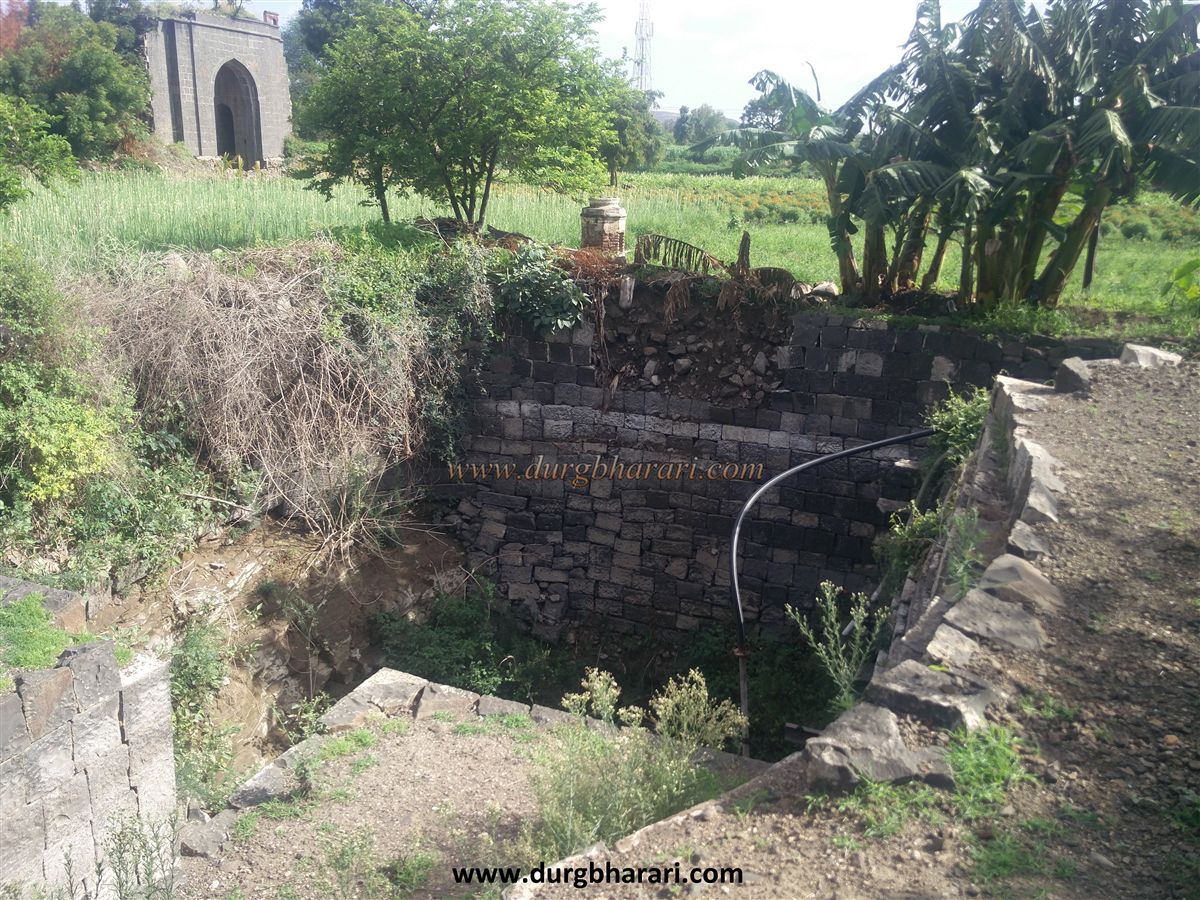
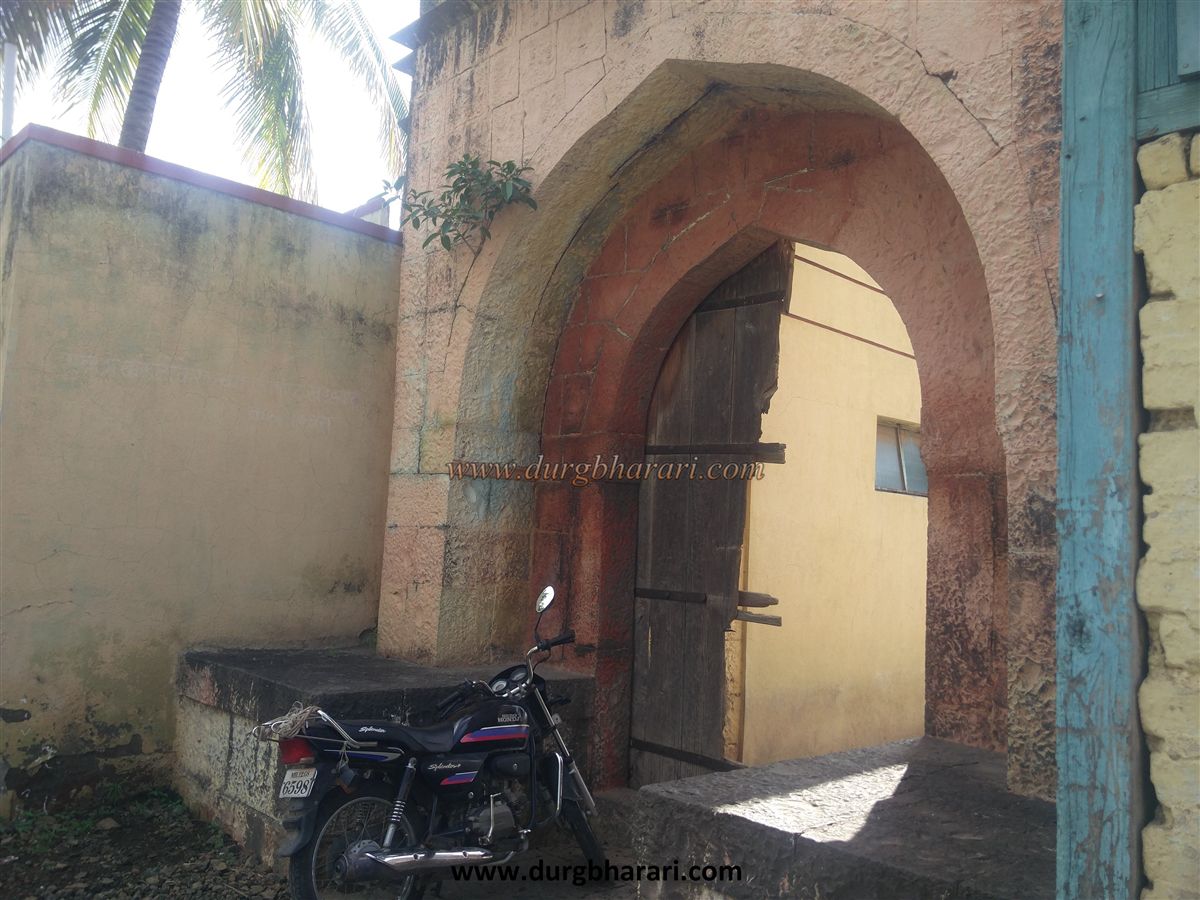
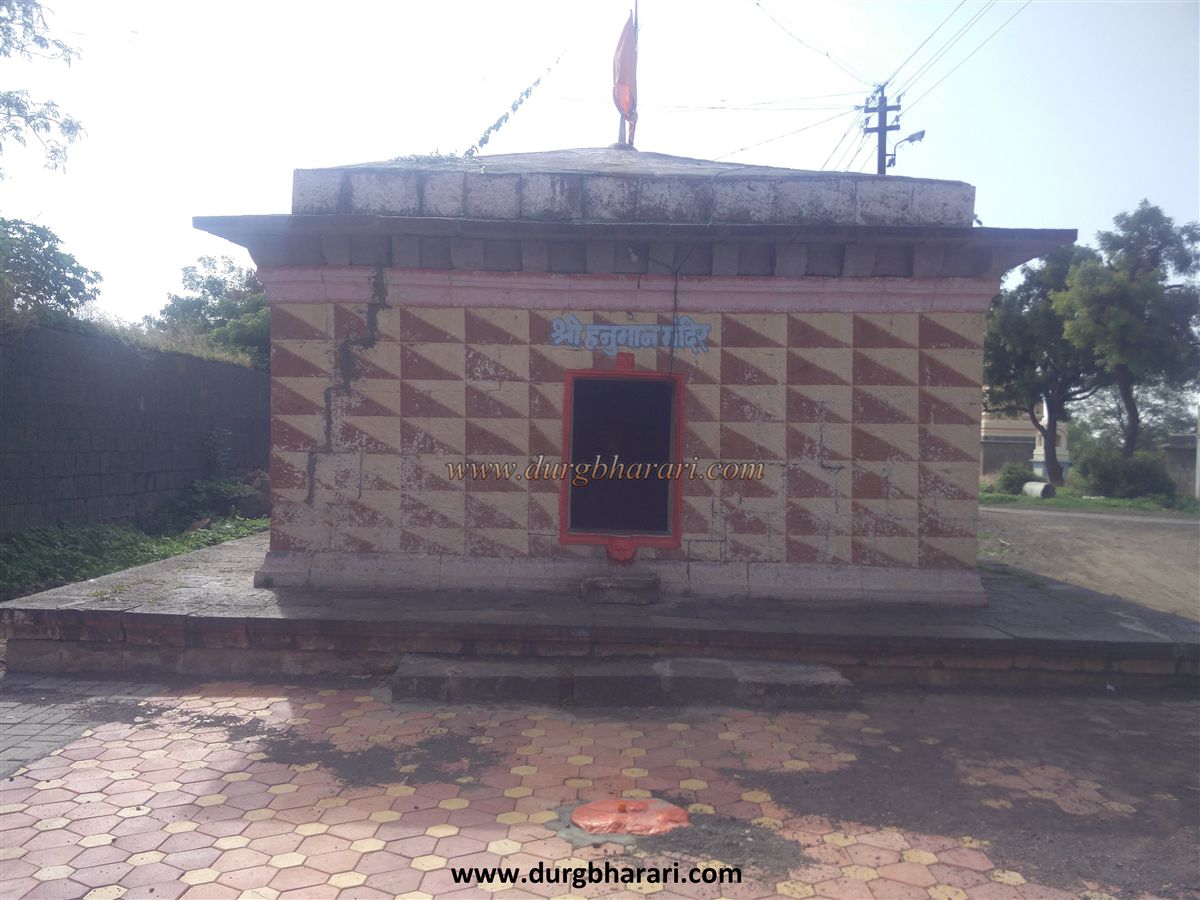
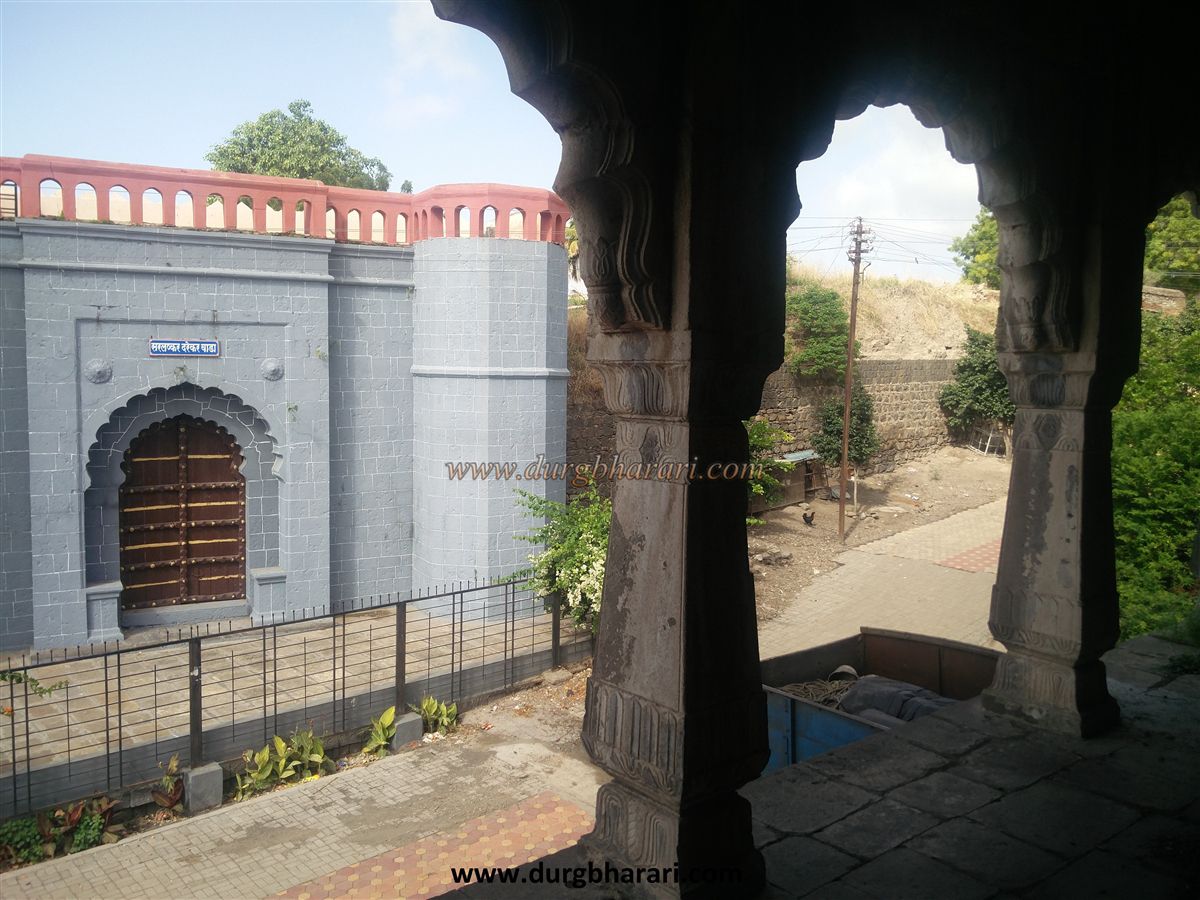
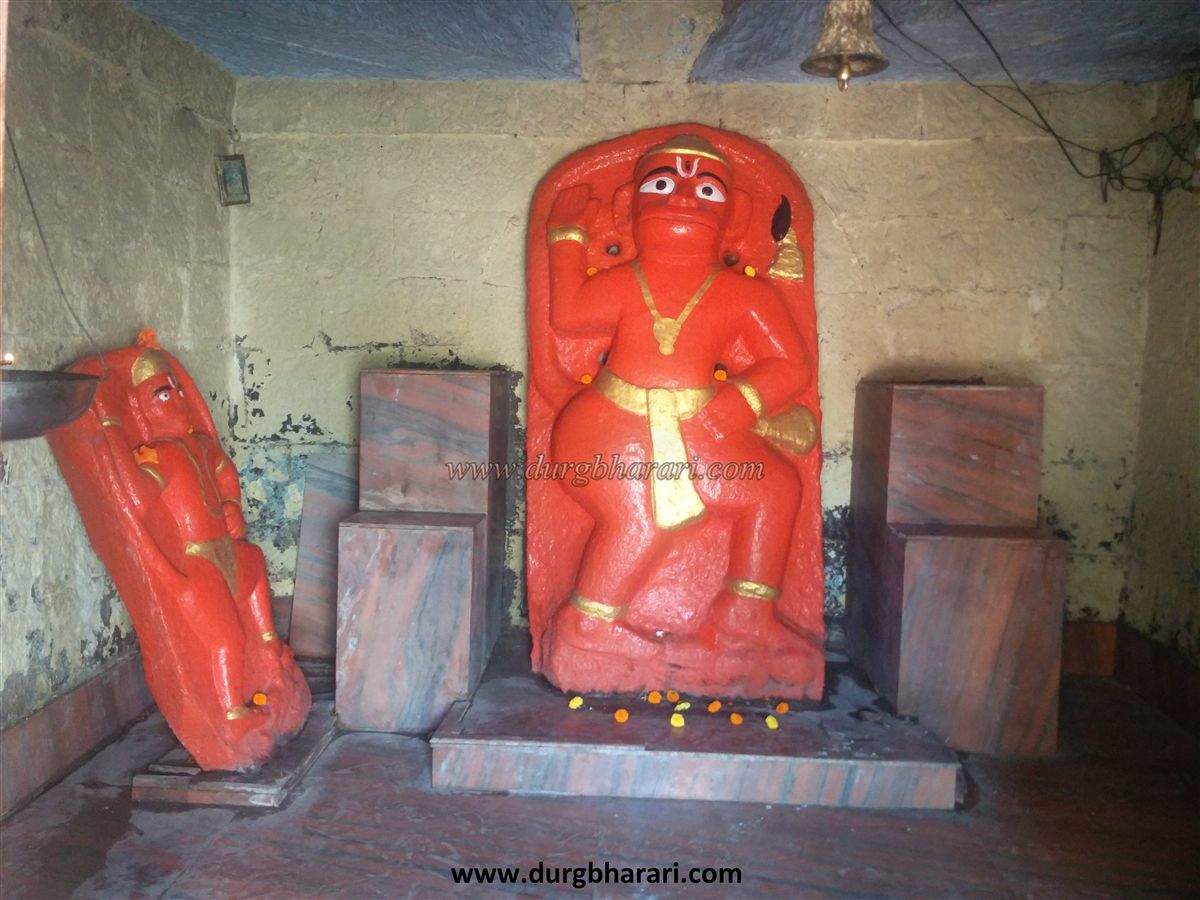
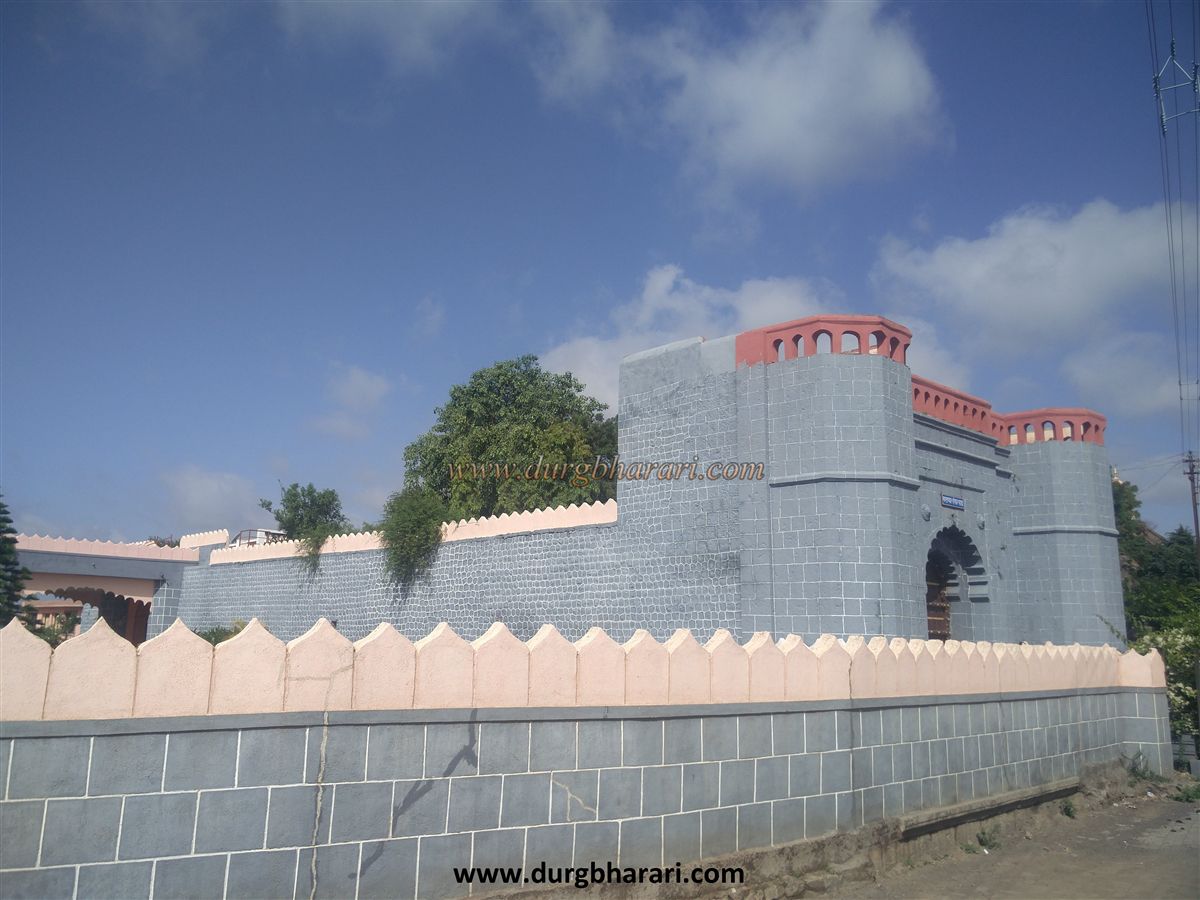
Before entering the village, on the right side of the road, there is a large stone-built stepped well, which is still in use today. Opposite this well, one can see another well-preserved arched gate of the fort along with a substantial section of the stone-built defensive wall. Upon entering the village, the first structure seen is a Hanuman temple, and opposite it stands the mansion of Sarlashkar Khanderao Darekar from the Peshwa period. The main entrance of this mansion is known as the Delhi Gate. Next to this gate are two bastions, and in front of them are the Nagarkhana (drum house) and another mansion. The area covered by the fortified mansion is approximately three acres, and much of its walls and bastions are still intact.
As one explores the village, other mansions can also be seen. There is another temple dedicated to Bhairavanath (a form of Shiva) in the village, which is also enclosed within a fortified wall. Because of Khanderao Darekar, the commander of cavalry during the Peshwa era, Ambale village holds a distinct historical identity. A road leading to the fort of Dhavalgad at the back of Ambale village passes through the village itself. According to Lahuraj Darekar, a descendant from the Bhosare branch of the Darekar family, the Darekar are a sub-clan of the 96-clan Maratha More lineage. Originally from the Dare village in the Javali region of Satara, they came to be known as Darekar, or as warriors from the valleys and mountains.
During the time of Shivaji Maharaj, individuals like Hiroji and Ganoji served as infantrymen in the Maratha army. Their descendants—Subhanji, Gorakhoji, Manaji, and Gauroji—held hereditary land rights over several villages. Among the great Inamdar (landholders) of the Marathas, the Darekar were prominent. Their valour rose notably during the Peshwa period. The village of Ambale was granted to Subhanji Darekar as a military grant by Chhatrapati Shahu Maharaj to support army expenses. From this lineage, Khanderao Darekar rose to become Sarlashkar (commander-in-chief), and he once saved Peshwa Madhavrao from a rampaging elephant. During the Peshwa period, Darekar were among the key generals in significant Maratha battles such as Panipat, Kharda, Udgir, Rakshasbhuvan, Karnataka, and Khandesh.
Even today, the Darekar mansion exists near the Shaniwar wada in Pune. Records show that in 1794, after returning from the Dussehra boundary-crossing ritual, Peshwas presented Hanumantrao Darekar with honorary garments worth ₹827 in the Durbar Hall of Shaniwar wada.
© Suresh Nimbalkar
GALLERY