ALKUTI
TYPE : GADHI
DISTRICT : AHMEDNAGAR
HEIGHT : 0
GRADE : EASY
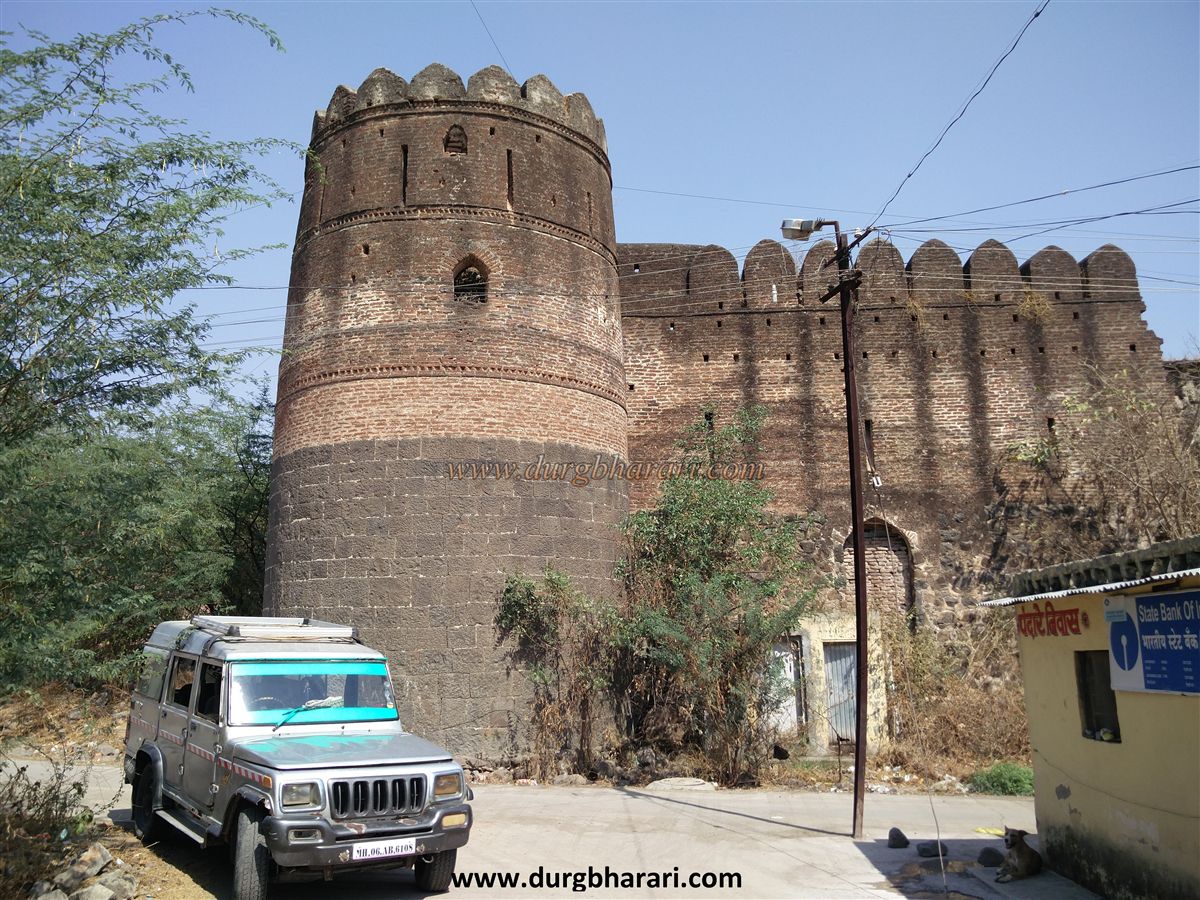
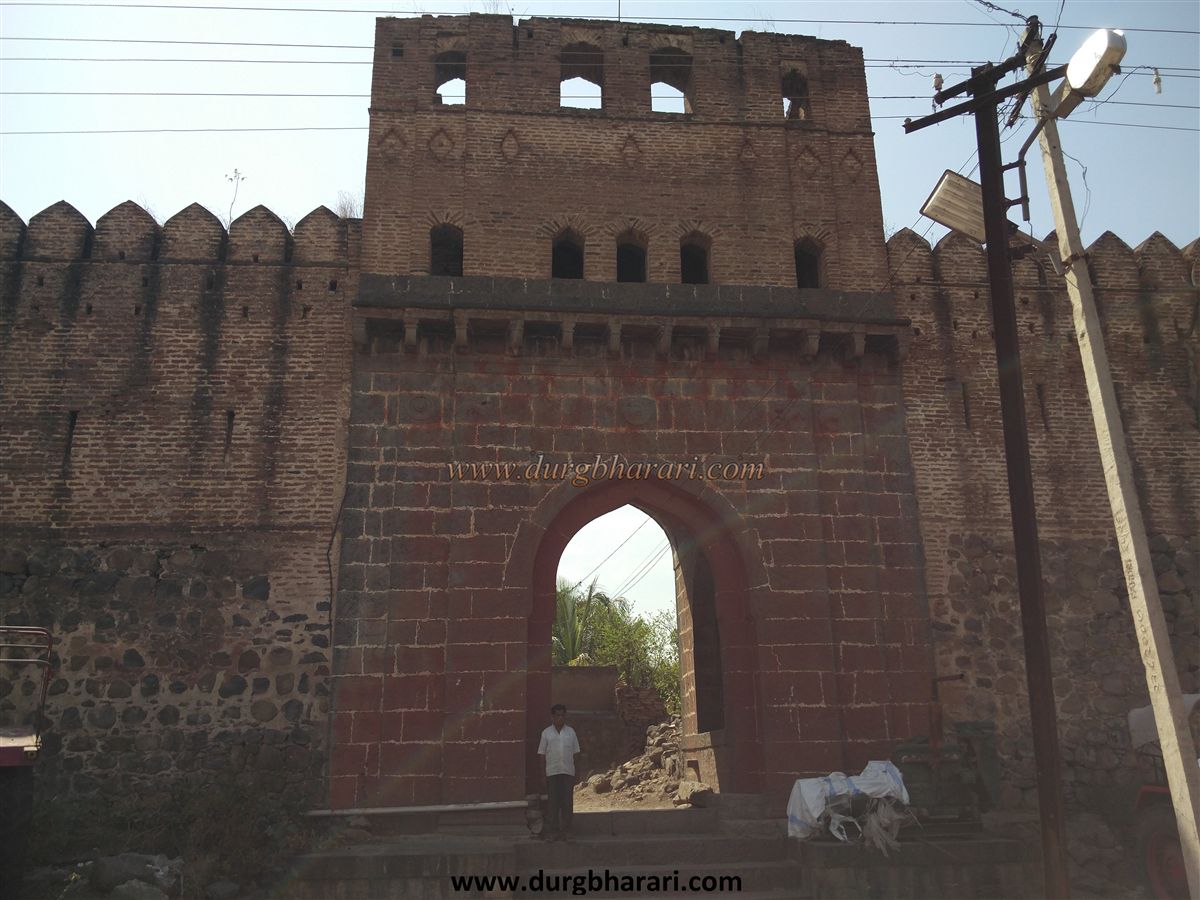
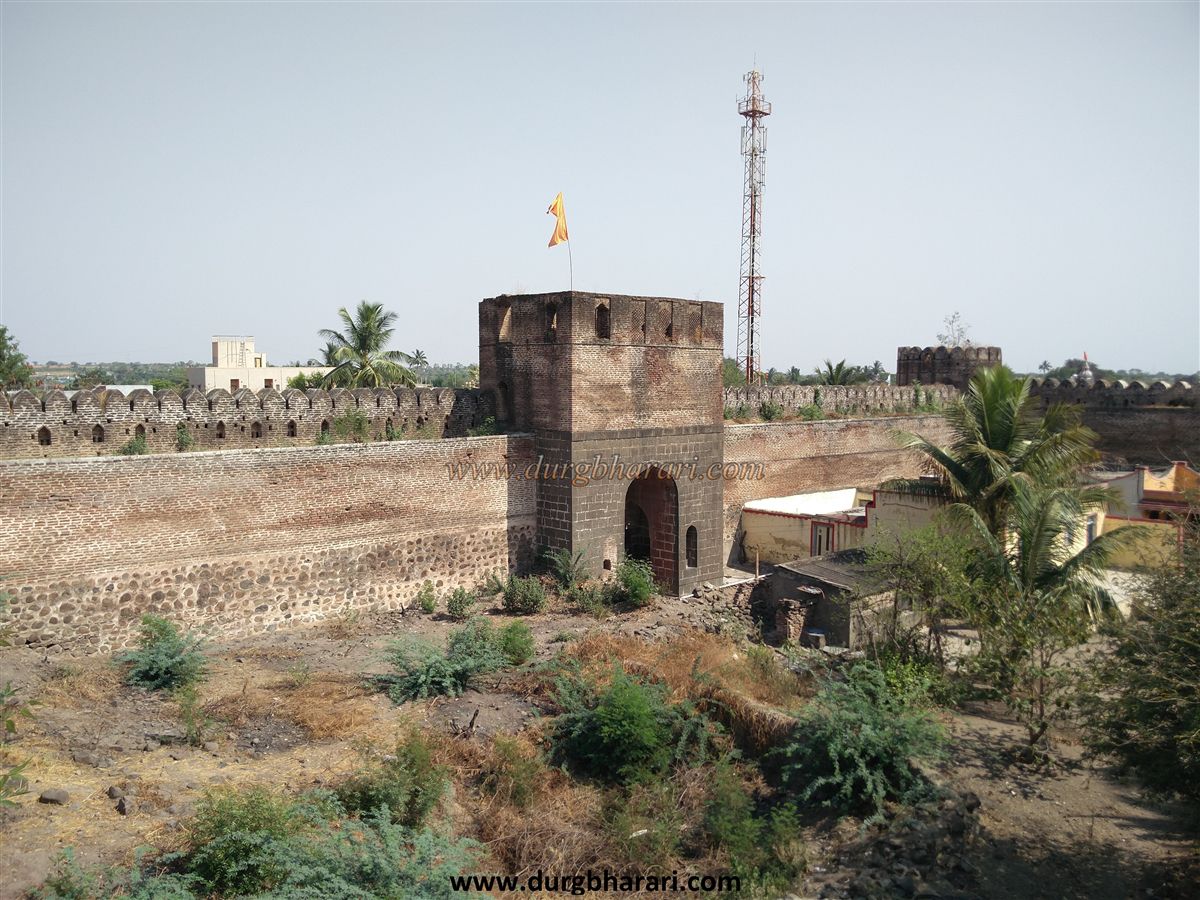
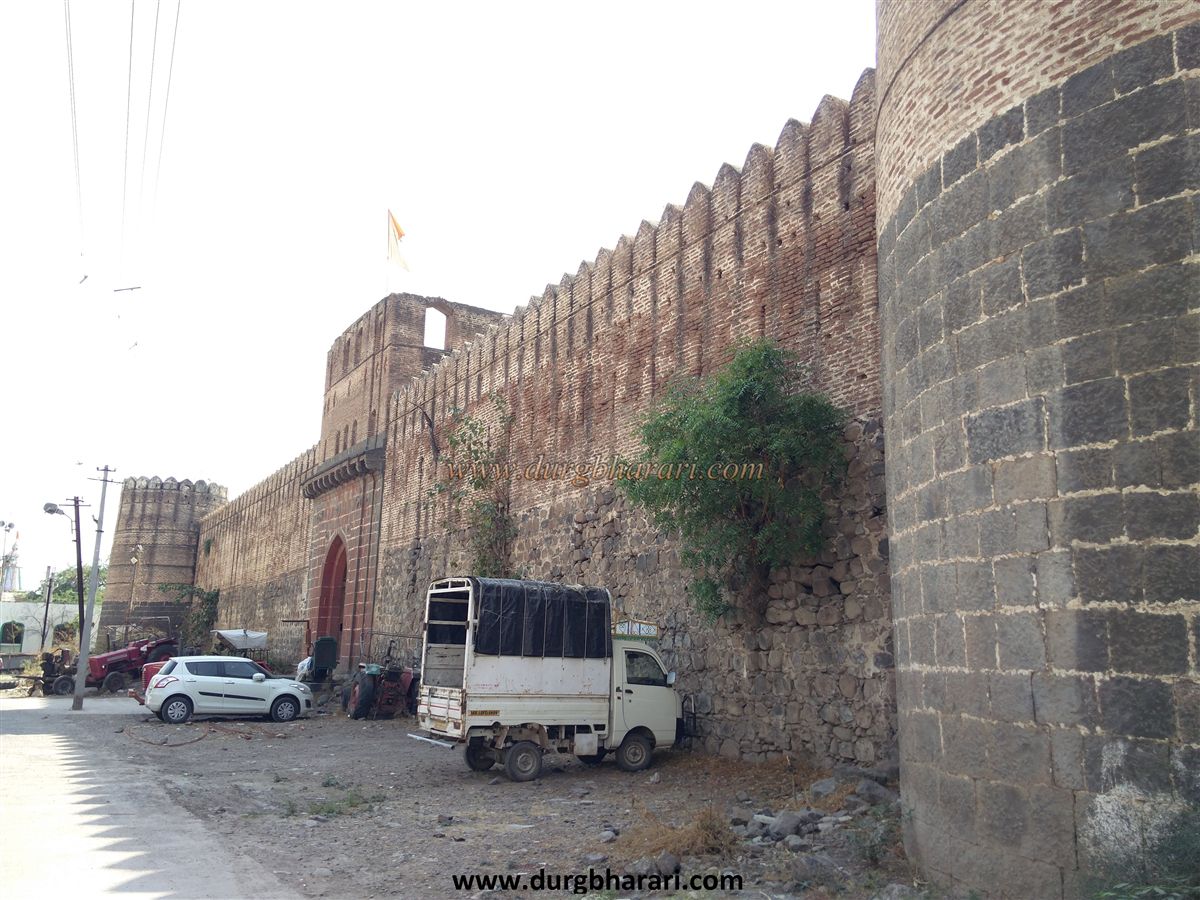
On the Ale-Parner road in Ahmednagar district, at a distance of 22 km from Ale Phata and 42 km from Shirur, lies the historic village of Alkuti. Locals say that this village once had two gates—one in the north and one in the south—connected by fortification walls and eight bastions. These historic structures have now disappeared. Within the village stands a fortified mansion (gadhi) built by Sardar Kadambande Patil around the 18th century. The mansion is still in possession of the descendants of the Kadambande Patil family, though the interior courtyard structure has completely collapsed. The grand entrance gate of the gadhi faces east, and the total area is less than one and a half acres. To the east of the gadhi, there is another smaller entrance that has now been sealed with bricks.
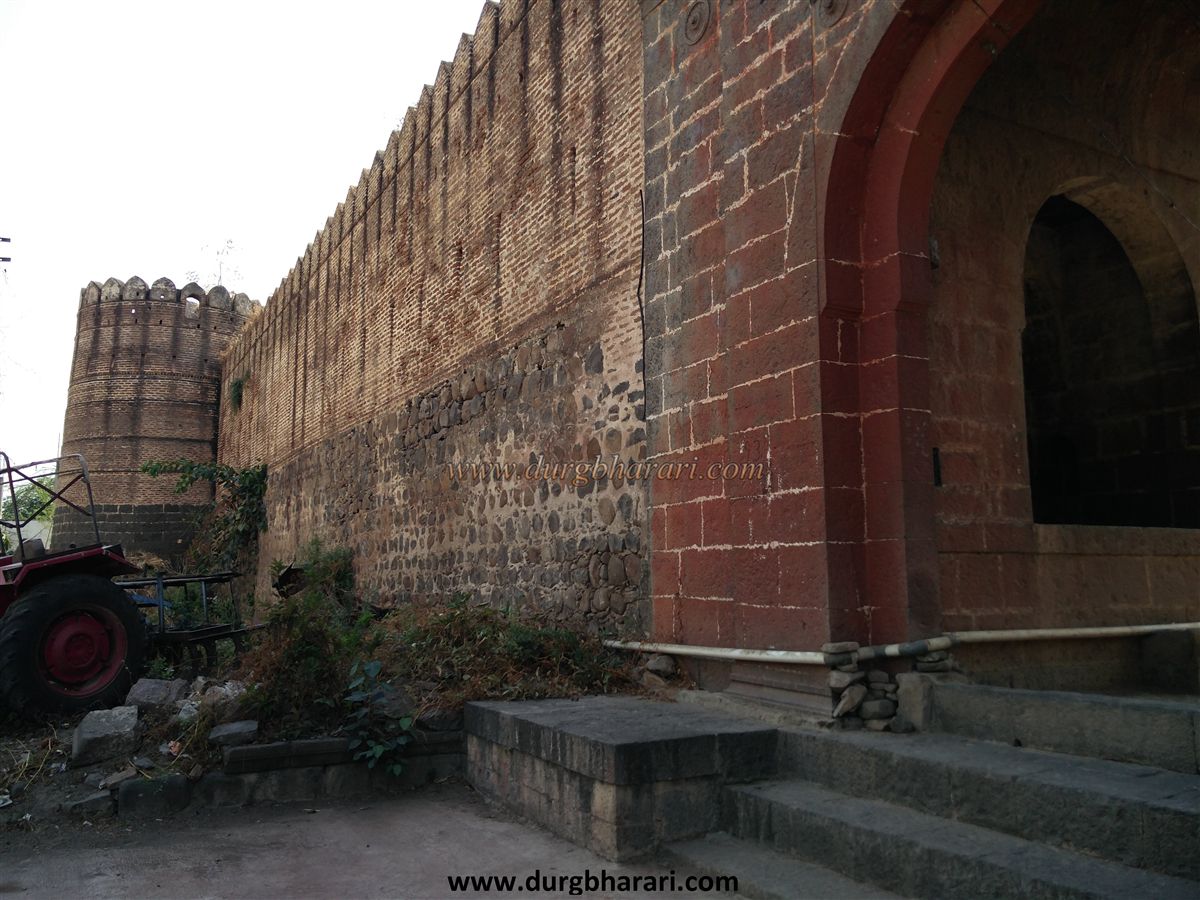
The arch above the main gate features carvings of lotus flowers and mythical Sharabh figures. Above this gate stands a beautiful two-storeyed structure made of bricks.
...
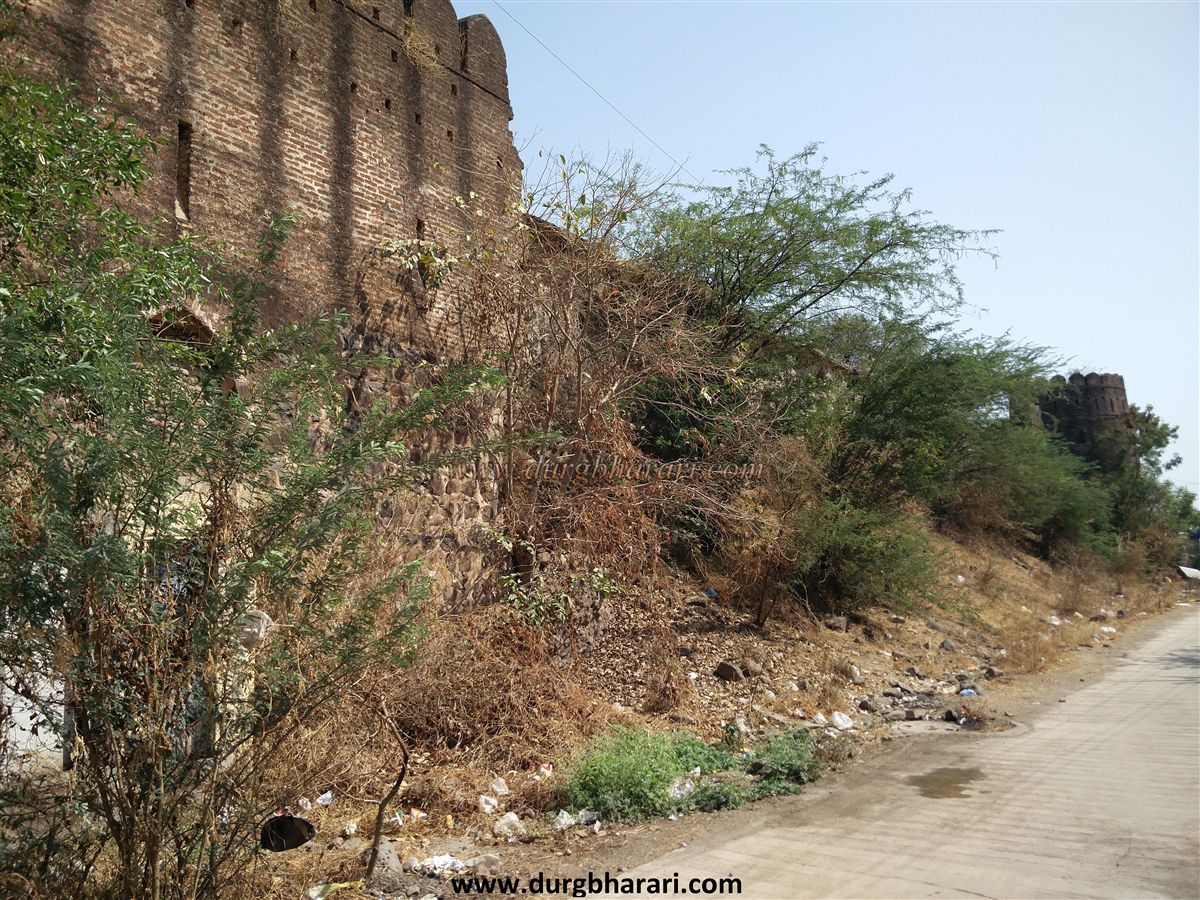
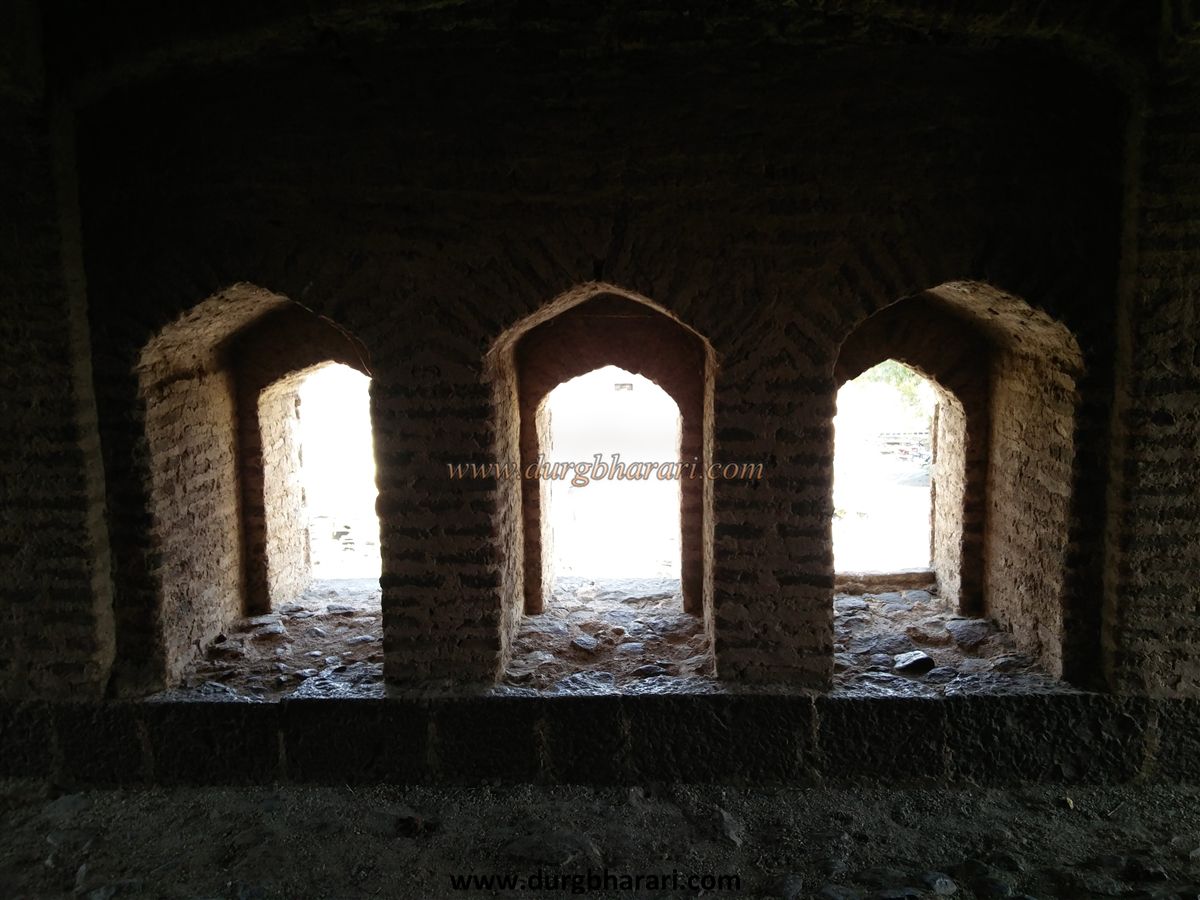
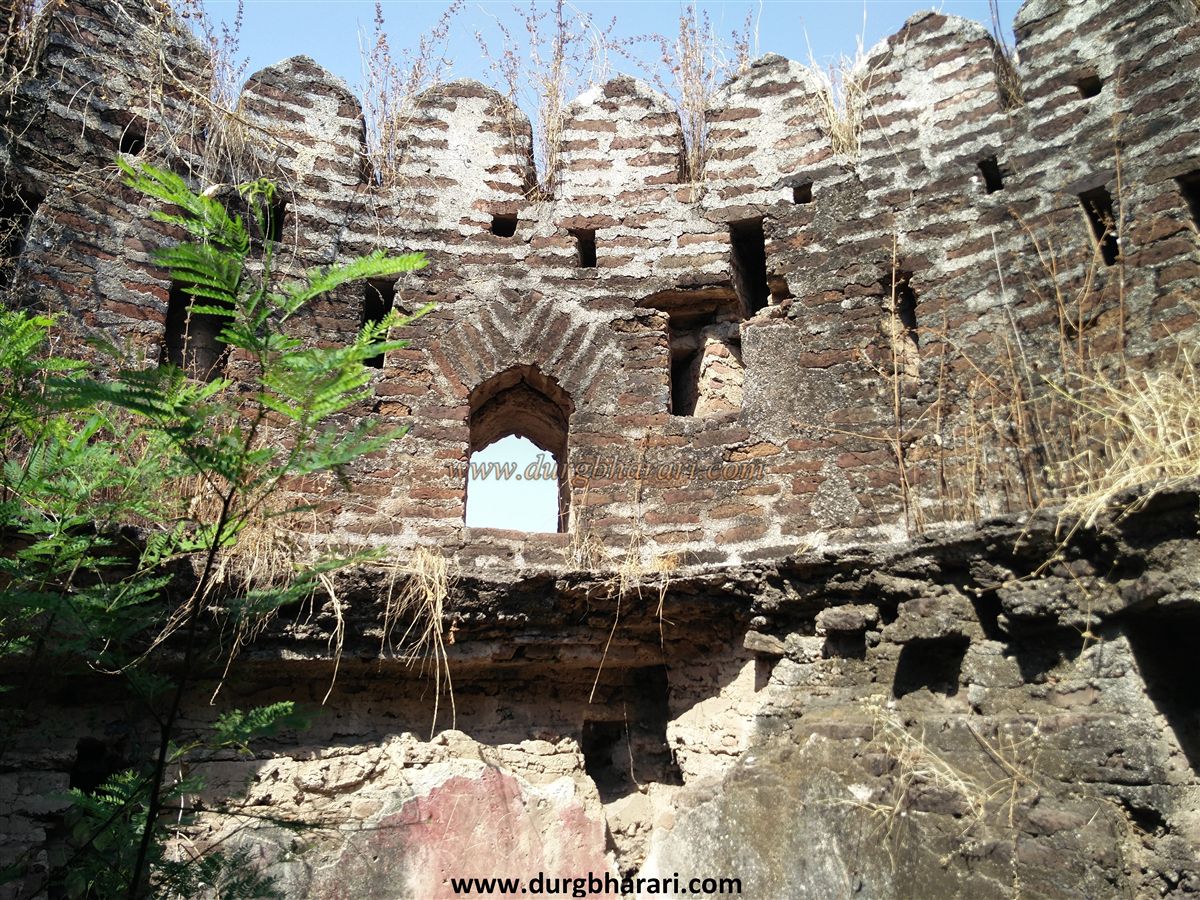
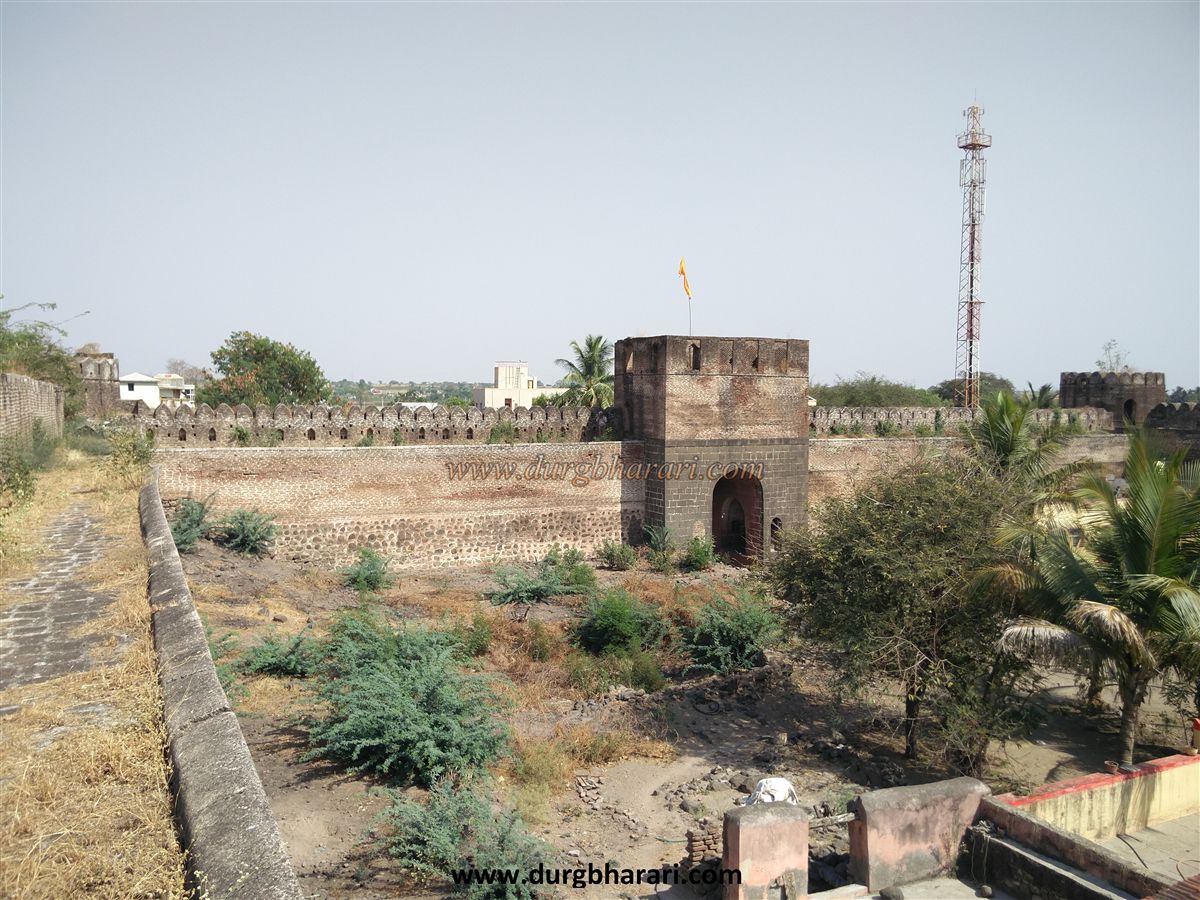
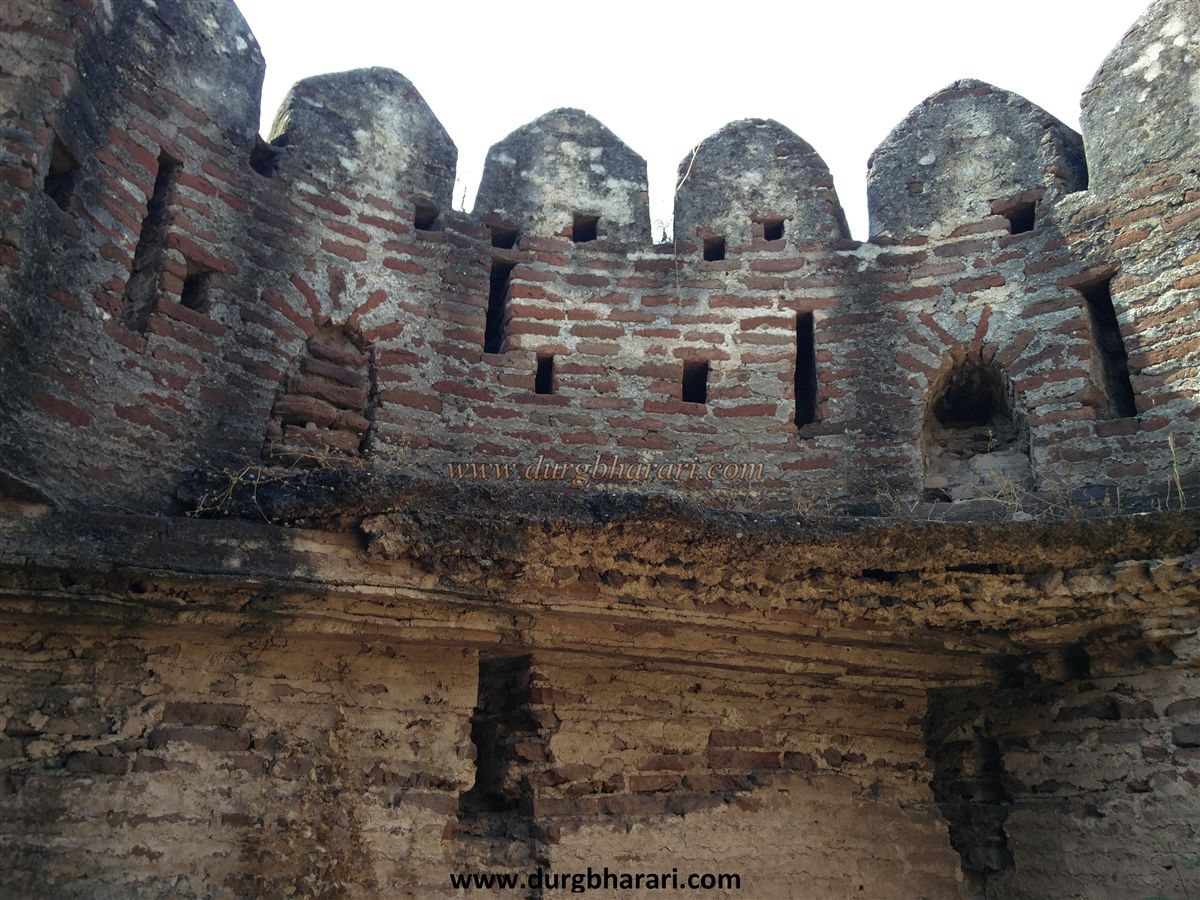
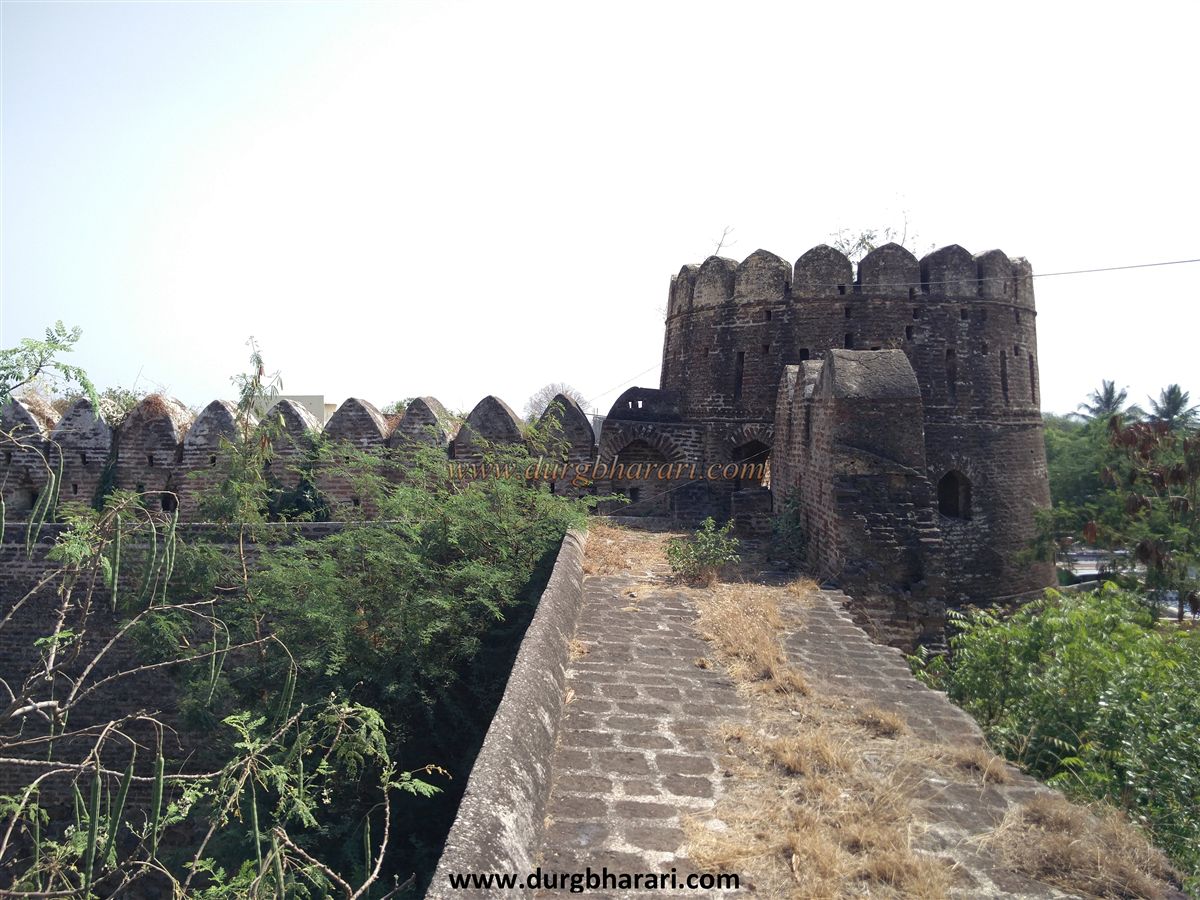
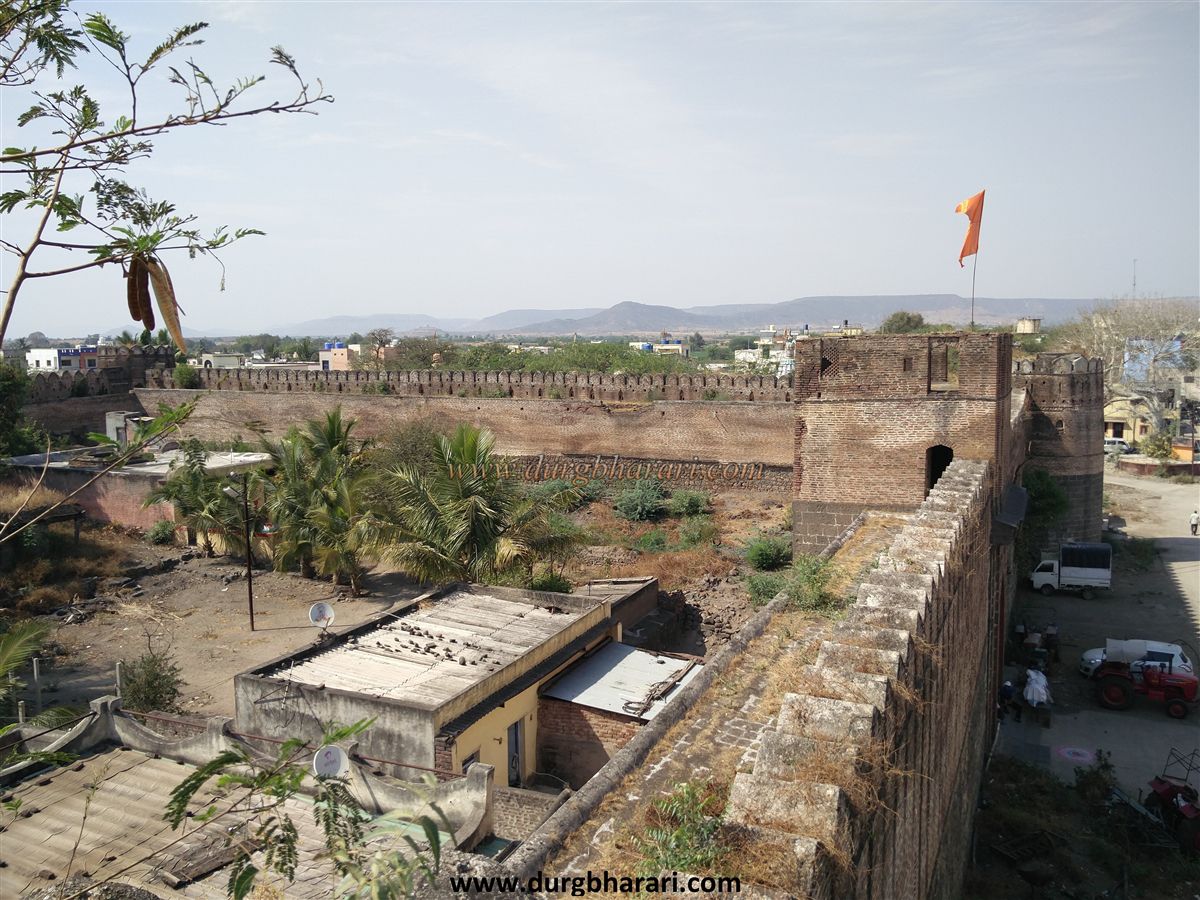
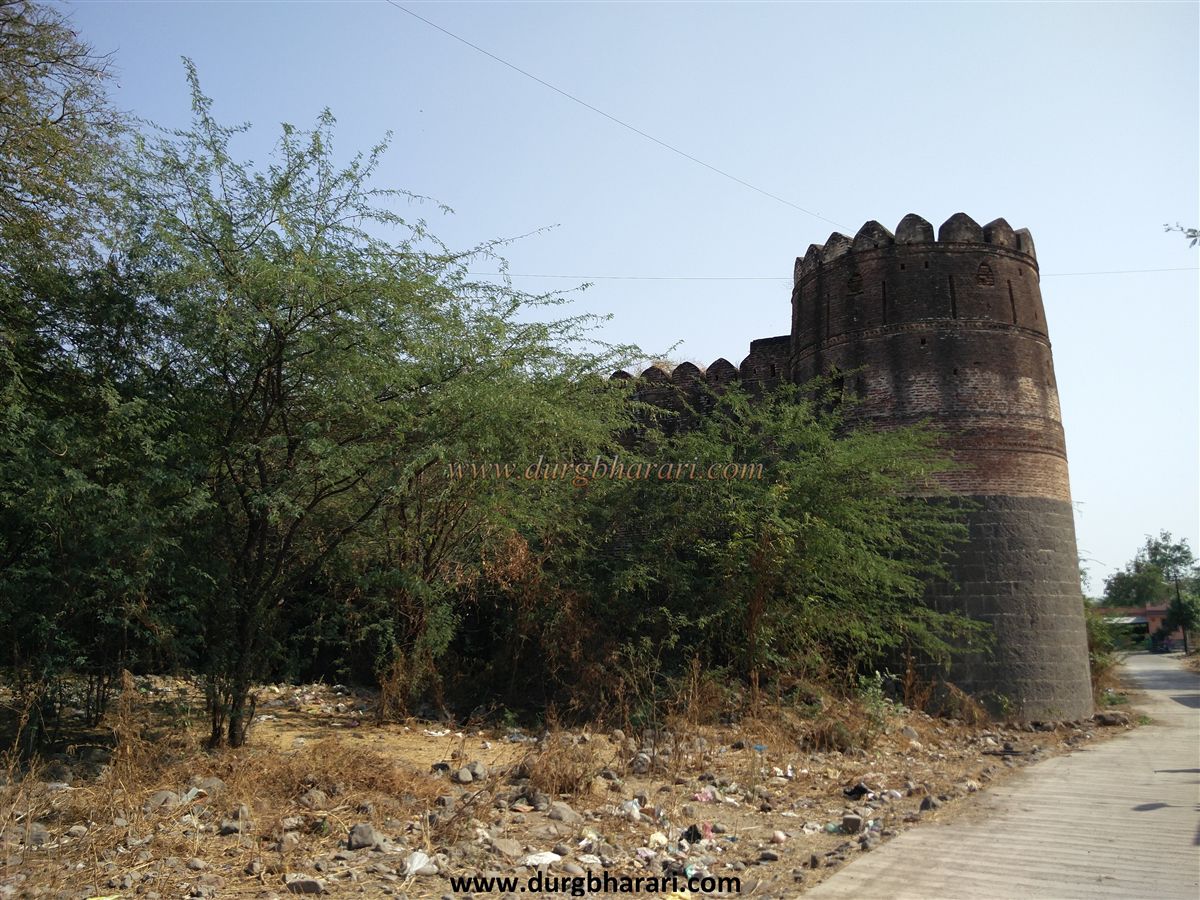
This section might once have served as a Nagarkhana (drum chamber) or pavilion. The gate itself is constructed with reddish stones, although the wooden doors have been lost over time. The fortification wall is about 30 feet high, with the lower 15 feet built of dressed stone and the upper 15 feet made of bricks. The wall is 8 feet thick, and battlements (crenulations) line the top of the walls and bastions. The gadhi is square-shaped, with two-storeyed bastions at each corner. Loopholes were built into the walls for firing guns.
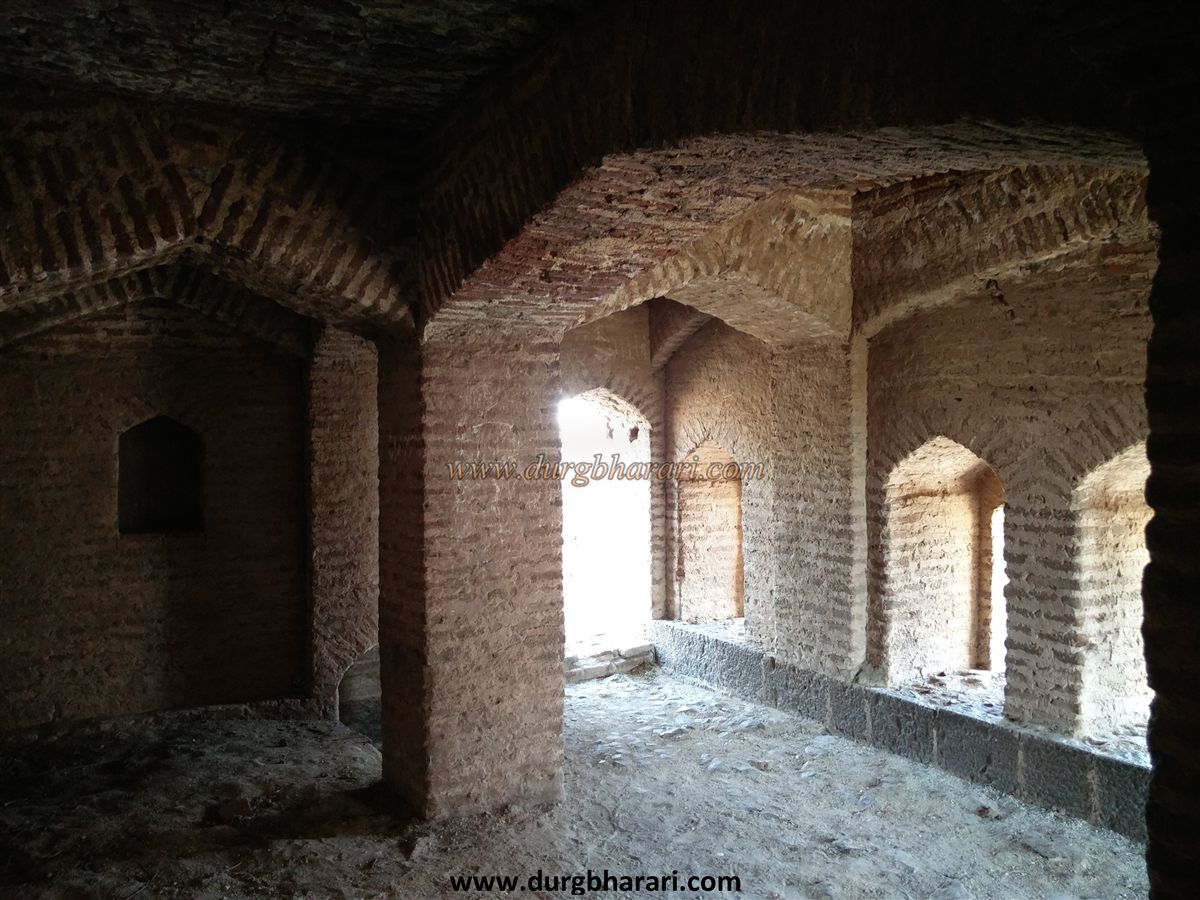
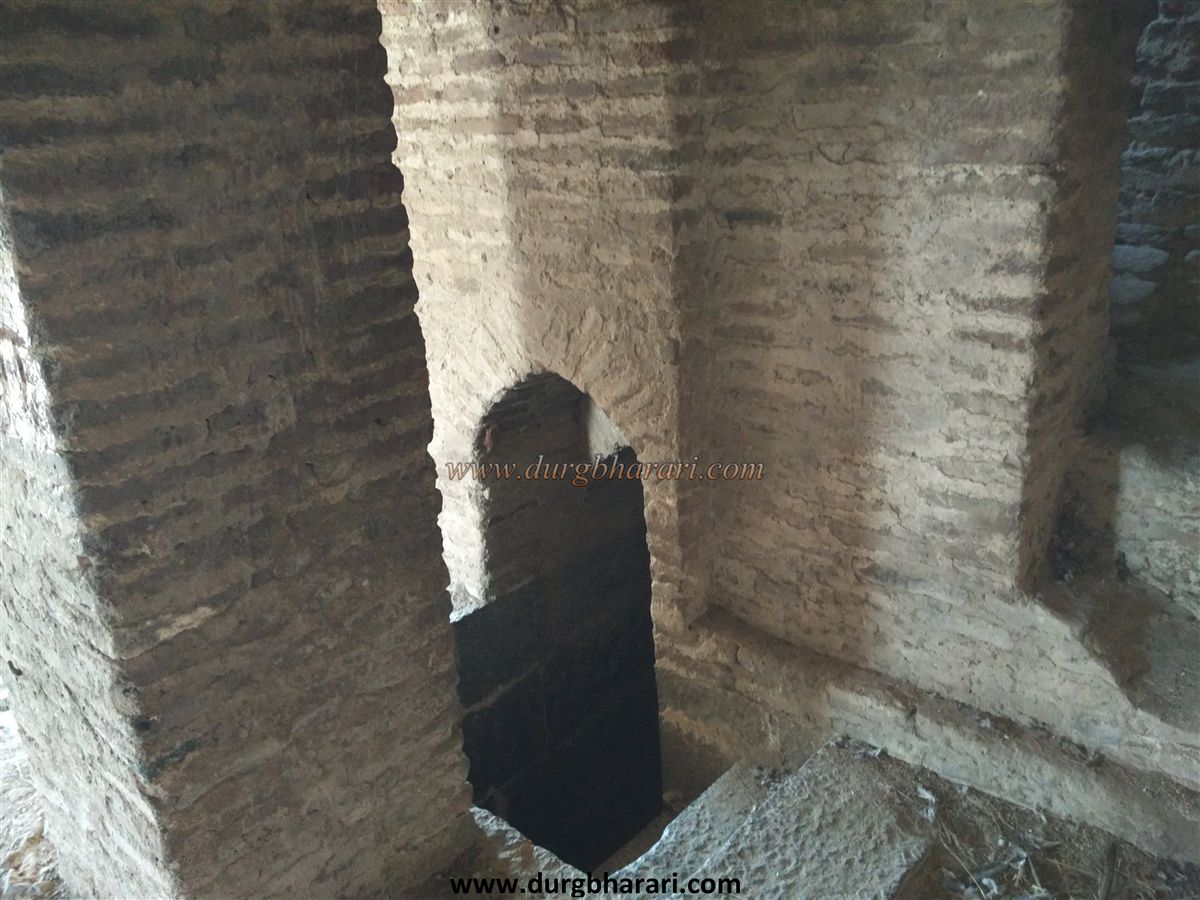
Entering through the main gate, one finds guard rooms on either side, and in front are the remains of a four-winged courtyard mansion. One surviving platform still has a veranda, and its outer wooden beams bear intricate carvings. Stories about the mansion’s past grandeur are still told by the descendants of the Kadambande family who reside there. The mansion had a basement measuring 25 by 25 feet. At the center of the gadhi is a brick-lined well, about 40–50 feet deep and 5–6 feet wide. In those days, water from this well was circulated throughout the mansion using clay pipes and a waterwheel system. Remnants of these clay pipes can still be seen. In front of the well is a stone trough and a lime grinder. The grinder's wheel lies next to the main entrance of the gadhi.
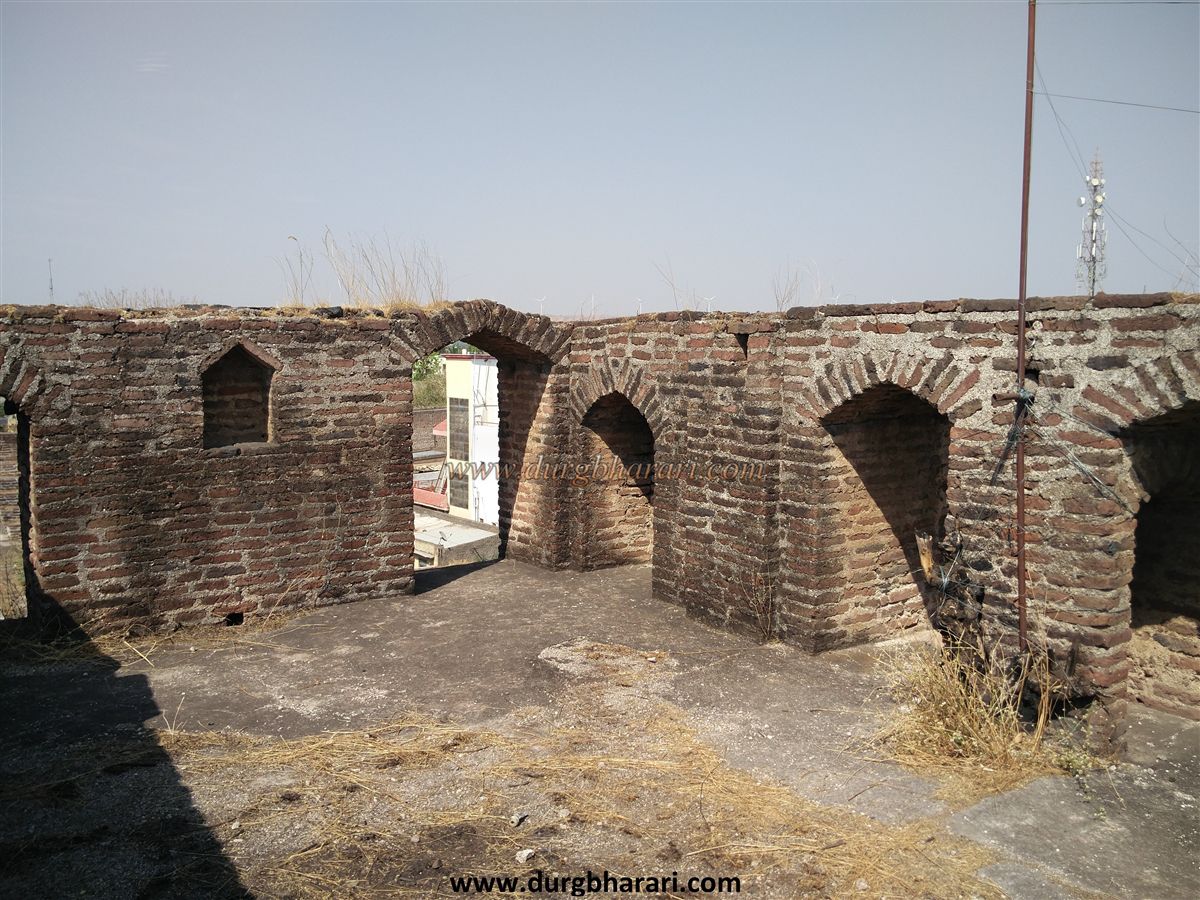
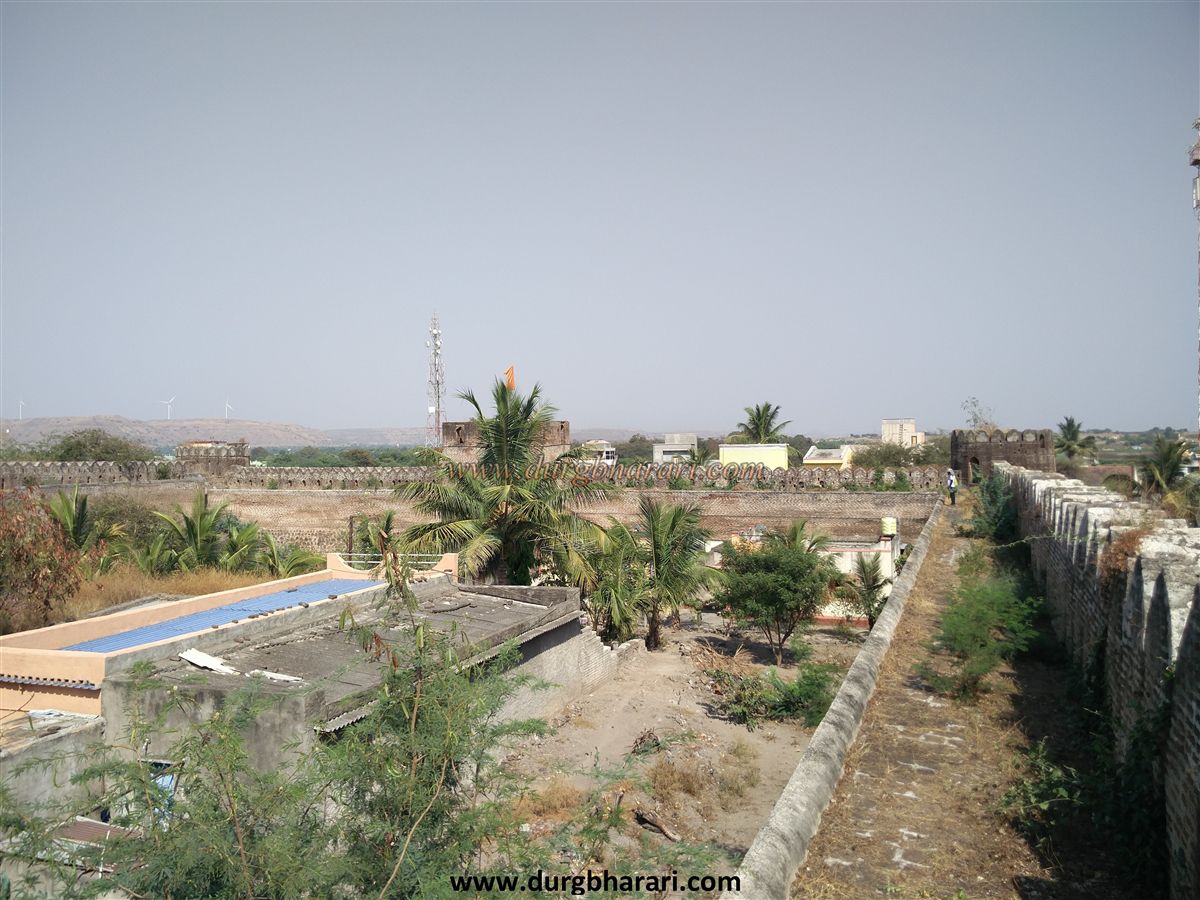
Just inside the gate, there are staircases on both the left and right sides leading up to the ramparts. The left staircase has been sealed, but from the right staircase, one can access the ramparts, from where both the interior of the gadhi and the surrounding region can be viewed. The wall’s inner edge is neatly finished with stone, and the entire fortification remains in good condition. One can walk all along the top of the fort walls. The south eastern bastion has well-preserved steps, and there is a square hole in the upper section, likely once used for hoisting a flag. The other three bastions are significantly damaged from the inside. Due to heavy deterioration, most of the internal structures of the gadhi have collapsed and are buried under debris. It takes about an hour to fully explore the entire gadhi.
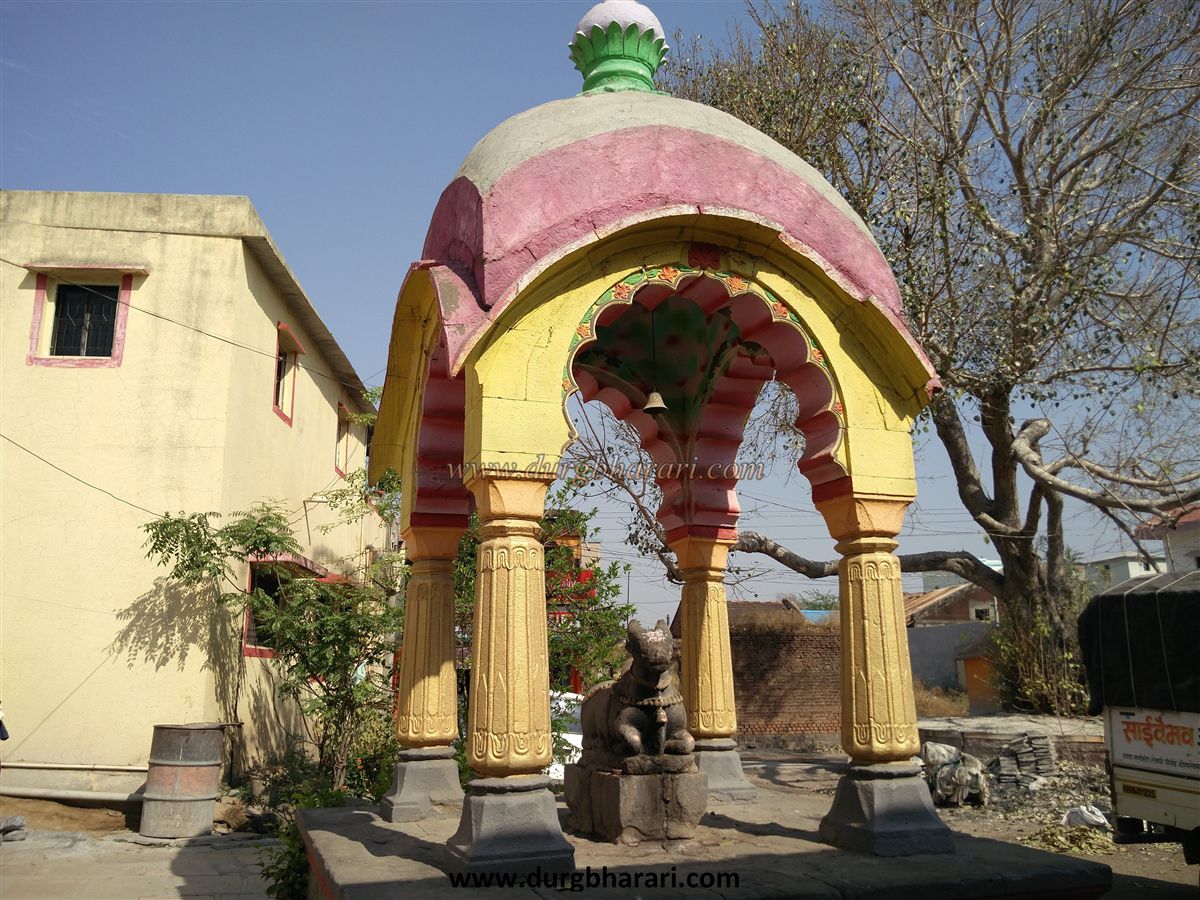
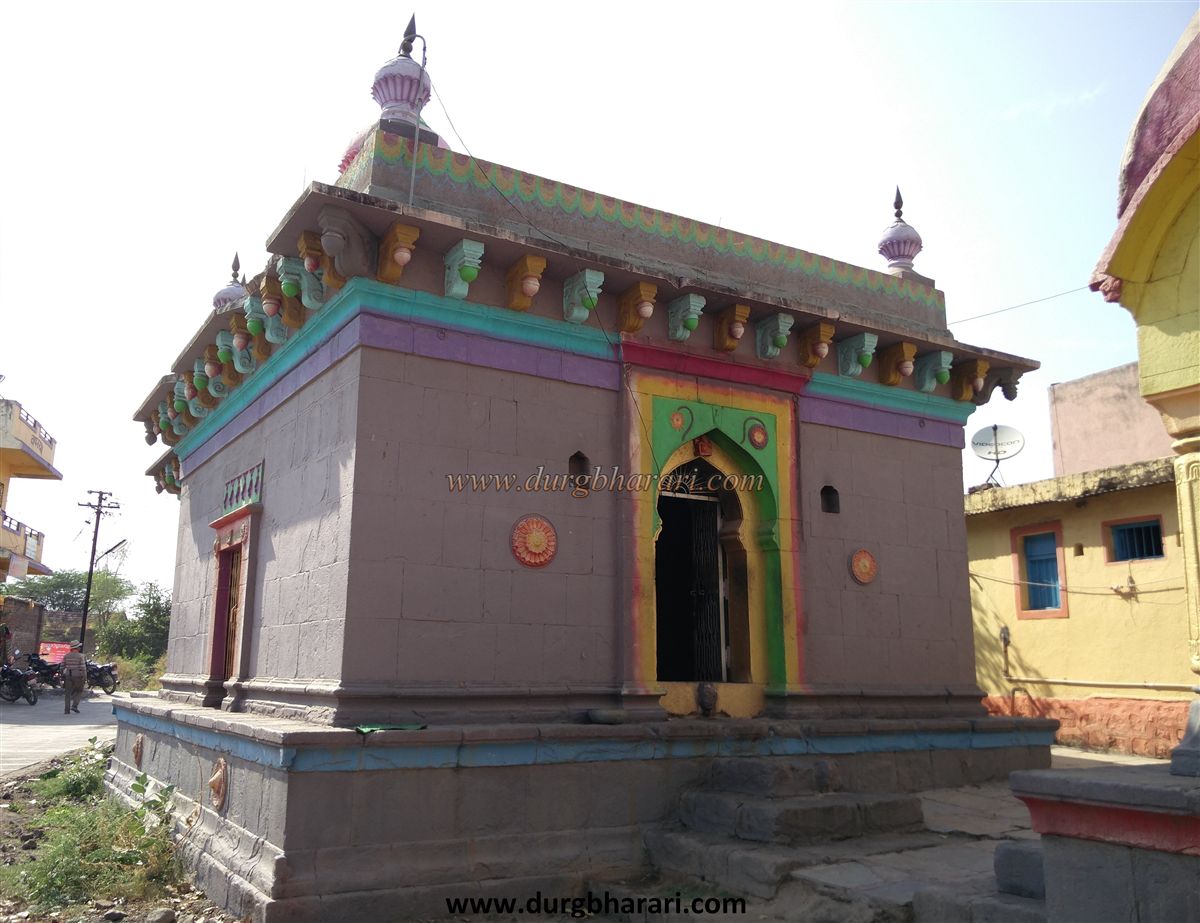
Outside the gadhi stands a Shiva temple built by Kamalaji Kadambande in 1750. In the Satavahana period, there existed a trade route running from Kalyan–Naneghat–Junnar–Paithan. Alkuti was an important station on that route. In ancient times, this village was called Amrapur, believed to be the land of penance for the sage Ambarisha. During the 2nd and 3rd centuries CE, this region engaged in textile trade. It is said that Saint Dnyaneshwar and his siblings stopped at Amrapur while traveling to Alandi. Later, the village came to be known as Awalkanthi, and then, for easier pronunciation by the British, it became Alkuti.
Shahaji Raje Bhosale and Krishnaji and Venkaji Kadambande were prominent sardars (chieftains) under the Nizamshahi dynasty. After the fall of the Nizamshahi, the Kadambande family became Mughal Jagirdar. With Mughal authority, they maintained their own infantry and cavalry and administered Alkuti as their jagir. After Chhatrapati Shahu Maharaj was released from Aurangzeb’s captivity, he was received by Amritrao Kadambande. Later, Amritrao and Kantaji earned great wealth from the Gujarat campaign. Malharrao Holkar served in Sardar Kantaji Kadambande cavalry, and his rise to fame began there. During Peshwa Bajirao reign, in recognition of his valor in the Gujarat expedition, Sardar Kantaji Kadambande was awarded the jagir of Dhule, Ranala, Koparli, and Torkheda regions.
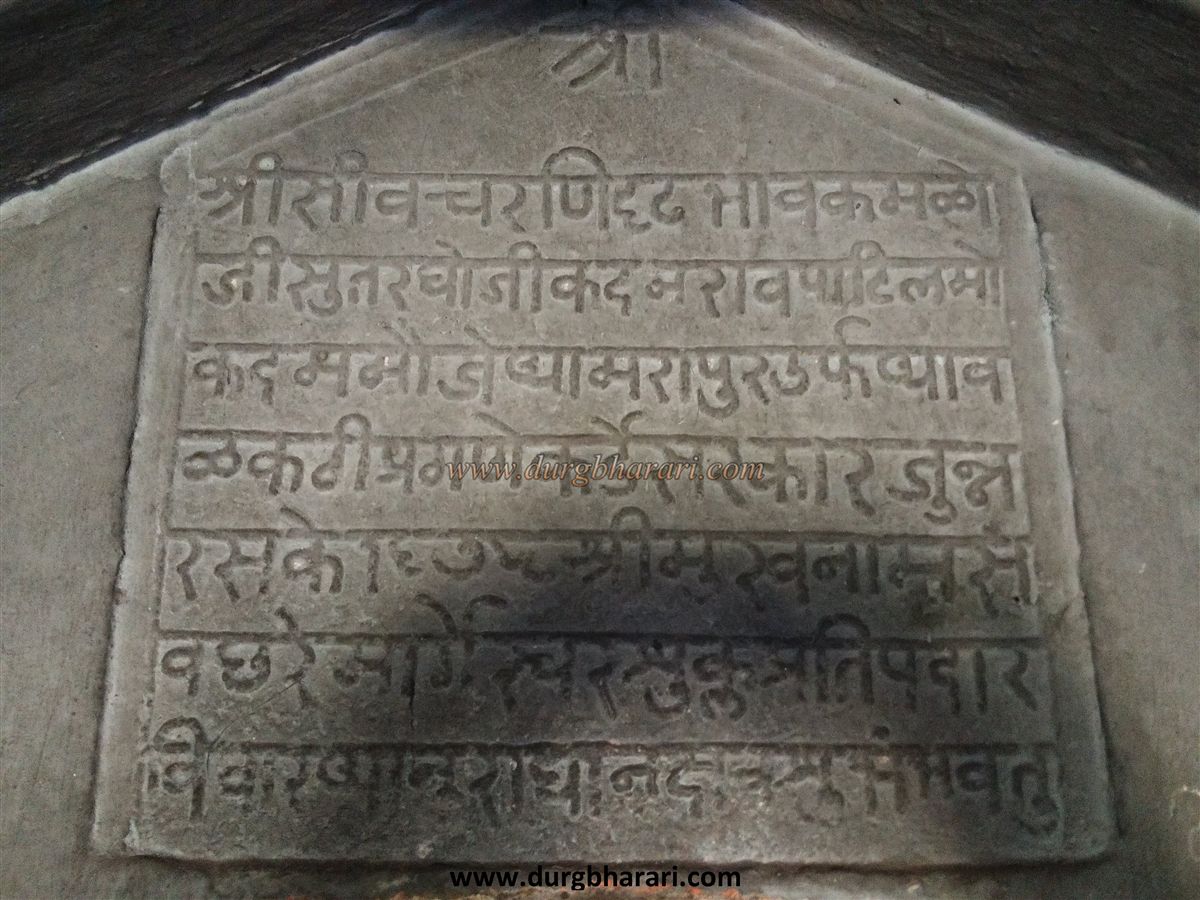
His brave brother Raghujirao, along with Kantaji’s son Malharrao, settled in Torkheda, while another son, Kamalaji, remained in Alkuti. Shahu Maharaj married his daughter Gajarabai to Malharrao, forming a familial alliance between the Bhosale and Kadambande families. Kamalaji displayed great valour in the Battle of Kharda and built the beautiful Shiva temple near the mansion in 1750. An inscription in Devanagari script at the temple reads:
"With unwavering devotion at the feet of Lord Shiva, Kamalaji, son of Raghoji Kadambande Patil Mukadam of the village Amrapur, also known as Awalkanthi, in Kardeh Pargana of Junnar province, in the Shaka year 1672, in the auspicious year named Shrimukhanama, on Margashirsha Shukla Pratipada – May all be auspicious."
Though Alkuti boasts such a rich and glorious history, it remains relatively unknown to those who explore forts and castles. However, because it is mentioned in numerous historical records, this village deserves at least one visit.
© Suresh Nimbalkar
GALLERY