AHMEDNAGAR KOT
TYPE : CITY FORT
DISTRICT : AHMEDNAGAR
HEIGHT : 0
One of the important cities in Maharashtra is Ahmednagar. Situated on the banks of the Sina River, this city is located 120 km from Pune and 255 km from Mumbai and is well connected to many cities in Maharashtra by road and rail. At the end of the 15th century, in 1486 AD, when the Bahmani Sultanate split into five parts, Malik Ahmad Shah Bahiri established an independent state called the Nizamshahi. In May 1490, he laid the foundation of a land fort near the village of Bhingar on the banks of the Sina River and shifted his capital from Junnar to this place. During that period, a city began to form around this fort. By 1494, the city’s layout was complete, and it became the capital of the Nizamshahi. Ahmad Nizam Shah named the city after himself. This city is what we now know as Ahmednagar. In the early days, it was known as Kotbagh Nizam. Considering that this Kotbagh Nizam was once compared to cities like Cairo and Baghdad, one can understand the grandeur of this city.
...
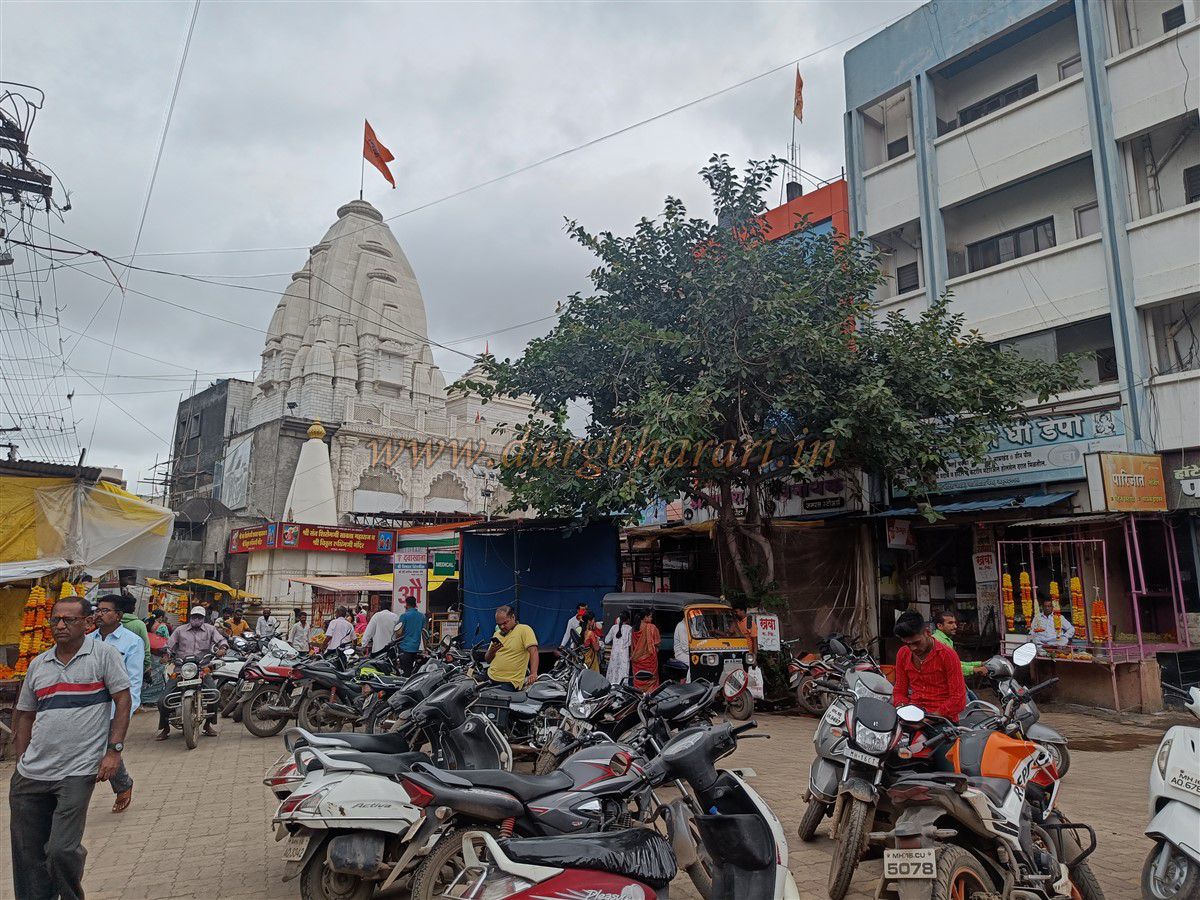
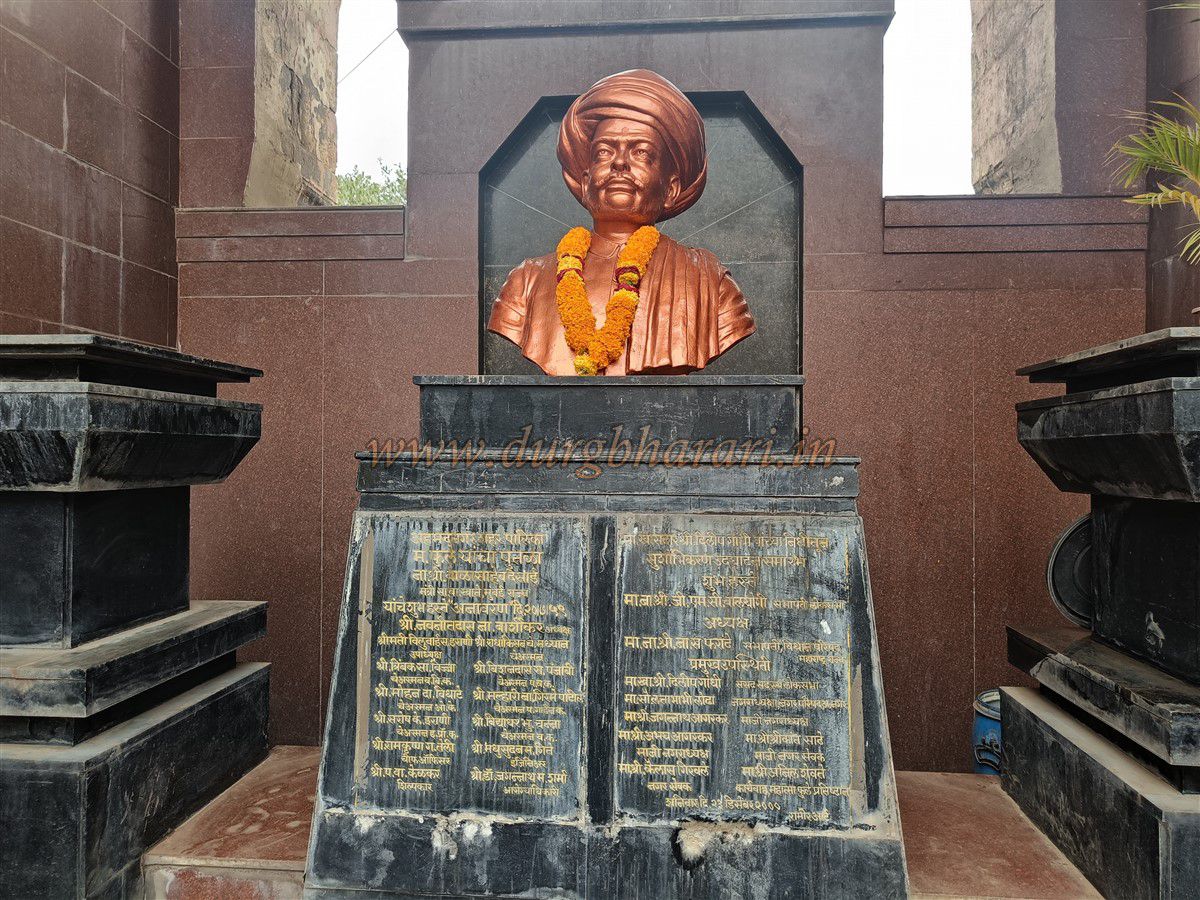
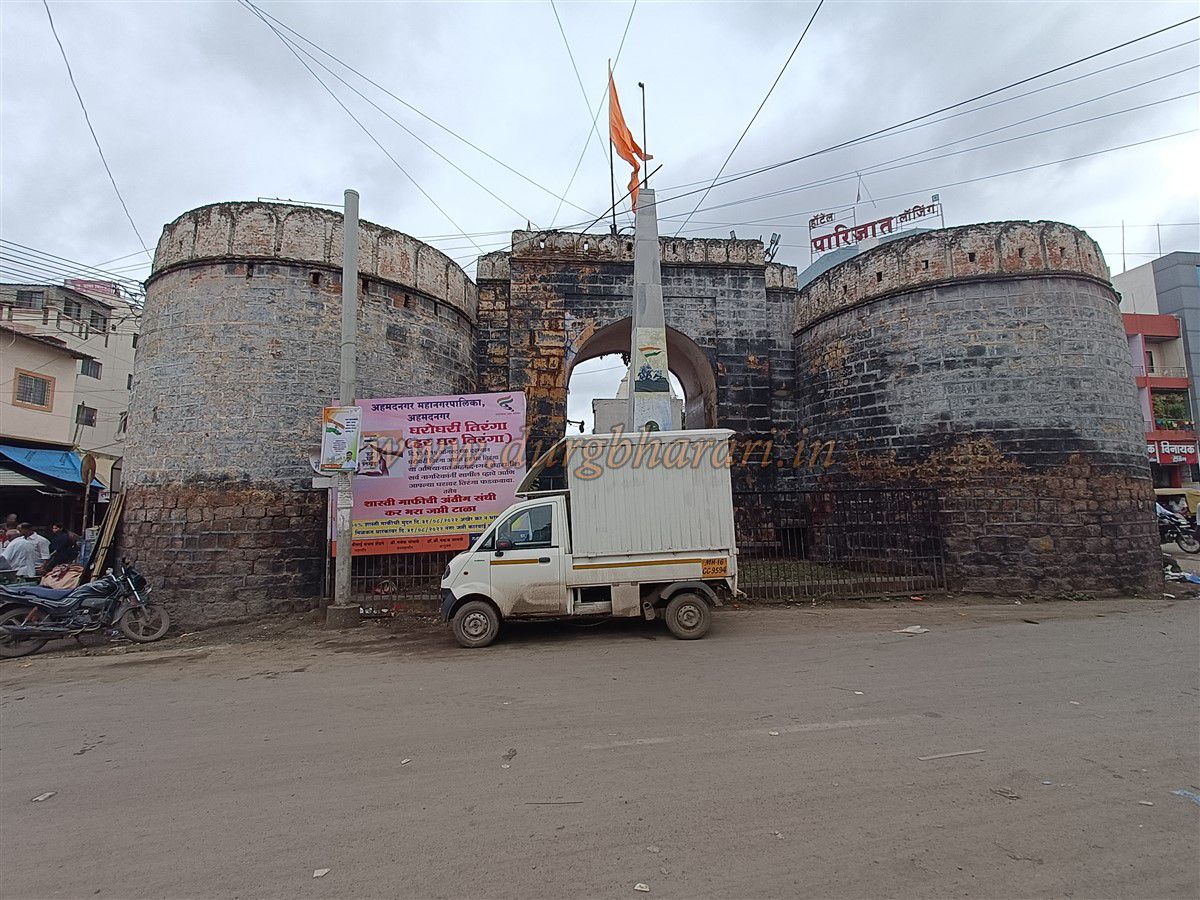
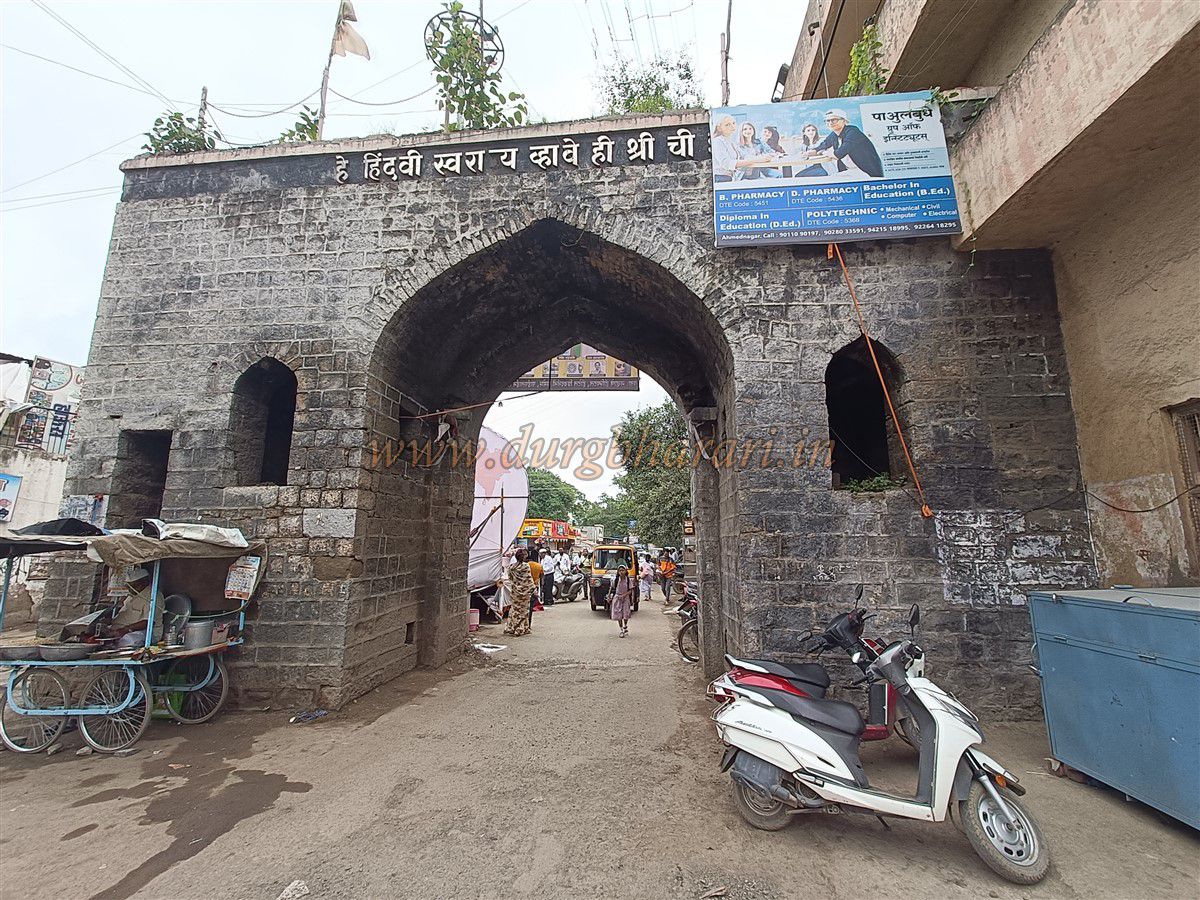
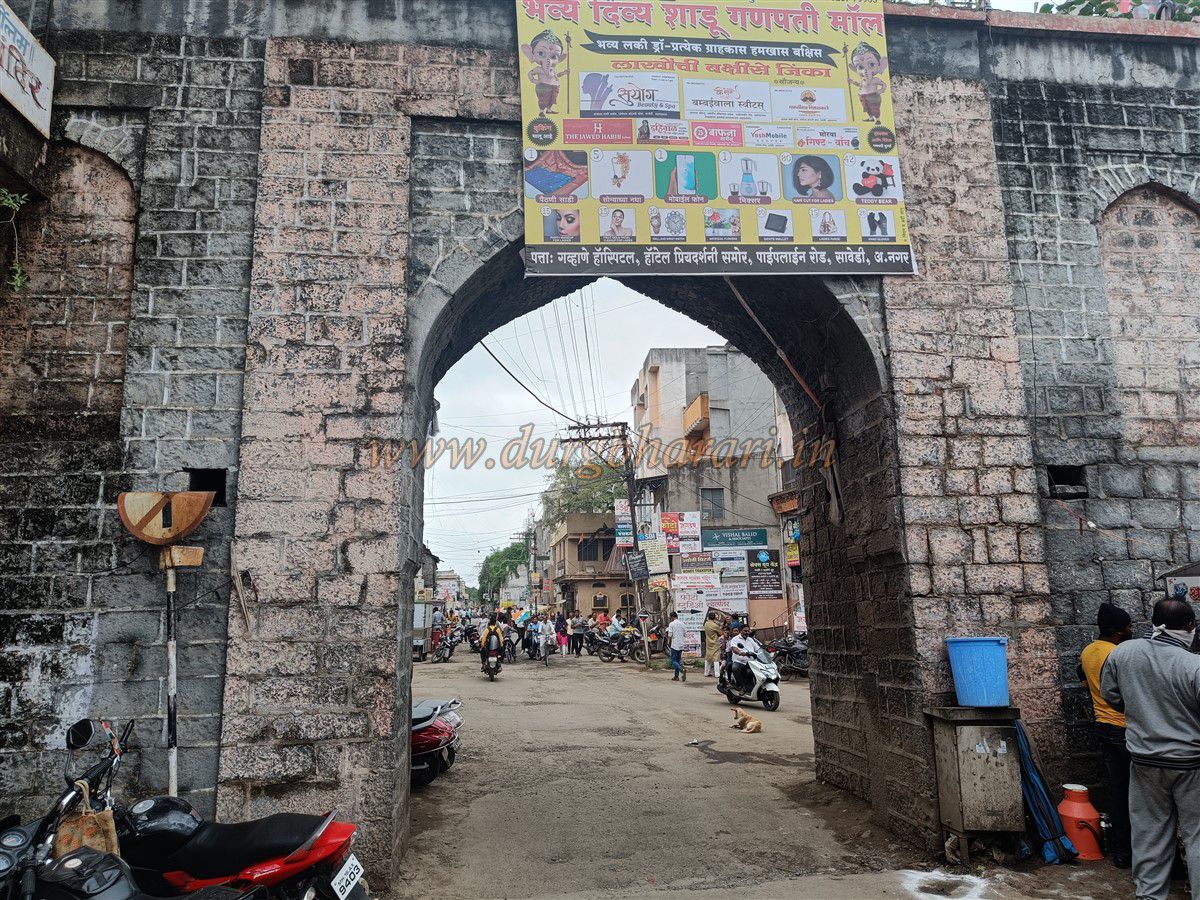
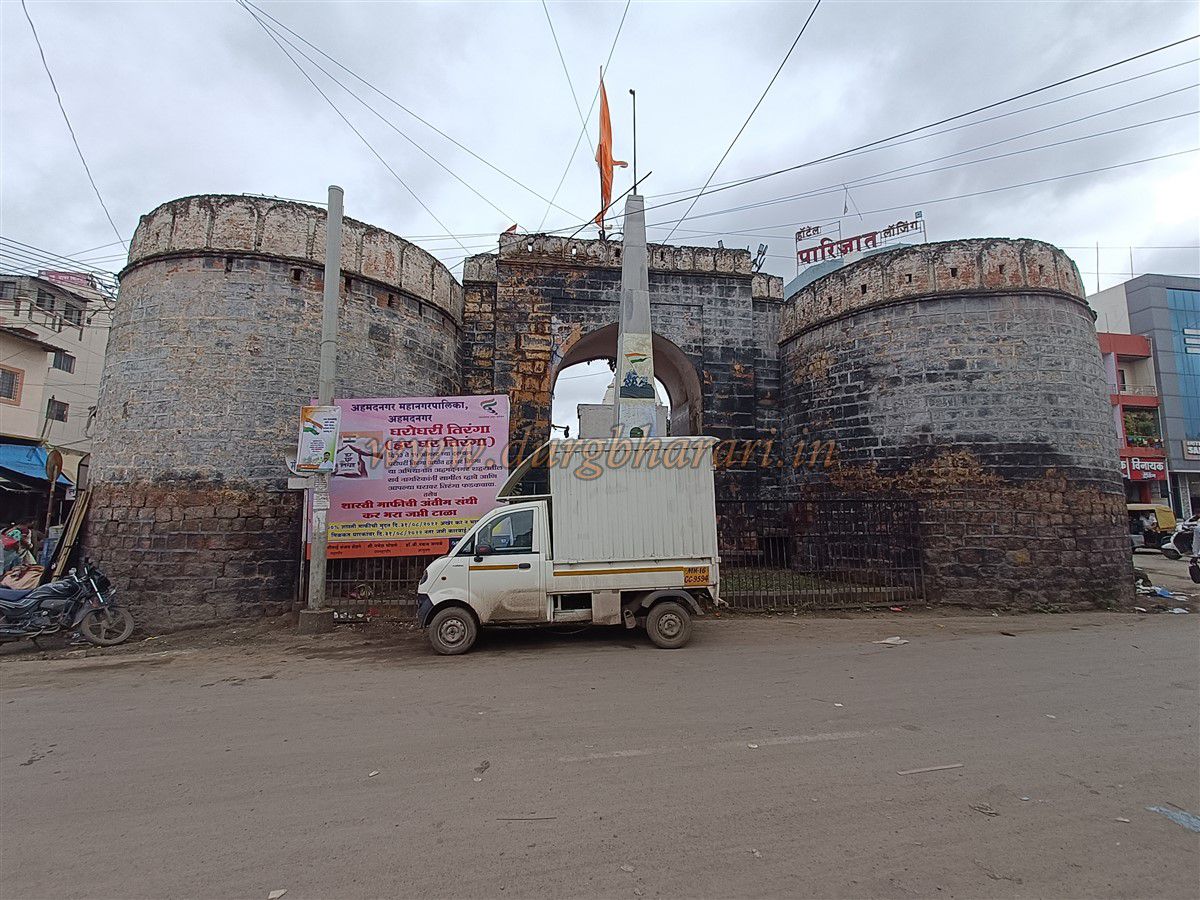
At that time, the entire city was enclosed within fort walls, and there were multiple gateways for entry. The city's magnificence was not limited to the fort; it had expanded beyond the walls as well. Several grand structures of the time can be seen not just within the fort but also in its surrounding areas. Architectural marvels such as Farah Bagh, Chand Bibi Mahal, Bagh Rouza, and Hatti Talav are some of the finest examples that reflect the city’s former glory. However, compared to the magnificence of these structures, the fort wall around the city, along with its gateways and doors, has faded into oblivion. The increasing urbanization has almost completely wiped out the fortification, though some gates and entrances still survive. While exploring the city of Ahmednagar, I came across two such gates and have documented them here. I will add information about the remaining gates once it becomes available. The first gate is located in the Maliwada area of Ahmednagar city. Since this gate is near the Ganpati temple, the city's guardian deity, one does not need to search extensively—it is easily reached by going to the temple. This stone-built gate is flanked by two strong bastions and the entire structure is constructed using finely dressed stone. There are steps leading to the top of the gate and the bastions. At present, the gate has been closed off with an iron grill, and a new road has been built alongside for regular passage. Since the gate is closed, a half-statue of Mahatma Jotiba Phule has been placed on a platform inside, and while placing the statue, marble slabs were added, altering the original structure of the gate. Inside the adjacent Ganpati temple, one can see an approximately 11-foot-tall idol of Lord Ganesh, the guardian deity of Ahmednagar. About 1 km from this gate, in the Sarjepura area, lies the second gate of the fort, known as the Delhi Darwaja. Since this gate is on the northern side of the city, it may have been named Delhi Darwaza. There might have once been bastions next to this gate as well, but over time, they were demolished. Now, there is a permanent building on one side and a road for heavy vehicles on the other. Even today, small vehicles pass through the arch of this gate. The entire structure is built of finely dressed stone. On one side of the gate, there is a room meant for guards to stay, and on the other side, a covered staircase leads to the upper section. Though the wooden doors have vanished, the original stone pivots remain intact. A few street vendors have set up their stalls around the gate. It takes about an hour to see both the Maliwada Gate and the Delhi Darwaja.
© Suresh Nimbalkar
GALLERY