ADGAONRAJA
TYPE : GADHI
DISTRICT : BULDHANA
HEIGHT : 0
GRADE : EASY
In the Sindkhed Raja taluka of Buldhana district in Vidarbha lies the village of Adgawaraja. This was an important village under the vatan of Raja Lakhojirav Jadhav, the grandfather of Chhatrapati Shivaji Maharaj, the founder of the Swarajya. A beautiful ground fort belonging to the historically significant Jadhav family still stands in this village. It is said that the weapon stockpile of Raja Lakhojirav Jadhav was kept here at Adgawaraja under the custody of his elder brother, Raja Jagdevrao. The underground cellars within the fort that testify to this claim are still visible today. In fact, during an excavation in 1987 within the outer fort area, some cannons were reportedly found, though what happened to them afterward is unknown. The fort, which still maintains much of its original structure, is worth visiting at least once. Adgawaraja is located about 90 km from Buldhana city and 42 km from Jalna via Sindkhed Raja.
...
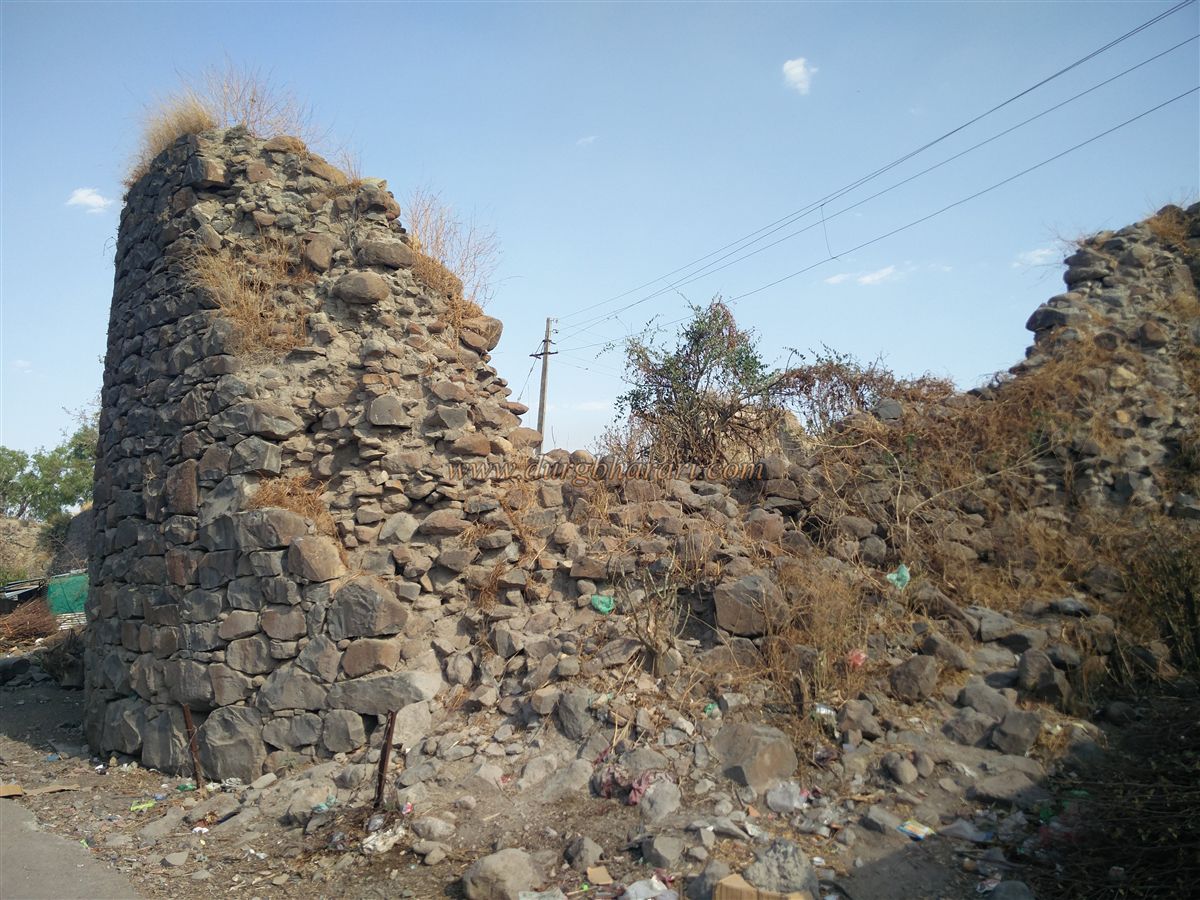
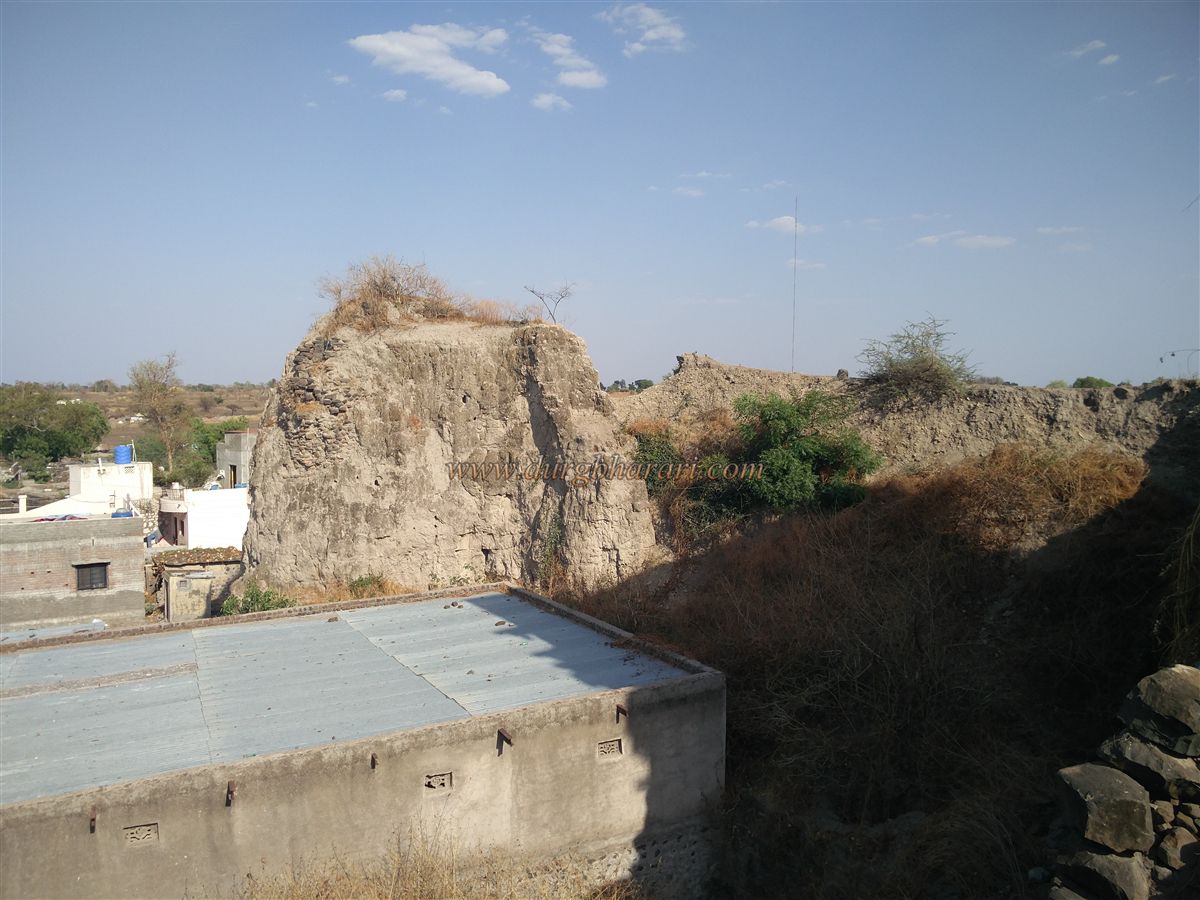
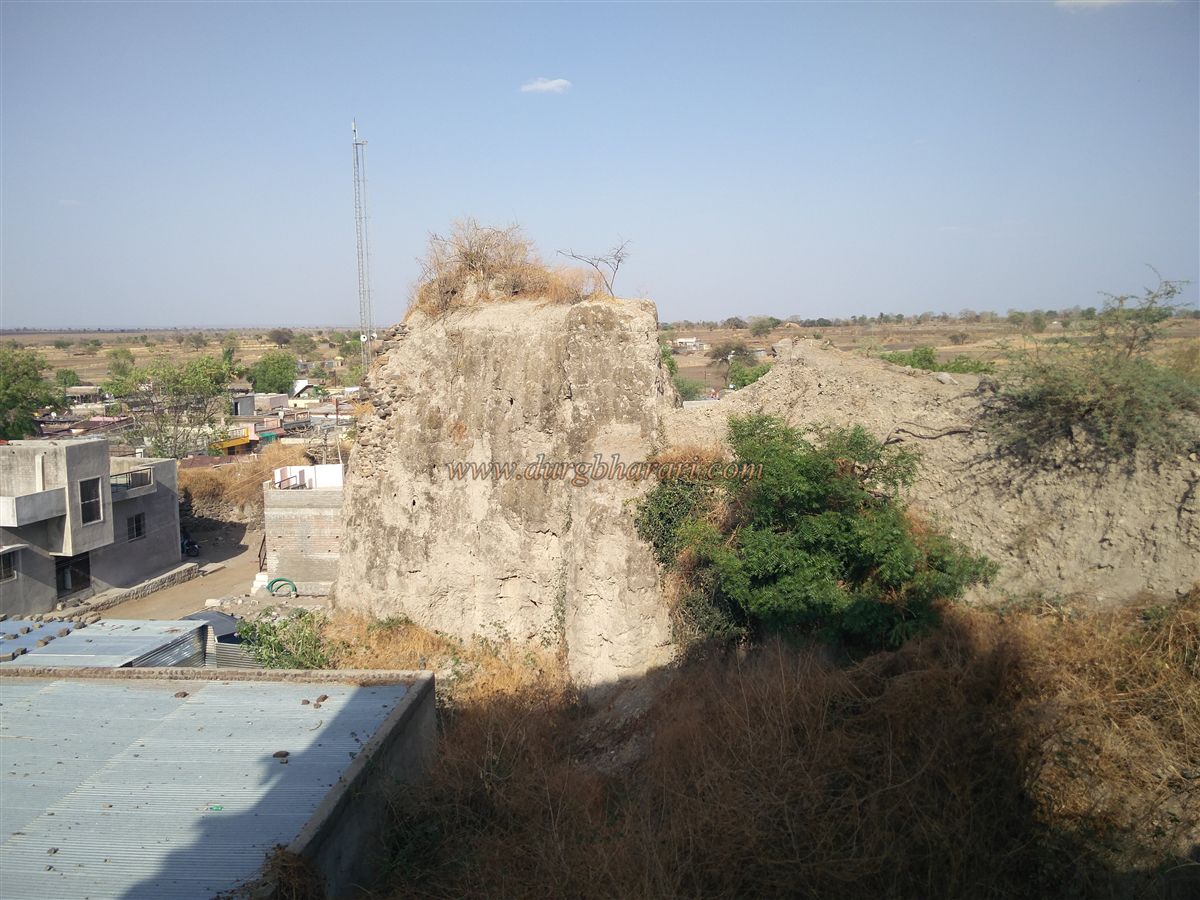
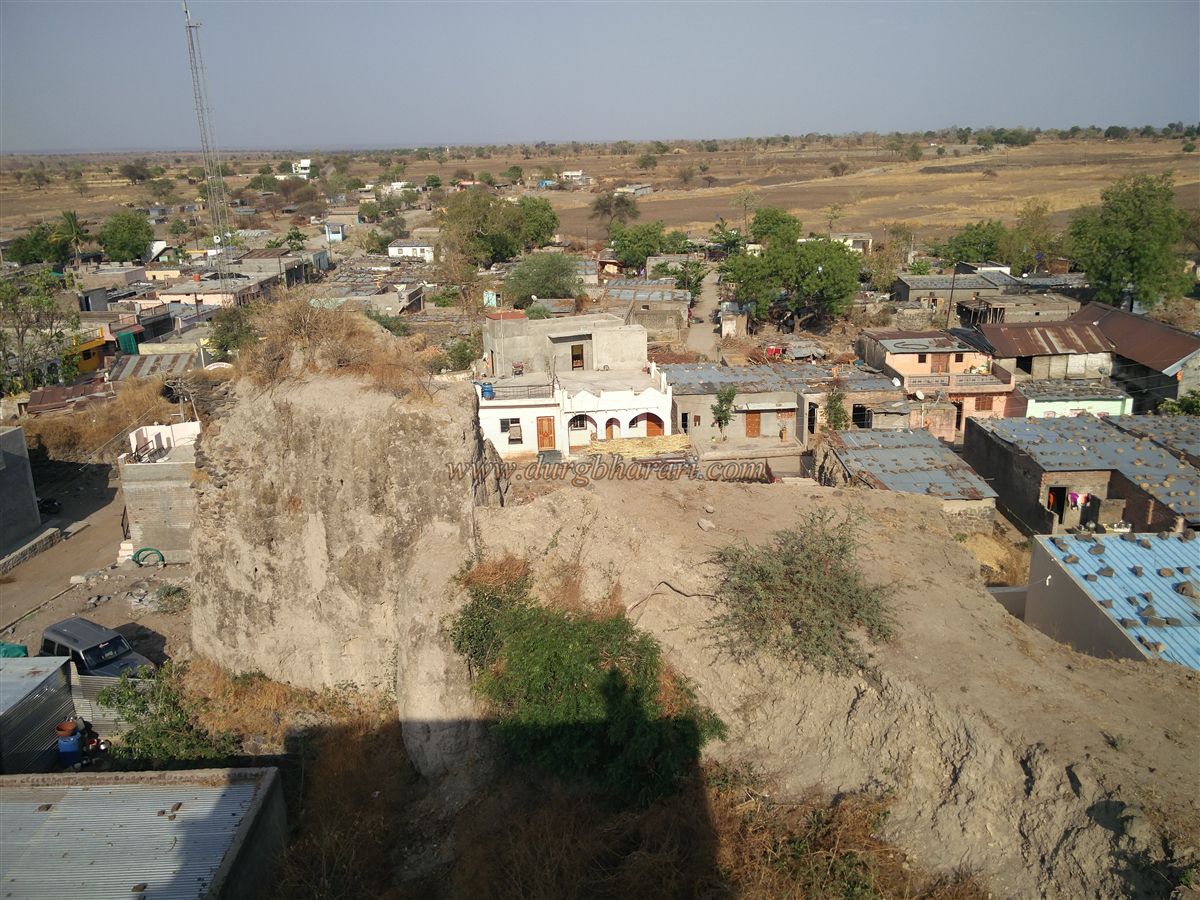
The distance from Sindkhed Raja to Adgawaraja is only 13 km. The village of Adgawaraja is spread around the fort, and upon entering the village, one can see the northwest bastion of the fort and the high-ground structure of the gadhi (residence).
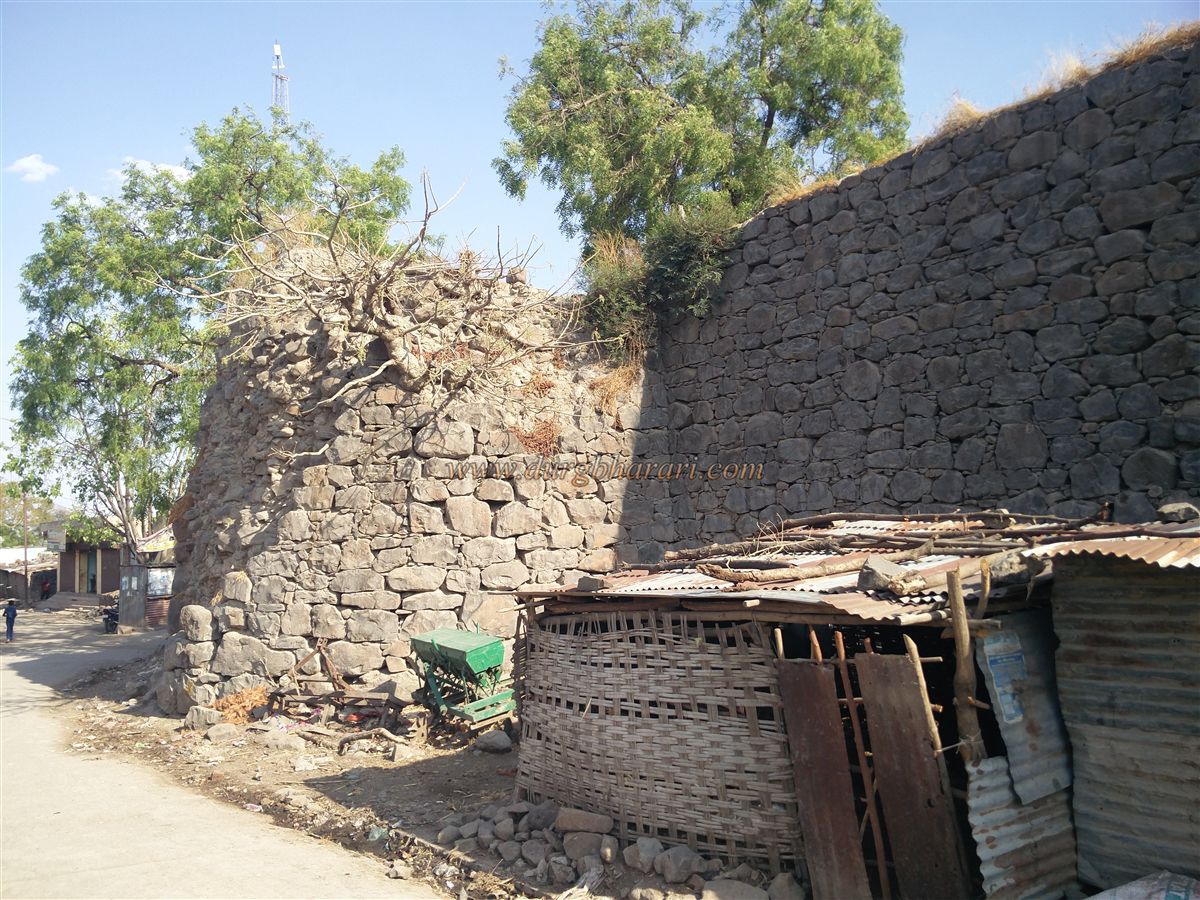
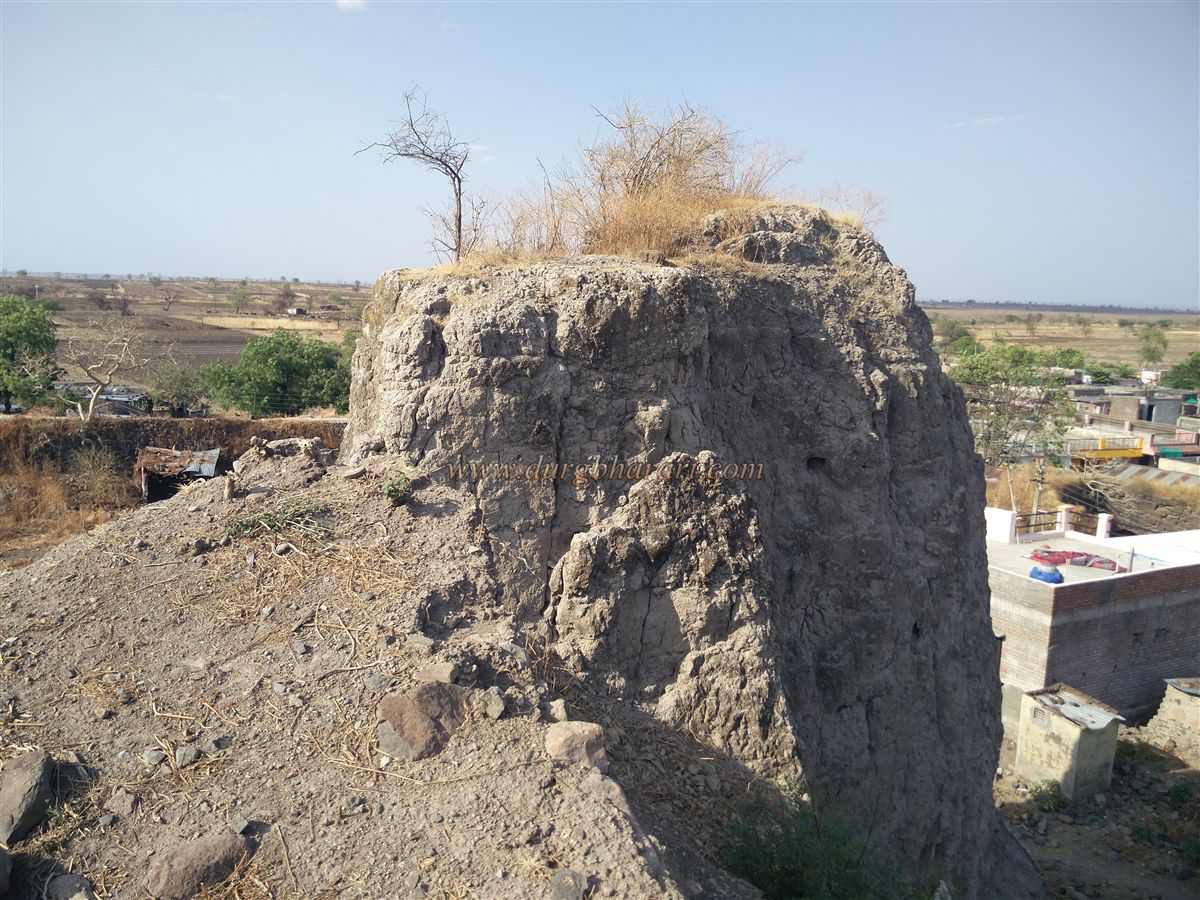
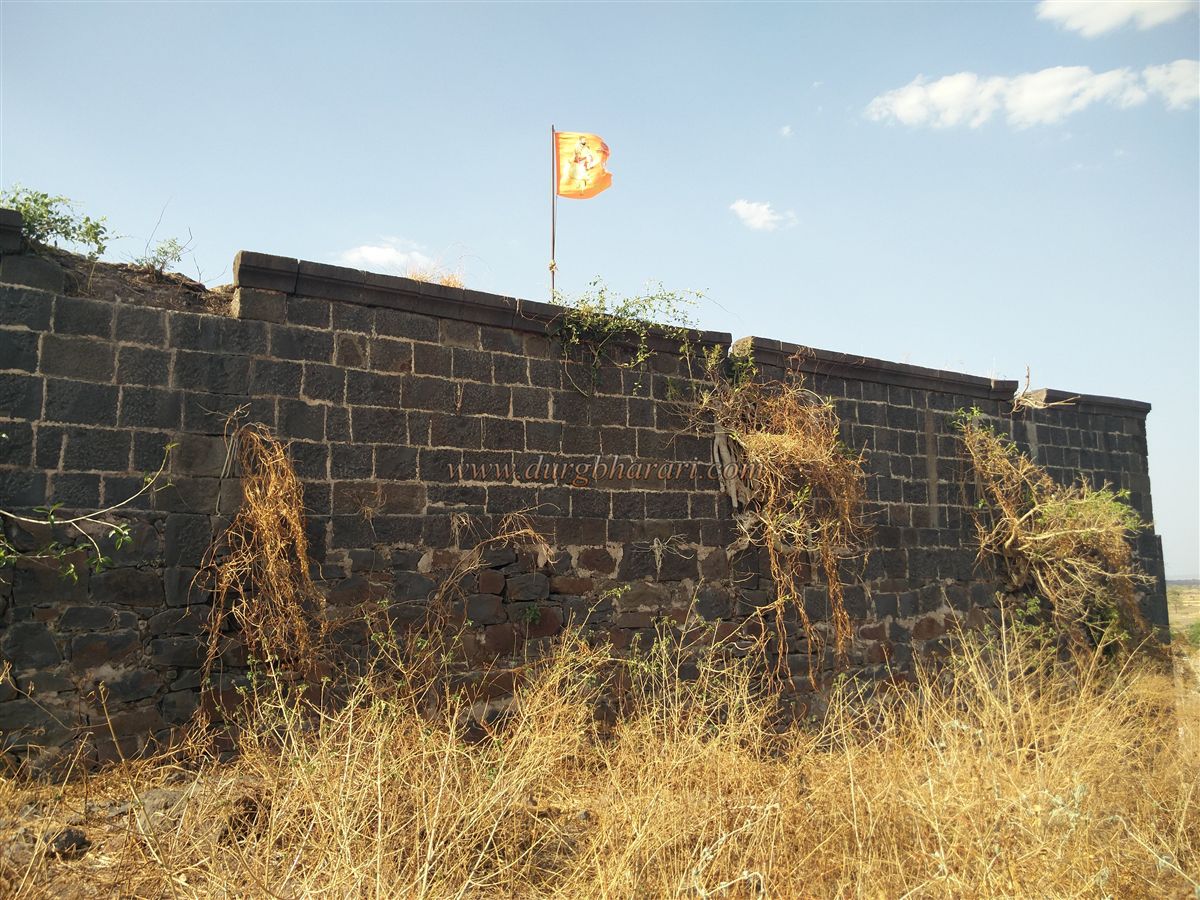
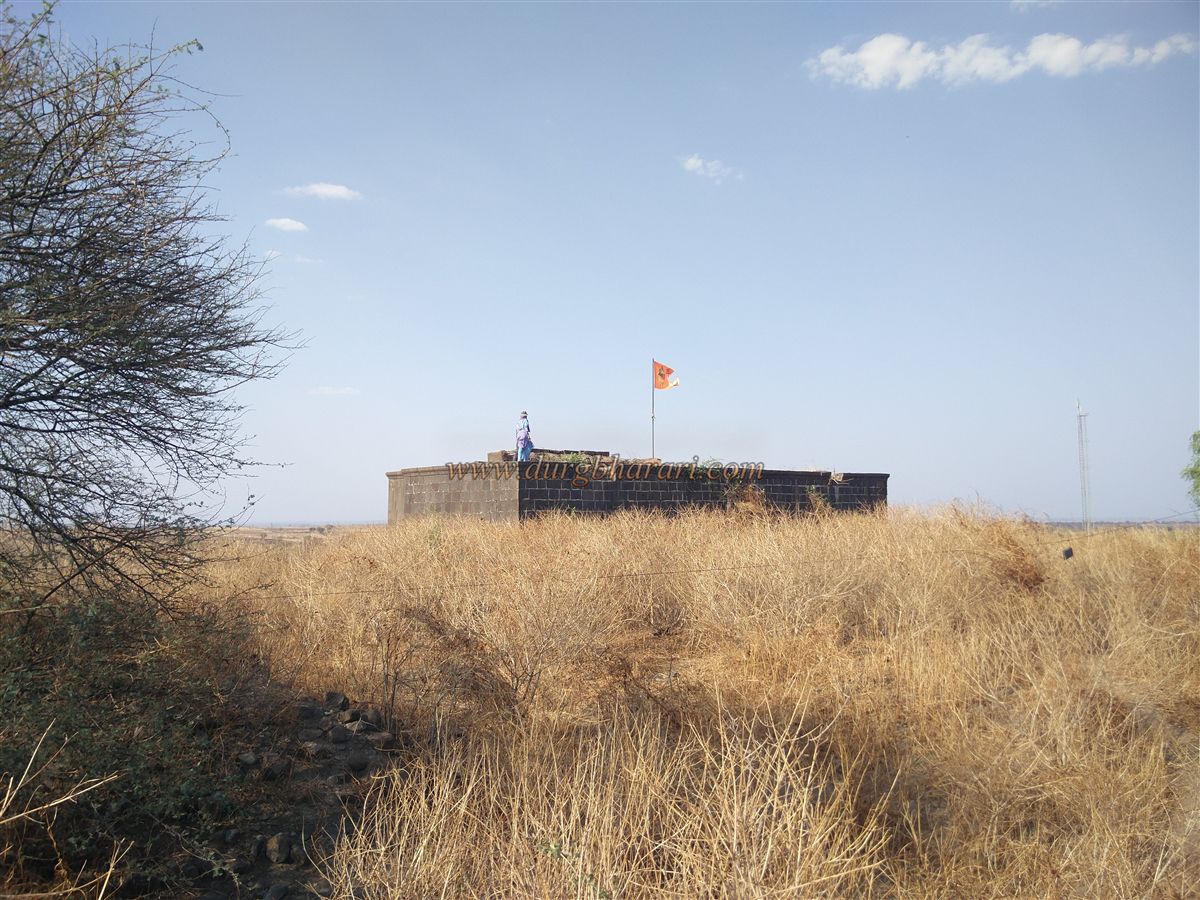
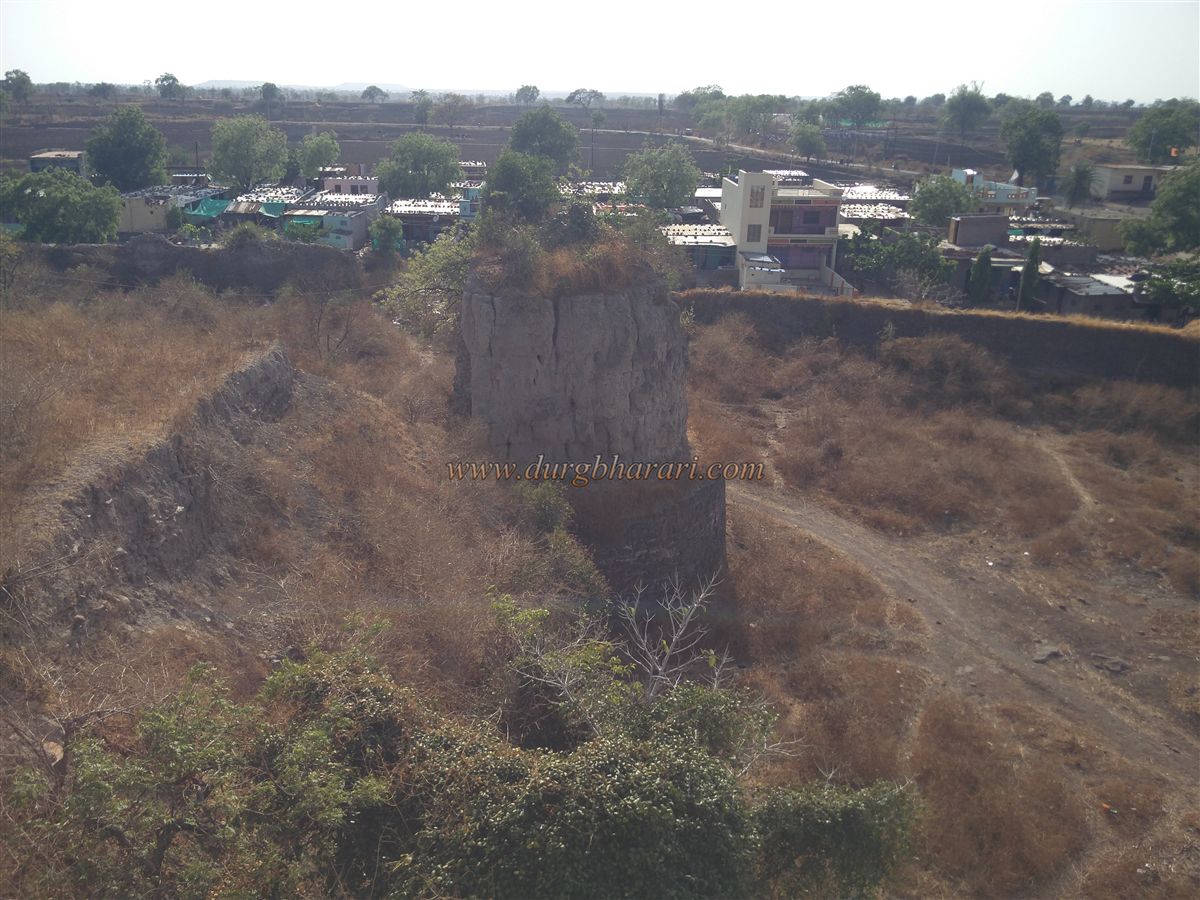
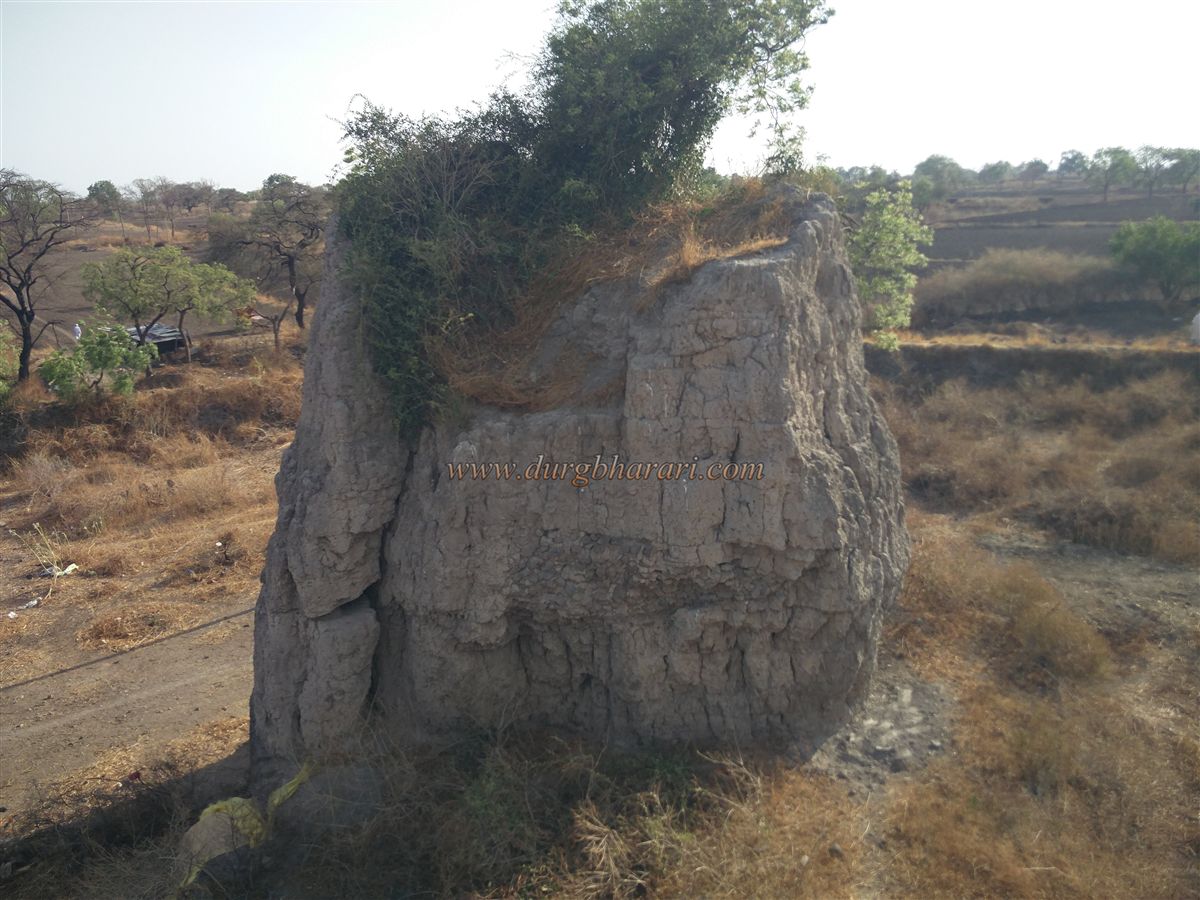
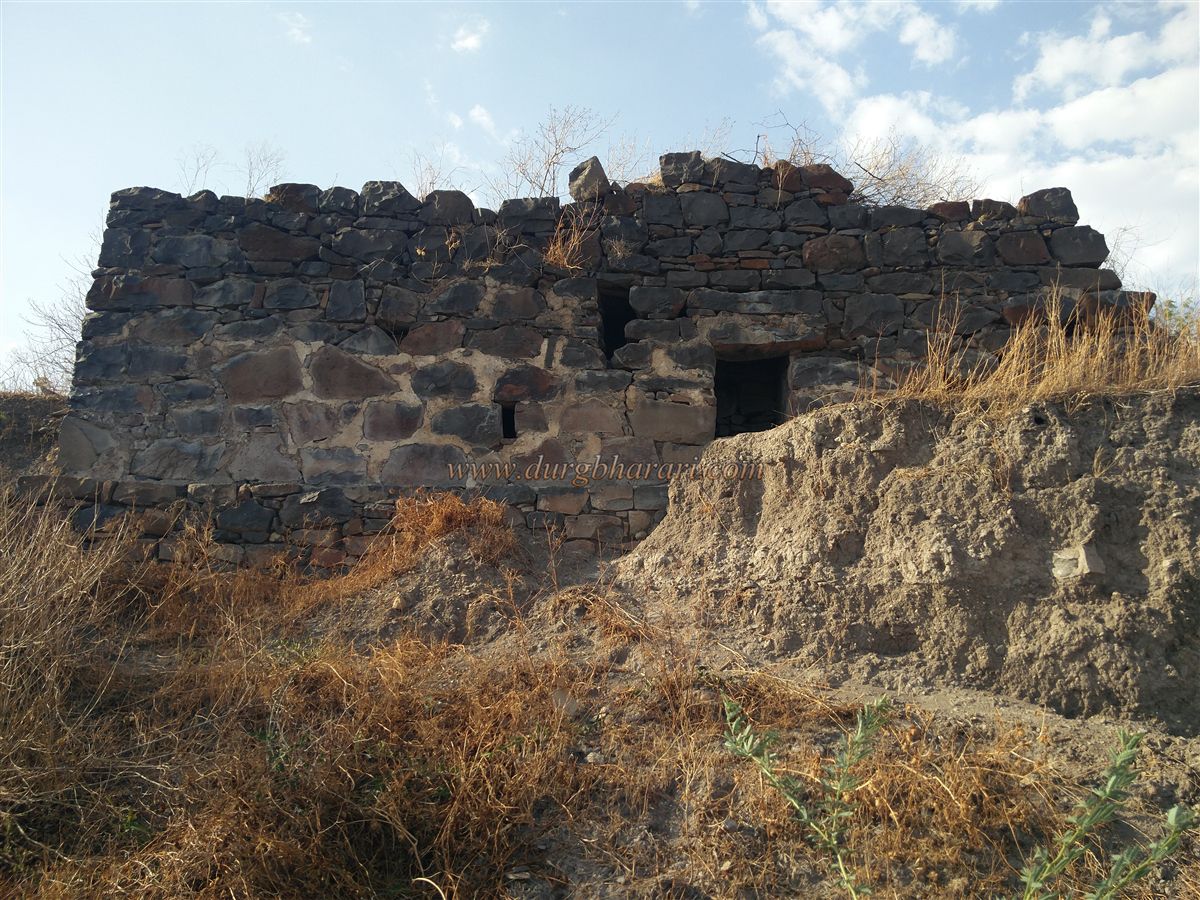
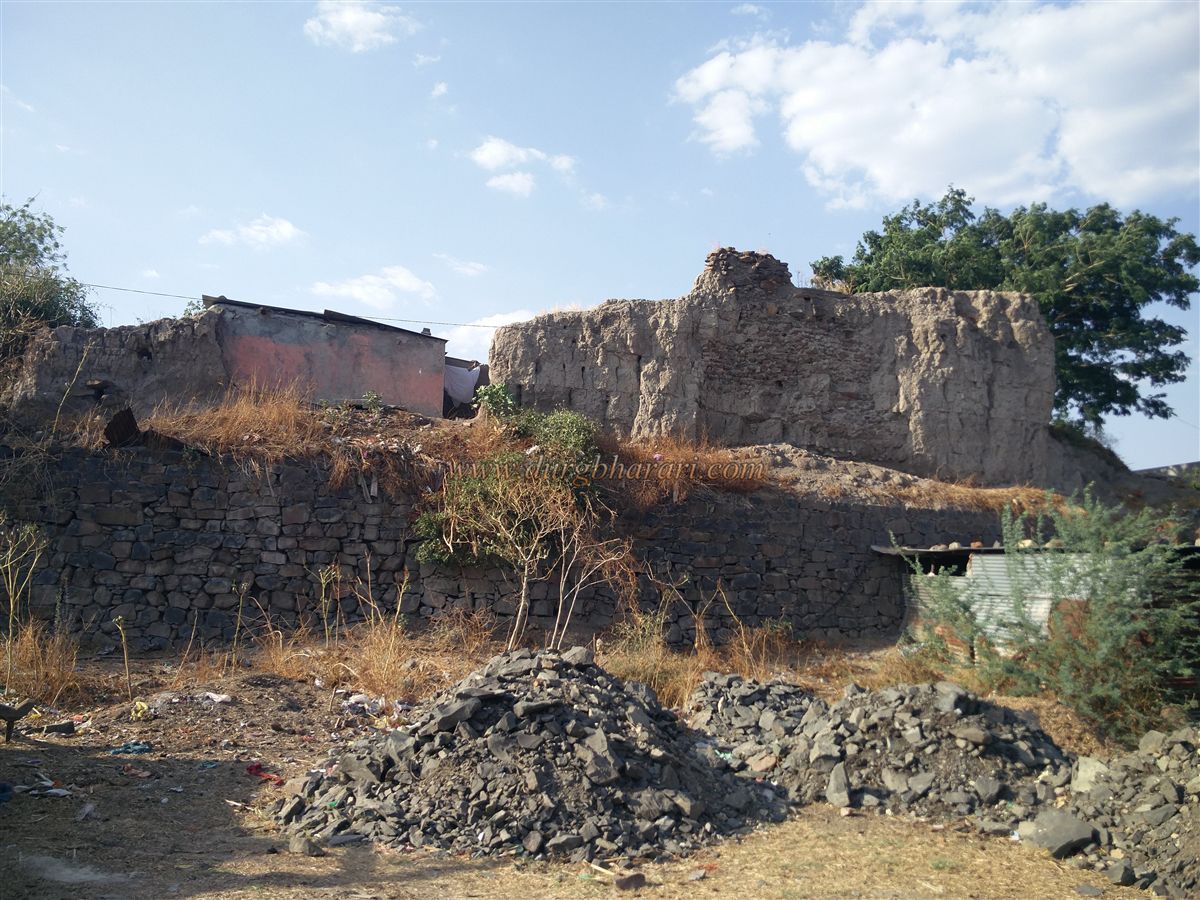
Though known as the Jadhav family's gadhi, the actual construction of the site is that of a Bhuikot (ground) fort. Built with precisely dressed stone, the outer walls are approximately 15 feet high. The fort’s layout is divided into two parts: a decagonal-shaped outer fortification and a square-shaped citadel (Balekilla) situated at an elevated point in the center. There are a total of fourteen bastions on the fort—ten on the outer fortification, one at each corner, and four at each corner of the citadel. Of these, one bastion each from the outer fort and the citadel have been completely destroyed, and the remaining twelve continue to stand, struggling to survive the passage of time.
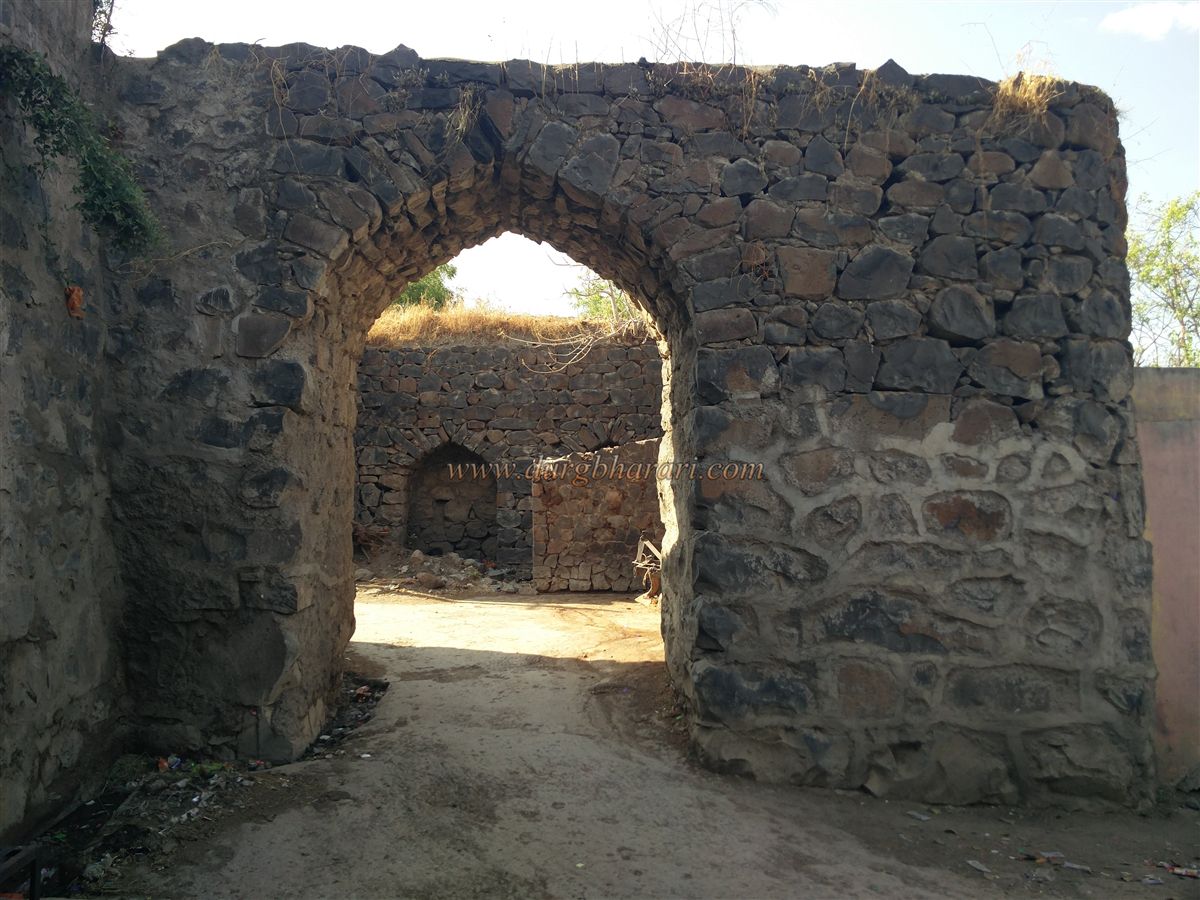
The total area of the fort is about seven acres, with five acres occupied by the outer fortification and two acres by the citadel. Entering the village and moving along the walls leads to a north-facing entrance located on the eastern side of the fortification. To prevent direct entry into the fort, the entrance incorporates a strategic battle formation. Outside the gate, there are arrangements for attacking from another bastion on the wall, though today this cannot be seen clearly due to houses built close to the wall. The main gate is not directly built into the fort wall but rather set within a secondary, curved wall built outside the main fortification. On the inner side of the gate, another wall blocks direct entry. Guard rooms are located inside the gate. Additionally, there is another small gate on the southern side of the outer wall.
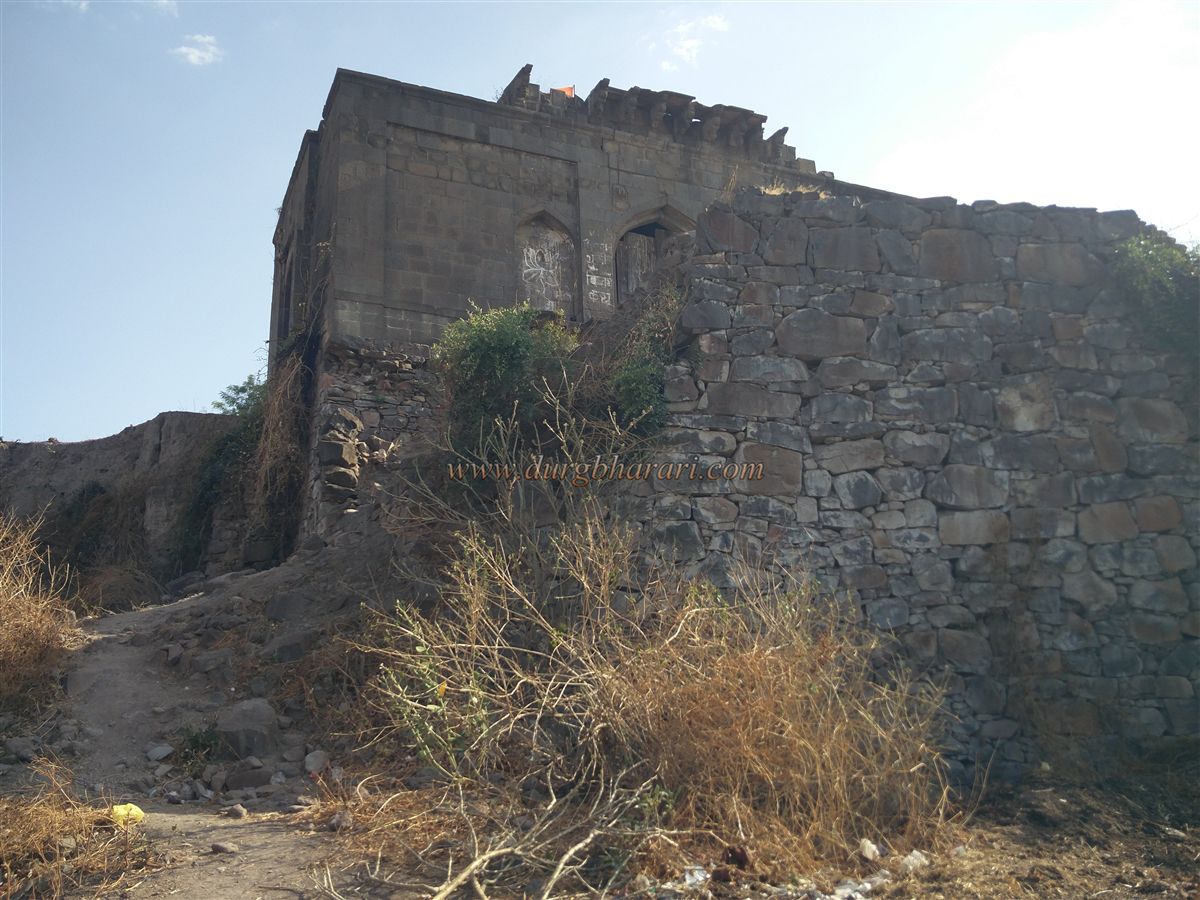
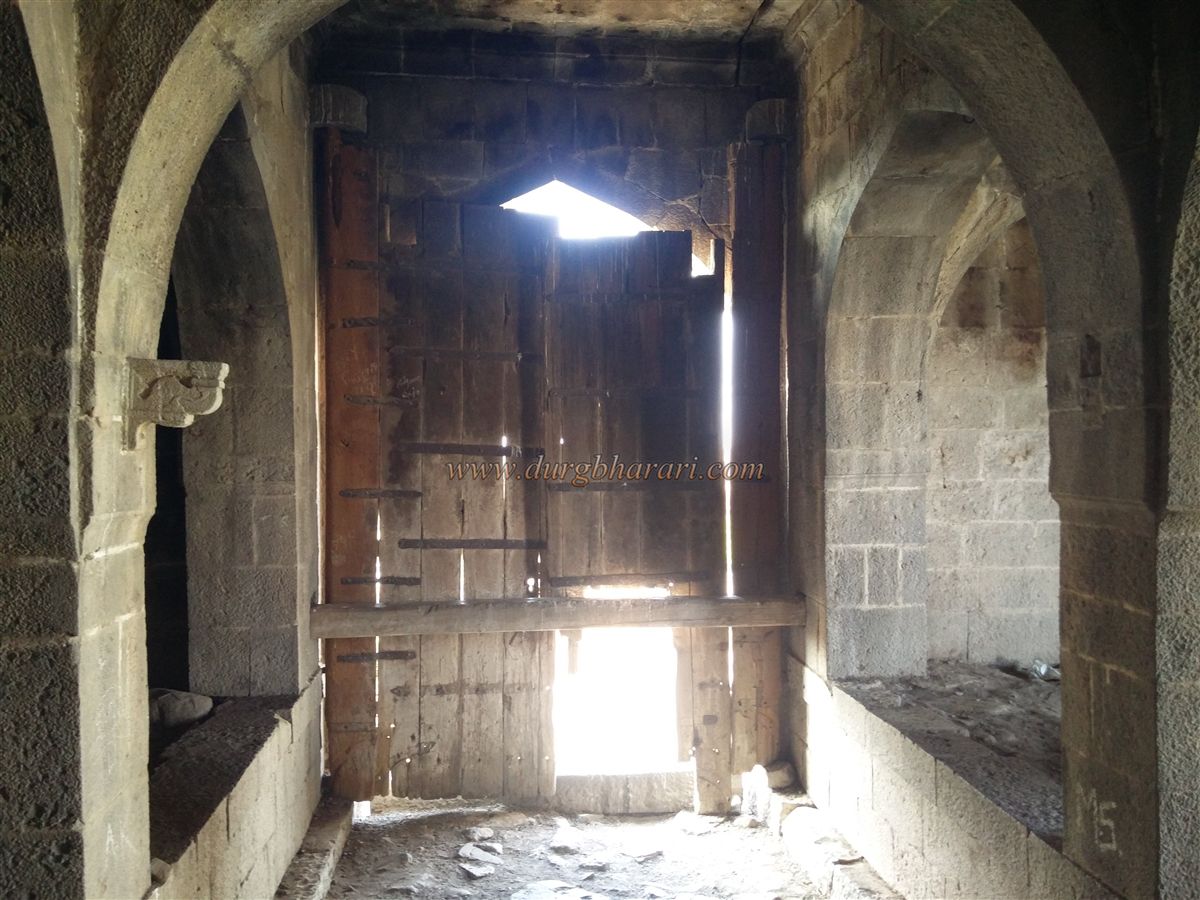
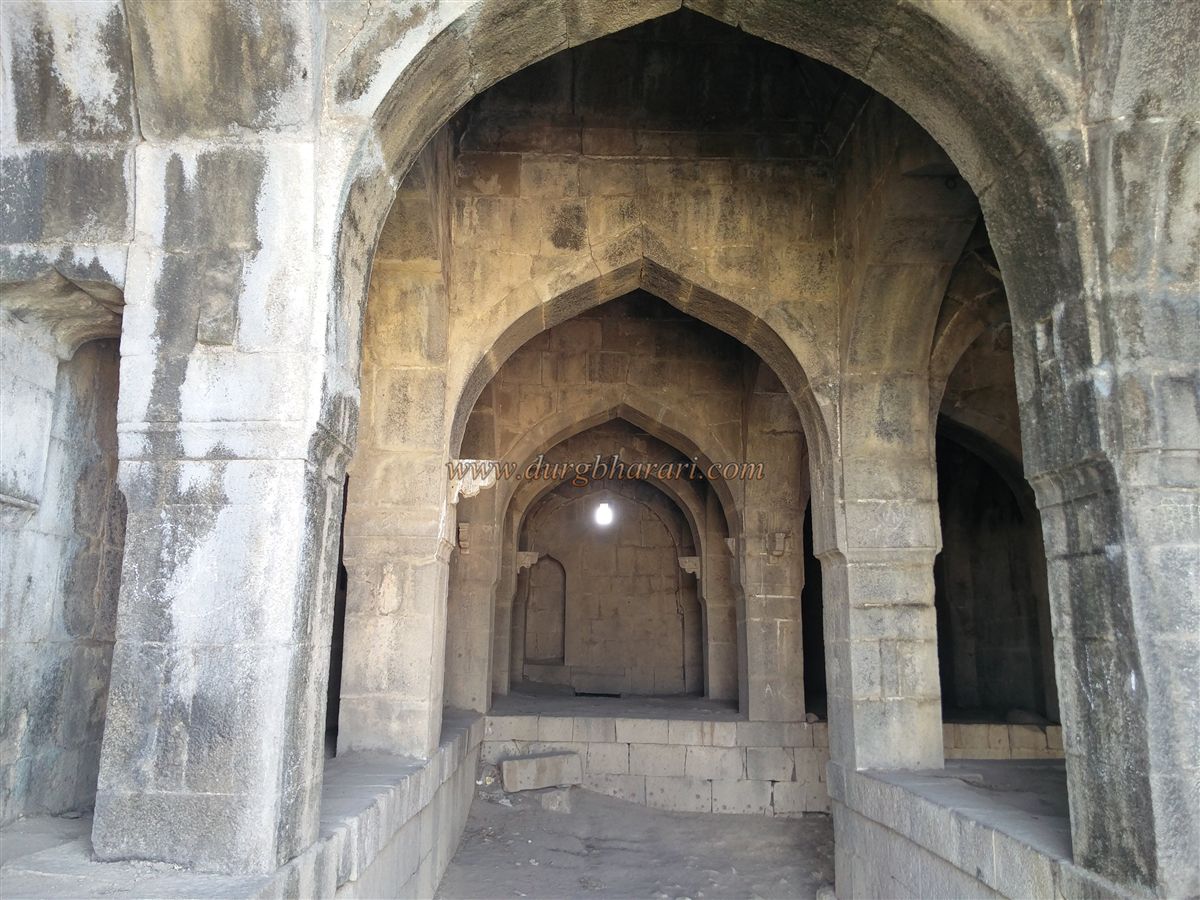
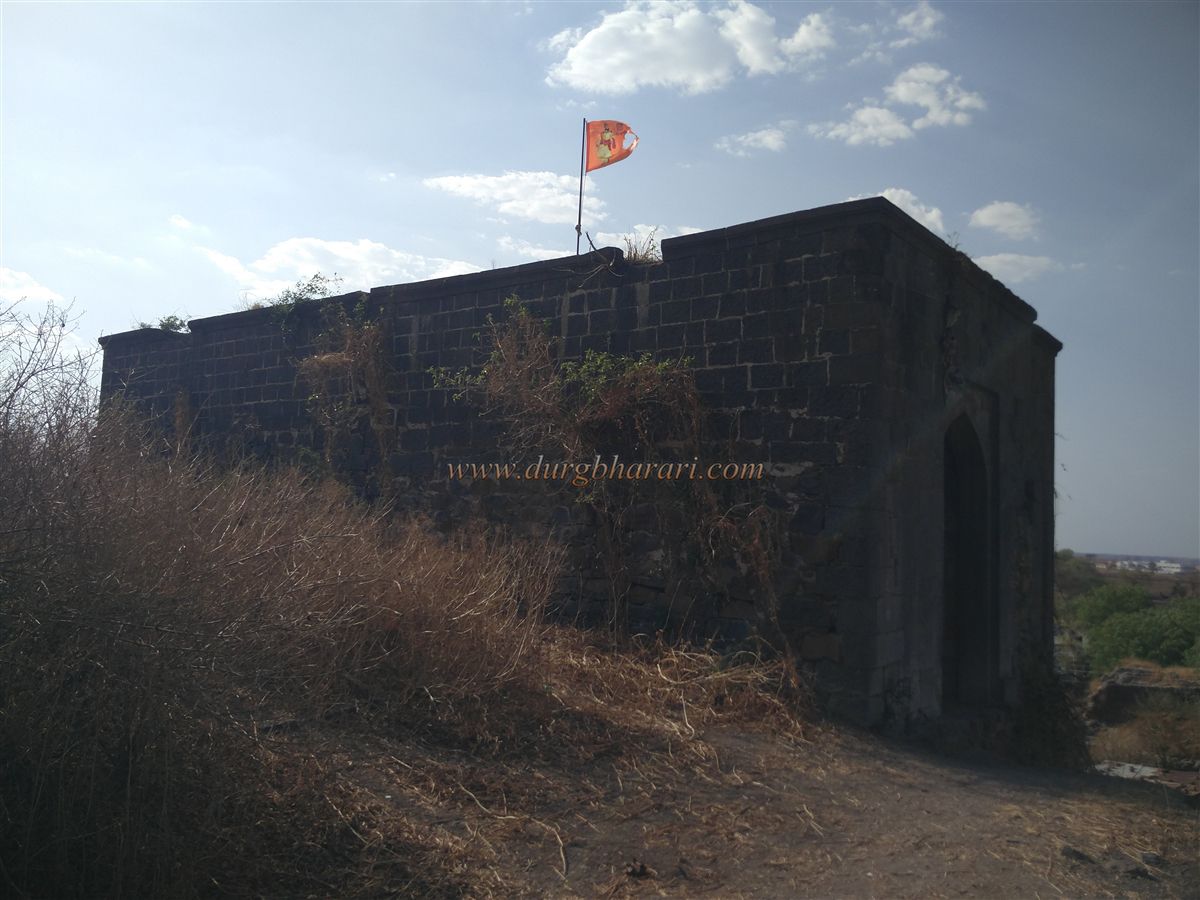
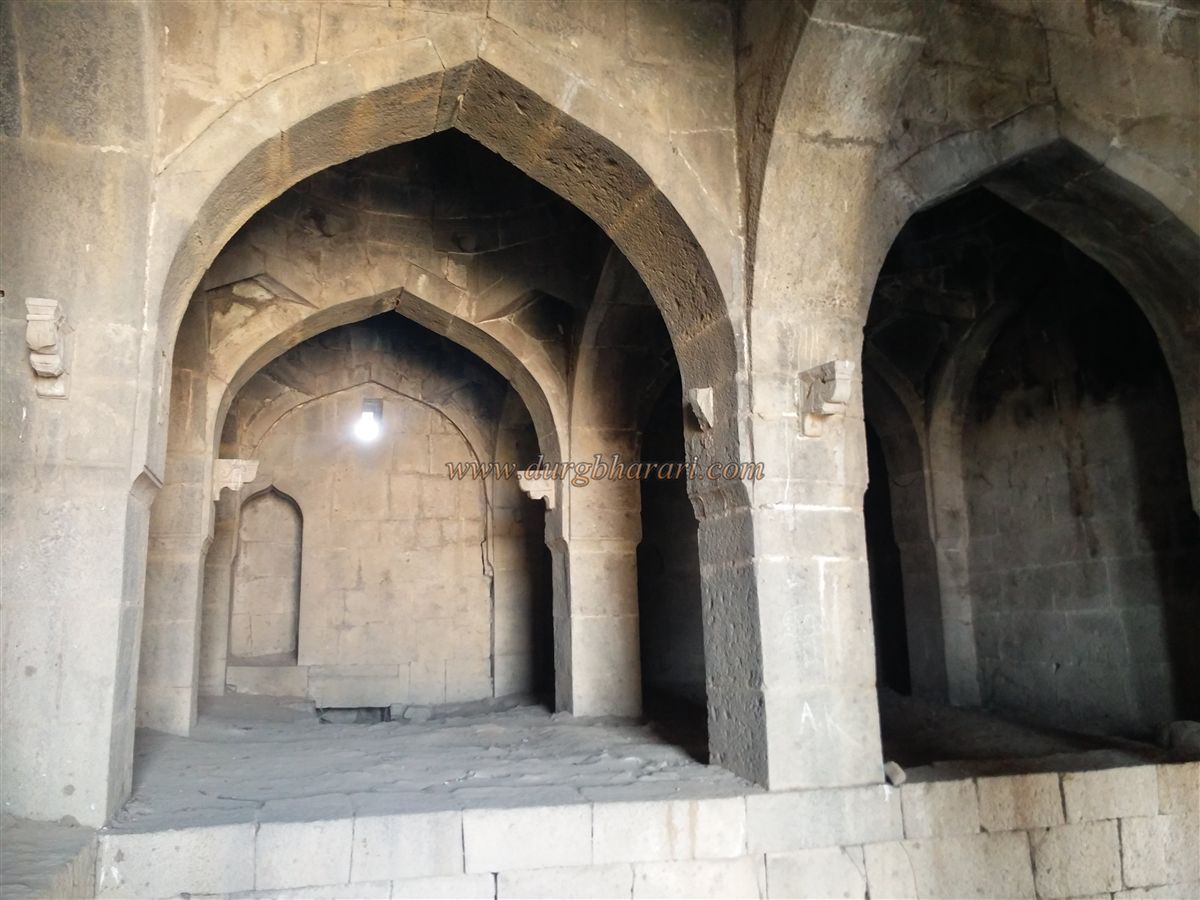
There are no significant remains in the flat area between the outer wall and the citadel. Upon entering through the gate, one should proceed directly toward the citadel structure. The most remarkable feature of this fort is this structure, along with the underground cellars and the subterranean passages that descend into them. The citadel's walls have been significantly destroyed, and its gate is now entirely gone. At the highest point of the citadel is the structure, which likely served as the fort's main court (sadar). Entirely constructed from dressed stone, the front portion of this structure features arched architecture with a door within the central arch. The wooden doors are still intact, and a smaller entrance (dindi Darwaja) provides access. Inside, there is a sliding wooden bar fitted into the wall to secure the door. The inner platform contains several arched verandas, a staircase in the wall leading to the roof, and steps going down into the cellar.
From the rooftop of this building, one can see the entire village of Adgawaraja and the surrounding region far into the distance. The descending path to the cellar has been blocked by a wall added later, closing the entry from that point. Moving behind this structure and heading west reveals the platform of a large mansion and some ruins. There is also a way down to the cellar from this point, but due to heavy thorny vegetation, entry is difficult. Proceeding further south beneath the citadel leads to another small gate on the citadel wall, which allows access to the cellars. Careful exploration reveals two now-blocked small vents designed to let light into the underground chambers. Due to the collapse of the upper structure, these vents are now sealed, so a torch is necessary when exploring inside. Given the presence of crawling creatures, one should avoid touching the walls and proceed cautiously.
There are a total of six underground cellars, all interconnected by narrow passages. There are three access points to these cellars from above, one of which, near the main building, has been sealed. Exiting the cellar and heading directly to the southern outer wall leads to another collapsed small gate. Outside the fort, to the south, there is an old stone-built well with steps for descending into it. This marks the end of the fort exploration. Inside the outer walls of the fort are houses belonging to the descendants of the Jadhav family. Exploring the citadel and the entire outer fort takes about an hour.
During the Nizamshahi and Adilshahi periods, several Maratha families rose to prominence through their valour and accomplishments, and among them, the Jadhav family of Sindkhed was a leading house. In the 16th century, the Deshmukhi of Sindkhed, originally held by the Mule family, was granted to Lakhuji Jadhav in 1576, marking the beginning of Sindkhed prosperity. Jijabai, the mother of Chhatrapati Shivaji Maharaj, was the daughter of Lakhuji Jadhav. On 25 July 1629, Raja Lakhuji Jadhav, his two sons Achaloji and Raghoji, and his grandson Yashwantrao were assassinated by the Nizamshah at the court in Devgiri. The descendants of Lakhuji Jadhav’s four sons expanded into various regions under their ancestral jagirs, including Sindkhed Raja, Deulgaon Raja, Adgawaraja, Kingawaraja, Mehuna Raja, Umrad, and Javalkhed.
© Suresh Nimbalkar
GALLERY