ADAM
TYPE : NAGARKOT
DISTRICT : NAGPUR
HEIGHT : 0
GRADE : EASY
When we hear the name Adam, we remember the first man from Anglo-Christian tradition. However, in Maharashtra, there is also a "first man" named Adam—but he is not a human, rather a "fort-man" (gadpurush). Among all the forts known in Maharashtra so far, the oldest is the Adam Fort. Located near Nagpur, this fort was built between the 5th century BCE and the 2nd century BCE.
Adam Fort is situated about 50 kilometres from Nagpur and 10 kilometres from the taluka place of Kuhi. There are two routes to reach Adam: one is via Nagpur–Mahalgaon–Vadoda–Kuhi–Adam, and the other is via Nagpur–Virgaon–Davlimet–Kuhi–Adam. Both routes cover the same distance of around 50 kilometres. Since transportation in the region is limited, using a private vehicle is more convenient.
...
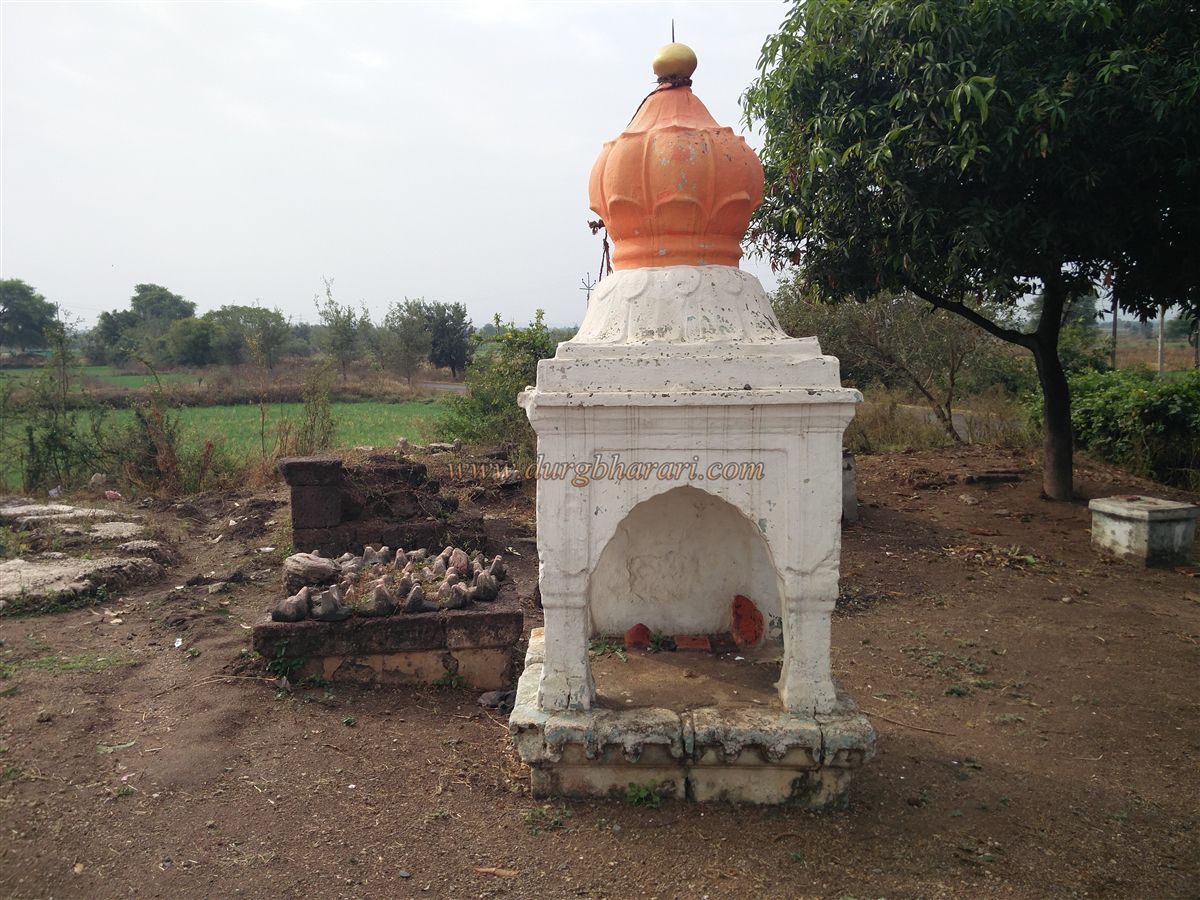
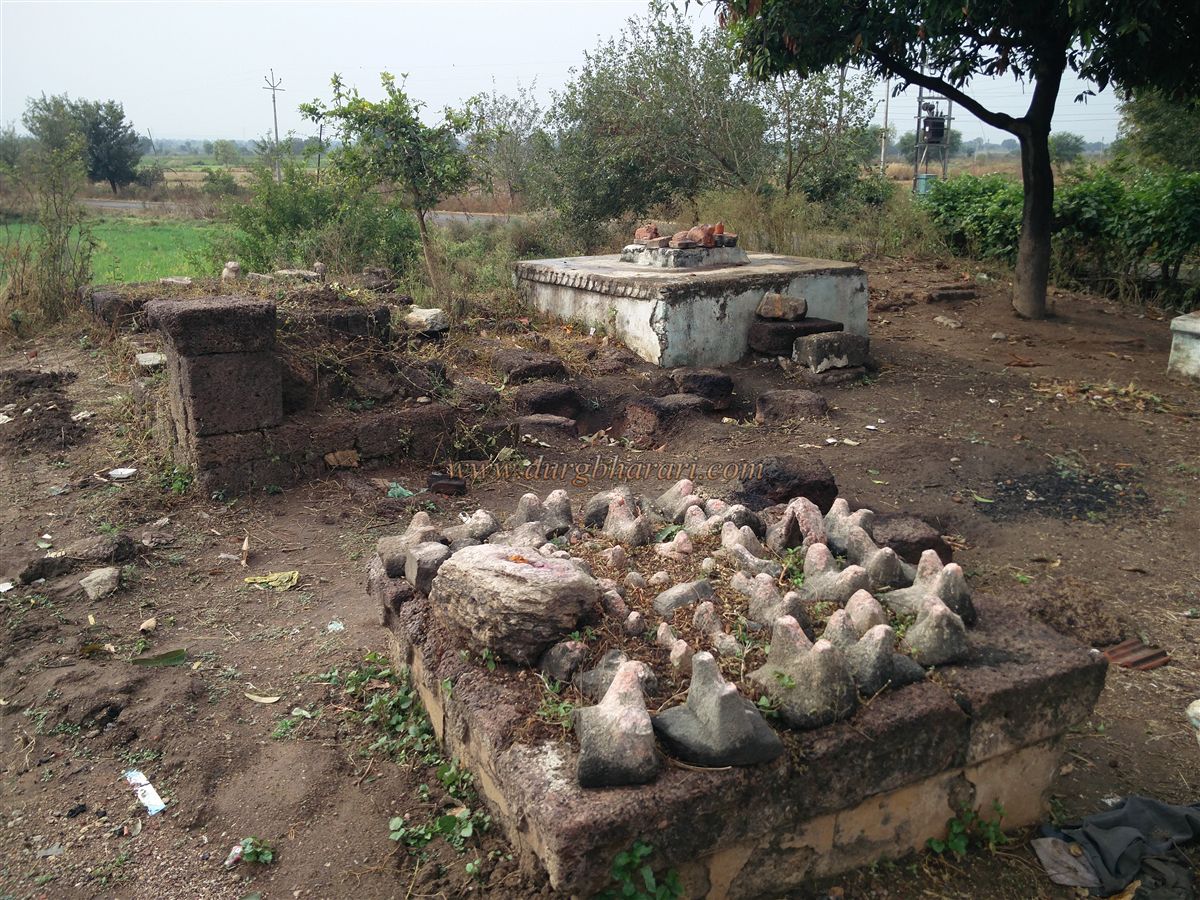
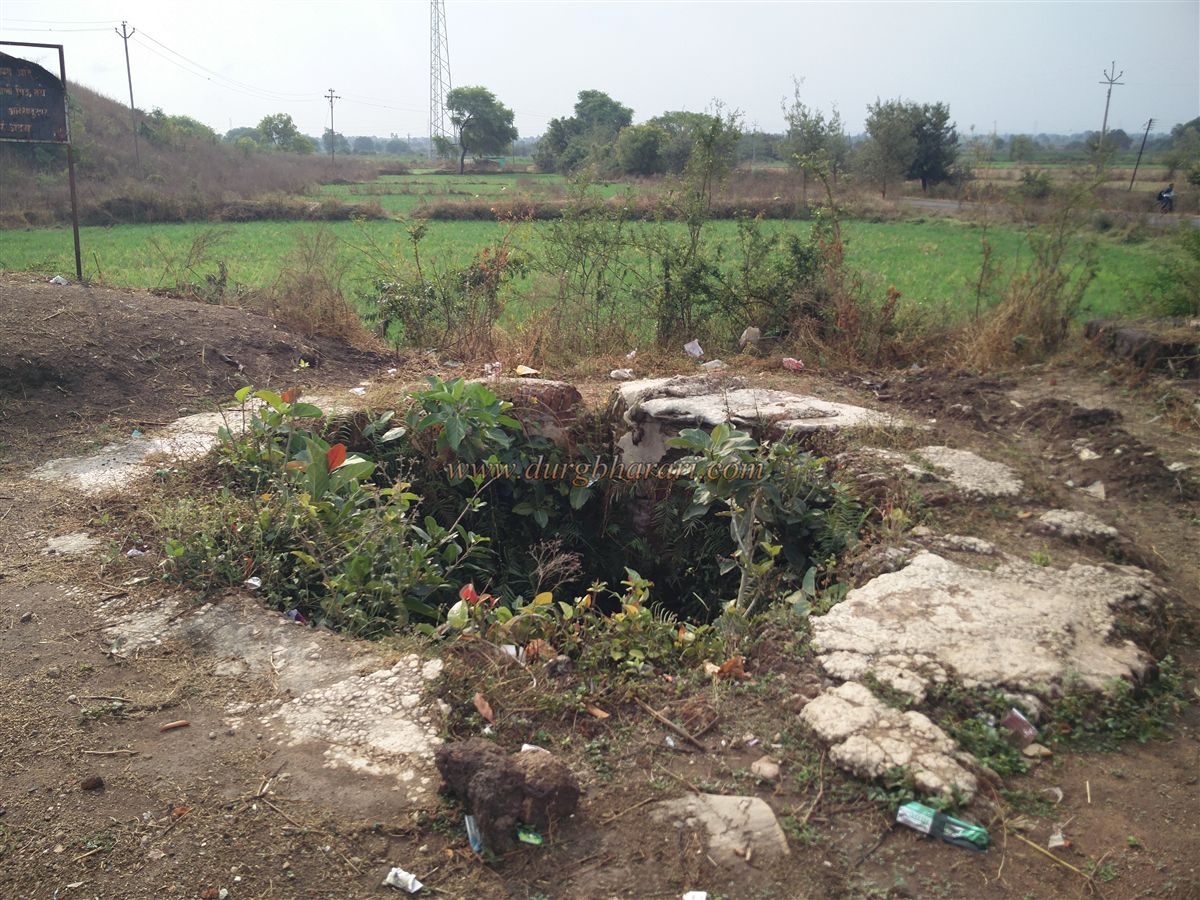
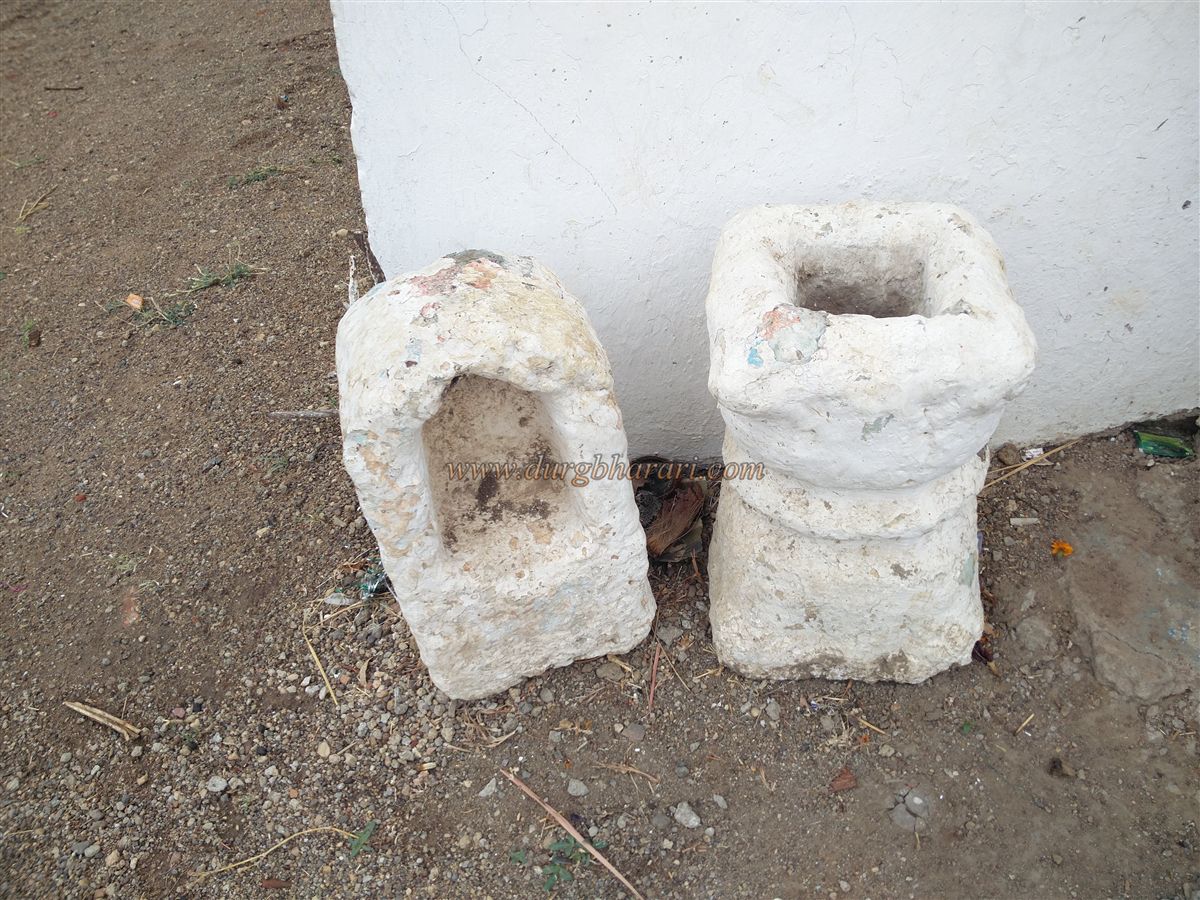
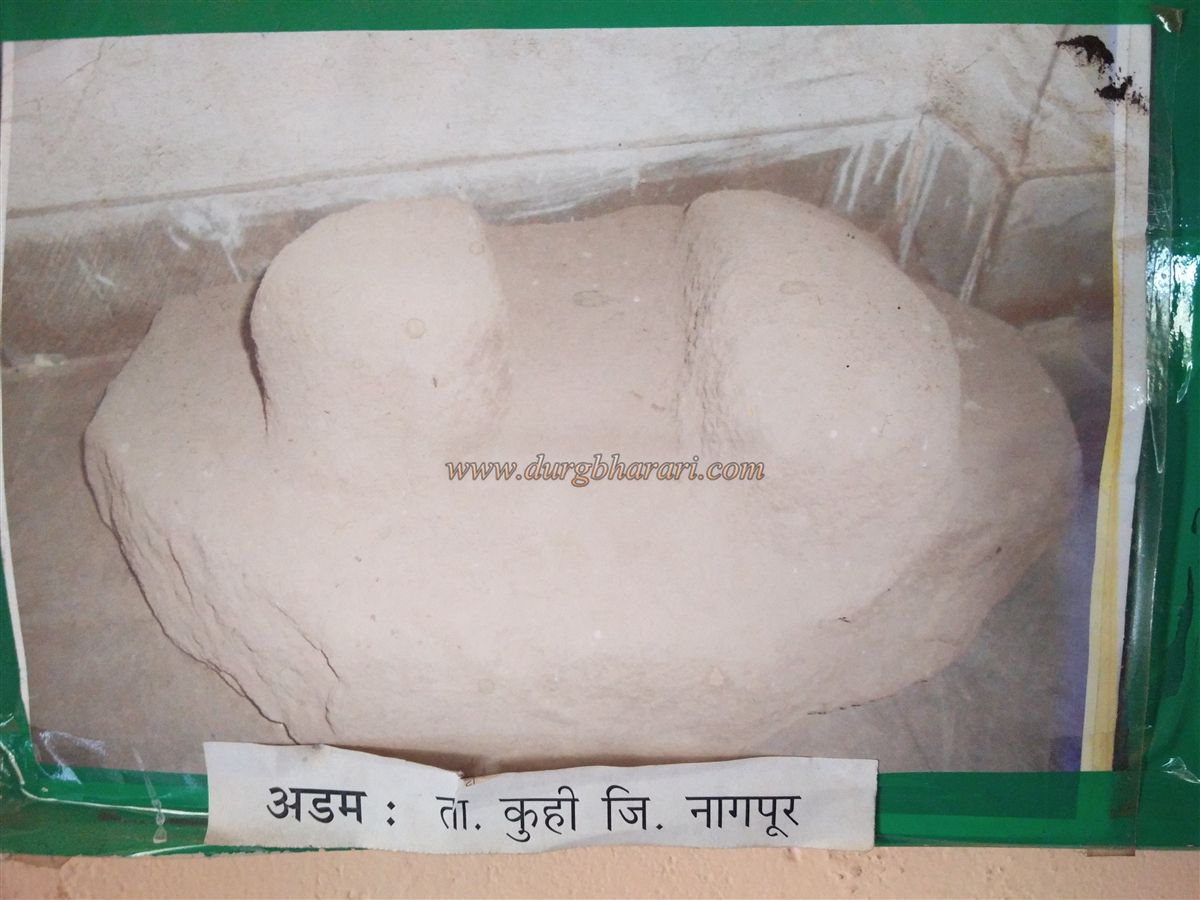
The fort lies to the east of the village, and today it appears as a mound-like earthen fortification. Upon leaving the village, there is a pond directly ahead, and the remnants of the fort are located behind it. A newly built temple stands beside this pond, and next to the temple is a medieval-era well. In the temple area, there are some old memorial stones, and among them are a few earthen artefacts found from the fort, but it’s difficult to ascertain their exact nature.
This fort, roughly oval in shape, spreads over an area of 30 acres, with a pond occupying 5 acres and the remaining space containing remnants of the fort. The pond was formed by excavating soil and stone from the area, which was then used to construct the mound-like fortification around the settlement. The lower part of the fort wall is semi-circular in shape, with floor-like clay structures designed to allow water flow. This earthen rampart rises up to 8 meters—approximately 25 feet.
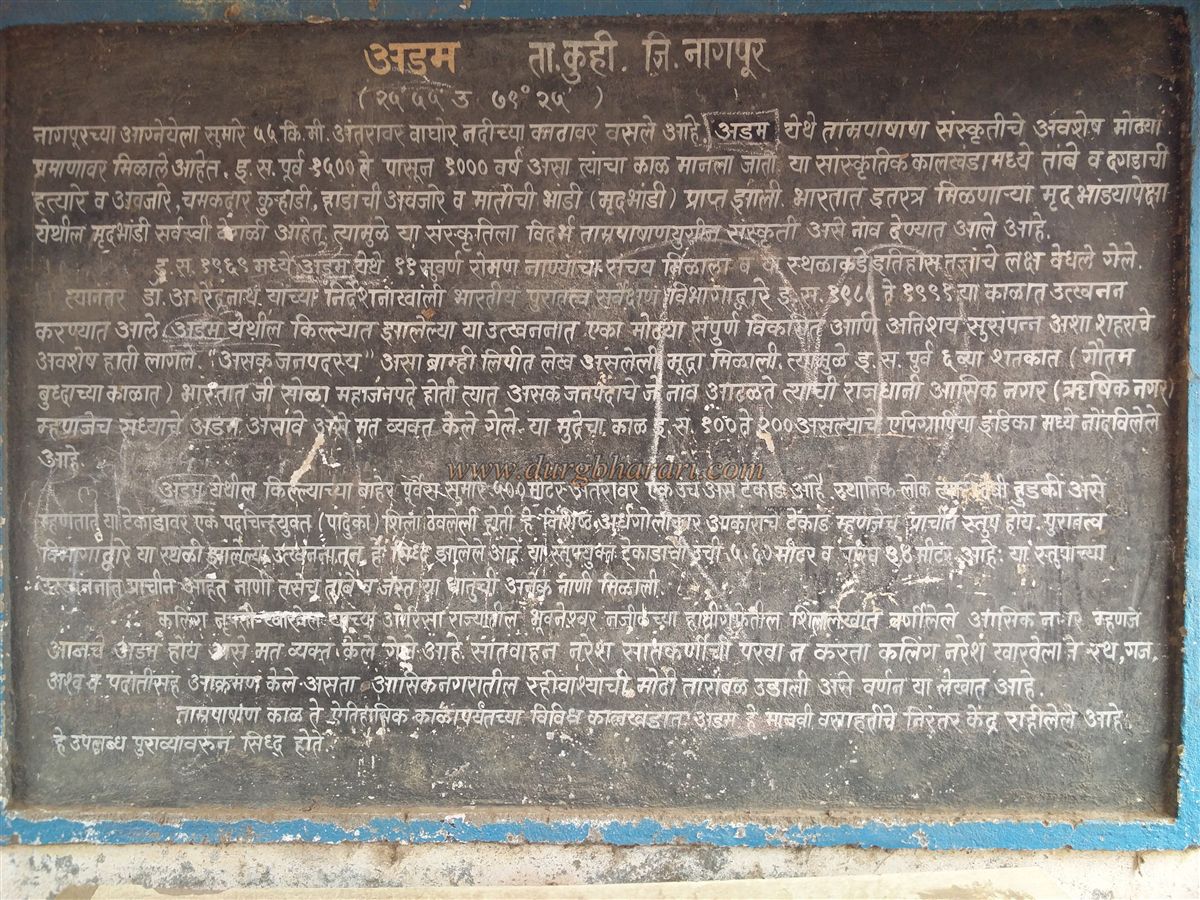
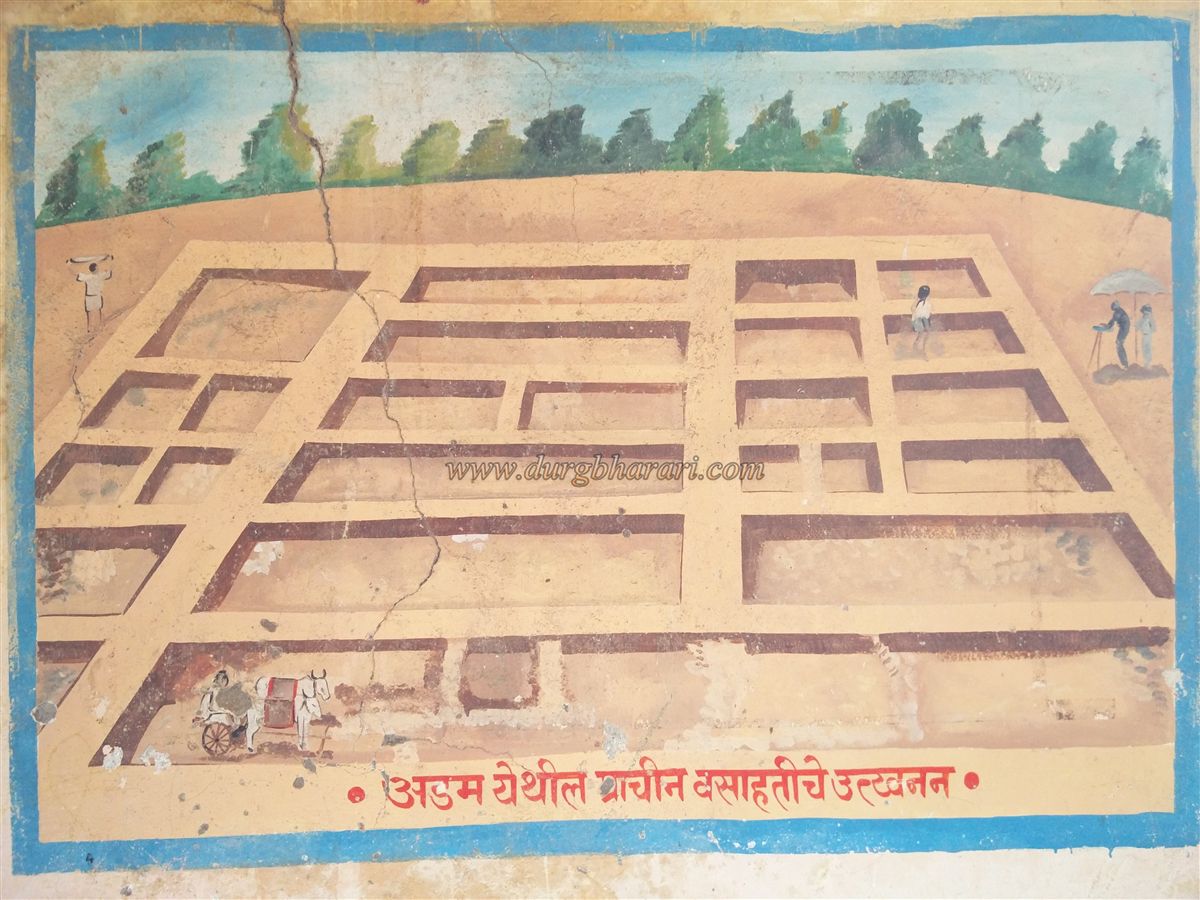
Between 1987 and 1996, under the guidance of Dr. Amrendra Nath, the Archaeological Survey of India conducted excavations in the fort’s interior—500 meters east-west and 800 meters north-south—leading to the complete unearthing of its remains. These excavations revealed that the fort dates back to the pre-Mauryan period. It is a fortified town—a Nagardurg—with a protective outer wall encircling the city.
Both stone walls and structures made from fired bricks were discovered during the excavation. On the eastern side, beneath the stone fortification, a drainage system and a gate were uncovered, along with four circular structures believed to be bastions. Outside the fort wall, especially on the eastern side, several burial remains were found. As the Iron Age followed the Copper Age and the use of iron increased, the height of the fort walls was reduced, and a small moat was dug around them. The stone walls were also reinforced with a clay coating for added strength.
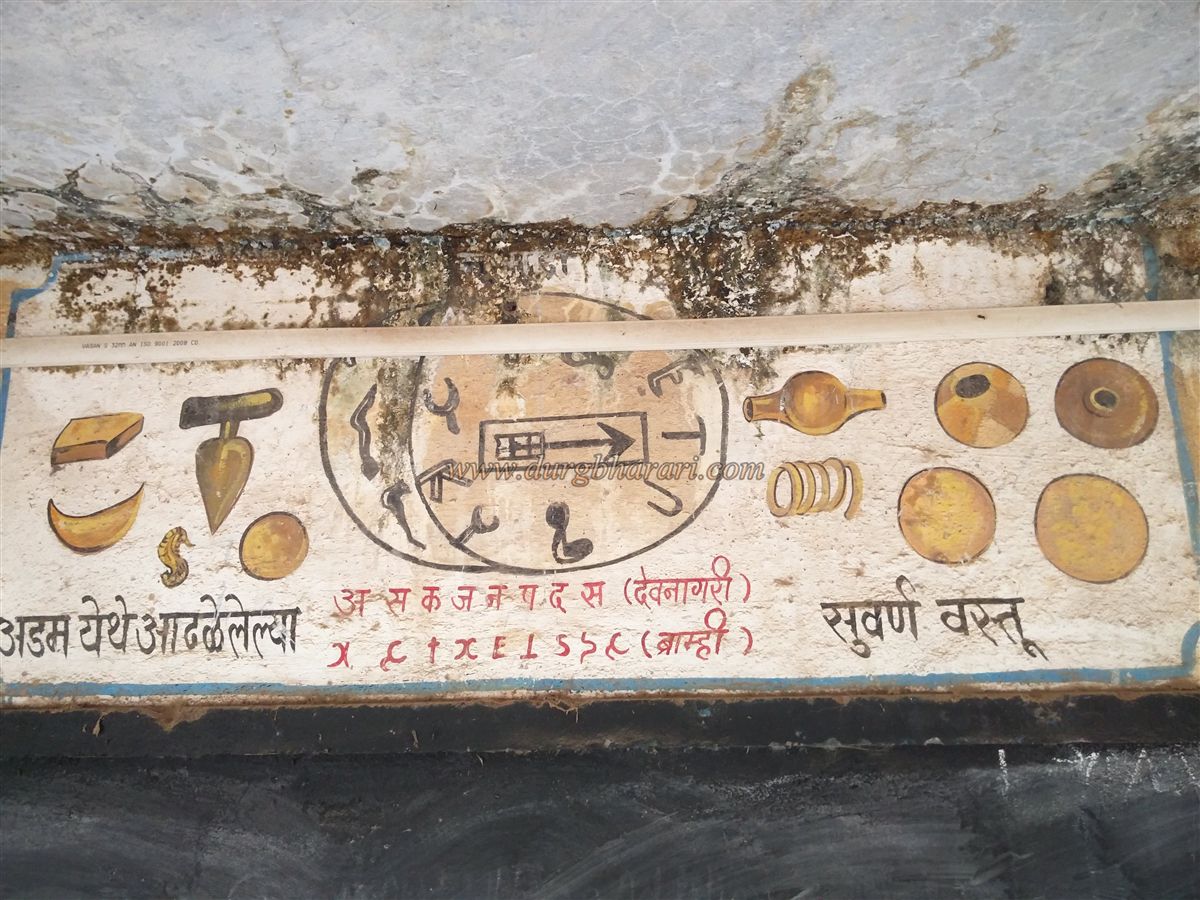
Details of this excavation are available on the official website of the Archaeological Survey of India. During the 6th century BCE—the time of Gautam Buddha—there were sixteen Mahajanapadas (great realms) in India, and one of them was the Ashaka Janapada. It is believed that Adam might have been the capital of this Janapada, as a coin bearing the Brahmi inscription "Ashaka Janapadasya" was discovered here during the excavation.
When visiting Adam Fort, one should also stop by the local Zilla Parishad School. There, information about the excavation is displayed, along with photos and even some of the actual artefacts uncovered from the site. The efforts of local teacher and archaeologist Dr. Manohar Naranje have been instrumental in preserving and presenting this heritage in the form of a small museum.
© Suresh Nimbalkar
GALLERY