ABHONA
TYPE : FORTRESS
DISTRICT : NASHIK
HEIGHT : 0
GRADE : EASY
The district with the highest number of forts in Maharashtra is Nashik. Along with formidable forts, the district also has a number of small and large fortified mansions (gadhis). Some of these have vanished over time, while others struggle to survive with whatever remains. While exploring the Baglan region, one comes across a gadhi in Abhona, known as the Gadhi of Thoke Rani. It is not immediately clear who Thoke Rani was, but delving into historical records reveals that she was Umabai Dabhade, daughter of Deshmukh Thoke of Abhona and wife of Commander-in-Chief Khanderao Dabhade. Umabai’s remarkable role as a female commander during the Peshwa era gave her maternal village, Abhona, a distinct place in history.
Abhona village is located 60 km from Nashik and 14 km from Kalwan taluka headquarters. On the way from Nashik to Saptashrungi, a road turns off from Nanduri towards Abhona.
...
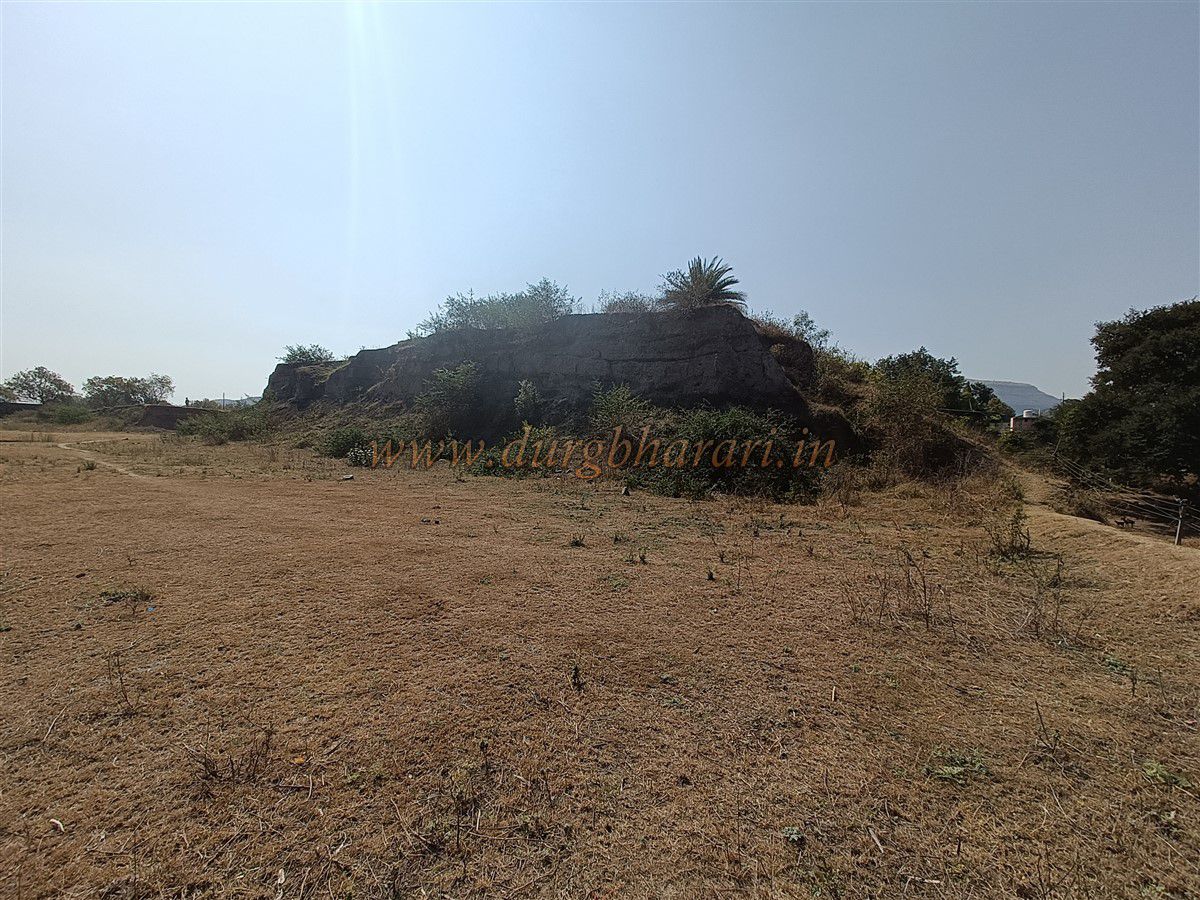
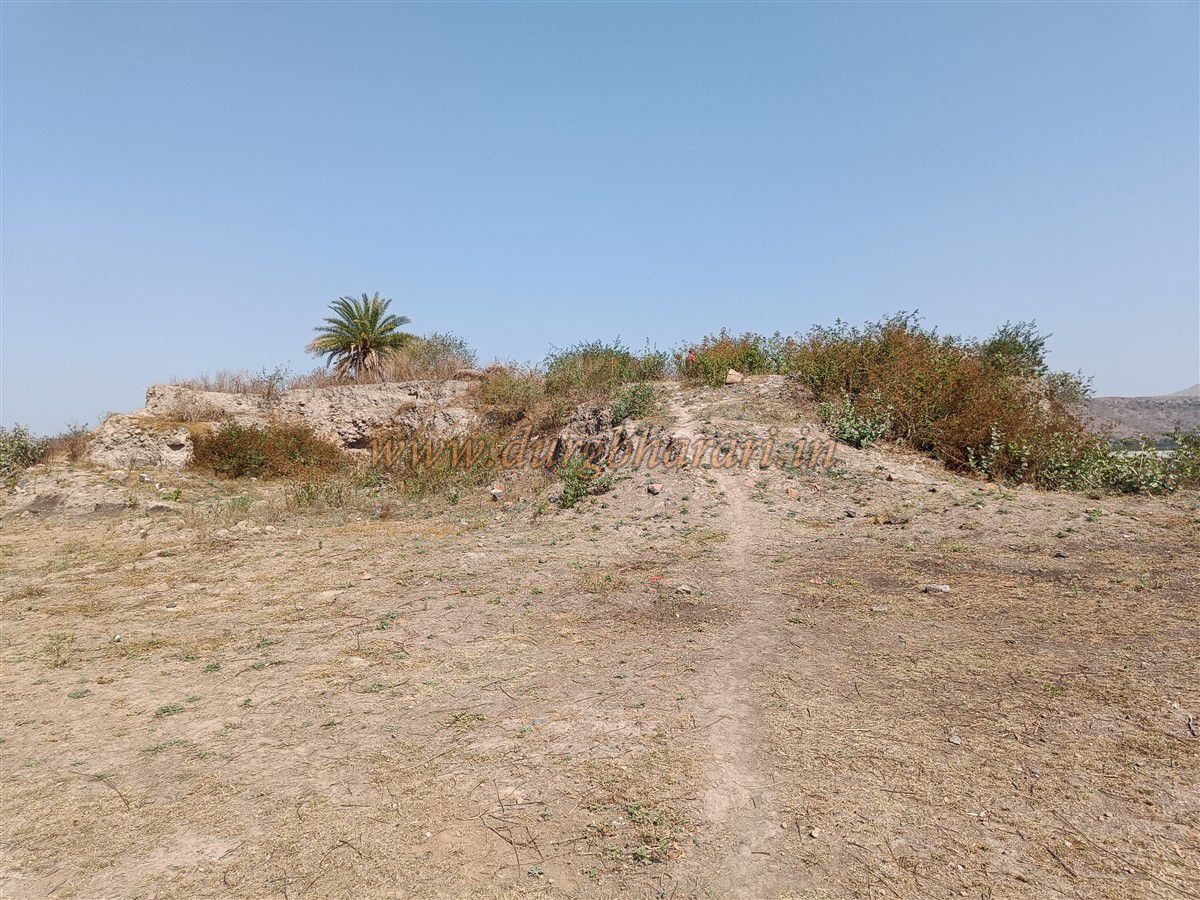
During medieval times, Abhona, situated on the banks of the Girna River, served as a marketplace for the region. As the gadhi of the Thoke family is well-known among locals, it is easy to find. Being located right next to the river, the gadhi suffered heavy damage due to flooding, with the rest caused by local neglect. Today, only a section of the fortification wall facing the river remains, along with a single surviving bastion. The bastion is relatively tall, and from its top, one can view the entire gadhi and the expansive Girna riverbed.
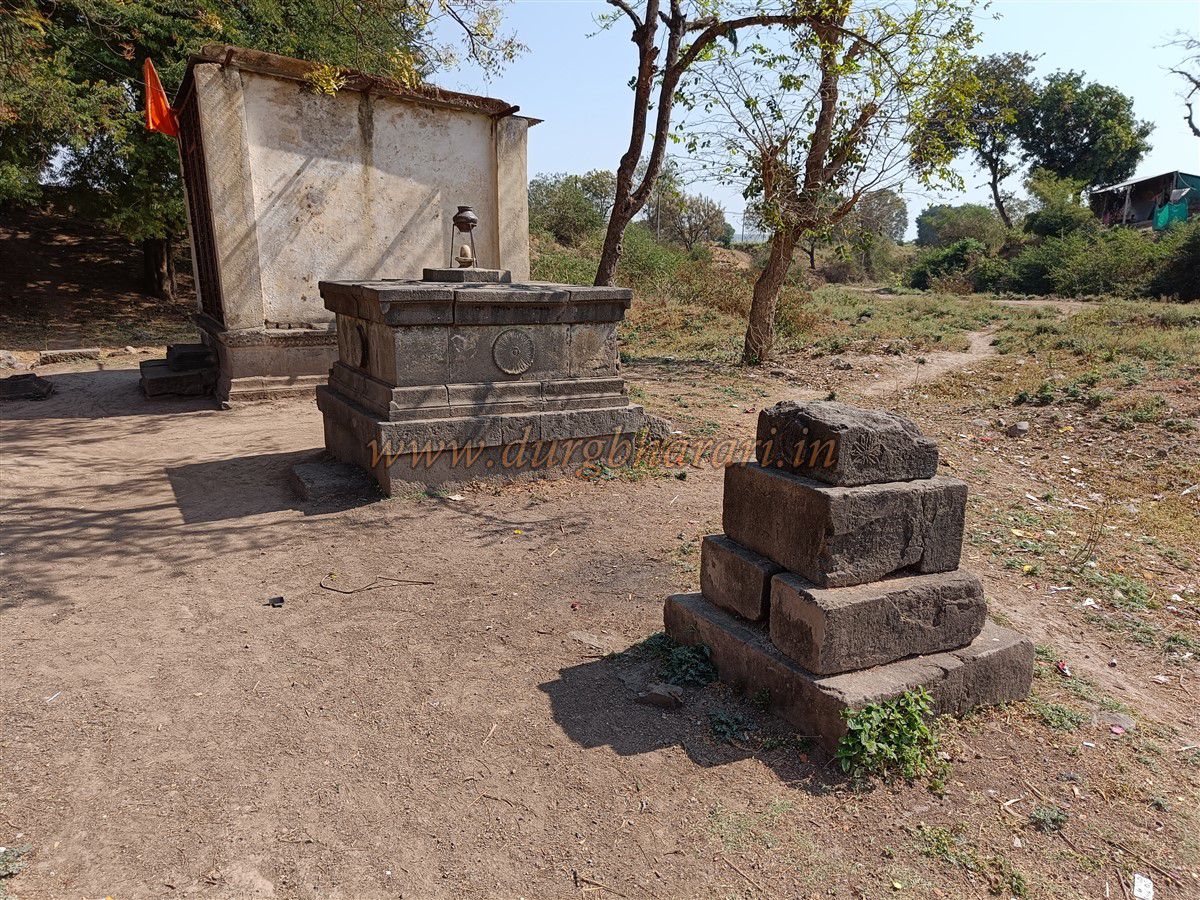
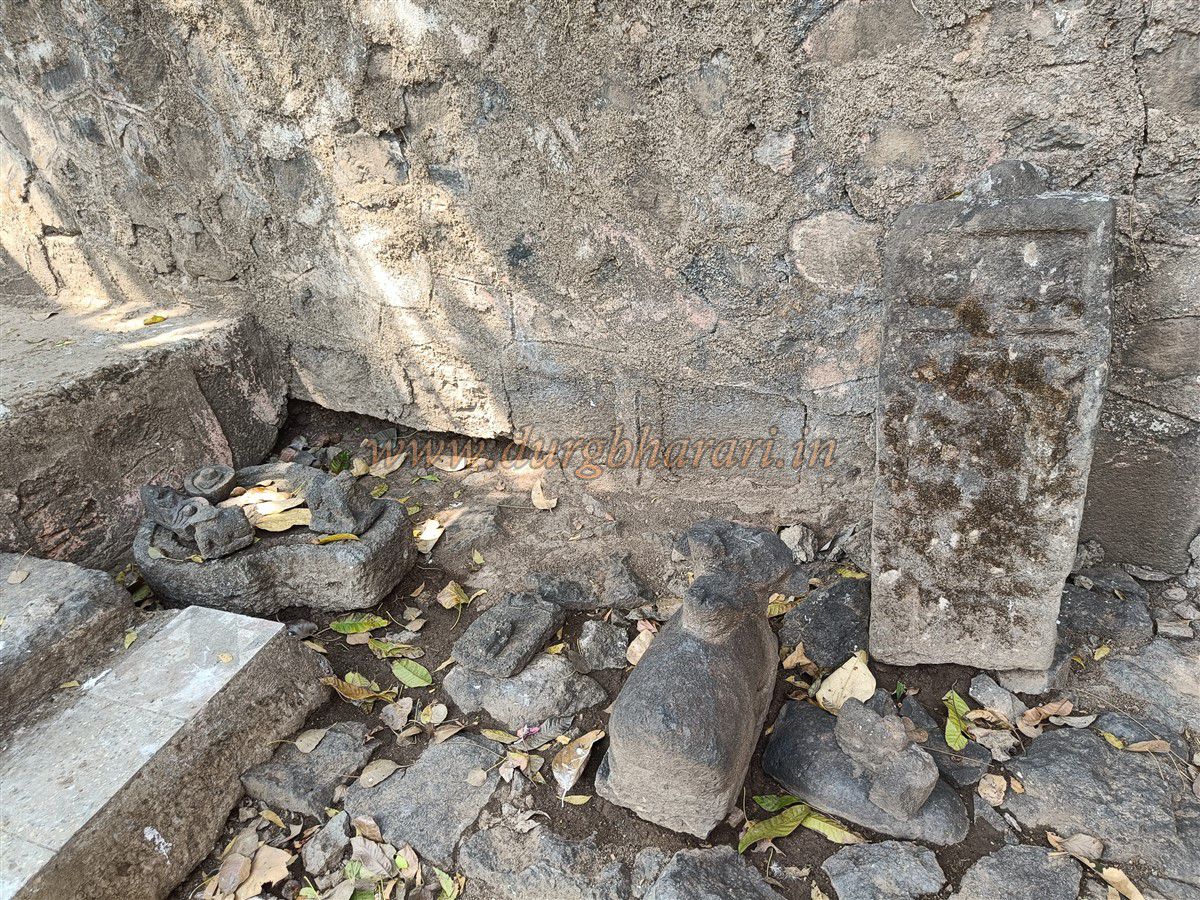
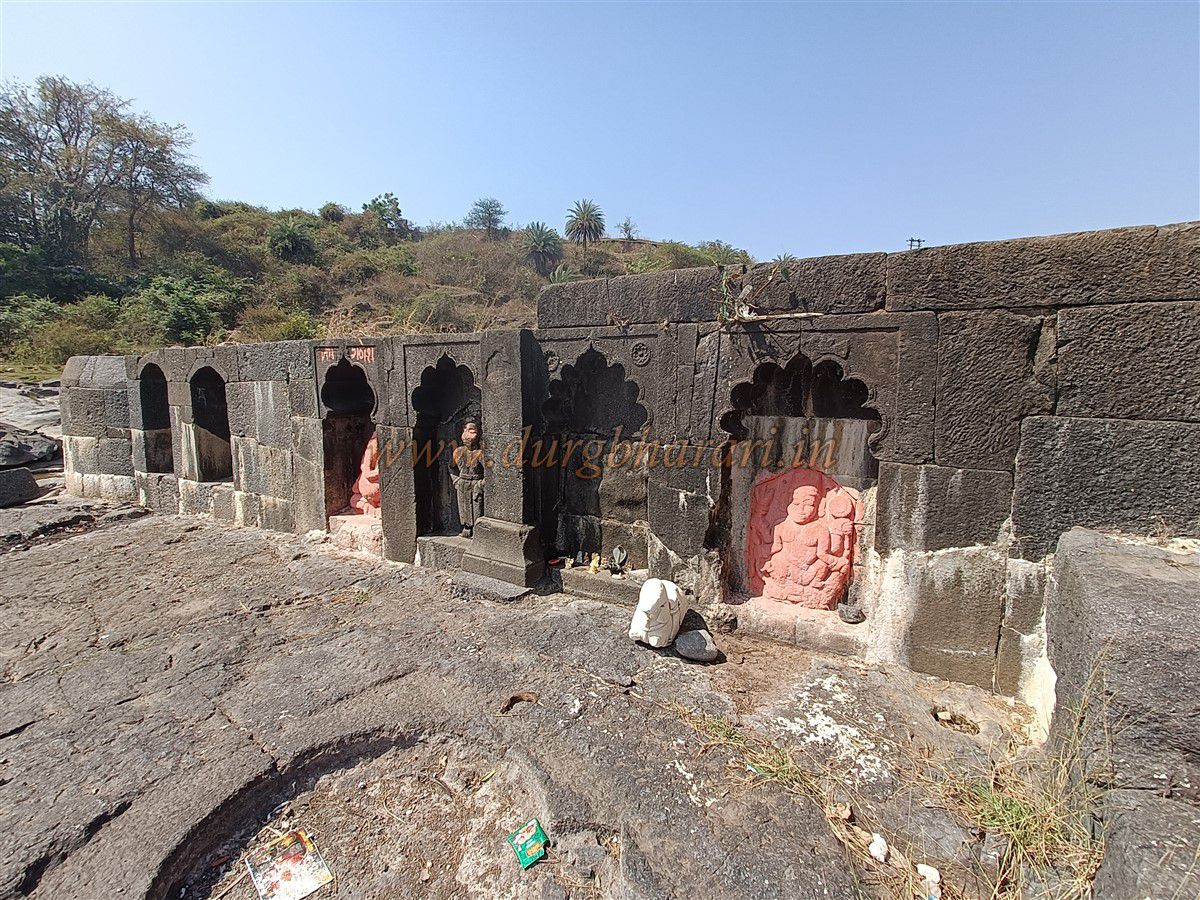
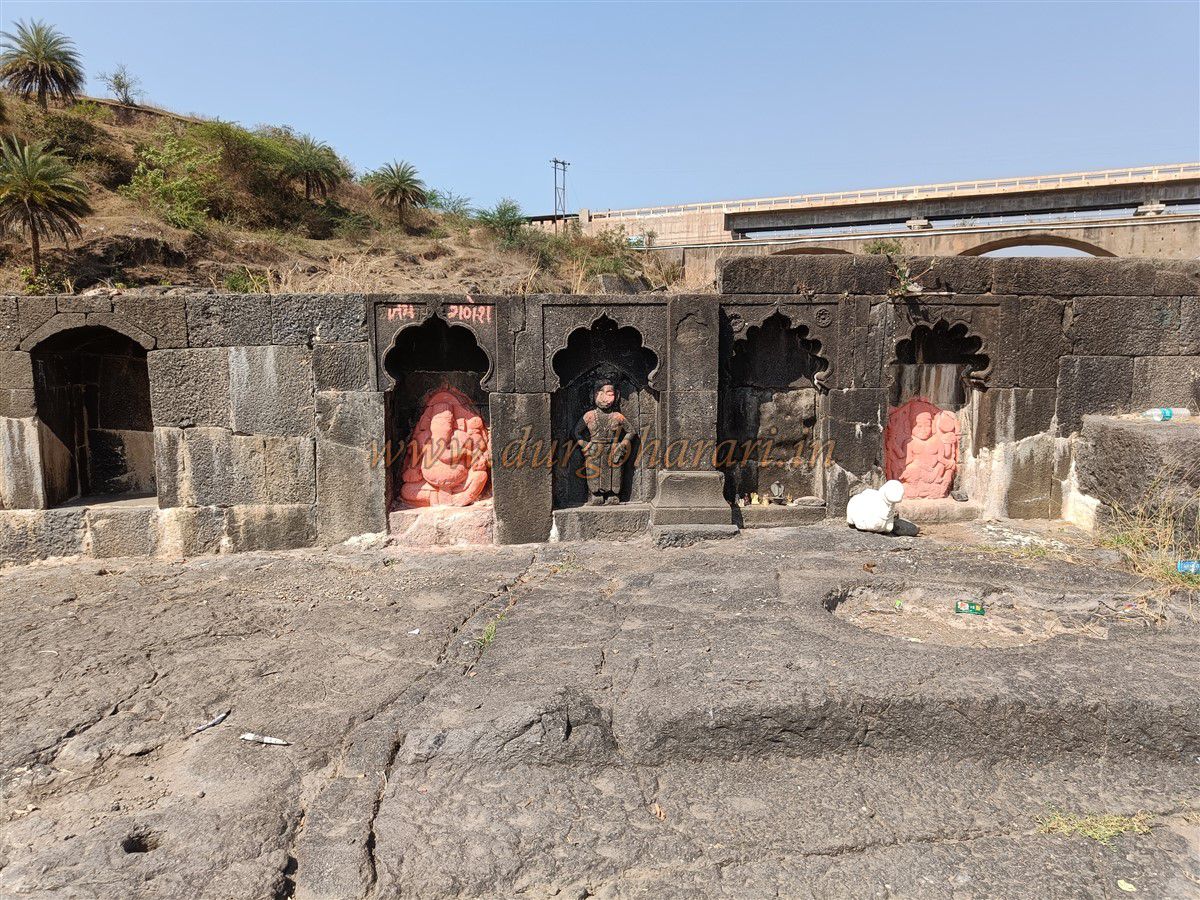
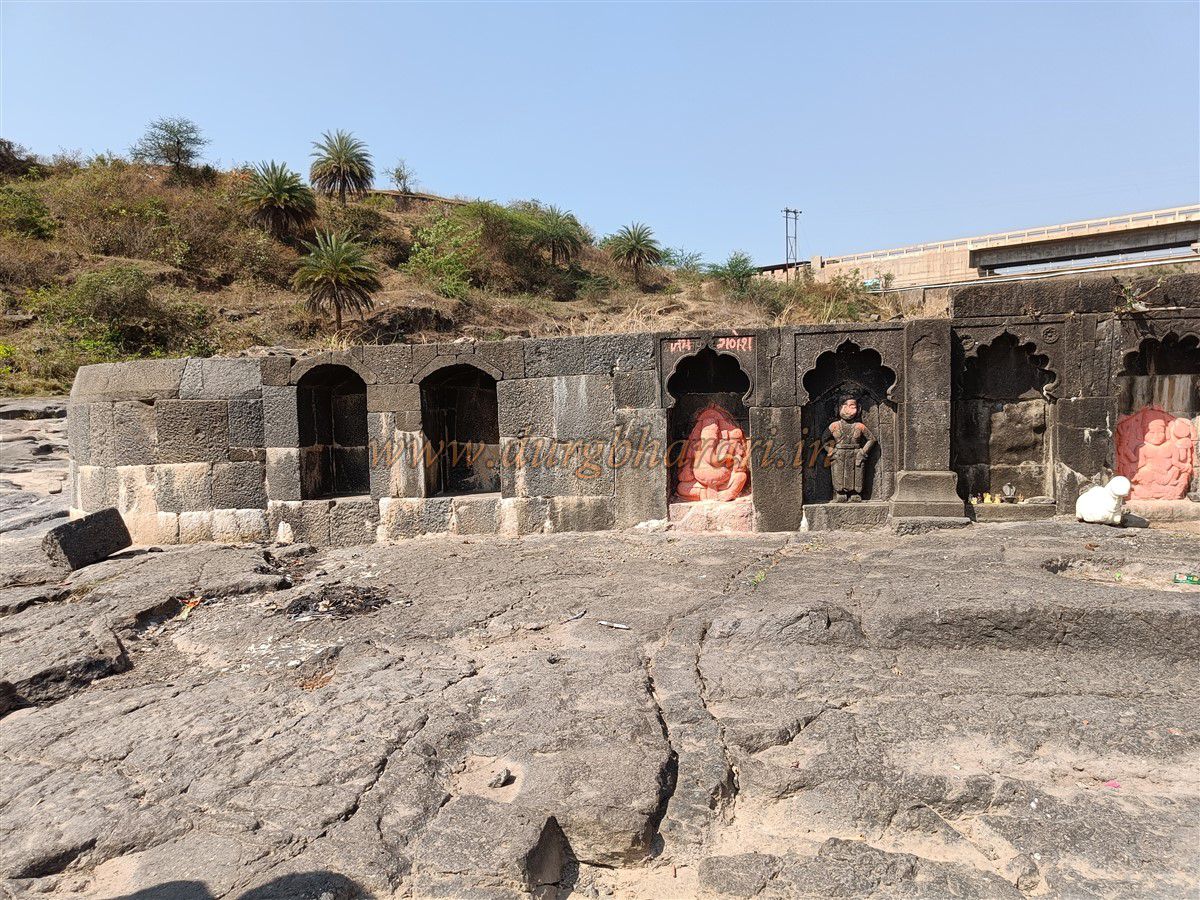
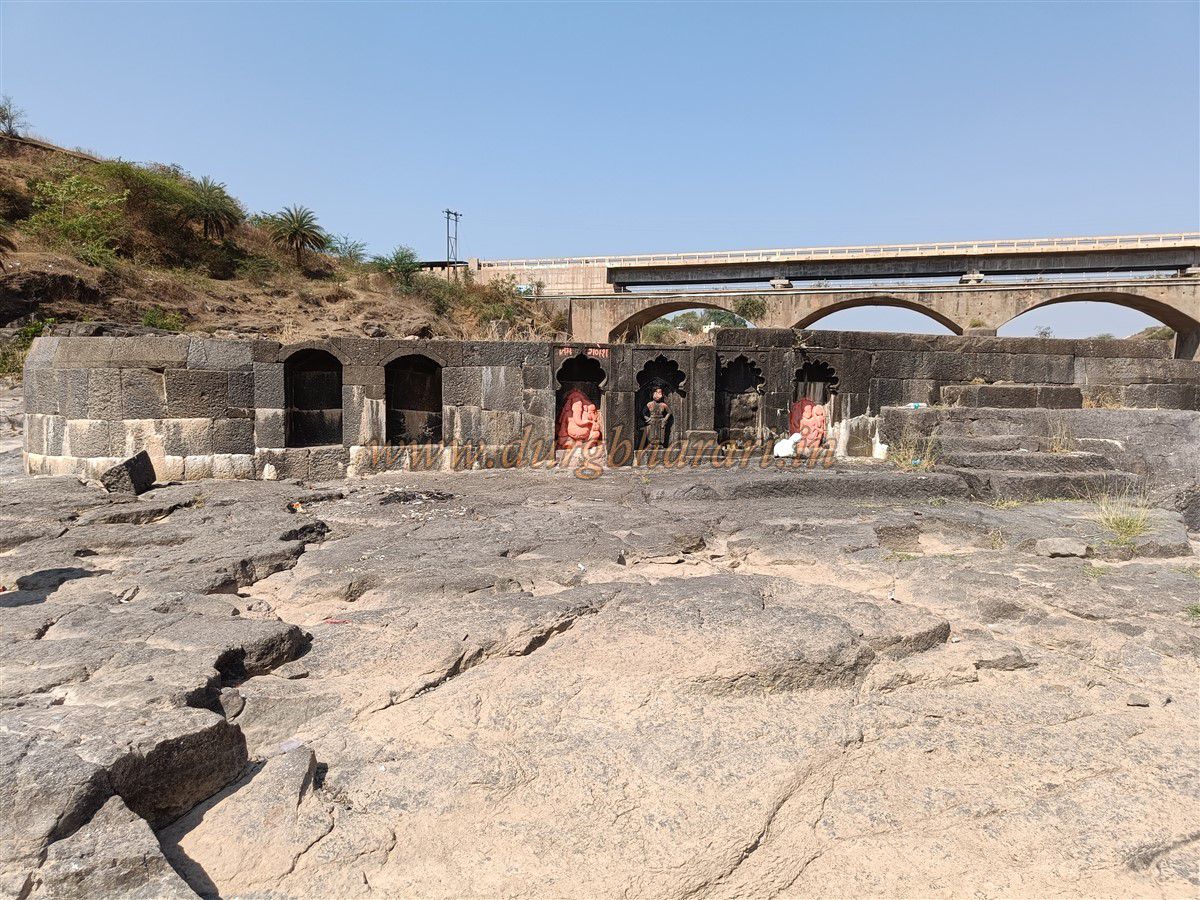
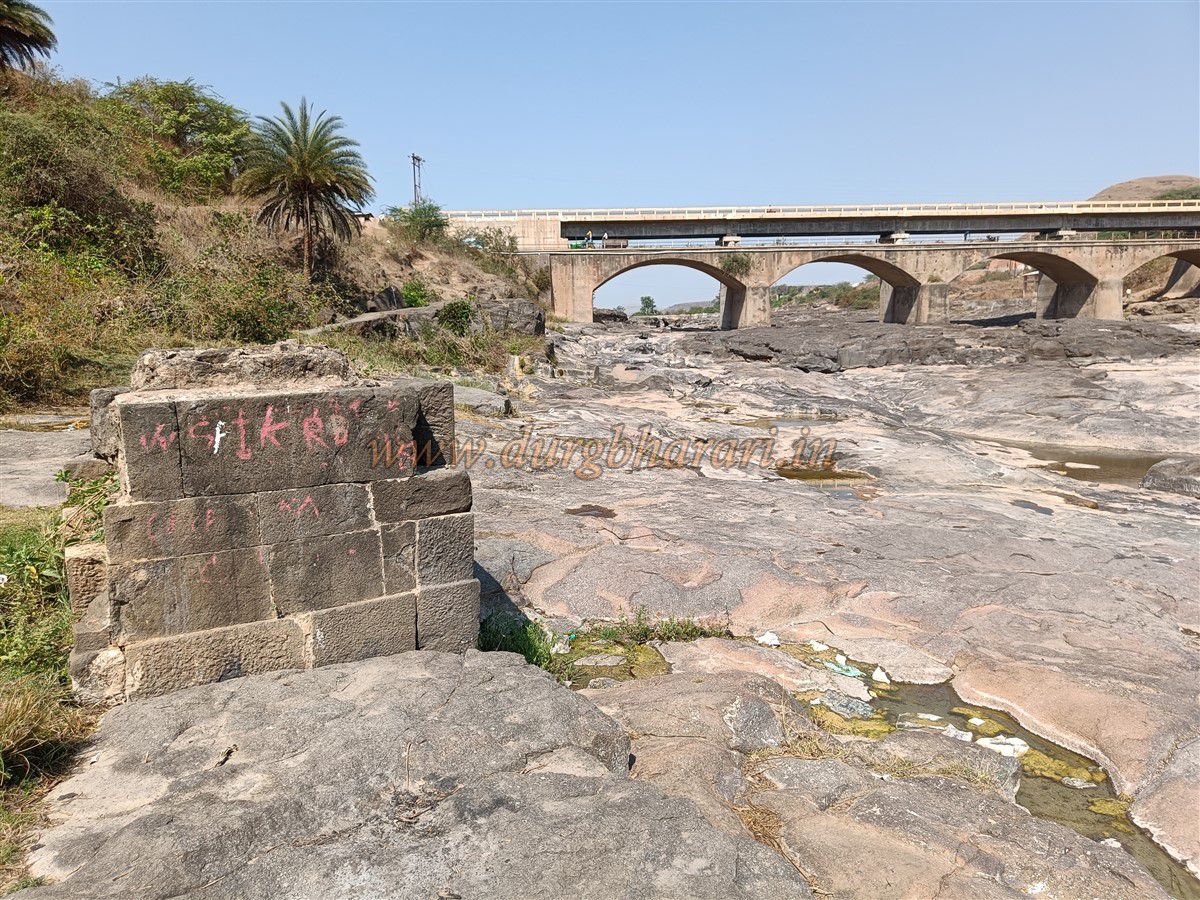
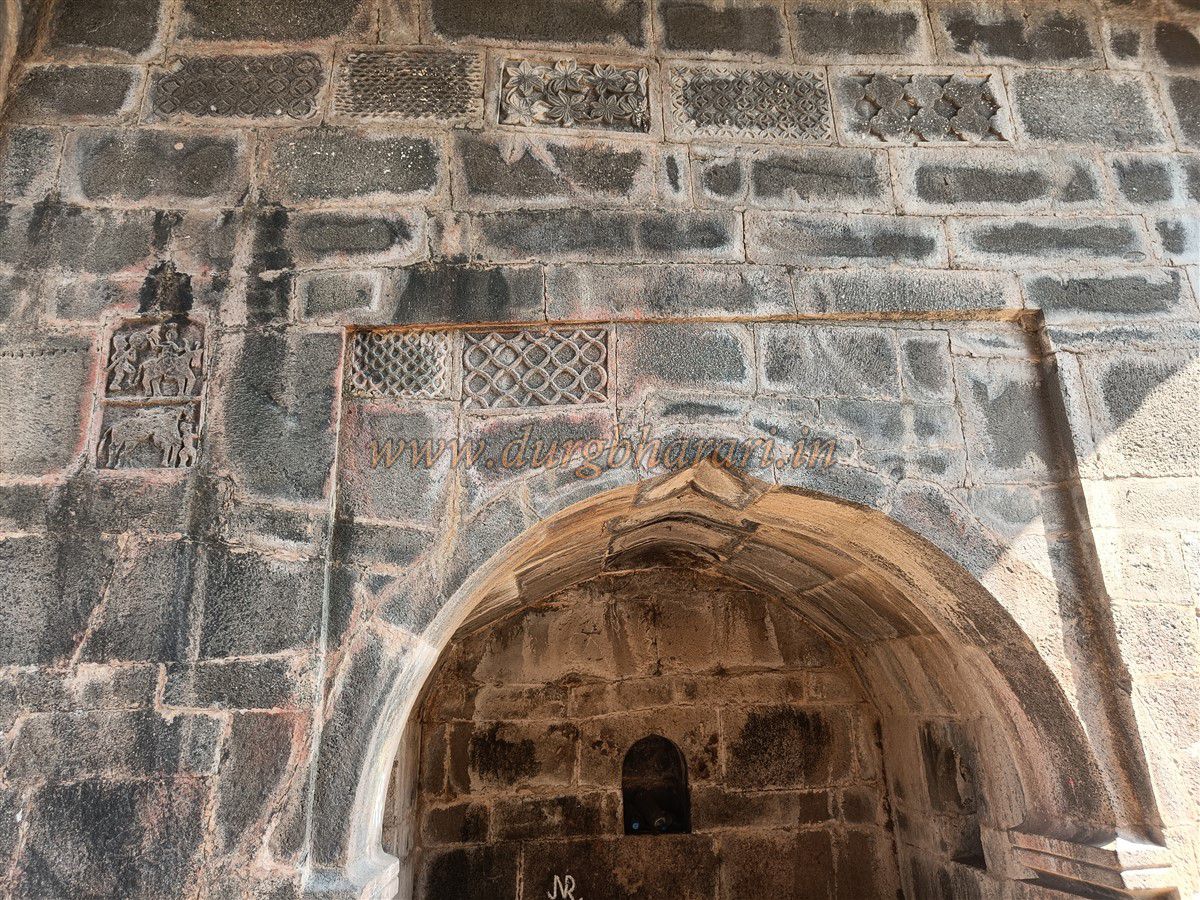
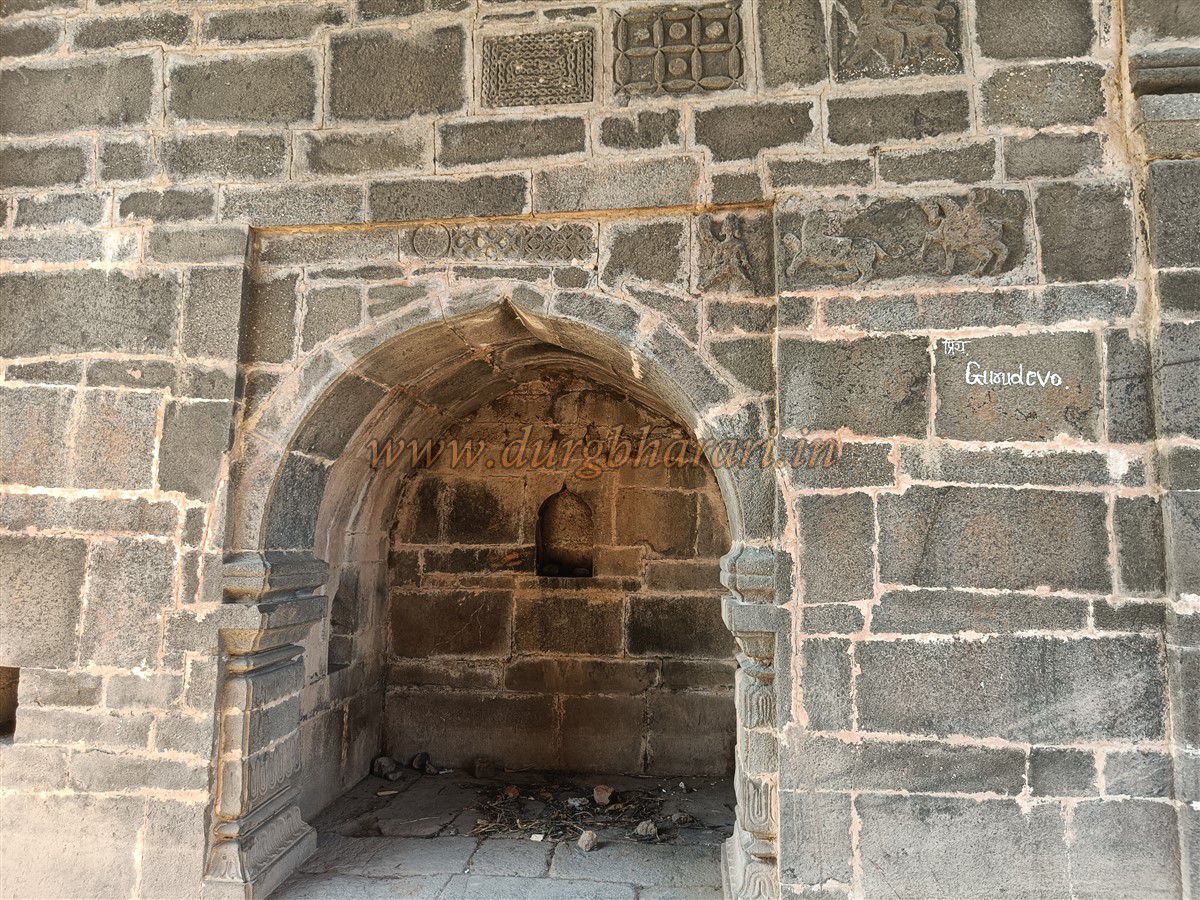
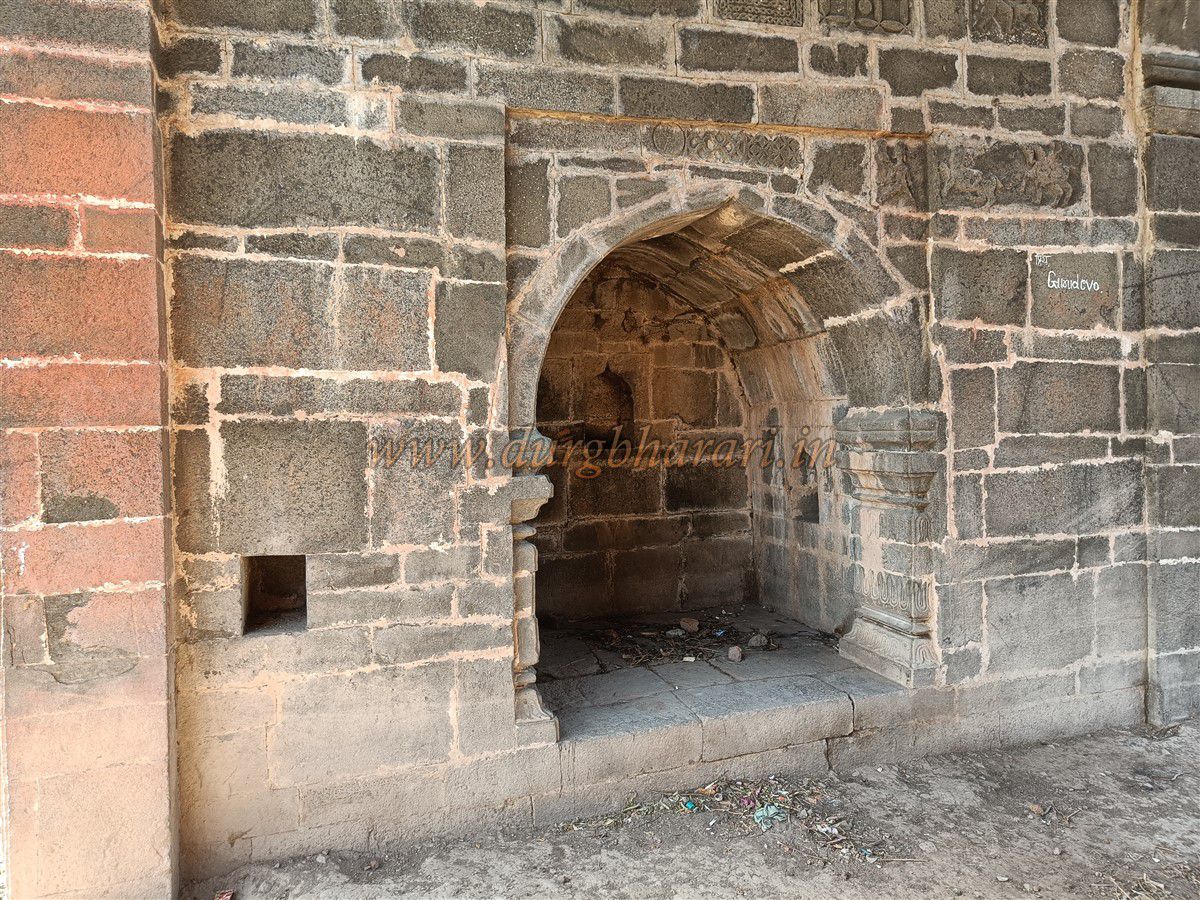
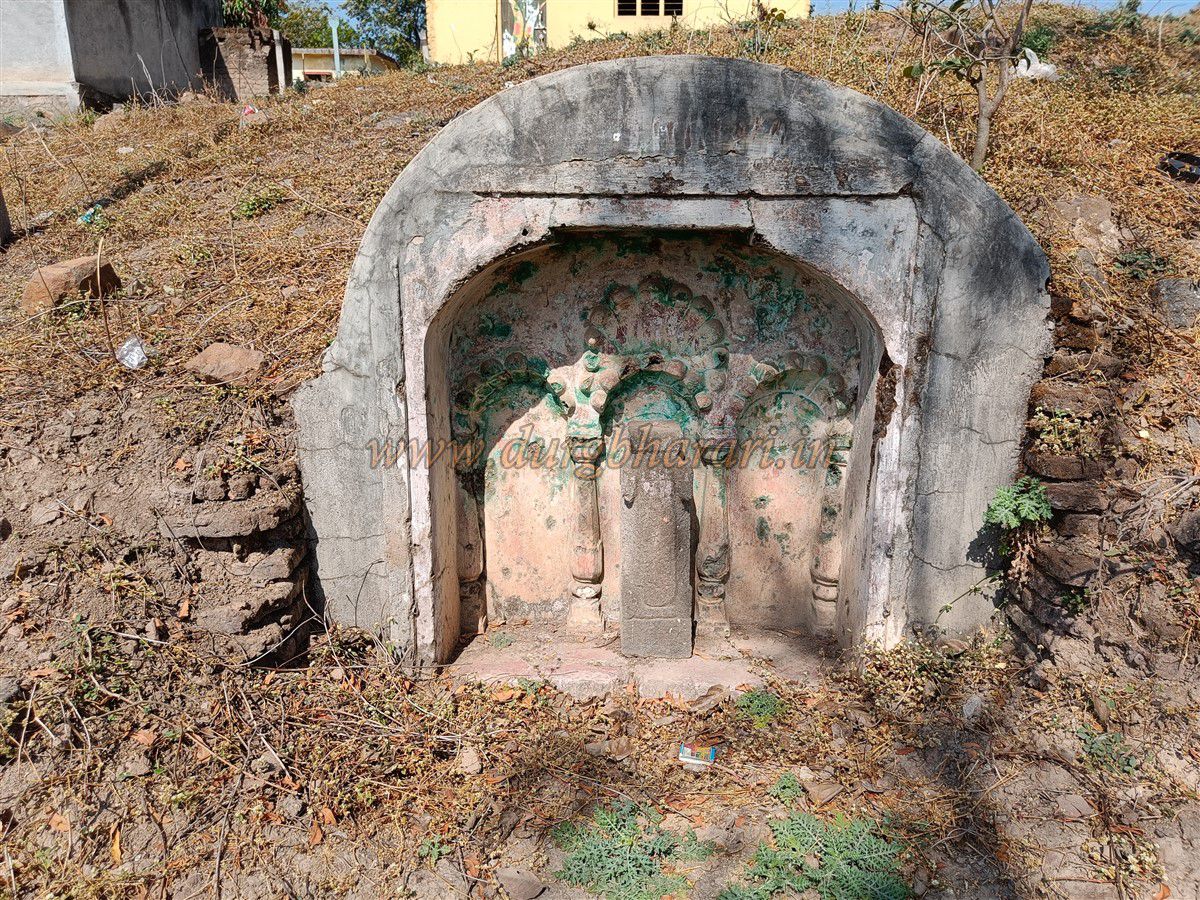
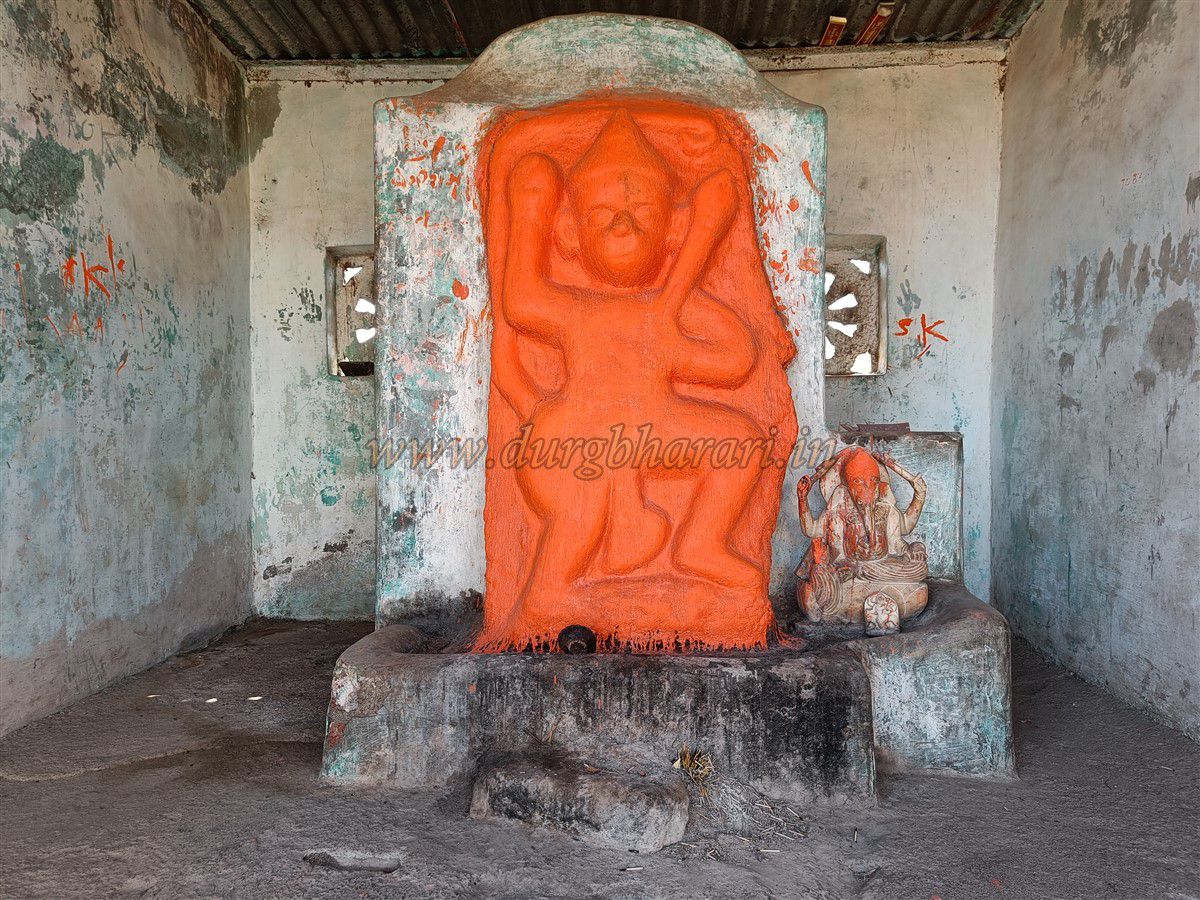
Remarkably, the main gate and its structure have survived both natural disasters and human neglect. The gate is approximately 25 feet high, with an arch of about 15 feet. The north-facing entrance has guard chambers on either side, and the stones used are heavily carved. From the top of the gate, one can gauge the scale of the fortification. Outside the gadhi is a Hanuman temple, and within its courtyard are five samadhi platforms. In the Girna riverbed, there is a medieval stone structure known as Sati's Pool. It consists of a wide stone wall with rounded bastion-like projections on both ends. There are six niches in this wall, housing idols of Ganesh and other deities, indicating it may have been a site for Sati rituals.
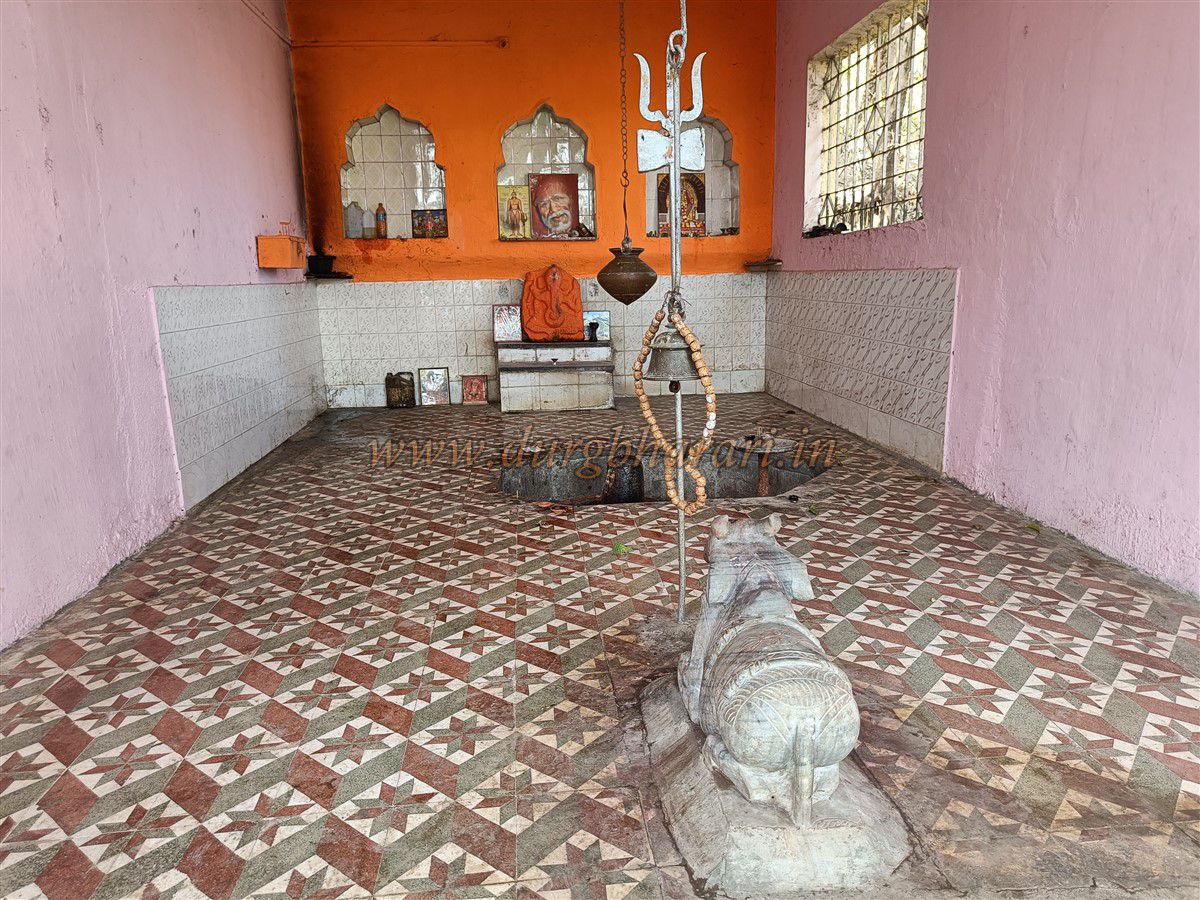
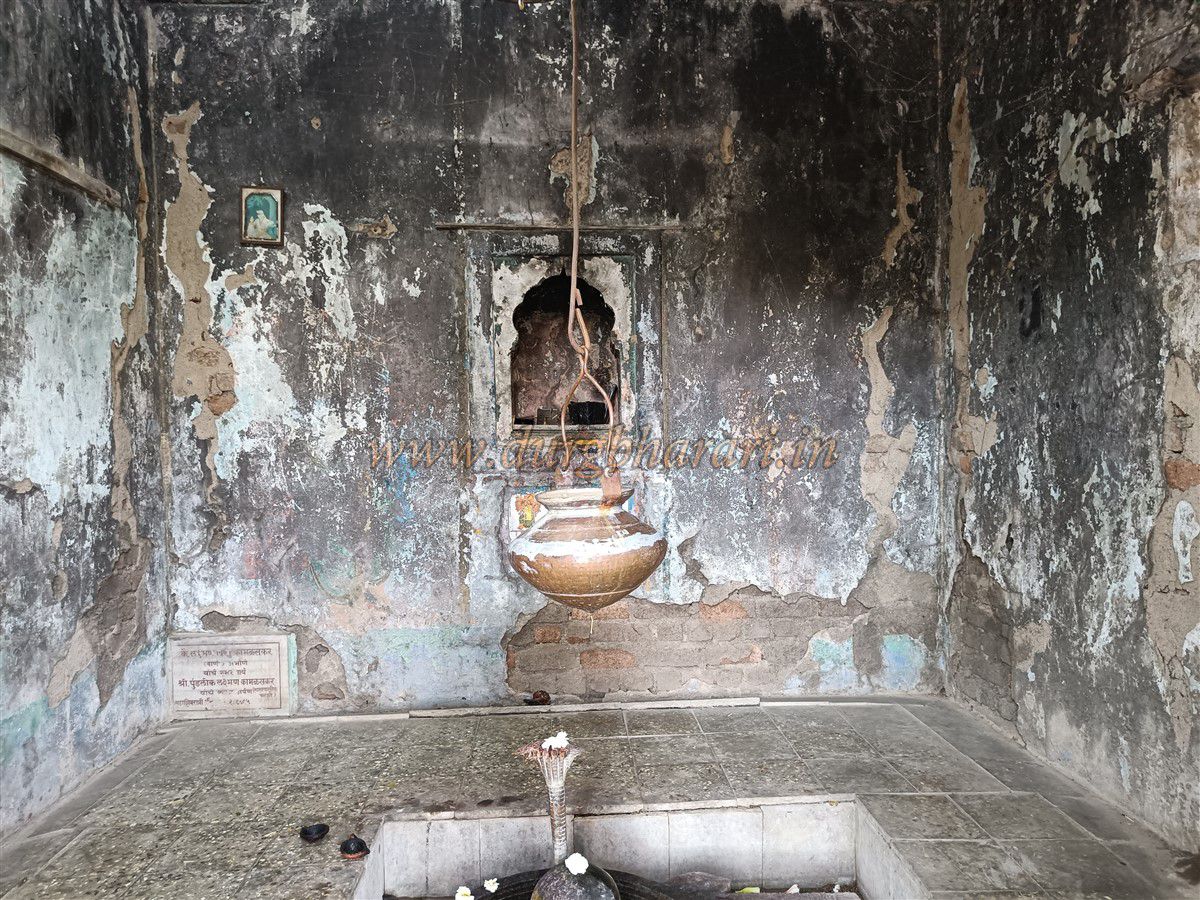
Behind the gadhi on the riverbank are the Girjeshwar Mahadev temple and, ahead of it, the Gopal Krishna temple. The village also has two stepwell, though they are in a poor state due to lack of maintenance. One hour is sufficient to explore the gadhi and surrounding area. Descendants of the Thoke family still reside in the village, and it is said they possess a sword with a golden hilt, though due to time constraints, we could not visit them. While the former glory of the Thoke has faded, the honor they receive remains intact. In the village, the Holi celebration only begins after the Holika worship at the Thoke residence. The idol of the family goddess is taken out in a procession every year on Dussehra.
To understand the history of the Dabhade and Thoke Deshmukh families, a visit to Abhona is a must. Records from the Peshwa era show that the Thoke family had close ties with the rulers of Peth Sansthan, Baji Atole, the Deshmukh of Sinnar, Kunwar Bahadur, and Mudonkar Bhavasing Thoke. The Thoke were granted Watan rights over 18 villages around Abhona. Two Thoke commanders from Abhona—Deorao and Harising Thoke—were trusted associates of Khanderao Dabhade of Talegaon. Three daughters from the Thoke family of Abhona were married into the Dabhade family. One of the wives of Senakhasakhel Savai Baburao Dabhade, the third son of Senapati Dabhade, was the sister of Harising Thoke from Abhona. Likewise, Yashwantrao (the second adopted son of Senapati) was married to Lakshmibai, daughter of Harising Thoke.
In 1704, Deorao Thoke’s daughter Umabai from Abhona was married into the family of Senapati Khanderao Dabhade. After Khanderao death, Chhatrapati Shahu appointed their son Trimbakrao as Senapati. However, a conflict arose between Trimbakrao and Peshwa Bajirao over the Subhedari of Gujarat. To resolve this, Bajirao Peshwa won over Umabai’s relatives—Dalpatrao Thoke, Bhavasingrao Thoke, Bajaji Atole, Kawade, Deshmukh of Sinnar, Kunwar Bahadur—and brought them to his side. On 25 November 1730, Bajirao granted land rights (saranjam) to Bhavasing Thoke and garments to Kunwar Bahadur. Bhavasing Thoke, who had previously served the Nizam, joined Bajirao and began creating unrest in the Baglan region. In response, the Nizam wrote to Shahu, requesting that Bhavasing not be employed under the Marathas. To appease the Nizam, Shahu advised the Peshwas not to retain Bhavasing Thoke, but this was ignored.
On 1 April 1731, during the Battle of Dabhoi arising from internal disputes, Bhavasingrao Thoke, aligned with the Peshwas, ordered a bargir (horseman) to shoot at Senapati Trimbakrao, leading to his death. This incident marked the political emergence of Umabai, daughter of Harising Thoke. Though deeply hurt by her son’s death, Umabai had to forgive Bajirao Peshwa when Chhatrapati Shahu personally brought him to Talegaon to seek her pardon. Subsequently, Shahu appointed Trimbakrao younger brother Yashwantrao as Senapati and the youngest, Baburao, as Senakhasakhel. However, as both were minors, Umabai took charge of both positions. Impressed by her service, Chhatrapati Shahu invited her to Satara and honoured her by placing golden anklets on her feet.
After Shahu’s death, Umabai Dabhade aligned with Queen Tarabai of Kolhapur. Umabai, Tarabai, and Damaji Gaikwad led a rebellion against the Peshwas. On 16 May 1751, the Peshwas confined the Dabhade family to the Holkar mansion in Pune. However, Umabai eventually negotiated peace with the Peshwas and ended the conflict. Her health declined afterward, and she passed away on 28 November 1753 in Pune. Historical records also mention that Umabai Dabhade had constructed the steps leading up to the Saptashrungi Devi shrine.
Historical reference: Ramesh Padwal, Abhona.
© Suresh Nimbalkar
GALLERY